Leviticus 19:10
And thou shalt not glean thy vineyard, neither shalt thou gather every grape of thy vineyard; thou shalt leave them for the poor and stranger: I am the LORD your God.
Translations
And you shall not glean your vineyard, neither shall you gather every grape of your vineyard; you shall leave them for the poor and stranger: I am the LORD your God.
King James Version, Webster Bible
And thou shalt not glean thy vineyard, neither shalt thou gather every grape of thy vineyard; thou shalt leave them for the poor and stranger: I am the LORD your God.
And thou shalt not glean thy vineyard, neither shalt thou gather every grape of thy vineyard; thou shalt leave them for the poor and stranger: I am the Lord your God.
And thou shalt not glean thy vineyard, neither shalt thou gather the fallen fruit of thy vineyard; thou shalt leave them for the poor and for the stranger: I am the LORD your God.
And thou shalt not glean thy vineyard, neither shalt thou gather the fallen fruit of thy vineyard; thou shalt leave them for the poor and for the sojourner: I am Jehovah your God.
and thy vineyard thou dost not glean, even the omitted part of thy vineyard thou dost not gather, to the poor and to the sojourner thou dost leave them; I [am] Jehovah your God.
And thy vineyard shalt thou not glean, neither shalt thou gather what hath been left of thy vineyard; thou shalt leave them for the poor and the stranger: I am Jehovah your God.
And, thy vineyard, shalt thou not go over again, nor gather, every single grape: for the poor and for the sojourner, shalt thou leave them, I—Yahweh, am your God.
Berean Standard Bible, Majority Standard Bible
You must not strip your vineyard bare or gather its fallen grapes. Leave them for the poor and the foreigner. I am the LORD your God.
You shall not glean your vineyard, neither shall you gather the fallen grapes of your vineyard. You shall leave them for the poor and for the foreigner. I am the LORD your God.
And do not take all the grapes from your vine-garden, or the fruit dropped on the earth; let the poor man, and the man from another country, have these: I am the Lord your God.
Thou shalt not gather the grapes of thy vineyarde cleane, neyther gather euery grape of thy vineyarde, but thou shalt leaue them for the poore and for the straunger: I am the Lord your God.
Douay-Rheims (Challoner revision)
Neither shalt thou gather the bunches and grapes that fall down in thy vineyard, but shalt leave them to the poor and the strangers to take. I am the Lord your God.
Pictures
Cross-references
- Deuteronomy 24:19-21
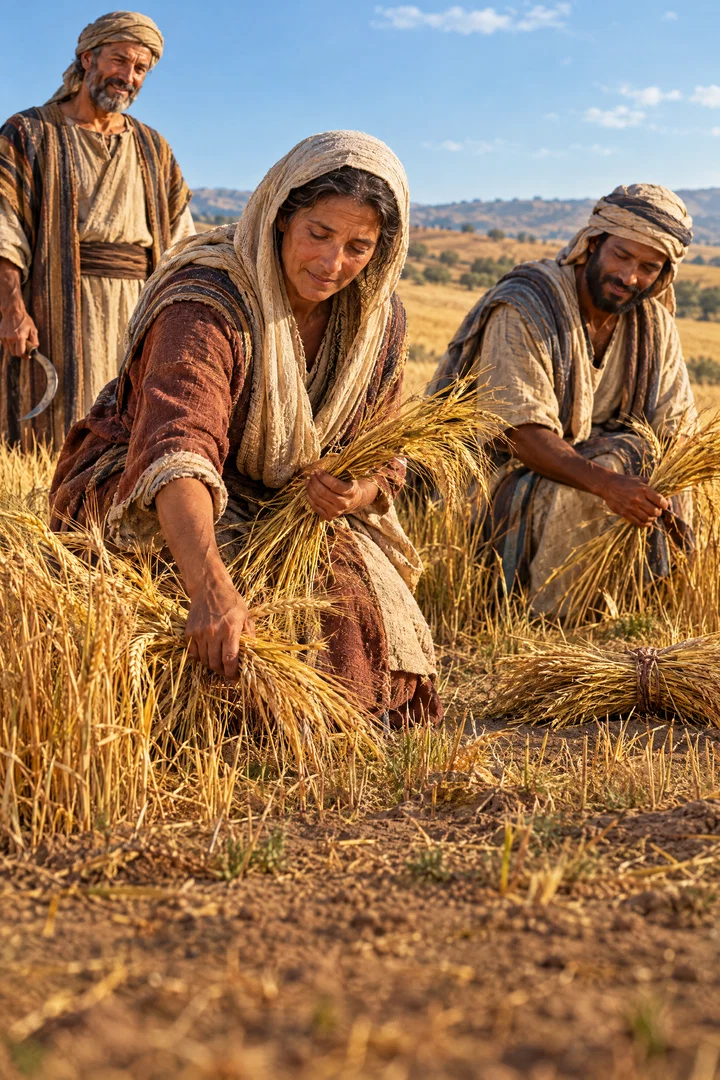
When thou cuttest down thine harvest in thy field, and hast forgot a sheaf in the field, thou shalt not go again to fetch it: it shall be for the stranger, for the fatherless, and for the widow: that the LORD thy God may bless thee in all the work of thine hands.
Both command leaving harvest gleanings for the poor and stranger.
- Leviticus 23:22
And when ye reap the harvest of your land, thou shalt not make clean riddance of the corners of thy field when thou reapest, neither shalt thou gather any gleaning of thy harvest: thou shalt leave them unto the poor, and to the stranger: I am the LORD your God.
Commands leaving field gleanings for the poor and the stranger.
- Exodus 23:11
But the seventh year thou shalt let it rest and lie still; that the poor of thy people may eat: and what they leave the beasts of the field shall eat. In like manner thou shalt deal with thy vineyard, and with thy oliveyard.
Both leave land produce for the needy.
- Deuteronomy 14:29
And the Levite, (because he hath no part nor inheritance with thee,) and the stranger, and the fatherless, and the widow, which are within thy gates, shall come, and shall eat and be satisfied; that the LORD thy God may bless thee in all the work of thine hand which thou doest.
Both provide Israel’s produce for the stranger and other vulnerable people.
Commentary
Each commentary is drawn from primary sources: the writings of Ellen G. White and Adventist pioneers and periodicals. Each commentary is separate. Its own words are not a quotation; follow the references to read the source passages.
Ellen G. White
17 sources
The law forbids stripping the vineyard bare or picking up every grape, requiring the owner to leave what remains unharvested so the poor and the stranger may have food.Ms 60, 1902, par. 31–34Ms 56, 1898, par. 18–20Ms 115, 1905, par. 12–13PP 531.1–2 It is spoken by Christ as Redeemer, and its force rests on the Lord's own authority in I am the LORD your God.Ms 15, 1901, par. 22–23Ms 115, 1905, par. 12–13 It belongs to holiness lived out in every circumstance, in overcoming selfishness, cultivating Christ's character, and loving one's neighbor as oneself.Ms 15, 1901, par. 22–23Ms 34, 1900, par. 11–14Ms 66, 1890, par. 7 What is left is the Lord's portion, honoring God first and acknowledging that He owns field and vineyard and all possessions while His people hold them as stewards.Ms 60, 1902, par. 25–2618MR 87.3–44T 77.2–34T 467.1–2ST Jan 29, 1880 It commands practical love, justice, and compassionate duty that shares God's gifts, embraces the stranger in material and spiritual blessing, and still binds Christians to proportionate giving and mercy to all in need rather than robbing God and the poor.Ms 56, 1898, par. 18–20Ms 115, 1905, par. 12–13Ms 86, 1905, par. 9–14RH Aug 3, 1905ST Jan 29, 1880
Command's Words and Setting
The vineyard is not to be stripped clean, and not every grape is to be gathered, but some grapes are to be left unharvested so the poor and the stranger have food from the vineyard itself.Ms 60, 1902, par. 31–34Ms 56, 1898, par. 18–20Ms 115, 1905, par. 12–13Ms 86, 1905, par. 9–14Ms 34, 1900, par. 11–14 The owner is not to take everything for himself but is to leave access to food for people in need, which makes provision for the needy part of God's law for how people treat one another.Ms 60, 1902, par. 31–34Ms 115, 1905, par. 12–13Ms 86, 1905, par. 9–14 This leaving is practical love for others and belongs with the broader commands to deal justly and compassionately, to perform practical duties toward others, and to live a holy life apart from stealing, fraud, and other wrongs.Ms 56, 1898, par. 18–20Ms 115, 1905, par. 12–13Ms 34, 1900, par. 11–14 What remains ungleaned is the Lord's portion, because God's gifts are to be shared and the needy must not be oppressed.Ms 60, 1902, par. 25–26
The instruction is spoken by Christ as Redeemer, who calls for holiness that leaves part of the harvest and vineyard grapes for the poor and the stranger rather than gathering all for self.Ms 15, 1901, par. 22–23 The requirement rests on the Lord's own authority, declared in I am the LORD your God.Ms 115, 1905, par. 12–13
The command stands in a holiness code in which, because God is holy, His people must be holy in order to be accepted and approved by Him.Ms 66, 1890, par. 7 Holiness means practicing godliness in every circumstance and cultivating the attributes of Jesus, which are the attributes of God.Ms 15, 1901, par. 22–23Ms 66, 1890, par. 7 It means overcoming selfishness and self-centeredness and loving one's neighbor as oneself, shown in leaving provision like grapes for the poor and stranger and in giving mercy and relief to all who need it, not only to members of one's own sect.Ms 15, 1901, par. 22–23Ms 34, 1900, par. 11–14Ms 66, 1890, par. 7 Responsibility begins at home as blessing first to members of one's own family and then extends to fellow men, while salvation does not come by belonging to a particular church but by individual belief in Jesus Christ as personal Saviour, being united with Christ and growing up to the full stature of Jesus Christ with intelligent knowledge of responsibility.Ms 66, 1890, par. 7
The poor are given a right to a certain portion of the produce of the soil, so that all the gleanings of harvest-field, orchard, and vineyard belong to the poor, for the stranger, the fatherless, and the widow.PP 531.1–2 When hungry, a man is at liberty to go into his neighbor's field or orchard or vineyard and eat of the grain or fruit to satisfy his hunger.PP 531.1–2 It was in accordance with this permission that the disciples of Jesus plucked and ate of the standing grain as they passed through a field upon the Sabbath day.PP 531.1–2
Generosity, Stewardship, and Application
The command requires practical love for others, expressed in leaving part of the vineyard unharvested so the poor and the stranger have access to food rather than the owner taking every grape for himself.Ms 56, 1898, par. 18–20Ms 115, 1905, par. 12–13Ms 86, 1905, par. 9–14 It belongs to the duties governing how people treat one another justly and compassionately, grounded in the Lord's authority.Ms 56, 1898, par. 18–20Ms 115, 1905, par. 12–13Ms 86, 1905, par. 9–14 God's gifts are to be shared, and justice in dealing with others forbids oppressing fellow people while requiring that necessity be relieved.Ms 60, 1902, par. 25–2618MR 87.3–4
What is left ungleaned is the Lord's portion, appointed from the gleanings of harvest-field, orchard, and vineyard to relieve the necessities of the poor and the stranger.Ms 60, 1902, par. 25–2618MR 87.3–4 The arrangement put God first and reminded Israel that He owned the fields and flocks and everything possessed, with the people holding their goods only as stewards of what He had provided.4T 77.2–3RH Nov 15, 1906 Benevolence therefore honored God while caring for those in need.4T 77.2–3RH Nov 15, 1906
The provision showed kindness to those outside Israel, giving strangers a share both in material provision and in the spiritual blessings of the community.RH Aug 3, 1905 It taught liberality, mercy, and generous care for those in need and for those who struggle, rather than making their lot as hard as possible.AA 336.3–337.1Ms 81, 1901, par. 38–40 Leaving part of the harvest uncollected so the needy could find sustenance was the intended expression of that generosity.AA 336.3–337.1Ms 81, 1901, par. 38–40
Leaving what falls in reaping and refusing to gather every grape is one of the regular, set-apart ways by which property was sanctified for God and used to care for the poor.4T 467.1–2ST Jan 29, 1880 Almost every product was thus made to remind Israel of the Giver through required returns, with God's claims held paramount.ST Jan 29, 1880 The harvest was not to be reaped fully, but corners, droppings, and ungathered grapes were reserved for the poor and stranger.ST Jan 29, 1880
This requirement was one part of a proportionate system binding all according to the amount possessed.ST Jan 29, 1880 It stood alongside the tithe, the ransom for the firstborn son, the firstfruits of flocks and harvest, the spontaneous produce left for the needy every seventh year, sacrificial and sin and trespass offerings, the remission of debts every seventh year, hospitalities and gifts and assessments for the poor, and special freewill offerings.ST Jan 29, 1880 Together these systematic regular donations amounted to about one-third of income for religious interests and for the poor.ST Jan 29, 1880
The same obligation still binds Christians, including those possessing ten or twenty thousand dollars, under imperative claims not only to give proportionately by tithing but to present sin and thank offerings and acts of beneficence.ST Jan 29, 1880 Neglect to leave and give what belongs to God and the poor is robbing God.ST Jan 29, 1880 It violates a duty that must be settled in the last day.ST Jan 29, 1880
Mercy and relief are to be given to all who need them, not only to members of one's own sect, in overcoming selfishness and self-centeredness and loving one's neighbor as oneself.Ms 66, 1890, par. 7 Responsibility begins at home, as blessing first to members of one's own family, and then extends to fellow men.Ms 66, 1890, par. 7 Acceptance does not come by belonging to a particular church but by individual belief in Jesus Christ as personal Saviour, united with Christ and growing up to the full stature of Christ with intelligent knowledge of responsibility.Ms 66, 1890, par. 7
Sources
Pioneers and periodicals
17 sources
The verse requires owners to leave part of the vineyard unharvested so the poor and the stranger can gather food for themselves.ST Apr 7, 1914ST Mar 20, 1884 The incomplete gathering showed God's care for those in need and belonged to a system of generosity that put God first and reminded the people that the land and all they had were His and that they were only stewards of His goods.RH Nov 15, 1906RH Jul 12, 1870ST Aug 23, 1883 The specific farming rule is not legally binding today, but its underlying principle remains morally binding that provision for the poor must be made and that mercy to the poor is a duty that resists selfishness and covetousness.RH Feb 10, 1916RH Nov 12, 1908RH Jul 12, 1870 Leaving the remainder expressed kindness to those outside Israel, giving strangers a share both in material provision and in the spiritual blessings of the community.RH Aug 3, 1905 The requirement stands with the Sabbath among laws that are ethical rather than ceremonial and governed in most cases by God's moral law.ST May 20, 1875
Meaning and Historical Setting
The command leaves part of the vineyard unharvested, holding back some grapes from the gathering so that the poor and the stranger can find food there.ST Apr 7, 1914 Gleaning is the gathering of those grapes left behind after the main harvest, and it gives a place of service among what others have passed over and left behind.RH May 7, 1861
The instruction belongs to the commands spoken less than a year after Israel came out of Egypt and before the people departed from Sinai, not to a law first delivered forty years later.RH Aug 2, 1870 It therefore stands among the commandments given at Sinai rather than as part of a new law delivered in Deuteronomy.RH Aug 2, 1870 The laws for governing Israel that include this requirement and the Sabbath are ethical rather than ceremonial. In most cases those laws of Israel were governed by God's moral law.ST May 20, 1875
The requirement is an example of the tenth commandment.ST Dec 27, 1905 As such it helps show that the nations of Canaan and Egypt were held accountable for breaking God's law even before that law was spoken from Sinai.ST Dec 27, 1905
Provision and Practical Application
Landowners were to leave some grapes of the vineyard unharvested for the poor and the stranger, as part of the provision made for people in need.ST Mar 20, 1884 Leaving some grapes unharvested for the poor and the stranger expresses the duty of showing mercy to the poor.RH Feb 10, 1916 The requirement is an agricultural law given to Israel directing farmers to leave some grapes and other gleanings for the poor and the stranger, whose specific rule is not legally binding today while its underlying principle remains morally binding that people must provide for and help the poor.RH Nov 12, 1908 Leaving part of the harvest for the poor and the stranger was made a duty for God's people and a way to resist selfishness and covetousness.RH Jul 12, 1870
Leaving part of the harvest for the poor and the stranger showed kindness to those outside Israel and gave strangers a share in both material provision and the community's spiritual blessings.RH Aug 3, 1905 The harvest was not to be gathered completely, but some produce including grapes left on the vine was to remain for the poor and the stranger, showing care for those in need.RH Nov 15, 1906ST Aug 23, 1883 This provision formed part of a system of benevolence that put God first and reminded the people that their fields and everything they possessed belonged to God and that they held them as stewards of His goods.RH Nov 15, 1906ST Aug 23, 1883 The requirement to leave some grapes unharvested for the poor and the stranger, together with leaving the field's corners, exemplifies the demands of the Mosaic ritual that could weigh heavily on a poor widow and her orphaned family.RH Mar 17, 1859
Israel was not to reap fully but to leave harvest-field corners, whatever dropped in reaping, and ungathered grapes for the poor and stranger, meaning property was sanctified and God's claims were paramount, with almost every product reminding Israel of the Giver by required returns.ST Jan 29, 1880 It was one part of a proportionate system binding all according to amount possessed, including tithe, ransom for the firstborn son, firstfruits of flocks and harvest, spontaneous produce for the needy every seventh year, sacrificial and sin and trespass offerings, remission of debts every seventh year, hospitalities and gifts and assessments for the poor, plus special freewill offerings.ST Jan 29, 1880 Together the systematic regular donations amounted to about one-third of income for religious interests and for the poor.ST Jan 29, 1880 Christians possessing ten or twenty thousand dollars remain under imperative claims not only to give proportionately by tithing but to present sin and thank offerings and beneficence, and neglect to leave and give what belongs to God and the poor is robbing God and violating duty that must be settled in the last day.ST Jan 29, 1880
Gleaning is gathering the scattered grain left amid the ripened harvest sheaves, picturing patient sowing beside quiet waters and in broader fields with earnest, ceaseless toil hoping for a future harvest.ST Sep 30, 1880 It pictures lowly work in which the gleaner would bind the golden sheaves others claim but brings only scattered grain, unnoticed and scorned by others and with shame, and asks what good lies in such small, hidden labor.ST Sep 30, 1880 The gleanings supply an image of being gathered by God at the harvest, so that even if not among the full sheaves or finest wheat, the believer is content to be gathered with the gleanings and brought into the heavenly store.RH Sep 4, 1900 The provision for the poor and stranger by leaving part of the harvest for them to glean applies as an example of service, in which even the weakest person, including a child, can gather what has fallen, and diligent work, however small, is valuable.RH Jan 14, 1873
Sources