Luke 10:25
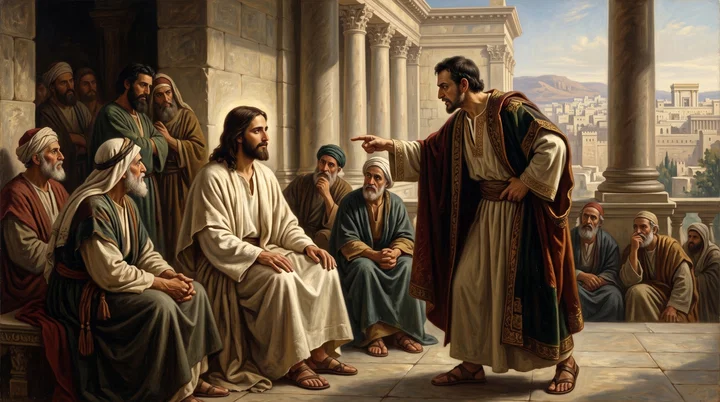
And, behold, a certain lawyer stood up, and tempted him, saying, Master, what shall I do to inherit eternal life?
Translations
American King James Version, King James Version
And, behold, a certain lawyer stood up, and tempted him, saying, Master, what shall I do to inherit eternal life?
KJV Cambridge Paragraph Bible, Webster Bible
And behold, a certain lawyer stood up, and tempted him, saying, Master, what shall I do to inherit eternal life?
And behold, a certain lawyer stood up and tempted him, saying, Master, what shall I do to inherit eternal life?
And behold, a certain lawyer stood up and made trial of him, saying, Teacher, what shall I do to inherit eternal life?
And lo, a certain lawyer stood up, trying him, and saying, 'Teacher, what having done, life age-during shall I inherit?'
And behold, a certain lawyer stood up tempting him, and saying, Teacher, having done what, shall I inherit life eternal?
And lo! a certain lawyer, arose, putting him to the test, saying—Teacher! by doing what, shall I inherit, life age-abiding?
Berean Standard Bible, Majority Standard Bible
One day an expert in the law stood up to test Him. “ Teacher,” he asked, “ what must I do to inherit eternal life?”
Behold, a certain lawyer stood up and tested him, saying, “ Teacher, what shall I do to inherit eternal life?”
And a certain teacher of the law got up and put him to the test, saying, Master, what have I to do so that I may have eternal life?
Then beholde, a certaine Lawyer stoode vp, and tempted him, saying, Master, what shall I doe, to inherite eternall life?
Douay-Rheims (Challoner revision)
And behold a certain lawyer stood up, tempting him, and saying, Master, what must I do to possess eternal life?
Pictures
Cross-references 20 of 43
- Leviticus 19:18
Thou shalt not avenge, nor bear any grudge against the children of thy people, but thou shalt love thy neighbour as thyself: I am the LORD.
It commands love for one’s neighbor as oneself.
- Deuteronomy 6:5
And thou shalt love the LORD thy God with all thine heart, and with all thy soul, and with all thy might.
Commands wholehearted love for God, which the lawyer cites in his answer.
- Luke 10:29-37
But he, willing to justify himself, said unto Jesus, And who is my neighbour?
The parable identifies the one who showed mercy as the good neighbor.
- Matthew 22:37-40
Jesus said unto him, Thou shalt love the Lord thy God with all thy heart, and with all thy soul, and with all thy mind.
Jesus gives the two love commandments as the summary of the law and prophets.
- Matthew 19:17
And he said unto him, Why callest thou me good? there is none good but one, that is, God: but if thou wilt enter into life, keep the commandments.
both answer what to do for eternal life
- Luke 10:29
But he, willing to justify himself, said unto Jesus, And who is my neighbour?
The lawyer follows up by asking who his neighbor is.
- James 2:10
For whosoever shall keep the whole law, and yet offend in one point, he is guilty of all.
Breaking one command makes a person accountable to the whole law.
- Revelation 22:14
Blessed are they that do his commandments, that they may have right to the tree of life, and may enter in through the gates into the city.
Keeping God’s commandments is linked with access to the tree of life and the city.
- Mark 12:30-31
And thou shalt love the Lord thy God with all thy heart, and with all thy soul, and with all thy mind, and with all thy strength: this is the first commandment.
Jesus gives the two love commands as the answer to the question about eternal life.
- Romans 13:8-10
Owe no man any thing, but to love one another: for he that loveth another hath fulfilled the law.
Love of neighbor fulfills the law’s commands.
- Luke 10:31-32
And by chance there came down a certain priest that way: and when he saw him, he passed by on the other side.
shows passing by as neglect of duty
- Exodus 20:1-17
And God spake all these words, saying,
The commandments given at Sinai are summed up in love for God and neighbor.
- Romans 6:23
For the wages of sin is death; but the gift of God is eternal life through Jesus Christ our Lord.
Contrasts sin’s death sentence with God’s gift of eternal life.
- Deuteronomy 10:12-13
And now, Israel, what doth the LORD thy God require of thee, but to fear the LORD thy God, to walk in all his ways, and to love him, and to serve the LORD thy God with all thy heart and with all thy soul,
God requires love, service, and obedience to his commandments.
- 2 Timothy 1:10
But is now made manifest by the appearing of our Saviour Jesus Christ, who hath abolished death, and hath brought life and immortality to light through the gospel:
Christ brings life and immortality to light through the gospel.
- Acts 16:30
And brought them out, and said, Sirs, what must I do to be saved?
Both ask what one must do to be saved.
- Galatians 5:14
For all the law is fulfilled in one word, even in this; Thou shalt love thy neighbour as thyself.
Love of neighbor fulfills the law.
- Romans 13:10
Love worketh no ill to his neighbour: therefore love is the fulfilling of the law.
Love of neighbor fulfills the law.
- Leviticus 18:5
Ye shall therefore keep my statutes, and my judgments: which if a man do, he shall live in them: I am the LORD.
Doing God’s commands is connected with life.
- James 2:8
If ye fulfil the royal law according to the scripture, Thou shalt love thy neighbour as thyself, ye do well:
Calls love of neighbor the royal law.
Commentary
Each commentary is drawn from primary sources: the writings of Ellen G. White and Adventist pioneers and periodicals. Each commentary is separate. Its own words are not a quotation; follow the references to read the source passages.
Ellen G. White
104 sources
A lawyer stood up while Jesus was teaching before a large watching crowd to test Him and draw Him into controversy, put forward by His enemies who hoped to catch Him in His words. ST Jul 7, 1890Lt 304, 1908, par. 11–12Ms 71, 1897, par. 29–32Ms 24, 1901, par. 6–7Ms 31, 1902, par. 13–16 His question about what he must do to gain eternal life is the most important question any person can ask for himself, concerning not earthly life but a clear title to an incorruptible heavenly inheritance and a life that measures with the life of God. Ms 2, 1893, par. 1–2Ms 80, 1900, par. 56MR 196.5–197.2Ms 57, 1906, par. 9–11 Jesus refused controversy and turned him back to what is written in the law, drawing from him the answer of supreme love to God with all heart, soul, strength and mind and unselfish love to his neighbor as himself, then affirmed that doing this is the way to live. ST Oct 28, 1889ST Nov 24, 1887Ms 101, 1901, par. 42–46RH Jun 28, 1906Ms 69a, 1896, par. 20–22 That doing means whole-hearted, perfect obedience in daily life, not mere belief, profession or feeling, yet no one can render it in his own strength but only through pardon and power received by faith in Christ. ST Nov 24, 1887Lt 4, 1903, par. 14T 57.2Ms 66, 1886, par. 6Ms 59, 1899, par. 9 The law thus convicts the hearer of failure and points him to Christ as Saviour, while the neighbor he must love is every needy soul who requires help, to be served in practical mercy as the Samaritan served the wounded traveler. DA 497.1COL 376.1–23T 523.2–3Lt 304, 1908, par. 11–12Lt 1, 1899, par. 4–5
Asker, Motive and Setting
While Jesus was teaching, a lawyer stood up and asked what he must do to inherit eternal life, testing and tempting Him in unbelief and controversy to entangle Him and find grounds to condemn Him.ST Jul 7, 1890Ms 40, 1889, par. 1–2Ms 71, 1897, par. 29–32Lt 81, 1901, par. 7–10Lt 98, 1896, par. 8–10 He did not ask on his own but was put forward and prompted at the suggestion and sending of His enemies, and repeated the question as if a serious concern while serving their purpose.Lt 304, 1908, par. 11–12Ms 71, 1897, par. 29–32Ms 126, 1905, par. 8–12Ms 167, 1898, par. 2–4Ms 108, 1899, par. 14–19 Those behind him were the Pharisees, scribes, Herodians, Sadducees, priests, rulers and other enemies, who themselves dared venture no further question after being silenced and stood with lowering brows, disappointed in expectation and filled with bitterest hatred.Ms 71, 1897, par. 29–32Lt 98, 1896, par. 8–10Ms 24, 1901, par. 6–7Ms 31, 1902, par. 13–16Ms 43a, 1894, par. 11–14 They listened as spies and criticizers, hoping to catch some word from His lips to use against Him, to twist it to hurt His influence, stop His work, destroy His life, and secure His condemnation.Lt 304, 1908, par. 11–12Lt 98, 1896, par. 8–10Ms 126, 1905, par. 8–12Lt 82a, 1897, par. 7–13Ms 24, 1901, par. 6–7
The question was asked before a large crowd listening with intense interest, surrounding Jesus in great numbers while He presented the heavenly inheritance.Lt 304, 1908, par. 11–12Ms 24, 1901, par. 6–7Ms 31, 1902, par. 13–16Lt 179, 1902, par. 17–19Ms 43a, 1894, par. 11–14 That company included Pharisees and Sadducees, priests and lawyers, rabbis and rulers of the synagogue and others, standing by eagerly and wily, waiting to hear and report the answer to the Jewish authorities.Ms 24, 1901, par. 6–7Ms 31, 1902, par. 13–16Lt 179, 1902, par. 17–19Ms 43a, 1894, par. 11–14Ms 56, 1900, par. 4–5 Jesus knew the questioner's heart and purpose and the plotters' purpose, reading every heart as an open book and knowing every lurking thought.Lt 98, 1896, par. 8–10Ms 163a, 1898, par. 1Ms 126, 1905, par. 8–12Lt 82a, 1897, par. 7–13Ms 31, 1902, par. 13–16 He understood that the question was needless because the lawyer already knew the answer, yet He entered into no direct controversy over it.Lt 304, 1908, par. 11–12Ms 126, 1905, par. 8–12Lt 82a, 1897, par. 7–13
The weight of testimony holds that the motive was temptation, but alongside it those who held the other view describe the lawyer as also asking straightforwardly and even sincerely, seeking the real meaning of Scripture.Ms 2, 1893, par. 1–2Ms 108, 1899, par. 14–19DA 497.4–498.1COS 68.4ST Jul 16, 1894 In that light he was deeply convicted by the Holy Spirit, whom Christ kindly knew to be convicted, and he knew he had not loved others as himself.Ms 108, 1899, par. 14–19Ms 156, 1904, par. 34–39DA 497.4–498.1COS 68.4ST Jul 16, 1894 His conviction exposed his failure to keep the commandments he could rightly state, leaving him self-condemned before the people.Ms 40, 1889, par. 1–2Lt 304, 1908, par. 11–12Lt 81, 1901, par. 7–10
Wording and Eternal Inheritance
The lawyer's words what shall I do form a direct, pointed and strictly personal inquiry about inheriting eternal life, not merely earthly life.Ms 2, 1893, par. 1–2Ms 80, 1900, par. 5Ms 153, 1904, par. 15–19 It is the most valuable, wonderful and important question any person can ask, terrible to lose and costly to trifle with, for to lose heaven is to lose everything and sin is too expensive a business.Ms 2, 1893, par. 1–26MR 196.5–197.2 Every person must ask it distinctly for himself, young and old, and keep it continually in view rather than pursuing nonessential disputes and curious theories.Ms 80, 1900, par. 56MR 196.5–197.2Ms 96, 1899, par. 10–12Lt 52, 1906, par. 29–3113MR 262.1–3 Christ meets it positively and definitely, not leaving it indistinct and indefinite, by pointing to what is written in the law and how it is read.Ms 80, 1900, par. 56MR 196.5–197.2Ms 96, 1899, par. 10–12
To inherit eternal life is to gain a clear title to the heavenly inheritance, to mansions in the sky wanted when the earth reels to and fro like a drunkard.Ms 2, 1893, par. 1–2 It is an incorruptible reward, a building made by God and not by human hands, a home on the earth made new where all is made new forever and ever.6MR 196.5–197.2 It is a life that measures with the life of God and runs parallel with the life of Jehovah, a life measured by the life of God, an eternity of glory and bliss.Ms 57, 1906, par. 9–11Lt 216, 1906, par. 4–5Ms 130, 1906, par. 11–12Ms 140, 1906, par. 9–10 That inheritance and life for the obedient was bought by Christ's death and infinite sacrifice, secured through His persevering labor for salvation, and money and worldly honor do not raise a person one jot in value with the God of heaven who weighs moral worth.Ms 2, 1893, par. 1–26MR 196.5–197.2
The word tempted means the question was put as a test in unbelief and controversy, to entangle Jesus and find grounds to condemn Him and use against Him rather than sincerely to understand truth.Ms 40, 1889, par. 1–2DA 497.2–3Ms 153, 1904, par. 15–19Ms 66, 1890, par. 2–4Ms 117, 1903, par. 5–7
How Jesus Answered
Jesus entered into no controversy over the testing question but threw the burden of answering back upon the questioner himself.Ms 130, 1899, par. 60–61Ms 40, 1889, par. 1–2Lt 4, 1903, par. 1 Instead of giving a new formulation He asked what is written in the law and how it is read, placing the answer already before the one who asked.Ms 130, 1899, par. 60–61Lt 74, 1900, par. 39Lt 4, 1903, par. 1 In this way He turned the whole question of salvation toward obedience to God's commandments, making doing what is written the path to life.Ms 101, 1901, par. 42–46Lt 74, 1900, par. 39Lt 4, 1903, par. 1 The reply thus obtained states the conditions as supreme love for God and unselfish love for fellow men, the two great principles on which hang all the law and the prophets.ST Nov 24, 1887Ms 101, 1901, par. 42–46Lt 4, 1903, par. 1 Those conditions claim the whole being and every faculty with no divided heart between God and self, devoted wholly to His service.Ms 130, 1899, par. 60–61Lt 74, 1900, par. 39Lt 4, 1903, par. 1
By pointing to what is written He directs every seeker to learn what God requires from Scripture for himself rather than from good intentions, personal judgment, a minister's teaching, or another person's authority.RH Jun 28, 1906Ms 162, 1899, par. 9–11GC 598.1 No person can rightly answer the question by suppositions, assertions, human theories, traditions, or false doctrines, and to trust such human answers risks the loss of eternal life.Ms 162, 1899, par. 9–11GC 598.1 The way is plainly revealed in the law, so no other way is to be sought and refusal of its light to avoid separation from the world decides the issue.Ms 69a, 1896, par. 20–22Ms 105, 1894, par. 11GC 598.1 Ignorance does not excuse transgression when its requirements are available to be searched out.Ms 69a, 1896, par. 20–22GC 598.1 Bible truth alone is the only safe ground to stand on, for God's Word is true and Christ's words are spirit and life, commanding obedience as the escape from the moral pollution in the world.Ms 162, 1899, par. 9–11
The lawyer himself gave the answer, that the law requires loving the Lord God with all heart and soul and strength and mind and loving one's neighbor as oneself.ST Oct 28, 1889ST Nov 24, 1887Ms 101, 1901, par. 42–46Ms 130, 1899, par. 60–61Ms 40, 1889, par. 1–2 Jesus affirmed it with Thou hast answered right, adding this do and thou shalt live, thereby making doing the way to life.ST Oct 28, 1889ST Nov 24, 1887Ms 130, 1899, par. 60–61Ms 40, 1889, par. 1–2Ms 116, 1898, par. 3–4 That doing expresses the whole duty of humanity and the vital conditions of eternal life, to be fulfilled not by human strength alone but by Christ's divine power in those who walk by the Spirit.ST Nov 24, 1887Ms 116, 1898, par. 3–4 The answer also exposed the questioner's own failure to keep what he knew, since he had not fulfilled it in unbelief and controversy.Ms 101, 1901, par. 42–46Ms 40, 1889, par. 1–2
Conditions for Eternal Life
The conditions of eternal life are supreme love for God and unselfish, Christlike love for fellow men, the two great principles on which hang all the law and the prophets.ST Oct 28, 1889ST Nov 24, 1887Ms 101, 1901, par. 42–46Ms 116, 1898, par. 3–418MR 1.7–2.1 To love the Lord God with all heart and soul and strength and mind and to love the neighbor as oneself is the whole duty of humanity, the foundation of all true godliness, and the living principle of salvation, and doing this is the way to live.ST Oct 28, 1889ST Nov 24, 1887Ms 116, 1898, par. 3–418MR 1.7–2.1Lt 122, 1896, par. 9–12 Those who set their affections on the things of this life and do not love God with all the heart and their neighbor as themselves are not fulfilling these conditions and cannot expect to be saved unless they repent and turn to God with all the soul.ST Oct 28, 1889Ms 116, 1898, par. 3–4Lt 122, 1896, par. 9–12 Fulfilling them is vital, so that professing knowledge of truth and preaching while cherishing suspicion and evil imagining brings upon the professed believer the evils imagined and the fruit of his own doings.Ms 101, 1901, par. 42–46Ms 116, 1898, par. 3–4
That love claims the whole being with no reservation and no divided heart shared between God and self or the world or mammon.Lt 4, 1903, par. 1Lt 22, 1901, par. 16–19Lt 19, 1894, par. 5–8Lt 155, 1902, par. 7–8Ms 10, 1894, par. 11–13 It takes in all there is of a person — will power, speech, hearing, sight, physical strength, time, influence, talents and possessions laid at His feet — not one-quarter, one-half or two-thirds, and it claims the first place with first thoughts and first actions.Lt 4, 1903, par. 1Lt 19, 1894, par. 5–8Ms 12, 1868, par. 7–9Lt 155, 1902, par. 7–8Ms 10, 1894, par. 11–13 The whole person must be converted and consecrated in unreserved surrender and entire service of mind and body, turning from the glitter of the world to the attractions of heaven and appreciating the atonement.Lt 4, 1903, par. 1Lt 22, 1901, par. 16–19Ms 12, 1868, par. 7–9Lt 155, 1902, par. 7–8 Any soul or object that divides the affections, engages the mind and is enthroned in the heart violates the requirement and becomes an idol, as when self and selfishness are worshiped by consulting selfish pleasure, letting inclination rule spirit, soul and body, and giving strength and time to unimportant matters that divert the mind from God.Lt 19, 1894, par. 5–8Ms 12, 1868, par. 7–9Ms 10, 1894, par. 11–13
Eternal life is given on condition of doing, not merely believing, professing, feeling happy emotion, holding theory, or hearing only.ST Nov 24, 18874T 57.2Ms 59, 1899, par. 9Ms 102, 1902, par. 12–14Ms 120, 1901, par. 2 Knowing the law as theory is not enough and mere assent to evidence of truth does not save; the law must be obeyed in practical daily life, lived out with every trace of selfishness removed.4T 57.2Ms 59, 1899, par. 9Ms 102, 1902, par. 12–14Ms 120, 1901, par. 2 Doing the law in daily life is the true fruit of piety, the answer that concerns both present and eternal welfare, plainly stated so there is no need to walk crooked paths.4T 57.2Lt 2, 1893, par. 11–13Ms 102, 1902, par. 12–14Ms 120, 1901, par. 2 Christ’s sacrifice does not abolish or lessen the law, for forgiveness is possible without disregarding its claims.ST Nov 24, 1887Ms 59, 1899, par. 9Lt 2, 1893, par. 11–13
No one can fulfill these commands by his own strength, for the natural condition of man is sinfulness.ST Nov 24, 1887Lt 122, 1896, par. 9–12Ms 77, 1899, par. 6 A great sacrifice has been offered making obedience possible, and Christ’s divine power, pardon and righteousness received by faith enable the law’s righteousness to be fulfilled in those who walk by the Spirit.ST Nov 24, 1887Lt 122, 1896, par. 9–12Lt 2, 1893, par. 11–13Lt 216, 1906, par. 4–5 For the transgressor the only hope is to believe in Christ as Redeemer and personal Saviour and accept His robe of righteousness, while Christ fulfills the law for those who receive Him.Lt 122, 1896, par. 9–12Lt 2, 1893, par. 11–13Lt 216, 1906, par. 4–5Ms 77, 1899, par. 6
What is required is perfect, complete obedience in thought, word and deed, with no time when the law does not claim the whole man, as under both the old and new covenants.Ms 66, 1886, par. 6Lt 216, 1906, par. 4–5Ms 27, 1899, par. 22–23Ms 121, 1899, par. 6–8 The same obedience required of Adam is required of every member of the human family and every son and daughter of Adam, for true holiness is obedience to God, not transgression.Ms 66, 1886, par. 6Lt 216, 1906, par. 4–5Ms 41, 1897, par. 25–27Ms 70a, 1897, par. 5 The moral law engraved on stone dates to when the Lord made heaven and earth, is the Lord’s own work, is immutable, is God’s rule of government and definition of sin, and its ten Thou shalts and Thou shalt nots are ten promises secured to those who obey the law governing the universe.Ms 66, 1886, par. 6Ms 27, 1899, par. 22–23Ms 41, 1897, par. 25–27Ms 70a, 1897, par. 5 Love to God supremely is the fruit borne by obedience, so sin cannot reign where it exists, and love to neighbor prevents working ill to him; those who do not obey shall not see life but the wrath of God abides on them, cursed for not continuing in the law, for the soul that sins shall die, yet doing brings reward both in the present life and the life to come.Ms 27, 1899, par. 22–23Ms 41, 1897, par. 25–27Ms 121, 1899, par. 6–8
Law, Conviction and Failure
The law to which the question is directed is the Ten Commandments given to Israel at Sinai, which God's people had nearly lost sight of.Lt 122, 1896, par. 9–12Ms 8, 1897, par. 1Ms 109, 1906, par. 2–4 The requirement to love the Lord with all heart, soul, strength and mind, and the neighbor as self, is the sum and substance of that law and the terms of salvation for every son and daughter of Adam.Ms 8, 1897, par. 1Lt 179, 1902, par. 17–19Ms 70a, 1897, par. 5 The first four commandments define the duty of man to God and are summed up in love to God with all the heart, while the last six define duty to fellow men and are summed up in love to neighbor as self.Lt 122, 1896, par. 9–12Ms 8, 1897, par. 1Ms 109, 1906, par. 2–4Lt 179, 1902, par. 17–19Ms 6a, 1886, par. 15–16 Obedience to these commandments, the ten Thou shalts and Thou shalt nots, is required of all who would enter into life, for they are ten promises secured to those who obey the law governing the universe, and the way is laid open to love God above all things and neighbor as self.Lt 122, 1896, par. 9–12Ms 70a, 1897, par. 5Ms 6a, 1886, par. 15–16
That law is a divine unity whose principles run through every precept, expressing together supreme love to God and impartial love to others as the two great principles on which hang all the law and the prophets.DA 497.4–498.1ST Jul 16, 1894COL 377.3–4 A person cannot keep one precept while breaking another, and cannot keep one commandment while breaking another.DA 497.4–498.1ST Jul 16, 1894COL 377.3–4 To offend in one point is to be guilty of all, so that whoever will not open the heart to the wants and sufferings of humanity breaks the second great commandment on which the last six depend and will not open the heart to the claims of God stated in the first four precepts, but lets idols claim the heart and affections.3T 524.1 Human destiny is determined by obedience to the whole law, and standing in the heavenly courts depends on it.DA 497.4–498.1ST Jul 16, 1894COL 377.3–4
The law identifies sin and reveals the sinner's need, and conviction of sin is the first step in conversion.Ms 45, 1900, par. 4–6 The lawyer recognized the righteousness of the law and his own condemnation by it, understanding the bearings of its demands and knowing he had done neither.Lt 304, 1908, par. 11–12Lt 1, 1899, par. 4–5Ms 45, 1900, par. 4–6 The Holy Spirit impressed conviction of his neglect upon his heart, so that he saw himself weighed in the balances of the sanctuary and found wanting, not serving God supremely because he had not loved Him supremely and therefore failing to love his neighbor as himself.Ms 45, 1900, par. 4–6 When a person recognizes that he is lost and has failed to obey God, Jesus is revealed as the sin-pardoning Saviour through whom forgiveness is obtained, and eternal life is not gained by abolishing the law or weakening its sacred claims.Ms 45, 1900, par. 4–6
The question was needless because the lawyer already knew the answer, knew the requirements but had not fulfilled them.Ms 40, 1889, par. 1–2Lt 304, 1908, par. 11–12Ms 117, 1903, par. 5–7 Being shown his failure to keep the commandments convicted him and left him self-condemned before the multitude.Lt 304, 1908, par. 11–12Lt 1, 1899, par. 4–5Ms 45, 1900, par. 4–6 Instead of confessing his sin he tried to excuse it and vindicate himself before the people, to ease his conscience from the sting of neglect and turn away the wound to his self-sufficiency and self-righteousness.Lt 304, 1908, par. 11–12Lt 1, 1899, par. 4–5Ms 45, 1900, par. 4–6 He tried to justify his conduct and evade truth by asking as though ignorant who counts as his neighbor, which exposed his failure to love his neighbor as himself and his wish to justify himself.Ms 40, 1889, par. 1–2Lt 217, 1905, par. 6–11Lt 107, 1902, par. 4–6Lt 8, 1895, par. 22–25Ms 117, 1903, par. 5–7
Neighbor and Practical Mercy
The lawyer's question about inheriting eternal life leads directly into the dispute over who counts as a neighbor and is answered by the parable of the good Samaritan.COL 376.1–2DA 497Lt 134, 1902, par. 17–19 That neighbor is not defined by religious affiliation, race, color, class, or shared beliefs.COL 376.1–2 He is anyone who needs help that can be bestowed, anyone wounded and robbed by the adversary, every needy, unfortunate and wounded soul brought to notice, and every person who belongs to God, including strangers and even those regarded with contempt.COL 376.1–23T 523.2–3Ms 101, 1901, par. 42–46 The lawyer's attempt to justify himself by narrowing that definition is met with an account presented as an incident that actually took place, of a traveler going down from Jerusalem to Jericho who fell among thieves.Lt 134, 1902, par. 17–19Ms 97, 1901, par. 15–18
The priest and Levite in that account see the wounded man and pass by on the other side, and that neglect proves lack of compassion, transgression of the second great commandment on which the last six commandments depend, and forfeiture of eternal life with no assurance of it.3T 523.2–3Lt 42, 1907, par. 14–16Ms 84, 1893, par. 27 By contrast the Samaritan pities him, binds his wounds, carries him, cares for him and pays for his keep at personal cost, inconvenience and anxiety, with practical compassion, interest, kind words and acts that restore the fallen.3T 523.2–3Ms 101, 1901, par. 42–46Lt 134, 1902, par. 17–19 The closing command to go and do likewise makes showing that same tender regard and active mercy to anyone in need the evidence of keeping the whole law and the answer to what must be done to live.Lt 134, 1902, par. 17–19Lt 217, 1905, par. 6–11Lt 304, 1908, par. 16–17
True religion is therefore shown to be not systems, creeds, rites, outward ceremony, idleness or mere contemplation and professed belief.DA 497.14T 57.2FE 419.2–3 It is loving deeds, genuine goodness, and active, faithful practice in daily life.DA 497.14T 57.2STE 44.3–45.1 That practice requires the energetic use of mental and physical powers to do the greatest good to others, to stay wide awake to watch for opportunities, discern necessities, and identify with suffering humanity.DA 497.1FE 419.2–3Ms 84, 1893, par. 27 Doing the law in this way is the true fruit of piety, shown in a pure heart and lowly life, and mere speaking without such doing does not meet what is expected.4T 57.2Ms 150, 1899, par. 17–19DA 504.1
The parable thus sums up in one simple illustration of human kindness, compassion and love all the principles contained in the law of God and the whole duty outlined in supreme love to God and love to neighbor as self, on which hang all the law and the prophets.Lt 134, 1902, par. 17–19Ms 97, 1901, par. 15–187MR 237.1–238.1 It gives the solid foundation for what to do to inherit eternal life, not through high education, sophistry or spiritualistic ideas, but through the life given for the life of the world unfolded to the close of the chapter.Ms 160, 1904, par. 27–32 Its direct, forcible presentation cuts through false interpretations, exposes neglect in carrying out the law, leaves no room for objection, and shows the commandments in their binding claims and soul-reforming principles.Ms 66, 1890, par. 6Lt 304, 1908, par. 16–17
Present Application and Warning
The lawyer's question about what must be done to inherit eternal life remains a living question that every person must ask distinctly for himself in order to be saved. Ms 80, 1900, par. 5Lt 22, 1901, par. 16–196MR 196.5–197.2Ms 96, 1899, par. 10–1213MR 262.1–3 Young and old, parents and children, ministers and all people in every place are to take its terms personally, examine their own lives in light of wholehearted love to God and love to neighbor as self, and settle the matter of life and death rather than risk eternal interests on uncertainty. Ms 80, 1900, par. 5Lt 22, 1901, par. 16–196MR 196.5–197.2Ms 96, 1899, par. 10–12Ms 17, 1887, par. 3–4 The conditions are not left indistinct and indefinite or grounded in emotion, but are a definite course plainly laid out in what is written in the law to be intelligently known and followed by doing. Ms 80, 1900, par. 5Lt 22, 1901, par. 16–196MR 196.5–197.2Ms 96, 1899, par. 10–12Ms 17, 1887, par. 3–4 Essential principles are to be pressed continually into view instead of curious theories and nonessential disputes, such as who will make up the 144,000. Ms 80, 1900, par. 5Lt 22, 1901, par. 16–196MR 196.5–197.2
Its answer demands unreserved surrender to God and entire consecration of the whole being, with no separation of the affections from Him and no divided loyalty. Ms 80, 1900, par. 5Lt 22, 1901, par. 16–19Ms 12, 1868, par. 7–9Lt 155, 1902, par. 7–8 The whole wealth of affection, talents, possessions, will power, speech, hearing, sight, physical strength, time and influence is to be laid at His feet and devoted to the Master's service, turning away from the glitter of the world to the attractions of heaven. Ms 12, 1868, par. 7–9Lt 155, 1902, par. 7–8Ms 25, 1896, par. 20–22 Each hearer has a soul of great value to save or to lose, and must waste no more moments but flee at once to refuge in Christ, turn from sin and Satan's service, accept Jesus as Saviour, receive Him with soul, body and spirit, and lay hold of eternal life. Lt 58, 1898, par. 8–11Ms 12, 1868, par. 7–9Lt 13, 1893, par. 54–55Ms 60, 1898, par. 58–60 Salvation is thus worked out with fear and trembling through faith that works by love and purifies the soul, by being doers of the Word and not hearers only, beholding Jesus the perfect Pattern, striving for the same perfection of character, and cutting away everything unlike Him through sincere self-examination and diligent feeding on the Word. Lt 58, 1898, par. 8–11Lt 155, 1902, par. 7–8Ms 60, 1898, par. 58–60
In practice loving God supremely means treating property and money as talents entrusted by God, kept subordinate to eternal interests and used wisely with sanctified judgment for His glory and the good of others rather than for selfish gratification or passion. Lt 155, 1902, par. 7–8Ms 25, 1896, par. 20–2216MR 260.4–261.1 When wealth captures the heart, comes between a person and obedience, or is used to gratify appetite, it becomes a snare and an idol that endangers the soul, and an account must be given to God for advantages and abilities left unused. Ms 25, 1896, par. 20–2216MR 260.4–261.1Ms 79, 1899, par. 2–3 Loving one's neighbor means regarding every needy soul as bought by Christ's sacrifice, promptly noticing and helping suffering humanity without asking about beliefs, sharing the Word with those in darkness, and using mental and physical powers to do the greatest good. 3T 523.2–3Ms 192, 1907, par. 9Ms 79, 1899, par. 2–33T 524.1 God still tests everyone by placing a needy object before them, so that neglecting a needy neighboring school or institution, failing to divide and subdivide the work and distribute means equally instead of building up overgrown centralization, withholding help from needy fields such as Nashville, California and the South, failing to relieve isolated brethren and sustain needy enterprises, and leaving snares like wine, cider and tobacco in place is failure under this test. Ms 192, 1907, par. 9Lt 205, 1901, par. 10–13Ms 79, 1899, par. 2–3Ms 152, 1904, par. 9–10
Those who set their affections on the things of this life and uncertain earthly possessions, and do not love God with all the heart and neighbor as self, are not fulfilling the conditions and cannot expect to be saved unless they repent and turn to God with all the soul. ST Oct 28, 18896MR 196.5–197.2Lt 58, 1898, par. 8–11 Neglecting the wounded, robbed, needy and unfortunate brought to notice, like the priest and Levite who pass by on the other side, proves lack of compassion, transgresses the second great commandment on which the last six commandments depend, leaves the heart closed to the claims of God in the first four precepts, and leaves no assurance of eternal life. ST Oct 28, 18893T 523.2–33T 524.1 To offend in that one point is to be guilty of all, to disobey is to be weighed in the balances and found wanting as before the flood, at Sodom and at Belshazzar's feast, to remain under wrath and not see life, for the soul that sins shall die. Lt 58, 1898, par. 8–11Ms 27, 1899, par. 22–233T 524.1 To lose heaven is to lose everything, to lose eternal life is terrible, and sin is too expensive a business when set against an incorruptible reward, a building made by God, a home on the earth made new, and a life that runs parallel with the life of Jehovah. Ms 2, 1893, par. 1–26MR 196.5–197.2Ms 27, 1899, par. 22–23
Outward ceremonial correctness, forms, and merely preaching the law do not suffice when love to God and neighbor, which is the very essence of religion, is wanting. Ms 150, 1899, par. 17–19Ms 87, 1894, par. 28–312T 679.1–680.1Lt 22, 1889, par. 35–3615MR 269.1–3 One found wanting in that love could claim blamelessness touching outward observance, yet reliance on forms and ceremonies will not save, and outward commandment-keeping is not enough when the heart remains attached to earthly riches. Ms 87, 1894, par. 28–312T 679.1–680.1Lt 22, 1889, par. 35–36 Bible religion is a principle in the soul rather than merely the performance of virtuous acts, although virtuous acts are its natural fruit, and true religion is shown in a pure heart and lowly life rather than outward ceremony. Ms 150, 1899, par. 17–19Lt 22, 1889, par. 35–3615MR 269.1–3 In estimating moral worth God weighs the motive of the heart as well as words and actions, and the spirit in which acts are performed counts more than the performance itself, so that even giving goods to feed the poor avails nothing without living principles of love, while repentance, belief and doing one's best allow Christ's perfect holiness to atone for shortcomings and become the righteousness of His followers. Lt 22, 1889, par. 35–3615MR 269.1–3
Sources
Pioneers and periodicals
92 sources
A teacher of the law stood up to put Jesus to trial with an insincere question meant to entangle Him and hinder His work.ST Jul 7, 1890ST Aug 21, 1907ST May 28, 1894ST Aug 2, 1899ST Jan 5, 1882
His question of what must be done personally and earnestly to inherit eternal life is the most important any person can ask, concerning life and death for everyone.ST Jul 2, 1894ST Dec 16, 1889RH Sep 23, 1858
Jesus laid the answer back on the questioner by pointing him to what is written in the law, making keeping God's commandments the way to life.ST Oct 28, 1889ST Nov 24, 1887RH Jul 29, 1902ST Apr 13, 1904
That keeping is supreme love to God with the whole being and unselfish love to neighbor as self, which gathers up the whole Ten Commandments without setting aside any of them, including the Sabbath.ST Oct 28, 1889ST Nov 24, 1887RH Jun 24, 1852RH Jan 1851ST Mar 10, 1890
A neighbor is any soul in need regardless of rank, race, creed or enmity, and eternal life is inherited by going and showing such practical mercy as the Samaritan showed.ST Aug 21, 1907ST Mar 12, 1896RH Dec 29, 1910ST Jan 5, 1882
Questioner and Occasion
The one who stood up to ask was a lawyer, that is a teacher of the law like a scribe rather than a lawyer in the modern sense.ST Aug 2, 1899ST Jan 5, 1882 His standing marked a formal rising to put his question to Jesus while He was teaching.ST Aug 2, 1899ST Jan 5, 1882
The words for his tempting mean testing and putting to trial.ST Feb 20, 1896 He asked to test, tempt, entangle, dispute, provoke controversy and a display of feeling that would frustrate Christ's work, in an insincere and unbelieving spirit rather than from sincere inquiry.ST Jul 7, 1890RH Jul 29, 1902ST Feb 26, 1902ST Feb 20, 1896 The question had been suggested by the Pharisees and other enemies who hoped to catch Christ in His words and stop His work, and they listened eagerly for His answer.ST Jul 6, 1915RH Apr 9, 1908 Those who so hold add that despite the leaders' hope of using it against Jesus, the lawyer himself asked sincerely.ST Jul 16, 1894
The meeting happened while Christ was teaching, after the transfiguration on the mount and the sending out and return of the seventy, while on His way to Jerusalem passing through Perea east of the Jordan.ST Jul 6, 1915RH Sep 13, 1906ST Feb 20, 1896 It took place in a world Satan was leading to act against God's law and the principles of righteousness.RH Sep 13, 1906 The encounter shows Christ tempted as believers are tempted and His work doubted as His followers' work is doubted, giving servants of God facing strife and vain disputations a practical example because while driving home the truth He answered in love and true meekness.ST Feb 20, 1896
The verse begins the exchange that leads Jesus to point to the law and then to the parable of the Good Samaritan about true love to one's neighbor.ST Jul 7, 1890ST Aug 21, 1907ST May 28, 1894RH Jul 29, 1902ST Feb 26, 1902 It introduces Jesus' reply directing him to the law and the lawyer's answer about loving God and one's neighbor, which Jesus affirms as the way to live.ST Jul 7, 1890RH Jul 29, 1902ST Feb 26, 1902 From there the lawyer's further question about who counts as neighbor leads to the story of the wounded man and the Samaritan.ST Aug 21, 1907
Sense of the Question
The inquiry turns on doing, and doing shows that something must be done, and done soon and in earnest, for to remain idle and unconcerned leaves it too late and ends in perishing.RH Sep 23, 1858 The doing is personal, for each must himself receive the great salvation worked out and accept the offered gift from God's hand, since no one else can do it for him.RH Sep 23, 1858 The must expresses urgent, pressing, inevitable necessity, where thinking, feeling, intending and resolving are not enough, and what God directs must be done as He directs or the sinner perishes forever.RH Sep 23, 1858
To inherit eternal life is to have sins forgiven, heart renewed, hope set on a sure foundation, restoration from being an outcast, and receiving life through grace though death is deserved.RH Sep 23, 1858 It is an inheritance and reward, not bestowed in this life but received beyond the judgment, in the world to come.ST Jul 8, 1875 That life is received from the Lord when the sinner gives the whole life, past and present, to God and receives Christ's life in exchange, so that Christ's perfect life stands in place of the sinful past and His mind in the believer produces present loyalty to God.ST May 28, 1894 It comes through faith, and faith comes by hearing the Word of God, which must be heard, received into the heart and obeyed, so that sin does not have dominion and the believer is kept from falling by the power of God through faith.ST Jul 20, 1904
It is the most important question a man can ask, concerning everyone, a matter of life and death that each must settle, and still needing answer.ST Feb 24, 1898ST Jan 9, 1893ST Dec 16, 1889 Those who have found Christ precious are to lead others to understand what they shall do to inherit eternal life.ST Jul 16, 1896 The plain and decided answer given leaves no one to walk in darkness.ST Jul 2, 1894
To do it a person must accept Christ as Saviour according to His word by repenting, believing and obeying.RH Sep 23, 1858 Repenting means ceasing to do evil in order to learn to do well, sorrowing for breaking God's commands and resolving and praying not to break them again.RH Sep 23, 1858 Believing means receiving all Christ has said, trusting all He has promised, and giving up self and all one has and is to Him for time and eternity.RH Sep 23, 1858 Obeying means endeavoring to do Christ's will as the Bible declares it sincerely, immediately, uniformly, prayerfully to the end of life, relying on the Holy Spirit for strength and on the grace of God in Christ Jesus for acceptance at the final day.RH Sep 23, 1858
The question of how to receive eternal life is central to Christ's teaching and cannot be replaced by concern only for improving life in this world, for practical goodness does not make the gospel's teaching about salvation and eternal life unnecessary.RH May 28, 1908 In view of Christ's sacrifice the fitting response is contrasted with asking how little one can do, asking instead what one can do for Him.RH May 7, 1872
Answer Points to Law
When asked what must be done to inherit eternal life, Jesus laid the burden of answer back on the questioner without entering into controversy, directing him to what is written in the law and asking how he reads it.ST Oct 28, 1889ST Nov 24, 1887RH Jul 29, 1902RH Dec 1850 In doing so He turned salvation upon keeping God's commandments, treating God's commandments and the law as the same body of instruction and showing that He did not lightly regard the law given from Sinai.ST Oct 28, 1889ST Nov 24, 1887RH Jul 29, 1902RH Dec 1850ST Mar 6, 1884 The exchange identifies the law's answer as wholehearted love for God with all heart and soul and strength and mind joined with love for neighbor as self, and Jesus confirmed that answer as right.ST Nov 24, 1887RH Jul 29, 1902RH Dec 1850ST Mar 6, 1884 His word, this do and thou shalt live, means that doing this brings life, even eternal life, so that true obedience to the commandments is expressed in love for God and neighbor.ST Oct 28, 1889ST Nov 24, 1887RH Jul 29, 1902ST Mar 6, 1884
How readest thou teaches that knowing the written words is not enough, for they must be read according to their true meaning.RH Mar 25, 1902RH May 13, 1875ST Apr 22, 1875 The law is to be taken as meaning what it says, honored as Scripture, and not interpreted to fit prior beliefs or experience.RH Mar 25, 1902RH May 13, 1875ST Apr 22, 1875 Only where text and context plainly show a parable or figure is another sense to be taken, and this gives the rule for teaching and understanding Scripture.RH Mar 25, 1902RH May 13, 1875ST Apr 22, 1875
Jesus directs seekers to the Scriptures to learn what God requires, so the answer must be sought there rather than rested on personal judgment or another person's authority.RH Jun 28, 1906 Each person must study for himself rather than rely on good intentions or a minister's teaching, and must follow the truth he learns, since the law's principles and claims are clearly presented and ignorance does not excuse transgression.RH Jun 28, 1906 The law identifies sin and reveals the sinner's need, so conviction of being lost through failure to obey is the first step in conversion. When a person recognizes that failure, Jesus is revealed as the sin-pardoning Saviour through whom forgiveness is obtained, and eternal life is not gained by abolishing the law or weakening its sacred claims.
The lawyer's knowledge of the law did him no good while he acted presumptuously in testing its Giver, and did not excuse him for doing so. Jesus directed him to the law's command to love God and neighbor and affirmed that he must do what he knew. Neglecting or refusing that known duty after receiving Jesus' answer would make guilt and condemnation more certain.
Love as Way to Life
The affirmed answer states the conditions for inheriting eternal life as supreme love for the Lord God with all heart and soul and strength and mind and unselfish love for neighbor as self, which is the whole duty of humanity.ST Oct 28, 1889ST Nov 24, 1887RH Jul 29, 1902ST Feb 26, 1902RH Dec 1850 To do this is to live, even to receive eternal life.ST Nov 24, 1887RH Jul 29, 1902ST Feb 26, 1902RH Dec 1850 Those who set affections on things of this life and do not so love God and neighbor are not fulfilling those conditions and cannot expect salvation unless they repent and turn to God with all the soul.ST Oct 28, 1889 The greatest in the kingdom are those who love the Saviour too well to misrepresent Him and love fellow men too well to imperil souls by wrong example.ST May 22, 1901
Human strength cannot fulfill these commands, but divine power in Christ enables their righteousness to be fulfilled in those who walk by the Spirit.ST Nov 24, 1887ST Jul 2, 1896 Through faith in Jesus as substitute and surety and righteousness believers receive power to do so, and keeping the commandments is the evidence of that faith.ST Jul 2, 1896 The law is a divine unity that cannot be kept in part while another part is broken, so standing in the heavenly courts depends on obedience to the whole law.ST Jul 16, 1894 Love for God includes the law's other requirements and prevents transgression against neighbor.ST Aug 2, 1899
Eternal life requires the whole being devoted to God's service with nothing left for world or self, using all its powers, for partial use makes the service deficient.ST Jan 9, 1893RH Nov 6, 1900 Living without reservation brings God to work with the person for success in this world and happiness in the next.ST Jan 9, 1893 Mere theory, happy emotion, belief without obedience, mouth confession, or mere profession of belief in the law does not save.ST Mar 3, 1887RH Jun 26, 1900ST Jun 15, 1904 Entering life is connected with doing what the law requires and living it out in action with life as continuous confession, and genuine faith changes the heart to delight in keeping the commandments.ST Mar 3, 1887RH Jun 26, 1900ST Mar 30, 1888ST Jun 15, 1904
Nothing new was taught here beyond principles already stated in the Old Testament, quoting Deuteronomy 6:5 and Leviticus 19:18, with the New Testament explaining rather than opposing the Old.ST May 24, 1883 Those principles of love to God and man have ever demanded and will ever demand willing obedience to all God's commands. The two principles harmonize with the Decalogue and the prophets, love for God underlying its first four commandments concerning duty to God and love for neighbor its last six concerning duty to neighbor.ST Jul 2, 1894ST Apr 29, 1875ST Mar 10, 1890RH Jul 11, 1854RH Dec 1850 They are eternal principles guiding every moral duty, comprising the whole duty of man in keeping the first four and the last six, without repealing or setting aside any duty of the moral law, which remains in force with eternal life offered through keeping God's commandments and the faith of Jesus.ST Jul 2, 1894ST Apr 29, 1875ST Mar 10, 1890ST Jun 7, 1877RH Dec 1850
Commandments Remain Binding
The question about inheriting eternal life turns salvation upon keeping God's commandments and observing the law, for in keeping the law, the Ten Commandments, is life.ST Apr 13, 1904ST Dec 20, 1905ST Jan 17, 1906 Wholehearted love for God and love for neighbor fulfill its requirements, and doing this means life.ST Apr 13, 1904ST Jan 31, 1906ST Jan 17, 1906 Life is found in obedience and righteousness, while death is the inevitable consequence of disobedience and sin, not an act of vengeance imposed by God.ST Jan 31, 1906 Eternal life so connected with obedience is an inheritance and reward received beyond the judgment in the world to come, not bestowed in this life.ST Jul 8, 1875
Jesus pointed this seeker to the same condition given in Matthew, keeping the Father's Ten Commandments contained in the law in order to enter into eternal life.RH Oct 27, 1868RH Dec 1850 The whole law guides people on that way, and there is no other way.RH Dec 1850 The new covenant brings sinners back to that obedience.RH Apr 12, 1860
The two commandments of love for God and neighbor do not replace or repeal the Ten Commandments.ST Jun 7, 1877ST Jun 7, 1877 The principles of the whole moral law are gathered into them and summarized in them without changing or setting aside any duty, so the law remains in force.ST Jun 7, 1877RH Dec 31, 1901ST Jun 7, 1877 Love for God and love for other people together express the law's commandments, so the law cannot be described as lacking love or as having nothing against hatred and malice.RH Dec 31, 1901ST Oct 18, 1877 Eternal life is offered to sinners through keeping God's commandments and the faith of Jesus.ST Jun 7, 1877
Christ points to the moral law as standing on its original basis, to be fulfilled according to the Scriptures rather than destroyed or done away.RH Oct 7, 1851 It remains in full force with every point unexcepted as the perfect standard of righteousness.RH Oct 7, 1851ST Jun 15, 1904 His answer agrees with David that the law is perfect and righteous and a delight, with Paul that the law is holy and just and good and a delight to the inward man, and with His own delight to do God's will with the law in His heart and keeping His Father's commandments.ST Jun 15, 1904 The sinner justified by faith is brought into peace with God and harmony with the same law he had transgressed.ST Jun 15, 1904
The summary in love does not exclude the Sabbath commandment, for the teaching includes the whole ten and rests all the law and the prophets on these commandments as their foundation.RH Jun 24, 1852RH Jan 1851 Therefore the Sabbath is perpetual and binding and was not nailed to the cross.RH Jan 1851 The fact that the Sabbath is not separately quoted there does not set it aside, just as the first, second, and tenth commandments remain binding though not separately quoted.RH Jan 1851 The law remains authoritative with every point unexcepted, including the fourth precept of the Sabbath commandment.RH Oct 7, 1851 That original moral law engraved on tables of stone stood immutable when the typical sacrifices ceased at the death of Christ, holding its claims in all ages, with human duty in the Christian age not limited or lessened but more especially defined and simply expressed as love to God with all heart and soul and mind and strength and love to neighbor as self.ST Apr 29, 1875 The first four commandments concern duty to God and the last six duty to neighbor, and all God's commandments rest on these two duties as the rule by which sin is recognized; they were not abolished at the crucifixion.RH Dec 1850 That answer to keep the commandments and observe the law is for all time because God is truth and His law is the same and never needs alteration, so to change the law, as in changing the Sabbath command to sanctify Sunday, makes God's truth a lie by declaring the law needs alteration.ST May 27, 1908
Ministers should explicitly teach obedience to God's law, including the Decalogue.ST Dec 4, 1901 Jesus directs the question to the law and confirms the lawyer's statement that it requires wholehearted love for God and love for neighbor as self, saying to do this and live.ST Dec 4, 1901 He draws the answer from the questioner's own knowledge of God's Word while teaching the people.RH Sep 13, 1906
Who Counts as Neighbor
The question raised is not who is to be counted as neighbor, but to whom the hearer is to be neighbor, for Jesus does not define who qualifies but shows what kind of neighbor the hearer himself must be.ST Aug 21, 1907ST Dec 23, 1903 He answers, Who is my neighbor, with the man stripped and wounded and left half dead, which means robbed of a good share of life and nearly losing the most precious thing in the world, needing someone to minister back to him what he had lost.RH Oct 8, 1901ST Dec 16, 1889 The priest and the Levite were offered the opportunity of neighborly ministry yet passed by on the other side, as far as possible from the case of need, while the Samaritan despised by both had compassion, went to him and ministered to his need.RH Oct 8, 1901ST Dec 16, 1889 The true neighbor is he that showed mercy on him, and to be neighbor is to come near to need and become the connecting channel through whom life flows from the fountain of life to one in perishing condition, thus joining the man's need to God's supply and in that ministry sharing its benefits.ST Aug 21, 1907RH Oct 8, 1901 The neighbor relationship is therefore determined by condition and not by place, decided by that example and set forth in the instruction to go and do likewise, with such ministering opening the way for ministry of life to the soul.ST Dec 23, 1903RH Oct 8, 1901
A neighbor is the soul in need, the one to whom mercy can be shown rather than the one who gives help.ST Aug 21, 1907 He is anyone in trouble whom help can reach, anyone in distress, anyone met on the way, every soul wounded by the adversary and every person belonging to God.ST Apr 22, 1897ST May 28, 1894 He is everyone for whom Christ died and all who dwell on earth, irrespective of rank, office, color, creed or nationality.ST Mar 12, 1896ST May 28, 1894 To hold this definition belongs to believing in missions.ST May 28, 1894
Need decides, without regard to age, social condition, color, race, nationality, family ties, nation, religion, kinship, industrial ties or place.ST Mar 12, 1896ST Jan 5, 1882ST Feb 20, 1896ST Dec 23, 1903ST Apr 3, 1901 Whatever a man's religion, race, social standing or industrial ties, the duty binds the individual to be a neighbor like the despised Samaritan to everyone in need, pitying, helping and caring for him until well.ST Feb 20, 1896ST Dec 23, 1903 The lawyer asked in order to escape the divine duty to love his neighbor as himself and to appear righteous, believing he had fulfilled the law by caring for his own people.ST Jan 5, 1882ST Dec 23, 1903 Like the Jewish hearers he had been taught to despise Samaritans and to exclude Gentiles, and the story challenges that prejudice by requiring mercy even to a stranger and to an enemy, illustrated by a Samaritan helping a Jew.ST Mar 3, 1887ST Jul 16, 1894ST Jan 5, 1882ST Jul 14, 1887ST Jan 11, 1899
The one who proved neighbor was the one who showed mercy, while the priest and Levite relied on outward forms and religious roles yet failed to help the sinful suffering person.ST Aug 21, 1907 Popular religion had become a system of outward forms and ceremonies using carnal rather than spiritual means, and their passing by exposed that failure. The despised Samaritan had compassion, went to him, treated him better than he deserved with kindness even to one who had no claim on it, took him to an inn and paid for his care.RH Oct 8, 1901ST Dec 16, 1889ST May 28, 1894 That conduct represents the law of God in action in contrast to empty profession of godliness.ST Apr 3, 1901
The story also pictures the mission of the Saviour toward humanity deceived and ruined by Satan and left helpless, whom He rescues by healing, covering with righteousness, and providing safety and complete care. Those who receive this comfort must also help suffering people. The events of the parable are associated with the region of the inn called the Inn of the Good Samaritan.RH May 20, 1902
Going to Be Neighbor
Jesus commands go and do likewise, making the Samaritan's work the personal duty of each soul to God and man for all time.ST Aug 21, 1907RH Dec 29, 1910ST Dec 16, 1889 Eternal life is inherited by manifesting mercy and true unfeigned love in the same way rather than by mere sacrifice.ST Aug 21, 1907RH Dec 29, 1910RH Jun 6, 1912 The real question is not who counts as neighbor but to whom to be neighbor, for a neighbor is the soul in need, the one to whom mercy can be shown.ST Aug 21, 1907ST Dec 16, 1889 The one who proved neighbor to the man who fell among thieves was the one who showed mercy, and the command is to seek out those in need and be neighbor to them.RH Sep 2, 1902ST Aug 21, 1907ST Dec 16, 1889
Loving one's neighbor means showing mercy through practical help, doing good to everyone needing sympathy and help and not only to fellow believers.ST Mar 3, 1887ST Jan 7, 1897RH Sep 2, 1902ST Feb 26, 1902 Such love to the needy necessarily goes with love to God, for God is love and the God of mercy.ST Jan 7, 1897ST Feb 26, 1902 Keeping the commandments through the faith of Jesus leads to life, and doing what the law requires, not merely professing belief in it, is the way to live.ST Mar 3, 1887ST Feb 26, 1902 The wounded traveler passed by by priest and Levite but helped, taken to an inn and paid for by a Samaritan shows that being a neighbor means active, compassionate care even for someone outside one's own group, including a stranger.ST Mar 3, 1887ST Jan 7, 1897RH Sep 2, 1902
Supreme love to God sanctifies the affections and bears fruit in love to mankind, making a person an obedient member of the heavenly family.ST Jul 2, 1894 Loving worldly name, position, wealth or any object that thrusts God from the mind is idolatry, and disobeying the first commandment makes disobeying the second easy.ST Jul 2, 1894 Those tested and proved in loving others as themselves will be pronounced fit for an inheritance with the saints in light, will not exalt themselves as Lucifer did or create rebellion over another's brighter crown, will dwell as the pure and undefiled in heaven the home of joy, and will feel rich in receiving a reward they feel wholly undeserved.ST Jul 2, 1894
True obedience to the law is compassionate, practical care for people in need.ST Sep 23, 1908ST Apr 3, 1901 The Samaritan, though despised by the Jews and regarded as an outcast, obeyed the law of human kindness and showed true mercy, and Christ commended his compassionate help as approved by God.ST Sep 23, 1908ST Apr 3, 1901 The priest and Levite failed to act when they had opportunity, and their religious roles and profession did not make up for leaving the sufferer without help.ST Sep 23, 1908ST Apr 3, 1901 Profession of godliness, outward piety and clever arguments cannot reform character or convert anyone without the Christ-principle living in an active life, but when that life is present words also have power.ST Apr 3, 1901ST Apr 3, 1901
Popular religion had become a system of outward forms and ceremonies, using carnal rather than spiritual means and failing to help sinful and suffering people, as illustrated by those who passed by the wounded man. The lawyer's question about inheriting eternal life begins the exchange that exposes this failure of religious leaders relying on outward forms while failing to help. The Samaritan's unshowy compassion is the evidence of real religion versus empty profession.ST Apr 3, 1901
The pursuit of eternal life connects with recognizing the human family as neighbors and all who dwell on earth as neighbors.ST Jun 7, 1905 It calls to compare the needs of people in Africa with the comfort and hope of those able to help, and to respond with compassion by giving them a chance to hear the truth and enter the kingdom. The nearest neighbor is the one whose need is greatest, even if that person lives far away, so loving one's neighbor means taking practical help into places where need is greatest and helping wherever help is most needed.ST Dec 4, 1901RH Sep 19, 1912 A neighbor is anyone in trouble whom you can help, including someone of a different race or background such as a Chinese man, and the lesson calls for helping despite fear of ridicule and without expecting payment, acting promptly according to duty.ST Apr 22, 1897ST Apr 22, 1897ST Dec 4, 1901
Eternal life is connected with true medical missionary work, whose best example is the Good Samaritan.ST Mar 31, 1898RH Jun 10, 1909 That work is tender, gentle compassion for suffering fellow men, giving both physical relief and spiritual help together, feeding hungry men, healing sin-sick souls, binding up the bruised and broken, and sheltering homeless men irrespective of race, color, or religion in the worst localities of large cities.ST Mar 31, 1898RH Jun 10, 1909 The priest and Levite missed a greater opportunity than the Samaritan had, because they could have helped the sufferer spiritually as well as physically, so the lesson is not to lose sight of spiritual help and make the work largely professional, but to join missionary and medical work together.RH Jun 10, 1909 Love, not the desire for gain, should motivate service, and applied to physicians this means serving those who suffer without making their care a commercial pursuit.RH Sep 9, 1915 The church should seek out the unfortunate and meet their needs, and when members cannot provide the needed care themselves they should arrange proper care and provide for its cost rather than shifting the burden to the care institution, sustaining sanitariums and helping-hand and medical missions.RH Dec 29, 1910
The Samaritan's compassionate service is commended as an example, not replaced by force or a military campaign, for Christian service cannot be produced by compelling people through human law.RH Jul 31, 1913 Hospitality, service, feeding the hungry, burden-bearing and its rewards belong to the lessons introduced by the verse.RH Sep 17, 1901
Sources