Luke 10:27
And he answering said, Thou shalt love the Lord thy God with all thy heart, and with all thy soul, and with all thy strength, and with all thy mind; and thy neighbour as thyself.
Translations
And he answering said, You shall love the Lord your God with all your heart, and with all your soul, and with all your strength, and with all your mind; and your neighbor as yourself.
King James Version, KJV Cambridge Paragraph Bible, Revised Version
And he answering said, Thou shalt love the Lord thy God with all thy heart, and with all thy soul, and with all thy strength, and with all thy mind; and thy neighbour as thyself.
Webster Bible, American Standard Version
And he answering said, Thou shalt love the Lord thy God with all thy heart, and with all thy soul, and with all thy strength, and with all thy mind; and thy neighbor as thyself.
And he answering said, 'Thou shalt love the Lord thy God out of all thy heart, and out of all thy soul, and out of all thy strength, and out of all thy understanding, and thy neighbour as thyself.'
But he answering said, Thou shalt love the Lord thy God with all thy heart, and with all thy soul, and with all thy strength, and with all thine understanding; and thy neighbour as thyself.
And, he, answering, said—Thou shalt love the Lord thy God, out of all thy heart, and with all thy soul, and with all thy might, and with all thine intention; and thy neighbour, as thyself?
Berean Standard Bible, Majority Standard Bible
He answered, “‘Love the Lord your God with all your heart and with all your soul and with all your strength and with all your mind’ and ‘Love your neighbor as yourself.’”
He answered, “ You shall love the Lord your God with all your heart, with all your soul, with all your strength, and with all your mind; and your neighbor as yourself.”
And he, answering, said, Have love for the Lord your God with all your heart and with all your soul and with all your strength and with all your mind; and for your neighbour as for yourself.
And he answered, and saide, Thou shalt loue thy Lord God with all thine heart, and with all thy soule, and with all thy strength, and with all thy thought, and thy neighbour as thy selfe.
Douay-Rheims (Challoner revision)
He answering, said: Thou shalt love the Lord thy God with thy whole heart, and with thy whole soul, and with all thy strength, and with all thy mind: and thy neighbour as thyself.
Pictures
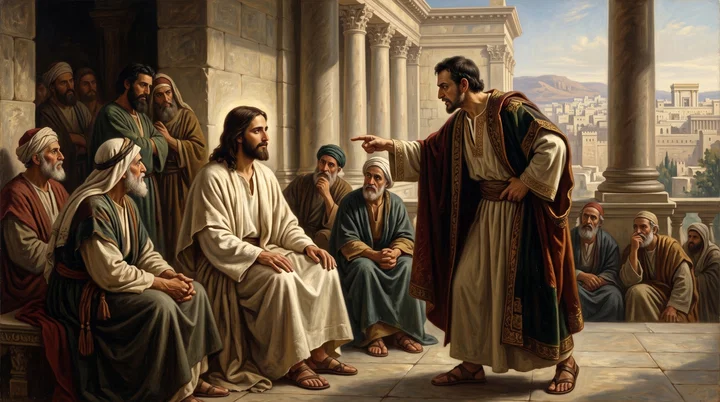
Cross-references 20 of 77
- Deuteronomy 6:5
And thou shalt love the LORD thy God with all thine heart, and with all thy soul, and with all thy might.
Commands wholehearted love for God.
- Leviticus 19:18
Thou shalt not avenge, nor bear any grudge against the children of thy people, but thou shalt love thy neighbour as thyself: I am the LORD.
Commands love for one’s neighbor as oneself.
- Matthew 22:37-40
Jesus said unto him, Thou shalt love the Lord thy God with all thy heart, and with all thy soul, and with all thy mind.
Gives the same two great commandments and says the law and prophets depend on them.
- Exodus 20:1-17
And God spake all these words, saying,
Love for God and neighbor sums up the duties expressed in the Ten Commandments.
- Matthew 19:17
And he said unto him, Why callest thou me good? there is none good but one, that is, God: but if thou wilt enter into life, keep the commandments.
Connects eternal life with keeping God’s commandments.
- John 13:34-35
A new commandment I give unto you, That ye love one another; as I have loved you, that ye also love one another.
Mutual love fulfills neighbor-love and marks Christ’s disciples.
- Romans 13:10
Love worketh no ill to his neighbour: therefore love is the fulfilling of the law.
Love of neighbor fulfills the law and does no wrong to a neighbor.
- Matthew 7:12
Therefore all things whatsoever ye would that men should do to you, do ye even so to them: for this is the law and the prophets.
The Golden Rule expresses love of neighbor in treating others as oneself.
- Mark 12:30-31
And thou shalt love the Lord thy God with all thy heart, and with all thy soul, and with all thy mind, and with all thy strength: this is the first commandment.
repeats same twofold summation
- Luke 10:36-37
Which now of these three, thinkest thou, was neighbour unto him that fell among the thieves?
Jesus commands neighbor-love through showing the same mercy as the Samaritan.
- Matthew 22:37-39
Jesus said unto him, Thou shalt love the Lord thy God with all thy heart, and with all thy soul, and with all thy mind.
Gives the same two commands to love God wholly and one’s neighbor as oneself.
- John 15:10
If ye keep my commandments, ye shall abide in my love; even as I have kept my Father’s commandments, and abide in his love.
Jesus connects keeping commandments with abiding in his love, as he kept the Father’s.
- 1 John 5:3
For this is the love of God, that we keep his commandments: and his commandments are not grievous.
Love for God is shown by keeping his commandments.
- Deuteronomy 10:12-13
And now, Israel, what doth the LORD thy God require of thee, but to fear the LORD thy God, to walk in all his ways, and to love him, and to serve the LORD thy God with all thy heart and with all thy soul,
Connects wholehearted love for God with serving him and keeping his commandments.
- James 2:8
If ye fulfil the royal law according to the scripture, Thou shalt love thy neighbour as thyself, ye do well:
Names love of neighbor as the royal law and calls for obedience.
- Galatians 5:14
For all the law is fulfilled in one word, even in this; Thou shalt love thy neighbour as thyself.
Love of neighbor fulfills the law.
- Matthew 25:40
And the King shall answer and say unto them, Verily I say unto you, Inasmuch as ye have done it unto one of the least of these my brethren, ye have done it unto me.
Christ identifies with suffering humanity
- Ecclesiastes 12:13
Let us hear the conclusion of the whole matter: Fear God, and keep his commandments: for this is the whole duty of man.
Love for God and neighbor fulfills humanity’s whole duty to keep God’s commandments.
- Revelation 22:14
Blessed are they that do his commandments, that they may have right to the tree of life, and may enter in through the gates into the city.
Doing God’s commandments is linked with access to the tree of life and entry into the city.
- 1 John 4:20-21
If a man say, I love God, and hateth his brother, he is a liar: for he that loveth not his brother whom he hath seen, how can he love God whom he hath not seen?
Love for God is inseparable from loving one’s brother.
Commentary part 1 of 3
Each commentary is drawn from primary sources: the writings of Ellen G. White and Adventist pioneers and periodicals. Each commentary is separate. Its own words are not a quotation; follow the references to read the source passages.
Ellen G. White
226 sources
The verse sums the whole duty of man in two great principles, supreme wholehearted love to God and love to one's neighbor as oneself, on which the whole law and prophets hang.3T 523.2–3ST Nov 24, 18872T 42.2–43.1 It was the lawyer's own true answer from the law to his question about inheriting eternal life, which Jesus affirmed with the promise that doing it brings life.3T 523.2–3ST Jul 7, 1890ST Oct 28, 1889 Loving God means giving Him the entire undivided being at all times, with all the heart, soul, affections, intellect and strength, leaving no room for divided loyalty to self, the world or mammon.3T 523.2–3ST Oct 28, 1889Lt 4, 1903, par. 1Ms 130, 1899, par. 60–61Lt 22, 1901, par. 16–19 A neighbor is every wounded, needy and suffering person brought to notice without distinction of race, faith or character, to be helped by prompt practical mercy at personal cost as the Samaritan bound wounds, carried, sheltered and paid for the man left half dead.3T 523.2–3COL 376.1–2Lt 217, 1905, par. 6–11Lt 81, 1901, par. 7–10 No fallen person can meet this requirement in human strength alone but only by Christ's grace and merits received through faith, and keeping it means doing and not merely knowing, which brings eternal reward and life measuring with the life of God.ST Nov 24, 1887Lt 122, 1896, par. 9–1218MR 1.7–2.1Lt 22, 1901, par. 16–196MR 196.5–197.2
Question, Answer, Setting
The words are the lawyer's own summary from the law, given in answer to his question about what he must do to inherit eternal life, after Jesus asked what is written in the law and how he read it, and Jesus affirmed the answer as right with the promise that doing it brings life.ST Jul 7, 1890ST Oct 28, 1889GW92 432.2ST Nov 24, 1887Lt 98, 1896, par. 8–10 They state the conditions of eternal life in simplest form as total love to God with heart and soul and strength and mind as the first great claim, and love to neighbor as self as the second great commandment.3T 523.2–3ST Jul 7, 1890ST Oct 28, 1889GW92 432.2ST Nov 24, 1887 The first half sums the first four commandments concerning loving loyalty to God, and the second half depends on and sums the last six requiring that other people's interests be treated as one's own, so that the command is the whole duty of man and the condition of eternal life.3T 523.2–3ST Nov 24, 1887 Keeping them calls for examining whether these principles are carried out in everyday life, and failure to love in this way through setting affections on worldly things means the conditions are not fulfilled and requires repentance and turning to God with the whole soul.ST Oct 28, 1889GW92 432.2 Fallen people cannot fulfill them by their own strength, but Christ's divine power enables the law's righteousness to be fulfilled in those who walk by the Spirit.ST Nov 24, 1887
The exchange took place before hostile Pharisees, scribes, priests, rulers, rabbis, lawyers, Herodians and Sadducees who hoped to trap and condemn Jesus, with the lawyer put forward by scribes and Pharisees to tempt Him after others had been silenced, and Jesus defeated them by turning the work of answering back on the lawyer.Lt 98, 1896, par. 8–10Ms 71, 1897, par. 29–32Lt 304, 1908, par. 11–12Ms 167, 1898, par. 2–4Ms 31, 1902, par. 13–16 When many Pharisees listened hoping to turn His answer against Him, Christ put the answer on the asker, and by that reply defeated His adversaries.Ms 24, 1901, par. 6–7Ms 33, 1900, par. 31–36 That answer stands for all time and will decide the case of everyone in the last great day, because the law of Jehovah and not human policy decides destiny.Ms 24, 1901, par. 6–7
The words restate the sacred moral law first given in Deuteronomy and Leviticus and engraved on stone at Sinai, the Ten Commandments given to Israel at Sinai and rehearsed by Moses, precepts entrusted to them but nearly forgotten while people were led to act against righteousness.Ms 109, 1906, par. 2–4Ms 33, 1900, par. 31–36Lt 80, 1898, par. 16–18 The law's proclamation is an act of mercy and goodness because it shows what the Creator requires, and God has always required perfect obedience to it, with Adam's failure bringing sin into the world.Ms 89, 1886, par. 1–2 It is the same instruction given through Moses requiring full love to God and walking in all His ways and keeping His commandments as the way to live, the command given to Israel to keep in the heart and teach diligently to children, and Christ who gave the law at Sinai is its expositor.Ms 126, 1905, par. 8–12Ms 33, 1900, par. 31–36 The passage Luke 10:25-37 was set before a large audience of about three hundred people composed largely of those not of the faith.Ms 184, 1898, par. 12
The lawyer knew he had kept neither part of the requirement and was convicted by Christ's searching words, recognizing the law's righteousness and his own condemnation.Lt 304, 1908, par. 11–12Ms 167, 1898, par. 2–4Ms 31, 1902, par. 13–16Lt 1, 1899, par. 4–5 Instead of confessing sin he tried to justify himself, excuse selfishness, evade conviction, turn aside conviction and vindicate himself before the people by making the commandment appear difficult to fulfill.Lt 304, 1908, par. 11–12Lt 88, 1900, par. 12Lt 1, 1899, par. 4–5 He had especially failed to love his neighbor as himself, yet in hope of justifying himself he asked who is his neighbor, using the question to evade duty.Ms 167, 1898, par. 2–4Lt 88, 1900, par. 12Ms 117, 1903, par. 5–7 The response exposed failure shown by exalting self and disparaging others and separation from those unlike himself.Lt 1, 1899, par. 4–5
The follow-up question about who is neighbor is answered by the parable of the Good Samaritan, which sums all principles of the law and presents true Christianity.3T 523.2–3Ms 40, 1889, par. 1–2Lt 217, 1905, par. 6–11 A man going down from Jerusalem to Jericho was stripped, robbed, wounded and left half dead by thieves, and was passed by on the other side by a priest and a Levite.ST Jul 7, 1890Ms 71, 1897, par. 29–32Ms 31, 1902, par. 13–16 A Samaritan pitied him, bound his wounds with oil and wine, doctored him, set him on his own beast, brought him to an inn, cared for him, paid two pence and promised to repay more, proving neighbor to be the one who shows mercy.ST Jul 7, 1890Lt 42, 1907, par. 14–16Ms 71, 1897, par. 29–32 Neighbor therefore means anyone needy, wounded, suffering, unfortunate and destitute brought to notice, with no exception for those who are not kin, and neglect of such cases violates the verse and removes assurance of eternal life.3T 523.2–3 The command is to go and do likewise, responding with practical mercy and care at personal cost even when helping is difficult, showing that the law must be lived out in acts of tender kindness.Lt 217, 1905, par. 6–11Lt 42, 1907, par. 14–16Ms 71, 1897, par. 29–32Ms 117, 1903, par. 5–7
Beyond loving neighbor as self there is the still higher standard to love one another as Christ loved His disciples, which lifts the standard higher and still higher and identifies disciples by their love for one another.8T 164.3STB 12.1–2Lt 39a, 1898, par. 5–6Lt 123, 1898, par. 19Ms 70, 1898, par. 6–7 Love for neighbor as self is not enough but must reach the measure of Christ's love, continuing in His love by keeping His commandments and working by love to save souls ready to perish.Ms 70, 1898, par. 6–7 The disciples did not grasp that love when it was spoken but understood it as never before after witnessing His suffering and death and seeing Him risen and ascended.8T 164.3Lt 39a, 1898, par. 5–6Lt 123, 1898, par. 19 The Samaritan's practical compassion despite contempt reveals greater righteousness than those who despised him and pictures Christ, who humbled Himself to serve humanity and gave Himself for others rather than living to please Himself.Ms 109, 1906, par. 15–16
Loving God Wholly
Love to God must be total, engaging all there is of a person with no divided or half-hearted service. It claims the whole heart, soul, affections, intellect, reason, education, ability and entire undivided being at all times and in all places, with the opportunity for full surrender now. It is unreserved consecration and entire surrender that allows no separation of the affections from God, laying the whole wealth of affection, talents, possessions and all at His feet. It takes in will power, speech, hearing, sight, physical strength, time and influence, with all powers of mind and body consecrated to service, and this complete service is the essential concern of life. The terms bind every person and allow no divided response, requiring the whole person to be converted in the change represented by the new birth.Lt 4, 1903, par. 1Ms 130, 1899, par. 60–61Lt 22, 1901, par. 16–19Ms 12, 1868, par. 7–9Lt 155, 1902, par. 7–8 Turning from the glitter of the world to the attractions of heaven and appreciating the atonement belong to this surrender, and dealing fairly with fellow believers without harming them spiritually or financially belongs to loving neighbor in practice.Lt 22, 1901, par. 16–19Ms 12, 1868, par. 7–9Ms 38a, 1905, par. 8–10
Whole love leaves no room for divided loyalty or serving two masters, nor for giving highest loyalty to the world, mammon, self, earthly affections, sophistry, speculation or business cares. Any soul or object that comes in to divide the affections, engage the mind and be enthroned in the heart violates that love and takes the form of an idol, diverting mind, strength and affections from service and leaving God very little of true worship. Self and selfishness worshiped through selfish pleasure and ruling inclination, with strength and time given to unimportant diverting matters, breaks the command, and setting affections on worldly things means the conditions of eternal life are not fulfilled without repentance and turning with the whole soul. Overflowing affection even for husband or wife must be guarded lest it grow into selfishness and blind idolatry, divert affections from God and place spouse where God should be. A heart absorbed in and controlled by earthly affections cannot be given to God, for Jesus cannot accept a divided heart, and enthroning iniquity or any idol mocks God while failure to open the heart to human want proves the heart is not open to God.3T 523.2–3ST Oct 28, 1889Lt 19, 1894, par. 5–8Lt 78, 1894, par. 3–4Ms 75, 1895, par. 5 Self-love and love of possessions above God and others reveal failure to keep the law, and to offend in this point of neighbor need is to be guilty of all.3T 523.2–3Lt 8, 1895, par. 22–25
Loving God with all strength requires energetic use of bodily and physical powers in useful labor for His glory rather than indolence, inaction or idle contemplation. Every part of the being belongs to God and bodily strength is His property to be used in service, a definite specification in heart and soul and strength and mind to be carefully studied for all it includes. A converted person who once counted labor beneath him will change habits and put physical power to useful purpose, for an idle man cannot serve God and gives an example contrary to Christ. Christ's earnest work at the carpenter's trade proves there is practical work for all and no place for idle gentlemen, calling for active use of mental and physical powers in faithful duties. Such sanctification keeps every faculty healthy and fully used, yet it cannot be fulfilled by human strength alone but needs divine aid with God supplying power while the person actively responds and strives.ST Oct 18, 1899Ms 149, 1901, par. 17–19FE 419.2–38T 64.4–5STE 44.3–45.1
Loving God with all mind requires developing the intellect to its fullest capacity, bringing thoughts into obedience, devoting time and mental powers to His service, and earnestly searching the Word to learn duty. Cultivated intellect controlled by the Spirit can be used more effectively, and spiritual growth increases intellectual capability as in Daniel, while serving God with all powers of the mind is presented as noble and important work leading to life. This wholehearted devotion requires mind and body, natural habits and appetites to be brought under authority rather than shaped by natural impulses or self-guidance, needing the Holy Spirit to renew and sanctify. Those who follow Christ aim continually at God's glory rather than their own pleasure, giving Him supreme love and worship and making full and intelligent use of physical powers as well.Ms 2, 1893, par. 5Ms 37, 1900, par. 1STMW7 39.2–3MYP 173.1–2 Love for God thus includes heart, mind, soul and all strength together as the two grand precepts regulating conduct.COL 348.3
Loving God with heart, mind, soul and strength claims the body and makes health part of obedience. Mind, soul and body in most healthful condition are to be kept to offer an acceptable sacrifice, with body and organs in harmonious healthful action under the noble powers of mind and with understanding of God's laws in the human being. Health reform is part of living out this love, and God will help keep the body in order when people cooperate rather than work against the laws of life. Clear discernment to understand spiritual things and to keep the distinction between sacred and common depends on preserving health, lest business ability and supposed superior qualifications be offered without the vital sanctifying fire that alone makes service acceptable. Intemperance, liquor and appetite indulgence that impair reason and self-control are refused, since they undermine ability to act honestly and diligently, and dishonest dealing itself violates the standard.Lt 56, 1893, par. 8–10Lt 41, 1898, par. 27–2820MR 57.4–58.2RH Nov 12, 1901Lt 1, 1893, par. 32–33 Receiving food, clothing and means not as one's own for convenience but using them unselfishly, including in the tithing system to sustain gospel work, belongs to this obedience, and means lent as stewards must be spent to overcome appetite such as tobacco and to help others overcome and be saved.Lt 56, 1893, par. 8–10Ms 156, 1904, par. 34–39
Duty to God comes first and prepares a person to love neighbor as self, for wholehearted worship, love and service of God with the whole being fits one to value those for whom Christ died. Supreme love gives the mind of Christ and is shown by loving those for whom He died, while its absence guarantees failure toward neighbors and loving God cannot be separated from refusing selfishness or oppression. Together the two commands embody the Ten Commandments, with love to God covering the first four concerning duty to the Creator and love to neighbor covering the last six concerning duty to others, forbidding taking advantage or wronging anyone for gain. Obedience is evidence of genuine saving knowledge, shaping character after God's likeness and expressing divine love in dealings, and it is joined to the promise that doing it brings life both now and to come. The demand rests on every son and daughter of Adam at all times with perfect continuous obedience required, and in the sanctuary balances this law is placed in one scale against character, motives, purposes and actions to fix destiny.2T 42.2–43.1Ms 17, 1906, par. 41–42Ms 133, 1899, par. 18–19Ms 87, 1894, par. 3–5Ms 65, 1886, par. 43–46 Loving God supremely leaves no place for sin to reign, and love to neighbor keeps from doing harm.Ms 27, 1899, par. 22–23
Wholehearted love means the highest development of every power and the restoration of God's image in body, mind and soul, giving powers back to know, obey and glorify Him. Love is the basis of creation, redemption and true education, and the first and great commandment given as the guide of life states its first principles for eternal life. Its meaning is to be taught as Bible instruction and practical education shaping character, cultivated in family life and taught to children, with a broad field for using abilities and influence for those who so love God and neighbor. Physicians must learn these lessons from Christ as chief of physicians, and the neighbor command is explained by the case in Luke 10:25-37.ED 16.1–2ST Oct 19, 1915Lt 232, 1903, par. 28–30Lt 129, 1905, par. 3–4MH 153.1 Such education calls for developing every power to its highest degree throughout the whole person.ST Oct 19, 1915Ms 189, 1907, par. 19–20
Loving Neighbor Mercifully
A neighbor is anyone wounded, needy, suffering, unfortunate and destitute who is brought to notice, with no exception for those who are not kin and no distinction of church, faith, friendship, kinship, nation, race, color, class, character, social standing or ability to repay, including strangers, the unconverted, the difficult, and even a soul wounded and bruised by the adversary, for every person is God's property.3T 523.2–3COL 376.1–2Lt 81, 1901, par. 7–10Ms 101, 1901, par. 42–46Lt 52, 1906, par. 29–31 The wounded traveler shows what is meant, and the requirement for life is fulfilled only by unselfish compassion like the Samaritan's in binding wounds, carrying, sheltering and paying for care, even when helping is inconvenient, costly, difficult or across social and religious boundaries.3T 523.2–3Lt 81, 1901, par. 7–10Ms 101, 1901, par. 42–46Lt 52, 1906, par. 29–31Lt 107, 1902, par. 4–6 Neglect of such cases violates the command and removes assurance of eternal life, for the second half sums the last six commandments as the first half sums the first four, so that failure to open the heart to human want proves the heart is not open to God, idols hold the affections, and to offend in this one point is to be guilty of all.3T 523.2–3Ms 101, 1901, par. 42–46
Loving the neighbor is prompt practical mercy that relieves suffering as far as possible without first asking about belief or race, at personal cost even across prejudice and inconvenience, including sympathy, binding wounds, carrying, sheltering, paying for care and opening hearts to truth, and this obedience in practice rather than outward religious forms, preaching, reading or profession tests love to God.3T 523.2–3Lt 217, 1905, par. 6–11Lt 42, 1907, par. 14–16Ms 87, 1894, par. 28–31Ms 101, 1901, par. 42–46 The Samaritan showed mercy to a wounded stranger by caring for him at personal cost, and the command is to do likewise, recognizing others' needs, helping them physically, working for their salvation, and giving up unnecessary comforts to use what is left to support those in need.Lt 217, 1905, par. 6–11Lt 42, 1907, par. 14–16Ms 87, 1894, par. 28–31Lt 82a, 1897, par. 7–13 Knowing the law's words without doing what it commands does not fulfill it, and neglecting someone who needs help breaks God's law.Ms 87, 1894, par. 28–31Lt 82a, 1897, par. 7–13
Neighbor-love governs every interaction and business dealing and forbids taking advantage of or wronging anyone for personal gain through close, hard, unjust, dishonest or acquisitive dealing, misrepresentation, prevarication to gain favor, fraud, oppression or withholding what is owed, requiring dealing with believers and unbelievers as one would wish to be treated and dealing fairly without harming fellow believers spiritually or financially.2T 42.2–43.1Lt 22, 1901, par. 16–19Lt 72, 1900, par. 3–6Lt 4, 1895, par. 16–19Ms 169a, 1899, par. 7–10 These principles of honest and just dealing with others, including practical care for the poor, strangers, widows and others in need, are to be practiced in every part of life as genuine fruits of Christianity and the substance of the terms of salvation, allowing no divided or half-hearted response but requiring the whole person converted as in the new birth, with thorough confession, restitution and removal of stumbling blocks where wrong has been done.Lt 22, 1901, par. 16–19Lt 72, 1900, par. 3–6Lt 4, 1895, par. 16–19Lt 103, 1901, par. 1–12
Love to neighbor includes the nearer claim than a neighbor, the claim of own flesh and blood and needy brethren, making it a duty resting on a man and doubly on a Christian to provide substantial help such as monthly support out of comfort and abundance, flour, rice and other groceries and steady aid where supplies cannot be obtained except at very high rates, treating them as one would wish to be treated in their place.Lt 14, 1884, par. 1–6Lt 103, 1901, par. 1–1210MR 138.1–139.1 Failure to show compassion and kindness to a dependent relative or to isolated brethren is recorded as neglect and transgression of the law in the books of heaven and invites the wrath of God in loss of health and property.Lt 14, 1884, par. 1–610MR 138.1–139.1 This same love requires dealing with a neighbor's fault privately with reconciliation before worship rather than spreading it, delaying larger building plans to share means, not establishing a medical institution close to one already built at great cost to the community, not selfishly carrying the work and spending money on buildings and institutions centrally while a known destitute field or needy school goes years without money, facilities or faithful help and rebuke, but binding about large plans and advancing light in other parts of the world.Ms 140, 1906, par. 9–10Ms 152, 1904, par. 9–10Lt 217, 1905, par. 3Lt 257, 1899, par. 14–16
Keeping the command is incompatible with belonging to the unions and confederacies of the last days and pledging support to that which deprives neighbors of freedom of action, for to belong means to disregard the entire Decalogue and makes keeping the command impossible.3MR 42.6–43.22MR 179.1–24MR 75.1–76.1Lt 26, 1903, par. 4–7 Such combinations rob the poorer classes of advantages justly belonging to them by preventing them from buying or selling except under certain imposed conditions and terms, and loving one's neighbor as oneself rules out selfishness and oppression that deprive others of their rights and religious liberty.3MR 42.6–43.24MR 75.1–76.1Lt 26, 1903, par. 4–7Lt 16, 1895, par. 16–17
Supreme love governs property as talents loaned by God to be used wisely in their proper subordinate place under eternal interests, with sanctified judgment to appropriate what is entrusted so as to best advance the glory of God, requiring unselfish stewardship, accountability for how the Lord's goods are used, and greater generosity with greater gospel light.Lt 118, 1897, par. 26–33Ms 25, 1896, par. 20–2216MR 260.4–261.1Ms 81, 1898, par. 7ST Nov 7, 1878 Money cannot give happiness unless God's name is glorified in its use, and when money charms the heart it becomes a snare and a master instead of a servant for good, put above the favor of God as a worshiped idol, so that when property or anything else stands between a person and obedience it ruins eternal interests, for no one can serve God and mammon.Ms 25, 1896, par. 20–2216MR 260.4–261.1 The young ruler's claim to have kept the law was false because his heart remained bound to his possessions, and like the rich man who forgot accountability and lived as if possessions came by his own might while neglecting the beggar, attachment to possessions kept him from God and service and exposed loving money as master and idol.Lt 118, 1897, par. 26–33Ms 81, 1898, par. 7 Society is not to be separated into distinct classes with alienation between rich and poor, high and low, learned and unlearned, and those entrusted with means, ability and gifts of grace must be good stewards of mercy and love for others rather than reaping all advantage for themselves, for a person is valued not by wealth, talent or education but in proportion as he stewards mercy and love, with the neighbor meaning the one who most needs charity and help.SW 41.1ST Nov 7, 1878
As God's standard the command exposes faultfinding critics and condemners, showing none free from fault and all guilty of transgression.Ms 109, 1906, par. 28–30Ms 141, 1902, par. 16–17 Such love leaves no room for making conduct chiefly seek people's approval, becoming angry over lack of respect, reproaching fellow believers for supposed neglect, jealousy and suspicious thoughts, neglecting appointed work, or unkind and unchristian criticism of brethren and of work others were appointed to do driven by self-esteem and self-sufficiency.Ms 141, 1902, par. 16–17Lt 98, 1896, par. 14–17 Since no one is faultless, unerring in judgment or incapable of mistakes, love requires talking less and praying more, passing grievances by rather than stirring them up, refusing to tear others' work to pieces when one could not have done better or even as well under the same straitened circumstances, and refusing to spend time and strength hunting up little faults, while standing on equality with brethren, counseling with them and speaking wise words in season and out of season to those who need them.Ms 141, 1902, par. 16–17Lt 98, 1896, par. 14–17
No one loves God without loving neighbor as Christ's purchased possession bought by His blood and infinite suffering, so love for God and love for sinners will not enclose itself in four walls away from suffering but goes out to relieve the one next to us and share light with those in darkness.Ms 192, 1907, par. 9Lt 148, 1902, par. 5–6Ms 17, 1893, par. 1 Loving God with the whole heart requires loving the people He gave His only Son to redeem, taking responsibility for sharing the light of God's Word, becoming acquainted even with unbelievers, placing truth before those living up to the light they have, bringing them into fellowship, laboring with all powers of being for souls ready to perish worth more than the whole world, and doing no injustice especially to God's children seeking His will, for causing them grief is regarded as done to Christ Himself.Ms 192, 1907, par. 9Lt 148, 1902, par. 5–6Ms 17, 1893, par. 1Ms 97, 1906, par. 19–25Ms 156, 1904, par. 34–39 This concern for the neighbor's salvation leads people to recognize others' needs, question spending on extra indulgences when means could help others, and spend lent means to overcome appetite such as tobacco and help others overcome and be saved, that an account can be given in the day of God, which is work for everyone and fulfills the law.21MR 189.3Ms 156, 1904, par. 34–39
This love must shape churches, families, schools and institutions in unity, harmony, courtesy, tender regard and brotherhood, with its vital principle of active love carried into daily conduct by every member and freed from selfishness, doing good, encouraging and strengthening others, building up rather than discouraging, and avoiding setting an example that puts souls in danger.Lt 8, 1901, par. 19–20Ms 94, 1904, par. 17–18Ms 166, 1901, par. 4–5Ms 35, 1889, par. 3Ms 57, 1906, par. 13–15 Members must press together, not measure one another against themselves, withhold confidence, leave someone isolated for not progressing in the same way, or show selfish preference for a favored few, but do duty to every person as one would wish others to do under the same circumstances, fostering happiness by affectionate hearts and truthful loving words, with the work done in the meetings lest hearts harden and perceptions grow dull.Ms 94, 1904, par. 17–18Ms 116, 1905, par. 10–12Ms 57, 1906, par. 13–15 Such love shown by action is evidence of the obedience required of those who seek eternal life and would enter the holy city.Ms 116, 1905, par. 10–12
The selfish priest and Levite who professed God's law as guide yet passed by on the other side and refused compassionate help to their suffering brother represent all who disobey the law by failing in this appointed work of caring for the wounded, sick and lost.Lt 98, 1896, par. 11–13Ms 167, 1898, par. 8–10 The despised Samaritan's tender, practical kindness to the wounded Jew, even when helping was inconvenient or the person unknown or disliked, fulfilled love to neighbor, proved more righteous than those who cursed him, and showed true conversion and harmony with God.Lt 98, 1896, par. 11–13Ms 167, 1898, par. 8–10Ms 117, 1903, par. 8–13 Christ pressed the principles of God's law in this direct, definite and pointed way to expose neglect and leave no room for objection or faultfinding, teaching that showing the same tender regard and mercy lays the foundation for hospitals and sanitariums, requires overcoming hereditary and cultivated selfishness, pride and cruelty, and gives evidence of keeping the whole law.Lt 98, 1896, par. 11–13Ms 167, 1898, par. 8–10Ms 117, 1903, par. 8–13Lt 304, 1908, par. 16–17
Law Summed Unified
The two loves together state the whole duty of humanity and sum the entire law and prophets that hang upon them, with wholehearted love to God as the first great principle and claim and love to neighbor as self as the second great commandment.3T 523.2–3ST Nov 24, 188718MR 1.7–2.1Ms 101, 1901, par. 42–46 Loving God with all heart, soul, strength and mind sums the first four commandments defining duty to the Creator, while loving neighbor as self sums the last six defining duty to fellow men and forbids taking advantage or wronging anyone for gain.3T 523.2–3ST Nov 24, 18872T 42.2–43.1Lt 122, 1896, par. 9–12 The neighbor is anyone needy and unfortunate brought to notice, with no exception for those not kin, as shown by the wounded traveler aided through binding wounds, carrying, sheltering and paying for care, and neglect of such cases violates the verse and removes assurance of eternal life.3T 523.2–3Ms 101, 1901, par. 42–46 Doing what the verse says gives life and entry into life, yet fallen people cannot fulfill it by own strength, but Christ's divine power and great sacrifice make obedience possible for those who walk by the Spirit.3T 523.2–3ST Nov 24, 1887Lt 122, 1896, par. 9–12 Knowing, teaching or preaching truth is not enough without living these principles, and suspicion and imagining evil also violate them, so the command must be obeyed in practical mercy and kindness even when inconvenient or costly, with failure bringing consequences.18MR 1.7–2.1Ms 101, 1901, par. 42–46
The law is a divine unity in which the same principle of love runs through all precepts, so keeping one commandment while breaking another is not obedience to the whole law.DA 497.4–498.1ST Jul 16, 1894COL 377.3–4 Neither great command can be kept while the other is broken, for supreme love to God includes every other requirement and those keeping the first principle will not violate the second.ST Aug 2, 1899DA 607.1–2 Giving God His rightful place in the heart leads to right regard for neighbor, and only supreme love for God enables impartial love for others, while closing the heart to human want proves the heart is not open to God and idols hold the affections.3T 523.2–3DA 607.1–2 Because all commandments are summed up in love to God and man, breaking any precept violates that principle and makes one guilty of all, and a person's standing and destiny are according to obedience to the whole law lived out in supreme love to God and impartial love to others.DA 497.4–498.1ST Jul 16, 1894DA 607.1–2 Claiming to keep the commandments while living in transgression is not keeping the law, for divine love dies without cultivation and is kept only by doing what Christ says in work appointed without self-exaltation but exalting Christ.ST Sep 22, 1890
The standard applies unchanged under old and new covenants, remaining holy, unchangeable and binding in the Christian age, required of Adam and no less of every member of the human family.Lt 2, 1893, par. 11–13Lt 216, 1906, par. 4–5Ms 66, 1886, par. 6 Forgiveness does not come by abolishing or disregarding its claims, and true holiness is obedience not transgression, with love for God leading to cheerful obedience to all commandments made when heaven and earth were made and requiring perfect obedience.Lt 2, 1893, par. 11–13Ms 66, 1886, par. 6 The requirement is not lowered in the gospel but is the same given by Christ at Sinai, forbidding giving affections and thoughts to any creature in place of the Creator, and strict demands for holy living are not an added burden beyond Scripture but the measure Scripture itself gives.4SP 178.1–179.1Ms 146, 1897, par. 13 Duty is more fully defined and greater generosity required under greater light, magnified by perfect obedience, and obedience is possible through the merits of Jesus Christ with no other way to eternal life set in its place.4SP 178.1–179.1Ms 69a, 1896, par. 20–22
The verse states heaven's first law and the terms of God's covenant and conditions of life, expressing the moral law's whole duty as condition of eternal life to be obeyed in practice not merely read or professed.Lt 82a, 1897, par. 7–131MR 111.2Ms 126, 1905, par. 7 God's requirements and human obligations must be known personally and not only in general, with conduct showing whether a person honors them, and the mind is to remain open to this law with attention kept on what is essential.1MR 111.212MR 53.4–54.1Ms 126, 1905, par. 7 This love calls people to recognize others' needs, help them physically and work for their salvation, giving up unnecessary comforts and using what is left to support those in need.Lt 82a, 1897, par. 7–13 Through the better covenant and Christ's righteousness God's people are justified, and obedience to the covenant-keeping God brings His attributes to them, enabling mercy and compassion.Ms 148, 1897, par. 17–18
This twofold love is the divine law of love as the true foundation and pattern for character-building in every generation and land, the great principle made manifest in the character and life of Jesus, the only secure foundation and sure guide.ED 228.4–229.1PK 82.3–83.1 It is the holy law which is the truth and religion of Jesus Christ, to be lived out as a living embodiment where God can use the life in responsibility for His work.Lt 30, 1878, par. 8–10 All the law and prophets depend on these principles, and God's moral government extends throughout the universe including the fallen world, calling people to fear and obey Him and do His will.Ms 160a, 1898, par. 4Lt 22, 1899, par. 4–5 The Jewish nation kept neither principle, for though strict about the law they by wicked works separated from God, continually broke the law while teaching human maxims, traditions and doctrines for God's commandments and misleading the people, proving spiritually blind.Ms 75, 1898, par. 3–5
Its principles include justice and mercy, so violating them in word or deed is sin against God's expressed law, for sin is transgression of the law.Lt 165, 1901, par. 23–25Ms 16, 1901, par. 48–51 Keeping this law means keeping God's commandments in deed and in truth, shown in attitude and action toward fellow men without indifference or working to hurt, destroy and tear down, but with humility, contrition, repentance and conversion.Ms 16, 1901, par. 48–51 The law's demand reaches beyond outward actions to thoughts, desires and purposes, exposing both wrongdoing and failure to do good, and seen in light of Christ's sacrifice it reveals sin and its holiness without saving the transgressor or being lowered to human standards.Ms 30, 1889, par. 62–67 Obedience is owed even when disregarding sentiments of the religious world, for those disobeying place themselves in opposition to the obedient and not content with transgressing themselves demand the conscientious follow them, bringing oppression for religious faith.Ms 153, 1898, par. 25–26 Christ bears the penalty so sinners may receive His righteousness by faith, while grace does not excuse continued sin or diminish the law and each person bears personal responsibility before God.Ms 30, 1889, par. 62–67
The verse gives the first law for the mind and essential principles youth must obey for eternal life, with lessons in the first four and last six commandments that physicians must learn from Christ the Chief of physicians.CT 403.1Ms 65, 1899, par. 5
Power to Obey
No fallen human being can meet this requirement in his own strength, for the natural condition is sinfulness and the whole person must be converted in the new birth.Lt 122, 1896, par. 9–12Lt 22, 1901, par. 16–19Ms 167, 1898, par. 2–4 Only by accepting the virtue and grace of Christ and by belief in His propitiation for sin and His merits through faith can fallen man love God with the whole heart and his neighbor as himself.ST Nov 24, 1887Lt 122, 1896, par. 9–12Ms 167, 1898, par. 2–4 Christ's divine power enables the righteousness of the law to be fulfilled in those who walk by the Spirit, and practicing the two great principles through His imparted power forms a character acceptable in heaven and prepares for eternal life.ST Nov 24, 1887Lt 32, 1906, par. 8–9Ms 46, 1902, par. 1 God supplies the power while the person actively responds and strives, with faith that works by love and purifies the soul, and this includes dealing fairly with fellow believers and not harming them spiritually or financially.Lt 22, 1901, par. 16–19Lt 32, 1906, par. 8–9Ms 46, 1902, par. 1
What was lost through Adam by disobedience must be brought back by this obedience of keeping the commandments, which is the whole duty required to enter eternal life.5MR 260.1Ms 38, 1886, par. 9–12Ms 43a, 1894, par. 24 God showed great love in sending His own Son to suffer, be tempted, and save to the uttermost, justifying under the new covenant and in return demanding this obedience.Ms 38, 1886, par. 9–12Lt 101, 1893, par. 11–12Ms 85, 1906, par. 19–21 This requires abandoning the service of Satan, ceasing to sin, coming out from wicked associates, and receiving Jesus Christ with soul, body, and spirit in wholeheartedness for God.Lt 101, 1893, par. 11–12Lt 181, 1903, par. 3–4Ms 85, 1906, par. 19–21 Keeping it requires moral power from Christ joined to human effort, with the converting power of God upon soul and character, so that man can overcome every sin and lust, stand victor with God, partake of the divine nature, overcome worldly corruption, be refined and ennobled as sons and daughters of God and members of the royal family, and enter the holy city.Lt 101, 1893, par. 11–12Ms 85, 1906, par. 19–21Ms 43a, 1894, par. 24
Keeping the command requires sanctification in body and spirit, with the heart cleansed from all defilement, affections set on things above, and the whole being enlisted in God's service in conformity to the will of God.Lt 1a, 1896, par. 4Ms 35, 1891, par. 28–31Ms 6a, 1902, par. 12–13 It is lived out through much prayer, humble walking with God, hiding self with Christ in God, daily being filled and sustained by His life-giving power, and careful prayerful preparation producing decided reformation in young and old.Lt 1a, 1896, par. 4Ms 17, 1893, par. 1Ms 6a, 1902, par. 12–13 Zeal, earnestness, and fervor belong to this love and forbid listlessness, because true worship of God who is Spirit must be in spirit and in truth.Lt 1a, 1896, par. 4Ms 87, 1894, par. 3–5Ms 124, 1897, par. 31–34 Through the Spirit's work the soul is purified of selfishness, sensuality, sin, and oppression toward others, chooses what is lovely and of good report, is shaped after God's likeness, and expresses divine love in dealings with others as true godliness and true charity.Ms 87, 1894, par. 3–5Ms 17, 1893, par. 1Ms 124, 1897, par. 31–34
Living by this love means taking the eyes off self to behold Jesus the perfect Pattern, striving for the same perfection of character, examining self, cutting away everything unlike Jesus, and feeding on Christ.Ms 60, 1898, par. 58–60Ms 125a, 1902, par. 11Ms 125, 1902, par. 16 It means receiving new birth by Christ lifted on the cross, becoming wholly His as bought with a price, allowing God through His truth to give power and shape the person into Christ's likeness toward eternal life and entrance into the holy city.2T 169.2–4Ms 125a, 1902, par. 11Ms 125, 1902, par. 16 Such love is a mark of Christians, purifies the heart, and flows outward in selfless concern for others, in Christlike kindness, patience, and working for the salvation of perishing souls without faultfinding, selfish gratification, or selfish motives, even giving up worldly treasures and honors if doing so may help someone serve Christ.2T 169.2–4Ms 60, 1898, par. 58–60RH Sep 2, 1902 True religion here is not outward ceremony but purity of heart and a lowly life shaped by Christ's character, shown in a life of good works where faith works through love, bears fruit, and brings glory to God.Ms 60, 1898, par. 58–60Ms 150, 1899, par. 17–19RH Sep 2, 1902
Such perfect love can come only from a perfect heart, so the state of the heart is shown by the love manifested in the life.Ms 12, 1868, par. 7–9Ms 46, 1902, par. 1Lt 78, 1894, par. 17 It lays positive duty on all to render unreserved surrender and entire consecration, with the entire being — the whole wealth of affection, talents, possessions and all — laid at His feet and allowing no separation of the affections from God.Ms 12, 1868, par. 7–9Lt 78, 1894, par. 17Lt 256, 1904, par. 4 This calls for appreciating the atonement and turning away from the glitter of the world to the attractions of heaven, surrendering the whole self in humble repentance and turning from selfishness and its harm.Ms 12, 1868, par. 7–9Ms 46, 1902, par. 1Lt 256, 1904, par. 4 It requires uprooting all selfishness from the heart and expelling idols, with the idol of self being hard to kill, cleansing the soul temple from every kind of selfishness and letting Christ abide in each heart, so that the Spirit of Christ in one recognizes the same Spirit in another and brings unity and oneness of feeling and sympathy.Ms 46, 1902, par. 1Lt 78, 1894, par. 17Lt 256, 1904, par. 4
Keeping the verse requires doing and not merely knowing, teaching, preaching, professing, feeling, reading, or holding position, for knowing the law's words or knowing who is neighbor without doing what it commands does not fulfill it.18MR 1.7–2.1Ms 87, 1894, par. 28–31Ms 116, 1898, par. 3–4Lt 82a, 1897, par. 7–134T 57.2 The two great principles on which all the law and the prophets depend are vital principles to fulfill, and the verdict remains this do and live as the condition of eternal life and the path of the true Christian.Ms 87, 1894, par. 28–31Ms 101, 1901, par. 42–46Ms 116, 1898, par. 3–4Lt 82a, 1897, par. 7–134T 57.2 Obedience must be carried out in daily life, home life, faithful duty, and overcoming sin, witnessing to transformation and building character upon solid rock, with daily conduct proving piety through recognizing the needs and claims of suffering people and acting on them.Lt 82a, 1897, par. 7–134T 57.2Ms 60, 1898, par. 58–60 This includes recognizing others' needs, helping them physically, working for their salvation, giving up unnecessary comforts to support those in need, and refusing suspicion and imagining evil which violate these principles.18MR 1.7–2.1Ms 116, 1898, par. 3–4Lt 82a, 1897, par. 7–13
True religion taught here is love as a living principle in the soul expressed in loving deeds that seek others' greatest good, rather than system, creed, rite, ceremony, or virtuous acts alone, though good works are its fruit.DA 497.14T 57.2ST May 22, 1901Lt 58, 1898, par. 8–11Ms 160, 1904, par. 27–32 It is the foundation of all true godliness and the solid foundation for inheriting eternal life, the very work appointed to believers rather than obtaining wonderful higher education in sophistries and spiritualistic ideas.ST May 22, 1901Lt 82, 1895, par. 23Ms 160, 1904, par. 27–32 It is the true science of Christianity calling all capabilities into active benevolent service, and even great sacrifice fails without living love.DA 497.14T 57.2Ms 160, 1904, par. 27–32 The greatest in the kingdom of heaven are those who love the Saviour too well to misrepresent Him and love their fellow men too well to imperil their souls by a wrong example, choosing obedience rather than disobedience, recognizing the value of human souls, warning those whose habits enslave them, and urging them to seek Christ's help.ST May 22, 1901Lt 58, 1898, par. 8–11Ms 160, 1904, par. 27–32
Standard Judgment Reward
The terms for inheriting eternal life are definite conditions laid down as a distinct course of action to be taken, not as emotions or feelings, requiring intelligent knowledge with no risk about interests that last through eternity.6MR 196.5–197.2Ms 17, 1887, par. 3–4 Keeping them by obedience brings the eternal reward, the building made by God and not by human hands, the incorruptible inheritance and a home on the earth made new, certain and forever unlike uncertain temporal business investments and earthly land.6MR 196.5–197.2 Loving God fully with heart and soul and strength and mind and loving neighbor as self, done in daily life, secures the life that measures with the life of God, and practicing the principles of the law brings the highest good in this present life as well as everlasting life.Ms 102, 1902, par. 12–14Ms 130, 1906, par. 11–12Ms 57, 1906, par. 9–11Lt 180, 1903, par. 29–31
The terms are plain and simple and short, giving clear light so none need walk in crooked paths, and the question about what to do to inherit eternal life is one still to be asked.Ms 80, 1900, par. 5Ms 102, 1902, par. 12–14 That answer stands for all time and will decide the case of everyone who stands before God in the last great day, because the law of Jehovah and not human policy and human inventions decides human destiny.Ms 24, 1901, par. 6–7 This truth is to be brought home to every mind and conscience because it is too plain to be misunderstood, made plain even to pleasure-lovers, theatre-goers, drunkards, gamblers and other open sinners together with Christ's love, offering them something better, even the peace of Christ which passes understanding, since worldly pleasure and riches will not satisfy the soul.Lt 56, 1893, par. 8–10Ms 12, 1901, par. 4–5 Strict teaching must uphold this biblical standard of wholehearted love to God and love to neighbor as self without softening it to suit human preferences, pursuing the wisest, less rigid course toward others in order to win and help them with true Christian sympathy, tenderness, patience and love.Lt 78, 1894, par. 5ST Jul 23, 1885
The requirement demands perfect, continuous, unswerving obedience with not one atom subtracted, summing the holy immutable law whose first four commandments require supreme love to God and whose last six require love to neighbor as self.Ms 65, 1886, par. 43–46 In the weighing in the balances of the sanctuary this law is placed in one scale while every person's character, motives, purposes and actions are placed in the opposite scale, and by that just comparison every person's doom is irretrievably fixed.Ms 65, 1886, par. 43–46Ms 45, 1900, par. 4–6 It is the one standard all must meet in the judgment with no human standard accepted, requiring the whole powers of heart and mind and body as lent talents to be used for God's glory, keeping mind, soul and body in the most healthful condition to offer an acceptable sacrifice with clear discernment between the sacred and the common.Lt 41, 1898, par. 27–28 Its summary means exactly what it says, exposing character defects and condemning criticism, fault-finding and words that obstruct or disparage another, and dishonest dealing for gain that seeks advantage at a neighbor's disadvantage cannot endure the test of the Judgment but is marked by God.RH Mar 8, 1906RH Sep 20, 19063T 246.1
The verse is God's standard for testing every person's character, and a life that fails this test is found wanting before God and recorded in heaven as a failure.Lt 9, 1892, par. 1–2 Those who carry out its two great principles in their lives do not reveal the attributes of Satan, and God will judge them worthy to inherit eternal life, with no evasion and no twisting of the terms, for the love required is total and not one quarter or one half or two thirds given to God while the rest is kept for self.Ms 162, 1899, par. 3–5Ms 2, 1885, par. 17–18 The Jewish nation kept neither principle, for though strict about the law they by wicked works separated themselves from God, continually broke the law while teaching human maxims, traditions and doctrines for God's commandments and misleading the people, proving themselves spiritually blind.Ms 75, 1898, par. 3–5
Receiving these principles into the heart and living by them brings seeing God's salvation with His power resting on His work, and when they are followed peace and happiness and joy are brought into the home and the church.Ms 16, 1903, par. 11–12Ms 97, 1901, par. 15–18 Total surrender makes its words mean everything, bringing life under the yoke of obedience that Christ calls light in living connection with Him, learning His meekness and lowliness in willing homage to a plain Thus saith the Lord, avoiding mortification and disappointment, attaining pure character through Christ alone, and being blessed with great peace in loving and honoring Him by keeping His commandments.Ms 166, 1897, par. 6 Obeying the law is good and just and profitable, showing honor to God, and when the mind is brought into conformity with His will He will care for temporal interests.Lt 72, 1893, par. 5 Those who live by this law of Christ's kingdom are under God's special care, and their prayers and acts of charity are remembered by Him.Ms 108, 1899, par. 27
Every action is recorded in the books of heaven and photographed for the last great day, so those in responsible positions must examine every action, ask whether it is the way of the Lord, pray earnestly, bring habits into conformity with the Word, put away close, hard, sharp dealing, oppression and fraud, and overcome the inclination to wrong before the heart is hardened, since one lax habit leads to continual breaking of the commandments.Ms 101, 1901, par. 20–22 Being defective in the appointed work of loving God supremely and neighbor as self is imperfection, but it does not cause God to blot men from the universe.Lt 98, 1896, par. 6–7 Demanding perfection and rejecting and blotting out all who are imperfect in this love shows no vital connection with God and works out the will of the enemy.Lt 98, 1896, par. 6–7 The faithful few are those who love God supremely and love their neighbor as themselves in practical, everyday life.Lt 179, 1902, par. 29–33
The soul is subject to laws just as plants and the body are subject to laws, where every tree bears its appointed fruit, so spiritual life results from the soul acting in obedience to the Word and in harmony with God's laws under wholehearted love to Him, while wresting Scripture and following error brings sickness, suffering and death to the soul and loss of genuine peace.Lt 87, 1905, par. 11–13 Loving God supremely leaves no place for sin to reign, with love to God as fruit of obedience, and love to neighbor keeps a person from doing harm to others, the law claiming the whole person at all times with complete obedience as its only condition, rewarded both in the present life and the life to come while disobedience brings guilt, loss of life and abiding wrath.Ms 27, 1899, par. 22–23 Keeping the commandments to enter into life takes all there is of a person in undivided love and service, and it is the test of being on the Lord's side for all who would love, honor and please God, to be lived out and shown as an example.Ms 166, 1897, par. 10–11Ms 56, 1902, par. 41
Daily Life Applied
Love for God with whole heart, soul, strength and mind together with love for neighbor as self is the condition of eternal life, and these are principles of the royal law requiring righteousness and impartiality in treatment of a neighbor.Ms 26, 1896, par. 6–7Lt 31, 1894, par. 39 Obedience to the first four commandments leads to obedience to the last six, shown in tender pitying love for everyone Christ died for.Lt 31, 1894, par. 39 This love moves a person to consecrate self as a missionary and fellow worker with God, and Christ's Spirit gives missionaries zeal, energy and wisdom that is pure, peaceable, gentle, merciful, impartial and sincere.Lt 31, 1894, par. 39
God's people are far from doing this Word, and God has a controversy with them over it.Lt 95, 1896, par. 17–19 Breaking the two commands on which hang all the law and the prophets means selfishness, forgetting God and Christ, following own inclinations and appetites instead of God's law, walking far apart from those who should be helped, cherishing self and seeking praise and recognition.Lt 95, 1896, par. 17–19 Keeping them means keeping God's commandments and being doers of the Word, consulting God's Guidebook at every step according to light and opportunities given.Lt 95, 1896, par. 17–19 Unless this selfish course is changed by diligently studying and faithfully practicing God's word, there will be no endurance in the perils of the last day.Lt 95, 1896, par. 17–19 Inheriting eternal life is joined to this wholehearted love, and Christ affirms that doing it leads to life.Ms 79, 1899, par. 2–3 The command exposes failure to devote abilities and opportunities to God and to help neighbor, and withholding that service robs God.Ms 79, 1899, par. 2–3Ms 79, 1899, par. 4–5 Loving neighbor as self means acting as the good Samaritan acted, being wide awake to bless humanity and work in Christ's lines, watching for opportunities and discerning necessities of fellow beings, because Christ identifies His interest with suffering humanity and neglecting to watch and help is sin before God.Ms 84, 1893, par. 27
The whole person and every God-given ability belong to God and are to be used in His service, and this love must be practiced in daily life through obedience to the two supreme commands which embody the whole law, and through doing duty to every person as one would wish others to do under the same circumstances.Ms 116, 1905, par. 10–12 Such love is shown by action and is evidence of the obedience required of those who seek eternal life and would enter God's holy city.Ms 116, 1905, par. 10–12 The comprehensive command leaves no reservation, forbids half-way work and trying to serve God and mammon at the same time, and calls for hearing God's voice and obeying fully with self-denial.Lt 3, 1897, par. 14–16Ms 7, 1885, par. 7 Loving God means using talents for His glory, and the whole person including thoughts must come under God's control, with religion shaping every part of life and every kind of work.Lt 3, 1897, par. 14–16Ms 57, 1896, par. 22–24 Gifts are to be used to honor Him and bless others by showing goodness, mercy and righteousness, and this standard can be reached by giving self to Christ.Lt 13, 1902, par. 38–39 Keeping the requirement makes heroic ministers of righteousness even without preaching, loyal to God's claims and jealous for Christ's honor, ministering to souls purchased by His blood with willing mind, earnest spirit and hearty unselfish zeal, not seeking personal dignity but winning hearts by care and thoughtfulness, standing firm as a rock against Satan's inducements to sin, willing to love and fear God and refusing like Daniel to be moved from duty.Ms 7, 1885, par. 7 Loving God with the whole heart and loving neighbor as self is to be lived out as a living embodiment, in being placed where God can use the life and in feeling responsibility for God's work.Lt 30, 1878, par. 8–10
Love for God calls for the whole person with nothing held back for self, and true holiness is complete service to God with love guiding every action and forming the foundation of Christian character, making a person steadfast in trial and temptation.COL 48.4–49.2 Love is shown through sacrifice, for Christ gave all for humanity, and those who receive Him put His honor and glory first and are ready to sacrifice all for Him.COL 48.4–49.2 No one can fulfill this love without denying self and taking up the cross to follow Christ, in harmony with the plan of salvation for the uplifting of man.ST Feb 17, 1881ST Apr 3, 1893 Denying self means ruling the spirit when passion seeks mastery, resisting temptation to censure and speak fault-finding words, having patience with a dull child whose conduct is grievous and trying, standing at the post of duty when others fail, lifting responsibilities wherever and whenever duty requires not for applause or policy but for the sake of the Master who has given each follower work to do with unwavering fidelity, keeping silent when one might praise self and letting other lips praise him, doing good to others when inclination would lead to serving self, and working on even when fellow men never appreciate the efforts.ST Feb 17, 1881
The two principles sum up the law and the prophets, so understanding their full reach is of present and eternal importance, and people are responsible for choosing whether to submit their finite will to God's will.ST Oct 15, 1912 Serving God requires the whole person to be submitted to God's will, and seeking God wholeheartedly and trusting Him fully are essential to living in harmony with Him and serving others, while following own impulses leads away from God and weakens ability to lead souls to Him.Lt 221, 1905, par. 5 Seeking God means turning whole heart, soul, strength and mind toward Him in humility, giving up self-exaltation, welcoming Jesus and the blessing He offers, searching the heart and putting right what should already have been set in order.Ms 128, 1901, par. 31 This is done by connecting with God to receive bright beams of light to reflect upon others and by perseveringly giving the entire self to the solemn and important work before God's people.Lt 12, 1879, par. 4–6
The command is a fitting subject for worship and instruction among a small gathering as well as a large audience, and God is ready to bless even a few who assemble to worship Him.ST Mar 16, 1882 It calls churches and institutions to turn from trusting human wisdom and to seek and trust God in earnestness, simplicity, penitence and contrition.Ms 34, 1900, par. 87–88 Love for God with whole heart, soul, strength and mind means developing every power of body, mind and soul so that God's image is restored in the whole being, and love for neighbor calls for devotion of body, mind and soul to service of God and other people.ST Apr 21, 1909 Such unselfish service blesses others while bringing the greatest blessing and highest development to the one who serves, making that person a partaker of the divine nature and fitting them for heaven.ST Apr 21, 1909 Loving God with all the heart and loving neighbor as self comes through the working of the Holy Spirit upon mind and heart, brings a person into harmony with Christ's character, and in exact proportion as spiritual character is developed the intellectual capabilities are increased, as in the case of Daniel.Ms 124, 1897, par. 35–36 The one who loves in this way is qualified by the Lord to be a co-laborer with Jesus in the greatest work ever given to mortals.Ms 124, 1897, par. 35–36 The essential answer to what must be done to inherit eternal life is to love God with the whole being and to love neighbor as self, and these great principles of God's law are the questions to press upon people rather than distracting them with nonessential subjects.17MR 303.3–304.3 Obeying this standard purifies the soul, while neglecting it leaves people open to nonessential distractions and false teachings.21MR 419.6–420.2
Wholehearted love for God and love for neighbor as self is essential to becoming what Christ desires, and it calls for sin, bitterness and unsubdued self to be uprooted, otherwise an unchristlike spirit will show itself in words and actions and mar the character.Lt 320, 1906, par. 7–9 This love excludes selfishness and calls for a life free from every taint of selfishness.7MR 329.2–4Lt 50, 1908, par. 6–7 God's commandments call for human kindness, compassion and love expressed in care for others, and these are soul-reforming principles that Jesus made clear through simple illustrations, countering false interpretations and showing the binding claims of God's law.Ms 66, 1890, par. 6 The language about giving mind, soul and strength applies to workers who devote themselves fully to bearing the burdens of their work, and their compensation should reflect the time and effort they give, without making God's work a mercenary pursuit or granting exorbitant salaries.SSP 12.4–5
Sources