Luke 12:20
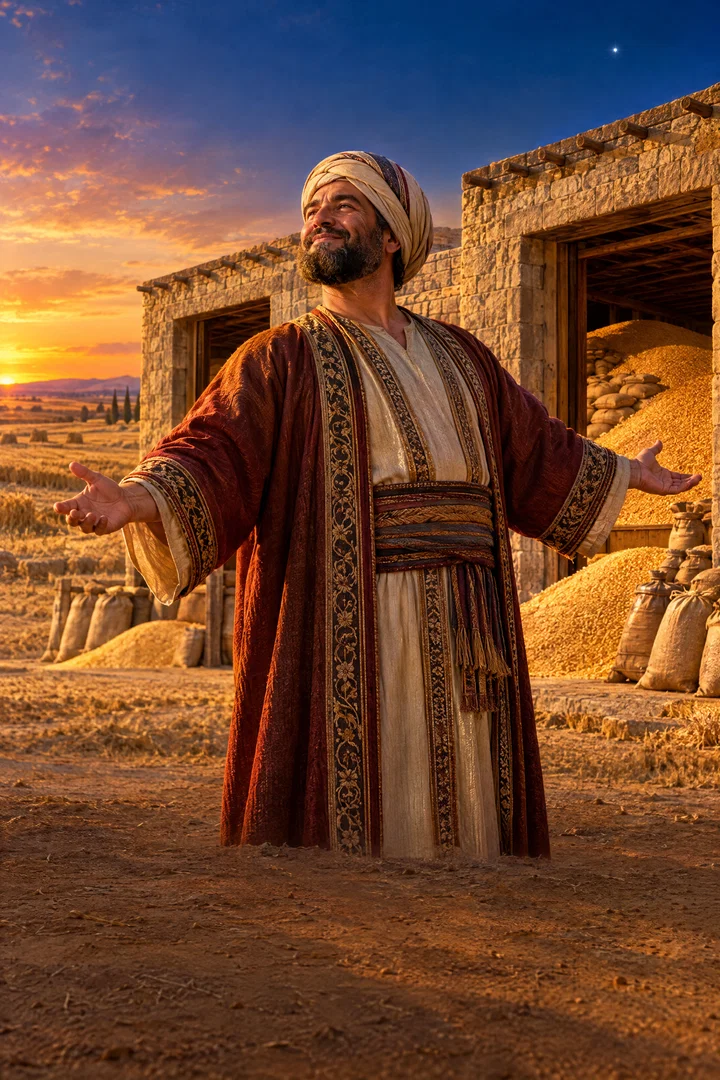
But God said unto him, Thou fool, this night thy soul shall be required of thee: then whose shall those things be, which thou hast provided?
Translations
But God said to him, You fool, this night your soul shall be required of you: then whose shall those things be, which you have provided?
King James Version, KJV Cambridge Paragraph Bible
But God said unto him, Thou fool, this night thy soul shall be required of thee: then whose shall those things be, which thou hast provided?
But God said to him, Thou fool, this night thy soul shall be required of thee: then whose shall those things be which thou hast provided?
Revised Version, American Standard Version
But God said unto him, Thou foolish one, this night is thy soul required of thee; and the things which thou hast prepared, whose shall they be?
'And God said to him, Unthinking one! this night thy soul they shall require from thee, and what things thou didst prepare — to whom shall they be?
But God said to him, Fool, this night thy soul shall be required of thee; and whose shall be what thou hast prepared?
But God said unto him—Simple one! on this very night, they are asking, thy soul, from thee; The things, then, which thou hast prepared, whose shall they be?
Berean Standard Bible, Majority Standard Bible
But God said to him, ‘ You fool! This very night your life will be required of you. Then who will own what you have accumulated?’
“ But God said to him, ‘ You foolish one, tonight your soul is required of you. The things which you have prepared— whose will they be?’
But God said to him, You foolish one, tonight I will take your soul from you, and who then will be the owner of all the things which you have got together?
But God said vnto him, O foole, this night wil they fetch away thy soule from thee: then whose shall those things be which thou hast prouided?
Douay-Rheims (Challoner revision)
But God said to him: Thou fool, this night do they require thy soul of thee: and whose shall those things be which thou hast provided?
Pictures


Cross-references 20 of 58
- Matthew 6:19-21
Lay not up for yourselves treasures upon earth, where moth and rust doth corrupt, and where thieves break through and steal:
Contrasts temporary earthly wealth with treasure laid up in heaven.
- Luke 12:15
And he said unto them, Take heed, and beware of covetousness: for a man’s life consisteth not in the abundance of the things which he possesseth.
The parable illustrates Jesus’ warning that life does not consist in possessions.
- 1 Timothy 6:17-19
Charge them that are rich in this world, that they be not highminded, nor trust in uncertain riches, but in the living God, who giveth us richly all things to enjoy;
Warns against trusting uncertain riches and urges generosity and lasting hope.
- Luke 12:33-34
Sell that ye have, and give alms; provide yourselves bags which wax not old, a treasure in the heavens that faileth not, where no thief approacheth, neither moth corrupteth.
Giving to the needy is set against storing wealth for oneself and directs treasure heavenward.
- Matthew 16:26
For what is a man profited, if he shall gain the whole world, and lose his own soul? or what shall a man give in exchange for his soul?
Worldly gain cannot compensate for losing one’s soul.
- Mark 8:36-37
For what shall it profit a man, if he shall gain the whole world, and lose his own soul?
Worldly gain cannot compensate for losing one’s soul.
- James 4:14
Whereas ye know not what shall be on the morrow. For what is your life? It is even a vapour, that appeareth for a little time, and then vanisheth away.
Life is a vapor that soon vanishes.
- Matthew 6:24
No man can serve two masters: for either he will hate the one, and love the other; or else he will hold to the one, and despise the other. Ye cannot serve God and mammon.
Both texts warn that devotion to wealth competes with serving God.
- Psalms 39:6
Surely every man walketh in a vain shew: surely they are disquieted in vain: he heapeth up riches, and knoweth not who shall gather them.
Both describe riches gathered without knowing who will inherit them.
- 1 Timothy 6:9
But they that will be rich fall into temptation and a snare, and into many foolish and hurtful lusts, which drown men in destruction and perdition.
The desire to be rich brings temptation and ruin.
- Matthew 6:31-33
Therefore take no thought, saying, What shall we eat? or, What shall we drink? or, Wherewithal shall we be clothed?
Jesus urges seeking God’s kingdom rather than anxiety or hoarding over material needs.
- Psalms 49:10-17
For he seeth that wise men die, likewise the fool and the brutish person perish, and leave their wealth to others.
Wise and foolish alike die, leaving their wealth behind.
- Proverbs 23:5
Wilt thou set thine eyes upon that which is not? for riches certainly make themselves wings; they fly away as an eagle toward heaven.
Both describe riches as fleeting and unable to provide lasting security.
- Psalms 14:1
The fool hath said in his heart, There is no God. They are corrupt, they have done abominable works, there is none that doeth good.
The rich man’s foolishness reflects the psalm’s description of a fool.
- Matthew 6:19
Lay not up for yourselves treasures upon earth, where moth and rust doth corrupt, and where thieves break through and steal:
Both warn that earthly possessions are subject to loss and decay.
- James 5:1-3
Go to now, ye rich men, weep and howl for your miseries that shall come upon you.
Hoarded riches become testimony against the rich in the coming judgment.
- Psalms 49:18
Though while he lived he blessed his soul: and men will praise thee, when thou doest well to thyself.
People praise the man who prospers himself, though God calls him a fool.
- Matthew 19:21-22
Jesus said unto him, If thou wilt be perfect, go and sell that thou hast, and give to the poor, and thou shalt have treasure in heaven: and come and follow me.
The ruler clings to his possessions rather than giving them up to follow Jesus.
- 2 Corinthians 5:10
For we must all appear before the judgment seat of Christ; that every one may receive the things done in his body, according to that he hath done, whether it be good or bad.
People must answer to Christ for their deeds.
- Psalms 52:7
Lo, this is the man that made not God his strength; but trusted in the abundance of his riches, and strengthened himself in his wickedness.
Both describe a person trusting in abundant riches instead of God.
Commentary
Each commentary is drawn from primary sources: the writings of Ellen G. White and Adventist pioneers and periodicals. Each commentary is separate. Its own words are not a quotation; follow the references to read the source passages.
Ellen G. White
51 sources
Jesus speaks the sentence of God upon the rich man in His parable, that a life is not measured by abundance of possessions and that laying up treasure for self without being rich toward God ends in this ruin.3T 545.2ST Jul 1, 1908ST May 25, 1915 The man is called a fool because he claims his life and wealth as his own and plans years of ease apart from God, hoarding His blessing for himself while neglecting spiritual things, the poor, and the honor of God.3T 545.2ST Jul 1, 1908COL 252.1–2Lt 15, 1899, par. 1–3 That very night God requires his soul, overturning all expectation of many years, and his stores pass beyond his control to heirs he does not know, while money cannot buy delay or save him.3T 545.2ST Jul 1, 1908ST May 25, 1915COL 252.1–2Ms 65, 1902, par. 11–12 All abundance belongs to God and is entrusted as steward to test character, adding value only when used to glorify Him, bless others, and lay up treasure in heaven, while hoarding proves untrustworthiness for eternal riches and brings judgment.ST Jul 1, 1908Ms 65, 1902, par. 8ST Jun 25, 1894Lt 15, 1899, par. 1–3Lt 89, 1898, par. 23–25 Death ends the chance to repent and prepare, so today is the urgent time to improve probation, serve others, and stand ready for account at a moment's notice.Lt 70, 1886, par. 13Lt 79, 1898, par. 12–14COL 343.1–2Lt 79, 1897, par. 10–11ST Jul 2, 1902
Parable Context and Wording
Jesus spoke these words in a parable that strikes at the root of the quarrel over property brought to Him and of all similar disputes.ST May 25, 1915 The parable teaches that a person's life does not consist in the abundance of possessions.ST May 25, 1915 It declares that everyone who lays up treasure for himself without being rich toward God comes to this end, called a fool by God because his life ends that very night and his provided goods pass to others.ST May 25, 1915 This parable of the foolish rich man was given before the teaching about the lilies of the field.Ms 95, 1898, par. 1
The chapter where the words stand warns those blessed with great light not to remain tame and listless in religious interest.Ms 185, 1898, par. 7–10 It calls them to put the whole heart into Christ's service, not only claiming to believe the truth but living and practicing it through daily prayer and watchfulness and earnest seeking of the Lord.Ms 185, 1898, par. 7–10 The same divine words were spoken to Nabal in the midst of his rejoicing and making merry.PP 667.4 His folly had brought him near to sudden death and left him smitten with paralysis and sunk in helpless insensibility from horror and fear of revenge, the life God had given him having been only a curse to the world, and after ten days he died.PP 667.4
The Creator counts a person with wealth but without riches toward God, heavenly treasure, and divine wisdom a fool, for earthly wealth cannot make anyone wise or secure before God.FE 39.23T 154.2 The rich man of the parable is held up as a fool whose example true wisdom will not follow.Ms 43, 1896, par. 6–8 True wisdom is revealed in seeking first the kingdom of God and His righteousness under Christ's banner, while joining political parties and their strife for worldly advantage follows that foolish example.Ms 43, 1896, par. 6–8
The Fool's Mistake
The man is a fool because he stores up treasure for himself and plans years of ease and comfort while neglecting spiritual things and his relationship with God, failing to be rich toward God.3T 545.2ST Jul 1, 1908COL 252.1–2Ms 65, 1902, par. 8ST Jun 25, 1894 His abundance came from God, who made him a steward meant to help the needy and glorify God and relieve the poor, but he gave no thought to their need and planned to keep his goods for his own ease and pleasure.ST Jul 1, 1908Ms 65, 1902, par. 8ST Jun 25, 1894Ms 107, 1908, par. 33–36 His abundance was a test that showed he could not be trusted with eternal riches, and his confidence that he could enjoy his wealth for many years is foolish because earthly possessions cannot secure life or become a lasting inheritance.COL 252.1–2Ms 65, 1902, par. 8ST Jun 25, 1894Ms 107, 1908, par. 33–36ST Dec 17, 1896 His life and possessions were not secure, for God required his soul that very night, and the wealth he had stored would pass to someone else whom he could not keep or control.3T 545.2ST Jul 1, 1908COL 252.1–2Ms 65, 1902, par. 8Ms 107, 1908, par. 33–36
He treats his life, wealth, and the means by which he gained them as his own, without recognizing God as owner and giver.Lt 15, 1899, par. 1–3Lt 15, 1899, par. 4–6Lt 123, 1893, par. 17–18Ms 56, 1899, par. 9–11ST Jul 1, 1908 His wealth and the means by which he gained it belonged to God and were only entrusted to him, yet he depended on God for every breath while planning in an independent will apart from God.Lt 15, 1899, par. 1–3Lt 15, 1899, par. 4–6Lt 123, 1893, par. 17–18 His tangible abundance brought him no gratitude to God; he treated heaven's gifts as his own and used them without regard for the Giver, forgot God, failed to thank Him, and even let love of gain rule his mind until he gave his blessings his worship.Lt 123, 1893, par. 17–18Ms 56, 1899, par. 9–113T 154.1 Those who treat God's goods as their own and store up treasure selfishly must answer to the Giver, and must use entrusted resources faithfully for God's work rather than for selfishness and self-glorification.Lt 15, 1899, par. 1–3Lt 15, 1899, par. 4–63T 154.1
He keeps God's blessed abundance for his own ease and pleasure and ignores the poor and needy, giving no thought to relieving them or using his goods to bless others and honor God.ST Jul 1, 1908Ms 65, 1902, par. 8ST Jun 25, 18943T 154.1 Calling him a fool exposes the folly of treating earthly goods as secure and living for personal comfort while forgetting God and one's duty to help the needy.ST Jul 1, 19085T 259.2–260.1 He hoarded God's blessings for himself instead of using them to help others and honor God, and trusted in earthly wealth rather than seeking true riches and immortal life.3T 154.15T 259.2–260.1 Receiving abundance brings responsibility, for earthly possessions are temporary and wealth is entrusted by God to test and develop character.3T 154.15T 259.2–260.1
He trusts his stores and extensive fortune to secure many years, wrongly measures his worth by increased wealth, and shows that earthly possessions do not determine the length or happiness of life.Ms 107, 1908, par. 33–363T 401.3–402.1ST Dec 17, 1896Ms 44, 1900, par. 8Ms 44, 1900, par. 9 His blessings increase his responsibility and accountability, and what he receives from God adds to his character's value only when he uses it as a wise steward for the Lord.Ms 44, 1900, par. 8Ms 44, 1900, par. 9 His abundance does not make him better or increase his worth before God; his character is measured by how he uses what he has received, his dependence on God is shown by sharing his goods with people in need, and if he glorifies God by doing this good work he proves fit to be entrusted with more.Ms 44, 1900, par. 8Ms 44, 1900, par. 9 He had been prospered by God but failed to give God what was due, choosing worldly treasure over eternal riches, and worldly possessions cannot be kept beyond the end of life.3T 401.3–402.1ST Dec 17, 1896
His folly is covetousness and self-seeking, including greed, unfair dealing, fraud, extortion, serving self rather than loving God and neighbor, withholding the tenth belonging to God, and worshiping farms, money, and worldly success instead of serving God.3T 545.2Ms 77, 1903, par. 16–19Lt 89, 1898, par. 23–25Lt 70, 1886, par. 133T 401.3–402.1 Covetousness and storing up riches for oneself cannot make one rich toward God or provide lasting security, and covetousness and self-seeking cut a person off from life.3T 545.2Ms 77, 1903, par. 16–19RH Dec 15, 1874 Wealth amassed through covetousness and without mercy or love for God cannot provide lasting security or heavenly treasure, and wealth gained through greed, unfair dealing, or neglect of the needy cannot secure lasting treasure.3T 401.3–402.1RH Dec 15, 1874 The warning applies to people who gain wealth through fraud, extortion, and covetousness, using resources meant to help humanity for their own enrichment; their apparent prosperity does not spare them from God's judgment.Lt 89, 1898, par. 23–253T 401.3–402.1 Worshiping farms and money and using one's abilities for worldly gain instead of serving God makes a person foolish before God.Lt 70, 1886, par. 13RH Dec 15, 1874
The same folly is seen in vain, thoughtless lives of fashion, frivolity, and sensual pleasure that dwarf the intellect, consume time, and bear no fruit to God's glory.STSE 56.13T 377.4 God may say to young people who are unready because they live such lives that this night their folly shall end, and may permit mortal sickness to come upon those who have borne no fruit to His glory while absorbed in fashion and sensual pleasure.STSE 56.13T 377.4 While facing the realities of eternity they begin to realize the value of time and the life they have lost, and gain some sense of the worth of the soul.STSE 56.13T 377.4 They see that their lives have not glorified God in lighting the path of others to heaven but have lived to glorify self, and reviewing their past lives they cry out in remorse that they have done nothing for Jesus who did everything for them and that their life has been a terrible failure.STSE 56.13T 377.4 When racked with pain and anguish of soul they cannot have clear conceptions of eternal things.STSE 56.13T 377.4
Death Ends Earthly Security
A person's life is not in his own control but remains under God's authority, held in God's hands and dependent on Him for every breath.Lt 15, 1899, par. 1–3Lt 123, 1893, par. 17–18ST Jul 1, 1908 The abundance enjoyed and the means by which it was gained belong to God and are only entrusted, so plans to keep and enjoy them for self apart from God cannot secure their future ownership.Lt 15, 1899, par. 1–3Lt 123, 1893, par. 17–18 To treat heaven's gifts as one's own and use them without gratitude or regard for the Giver, planning in an independent will, is exposed as folly when life can be required that very night.Lt 15, 1899, par. 1–3Lt 123, 1893, par. 17–18ST Jul 1, 1908
God requires the soul that very night, suddenly overturning the expectation of many years of ease and enjoyment with a far different plan.3T 545.2ST Jul 1, 1908ST May 25, 1915Ms 65, 1902, par. 8 Confidence in future years and earthly plans cannot secure what has been accumulated, for life and possessions are not secure when stored up for self without being rich toward God.3T 545.2ST Jul 1, 1908COL 252.1–2Ms 65, 1902, par. 8RH Dec 15, 1874 The man who stores goods for his own comfort is therefore called a fool, because his life ends that night and his provisions pass to others.ST May 25, 1915Ms 65, 1902, par. 8ST Jun 25, 1894 His abundance, which could have glorified God and relieved the poor, was kept without thought of their need, showing he could not be trusted with eternal riches.ST Jul 1, 1908Ms 65, 1902, par. 8ST Jun 25, 1894
Earthly wealth cannot secure life or become a lasting inheritance, for money cannot buy a reprieve or delay the demand.COL 252.1–2Ms 65, 1902, par. 11–12ST Jul 1, 1908COL 258.1–2 At death what was spent a lifetime securing becomes worthless and useless to its owner and cannot save him, with fields and stores passing out of his control.RH Dec 15, 1874ST Jul 1, 1908COL 258.1–2 This stands in contrast to the helpless sinner who came to Christ believing and was forgiven and healed, while the possessor of amassed, covetous wealth without mercy or love for God finds it provides no lasting security or heavenly treasure.COL 252.1–2RH Dec 15, 1874
The stored provisions then belong to someone else, passing beyond the owner's control to heirs he does not know and cannot choose.3T 545.2ST Jul 1, 1908Ms 65, 1902, par. 8ST Jun 25, 1894 He does not know who will inherit or gather them, and they will be gathered without his knowing who it will be.Ms 65, 1902, par. 11–12ST Jul 1, 1908COL 258.1–2 What was kept for personal ease and pleasure is thus left to another, proving that a life does not consist in abundance of possessions.ST May 25, 1915ST Jun 25, 1894
Stewardship Tested and Judged
The abundant harvest and all wealth, possessions, abilities, and means of gain come through God's blessing and belong to God, entrusted to the person only as steward.ST Jul 1, 1908Lt 15, 1899, par. 1–3ST Jul 1, 19083T 154.1COL 256.1–2 The person's life itself is not in his own control but remains under God's authority, dependent on God for every breath, and may be required that very night.ST Jul 1, 1908Lt 15, 1899, par. 1–3ST Jul 1, 1908 Wealth so entrusted is given to test and develop character, not to secure God's favor or protect from death.3T 154.1FE 39.1 The rich man's folly lay in treating abundance as his own and planning only for his own comfort, forgetting God, failing to thank and acknowledge Him as giver, and failing to recognize accountability to the Giver.Lt 15, 1899, par. 1–3ST Jul 1, 19083T 154.1FE 39.1 His plans to enjoy and keep God's goods for himself therefore could not secure their future ownership, for when life is required that night the stored wealth passes to someone else.ST Jul 1, 1908Lt 15, 1899, par. 1–3ST Jul 1, 1908
What is received adds to character value only when used as a wise steward for the Lord.Ms 44, 1900, par. 8 Such faithful use means glorifying God, blessing others, relieving the poor, supporting God's work and the spread of the gospel, and laying up treasure in heaven.Ms 65, 1902, par. 8Lt 15, 1899, par. 4–63T 154.1FE 39.15T 259.2–260.1 The abundance entrusted to the rich man could have glorified God and relieved the poor, but he gave no thought to their need, ignored them, hoarded God's blessings for himself, and trusted in earthly wealth rather than seeking true riches and immortal life.Ms 65, 1902, par. 85T 259.2–260.1COL 256.1–2 Sharing shows dependence on God and proves fitness to be entrusted with more, while storing treasure for self instead of becoming rich toward God is foolish.Ms 65, 1902, par. 8Lt 15, 1899, par. 4–63T 154.1 Receiving abundance therefore brings responsibility, for earthly possessions are temporary and life and possessions are not secure.Lt 15, 1899, par. 4–65T 259.2–260.1
Hoarding wealth for self withholds from God the tenth that belongs to Him and fails to use abundance to help needy people, since such accumulation comes from serving self rather than loving God and neighbor.3T 546.1 Holding resources idle also hinders the spread of the gospel, and unnecessary property should be sold and its means used to help others and lay up treasure in heaven.Lt 109, 1902, par. 12–15 Generosity lays up treasure in heaven, for wealth is a trust from God to be used for good, while riches accumulated for selfish purposes cannot provide lasting security or benefit and at death the hoarder must leave them behind.3T 546.1Lt 109, 1902, par. 12–15 The same judgment falls on those professing to look for Christ's coming who acquire means and add to possessions yet do comparatively nothing they might do, withholding offerings and robbing God because they fear coming to want and dare not trust Him.2T 198.1 They put into His treasury in the same grudging, hard-hearted way that lovers of the world grudgingly pay the small sum earned by hard toil to poor men dependent on their labor.2T 198.1
Storing treasure only for self shows the abundance was a test that proved untrustworthiness for eternal riches.ST Jun 25, 1894 Instead of using goods to help people in need, the rich man planned to keep them for his own ease and pleasure, let love of gain rule his mind, treated wealth as his own achievement, gave his blessings his worship, and ignored the poor and needy.ST Jun 25, 1894Ms 56, 1899, par. 9–11 His life was fruitless and could benefit no one, and his separation from God left him unfit for life and for seeking immortality and eternal life.Ms 56, 1899, par. 9–11 Earthly treasure hoarded instead of used to benefit others reveals that hearts and interests are fixed on earth, and God calls such storers fools whose life is required that very night leaving possessions to someone else.2T 662.1–3
Covetous accumulation ends in divine judgment on a selfish, worldly life, for God cuts short the unprofitable life of the man who had not where to bestow his goods.2T 198.1 A person may be called to account before God at death, which may come that very night, and if life ends without loving God supremely and neighbor as oneself, the person is weighed by God's standard and found wanting, and the life is recorded in heaven as a failure.Lt 9, 1892, par. 1–2 Those who gain wealth through fraud, extortion, and covetousness, using resources meant to help humanity for their own enrichment, cannot secure possessions or life by apparent prosperity, for God may require the soul that very night and what was accumulated will pass to someone else.Lt 89, 1898, par. 23–25 God will deal with many covetous lovers of the world in the same way He dealt with the man in the parable.2T 198.1 How difficult it is in this corrupt age to keep from growing worldly and selfish and ungrateful to the Giver of all mercies, and how great watchfulness and much prayer are needed to keep the soul.2T 198.1
Call to Ready Faithful Living
Death can come suddenly, before readiness to meet God, and when the soul is required that night there is no time afterward to repent, receive pardon, or prepare for immortal life.Lt 79, 1898, par. 12–14COL 343.1–2IRCUP 12.3STB 451.3 Today is therefore the urgent opportunity to speak and act faithfully and to be ready before judgments fall upon the ungodly.Lt 79, 1898, par. 12–14IRCUP 12.3STB 451.3 That readiness is personal and searching: one who has not been converted and taken position on the Lord's side could not, if death came, be commended as a faithful servant or welcomed into the joy of the Lord.Lt 79, 1897, par. 10–11
Life is uncertain, and every moment belongs to God and must be improved to His glory, with a strict account to be rendered.ST Jul 2, 1902 Only a few days of probation remain to prepare for eternity, to form character for immortal life, and to prepare for the searching judgment.ST Jul 2, 1902 For that reason there is no time to waste on selfish pleasure or indulgence of sin, but a call to stand ready for service at a moment's notice, because every moment is precious and freighted with eternal consequences.ST Jul 2, 1902
The same urgency presses toward others now, sharing the message with people nearby and speaking the word of life to a needy soul.Lt 70, 1886, par. 13COL 343.1–2ST Feb 24, 1887ST Jul 2, 1902 The opportunity may never come again, and neglect may leave another soul unready when God requires it, bringing guilt in the great judgment day.COL 343.1–2ST Jul 2, 1902 Worshiping farms and money and using abilities for worldly gain and success instead of serving God and His work leaves a person foolish before God and unprepared to answer for neglected time, influence, and resources that should have helped save others.Lt 70, 1886, par. 13ST Feb 24, 1887
No one can safely assume time to secure the future and postpone submission to God until debts are paid and a reliable income is gained, because death may come suddenly and earthly plans cannot control what happens next.Lt 123, 1893, par. 24–25 Nor should the proper disposal of property be delayed, since life may end suddenly or reason may fail before arrangements are made, leaving property to be distributed in a way the owner would not have chosen.TCBMP 148.1 Such delay and neglect is unfaithfulness in stewardship.TCBMP 148.1
The Lord's money must not be spent on needless adornment or unnecessary wants, but invested in the Lord's work to lay up treasure in heaven.16MR 46.1Lt 147, 1899, par. 2 A house of worship should be neat, tasteful, appropriate, and in harmony with faith, rather than a cathedral, for God's people are pilgrims and strangers whose citizenship is above and whose life and possessions are not secure.16MR 46.1 Holding resources and unnecessary property idle hinders the spread of the gospel, so such property should be sold and its means used to help others and lay up heavenly treasure.Lt 109, 1902, par. 12–15 True wisdom does not follow the rich man's foolish example by joining political parties and their strife for worldly advantage, but is revealed in seeking first the kingdom of God and His righteousness.Ms 43, 1896, par. 6–8
The warning reaches young people unready in vain and thoughtless lives of fashion and frivolity, dwarfing the intellect to dress and consuming time in sensual pleasure, and reaches anyone absorbed in fashion, sensual pleasure, and worldly gain.Lt 70, 1886, par. 13STSE 56.13T 377.4 Mortal sickness may be permitted to come upon those who have borne no fruit to God's glory, ending folly that very night.STSE 56.13T 377.4 Only when facing the realities of eternity do they begin to realize the value of time and the worth of the soul, seeing that their lives did not glorify God in lighting the path of others to heaven but lived to glorify self.STSE 56.13T 377.4 Then, racked with pain and anguish of soul and unable to have clear conceptions of eternal things, they review the past and cry out in remorse that they have done nothing for Jesus who did everything for them and that life has been a terrible failure.STSE 56.13T 377.4
Sources
Pioneers and periodicals
121 sources
God stopped a farmer's plan for many years of ease on a bumper crop by demanding back his life that very night and leaving his stored goods to others.ST Jul 1, 1908ST Jul 1, 1889RH Nov 29, 1906 Soul here means the earthly life itself, not a separate deathless part that lives on.ST Nov 26, 1896RH Oct 24, 1854 He is called fool because he planned only for self, left God out, and trusted riches to give rest and security.ST Jul 7, 1887ST Aug 18, 1887ST Mar 31, 1887 No one controls how long life lasts or who will get what is left behind, and stored abundance cannot be kept, enjoyed, or carried beyond death.ST Jul 1, 1908ST Jun 9, 1890ST Aug 9, 1899ST Feb 2, 1882 Abundance is entrusted to be used now to relieve need and advance God's cause, which saves it as treasure in heaven, while hoarding for self ends in loss; to be rich toward God is character and grace, not gold.ST Jul 1, 1908ST Jan 22, 1880RH Mar 16, 1916ST Jan 1, 1885RH Jun 17, 1873
Parable Story and Context
Luke 12:20 belongs to the parable of the rich fool in Luke 12:15-21, material recorded by Luke among accounts not found in the other Gospels.ST Jan 22, 1880ST Jan 1, 1885ST Feb 12, 1885ST Oct 3, 1878 It was spoken as a practical sermon to the disciples in the presence of a vast crowd, setting willing faith against fearful unbelief and practical religion against fear.ST Jan 22, 1880ST Jan 22, 1880ST Oct 3, 1878 The parable connects the sudden requirement of the soul with the warning not to lay up treasure for self instead of being rich toward God.ST Jan 1, 1885ST Jan 22, 1880ST Feb 12, 1885 Earthly wealth and provision alone do not make a person rich toward God, and trust in riches cannot secure life or control who inherits what was provided.ST Jan 1, 1885ST Jan 22, 1880ST Feb 12, 1885
Jesus spoke the parable to strike at the root of a quarrel over property and of all similar disputes.ST May 25, 1915 He taught by it that a person's life does not consist in the abundance of possessions, and that everyone who lays up treasure for himself without being rich toward God comes to the end shown in the verse.ST May 25, 1915ST Jul 7, 1887ST Aug 18, 1887 God calls the man who stores up goods for his own ease a fool because his life ends that very night and his provisions pass to others.ST May 25, 1915 Covetousness is idolatry, so all must take heed and beware of covetousness and trust in the living God rather than wealth.ST Jul 7, 1887ST Aug 18, 1887
The story pictures a farmer whose ground brought forth plentifully, far beyond what he and his family could consume.RH Nov 29, 1906ST Jul 7, 1887ST Aug 18, 1887RH Nov 12, 1914 He had no room for his fruits and goods and reasoned within himself, with repeated I and my marking his self-centeredness, to pull down his barns and build greater ones to store everything.ST Jul 1, 1889RH Nov 29, 1906ST Jul 7, 1887ST Aug 18, 1887ST Jun 9, 1890 Then he planned to say to his soul to take ease for many years in eating, drinking and being merry.ST Jul 1, 1889RH Nov 29, 1906ST Jul 7, 1887RH Nov 12, 1914ST Oct 20, 1887 He used his prosperity and superabundance for himself instead of using it with beneficent disposition to alleviate distress, advantaging God's cause and bringing comfort and joy to others.RH Nov 29, 1906RH Nov 12, 1914ST Sep 29, 1881 What the world calls shrewd calculation to turn every move into money, honor, friends, or other selfish gratification is judged folly, and expectation of leisure and indulgence becomes a warning against making fortunes to support idle, luxurious habits for self or children.ST Jun 9, 1890ST Oct 20, 1887ST Sep 29, 1881
God stops that plan for long ease by requiring his soul that very night and asking whose then shall be the things he provided.ST Jul 1, 1908ST Jul 1, 1889 This overturns the rich man's expectation of years of enjoyment with a far different plan, and in one moment everything toiled for through life becomes worthless to him as broad fields and well-filled granaries pass from under his control to others.ST Jul 1, 1908ST May 25, 1915 The demand comes as upon an unfaithful steward, a demand money cannot supply and wealth cannot buy off or delay, and he does not know who will inherit or gather what he secured.ST Jul 1, 1908ST May 25, 1915
The wider chapter directs those living through the final time of trial and waiting for Christ's return to seek God's kingdom rather than be anxious about food or clothing.RH Aug 1, 1854ST Sep 17, 1896RH Apr 28, 1868 God cares for and provides for those who trust Him, as He provides for the birds and clothes the lilies, and faith rests in His care for present as well as future life.RH Aug 1, 1854ST Sep 17, 1896 Those with more property than they need are to sell a portion to support the spread of Bible truth, give alms, and keep hearts set on heavenly treasure, remaining ready for the returning Lord.RH Aug 1, 1854RH Nov 10, 1859ST Jun 17, 1886 The command to sell is to be obeyed as good sense sanctified by the Spirit dictates, freeing holders of surplus from burden to sustain vigorous missionary efforts, while the poor are not required to rashly sell a little home into want and none are to seek support in idleness.RH Nov 10, 1859 Continuing ordinary work and trade in unbelief of the final warning is like the people occupied with daily life before the Flood who were swept away.RH Aug 1, 1854 The parable does not forbid reasonable work and provision for family and the poor, nor does it teach rules about kind or amount of food; it condemns spending life anxiously laboring for self-gratification while neglecting God and the soul's salvation.RH Apr 28, 1868
Meaning of Key Words
The word soul in the sentence means life, the man himself and his earthly life lived within the limits of the physical organism, not a separate immortal part dwelling within him.ST Nov 26, 1896RH Oct 24, 1854RH Sep 12, 1854ST Feb 15, 1905 The same Greek word psuche is rendered life in Luke 12:22 with substantially the same meaning, and God speaks of that same self when He says thee.RH Sep 12, 1854 All life comes from God and returns to Him, and at death the person sleeps until Christ comes, when the righteous awake to immortality and the wicked face the second death. Wealth gained and stored for self cannot secure that life or keep its value when life ends, but perishes to its hoarder and passes to another.ST Nov 26, 1896
To be called fool means to act as if there were no God, saying in the heart that there is no God.ST Jul 7, 1887ST Aug 18, 1887ST Mar 31, 1887 The folly lies in assuming prosperity depends on self and on one's own skill, leaving God out of the plans, denying the God above by trusting in riches instead of God, and choosing long life and wealth as the sure way to pleasure without choosing the fear of the Lord.ST Jul 7, 1887ST Mar 31, 1887ST Sep 24, 1896 Fool means one acting contrary to good sense, and what is counted prudent, industrious saving and shrewd calculation and sound judgment is judged foolishness when abundance is hoarded for high living and merriment instead of relieving distress and saving souls.RH Nov 29, 1906RH May 23, 1907 Even worldly wisdom can gain wealth and honor, but without the fear of the Lord it lacks the true basis of all success in spiritual, physical, and temporal things, with its peace of mind and the protection of the Almighty.ST Sep 24, 1896
Shall be required means life is demanded back by God as its owner and giver, overturning plans for years of enjoyment with a far different plan.ST Jul 1, 1908ST Jul 1, 1908ST May 25, 1915 It is like a debt demanding ejection, a summons by the Maker which gives no power to refuse.ST Sep 13, 1910ST Jun 9, 1890 No money can supply the demand and no wealth can buy a reprieve or delay the reckoning.ST Jul 1, 1908ST May 25, 1915
This night means the reckoning can come that very night without another day, when abundance cannot secure life.ST Sep 19, 1878ST Sep 6, 1883 Then whose shall those things be exposes that the owner loses all control over who will possess, gather, or enjoy what was provided.ST Sep 19, 1878ST Sep 6, 1883ST Jun 5, 1884 Wills are uncertain things that often fail to carry out wishes, fortunes may be consumed in legal disputes or quarreled over by heirs, and wealth left behind brings no honor to his memory and cannot be carried beyond the grave.ST Apr 1, 1886ST May 19, 1881ST Jun 5, 1884
Sudden Death and Loss
Life and possessions are not under a person's own control and are not secure, for despite plans for many years of ease God may require life suddenly that very night.ST Jul 1, 1908ST Jun 9, 1890ST Aug 9, 1899ST Feb 5, 1885ST Sep 5, 1900 Health today gives no assurance, since the reckoning can come without warning sickness.ST Jun 25, 1894ST Feb 22, 1899ST Mar 15, 1883RH Jun 12, 1879RH Oct 17, 1907 Abundance cannot secure life, and storing treasure for self while not rich toward God is folly.ST Jun 9, 1890ST Aug 9, 1899ST Feb 22, 1899ST Feb 2, 1882ST Sep 5, 1900
When life is required the owner cannot keep, enjoy, use, or take what was stored up.ST Jul 1, 1908ST Feb 2, 1882RH Jun 12, 1879RH Jun 25, 1901ST May 6, 1886 It passes in one moment to someone else and becomes worthless to him, leaving him unprepared for the next world and doing no good to others.ST Jun 25, 1894ST Feb 22, 1899ST Mar 15, 1883ST Feb 5, 1885ST Sep 5, 1900 He cannot know who will possess, gather, inherit, or enjoy it afterward, and must answer for ungodliness, selfishness, and covetousness.ST Jul 1, 1908ST Feb 2, 1882RH Jun 12, 1879RH Oct 17, 1907RH Jun 25, 1901
Death can come before stored wealth is enjoyed and before plans for wealth, status, and future good are carried out.ST May 6, 1886ST Nov 25, 1930RH Sep 28, 1911ST Jul 8, 1875 Deferred spiritual preparation is cut off in the same way, since readiness for God cannot be postponed when tomorrow may never come or probation may end.ST Nov 25, 1930RH Sep 28, 1911ST Jul 8, 1875ST Nov 20, 1879 The journey then ends like a train ride spent only getting ready to live, with intentions to lay up treasure in heaven no longer able to be carried out after it is too late.ST Nov 25, 1930ST Jul 8, 1875ST Nov 20, 1879
Folly of Trusting Riches
Trusting in riches and earthly achievements is empty and temporary and gives no ground for human pride, for confidence in years of ease is foolish when life can be taken that very night and stored goods can no longer be kept but pass to someone else.ST Feb 22, 1899RH Jun 25, 1901ST Apr 9, 1912ST Dec 23, 1903ST Mar 1, 1877 Wealth and worldly possessions cannot give the soul the peace, rest, and happiness it longs for, nor satisfaction but disquiet, discomfort, discontent, sinking of heart, and fear of coming calamity when death is near, and they cannot give protection in the day of God's wrath.RH Jun 25, 1901ST Apr 9, 1912ST Dec 23, 1903ST Apr 9, 1912ST Mar 1, 1877 The only riches of lasting worth are the riches of Christ's grace — faith, hope, love, peace, and the promises of a future home — which even the poorest may possess as an heir of the everlasting kingdom, while possessions devoted only to commerce or practical knowledge are useful for a few years but useless when God calls a person to give them up.ST Feb 22, 1899ST Dec 23, 1903ST Apr 9, 1912 To treat the soul as if it could be satisfied by possessions, to delay caring for its spiritual needs, to live without God and Christ and leave the soul spiritually famished and bankrupt, and to exchange the soul for very little so that worldly gain profits nothing and nothing can be given in exchange for it, is to be a fool and an unwise merchant.ST Apr 9, 1912ST Apr 9, 1912ST Mar 1, 1877
The parable warns to take heed and beware of covetousness, which is idolatry, showing that violation of one commandment involves violation of others also, and the warning is especially applicable when the pressure of avarice and overreaching in pursuit of wealth and station is more general than at any former period.ST Feb 5, 1902ST Aug 27, 1902ST Jun 9, 1890 Selfishly claiming and accumulating even goods entrusted as God's steward, laying them up for self instead of being rich toward God, is covetousness, and such stored possessions cannot secure life or remain one's own when the soul is required that very night.ST Feb 5, 1902ST Jun 9, 1890 Life does not consist in abundant possessions but in what a person is, not in what he possesses, and reasoning within self without seeking God's guidance is selfish, out of harmony with God's purpose, ruinous to the soul, unchristlike, and leading away from God to disappointment, distress, and ruin.ST Feb 5, 1902ST Sep 5, 1900RH Jan 8, 1914 Trusting in riches as a means of grace or a help in spiritual attainment, and putting off the soul's salvation until worldly affairs are placed in satisfactory condition, reverses the command to seek first the kingdom of God and His righteousness and shows unbelief in the promise that needful earthly things will be added to those who seek His kingdom first.ST Aug 27, 1902
Laying up treasure for self while not being rich toward God ends in sudden loss and ruin, for a person may lose life suddenly that very night and must leave behind the wealth stored, without control over who receives the goods prepared.ST Sep 19, 1900ST Oct 2, 1884ST Aug 24, 1904RH Jan 14, 1915 Piling up riches for this world while losing the soul is utter folly that profits nothing, leaves a person poor toward God, and risks the loss of eternal life, since one may have goods laid up for many years but nothing laid up for eternity.ST Sep 19, 1900ST Oct 2, 1884ST Aug 24, 1904RH Jan 14, 1915 True riches are character and being rich toward God, not silver and gold, and wealth rightly gained and used to glorify God can bless both its steward and others, while selfishness destroys.RH Jan 14, 1915
Worldly success, respect, morality, and mastery of trade do not make a person wise before God, for sudden death exposes the folly of storing up wealth for self instead of being rich toward God, and even one regarded as good, moral, and upright loses eternal life by self-focused accumulation which giving some wealth to the poor does not by itself remove.ST Mar 24, 1887ST Apr 9, 1912ST Jan 30, 1907ST Apr 9, 1912ST Aug 13, 1894 The self-centered life that talks to self concerning self, plans wholly for self, measures life by earthly success, gives all time and strength to storing earthly goods that can be lost in a moment, counts itself secure for many years, forgets God, lives without God and Christ, and neglects eternity, judgment, and the resurrection of just and unjust, is foolish, spiritually famished and bankrupt, and cannot keep what was gathered or control who receives it.ST Mar 24, 1887ST Jan 30, 1907ST Apr 9, 1912RH Feb 4, 1904ST Aug 13, 1894 What the world calls prudent provision God judges folly, for earthly gains are uncertain and cannot secure lasting fulfillment; true wisdom accepts God's estimate of the comparative value of present and future things, seeks first the kingdom of God and His righteousness, lays up treasure in heaven rather than for self, and lives by faith in the unseen and eternal, which is not visionary and impracticable but the soundly practical life not regretted even in death.RH Feb 4, 1904ST Aug 13, 1894
Stewardship and True Riches
Abundance comes from God, who entrusts wealth to its owner as a steward to honor Him with substance out of gratitude for His gifts and care.ST Jul 1, 1908ST Jan 14, 1886ST Sep 19, 1878ST Jun 17, 1886 The barns were already large enough, yet the owner coveted more, stored the land's produce for himself, and planned only his own ease and comfort while the poor lacked daily food.ST Jul 1, 1908ST Jan 22, 1880RH Nov 29, 1906 Instead of pulling down barns to build greater ones for self, superabundance should be used with a beneficent disposition to alleviate distress, feed the hungry, shelter strangers, clothe the naked, visit the sick and imprisoned, help save souls, and support God's cause.ST Jul 1, 1908ST Jan 14, 1886ST Sep 19, 1878ST Jan 22, 1880RH Nov 29, 1906 Life and possessions remain under God's authority and are not secure, for life may be required that very night and stored goods pass to someone else with no power to know or control who will possess them.ST Jul 1, 1908ST Jul 1, 1908ST Jan 14, 1886ST Sep 19, 1878ST Jan 22, 1880
Goods kept for self are lost when life is required, while means, reputation, life, and health sacrificed or invested in God's cause from pure motive to glorify Him are not lost but saved.RH Jun 17, 1873RH Nov 29, 1906 Such giving transfers what is mortal to the immortal shore and lays up houses, lands, and all this world calls dear beyond the reach of this world's destruction as treasure in heaven, with mortal life and health sent in advance to be exchanged for immortal health in the kingdom of glory.RH Jun 17, 1873RH Nov 29, 1906RH Jun 12, 1855 Treasure covetously hoarded on earth is lost and will burn with its owner in the final burning and conflagration just ahead, while treasure transferred to heaven by alms is saved, for where treasure is the heart is and where the heart is determines the final destiny.RH Nov 29, 1906RH Nov 29, 1906RH Jun 12, 1855 Earthly wealth cannot make a person rich at death, since death takes away everything provided, so laying up treasure for self without being rich toward God ends in sudden loss against which laying up treasure in heaven brings a rich reward soon.RH Nov 29, 1906RH Jun 12, 1855
Stewards should give in their lifetime rather than keep to make more or postpone generosity until death tears wealth away after only a very short keeping.RH Mar 16, 1916ST May 19, 1881ST Jul 21, 1881ST Jul 29, 1897 Giving now lets the giver know gifts are applied just as desired and enjoy the satisfaction of seeing them appropriated to benevolent and educational objects, and it keeps him from getting a disposition to hoard money for hoarding's sake which tends to make a man closefisted and mean.ST May 19, 1881ST Jul 21, 1881ST Jul 29, 1897 Wills are uncertain things that often fail to carry out wishes, and wealth left to heirs is left to be quarreled over and brings no honor to memory.ST May 19, 1881ST Jul 29, 1897 In dying moments the thought of what was given is a more agreeable meditation than the thought of what was spent or laid up, while withholding from God while keeping and using wealth for self is dishonest and sinful and riches then profit nothing, unable to purchase relief in torment.RH Mar 16, 1916RH Jan 31, 1856ST Jul 21, 1881
True economy is not saving by miserly hoarding of the largest pile for self but making the very best and right use of all that comes, the right use of the gifts of God.RH Jan 16, 1900RH Jan 16, 1900RH Jan 23, 1900 That faithful and generous use extends to every gift from God, including truth, material wealth, and mental abilities, to serve others, and those who keep such gifts selfishly are not rich toward God and will lose what they have.RH Jan 16, 1900RH Jan 16, 1900 When God requires the soul the selfish man loses property, body, and soul all in one moment and is left poorer than any beggar, and this same awful loss comes on everyone who lays up treasure for himself and is not rich toward God.RH Jan 16, 1900RH Jan 16, 1900RH Jan 23, 1900 This deprivation is hell itself, for all sorrow and pain and sin and death and hell consist only in not having, in being separated forever and torn away from all that is loved and hoped for and from all that belongs to the true and happy life, which is the penalty the miser pays, the harvest the monopolist reaps, and the doom of the selfish who has not been truly economical.RH Jan 23, 1900
Being rich toward God rather than laying up goods for self is not silver and gold but character and the lasting riches of Christ's grace.ST Jan 1, 1885ST Jun 17, 1886ST Dec 23, 1903RH Jan 14, 1915 Those riches are faith, hope, love, peace, and the promises of a future home in God's kingdom, and even the poorest person may possess these spiritual riches and be an heir of God's everlasting kingdom.ST Dec 23, 1903ST Apr 9, 1912RH Jan 14, 1915 Earthly provision and goods laid up for many years alone leave nothing laid up for eternity and cannot give hope, secure life, or carry out plans for wealth when death comes suddenly.ST Jan 1, 1885ST Dec 23, 1903ST Apr 9, 1912RH Jan 14, 1915 Honoring God with substance through tithes and offerings is the acceptable manifestation of gratitude for His gifts and care, showing why giving of means is required.ST Jun 17, 1886
Doctrine and Last Days
All life comes from God and returns to Him at death, for soul in this sentence means life itself, and the dead sleep until Christ comes, when the righteous awaken to immortality and the wicked face the second death. The resurrection of both the just and the unjust makes God's judgment the final measure of wisdom, exposing as folly the measuring of life by earthly success while neglecting eternity.ST Apr 9, 1912 Wealth so measured cannot secure the future or give peace, rest, or protection in the day of God's wrath.ST Apr 9, 1912
The calls to watch in this chapter are given in connection with the signs of the second advent and apply to the waiting, watching time since the disappointment in 1844, when believers wait without definite time in moral and spiritual darkness until the coming of the Son of man, requiring constant watchfulness, prayer, and readiness.RH Oct 15, 1872 Saying the Lord delays His coming expresses the selfish spirit of the world and of unfaithful stewards, taking license to eat and drink and lord it over others on the excuse that the coming is far off, while gratification of carnal desires deadens the sense of spiritual things.ST Mar 5, 1896 This night of reckoning comes to every person sooner or later, as Egypt reached its last day of grace and Israel reached a once-for-all decision who is on the Lord's side, and it warns the spiritual seed today to be also ready because the Son of man comes in an hour not expected.ST Dec 11, 1901
One who stores up wealth for self cannot keep it when death comes suddenly, but his possessions pass to someone else, warning against clinging to property and urging use of entrusted goods for God's work and for helping others rather than having them consumed in the fires of the last day.RH Oct 17, 1907 Christians who desire eternal life and a place in the new earth yet love the things of this world more than the things of God and refuse to invest means in upbuilding God's kingdom belong to that foolish class which lays up treasure for self and is not rich toward God, planning greater barns and ease in eating, drinking and being merry instead of advantaging God's cause.RH Nov 12, 1914 Conditions in the earth show the time will soon come when such wealth can no longer be of any use in the kingdom of God.RH Nov 12, 1914 Riches therefore cannot secure life or serve as a lasting foundation, and the duty is not to trust in them but to use them for good and prepare for eternal life.ST Dec 16, 1903
Concern for family support or business must not outweigh obedience to God, especially keeping the seventh-day Sabbath, since gaining worldly goods cannot compensate for losing one's life when life may be suddenly required and stored goods pass to another.ST Sep 30, 1880RH Feb 7, 1916 Refusing to keep the seventh day in order to support a family and protect business is covetous folly that gains nothing even if the whole world is gained by such saving of life while the soul is lost, and the right course is to trust God and lose livelihood for Christ's sake rather than break the Sabbath to save it, because God will feed and provide for those who obey Him and seek Him first.ST Jul 18, 1878RH Apr 4, 1865RH Sep 17, 1857 Those with more property than they need should sell a portion to support the spread of Bible truth, as good sense sanctified by the Spirit dictates, freeing holders of surplus from burden and lightening the cares of this world to sustain vigorous and extensive missionary efforts, while the poor man is not required to rashly sell his little home and place himself in want, all are to bear a part if only the widow's two mites, and no one is to cry sell to be sustained in idleness.RH Nov 10, 1859
The sentence contrasts covetous hoarding with faith that rests in God's care for present and future needs, as He provides for the birds and clothes the lilies.ST Sep 17, 1896ST Jan 22, 1880 Christ used this warning to teach disciples to choose faith rather than fear and to trust God instead of riches, since accumulated possessions cannot secure life or control who inherits what was provided.ST Jan 22, 1880 God calls the rich man a fool because he gave all time and strength to storing earthly goods he could lose in a moment and counted himself secure for many years, yet his life was required that very night; what the world calls prudent provision God judges foolish, while true wisdom accepts God's estimate of present and future things, lays up treasure not for self but is rich toward God, seeks first the kingdom of God and His righteousness, and lays up treasure in heaven.RH Feb 4, 1904 The life of faith that lives by the unseen and eternal is therefore not visionary and impracticable but the soundly practical life, looking by good deeds to the immortal kingdom as reward.RH Feb 4, 1904ST Jan 22, 1880 Even stored grain and great wealth do not remove dependence on God for daily provision, cannot make the prayer for daily bread unnecessary, and may be lost before they can be used, warning rich and poor alike to remain humble and dependent on God for what the next day will bring.ST Jan 2, 1912ST Jan 2, 1912
Urgent Practical Warnings
The summons is to wake from carelessness, indifference to gospel and grace, sin without Christ, and pleasure-seeking, to turn to God and heed the gospel before it is too late.ST Dec 11, 1893RH Oct 23, 1866 Death is certain and near and must be prepared for, while the things people think much about and prepare for are uncertain and may never happen.RH Oct 23, 1866RH Dec 1, 1859 A life may be required suddenly that very night, leaving no time to prepare, as an unexpected death shows how quickly the account can be closed.ST Dec 11, 1893RH Dec 1, 1859 The prospect of facing death and judgment within a day exposes the false claim that wrongdoing is done in ignorance, for people would not continue practices they know are evil if they knew the soul would soon be required.RH May 15, 1866 Obedience, consecration, repentance and service must not be postponed until worldly affairs are settled or circumstances seem secure, because tomorrow is not assured, probation may end, and the present day may determine leaving this earthly tabernacle.RH Sep 28, 1911RH Dec 1, 1859
Every moment belongs to God and must be improved to His glory with strict account to be rendered, so readiness cannot wait and every moment is precious and freighted with eternal consequences.ST Jul 2, 1902RH Sep 28, 1911RH Mar 19, 1914 The opportunity to speak the word of life, warn and help those needing salvation, and bear heavenly fruit must be seized now, for a needy person may die before another chance comes and through neglect that soul may be unready when God requires it, bringing guilt in the great judgment-day.ST Jul 2, 1902RH Sep 28, 1911RH Mar 19, 1914 Probation is nearing its close with only a few days to prepare for eternity and each case about to be decided eternally, leaving no time to waste on selfish pleasure or indulgence of sin but the present time to be used to form character for immortal life and to prepare for the searching judgment.ST Jul 2, 1902RH Mar 19, 1914 When the Master comes and asks what has been done, the unprepared worker who was spiritually idle stands condemned with empty hands, while the harvest season is still passing and labor must be done while the sunshine lasts.ST Aug 14, 1893
The warning falls on well-to-do church members and others who join farm to farm, loan at big interest, add house to house and dollar to dollar, bury talents in lands, houses and barns to gratify pride, ambition, appetite and lust, or accumulate vast estates while refusing workers bread.RH Nov 29, 1906RH Nov 29, 1906ST Jul 21, 1881 Such avarice, overreaching, oppression and neglect of widows and children in pursuit of wealth and station are more general now than at any former period, and covetousness is idolatry showing that violation of one commandment involves violation of others also.RH Nov 29, 1906ST Jun 9, 1890ST Oct 6, 1881 The man who increases substance yet keeps himself bare by laying out all gain in land or business and withholding charity cheats himself and other men though praised by them, and the curse is already upon him and all he has.RH Jan 31, 1856 Even a professing Christian in good standing who lives for money-getting finds on the deathbed that riches are a snare bringing agony, remorse and despair, and would give all lifetime wealth for a single hope of heaven, proving riches cannot purchase relief in torment nor profit in that hour.RH Jan 31, 1856ST Jul 21, 1881ST Oct 6, 1881
Riches are no cause for envy, for they cannot extend life or keep death away, and when life is required the wealthy must leave everything to belong to someone else.ST Mar 1, 1877RH Oct 1, 1901ST Apr 26, 1883 True worth is not measured by ownership, and great riches cannot give true happiness, satisfaction, enjoyment or contentment, but bring disquiet, discomfort, discontent, sinking of heart and fear of coming calamity when death is near, while hoarding what was given and coveting more leaves misery.ST Mar 1, 1877RH Oct 1, 1901ST Jun 13, 1878 Mastery of trade, commodities, markets and commerce is only a guide for a few years and becomes utterly useless when called to give up earthly possessions.ST Aug 18, 1881 A person must compute the worth of the soul and the value of Christ's sacrifice offered for its redemption, and must know Jesus as Saviour and heartily receive Him, since worldly gain profits nothing if the soul is lost and nothing can be given in exchange for it.ST Mar 1, 1877ST Aug 18, 1881
Spending life to amass goods for future enjoyment ends with death coming suddenly that very night, requiring life while leaving all accumulated possessions behind to pass to someone else.ST Mar 15, 1883RH May 5, 1904RH Apr 13, 1869 Wealth so heaped can neither keep alive nor benefit after death, cannot secure even days of life or immortal joy and everlasting life, and hoarding for self leaves unprepared for the next world and does no good for others or lasting good to its owner.ST Mar 15, 1883RH Apr 13, 1869RH Feb 1, 1870 Prosperity becomes ruin when it draws the heart from God, and a life spent accumulating may reach death too late to recognize that its true purpose was neglected, with the soul lost and wealth unable to prevent the failure or meet the greatest need.RH Apr 13, 1869RH Jun 10, 1858RH Jun 10, 1858 Hoarding wealth never used for others is absurd and wicked, and the end of gaining worldly things while neglecting eternal life is despair and unending night.RH May 5, 1904RH Feb 1, 1870 Using wealth during life to do good prepares for the next world, while rich and poor alike must not live only for this world or put off preparing for judgment, because tomorrow is not assured.RH Jun 10, 1858RH Jun 10, 1858
The verse therefore warns against laying up earthly goods while neglecting spiritual life and against seeking riches of one's own choosing instead of receiving the true riches offered, calling instead to lay up treasure in heaven rather than for self.RH Dec 15, 1874RH Feb 5, 1901RH Jul 27, 1876 Living for self without being rich toward God is folly, and wealth amassed through covetousness without mercy or love for God cannot provide lasting security or heavenly treasure, just as pearls cannot sustain one perishing for lack of bread nor earthly riches save one dying without Christ.RH Dec 15, 1874ST Aug 30, 1883 Confidence in years of ease and hoarding for self-indulgent use must not be life's chief purpose; seeking God's kingdom and the soul's salvation must come first, choosing God as lasting portion over passing enjoyments.RH Dec 9, 1852RH Apr 28, 1868 This does not forbid reasonable work and provision for family and the poor, or teach rules about kind or amount of food, but condemns anxiously laboring for self-gratification while neglecting God, urging belief to heed the instruction rather than cling to the world and to use the present as part of eternity with materials that endure forever.RH Dec 9, 1852RH Apr 28, 1868
Sources