Luke 9:52
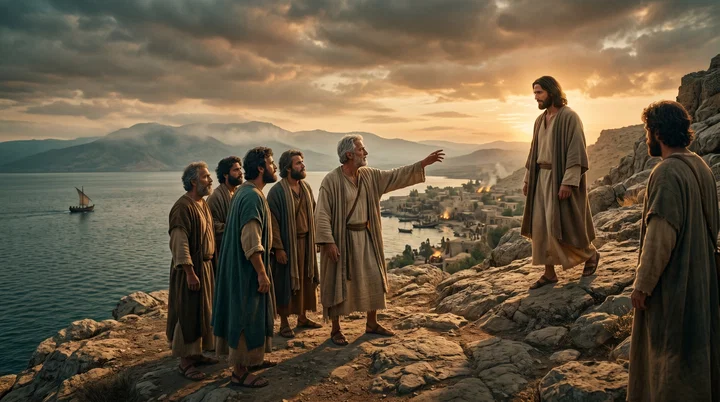
And sent messengers before his face: and they went, and entered into a village of the Samaritans, to make ready for him.
Translations
American King James Version, King James Version
And sent messengers before his face: and they went, and entered into a village of the Samaritans, to make ready for him.
KJV Cambridge Paragraph Bible, Revised Version, American Standard Version
and sent messengers before his face: and they went, and entered into a village of the Samaritans, to make ready for him.
And sent messengers before his face: and they went and entered into a village of the Samaritans, to make ready for him.
and he sent messengers before his face, and having gone on, they went into a village of Samaritans, to make ready for him,
And he sent messengers before his face. And having gone they entered into a village of the Samaritans that they might make ready for him.
and he sent messengers before his face,—and, taking their journey, they entered into a village of Samaritans, so as to prepare for him.
Berean Standard Bible, Majority Standard Bible
He sent messengers on ahead, who went into a village of the Samaritans to make arrangements for Him.
and sent messengers before his face. They went and entered into a village of the Samaritans, so as to prepare for him.
And he sent men before: and they came to a small town of Samaria to make ready for him.
And sent messengers before him: and they went and entred into a towne of the Samaritans, to prepare him lodging.
Douay-Rheims (Challoner revision)
And he sent messengers before his face; and going, they entered into a city of the Samaritans, to prepare for him.
Pictures
Cross-references
- John 4:9
Then saith the woman of Samaria unto him, How is it that thou, being a Jew, askest drink of me, which am a woman of Samaria? for the Jews have no dealings with the Samaritans.
The woman’s words describe the division between Jews and Samaritans.
- Luke 10:1-3
After these things the Lord appointed other seventy also, and sent them two and two before his face into every city and place, whither he himself would come.
Jesus sends messengers ahead of him to prepare the way for his coming.
- Luke 9:56
For the Son of man is not come to destroy men’s lives, but to save them. And they went to another village.
Christ came to save rather than destroy and continued to another village.
- 2 Kings 1:10-12
And Elijah answered and said to the captain of fifty, If I be a man of God, then let fire come down from heaven, and consume thee and thy fifty. And there came down fire from heaven, and consumed him and his fifty.
James and John invoke Elijah’s fire against the Samaritans.
- Acts 1:8
But ye shall receive power, after that the Holy Ghost is come upon you: and ye shall be witnesses unto me both in Jerusalem, and in all Judæa, and in Samaria, and unto the uttermost part of the earth.
Jesus’ witnesses were to carry the gospel to Samaria.
- Acts 8:14
Now when the apostles which were at Jerusalem heard that Samaria had received the word of God, they sent unto them Peter and John:
The apostles respond after Samaria receives the word.
- Luke 17:11-19
And it came to pass, as he went to Jerusalem, that he passed through the midst of Samaria and Galilee.
The Samaritan village encounter contrasts the grateful Samaritan with the nine who do not return.
Commentary
Each commentary is drawn from primary sources: the writings of Ellen G. White and Adventist pioneers and periodicals. Each commentary is separate. Its own words are not a quotation; follow the references to read the source passages.
Ellen G. White
8 sources
This verse belongs to Jesus' final journey toward Jerusalem, which unlike earlier journeys was made openly, with messengers sent ahead to announce His coming and to direct attention to the sacrifice He was going to make.DA 485.1–3 The messengers entered a village of the Samaritans to make ready for His arrival, asking the people to prepare refreshments for Him and His disciples.DA 487.1ST Nov 2, 1882BS 49.2–50.1Ms 99, 1894, par. 2–3AA 540.1–541.1
The Samaritans refused to welcome Him because He appeared to be continuing toward Jerusalem, which they interpreted as preference for the Jews whom they bitterly hated.DA 487.1ST Nov 2, 1882BS 49.2–50.1 Though He was weary and night was near and He gave no special sign He would stay, they withheld even the welcome they would have given an ordinary traveler and did not invite Him to remain.ST Nov 2, 18822T 566.1–2BS 49.2–50.1 By their prejudice and refusal they lost the blessing of His presence, which they could have received by inviting Him to stay.DA 487.1ST Nov 2, 1882BS 49.2–50.1AA 540.1–541.1
Though He could have come with triumphant display, He came humbly and did not force His way in when refused.Ms 99, 1894, par. 2–3 He did not resent their disrespect but His love and concern remained, and He went on to bless those willing to receive Him.Ms 99, 1894, par. 2–3AA 540.1–541.1 When the disciples took the slight personally and wanted to call down fire on the Samaritans, He rebuked their anger, for His mission was to show mercy, not judgment.2T 566.1–2 His work is not done by compulsion, so His followers and ministers are to win people by persuasion and entreaty, not by command or force, and must not answer insult with resentment or retaliate for perceived neglect, but follow His forgiving spirit.DA 838.1–22T 566.1–2
Sources
Pioneers and periodicals
37 sources
Jesus sent human messengers ahead to arrange lodging and refreshments for himself and his disciples as he journeyed through Samaria toward Jerusalem.ST Jul 24, 1893RH Mar 26, 1914ST Nov 14, 1895ST Nov 3, 1881 The Samaritan village refused him even a night's lodging because his face was set toward Jerusalem, which they hated in their bitter rivalry with the Jews.ST Aug 21, 1893RH Jan 6, 1910ST Jul 24, 1893 James and John answered the insult with anger and wanted to call down fire from heaven to consume them, but Jesus turned and rebuked them for not knowing what spirit they were of.ST Aug 21, 1893RH Jan 6, 1910ST Nov 21, 1906 He came not to destroy men's lives but to save them, so he forced his presence on no one and simply went to another village.ST Aug 21, 1893RH Jan 6, 1910ST Nov 21, 1906ST Nov 14, 1895 His followers therefore have no right to compel faith, punish unbelief, or persecute for religious opinions, for God leaves people free to receive or refuse his grace.ST Nov 21, 1906RH Mar 26, 1914ST Feb 6, 1896ST Oct 16, 1893RH Aug 4, 1910
Messengers and Journey Setting
The word rendered messengers is angelos, which can denote human messengers and not only heavenly beings, and here it refers to human beings sent ahead to prepare the way.ST Jun 16, 1914ST Aug 3, 1904 They were sent forward before his face to make ready for him by arranging hospitality, securing lodging, inquiring whether he could be entertained, and preparing refreshments for him and his disciples.ST Nov 2, 1882ST Jul 24, 1893ST Jan 7, 1897ST Nov 3, 1881ST Aug 3, 1904 Two of the disciples were sent on this errand of preparation for his arrival.ST Jan 7, 1897
The sending took place as he journeyed through Samaria toward Jerusalem, steadfastly setting his face to go there when the time came for him to be received up.ST Nov 14, 1895ST Nov 3, 1881ST Jul 4, 1899ST Dec 14, 1915ST Jun 11, 1912 The messengers entered a village of the Samaritans to make ready, and the village would not receive him because his face was turned toward Jerusalem.ST Oct 16, 1884RH Jan 6, 1910ST Jul 24, 1893ST Jul 4, 1899ST Jun 11, 1912 That refusal grew out of bitter rivalry, hatred and inherited hostility between Jews and Samaritans, for the Samaritans hated Jerusalem and expected the Messiah to restore the temple on Mount Gerizim rather than go up to Jerusalem.RH Jan 6, 1910ST Nov 25, 1886ST Nov 3, 1881 His appearing to continue toward Jerusalem rather than away from it exposed that prejudice and angered the disciples.ST Nov 2, 1882ST Nov 3, 1881
The Samaritans withheld even a night's lodging and the welcome they would have given an ordinary traveler.ST Nov 2, 1882ST Oct 16, 1884RH May 2, 1907 Their refusal was open and direct, a slight put upon him when his messengers sought entertainment.ST Aug 21, 1893ST May 14, 1894 By not inviting him to stay they lost the blessing of his presence which welcoming him would have secured.ST Nov 2, 1882ST Oct 16, 1884
Rejection and Christ's Response
James and John with the other disciples met the Samaritan refusal with anger, indignation and prejudice, taking it as a personal insult to be avenged.ST Oct 16, 1884RH Jan 6, 1910ST Jan 7, 1897ST Nov 3, 1881 Like servants of an earthly king they wanted to judge, punish and destroy the people for slighting their Master.ST Aug 21, 1893RH Jan 6, 1910RH Mar 4, 1915 Their proposal was the death penalty by fire, to command fire to come down from heaven and consume the whole village.ST Aug 21, 1893RH Jan 6, 1910ST Nov 21, 1906RH Mar 4, 1915RH Aug 4, 1910 John in particular judged the villagers for not coming out to receive Christ according to his own ideas of what was due Him.RH Mar 4, 1915RH Mar 14, 1871 The wish to use force against the Samaritans answered unbelief and rejection with a desire to coerce, punish and take vengeance.ST Nov 21, 1906ST Feb 6, 1896RH Aug 4, 1910
Jesus turned and rebuked the disciples for that vengeful desire.ST Aug 21, 1893RH Jan 6, 1910ST Nov 21, 1906ST Mar 18, 1897 He told them they did not know what manner of spirit they were of.ST Aug 21, 1893RH Jan 6, 1910ST Jan 7, 1897 The rebuke fell not only on their words but on the spirit that would crush conscience and act as God's agent of vengeance.RH Jan 6, 1910ST Mar 18, 1897ST Jan 7, 1897 It corrected their anger at being slighted and their readiness to call down curses on those who commit or seem to commit sin.ST Aug 21, 1893ST Jan 7, 1897
He gave the reason for the rebuke that the Son of Man is not come to destroy men's lives but to save them.ST Aug 21, 1893RH Jan 6, 1910ST Nov 21, 1906RH Mar 4, 1915 His purpose was to save and minister rather than to condemn, judge or coerce.ST Nov 21, 1906ST Oct 16, 1893 That saving mission left no room for destroying lives in retaliation for rejection.ST Nov 21, 1906ST Nov 14, 1895
He therefore did not answer rejection with force or destruction and did not force His presence on the unwilling.ST Oct 16, 1884ST Nov 3, 1881 When one village would not receive Him He simply went on to another village that would receive Him and still labored on to do good.ST Nov 14, 1895ST Nov 3, 1881ST Jun 25, 1894RH Mar 14, 1871 By leaving the inhospitable village He let those who refused Him miss the blessing they could have had by inviting Him to stay.ST Oct 16, 1884RH Mar 14, 1871
Liberty and Non-Coercion Teaching
When the messengers went ahead to prepare for his arrival in a Samaritan village and the villagers would not receive him because he was headed to Jerusalem, Jesus rebuked his disciples for wanting to punish them, for his purpose was to save lives and not to destroy them.ST Nov 21, 1906ST Feb 6, 1896RH Aug 4, 1910ST Sep 13, 1905ST Feb 20, 1893 His response shows that people must not be forced in matters of faith, and his followers are not to compel people to receive him or assume coercive authority over those who reject them.ST Nov 21, 1906ST Feb 6, 1896RH Aug 4, 1910ST Sep 13, 1905ST Feb 20, 1893 Unbelief and refusal to receive Christ give his followers no right to coerce, punish, or take vengeance on rejecters, and force is not a gospel agency.RH Aug 4, 1910ST Sep 13, 1905 The rejection was open and direct, so that if punishment on religious grounds were ever right it would have been right then, yet Christ would not suffer it and rebuked James and John for wishing to bring fire on the inhabitants.ST May 14, 1894 It is therefore impossible for a true follower of Christ to persecute others in any way for religious opinions.ST May 14, 1894
The verse gives no warrant for religious prosecution or persecution, since judgment belongs to the Lord and does not take place till the last day at Christ's return.ST Oct 13, 1898 Had this lesson always been heeded there would never have been any Inquisition and no martyrs would ever have been burned at the stake in the name of Christianity.ST May 14, 1894 James and John treated the refusal as an insult to be avenged as servants of an earthly king would avenge him, asking to command fire to come down from heaven and consume the Samaritans, even proposing the death penalty by fire in anger at the bitter rivalry between Jews and Samaritans.ST Aug 21, 1893RH Jan 6, 1910ST Jan 7, 1897 Jesus turned and rebuked them, saying they did not know what manner of spirit they were of, for the Son of Man is not come to destroy men's lives but to save them.ST Aug 21, 1893RH Jan 6, 1910RH Oct 16, 1856ST Mar 18, 1897ST Jan 7, 1897 It is therefore not the Spirit of Christ to call down curses upon the heads of those who commit or seem to commit sin, nor to act from a spirit that would crush conscience.ST Aug 21, 1893RH Jan 6, 1910
Christians are not sent to bear the sword against their enemies and no retaliation for persecution belongs to Christ, including demanding the use of the sword or of civil law which rests on physical force.ST Jan 7, 1897 His followers should act likewise to him in saving people rather than destroying their lives, acting without carnal weapons rather than as God's agents of vengeance.RH Oct 16, 1856ST Mar 18, 1897 In its cited context, Jesus' dealings with the Samaritan village illustrate that he came to save and minister, not to condemn, judge, or coerce, and that his gospel recognizes human free will.ST Oct 16, 1893 God offers salvation without forcing people to accept it, leaving people free to receive or refuse his grace, and force in religion reflects a spirit opposed to his purpose.ST Jun 25, 1894
This shows that Christ's kingdom is not of this world and teaches liberty of conscience.ST Apr 23, 1912 The account is cited to show the church's purpose and to mark a limit on its authority.RH Mar 26, 1914 The disciples' conduct also warns against followers wrongly claiming exclusive authority to guard access to Christ and his grace.ST Apr 16, 1896
Links to Other Scriptures
The wish to call down fire was a wish to imitate Elijah, but that was not the example Jesus gave to follow, for the disciples were to do deeds of mercy rather than retribution.ST Jul 13, 1904 Elijah's act was proper in its own circumstances, yet theirs were different and they were not to repeat it in them.ST Jul 13, 1904
The later sending of the seventy to preach the kingdom in the Samaritan region returned good for the rudeness received, showing that it had not disturbed his serene, loving spirit.ST Nov 17, 1881 His kindness toward the Samaritans who had refused him even a night's lodging won their hearts, so that they later listened to Philip's preaching about the Messiah.RH May 2, 1907 His dealings with them helped break down the inherited hostility between Jews and Samaritans, brought them teaching and salvation, and taught his disciples not to cherish national prejudice.ST May 24, 1910 A short time after being rejected by Samaritans in an ungracious way, when the disciples wanted to call fire from heaven down upon them, he made a Samaritan the hero of the parable of the good Samaritan, showing his noble spirit toward the very people who had rejected him. It took great moral courage to exalt a Samaritan before Jews who despised Samaritans.
Christlike Character and Example
Luke 9:52 reveals the glorious meekness of Jesus when the Samaritans would not receive him and he was badly treated and rejected.RH Mar 14, 1871ST Oct 3, 1878 He stayed calm under bad treatment, would do nothing to retaliate, refused to punish them by calling fire from heaven as John wanted, forgave the insult, and simply went to another village that would receive him and kept on laboring to do good to sinners.RH Mar 14, 1871ST Oct 3, 1878 If one village would not receive him, he went to another that would and still labored on.RH Mar 14, 1871ST Oct 3, 1878
Those who labor for Christ must share that very meek spirit.RH Mar 14, 1871ST Oct 3, 1878 It does not rise in pride, anger, self-defense, or quitting when criticized or unappreciated, expects no honor or good treatment, does not notice sharp words, quickly forgives injury, and patiently endures persecution like an anvil.RH Mar 14, 1871ST Oct 3, 1878 With such meekness labor becomes easy and restful and the yoke easy, so that learners of his meekness do not get angry, take offense, or grow tired of doing good when unappreciated, and do not become weary and faint in their minds but keep working.RH Mar 14, 1871ST Oct 3, 1878
While journeying toward Jerusalem he sent messengers ahead to make ready for him in a village of the Samaritans, and the Samaritans would not receive him because he was going to Jerusalem, a city they hated.ST Jun 12, 1907 His disciples wanted to call down fire and destroy them for the refusal, but he rebuked them that they knew not what manner of spirit they were of, for the Son of Man came not to destroy men's lives but to save them.ST Jun 12, 1907 This shows his heart was open to all classes, peoples and foreigners, including Samaritans, and he would not belong to or endorse any exclusive guild, union or class organization that shuts others out, for he is the same yesterday, today and forever.ST Jun 12, 1907
The messengers entered the Samaritan village to make ready for Christ, and the people there refused to come out and receive him according to John's ideas.RH Mar 4, 1915 John judged them for this refusal and was ready to call down fire from heaven to destroy the whole village.RH Mar 4, 1915 Jesus rebuked that judging spirit, declaring that the Son of man is not come to destroy men's lives but to save them, and bore with John day after day, leading him by kindness and patience and teaching him by precept and example until John became the beloved disciple, the man of love.RH Mar 4, 1915
Sources