Mark 12:14
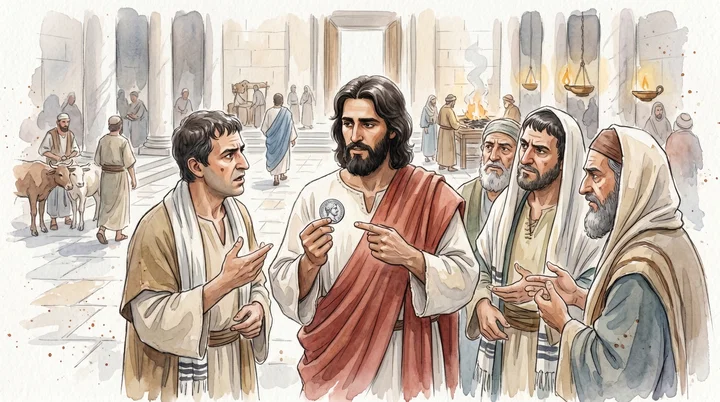
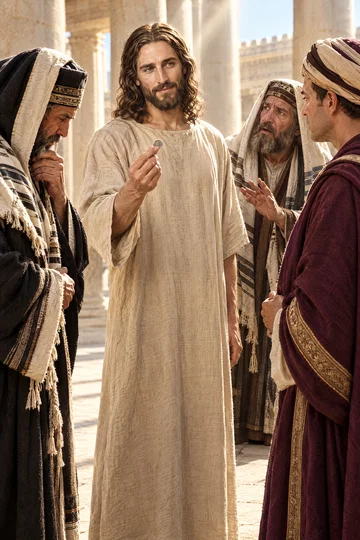
And when they were come, they say unto him, Master, we know that thou art true, and carest for no man: for thou regardest not the person of men, but teachest the way of God in truth: Is it lawful to give tribute to Cæsar, or not?
Translations
And when they were come, they say to him, Master, we know that you are true, and care for no man: for you regard not the person of men, but teach the way of God in truth: Is it lawful to give tribute to Caesar, or not?
And when they were come, they say unto him, Master, we know that thou art true, and carest for no man: for thou regardest not the person of men, but teachest the way of God in truth: Is it lawful to give tribute to Cæsar, or not?
And when they were come, they say unto him, Master, we know that thou art true, and carest for no man: for thou regardest not the person of men, but teachest the way of God in truth: Is it lawful to give tribute to Cesar, or not?
And when they had come, they say to him, Master, we know that thou art true, and carest for no man: for thou regardest not the person of men, but teachest the way of God in truth: Is it lawful to give tribute to Cesar, or not?
And when they were come, they say unto him, Master, we know that thou art true, and carest not for any one: for thou regardest not the person of men, but of a truth teachest the way of God: Is it lawful to give tribute unto Caesar, or not?
And when they were come, they say unto him, Teacher, we know that thou art true, and carest not for any one; for thou regardest not the person of men, but of a truth teachest the way of God: Is it lawful to give tribute unto Cæsar, or not?
and they having come, say to him, 'Teacher, we have known that thou art true, and thou art not caring for any one, for thou dost not look to the face of men, but in truth the way of God dost teach; is it lawful to give tribute to Caesar or not? may we give, or may we not give?'
And they come and say to him, Teacher, we know that thou art true, and carest not for any one; for thou regardest not men's person, but teachest the way of God with truth: Is it lawful to give tribute to Caesar or not?
And, coming, they say unto him—Teacher! we know that, true, thou art, and it concerneth thee not about anyone,—for thou lookest not unto the face of men; but, in truth, the way of God, dost teach:—Is it allowable to give tax unto Caesar, or not? Should we give, or should we not give?
Berean Standard Bible, Majority Standard Bible
“ Teacher,” they said, “ we know that You are honest and seek favor from no one. Indeed, You are impartial and teach the way of God in accordance with the truth. Is it lawful to pay taxes to Caesar or not? Should we pay them or not?”
When they had come, they asked him, “ Teacher, we know that you are honest, and don’ t defer to anyone; for you aren’ t partial to anyone, but truly teach the way of God. Is it lawful to pay taxes to Caesar, or not?
And when they had come, they said to him, Master, we are certain that you are true, and have no fear of anyone: you have no respect for a man's position, but you are teaching the true way of God: Is it right to give taxes to Caesar or not?
And when they came, they saide vnto him, Master, we know that thou art true, and carest for no man: for thou considerest not the person of men, but teachest the way of God truely, Is it lawfull to giue tribute to Cesar, or not?
Douay-Rheims (Challoner revision)
Who coming, say to him: Master, we know that thou art a true speaker, and carest not for any man; for thou regardest not the person of men, but teachest the way of God in truth. Is it lawful to give tribute to Caesar; or shall we not give it?
Pictures
Cross-references
- Matthew 22:15-22
Then went the Pharisees, and took counsel how they might entangle him in his talk.
Parallel account of the tribute question and Jesus’ answer.
- Luke 20:20-26
And they watched him, and sent forth spies, which should feign themselves just men, that they might take hold of his words, that so they might deliver him unto the power and authority of the governor.
Jesus answers spies who try to trap him with the tribute question.
- Luke 23:2
And they began to accuse him, saying, We found this fellow perverting the nation, and forbidding to give tribute to Cæsar, saying that he himself is Christ a King.
Jesus is accused of forbidding payment of tribute to Caesar.
Commentary
Each commentary is drawn from primary sources: the writings of Ellen G. White and Adventist pioneers and periodicals. Each commentary is separate. Its own words are not a quotation; follow the references to read the source passages.
Ellen G. White
14 sources
The verse records a deliberate trap set by the most malicious enemies of Jesus, sent by the chief priests and rulers with Herodians privately arranged as witnesses so He could be arrested, tried for His life, and condemned.ST Jun 29, 1882ST Apr 25, 18783SP 41.3–4 They came with courteous pretense of confidence and desire to learn, offering hypocritical flattery to throw Him off guard, yet their description of Him as true and fearless in teaching the way of God was itself true and will judge them.Ms 149, 1898, par. 6DA 601.1–602.5ST Feb 8, 1899 The question over paying tribute to Caesar touched a bitter dispute among the Jews, and they demanded a direct yes or no so that denial would let them report Him to Rome as a rebel while approval would let them accuse Him before the people as opposed to God's law.Ms 149, 1898, par. 63SP 42.2ST Feb 8, 1899ST Jun 29, 1882ST Apr 25, 1878 Jesus read their motives and, holding the Roman coin stamped with Caesar's name and image, taught that living under the protection of that power required rendering its claimed support so long as it did not conflict with duty to God, while remaining peaceably subject to the laws of the land.3SP 129.3–130.15RED 49.2–50.1ST Jul 4, 1878 His answer baffled and silenced the spies and left them nothing to say, though the rulers burned to seize Him, and the later charge that He forbade tribute and stirred sedition was false.3SP 129.3–130.15RED 49.2–50.1ST Jun 29, 1882Ms 71, 1897, par. 27Ms 4, 1883, par. 63–64
The Spies' Flattering Trap
The words record a deliberate trap laid to entangle Jesus in His words so that He would offend either Jewish law or Roman authority and could be arrested, tried for His life, and condemned.ST Jun 29, 1882ST Apr 25, 18783SP 41.3–4 The speakers were spies, His most malicious enemies, sent by the chief priests and rulers.ST Jun 29, 1882ST Apr 25, 1878 Those rulers had privately arranged for Herodians to accompany them to be witnesses against Him when He was arraigned.ST Jun 29, 1882ST Apr 25, 1878
The Pharisees joined with the Herodians, whom they hated, to press the hostile question about tribute to Caesar, and it was not honest inquiry but a pretext founded in falsehood by men determined not to abandon their purpose to destroy Him.Ms 149, 1898, par. 6Ms 4, 1883, par. 63–64 The question belongs to a series of artful questions from the Pharisees, Herodians, and Sadducees intended to entangle Jesus and turn His answers against Him.Ms 149, 1898, par. 6Ms 71, 1897, par. 27 They kept plying Him with opposing questions even though the wisdom of His words had again and again confounded and silenced them, because they knew that if He continued His work many would believe on Him and the scribes and Pharisees would lose their power with the people, so they were ready to stoop to any base and contemptible measure to rid the earth of Him.Ms 4, 1883, par. 63–64
They came with courteous pretense of interest in His teaching and divine wisdom, desire to profit from His wisdom, great confidence in Him, and assumed candor as if seeking information.ST Jun 29, 1882ST Apr 25, 18783SP 41.3–4 Their praise was hypocritical flattery and pious pretense meant to throw Him off guard and make Him speak carelessly.Ms 149, 1898, par. 6DA 601.1–602.5ST Apr 25, 18783SP 41.3–4 To call Him true and caring for no man and regarding not the person of men and teaching the way of God in truth means that He follows a straightforward course irrespective of the favor or frowns of men.ST Jun 29, 1882ST Apr 25, 1878 Though insincere, what they said was true, for they knew He taught rightly, and their own testimony will judge them.DA 601.1–602.5ST Feb 8, 1899
The question about whether it is lawful to give tribute to Caesar arose amid dispute over Rome's right to demand taxes, for many denied that right and paying tribute to a foreign ruler was disputed among the Jews.ST Feb 8, 1899ST Jul 4, 1878 The Pharisees themselves fretted and chafed under Roman taxes and tribute, paid unwillingly, and took the position that paying them was contrary to the law of God.ST Feb 8, 1899ST Jun 29, 1882ST Apr 25, 18783SP 41.3–4 They demanded a direct yes or no in order to make Him offend whichever way He answered.Ms 149, 1898, par. 63SP 42.2ST Jun 29, 1882ST Apr 25, 1878 If He said tribute was unlawful, witnesses were ready to report Him at once to the Roman authorities as a rebel creating rebellion to insure His arrest and condemnation, and if He said it was lawful, they designed to accuse Him before the Jewish people as opposed to God's divine law and turn the people against Him.3SP 42.2ST Feb 8, 1899ST Jun 29, 1882ST Apr 25, 18783SP 41.3–4
Christ's Answer and Vindication
The danger lay in the fact that opposition to Roman taxes could easily provoke revolt, and the Roman authorities kept close watch for any sign of uprising, so the tribute question was framed to make Jesus appear seditious and furnish grounds to seize Him.3SP 129.3–130.1ST Jul 4, 1878 He read the motives of His questioners, and holding the Roman coin stamped with Caesar's name, image, and inscription, He taught that living under the protection of the Roman power required rendering to that power the support it claimed so long as it did not conflict with duty to God.3SP 129.3–130.15RED 49.2–50.1ST Jul 4, 1878ST Jun 29, 1882 At the same time He taught at all times rendering obedience to God and remaining peaceably subject to the laws of the land.ST Jun 29, 1882 He Himself had always been obedient to the ruling authorities, for He paid tribute to Caesar and taught His disciples to pay it.3SP 129.3–130.15RED 49.2–50.1ST Jul 4, 1878
The answer baffled and defeated the spies, disarranged their plans, left them nothing further to say, and made them marvel and leave, though the priests and rulers burned with wrath to seize and slay Him.ST Jun 29, 1882 Even after His wisdom had again and again confounded and silenced them, men kept plying Him with opposing questions, yet He answered plainly and intelligently, bringing precious light to the gathered people and sowing seeds of truth.Ms 71, 1897, par. 27Ms 4, 1883, par. 63–64 They pressed on because they knew that if He continued His work many would believe on Him and the scribes and Pharisees would lose their power with the people, so they were ready to stoop to any base and contemptible measure to rid the earth of Him.Ms 4, 1883, par. 63–64
The later accusation that He forbade paying tribute to Caesar and stirred up sedition was false.3SP 129.3–130.15RED 49.2–50.1ST Jul 4, 1878 The exchanges to which this verse belongs illustrate the consequences of rejecting the Son of God, and their warnings apply to people in every age, with the doom they foreshadow awaiting those who do not repent.DA 600.3
Sources
Pioneers and periodicals
18 sources
Spies from the chief priests and rulers, Pharisees and Herodians who had no sympathy with each other, united to catch Him in His words with witnesses ready to report Him to the governor, approaching with hypocritical flattery that He was true and cared for no man as a courteous pretense to throw Him off guard and force a plain Yes or No on paying tribute to Rome.ST Feb 8, 1899ST Jun 29, 1882ST Apr 25, 1878ST Oct 18, 1899ST Oct 10, 1906 The question was a crafty trap over taxes the Jews paid unwillingly, so that denying the tax would bring instant charge of treason and rebellion before the Roman authorities, while affirming it would turn the people from Him as no deliverer from Rome and lay Him open as opposed to divine law.ST Feb 8, 1899ST Jun 29, 1882ST Apr 25, 1878ST Oct 4, 1910ST Oct 10, 1906 He read their motives and would not be turned from obedience, teaching with the coin bearing Caesar's image and inscription that what bears Caesar's stamp is returned to Caesar while what belongs to God is rendered to God, living peaceably subject to law and giving civil support where it does not conflict with duty to God.ST Jun 29, 1882ST Mar 12, 1912ST Oct 4, 1910ST Feb 21, 1906 He Himself paid tribute and taught His disciples to do the same, so the later charge that He forbade it was false.ST Jul 4, 1878ST Sep 30, 1886 Civil power has no part in regulating worship or enforcing the Sabbath, baptism, and the Lord's Supper, for the Sabbath bears God's mark of ownership, and those who set the trap were left baffled and marveling with nothing more to say.ST Oct 4, 1910ST Jan 30, 1907ST Mar 3, 1909STRH Mar 9, 1869
The Flattery and Trap
Those who came to Jesus with the tribute question were spies, His most malicious enemies sent by the chief priests and rulers to catch Him in His words and entangle Him so He could be arrested and tried for His life.ST Jun 29, 1882ST Apr 25, 1878ST Oct 10, 1906 They included Pharisees and Herodians, two classes ordinarily having no sympathy with each other, yet now uniting for this purpose.ST Oct 10, 1906 The Herodians had been privately arranged to accompany them as witnesses against Him when He could be arraigned, condemned, and reported to the governor and to Pilate.ST Jun 29, 1882ST Apr 25, 1878ST Oct 25, 1910
Their address to Him as true, caring for no man, regarding not the person of men, and teaching the way of God in truth meant that He follows a straightforward course irrespective of the favor or frowns of men.ST Jun 29, 1882ST Apr 25, 1878 What they said about His teaching was true, yet it was hypocritical flattery and pious pretense, the kind of eulogy that would have captivated any of themselves.ST Feb 8, 1899ST Apr 25, 1878ST Oct 10, 1906 It was offered with courteous pretense of interest in His teaching and wisdom, with desire to profit from it, with great confidence and assumed candor as if seeking information, meant to throw Him off guard and to captivate.ST Jun 29, 1882ST Apr 25, 1878ST Oct 18, 1899 While thus flattering Him as showing no favoritism, they pressed for and demanded a plain direct Yes or No whether to give tribute or not.ST Jun 29, 1882ST Oct 18, 1899ST Oct 10, 1906
Their question about giving tribute to Caesar arose amid dispute over Rome's right to demand taxes, with Roman authorities closely watching for revolts.ST Feb 8, 1899ST Jul 4, 1878 Many Jews denied that right, and the Pharisees themselves fretted and chafed under Roman taxes and tribute and paid unwillingly.ST Feb 8, 1899ST Jun 29, 1882ST Apr 25, 1878 They took the position that paying them was contrary to the law of God.ST Jun 29, 1882ST Apr 25, 1878ST Jul 4, 1878
The question whether it is lawful to give tribute was a cunningly devised, crafty trap designed so that either answer could be used against Him and break His influence.ST Oct 4, 1910ST Oct 18, 1899ST Oct 10, 1906 If He said the tributary tax to the Roman government was unlawful, witnesses were ready to report Him at once to the Roman authorities as teaching treason, creating rebellion, and being seditious, to insure His arrest, condemnation, and trial for His life and His delivery to the governor.ST Apr 25, 1878ST Jun 29, 1882ST Oct 4, 1910ST Oct 10, 1906RH Mar 9, 1869 If He said it was lawful, the Jews grieved and chafed under the yoke would not be convinced He was the Messiah they supposed would relieve them and deliver Israel from Roman rule, and He could be accused before the Jewish people as opposed to divine law.ST Feb 8, 1899ST Apr 25, 1878ST Oct 10, 1906ST Sep 30, 1886ST Oct 25, 1910 Thus He would offend either Jewish law or Roman authority, either turning the people against Him or giving the Romans grounds to accuse Him.ST Feb 8, 1899ST Jun 29, 1882ST Sep 30, 1886
Christ's Answer and Application
Jesus saw through the motives behind the question and met it as a test offered with hypocritical intent.ST Jun 29, 1882ST Mar 12, 1912ST Feb 21, 1906 It belonged to the course of the scribes and Pharisees in tempting Him in every possible way during His earthly life, instigated by Satan, yet He did not allow their temptations to turn Him from obedience to God.ST Mar 12, 1912ST Feb 21, 1906 His answer, given in what follows in verses 15-17, draws the line between what belongs to civil government and what belongs to God.ST Oct 4, 1910ST Feb 21, 1906ST Jan 30, 1907ST Sep 30, 1886
Holding the Roman coin stamped with Caesar's name, image and inscription, He pointed to Caesar's image and inscription on the tribute money and taught that what bears Caesar's image is to be returned to Caesar.ST Jul 4, 1878ST Jun 29, 1882ST Feb 21, 1906ST Sep 30, 1886 In substance this was the schools' own rule that people acknowledge as their lord the king whose money circulates among them.RH Mar 9, 1869 Living under the protection of the Roman power requires rendering to that power the support it claims so long as it does not conflict with duty to God, while at all times rendering obedience to God and remaining peaceably subject to the laws of the land.ST Jun 29, 1882ST Feb 21, 1906 In this way civil tribute does not cancel the duty owed to God, and it is shown that God's kingdom is not a worldly kingdom maintained by fighting.ST Feb 21, 1906
He Himself was obedient to the governing power, paid tribute Himself and taught His disciples to do the same.ST Jul 4, 1878ST Sep 30, 1886 The later accusation that He forbade paying tribute was therefore false.ST Jul 4, 1878 Civil authority has no part in regulating worship or in imposing duties that stand between a person and God.ST Oct 4, 1910 It cannot enforce the Sabbath, baptism and the Lord's Supper.ST Oct 4, 1910
The Sabbath bears God's mark of ownership and must be rendered to Him, not to Caesar, so civil government has no authority over it.ST Oct 4, 1910ST Jan 30, 1907 The efforts of His enemies to trap Him with their questions failed and left them defeated.ST Mar 3, 1909ST Mar 3, 1909 Their plans were disarranged and they were left confused and baffled with nothing farther to say, marveling and leaving, though the priests and rulers burned with wrath to seize and slay Him.ST Jun 29, 1882RH Mar 9, 1869
The question stands as an example of a problem posed to put a Christian in a corner.ST Oct 4, 1910 It also serves as a parallel for churches leaving their Gospel work to pursue laws on religious matters and using civil lawmakers to oppose those who do not follow their religious traditions.ST
Sources