Translations
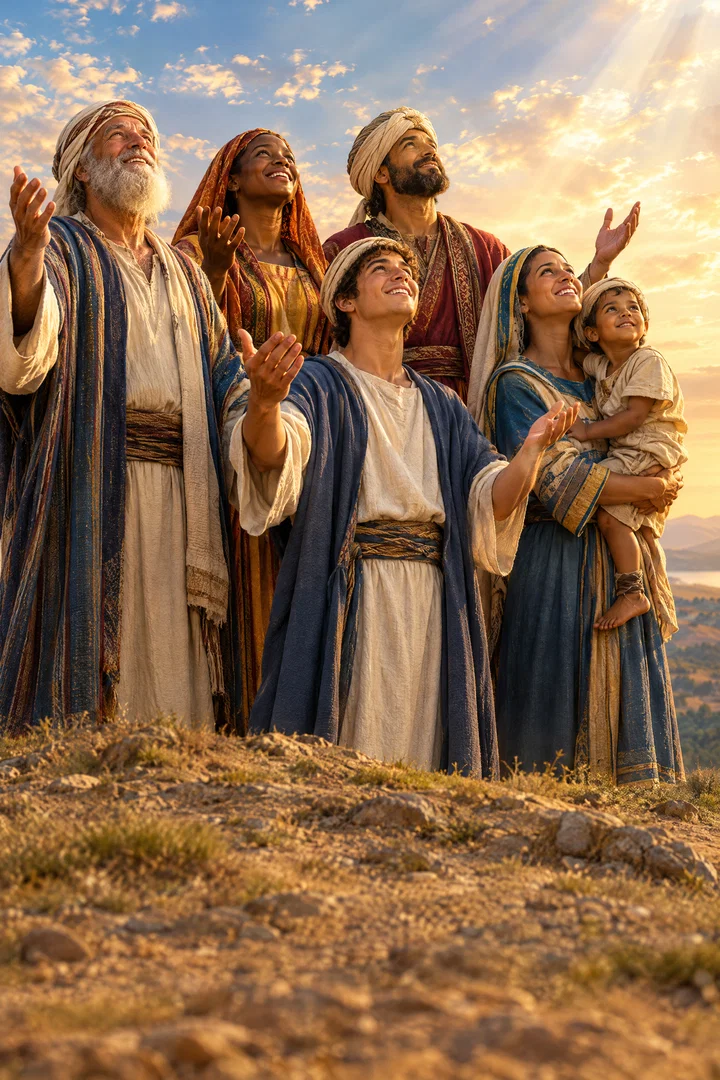
O praise the LORD, all you nations: praise him, all you people.
King James Version, Webster Bible
O praise the LORD, all ye nations: praise him, all ye people.
O praise the Lord, all ye nations:
Praise him, all ye people.O PRAISE the LORD, all ye nations; laud him, all ye peoples.
O praise Jehovah, all ye nations;
Laud him, all ye peoples.Praise Jehovah, all ye nations, Glorify Him, all ye peoples.
Praise Jehovah, all ye nations; laud him, all ye peoples;
Praise Yahweh, all ye nations, Laud him, all ye tribes of men;
Berean Standard Bible, Majority Standard Bible
Praise the LORD, all you nations!
Extol Him, all you peoples!Praise the LORD, all you nations!
Extol him, all you peoples!Let all the nations give praise to the Lord: let all the people give him praise.
All nations, praise ye the Lord: all ye people, praise him.
Douay-Rheims (Challoner revision)
O praise the Lord, all ye nations: praise him, all ye people.
Pictures
Cross-references
- Romans 15:11
And again, Praise the Lord, all ye Gentiles; and laud him, all ye people.
Paul echoes the call for all peoples to praise the Lord.
- Psalms 113
Praise ye the LORD. Praise, O ye servants of the LORD, praise the name of the LORD.
Both call all peoples to praise the LORD; Psalm 113 opens the Hallel.
- Psalms 118
O give thanks unto the LORD; for he is good: because his mercy endureth for ever.
Continues the communal praise and completes the feast’s Hallel.
- Matthew 26:30
And when they had sung an hymn, they went out into the mount of Olives.
The disciples sang a hymn of praise after the Passover meal.
- Mark 14:26
And when they had sung an hymn, they went out into the mount of Olives.
The disciples sang the Hallel hymn at the Last Supper.
- Hebrews 2:12
Saying, I will declare thy name unto my brethren, in the midst of the church will I sing praise unto thee.
Jesus declares God’s name and sings praise among his brethren.
- Isaiah 11:10
And in that day there shall be a root of Jesse, which shall stand for an ensign of the people; to it shall the Gentiles seek: and his rest shall be glorious.
The Root of Jesse stands as an ensign for the Gentiles, who seek him.
- Psalms 115
Not unto us, O LORD, not unto us, but unto thy name give glory, for thy mercy, and for thy truth’s sake.
Part of the Hallel sung at Passover.
Commentary
Each commentary is drawn from primary sources: the writings of Ellen G. White and Adventist pioneers and periodicals. Each commentary is separate. Its own words are not a quotation; follow the references to read the source passages.
Ellen G. White
2 sources
It belongs to the joyful Passover hallel sung by Jesus and His disciples before they left the upper chamber.DA 672.2–3 Its words call all nations and peoples to praise the Lord.DA 672.2–3FE 430.5 That universal call includes the Gentiles.FE 430.5 It stands alongside the promise that the Gentiles will trust in the Root of Jesse, who will reign over them.FE 430.5
Sources
Pioneers and periodicals
15 sources
O praise the Lord is a call for every nation and every people on earth to praise Him, set in the shortest psalm of only two verses yet full of depth.RH Oct 9, 1900ST Sep 1, 1898RH Jul 1, 1915RH Apr 14, 1903 It belongs to Psalms 113-118, the Hallel song of praise sung at Passover and other feasts, with the first two sung at the beginning of the meal and the rest, including Psalm 117 with Psalms 115, 116, and 118, sung at its close, even at the last Passover supper before going out to the Mount of Olives.ST Aug 21, 1893ST Jan 7, 1889RH Apr 14, 1903 Jesus Himself sang and led His disciples in this joyful praise just before His betrayal as He went toward Gethsemane to face trial, suffering, and Calvary, trusting in God the Father.ST Aug 21, 1893RH Jul 1, 1915ST Jan 7, 1889 The call rests on God's great merciful kindness renewed each morning and His truth that endures forever, for His throne is established in righteousness and truth, making praise fitting at every hour.ST Sep 1, 1898RH Jul 1, 1915RH Apr 14, 1903ST Sep 27, 1910 Paul applies this universal call to the gospel going to the Gentiles and the heathen, for praise glorifies God and brings greater blessing, calling the whole congregation on earth to unite in joyful praise to the Creator.RH Oct 9, 1900ST Jan 7, 1889RH Dec 9, 1873
Words and Passover Setting
O praise the Lord, all nations, and praise him, all peoples, so that the call reaches outward to the whole world.RH Oct 9, 1900ST Sep 1, 1898RH Jul 1, 1915ST Jan 7, 1889RH Apr 14, 1903 It stands as the opening of the shortest psalm, made up of only two verses, and yet holding great depth of thought.RH Apr 14, 1903 That worldwide summons is the ground Paul takes up when setting forth the gospel going to the Gentiles and the heathen.RH Oct 9, 1900 It is a summons to praise the Lord because his throne is established in righteousness and truth, and because his mercy and truth endure forever.ST Sep 27, 1910
The psalm belongs to Psalms 113-118, the Hallel, the psalm-song of praise sung at the Passover and at some other Hebrew feasts.ST Aug 21, 1893ST Jan 7, 1889RH Apr 14, 1903 The first two psalms were sung at the beginning of the Passover meal, and the remaining psalms were sung at its close.ST Feb 22, 1899 Psalm 117 was sung at the close of the Passover feast as part of the latter portion of the great Hallelujah, together with Psalms 115, 116, and 118.ST Apr 21, 1881ST Feb 22, 1899 This includes the hymn sung at the last Passover supper before going out to the Mount of Olives.RH Apr 14, 1903
Jesus sang this praise and led his disciples in it as joyful Passover song just before his betrayal.ST Aug 21, 1893RH Jul 1, 1915ST Jan 7, 1889RH Apr 14, 1903 He sang it as he went toward Gethsemane and faced trial, suffering, and Calvary.RH Jul 1, 1915 He sang it trusting in God the Father despite what lay ahead.ST Aug 21, 1893ST Jan 7, 1889
The psalm is numbered among those associated with the return of the Jews from Babylonian captivity under Cyrus.RH Sep 7, 1916 It reflects the returning exiles' joy, sorrow, and anxiety.RH Sep 7, 1916 It refers to the building and dedication of the second temple and its triumphs.RH Sep 7, 1916
The call to praise rests on the reason given in the following verse, that his merciful kindness toward us is great and his truth endures forever.RH Jul 1, 1915RH Apr 14, 1903 That merciful kindness is renewed each morning, so the praise is fitting at every hour.ST Sep 1, 1898 In this way the psalm shows that a soul brought low and then saved can join in praise to God.
Teaching and Worship Practice
Paul takes up this universal summons to praise when speaking of the gospel going out to the Gentiles and to the heathen.RH Oct 9, 1900 The Lord is to be praised by all nations because his throne is established in righteousness and truth, and because his mercy and his truth endure forever.ST Sep 27, 1910 Such praise is fitting at every hour, since his merciful kindness is renewed each morning and his truth endures forever.ST Sep 1, 1898
Praise glorifies God, and more praise brings greater blessing.ST Jan 7, 1889 The call belongs with gladness in going to the house of the Lord and with grateful worship on the Sabbath, where those who use the six workdays faithfully can enter refreshed, find the Sabbath a delight, and praise the God who made heaven and earth and sea.RH Aug 17, 1869 It is praise to the Saviour for his divine, victorious love, lifted in joyful acclamations.RH Jul 11, 1865 It is the fitting expression of praise in response to a blessed gathering and to people turning from sin and joining the church.RH Oct 21, 1909 It is a call for united, joyful congregational praise to the Creator from all who dwell on earth, sung standing by the whole congregation when a poor family once kept out for want of clothes is welcomed into worship alongside the rich.RH Dec 9, 1873
Sources