Mark 14:26
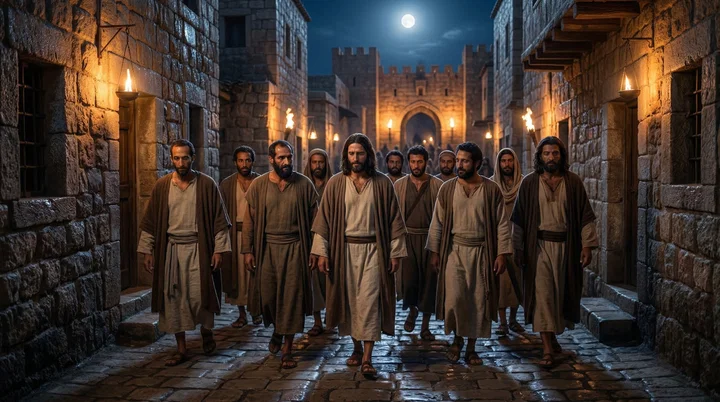
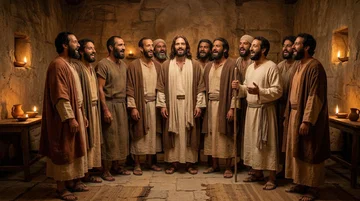
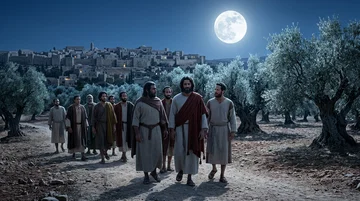
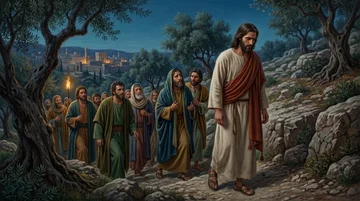
And when they had sung an hymn, they went out into the mount of Olives.
Translations
American King James Version, King James Version
And when they had sung an hymn, they went out into the mount of Olives.
And when they had sung a hymn, they went out into the mount of Olives.
And when they had sung a hymn, they went out to the mount of Olives.
Revised Version, American Standard Version
And when they had sung a hymn, they went out unto the mount of Olives.
And having sung an hymn, they went forth to the mount of the Olives,
And having sung a hymn, they went out to the mount of Olives.
And, having sung praise, they went forth unto the Mount of Olives.
Berean Standard Bible, Majority Standard Bible
And when they had sung a hymn, they went out to the Mount of Olives.
When they had sung a hymn, they went out to the Mount of Olives.
And after a song of praise to God they went out to the Mountain of Olives.
And when they had sung a Psalme, they went out to the mount of Oliues.
Douay-Rheims (Challoner revision)
And when they had said an hymn, they went forth to the mount of Olives.
Pictures
Cross-references
- Matthew 26:30
And when they had sung an hymn, they went out into the mount of Olives.
Both recount the hymn sung before Jesus and the disciples went to the Mount of Olives.
- Psalms 118
O give thanks unto the LORD; for he is good: because his mercy endureth for ever.
This psalm was part of the hymn sung at Passover.
- Psalms 113
Praise ye the LORD. Praise, O ye servants of the LORD, praise the name of the LORD.
This psalm formed part of the hymn sung on Passover occasions.
- Psalms 114
When Israel went out of Egypt, the house of Jacob from a people of strange language;
This psalm formed part of the hymn sung at Passover.
- Psalms 115
Not unto us, O LORD, not unto us, but unto thy name give glory, for thy mercy, and for thy truth’s sake.
This psalm formed part of the Passover hymn sung by Jesus and the disciples.
- Psalms 116
I love the LORD, because he hath heard my voice and my supplications.
This psalm was part of the Hallel sung at Passover.
- Luke 22:39
And he came out, and went, as he was wont, to the mount of Olives; and his disciples also followed him.
Jesus goes to the Mount of Olives before his agony.
- Psalms 117
O praise the LORD, all ye nations: praise him, all ye people.
These psalms formed the hymn sung at Passover.
- John 13:26-30
Jesus answered, He it is, to whom I shall give a sop, when I have dipped it. And when he had dipped the sop, he gave it to Judas Iscariot, the son of Simon.
Judas receives the dipped piece and leaves before the hymn.
- Ephesians 5:19
Speaking to yourselves in psalms and hymns and spiritual songs, singing and making melody in your heart to the Lord;
Both present hymn singing as Christian worship.
- Matthew 26:36-39
Then cometh Jesus with them unto a place called Gethsemane, and saith unto the disciples, Sit ye here, while I go and pray yonder.
Jesus goes from the Mount of Olives to Gethsemane and prays in submission to the Father’s will.
- Mark 14:32-36
And they came to a place which was named Gethsemane: and he saith to his disciples, Sit ye here, while I shall pray.
Describes the agony that followed the hymn.
- Mark 14:18-21
And as they sat and did eat, Jesus said, Verily I say unto you, One of you which eateth with me shall betray me.
Jesus identifies Judas as the betrayer during the Last Supper.
- Luke 22:43-44
And there appeared an angel unto him from heaven, strengthening him.
Jesus suffers in Gethsemane and is strengthened by an angel.
Commentary
Each commentary is drawn from primary sources: the writings of Ellen G. White and Adventist pioneers and periodicals. Each commentary is separate. Its own words are not a quotation; follow the references to read the source passages.
Ellen G. White
2 sources
The singing closes the institution of the Lord's Supper as the great memorial.Ms 19, 1897, par. 1–2 In that ordinance Jesus gave bread as His body and the cup as His blood of the new covenant shed for many, and promised to drink the fruit of the vine new in the kingdom of God.Ms 19, 1897, par. 1–2 Jesus and His disciples joined together in singing a hymn of praise in their final hours together, a Christian melody rising to heaven from their lips before they went out to the Mount of Olives.Ms 19, 1897, par. 1–2LSEGW 257.4
Although the disciples were weighed down with sorrow, doubt, and fear, those final hours were marked by Christ's comforting words and shared praise.LSEGW 257.4 The hymn was offered at the moment Christ, the leader of salvation, made Himself a sacrificial offering, the giver of life becoming the foremost sufferer for others.Ms 19, 1897, par. 1–2 The singing was a solemn prelude to the path to Calvary that followed: the agony in Gethsemane, the abuse and mockery at the judgment hall, and the scenes of Calvary.LSEGW 257.4
Sources
Pioneers and periodicals
15 sources
After sharing the Passover meal of broken bread and poured wine, Jesus and His disciples sang a song of praise together and went out to the Mount of Olives toward Gethsemane.ST Jun 18, 1885RH Dec 2, 1858ST May 13, 1889 The song was the Hallel sung at the Passover, the psalms of praise in Psalms 113-118 thanking the Lord for strength, salvation, goodness, and enduring mercy.RH Apr 14, 1903RH Feb 13, 1879ST Jan 7, 1889 Jesus Himself led the singing with a clear, calm, and steady voice, solemn and tender in sorrow yet bringing power and comfort to heavy hearts.ST Jun 18, 1885RH Dec 2, 1858ST Closing the memorial supper with sung praise shows that sacred song belongs in Christian worship, echoed when believers sing after the communion cup and leave in solemn but glad remembrance of His sufferings and death.ST Jun 18, 1885CO 58.2RH Jun 10, 1915 Though He knew betrayal, agony, suffering, and the cross lay ahead, He sang in faith in His Father, teaching believers after sweet communion not to grow discouraged but to praise as well as pray, recounting the Lord's marvelous acts to arm themselves for trouble and duty.RH Feb 13, 1879ST Jan 7, 1889
Context and Hymn Identified
After the Passover meal, the Last Supper of broken bread and poured wine, Jesus and his disciples sang a hymn together and went out to the Mount of Olives toward Gethsemane.ST Jun 18, 1885RH Dec 2, 1858ST May 13, 1889RH Apr 14, 1903CO 58.2 The singing came after the supper and before the Mount of Olives, as he approached his prayer and anguish in Gethsemane and his agony and death.RH Dec 2, 1858ST May 13, 1889RH Feb 19, 1914 This belongs to the closing events of his life on earth, an account continuing through his triumph over death, as the Passover gave way to the memorial of his death.ST May 13, 1889 It was their last act before parting, he going to terrible agony and they to dreaded separation.RH Feb 13, 1879
All joined in the hymn except Judas, who had already left to betray him, making it their last hymn with him.ST Since the singing and going out came after Judas had left, the order supports that the washing of feet came before the supper was eaten.RH Dec 23, 1858
The hymn was the Hallel, the Hebrew psalm of praise sung at Passover and some other feasts.RH Apr 14, 1903 It consisted of Psalms 113-118, a psalm of David and chant of thankful psalms.RH Apr 14, 1903RH Feb 13, 1879RH Oct 20, 1859 Those songs sung on Passover occasions praised the Lord for strength, salvation, goodness, and enduring mercy.ST Jan 7, 1889
Jesus himself led the song, his voice least tremulous of all, clear and sweet and calm and strong.ST Jun 18, 1885 The song was solemn and tender and sad beyond any melody ever heard, soothing heavy hearts beating in pain and smoothing the brow of care.ST Jun 18, 1885ST Holy song brought power and inspiration amid sorrow to that solemn scene.RH Dec 2, 1858RH Feb 18, 1902 Its exact words were not written down and will not be known by mortals here below, though its theme was Christ's redeeming love.ST Jun 18, 1885
Worship and Believers' Example
The memorial supper where Christ served as first administrator closed fittingly with sung praise.ST Jun 18, 1885 That closing song proves sacred song belongs to Christian worship as the expanded, all-comprehending and pervasive continuation of the Hebrew musical ritual.ST Jun 18, 1885 Jesus singing with his disciples illustrates the place of music in worship and in the church's history.RH Jun 10, 1915
The hymn sung in the upper chamber was a psalm of David and marks the beginning of the continuing use of David's psalms in the worship of Christ's church.RH Oct 20, 1859 It stands as the first expression of the church's continuing use of sacred song in worship.RH Aug 12, 1858 Those psalms then shaped Christian devotion and worship through every age.RH Aug 12, 1858
The pattern is echoed when praise to Christ is sung after the communion cup, then the church is left in solemn but glad remembrance of his sufferings and death.CO 58.2 The hymn was their last act together before parting, as Jesus went to terrible agony and the disciples to dreaded separation, and it was a chant of thankful psalms.RH Feb 13, 1879 It came just before betrayal, the agony of Gethsemane, suffering, crucifixion and the cross, yet knowing what lay ahead he sang in faith in his Father, whom he trusted as too wise to err and too good to be unkind.ST Jan 7, 1889 That singing drew on Psalms 113-118, songs sung on Passover occasions, including praise to the Lord for his strength, salvation, goodness, and enduring mercy.ST Jan 7, 1889 The verse therefore means to praise as well as pray, recounting the marvelous acts of the Lord as arming for trouble and duty.RH Feb 13, 1879 After sweet communion together they left for the suffering and crucifixion he accepted in carrying out his Father's will, teaching that blessings are not meant to lead to discouragement but that after receiving them believers should remain watchful, prayerful, and attentive to God's will.
Sources