Psalms 37:25
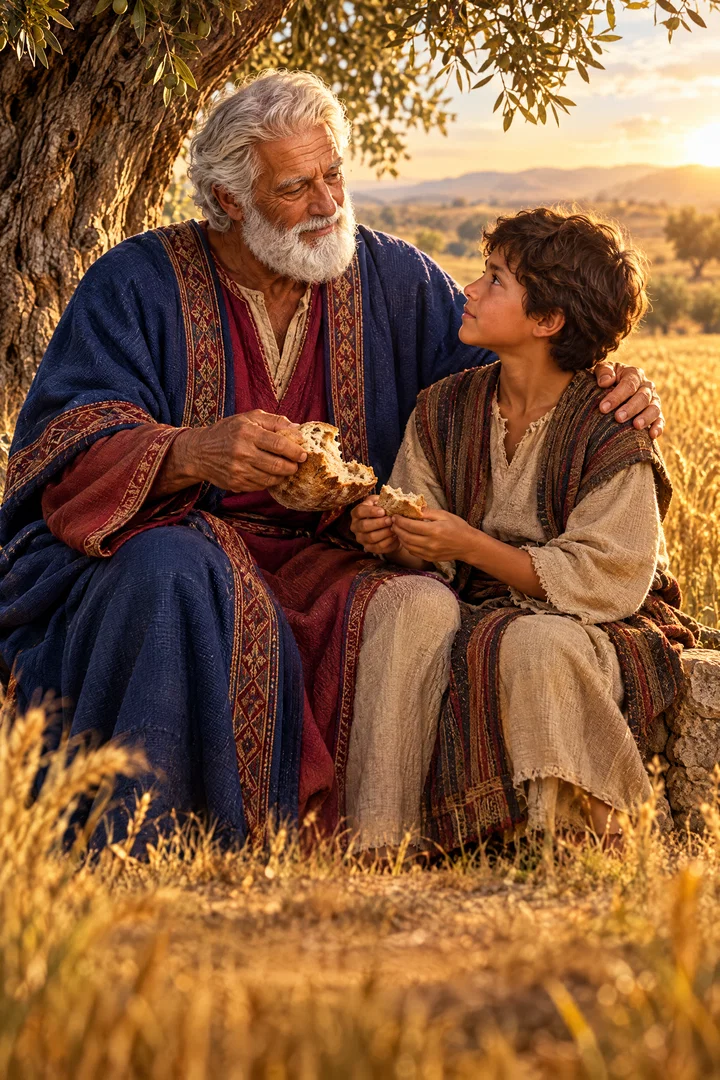
I have been young, and now am old; yet have I not seen the righteous forsaken, nor his seed begging bread.
Translations
American King James Version, King James Version
I have been young, and now am old; yet have I not seen the righteous forsaken, nor his seed begging bread.
(נ) I have been young, and now am old;
Yet have I not seen the righteous forsaken,
Nor his seed begging bread.I have been young, and now am old; yet I have not seen the righteous forsaken, nor his seed begging bread.
I have been young, and now am old; yet have I not seen the righteous forsaken, nor his seed begging their bread.
I have been young, and now am old;
Yet have I not seen the righteous forsaken,
Nor his seed begging bread.Young I have been, I have also become old, And I have not seen the righteous forsaken, And his seed seeking bread.
I have been young, and now am old, and I have not seen the righteous forsaken, nor his seed seeking bread:
Young, have I been, moreover am old,—Yet have I not seen, A righteous man forsaken, Nor his seed begging bread:
Berean Standard Bible, Majority Standard Bible
I once was young and now am old,
yet never have I seen the righteous abandoned
or their children begging for bread.I have been young, and now am old,
yet I have not seen the righteous forsaken,
nor his children begging for bread.I have been young, and now am old, but I have not seen the good man without help, or his children looking for bread.
I haue beene yong, and am olde: yet I sawe neuer the righteous forsaken, nor his seede begging bread.
Douay-Rheims (Challoner revision)
I have been young, and now am old; and I have not seen the just forsaken, nor his seed seeking bread.
Pictures
Cross-references 20 of 21
- Matthew 6:33
But seek ye first the kingdom of God, and his righteousness; and all these things shall be added unto you.
God supplies life's necessities to those who seek his kingdom first.
- Proverbs 11:31
Behold, the righteous shall be recompensed in the earth: much more the wicked and the sinner.
Both teach that the righteous are recompensed on earth.
- Psalms 37:16
A little that a righteous man hath is better than the riches of many wicked.
A little held by the righteous is better than the riches of the wicked.
- Psalms 37:3
Trust in the LORD, and do good; so shalt thou dwell in the land, and verily thou shalt be fed.
Trusting the Lord is linked with being fed, a promise verified by experience.
- Psalms 37:9-11
For evildoers shall be cut off: but those that wait upon the LORD, they shall inherit the earth.
Contrasts the wicked being cut off with the righteous inheriting the earth.
- Psalms 37:29
The righteous shall inherit the land, and dwell therein for ever.
The righteous inherit the land and dwell in it forever.
- Matthew 6:26
Behold the fowls of the air: for they sow not, neither do they reap, nor gather into barns; yet your heavenly Father feedeth them. Are ye not much better than they?
The Father’s care for birds illustrates his care for people in need.
- Psalms 84:11
For the LORD God is a sun and shield: the LORD will give grace and glory: no good thing will he withhold from them that walk uprightly.
The Lord withholds no good thing from those who walk uprightly.
- Isaiah 33:16
He shall dwell on high: his place of defence shall be the munitions of rocks: bread shall be given him; his waters shall be sure.
Promises provision and security for the righteous.
- Proverbs 10:30
The righteous shall never be removed: but the wicked shall not inhabit the earth.
Says the righteous will remain while the wicked will not inhabit the earth.
- Isaiah 46:3-4
Hearken unto me, O house of Jacob, and all the remnant of the house of Israel, which are borne by me from the belly, which are carried from the womb:
God promises to carry and deliver his people even in old age.
- Psalms 34:10
The young lions do lack, and suffer hunger: but they that seek the LORD shall not want any good thing.
Those who seek the Lord lack no good thing.
- Psalms 37:11
But the meek shall inherit the earth; and shall delight themselves in the abundance of peace.
Both teach that the righteous inherit the land.
- Philippians 4:19
But my God shall supply all your need according to his riches in glory by Christ Jesus.
Both affirm that God supplies human needs.
- Proverbs 2:21-22
For the upright shall dwell in the land, and the perfect shall remain in it.
Says the upright will remain in the land and the wicked will be cut off.
- Psalms 34:15
The eyes of the LORD are upon the righteous, and his ears are open unto their cry.
The Lord watches over the righteous and does not forsake them.
- Matthew 5:5
Blessed are the meek: for they shall inherit the earth.
Both promise that the meek or righteous will inherit the earth.
- Psalms 34:17
The righteous cry, and the LORD heareth, and delivereth them out of all their troubles.
The Lord hears and delivers the righteous from trouble.
- 1 Kings 17:16
And the barrel of meal wasted not, neither did the cruse of oil fail, according to the word of the LORD, which he spake by Elijah.
The widow’s food is sustained during the famine.
- 1 Kings 17:12
And she said, As the LORD thy God liveth, I have not a cake, but an handful of meal in a barrel, and a little oil in a cruse: and, behold, I am gathering two sticks, that I may go in and dress it for me and my son, that we may eat it, and die.
The widow faces famine and scant food, while Psalm 37 speaks of God sustaining the righteous.
Commentary
Each commentary is drawn from primary sources: the writings of Ellen G. White and Adventist pioneers and periodicals. Each commentary is separate. Its own words are not a quotation; follow the references to read the source passages.
Ellen G. White
3 sources
The verse promises that God does not forsake the righteous and does not leave their children begging bread or having to ask others for food.5T 150.4–151.1Lt 117, 1894, par. 4Ms 92, 1902, par. 34–35
He supplies what is needed day by day, providing nourishing food so that no one starves for lack of it.Ms 92, 1902, par. 34–35
Faithful, self-sacrificing people therefore need not be dismayed when they do not have enough for tomorrow.
He gives His people abundance so they can supply the needs of poor and suffering people who cannot meet them through industry and economy.5T 150.4–151.1
Believers should give tangible help regularly and seek out needs rather than wait to be asked.5T 150.4–151.1
Yet where taking a stand for obedience means at once losing employment, the cross is heavier than in America.Lt 117, 1894, par. 4
Several who are thoroughly convinced of the truth and longing to obey hold back for fear that their families and children will be left without food.Lt 117, 1894, par. 4
The experience of families who have obeyed and risked the consequences has been real and definite lack of food.Lt 117, 1894, par. 4
Sources
Pioneers and periodicals
52 sources
David in old age declares from a long life of observation that God does not forsake or abandon the righteous, nor leave their children lacking food and provision.ST Oct 12, 1904RH Oct 14, 1915RH Jan 7, 1902RH May 5, 1863 The promise is of supplied need, not abundant riches, and not greater material prosperity than the wicked in this life, for the wicked may enjoy worldly goods while the righteous share the toil of living by the sweat of the face.ST Jun 8, 1882ST Jul 9, 1874RH May 26, 1859ST Nov 11, 1889RH May 24, 1870 Those who trust in the Lord, do good, keep His commandments including the seventh-day Sabbath, and seek first His kingdom will be fed and clothed, and need not break His law to protect their livelihood.ST Oct 4, 1905ST Mar 9, 1882RH Dec 22, 1863ST Nov 11, 1889ST Jul 22, 1897 The righteous so kept are those accepted through Christ, with God's law in the heart, sharing Christ's Spirit and bearing its fruits in mercy, lending, diligent work, and obedience.ST Oct 12, 1904RH Feb 7, 1854ST Mar 31, 1881ST Apr 22, 1903ST Oct 2, 1901 In the setting of the psalm they shall inherit the land and dwell there forever on the renewed earth, after persistent sinners are cut off and destroyed by death on this earth where they did their deeds.ST Jul 21, 1881ST Apr 17, 1879RH Oct 18, 1864RH Mar 20, 1879
Psalm Setting and Speaker
The verse belongs to a psalm of cheer and promise for earthly pilgrims that contrasts two classes of character.ST Jan 29, 1908 It vividly presents the differing rewards of the righteous and the wicked, with the wicked destroyed and the righteous inheriting the earth after the wicked are consumed upon it.ST Apr 17, 1879ST May 27, 1913 It contrasts the future life of God's children with the destruction of those who finally reject salvation and remain finally impenitent.ST Nov 17, 1909 It teaches encouragement for God's faithful children.ST Jul 21, 1909
The psalm is counted among psalms relating chiefly to the sorrows and afflictions of the Hebrew captives.RH Aug 31, 1916 While doing so it offers encouragement and assurance of divine help and final deliverance from persecutors.RH Aug 31, 1916
The speaker is David, speaking in old age from a long life of observation and experience that God does not abandon the righteous or leave their children without food and bread.RH Oct 14, 1915RH May 5, 1863RH Apr 26, 1906 His lifelong testimony is evidence and assurance that the righteous are not forsaken and their children are not left begging for bread or lacking the necessities of life, including after years of faithful service.RH Jan 7, 1902RH Jun 18, 1867RH Mar 31, 1868RH Apr 26, 1906 This is illustrated by a man aged seventy-two applying the assurance to his own life and by a man at seventy saying his experience through a long life has confirmed it.RH Jun 18, 1867RH Mar 31, 1868
The verse stands in poetical witness about man in death and after the final judgment, declaring the end of them that obey not the gospel.RH Jul 9, 1857 In a little while the wicked shall not be and their place shall not be found, but the wicked shall perish and the enemies of the Lord shall consume as fat of lambs into smoke.RH Jul 9, 1857
Sustaining Care Promised
The verse testifies that God does not forsake, abandon or leave the righteous, and does not leave their children, seed or descendants begging bread or lacking food, bread, water and provision, so his saints are preserved and his people can expect his care and provision now.ST Oct 12, 1904RH Feb 7, 1854STRH Jan 6, 1903 The same care is tied to having God's law in the heart and trusting in him, to committing the way to him and faithfully obeying his law, to trusting God rather than riches and giving generously to his work and to those in need, and to inheriting the earth and dwelling there forever in the regenerated earth as a spiritual home.ST Oct 12, 1904RH Feb 7, 1854STRH Sep 2, 1862 The verse reports what David had observed in a long life, that he had not seen the righteous forsaken nor their children begging bread, and does not declare this to be a universal truth.ST Dec 14, 1904 The promise concerns a righteous parent whose children follow that parent's righteous ways, so it does not establish that a sufferer like Lazarus was such a child, and his physical suffering could have resulted from his father's sins.ST Dec 14, 1904
The verse does not promise that the righteous will prosper materially more than the wicked in this life or inherit the earth's present goods.ST Jun 8, 1882ST Jul 9, 1874RH May 26, 1859 The wicked may enjoy abundant worldly goods and prosperity, while the righteous share the conditions of life under the decree that people eat by the sweat of their face and may not enjoy the prosperity of this life, so present prosperity is not the righteous person's inheritance.ST Jun 8, 1882ST Jul 9, 1874RH May 26, 1859 In the context of the psalm the contrast is between the wicked's temporary prosperity and the future inheritance of the earth promised to those who wait on the Lord and to the meek, received after the wicked are cut off in the earth made new where the meek dwell forever.ST Jun 8, 1882ST Jul 9, 1874RH May 26, 1859 The promise is of provision and of being fed, not of abundant riches, so that those who trust in the Lord and do good need not fear losing livelihood in obeying God, the righteous may have little, and a small portion received with contentment and peace and with the food they need is better than abundance accompanied by trouble.ST Nov 11, 1889RH May 24, 1870
Honoring God with substance and the firstfruits of all increase belongs to blessing in this life, bringing full barns and overflowing presses in proportion as people honor God in this way, because doing so shows respect for God as the author of all good.ST Jan 8, 1885 The righteous so blessed are never abandoned nor are their children left to ask for food, and they are marked by mercy and giving, always lending to others upon an underlying principle.ST Jan 8, 1885 The promise holds through every phase of human experience, giving help in discouragement, strength in time of trial and solid comfort in grief, while pointing out the danger of sin and warning of transgression, and pointing to a God able and willing and anxious to save from a sense of great need to triumph and confidence.RH Jun 24, 1858 Those who trust in God will not ultimately be abandoned or left without his care even when affliction and loss make life seem desolate, for God may allow earthly supports to be taken away but longs to fill the resulting need with his presence and calls the afflicted to trust him for sustainment and comfort through hardship.RH Jun 24, 1858
This unfailing care remains for the Christian pilgrim when the journey is drear and its lights seem extinct, when fear rises, when storms gather over the path and the ties of life are severed, when standing amid the fear of death, and when pain racks the wasting frame and health deserts the sickbed, and even then the righteous is not forsaken and faith still burns with deathless flame.RH Jun 24, 1858 The righteous are never forsaken to die for lack of food, for when provision seems almost spent the believer either receives fresh supply from an unseen source or is nearer the end of the journey to the heavenly city and the Father's house where every want will be fully supplied. Death by want therefore only ends the journey and brings a warm and comfortable heaven repaying all earthly cold and hunger, so that for one traveling within a few days of home anxiety about a little meat, drink or clothes is unbecoming, and one troubled about Christ and pardon of sin will not be solicitous about these temporal things.
Earth Inherited, Wicked Destroyed
In its setting the promise belongs to the assurance that the righteous will inherit the land and dwell upon it forever, securely and in peace to eternity.ST Jul 21, 1881STRH Sep 2, 1862 This earth itself, renewed and regenerated rather than made from new materials, will be the eternal spiritual home of Christ's people.ST Jul 21, 1881ST The contrast runs through the psalm between the wicked destroyed and the righteous inheriting the earth, so that as soon as the wicked are consumed and burned up on this earth the saints possess it.ST Apr 17, 1879RH Oct 18, 1864RH Jul 2, 1861 The wicked are cut off before the eyes of the righteous, and the same context joins the inheritance of the earth to the pledged care that the righteous and their descendants will not be abandoned or left without bread.STRH Sep 2, 1862RH Jul 2, 1861
The psalm teaches that God will destroy persistent, irreclaimable sinners, and that their punishment is death and the end of life rather than unending existence in sin and suffering.RH Mar 20, 1879 Both the righteous and the wicked are rewarded where they acted, for the wicked are punished here on this earth where they did their deeds.RH Mar 20, 1879 Afterward comes the eternal reward and kingdom of the righteous, so there is no separate place apart from this earth called hell where the wicked remain in misery forever.RH Mar 20, 1879
Righteous Character in Christ
The righteous are preserved and never forsaken, and their hope is to inherit the land and dwell in it forever, a hope joined to having God's law in the heart and to trusting in him.ST Oct 12, 1904 They are accepted through Christ's merits because they share Christ's Spirit and bear the Spirit's fruits in feelings and actions that agree with God's law.ST Mar 31, 1881 That restoring of people to righteousness is the work of the Gospel, in which God's righteousness is revealed, and righteousness is the way to life.ST Mar 31, 1881ST Oct 2, 1901
They are marked by mercy and giving, ever lending to others, and that generosity rests on an underlying principle.ST Jan 8, 1885 That assurance that neither they nor their children are left without food upholds trusting God rather than riches and giving generously to his work and to those in need.ST Jan 8, 1885RH Feb 7, 1854
Those who trust and obey are provided for as they do their own part through diligent work rather than idleness.ST Apr 22, 1903 The soul that truly trusts is never forsaken in need when it sings, prays, does not swerve from God's ways, does its part faithfully, obeys his law, commits its way to him, and trusts his rich promises of grace, and those promises are then fulfilled in it.ST Apr 22, 1903ST Jul 22, 1897 In this the pledge that the righteous and their children are not abandoned without the necessities of life stands as evidence that godliness brings benefit in this present life.RH Jan 6, 1859
Providence Trusted in Life
The verse gives assurance that obedience to God will not leave a person unable to make a living or drive him to starvation, so those who trust in the Lord and do good and seek first His kingdom will be fed and clothed.ST Oct 4, 1905RH Dec 22, 1863ST Nov 11, 1889RH Oct 30, 1855 Keeping the commandments, including the seventh-day Sabbath, even when it risks work or income does not require breaking God's law to protect livelihood, for the righteous are not abandoned to starve for doing right.RH Dec 22, 1863ST Nov 11, 1889RH Oct 30, 1855RH Jan 16, 1900 Even when Sabbath observance costs believers their jobs and forces them to seek work elsewhere, provision continues, and though money may be lost they remain richer in faith.ST Oct 4, 1905RH Jan 16, 1900RH Apr 16, 1908 In one case this care appeared when an employer allowed a Sabbath keeper to work on Sunday instead, showing that obedience need not end in want.RH Apr 16, 1908 The promise is of provision rather than abundant riches, so the righteous may have little and still be kept.ST Nov 11, 1889
This confidence rests on aged experience confirming that those who trust and do good shall dwell in the land and be fed.ST Mar 9, 1882 The heavenly Father knows the need for food and drink and clothing and will add all these things to those who seek first His kingdom and righteousness.ST Mar 9, 1882 He is fully able to do this because the world and its fullness belong to Him, He gives all life and breath and gives power to get wealth, He has especial care for cheerful servants, and His blessing makes rich without adding sorrow.ST Mar 9, 1882 As a class, it is irreligious persons and not pious church attenders who become begging tramps seeking charity.ST Mar 9, 1882RH Jan 7, 1902
God provides for the poor, widows, and the faithful by stirring sympathy and kindness and generosity in others and by honoring sacrificial giving, so that bread and water do not fail.ST May 22, 1879RH Aug 7, 1856RH Apr 15, 1858 A widow who seemed to lack life's necessities was thus supplied through the kindness awakened in other people.ST May 22, 1879RH Aug 7, 1856 When Pastor Schultz, who gave freely to the poor despite a small salary, and his wife had no food and trusted the Lord to provide while they prayed, Christian friends sent a wagon loaded with bread and other food, showing that the Lord remembers those who trust His goodness.RH Apr 15, 1858 The same assurance upheld a poor widow in trusting God to provide for herself and her adopted children as she gave sacrificially to support the church's work.RH Dec 18, 1913 It also means the Lord cares for the poor through His children's generosity so that poverty does not prevent anyone from receiving the Review.RH May 28, 1861
The verse gives confidence for missionary effort and costly obedience, promising that those who step out by faith to carry the last warning message to neglected, unworked fields such as North Carolina will not be forsaken but will get a living there.RH Dec 20, 1906 Those who love the truth and move South for missionary work are encouraged to trust that they will be provided for as they live out the truth and serve the needs of the field.RH Mar 2, 1905 Believers enduring severe poverty and persecution in Russia likewise trust God to sustain them even when His work and their communities suffer.RH Apr 18, 1912 Depending on one's own exertions alone is leaning on a frail support, while God's favor makes labor highly productive and His frown makes it fail, so His numerous all-sufficient promises are to be relied upon when obedience seems to require pecuniary sacrifice and loss.RH Sep 26, 1871 For the same reason trust in God to provide for His people is urged rather than reliance on life insurance, illustrated by a worker who met many tramps but none who claimed devoted Christian faith.RH Jan 7, 1902
That trust was seen when Zau Khwe Foh, after losing his job because he kept the Sabbath, received help to start a business that supported his family and provided work for others.RH Jul 9, 1914 It was seen when a Sabbath keeper allowed Sunday work was provided for, when Mr. Vargas's family prospered after abandoning liquor, tobacco, tea and coffee and closing on the Sabbath, when a farming family facing crop loss reaped a successful harvest, and when an old couple's threatened homelessness was met through another's choice.RH Apr 16, 1908 When a murderer is acquitted in a travesty of justice and his release is celebrated with public triumph that disgraces the city and cheapens human life in society's estimate, the righteous can keep calm composure because they are not forsaken and their need is supplied.ST Mar 31, 1881
Sources