Ruth 1:21
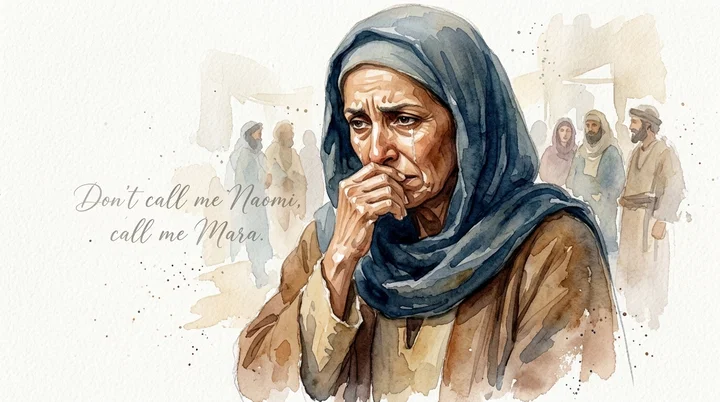
I went out full, and the LORD hath brought me home again empty: why then call ye me Naomi, seeing the LORD hath testified against me, and the Almighty hath afflicted me?
Translations
I went out full and the LORD has brought me home again empty: why then call you me Naomi, seeing the LORD has testified against me, and the Almighty has afflicted me?
King James Version, Webster Bible
I went out full, and the LORD hath brought me home again empty: why then call ye me Naomi, seeing the LORD hath testified against me, and the Almighty hath afflicted me?
I went out full, and the Lord hath brought me home again empty: why then call ye me Naomi, seeing the Lord hath testified against me, and the Almighty hath afflicted me?
I went out full, and the LORD hath brought me home again empty: why call ye me Naomi, seeing the LORD hath testified against me, and the Almighty hath afflicted me?
I went out full, and Jehovah hath brought me home again empty; why call ye me Naomi, seeing Jehovah hath testified against me, and the Almighty hath afflicted me?
I went out full, and empty hath Jehovah brought me back, why do ye call me Naomi, and Jehovah hath testified against me, and the Almighty hath done evil to me?'
I went out full, and Jehovah has brought me home again empty. Why do ye call me Naomi, seeing Jehovah has brought me low, and the Almighty has afflicted me?
I was full when I departed, but, empty, am I brought back of Yahweh,—wherefore should ye call me Naomi, when, Yahweh, hath given answer against me, and, the Almighty, hath crushed me?
Berean Standard Bible, Majority Standard Bible
I went away full, but the LORD has brought me back empty. Why call me Naomi? After all, the LORD has testified against me, and the Almighty has afflicted me.”
I went out full, and the LORD has brought me home again empty. Why do you call me Naomi, since the LORD has testified against me, and the Almighty has afflicted me?”
I went out full, and the Lord has sent me back again with nothing; why do you give me the name Naomi, seeing that the Lord has given witness against me, and the Ruler of all has sent sorrow on me?
I went out full, and the Lord hath caused me to returne emptie: why call ye me Naomi, seeing the Lord hath humbled me, and the Almightie hath brought me vnto aduersitie?
Douay-Rheims (Challoner revision)
I went out full, and the Lord hath brought me back empty. Why then do you call me Noemi, whom the Lord hath humbled and the Almighty hath afflicted?
Pictures
Cross-references
- Ruth 4:14-15
And the women said unto Naomi, Blessed be the LORD, which hath not left thee this day without a kinsman, that his name may be famous in Israel.
The women bless God for the kinsman who restores Naomi’s life.
- Ruth 1:1-5
Now it came to pass in the days when the judges ruled, that there was a famine in the land. And a certain man of Beth-lehem-judah went to sojourn in the country of Moab, he, and his wife, and his two sons.
Naomi’s return followed the move to Moab and the deaths of her husband and sons.
- Deuteronomy 25:7-10
And if the man like not to take his brother’s wife, then let his brother’s wife go up to the gate unto the elders, and say, My husband’s brother refuseth to raise up unto his brother a name in Israel, he will not perform the duty of my husband’s brother.
The law concerns a kinsman’s duty to preserve a family name.
- 1 Samuel 16:1-13
And the LORD said unto Samuel, How long wilt thou mourn for Saul, seeing I have rejected him from reigning over Israel? fill thine horn with oil, and go, I will send thee to Jesse the Beth-lehemite: for I have provided me a king among his sons.
Ruth’s descendant David is anointed king in Bethlehem.
- Deuteronomy 25:6
And it shall be, that the firstborn which she beareth shall succeed in the name of his brother which is dead, that his name be not put out of Israel.
The law provides for preserving a dead man’s name and inheritance.
Commentary
Each commentary is drawn from primary sources: the writings of Ellen G. White and Adventist pioneers and periodicals. Each commentary is separate. Its own words are not a quotation; follow the references to read the source passages.
Pioneers and periodicals
8 sources
The words are Naomi's answer to the people of Bethlehem when they are moved at her arrival with Ruth the Moabitess, her daughter-in-law, from Moab at the beginning of barley harvest.ST Oct 3, 1895 Her family had moved from Bethlehem to Moab during a famine, and her husband Elimelech and her two sons died there, leaving her widowed and childless to come home with Ruth, one of her daughters-in-law.ST Oct 3, 1895ST Jul 10, 1901 She had gone out full with her husband and sons, with her family and what she needed and with means, as a well-to-do family.ST Oct 3, 1895ST Apr 8, 1913ST Jan 20, 1881 She was brought home empty, bereaved of husband and sons, poor and old and without means, and without a son to preserve the family inheritance, so that the inheritance seemed likely to be sold and the family name lost.ST Oct 3, 1895ST Apr 8, 1913ST Jan 20, 1881ST May 6, 1897
She questions why they still call her Naomi, meaning pleasant, saying it no longer suits her changed circumstances.ST Oct 3, 1895 She asks to be called Mara, bitter, as the true expression of her condition and grief over her loss.ST Oct 3, 1895 The scenes of happier days in Bethlehem sharpen her sense of loss. She attributes her emptiness and loss to the providence of God, declaring that the Lord brought her home empty.ST Oct 3, 1895 She declares that Jehovah testified against her and that the Almighty dealt very bitterly with her and afflicted her, interpreting her bereavement as divine affliction.ST Oct 3, 1895ST Apr 8, 1913
Her going out full shows the family was not forced by drought or hard times to go to Moab but could have stayed as others did. Her saying the Lord testified against her and afflicted her acknowledges that the Lord had not approved the move, for Elimelech disobeyed God in going to live among the heathen for mere mercenary gain and her sons also disobeyed in marrying Moabite women. Yet the Lord overruled the wrong move for good in the conversion of Ruth. Her words about God dealing bitterly with her express oppressive sorrow, not a lack of faith.ST Nov 10, 1898 Ruth's decision to accompany her gave her a last ray of hope because she still had kinsmen in Bethlehem.ST May 6, 1897
The verse belongs to the story of Ruth's choice, which brings to view the private life of a devoted family in troublous times and shows the result of abiding faith in God and a consistent life, summed up in Thy people shall be my people, and thy God my God.ST Dec 12, 1895 It marks the coming of Ruth with Naomi to Bethlehem, where Ruth left a record of filial love and gave to posterity a lineage of kings as the believing Moabite maiden.RH Dec 18, 1913 Her great-grandson David was born in Bethlehem and was anointed there by Samuel to be king of Israel in the place of Saul.RH Dec 18, 1913 Her return empty is paralleled by a little girl returning home with her purse empty after spending its contents.ST Jan 20, 1881
Sources