2 Corinthians 3:9
For if the ministration of condemnation be glory, much more doth the ministration of righteousness exceed in glory.
Translations
For if the ministration of condemnation be glory, much more does the ministration of righteousness exceed in glory.
King James Version, KJV Cambridge Paragraph Bible
For if the ministration of condemnation be glory, much more doth the ministration of righteousness exceed in glory.
For if the ministration of condemnation was glory, much more doth the ministration of righteousness exceed in glory.
For if the ministration of condemnation is glory, much rather doth the ministration of righteousness exceed in glory.
For if the ministration of condemnation hath glory, much rather doth the ministration of righteousness exceed in glory.
for if the ministration of the condemnation [is] glory, much more doth the ministration of the righteousness abound in glory;
For if the ministry of condemnation [ be] glory, much rather the ministry of righteousness abounds in glory.
For, if, the ministry of condemnation was glory, much rather, doth the ministry of righteousness abound with glory,
Berean Standard Bible, Majority Standard Bible
For if the ministry of condemnation was glorious, how much more glorious is the ministry of righteousness!
For if the service of condemnation has glory, the service of righteousness exceeds much more in glory.
For if the operation of the law, producing punishment, had its glory, how much greater will be the operation of the Spirit causing righteousness?
For if the ministerie of condemnation was glorious, much more doeth the ministration of righteousnesse exceede in glorie.
Douay-Rheims (Challoner revision)
For if the ministration of condemnation be glory, much more the ministration of justice aboundeth in glory.
Pictures
Cross-references 20 of 74
- Exodus 34:29-35
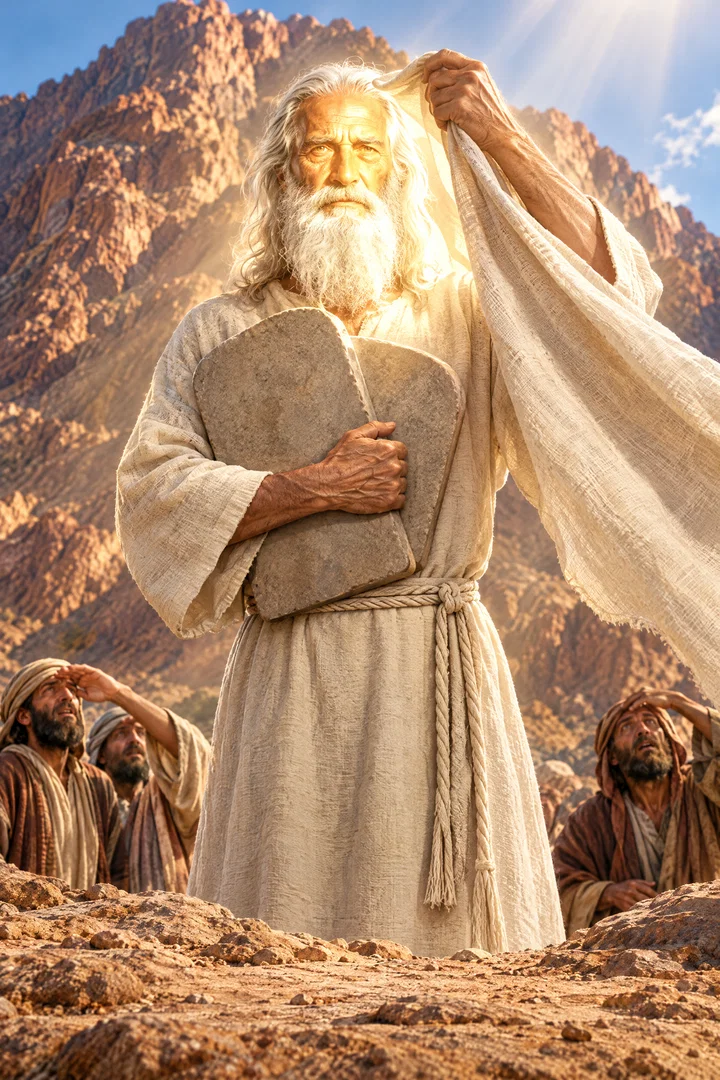
And it came to pass, when Moses came down from mount Sinai with the two tables of testimony in Moses’ hand, when he came down from the mount, that Moses wist not that the skin of his face shone while he talked with him.
Moses’ shining, veiled face illustrates the glory of the old ministration.
- Hebrews 8:10
For this is the covenant that I will make with the house of Israel after those days, saith the Lord; I will put my laws into their mind, and write them in their hearts: and I will be to them a God, and they shall be to me a people:
Both describe the new covenant’s ministry of righteousness through God’s law written within his people.
- Jeremiah 31:33
But this shall be the covenant that I will make with the house of Israel; After those days, saith the LORD, I will put my law in their inward parts, and write it in their hearts; and will be their God, and they shall be my people.
The new covenant promises God’s law written in his people’s hearts.
- 2 Corinthians 3:3
Forasmuch as ye are manifestly declared to be the epistle of Christ ministered by us, written not with ink, but with the Spirit of the living God; not in tables of stone, but in fleshy tables of the heart.
The Spirit writes the law on hearts rather than on stone tablets.
- Romans 8:4
That the righteousness of the law might be fulfilled in us, who walk not after the flesh, but after the Spirit.
The law’s righteous requirement is fulfilled in those who walk by the Spirit.
- 2 Corinthians 3:14
But their minds were blinded: for until this day remaineth the same vail untaken away in the reading of the old testament; which vail is done away in Christ.
The veil that blinds minds is done away in Christ.
- Exodus 31:18
And he gave unto Moses, when he had made an end of communing with him upon mount Sinai, two tables of testimony, tables of stone, written with the finger of God.
Identifies the stone-written law whose ministration is discussed.
- Hebrews 8:6
But now hath he obtained a more excellent ministry, by how much also he is the mediator of a better covenant, which was established upon better promises.
Christ’s more excellent ministry mediates the better covenant, established on better promises.
- Galatians 3:24
Wherefore the law was our schoolmaster to bring us unto Christ, that we might be justified by faith.
The law leads sinners to Christ, where they are justified by faith.
- Hebrews 10:1
For the law having a shadow of good things to come, and not the very image of the things, can never with those sacrifices which they offered year by year continually make the comers thereunto perfect.
The law’s sacrifices were a shadow and could not make worshipers perfect.
- Romans 7:7-25
What shall we say then? Is the law sin? God forbid. Nay, I had not known sin, but by the law: for I had not known lust, except the law had said, Thou shalt not covet.
Paul describes the commandment exposing sin and bringing death.
- Exodus 20:1-17
And God spake all these words, saying,
The Ten Commandments given at Sinai are identified as the law that brings condemnation.
- Romans 3:20-21
Therefore by the deeds of the law there shall no flesh be justified in his sight: for by the law is the knowledge of sin.
The law exposes sin and condemnation, while God's righteousness is manifested apart from the law.
- Hebrews 10:16
This is the covenant that I will make with them after those days, saith the Lord, I will put my laws into their hearts, and in their minds will I write them;
The new covenant writes God’s law inwardly, distinguishing its ministration from condemnation.
- 2 Corinthians 3:18
But we all, with open face beholding as in a glass the glory of the Lord, are changed into the same image from glory to glory, even as by the Spirit of the Lord.
The Spirit transforms believers into the Lord’s image from glory to glory.
- Hebrews 9:15
And for this cause he is the mediator of the new testament, that by means of death, for the redemption of the transgressions that were under the first testament, they which are called might receive the promise of eternal inheritance.
Christ’s death redeems transgressors under the first covenant through his mediation of the new testament.
- Romans 3:24-25
Being justified freely by his grace through the redemption that is in Christ Jesus:
Christ’s atonement brings redemption, remission of sins, and righteousness through faith.
- Colossians 2:14
Blotting out the handwriting of ordinances that was against us, which was contrary to us, and took it out of the way, nailing it to his cross;
The handwriting of ordinances was nailed to the cross and taken out of the way.
- 2 Corinthians 3:13
And not as Moses, which put a vail over his face, that the children of Israel could not stedfastly look to the end of that which is abolished:
Moses’ veil hid the glory of the ministration that was passing away.
- Romans 7:12-13
Wherefore the law is holy, and the commandment holy, and just, and good.
The law is holy and good, though sin uses it to bring death.
Commentary
Each commentary is drawn from primary sources: the writings of Ellen G. White and Adventist pioneers and periodicals. Each commentary is separate. Its own words are not a quotation; follow the references to read the source passages.
Ellen G. White
16 sources
Paul wrote to settle the Corinthians against teachers who exalted the law and its ceremonies above the gospel and condemned him for not urging rites that lost value after Christ's death.10MR 328.1 The ministration of condemnation is God's law given in awful grandeur from Sinai, engraven in stone and embracing the whole Jewish economy of types and shadows to be abolished at Christ's death, whose province is to condemn the transgressor while having in itself no power to pardon, redeem, or shield him from curse and death.10MR 328.2Ms 58, 1900, par. 9–1310MR 329.1–2RH Apr 22, 1902 The ministration of righteousness that far exceeds it in glory is the ministration of the Spirit under the new testament, written in the fleshly tables of the heart, in which Christ revealed in law and gospel is made sin for sinners that they might be made righteousness in him, answering the law's claims, bearing its curse and penalty, imputing his purity, pardoning the guilty, and giving his life-giving Spirit so believers beholding with open face are changed from glory to glory.Lt 52, 1908, par. 9–12Ms 58, 1900, par. 9–1310MR 329.1–2 Though glorious because given by Christ and pointing to the coming Redeemer, the former glory on Moses' face was transient and veiled because transgressors could not endure it, while the glory of God in the face of Jesus Christ ever remains, may be reflected upon all who look and live, and does not destroy but upholds the binding claims of the holy, just, and good law.10MR 328.2Ms 58, 1900, par. 9–1310MR 329.1–2ST Jul 29, 1886Ms 58, 1900, par. 30–32
Two Ministrations Defined
Paul wrote to settle the minds of the Corinthian church about the gospel of Christ against troubling Judaizing teachers who caused dissension by exalting the law and the ceremonies above the gospel and putting him under condemnation because he did not urge the ceremonies that typified Christ and were of no value since Christ's death.10MR 328.1 The ministration of condemnation is the law of God given in awful grandeur from Sinai as the utterance of condemnation to the sinner, spoken from the mount and written and engraven in stone, embracing the ministration of death and the entire Jewish economy and dispensation of types and shadows that was to be abolished at the death of Christ.10MR 328.2Ms 58, 1900, par. 9–13RH Apr 22, 1902Ms 58, 1900, par. 30–32RH Apr 22, 1902 Though it was the dispensation to be done away, its proclamation and repetition in the holy mount was so sacred that glory was reflected upon the face of Moses so that the people could not look upon him without pain and he covered his face with a veil.10MR 328.2Ms 58, 1900, par. 30–32
It is the province of the law to condemn, and it has in itself no power to pardon, redeem, save, or shield the transgressor from its penalty.Ms 58, 1900, par. 9–1310MR 329.1–2RH Apr 22, 190210MR 330.1 Under it the transgressor died without mercy and remains under bondage, curse, and death with no hope of pardon and no saving quality, left under its curse as a ministration of death.10MR 328.2Ms 58, 1900, par. 9–13RH Apr 22, 1902Ms 58, 1900, par. 30–3210MR 330.1 It was ordained to life so that those who walk in harmony with its precepts receive the reward of obedience, but to those who remain under its condemnation it brings bondage, curse, and death.RH Apr 22, 1902 The full penalty of the law will still be executed upon the transgressor unless he receives Christ as his atoning sacrifice and personal Saviour.10MR 330.1
The ministration of righteousness that far exceeds in glory is the ministration of the Spirit under the new testament, written by the Spirit of the living God in the fleshly tables of the heart, giving life and liberty.Lt 52, 1908, par. 9–12Ms 58, 1900, par. 30–32 It is Christ revealed in the law and in the gospel as the sin-pardoning Saviour, made sin for sinners so they might be made the righteousness of God in him, the propitiation for transgression of the law whose perfection of character is placed in man's behalf.Ms 58, 1900, par. 9–1310MR 329.1–2ST Oct 3, 1895RH Apr 22, 1902 In his own person as sin bearer he answered all the claims of the law, took its curse upon himself, bore its curse and suffered its penalty to complete salvation, pardons the guilty, imputes to them the purity of Christ, makes it possible for them to keep the law, causes them to stand before God as innocent and accepted in the Beloved, exalts man in moral value so that if obedient he is accepted through Christ's merits, and gives his life-giving, sanctifying Spirit to all who believe so that those who behold the glory of the Lord with open face are changed into the same image from glory to glory.Lt 52, 1908, par. 9–12Ms 58, 1900, par. 9–13ST Oct 3, 1895RH Apr 22, 1902Ms 58, 1900, par. 30–32 The word of God is therefore the ministration of righteousness because it presents a sinless Saviour to the defiled soul whose one great need is righteousness, and that righteousness of Christ is a free gift to be obtained without money and without price.ST Oct 3, 1895
The ceremonial law was glorious because it was given by Christ and connected with the moral law, bearing the stamp of divinity and expressing the holiness, justice, and righteousness of God.ST Jul 29, 1886RH Apr 22, 1902PP 367.2 Its rites pointed to mysteries in the plan of redemption and to Christ's work and kept faith alive through age after age of darkness and apostasy until the advent of the promised Messiah, with the cloud of incense ascending with prayer showing his righteousness that alone can make the sinner's prayer acceptable, the bleeding victim on the altar testifying of a Redeemer to come, and the visible token of the divine presence shining from the holy of holies revealing God among his people.ST Jul 29, 1886RH Apr 22, 1902PP 367.2 Though it was no longer to be observed and could have no force after Christ died on the cross as a sin offering when type met antitype, it retains its sacred place and value as a witness to that plan and remains glorious and worthy of its divine Originator because of its true position and relation to the work of Christ.ST Jul 29, 1886RH Apr 22, 1902PP 367.2 The law that was done away was not God's enduring moral law.ST Jul 29, 1886
Glory That Excels
The brightness on Moses' face when he came down with the tables was the righteousness of Christ in the law.Ms 58, 1900, par. 9–1310MR 329.1–2RH Apr 22, 1902 It was given because he looked to the end of that which was to be abolished, when type would meet antitype in Jesus Christ at His death.Ms 58, 1900, par. 9–1310MR 329.1–2RH Apr 22, 1902 The full meaning of the typical offerings was unfolded to him, and the slain lamb pointed to the Lamb of God who takes away the sin that brought death through transgression of the law.Ms 58, 1900, par. 9–1310MR 329.1–2RH Apr 22, 1902 If those typical sacrifices to be done away were glorious because Christ the sin-pardoning Saviour was revealed in them, much more glorious is that which remains, so that by comparison the former glory has no glory.10MR 328.2Ms 58, 1900, par. 9–1310MR 329.1–2 The proclamation and repetition of the law on the holy mount was so sacred that glory was reflected upon Moses so that the people could not look upon him without pain and he covered his face with a veil.10MR 328.2
That radiance came from two glories together, the sacred exalted character of the law of God and the glory of the gospel revealed through Christ.PP 330.2–4 On the mount Moses was given both the tables of the law and the plan of salvation, seeing Christ's sacrifice prefigured in all the types and symbols.PP 330.2–4 The light was therefore heavenly light from Calvary no less than the glory of the law.PP 330.2–4 That illumination symbolized the glory of the gospel dispensation, in which Moses as visible mediator pointed to Christ the one true Intercessor.PP 330.2–4
The giving of the ten commandments was a wonderful exhibition of the glory and majesty of God, yet the people feared the thunderings and lightnings and smoking mountain, stood afar off, and asked Moses to speak lest God speak and they die.RH Apr 22, 1902 They desired a human mediator because they did not understand Christ as their appointed mediator, without whose mediation they would have been consumed.RH Apr 22, 1902 Pardon of sin, justification by faith, and access to God only through a mediator were but dimly understood, because they had largely lost the knowledge of God, of how to approach Him, and of what constitutes sin and righteousness, even though their offerings typified pardon through the promised Messiah.RH Apr 22, 1902
The ministration of condemnation had glory on Moses' face, but it was veiled from the beholders because they were transgressors under Satan's control, and that glory was transient and passed away.10MR 328.2Ms 58, 1900, par. 30–32Ms 58, 1900, par. 56–60 The ministration of righteousness much more exceeds in glory because the glory of God in the face of Jesus Christ ever remains and is not transient.Ms 58, 1900, par. 56–60 All who look may live, and that glory may be reflected upon them.Ms 58, 1900, par. 56–60 Christ our Righteousness sheds light and brightness and glory and joy upon the law, with a halo revealing its changeless and exalted character as holy and just and good.Ms 58, 1900, par. 30–32Ms 58, 1900, par. 56–60 The contrast is between the lesser glory of the Jewish age and the brighter glory of the Christian age when the substance typified is reached.Ms 58, 1900, par. 30–32ST Jul 29, 1886 The Old Testament pointed forward to the true offering, and the New Testament reveals the Saviour prefigured by the offerings, and this greater glory does not destroy the claims of God's law, which remains binding.RH Apr 22, 1902ST Jul 29, 1886
The reflected glory shows the blessings received by a commandment-keeping people through the mediation of Christ, that the closer the communion with God and the clearer the knowledge of His requirements, the more fully they are conformed to the divine image and made partakers of the divine nature.PP 330.2–4 The righteousness of Christ is a free gift to be obtained without money and without price, by which those who stand innocent and accepted in the Beloved can keep the law.ST Oct 3, 1895PP 330.2–4 The full penalty of the law will be executed upon the transgressor unless he receives Christ as his atoning sacrifice and personal Saviour.10MR 330.1 Moses veiling his shining face because guilty Israel could not endure it foreshadowed Christ veiling His divinity with humanity and coming in the likeness of sinful flesh because fallen men could not endure the brightness of heaven, so He could gain access to them in their sinful state and lift them up.PP 330.2–4 As Moses veiled the law's reflected glory from human sight, so the glory of Christ's ascension with its heavenly escort and welcoming gates was veiled from mortal eyes.PP 330.2–46RED 92.1–3
Sources
Pioneers and periodicals
123 sources
The verse compares two services of the same law, the old-covenant service led by Moses with the Aaronic priesthood and sacrifices and the new-covenant service led by Christ as High Priest with the ministry of the Spirit, and declares that if the first service had glory the second exceeds it far more.RH Dec 12, 1854RH Jan 1851ST Jan 17, 1884RH Jan 13, 1852RH Apr 8, 1873 Ministration means the act of serving and dealing out what the law requires, not the law itself written on stone.RH Jan 1851RH Jan 13, 1852RH Mar 27, 1866AUST May 31, 1920RH Dec 12, 1854 The first service is called condemnation and death because, when held only as outward letter outside the heart, the transgressed law can only expose sin, convict of guilt, and leave the sinner under curse and death without power to pardon or give life.RH Apr 7, 1851RH May 5, 1851RH Mar 27, 1866ST Dec 30, 1903 The second is called righteousness because through faith in Christ who was made sin for sinners and through the Spirit writing the same immutable law on the heart, it brings pardon, regeneration, power to obey, and transformation into the Lord's image with unveiled face.RH Jun 14, 1870RH Apr 7, 1851ST Aug 12, 1889ST Aug 12, 1889ST Mar 26, 1894 What is done away is that former service with its veiled and passing glory on Moses' face, not the Ten Commandments themselves, which remain eternal and are established in the heart under the new covenant.RH Apr 12, 1864RH Apr 7, 1851RH Jan 1851RH Jul 8, 1852RH Jun 25, 1861
Words and Historical Setting
Ministration means service or the act of performing service, not the law itself written on stone or parchment, and a ministry of a law is not the law itself.RH Jan 1851RH Jan 13, 1852RH Mar 27, 1866RH Dec 12, 1854RH Jan 1851 The verse contrasts the services of the two covenants, the first associated with condemnation and the second with righteousness, with Christ's ministry under the second exceeding the first in glory.RH Jan 1851RH Jan 13, 1852RH Mar 27, 1866RH Dec 12, 1854RH Jan 1851 A law and the ministration of a law are essentially different, for the law is the constitution necessary for government while the ministry is the ordained powers carrying its laws into execution.RH Jan 13, 1852 The first covenant's service was performed through the Levitical priesthood and its ordinances as a shadow, and the service done away in Christ was this typical ministry, not God's law, whose substance brings surpassing glory.RH Jan 1851 The ministration that is done away could not itself have been written on the tables, since an act of service cannot be written on stone or parchment; what was engraven was the Ten Commandments.RH Mar 27, 1866
The Greek word is diakonia, translated ministration, meaning ministering, ministration, service, office, and serving, as in dealing out provisions.AUST May 31, 1920RH Dec 12, 1854 In this verse it denotes the dealing out of the death-penalty demanded by the law engraven on stone, distinct from the law itself, the glory itself, three things held together.AUST May 31, 1920 The law is the Sinai writ engraven on stone slabs and given to Moses at the close of his forty days' conference with God.AUST May 31, 1920
The ministration of condemnation is the Mosaic and old-covenant service headed by Moses with the Aaronic priesthood, the Levitical priesthood and ordinances, and the typical and sacrificial system centered on the tables in the ark in the most holy place as the center of the Jewish priesthood system.RH Jan 1851ST Jan 17, 1884RH Apr 8, 1873RH Jul 8, 1852RH Mar 27, 1866 The ministration of righteousness is the apostolic and new-covenant service headed by Jesus Christ with the apostles and those continuing their work, the ministry of the Spirit, the gospel ministry proclaiming pardon, life, righteousness and the gift of the Spirit, and Christ's work as High Priest in the heavenly sanctuary before the ark with his own blood and a far more exceeding glory now enshrouding him.RH Dec 12, 1854RH Apr 8, 1873RH Jul 8, 1852RH Sep 2, 1852RH Mar 27, 1866 The former is the ministry entrusted to Moses and the ministers who continued his work, the ministers of the Old Testament, and the latter is the ministry entrusted to Paul and the apostles and those continuing theirs, the ministers of the New Testament.RH Dec 12, 1854ST Jan 17, 1884 The Mosaic ministration is called condemnation and death because its penalty was death, everything pertaining to it was death, men under it were condemned and put to death, it administered the condemnation and death incurred by breaking the law, and it was not a remedial system with pardon attached except in figure and shadow of good things to come in hope of righteousness through faith.ST Jan 17, 1884RH Apr 8, 1873RH Mar 27, 1866 The new ministration is the ministration of the gospel of free pardon, righteousness and life, whose spiritual glory seen in the face of Jesus Christ surpasses the other, while the first could only acknowledge the justness of condemnation and death and has been done away and superseded by the second.ST Jan 17, 1884RH Mar 27, 1866
The glory is the extraordinary divine glory at the giving of the law, displayed in the sanctuary and reflected in Moses' shining face when he came from converse with God in the mount so that Israel could not steadfastly behold him and he put a veil over his face.ST Aug 5, 1889RH Jul 8, 1852ST Jan 24, 1906RH Dec 3, 1914RH Feb 18, 1858 That glory belonged to Moses' service and appeared on his face, temporary, veiled, hidden by the veil, and to pass away, not the commandments themselves that were done away.RH Dec 12, 1854RH Jul 8, 1852ST Jan 24, 1906RH Feb 18, 1858 What was written and engraven in stones is the two tables Moses brought from Sinai, the two stone tables held when his face shone, not the plastered stones set up at Mount Ebal forty years later by Joshua.RH Sep 6, 1864RH Sep 6, 1864 The glory of Moses' face belongs to the earlier Sinai event.RH Sep 6, 1864
The verse compares degrees of light and glory within one unfolding plan of salvation from the same divine source for the same end, unfolding with greater light through successive ages, not two plans or teachings of opposite character.ST Jun 5, 1879ST Jul 23, 1874ST Mar 26, 1894RH Jan 20, 1874RH Jan 20, 1874 The ministries themselves are compared, not set in absurd contrast, and the ministry associated with condemnation is not therefore defective or bad; its glory is acknowledged, condemnation and death set against righteousness and life, with the greater glory belonging to the ministry of Christ represented against that represented by Moses.ST Jun 5, 1879ST Jul 23, 1874 The earlier glory was reflected from Christ and is eclipsed as moonlight by sunlight or stars by the rising sun.ST Jul 23, 1874RH Jan 20, 1874RH Jan 20, 1874 The ministration of condemnation is God's law written on tables of stone and deposited in the ark at the center of Israel according to the flesh, which when the law remains only there brings condemnation and death, while the ministration of righteousness is that same law written by the Spirit in mind and heart of the true Israel through the gospel minister presenting Christ, bringing the much greater glory of righteousness and life and freedom from the law of sin and death.ST Mar 26, 1894
The law is by figure of speech called condemnation and death because, having been transgressed, what was written on the stones causes death to the sinner and condemns the sinner to death, as death was in the pot because what was in it would produce death.RH Mar 27, 1866 This includes Thou shalt not covet, which was unto death through transgression, yet through faith in Christ strength is obtained to obey that very same law. The law to the sinner can only convince of sin and lay sinners in death because all are under its jurisdiction and under obligation to keep it, and its power, and its only power apart from Christ, is to convince of sin and lay sinners in death whither all tend.ST Dec 30, 1903RH Aug 9, 1870 Conviction of sin proves guilt before God, guilt consists in violation of the law, and a disannulled or abolished law could not still convince of sin, kill, or condemn.RH Aug 9, 1870
Two Ministrations Compared
Even the ministration of condemnation had real glory, yet the ministration of righteousness much more exceeds it in glory.RH Apr 12, 1864RH Jun 14, 1870RH Feb 17, 1852ST Aug 12, 1889RH Sep 28, 1869 The former is the Mosaic ministration and the latter is the present ministration of the Spirit, the service of Moses' dispensation set against the gospel service.RH Apr 12, 1864RH Jun 14, 1870ST Jul 23, 1874 The dispensation that condemned transgressors to death was introduced with glory, but the Christian dispensation marked by righteousness, benignity and mercy has far greater glory.RH Feb 17, 1852RH Sep 28, 1869ST Jul 23, 1874 The verse sets forth degrees of light and glory in the unfolding of one plan of salvation, not two plans opposed in nature.ST Jul 23, 1874
The old ministration brings knowledge of sin, guilt, condemnation, curse, bondage and death.RH Apr 7, 1851RH May 5, 1851ST Aug 5, 1889RH Jun 14, 1864ST Oct 28, 1897 Received only as outward letter on stone outside the heart, it exposes sin but cannot remove sin, give life, pardon or give power to obey.RH Apr 7, 1851RH May 5, 1851ST Oct 23, 1884ST Oct 28, 1897ST Dec 5, 1892 It condemns transgressors and enforces death because the commandments, including the ten, have been transgressed, while offering no relief from sin's death.RH May 5, 1851ST Aug 5, 1889RH Jun 14, 1864 It provided only animal blood, so it could remove transgression in figure and shadow, whereas the condemning effect fell especially on unbelieving Israel who refused God's voice and did not receive His righteousness by faith.ST Aug 5, 1889RH Jun 14, 1864ST Oct 28, 1897 Merely receiving the written command cannot fully crucify sinful desires or bring the law's righteousness to fulfillment, for without the Spirit sin remains active in human nature and produces death.RH Apr 7, 1851RH May 5, 1851ST Dec 5, 1892
The new ministration brings righteousness or justification, pardon, regeneration, sanctification, life, liberty, mercy and peace through faith in Christ and the Spirit writing the law in the mind and heart.RH Jun 14, 1870RH Apr 7, 1851ST Aug 12, 1889RH May 5, 1851RH Jun 14, 1864 It is the new covenant established on better promises, in which God forgives sin, remembers iniquity no more, and enables people to live in harmony with His law.ST Aug 12, 1889ST Oct 23, 1884 The old covenant had the law written on stone, which cannot convert, while the new has God's law written in the heart by the Spirit, bringing forgiveness for past sin, removing hostility to the law, and changing people into the Lord's image with unveiled faces.RH Apr 7, 1851RH May 5, 1851ST Oct 23, 1884 It provides a real atonement that takes away real guilt and transgression of the same commandments in fact.ST Aug 12, 1889RH May 5, 1851RH Jun 14, 1864
The former ministration was glorious but temporary, veiled and done away and superseded in Christ at the cross, while the latter ministration of the Spirit remains with excelling glory.ST Aug 12, 1889RH Oct 21, 1851RH Mar 27, 1866RH Feb 18, 1858RH Aug 27, 1857 The glory that passed away belonged to the earlier ministration, shown when Moses' face shone and was veiled, not the commandments themselves.RH Mar 27, 1866RH Feb 18, 1858ST Sep 25, 1893 Ministration means the act of performing service, which cannot be written on stone or parchment, so what was engraven in stone was the law itself while what is done away is the service.RH Oct 21, 1851RH Mar 27, 1866 The first service was glorious but its glory was to be done away and abolished because it had no glory by reason of the glory that excels, as moonlight is lost in sunlight.ST Aug 12, 1889ST Sep 25, 1893RH Aug 27, 1857
The greater glory rests on better promises, Christ as mediator, His one offering replacing sacrifices, His blood bringing real atonement, His ministry in the true sanctuary, and the gospel plan revealed to Moses and reflected in his face.ST Aug 12, 1889RH Jun 14, 1864ST Aug 12, 1889RH Sep 2, 1852RH Aug 27, 1857 The gospel recognizes the law's condemnation and offers pardon, life and salvation through Christ's blood for those whom the law condemns.ST Aug 12, 1889RH Jun 14, 1864RH Feb 17, 1852 The ministration of righteousness is the ministration of the Spirit by Christ as High Priest in the heavenly sanctuary before the ark of God, with a far more exceeding glory now enshrouding Christ, the law no longer entrusted to man's keeping but kept in its proper place in the ark of His testament.ST Aug 12, 1889RH Sep 2, 1852RH Aug 27, 1857
One and the same immutable moral law is in view in both ministrations; only its place and manner differ, first on stone and then by the Spirit on the fleshly tables of the heart.ST Aug 12, 1889ST Mar 26, 1894ST Feb 4, 1897ST Oct 16, 1884ST Mar 10, 1881 The ministration of condemnation is that law outside the man, written only on tables of stone and deposited in the ark at the center of Israel according to the flesh, which when it remains only there brings condemnation and death.ST Mar 26, 1894ST Feb 4, 1897ST Oct 16, 1884 The ministration of righteousness is that same law written by the Spirit in the mind and heart of each one of the true Israel through the gospel minister presenting Christ, which brings the much greater glory of righteousness and life and makes free from the law of sin and death.ST Aug 12, 1889ST Mar 26, 1894ST Feb 4, 1897 The chapter compares the ministrations of Moses and Christ with differing effects of condemnation and death contrasted with righteousness and life, not different laws, and the passing of the former glory does not abolish God's unchanging moral rule through every dispensation.ST Oct 16, 1884ST Mar 10, 1881RH Dec 16, 1873
Law Not Abolished
The contrast is between ministrations, administrations, services and their glory, not between an abolished Ten Commandments and a new law, and the law itself is not at fault or abolished but only the manner of its ministration is changed.RH Apr 12, 1864RH Apr 7, 1851RH May 5, 1851RH Nov 2, 1911ST Jul 14, 1914 The ministration of the law and the law itself are distinct, so the ministration changed while the same law remained, with nothing said about the law being changed or abolished.RH Nov 2, 1911RH Dec 23, 1851ST Jul 14, 1914 Joining isolated words from verses 7-14 to make them teach abolition misrepresents them, and under the new covenant God's law is written in the heart by the Spirit who works the principles of righteousness expressed in that law.RH Apr 7, 1851RH Dec 23, 1851ST Jul 14, 1914 The old ministration brought knowledge of sin, condemnation and the penalty of death and could not remove sins or give life, while the ministration through Christ and the Spirit exceeds it in glory.RH Apr 7, 1851RH May 5, 1851
What is done away is the ministration itself, the typical ministry through the Levitical priesthood and its ordinances, not God's law, for ministration means service, not the law written on stone.RH Jan 1851RH Jul 8, 1852RH Jun 25, 1861 The glory that was to pass away and was done away in Christ belonged to that ministration, the temporary glory on Moses' face hidden by a veil, while what remains is God's royal law and the more glorious ministry of Christ.RH Jul 8, 1852RH Jun 25, 1861ST Jan 24, 1906 The ten commandments were written on stone, but the service performed in administering them is called the ministration of death because breaking the law brings death.RH Jun 25, 1861ST Feb 4, 1897 It is not the law that is done away but its condemning power, for the ministration of condemnation is the law outside the man written only on tables of stone, while the ministration of righteousness is the same law received in the heart through faith by the Spirit so that it does not condemn but makes righteous.ST Jan 24, 1906ST Feb 4, 1897ST May 12, 1909 The condemnation the law brings is done away only when a person believes on the Lord Jesus Christ, with the glory of justification taking the place of the glory of condemnation by placing the law within hearts so they love it and are not condemned by it.ST Feb 4, 1897ST May 12, 1909
The commandments engraved on stone include the Sabbath as one of the enduring principles of God's moral government, and the change associated with Christ concerns the ordinances appended to the law, not the law itself or its Sabbath commandment.RH Feb 17, 1852RH Jul 8, 1852RH Feb 17, 1852 The moral principles and duties summarized in the stone tablets remain distinct from ordinances written in the book, from Levitical ceremonies appended to them, and from the handwriting of ordinances, which were fulfilled, taken away and no longer to be observed though still sacred as witness.RH Jul 8, 1852RH Feb 17, 1852RH Jun 17, 1862 The decalogue cannot be done away as a whole while nine of its ten precepts still abide, and the fourth precept alone cannot be destroyed while the rest stand, for the ten commandments as the constitution of God's government continue as schoolmaster to bring sinners to Christ where pardon through His blood delivers from condemnation into grace.RH Jul 8, 1852RH Jul 22, 1852 The weight of teaching holds that there are two distinct laws with the law of Moses abolished and the law of God remaining as the more glorious thing that exceeds it, while others held that the chapter contradicts the doctrine of two distinct laws and does not teach two distinct laws at all.RH Aug 5, 1851RH Aug 5, 1851
Those who argued for abolition claimed the law written on stone belonged to the first covenant abolished in Christ, supposedly annulling the law, and quoted the chapter as proof that the law is abolished and that because the law of Moses was built on it the whole law of Moses was abolished.RH Mar 8, 1906RH Sep 28, 1869RH Sep 16, 1852 In that dispute over whether this refers to the moral law including the Ten Commandments or to the ceremonial law, the Sabbath keepers maintained that the Ten Commandments remain a holy rule of life, while the contrary claim held that the Sinaitic code including the ten commandments completed its purpose and ceased to be binding as a code, giving place to the law of faith, the law of the Spirit of life in Christ Jesus, and the perfect law of liberty.ST Jan 15, 1880RH Jan 31, 1854 That contrary argument included the attempt to retain the Sabbath as an exception, the claim that the subject is not the Sabbath but the commandments written and engraved on stones, and the distinction that nine commandments were abolished without being abolished abstractly while the fourth was abolished abstractly.RH Mar 8, 1906RH Sep 28, 1869RH Oct 6, 1859 The ministration of death in the letter engraved on stone was described by some as glorious but done away in its glory and its role as a written code of ordinances, with moral principles remaining but death penalties and positive ordinances ended, and on that ground the Sabbath was said to have no moral basis and therefore to be wholly gone.RH Mar 4, 1873
If the chapter proved one commandment abolished it would prove all ten abolished, yet the other nine were never abolished for a moment because the moral government of God never ceased, and they passed over unharmed, so in the same way the Sabbath commandment could survive also and the whole decalogue remains the law of God.RH Jul 8, 1852RH Mar 27, 1866 To abolish the entire moral law to remove one precept and then re-enact the rest would be inconsistent, foolish and absurd, for if God had meant to annul one precept He could have singled it out and declared it annulled.RH Mar 27, 1866RH Mar 27, 1866 The Decalogue is eternal like God and remains in force until the end of the world, so that not one tittle can fail and the object of the gospel is to place that law within hearts, with only the carnal heart opposed to it.ST Dec 15, 1909
The old ministration included carrying out the law's death penalty through human agents without exemption for the willfully guilty, while the new covenant does not give that execution to human ministers but reserves final punishment to God, so the law and its penalty have not been abolished but only the ministration by humans has ended.ST Jan 17, 1878RH Mar 12, 1872ST Jan 24, 1906 Under the former system transgressors were put to death because that system provided no atonement for them, whereas under the latter mercy pleads for the transgressor to be spared and turn and live, which explains why the stoning system and other Mosaic laws ended at the cross while the penalty for breaking God's law remains eternal death, not merely temporal death.RH Mar 12, 1872ST Jan 24, 1906RH May 19, 1851 Pardon is for sins already committed, not permission to sin in the future, and it presupposes willing obedience, with the impenitent reserved for judgment.RH Mar 12, 1872ST Jan 24, 1906 The ministration of Moses inflicted temporal death as temporal punishment to prevent and restrain transgression, and that ministration ended within the seventieth week to give place to the better ministration that stays the sword from speedy execution and gives pardon and life to those who repent and become reconciled and subject again to the divine law, which remains the same and unaltered with what was engraved in stones now written by the Spirit in the fleshly tables of the heart.RH May 19, 1851RH Feb 14, 1854RH Oct 7, 1851 The penalty together with regulations and means for preserving temporal life were written separately in the book, and Christ abolished temporal death when He arose so that now no temporal death authorized by God is inflicted for new violation, including the civil penalties under Israel's polity and the cities of refuge for accidental killing, while the law's real penalty of eternal death and the second death still binds.ST Jan 17, 1878RH Feb 14, 1854RH Oct 7, 1851
Righteousness Through Christ and Spirit
The ministration of righteousness is the new and everlasting covenant established on better promises, in which God forgives past sin, remembers iniquity no more, and by the Spirit writes His law in the heart at conversion so that it can be kept through faith in Christ.ST Aug 12, 1889ST Oct 23, 1884ST Jun 12, 1879ST Sep 16, 1930 It is the ministry of Christ as mediator, presenting the law through the gospel as God's power to save and giving life, and therefore it far exceeds in glory the old-covenant service that dealt with the law but could not give victory over sin by human effort.ST Aug 12, 1889ST Jan 2, 1893ST Sep 16, 1930 The contrast concerns the two services, not the law itself, for the law remains the basis of both while the old ministration passes away and the Spirit's ministration remains.ST Aug 12, 1889ST Aug 12, 1889 The law written only on stone outside the heart exposes sin but cannot convert, change the heart, or provide forgiveness, while the law written within by the Spirit removes hostility to the law and changes beholders into the Lord's image with unveiled face.ST Oct 23, 1884ST Jun 12, 1879
The Spirit gives life and makes righteousness ours, freeing from sin's power, whereas without the Spirit sin remains active in human nature and produces death, and merely receiving the written command cannot fully crucify sinful desire or bring the law's righteousness to fulfillment.ST Dec 5, 1892ST Jan 16, 1907 That greater glory is inward transformation into new creatures who with open face behold as in a glass the glory of the Lord and are changed into the same image from glory to glory by the Spirit, where the Spirit is there is liberty.ST Oct 23, 1884ST Jun 12, 1879RH Dec 3, 1914 This change gives freedom from self-righteousness, victory over sin while living in the flesh, full assurance of acceptance, and certainty of eternal life and resurrection through Jesus Christ.RH Dec 3, 1914 The ministration of righteousness is the service of the gospel which by the Spirit writes the law in the heart and gives the righteousness that comes by faith, to which the law itself witnesses, so that those who receive it rejoice in the glory of the law.ST Mar 26, 1894 The letter of any truth kills, while the Spirit gives life by writing God's truth within and enabling a life of obedience, and therefore the ministration of righteousness exceeds the glory of condemnation.ST Dec 5, 1892ST Jan 16, 1907
The word of God is the ministration of righteousness because it presents a sinless Saviour to the defiled soul whose one great need is righteousness.ST Oct 3, 1895 Christ was made sin for sinners that they might be made the righteousness of God in Him, becoming the sin-bearer in His own person, answering all the claims of the law, pardoning the guilty through the offering of Himself, imputing to them Christ's purity, making it possible to keep God's law, and causing them to stand before God as innocent, accepted in the Beloved, with His righteousness as a free gift without money and without price.ST Oct 3, 1895RH Apr 22, 1902 The ministration of condemnation is the law spoken from Sinai and written and engraven in stone, whose province is to condemn and which has in itself no power to pardon, redeem, or save, ordained to life for those walking in harmony with its precepts but bringing bondage, curse, and death without hope of pardon to those remaining under its condemnation.RH Apr 22, 1902 The ministration of righteousness far exceeding it in glory is Christ revealed in the law, giving His perfection of character in place of human sinfulness as propitiation for sin, with the promised Saviour revealed in the types and shadows of the sacrificial service and prophecies making the moral law glorious, the law itself having no glory of itself and being lusterless except as Christ is embodied in it full of righteousness and truth.RH Apr 22, 1902 The glory on Moses' face when he returned with the tables was a reflection of the righteousness of Christ in the law, given because he saw Christ as the object of that which was to be done away when type would meet antitype at Christ's death, saw that only through Christ can man keep the moral law, and saw the mercy and grace to be brought by Christ who took the curse of disobedience and as the Lamb takes away the sin that entered the world with death through transgression.RH Apr 22, 1902
Christ is the minister of righteousness whose death and ministry save from sin and put sin away, not making obedience to God's revealed will unnecessary, for grace does not permit choosing one's own way or treating Scripture's requirements as less binding.ST Jul 29, 1880 That ministration includes more than His heavenly temple and priesthood, for His vicarious punishment brings vicarious salvation so the believer is crucified with Christ and lives by faith with Christ living within, giving also the light of knowing God's glory in the face of Jesus.ST Jan 18, 1916 The condemning law exposes need and acts as schoolmaster to bring sinners to Christ, where pardon through His blood delivers from condemnation into grace, and the constitution of God's government remains distinct from the Levitical ceremonies appended to it.RH Jul 8, 1852ST Sep 20, 1899RH Sep 18, 1900 The old ministration of death reveals God's righteousness without putting it within or giving power to live it, yet it exposes the sinner's need of a Saviour and leads to Christ, as the law was always the schoolmaster leading to Christ and the gospel foreshadowed or fulfilled was always the bright glory lighting the tables in Moses' hand with their true divine meaning.ST Sep 20, 1899RH Sep 18, 1900 The holy law is just and spiritual though man is carnal, sold under sin; it convinces of sin when men go astray and leads away from weak sinful self to Christ for justification, while the gospel takes away the carnal mind and restores obedience, and gospel freedom is freedom from sin, not freedom to transgress at will.ST Sep 13, 1877 Its power is to convince of sin and lay sinners in death, and it can convince, kill, and condemn only because all are under its jurisdiction and obligation, for conviction proves guilt before God consisting in violation of the law, which a disannulled or abolished law could not do.RH Aug 9, 1870
This righteousness comes through Christ and is given apart from the law, yet it is the law's own requirement — the right doing of what the law commands — witnessed by the law and the prophets, so that through the Spirit those receiving Christ's righteousness can fulfill its requirements while the law remains the measure identifying sin and righteousness.ST Mar 26, 1894 God's glory is His righteousness and goodness, and wherever that righteousness is seen it is still God's glory.RH Mar 21, 1907 The greater glory of the ministration of righteousness is God's righteousness revealed by and through His people in all ages, and especially by His remnant people given His Holy Spirit to be a light to lighten the Gentiles and the glory of Israel and to proclaim His last warning message.RH Mar 21, 1907ST Oct 10, 1895 The visible glory on Moses at Sinai was a type and object-lesson of that righteousness, showing by contrast Israel's sin-separated character and lack of a right heart to fear God, keep His commandments, and teach the nations, and the same covering of Christ's righteousness will exceed the glory on Moses' face, even as the latter temple was more glorious than the former because of the Saviour's presence.RH Mar 21, 1907 The excelling glory eclipses the glory of the letter so it is lost to view, as seen in the experience of Revelation 18:1 and of the church in Revelation 12:1 clothed with the sun with the moon under her feet, the moonlight of former faith disappearing in the overwhelming glory of the sun when truth was more clearly seen in the Gospel, though all who lived by faith before enjoyed the same light, and though darkness seemed briefly to prevail at the Saviour's death its power was broken when the Sun of Righteousness arose.ST Oct 10, 1895 God's presence at Sinai was so glorious that transgressors could not safely approach, and sinners will face still greater glory when Christ appears to execute judgment, for the light that fills the obedient with joy cannot be endured by the guilty whose hearts are veiled by unbelief and whose lives are unwilling to be brought into harmony with the transgressed law, so that the same glory shining in Jesus, as once in Moses and Stephen, commends itself to conscience but condemns rather than gives joy.ST Jun 10, 1880ST Mar 26, 1894
Sabbath Still Binding
The chapter does not mention the Sabbath of the Lord, so no inference drawn from it proves that the seventh-day Sabbath of both Testaments has been abolished for the gospel dispensation.RH Mar 21, 1854RH Dec 27, 1853RH Apr 11, 1854RH Feb 21, 1854 Since the Sabbath law was given in the plainest language possible, its abolition could be proved only by equally plain and positive inspired testimony, not by inference, and such inferences must not be allowed.RH Mar 21, 1854RH Apr 11, 1854RH Feb 21, 1854 The chapter therefore gives no plain New Testament text teaching abolition.RH Dec 27, 1853RH Apr 11, 1854RH Feb 21, 1854
The comparison between the ministry of the law and the ministry of the gospel cannot be used to break God's law into pieces by keeping nine commandments while rejecting the Sabbath.RH Apr 7, 1851RH Sep 20, 1853ST Apr 5, 1883 The commandments engraved on stone include the Sabbath as one of the enduring principles of God's moral government, and the change associated with Christ concerns the ordinances appended to the law, not the law itself or its Sabbath commandment.RH Feb 17, 1852RH Jul 8, 1852 The Sabbath stands in company with nine universal moral precepts as spiritual, holy, just and good, not among Jewish ordinances pointed to Christ and abolished by His death.ST Apr 5, 1883RH Jul 8, 1852 The ten commandments, including the holy Sabbath, form the constitution of God's government and the whole foundation of His religious system, standing distinct from the Jewish feasts embodied only in the handwriting of ordinances.RH Feb 17, 1852RH Jul 8, 1852 To use the chapter to get rid of the Sabbath requires first relaxing part of that constitution and then tearing up and scattering the whole, blotting out Jehovah's constitution to establish a better one in its stead, which leaves God without a law and becomes a source of lawlessness and destruction.ST Apr 5, 1883RH Jul 8, 1852RH May 18, 1911
The two ministrations are two administrations of the same immutable law of God.RH Oct 21, 1851 Under the ministration of condemnation and death, the administration of God's law when the law was only on stone, transgressors such as Sabbath-breakers were put to temporal death by stoning because that faulty ministration provided no atonement to spare them.RH Oct 21, 1851RH Nov 25, 1852RH May 2, 1854 Under the gospel ministration of righteousness, or of the Spirit, Jesus serves as Sacrifice and Priest and His atoning blood can reach the transgressor, so mercy pleads for the Sabbath-breaker to be spared, repent, receive pardon, and live, and this is its excellency and glory.RH Oct 21, 1851RH Nov 25, 1852RH May 2, 1854 The stoning system with the other laws of Moses was done away at the cross, but the law itself and its penalty were not abolished, for temporal death was never the full and final penalty, and the penalty for breaking God's holy law was and still is eternal death.RH Oct 21, 1851RH Nov 25, 1852
To invoke the doing away of the ministration of death in order to dismiss Sabbath conviction and set aside duty for the sake of protecting job and income is a perversion of the chapter. Such relief is not God's blessing but a deception that quiets the conscience. The verse belongs with the teaching on the Sabbath and the law of God, standing together with Colossians 2:14-17, Matthew 5:18 on the jots and tittles of the law, and the identity of the Lawgiver.RH Aug 19, 1858RH Oct 9, 1856
Experience and Christian Living
Experiencing the condemnation of the law is itself glorious, and it is the way to see the glory of justification, for without feeling the law condemning sin there is no sight of the glory of the gospel that justifies.ST Sep 27, 1910RH Jun 25, 1914ST Nov 21, 1911 That condemning work is the law written on stones condemning the sinner to death, and its office is to lead the trembling sinner to the cross and to Christ, where under the Holy Spirit he is begotten to a new life of freedom, peace and joy, power and victory, and hope.ST Sep 27, 1910RH Jun 25, 1914ST Nov 21, 1911 The righteousness-giving work that follows is justification, peace and righteousness and joy in the Holy Ghost, with regeneration, sanctification, and power to write the law on the heart, so that the law no longer condemns but witnesses to the justification that comes through Christ.RH Jun 25, 1914ST Nov 21, 1911ST Jul 28, 1898 Its blessedness far exceeds and eclipses the glory of conviction, yet conviction remains glorious and is recalled with thankfulness as the time the heart melted down and cleansing was found.RH Jun 25, 1914ST Oct 28, 1897ST Feb 13, 1901 Looking only at condemnation leads to rejecting the law, but held within the heart by faith through the Spirit the glory of condemnation fades before the glory of righteousness, and this is the experience of every truly converted child of God, bringing life in God's presence.ST Nov 21, 1911ST Jul 28, 1898ST Oct 28, 1897ST Feb 13, 1901
The veil is sin, unbelief, blindness, and the carnal nature on the heart, taken away when the heart turns to the Lord.ST Feb 4, 1897ST Sep 12, 1895ST Aug 23, 1910 At Sinai Israel heard the law but refused to have the Lord speak further in the heart by faith, stood afar off, feared His voice, chose Moses as intermediary, and kept the law only outside as written on tables of stone, so its glory became condemnation to death.ST Feb 4, 1897ST Feb 25, 1913ST Oct 28, 1897ST Aug 23, 1910 Moses received the same law within through faith in a living Redeemer, looked beyond condemnation to justification, and God's glory shone into his heart and out through his face with an inward glory the people could not bear.ST Feb 25, 1913ST Oct 28, 1897ST Feb 13, 1901ST Aug 23, 1910 Unbelief keeps the veil so that a person cannot look to the end of justification, but turning to the Lord removes it so that condemnation passes into righteousness and life, and what is done away is its condemning power and ministration of death, not the law engraved on stone.ST Feb 4, 1897ST Sep 12, 1895ST Feb 25, 1913ST Aug 23, 1910 As long as blinding carnality remains the person is under the ministration of death in its abnormal action revealing righteous indignation, but when carnality is destroyed through crucifixion of the flesh in Christ the person beholds with unveiled face the glory of Christ's righteousness and is changed into the same image by the Spirit working through the moral law in its normal operation as the law of the Spirit of life exemplified in Christ's perfect earthly life, bringing freedom in Christ Jesus.ST Feb 4, 1897ST Sep 12, 1895
That greater glory is transformation into new creatures who with open face beholding as in a glass the glory of the Lord are changed from glory to glory by the Spirit, where the Spirit is there is liberty, and this inward change is far more glorious than the glory that shone on Moses' face.RH Dec 3, 1914 It gives freedom from self-righteousness, victory over sin while living in the flesh, full assurance of being accepted and beloved, and certainty of eternal life and resurrection through Jesus Christ.RH Dec 3, 1914 This is the experience when the heart turns to the Lord and the veil is taken away, when those convicted and pricked in heart repent and are baptized every one in the name of Jesus Christ for remission of sins, receive the gift of the Holy Ghost, and are added to the Lord, as when about three thousand souls were added on the day of Pentecost.RH Dec 3, 1914ST Mar 26, 1894
Every person while alive is under one ministration or the other, for the same moral law is experienced in two ways according to attitude, not merely as one dispensation followed by another.ST Sep 7, 1915ST Apr 1, 1897 The ministration of condemnation is that same law known only in outward form with its accompanying glory by the unbelieving, while the ministration of righteousness, which is also a ministration of the Spirit and of life, is the same law received within the heart through faith by the Spirit.ST Sep 7, 1915ST Apr 1, 1897ST Sep 28, 1915 Through faith in Christ the ministration of death is disannulled in the believer and the ministration of righteousness takes its place, and that inward ministration belonged to Moses and to every truly justified person even while the Levitical priesthood stood.ST Sep 7, 1915ST Apr 1, 1897 God's moral law knows no change, differing with different men solely because of their different attitudes, for the glory of the old covenant condemned those who could not see beyond it, whereas accepting Christ would have brought power to obey and be saved, but relying on their own promises led to failure and bondage.ST Apr 1, 1897ST Sep 28, 1915
The contrast calls for putting away condemnation to seek joy and peace in the Holy Ghost and unity of the Spirit, and only in the glory of the ministration of righteousness can light shine in good works that glorify the Father.ST Sep 12, 1895RH Jan 20, 1910 The ministration of condemnation is the abnormal action of divine law revealing righteous indignation, while the ministration of righteousness is its normal operation containing all the glory of Christ's perfect life and the power for the righteous life God would have every Christian live.ST Sep 12, 1895RH Jan 20, 1910
Old Testament believers from Abel, Enoch, Noah, Abraham, Moses, and David saw Christ and His day afar off by prophecy and by the blood of the Lamb, and the saved in every age were cleansed by His blood, quickened by His Spirit, and saved by the same unchanging law of pardon and life before and after Christ and Pentecost.RH Sep 18, 1900 The gospel plan and the meaning of the sacrificial offerings were revealed to Moses, and the glory of the gospel through Christ was reflected in his shining face, with real splendor that softens into the milder radiance of Christ and Calvary that the lost sinner can touch.ST Mar 14, 1878RH Sep 18, 1900 The letter of the law by itself is glorious but to the sinner works only condemnation and ministers only death, imparting nothing, while the Spirit gives life and does what the law cannot impart, so the glory of the letter is eclipsed and lost to view in the glory that excels.ST Oct 10, 1895RH Sep 18, 1900 This excelling glory is the experience of the people of God in Revelation 18:1 and of the church clothed with the sun with the moon under her feet in Revelation 12:1, meaning the church at the birth of Christ saw more clearly the light of truth as revealed in the gospel, though all who lived by faith before enjoyed the same light, with moonlight disappearing in the overwhelming glory of the sun, and though darkness seemed briefly to prevail when the Saviour died, that power was broken when the Sun of Righteousness arose.ST Oct 10, 1895 The law was always the schoolmaster leading to Christ, and the gospel, whether foreshadowed or fulfilled, was always the bright glory that lit up the tables in Moses' hand with their only true divine meaning.RH Sep 18, 1900
The gospel is affirmed simply to have a glory not found under the law.RH Jan 1851 A ministry of a law is not the law itself, so the contrast between the ministry that brings condemnation and the ministry that brings righteousness does not mean the law and its ministry are the same thing.RH Jan 1851RH Jan 1851
The sacrificial service displayed the law's sentence of death through an innocent substitute bearing the penalty for sinners, and its glory lay in pointing to Christ's sacrifice and God's remedy for transgression.RH Dec 15, 1910ST Jan 18, 1916 Its ceremonies taught that God's law is inflexible, that transgression brings death, that access to God required a substitute to die, and that only the Lamb of God was the Substitute the law could accept, showing the sinner the seriousness of disobedience.RH Dec 15, 1910ST Jan 18, 1916 The ministration of righteousness is the Holy Spirit writing God's law on believers' hearts, declaring them Christ's living letters and enabling the law's righteousness to be fulfilled in them.RH Dec 15, 1910
The law is an active, intelligent, forceful agency whose operation is called a ministration because its work is compared to that of a minister.ST Nov 5, 1896 It is the natural power God gives intelligent creatures to give capacity to act, and its results are modified by the moral condition and the mind controlling the individual, for sin is a condition from which evil deeds spring and righteousness is a state from which good deeds spring.ST Nov 5, 1896 In the sinful state that same power works wrath and is the ministration of death and condemnation, but if the individual chooses Christ that same power works righteousness and becomes the ministration of righteousness, which exceeds in glory.ST Nov 5, 1896
Sources