2 Corinthians 3:10
For even that which was made glorious had no glory in this respect, by reason of the glory that excelleth.
Translations
For even that which was made glorious had no glory in this respect, by reason of the glory that excels.
King James Version, KJV Cambridge Paragraph Bible, Webster Bible
For even that which was made glorious had no glory in this respect, by reason of the glory that excelleth.
Revised Version, American Standard Version
For verily that which hath been made glorious hath not been made glorious in this respect, by reason of the glory that surpasseth.
for also even that which hath been glorious, hath not been glorious — in this respect, because of the superior glory;
For also that [ which was] glorified is not glorified in this respect, on account of the surpassing glory.
For that which hath been made glorious, hath not even been made glorious, in this respect,—by reason of the surpassing glory.
Berean Standard Bible, Majority Standard Bible
Indeed, what was once glorious has no glory now in comparison to the glory that surpasses it.
For most certainly that which has been made glorious has not been made glorious in this respect, by reason of the glory that surpasses.
For the glory of the first no longer seems to be glory, because of the greater glory of that which comes after.
For euen that which was glorified, was not glorified in this point, that is, as touching the exceeding glorie.
Douay-Rheims (Challoner revision)
For even that which was glorious in this part was not glorified, by reason of the glory that excelleth.
Pictures
Cross-references 20 of 46
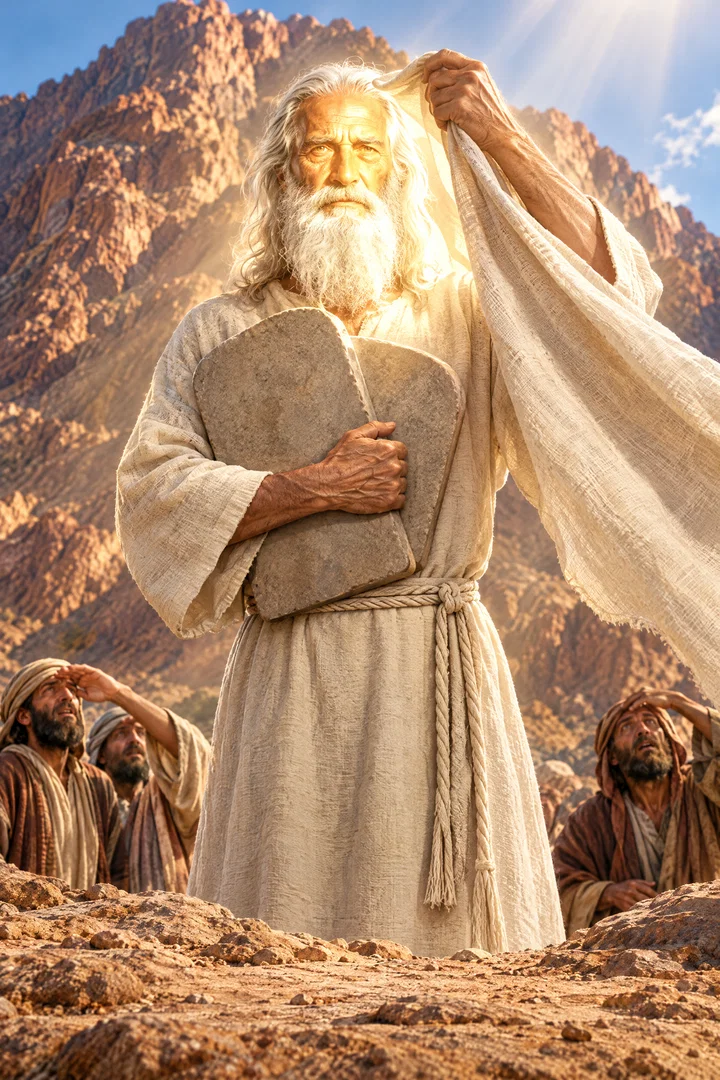
- Exodus 34:29-35
And it came to pass, when Moses came down from mount Sinai with the two tables of testimony in Moses’ hand, when he came down from the mount, that Moses wist not that the skin of his face shone while he talked with him.
Moses’ shining face and veil illustrate the glory of the law, surpassed by greater glory.
- Hebrews 8:10
For this is the covenant that I will make with the house of Israel after those days, saith the Lord; I will put my laws into their mind, and write them in their hearts: and I will be to them a God, and they shall be to me a people:
Describes God’s law written in the heart under the new covenant.
- Jeremiah 31:33
But this shall be the covenant that I will make with the house of Israel; After those days, saith the LORD, I will put my law in their inward parts, and write it in their hearts; and will be their God, and they shall be my people.
God promises to write his law in his people’s hearts under the new covenant.
- 2 Corinthians 3:6
Who also hath made us able ministers of the new testament; not of the letter, but of the spirit: for the letter killeth, but the spirit giveth life.
Contrasts the letter that kills with the Spirit who gives life.
- Hebrews 8:6
But now hath he obtained a more excellent ministry, by how much also he is the mediator of a better covenant, which was established upon better promises.
Christ’s ministry is more excellent, and he mediates a better covenant.
- Hebrews 10:1
For the law having a shadow of good things to come, and not the very image of the things, can never with those sacrifices which they offered year by year continually make the comers thereunto perfect.
The law’s sacrifices were shadows, not the reality to come.
- 2 Corinthians 3:18
But we all, with open face beholding as in a glass the glory of the Lord, are changed into the same image from glory to glory, even as by the Spirit of the Lord.
Beholding the Lord’s glory transforms believers from glory to glory.
- Exodus 31:18
And he gave unto Moses, when he had made an end of communing with him upon mount Sinai, two tables of testimony, tables of stone, written with the finger of God.
The stone tablets bear the law of the former ministration.
- 2 Corinthians 4:6
For God, who commanded the light to shine out of darkness, hath shined in our hearts, to give the light of the knowledge of the glory of God in the face of Jesus Christ.
God’s excelling glory is revealed in the face of Jesus Christ.
- Exodus 20:1-17
And God spake all these words, saying,
The commandments given at Sinai are the law whose former glory is surpassed.
- Exodus 19:5-8
Now therefore, if ye will obey my voice indeed, and keep my covenant, then ye shall be a peculiar treasure unto me above all people: for all the earth is mine:
The Sinai covenant, with its conditions and promises, is surpassed in glory by the new covenant.
- 2 Corinthians 3:3
Forasmuch as ye are manifestly declared to be the epistle of Christ ministered by us, written not with ink, but with the Spirit of the living God; not in tables of stone, but in fleshy tables of the heart.
The Spirit writes the law on believers’ hearts rather than on stone.
- Exodus 20:18-21
And all the people saw the thunderings, and the lightnings, and the noise of the trumpet, and the mountain smoking: and when the people saw it, they removed, and stood afar off.
Israel’s fearful response to the law’s glory illustrates its condemning effect.
- Galatians 3:21
Is the law then against the promises of God? God forbid: for if there had been a law given which could have given life, verily righteousness should have been by the law.
The law could not give life or righteousness; its glory is surpassed by what brings life.
- John 1:17
For the law was given by Moses, but grace and truth came by Jesus Christ.
Contrasts the law given through Moses with the surpassing grace and truth through Christ.
- Colossians 2:14-17
Blotting out the handwriting of ordinances that was against us, which was contrary to us, and took it out of the way, nailing it to his cross;
The ordinances and their shadows give way to what is fulfilled in Christ.
- Romans 7:6
But now we are delivered from the law, that being dead wherein we were held; that we should serve in newness of spirit, and not in the oldness of the letter.
Believers are delivered from the old law to serve in newness of spirit.
- Exodus 34:33-35
And till Moses had done speaking with them, he put a vail on his face.
Moses veiled his face after the law’s glory faded before Israel.
- Exodus 34:6-7
And the LORD passed by before him, and proclaimed, The LORD, The LORD God, merciful and gracious, longsuffering, and abundant in goodness and truth,
God reveals his glory through his goodness, mercy, and truth.
- 2 Corinthians 3:14
But their minds were blinded: for until this day remaineth the same vail untaken away in the reading of the old testament; which vail is done away in Christ.
The veil over the old covenant’s glory is done away in Christ.
Commentary
Each commentary is drawn from primary sources: the writings of Ellen G. White and Adventist pioneers and periodicals. Each commentary is separate. Its own words are not a quotation; follow the references to read the source passages.
Ellen G. White
14 sources
That which was made glorious was the former ministry of the law given through Moses, the ministration of death and condemnation written in stone and given from Sinai with its sacrificial system, and it has no glory by comparison with the glory that excels, which is Christ Himself and the ministry of the Spirit and righteousness in the gospel.Lt 52, 1908, par. 9–12Ms 58, 1900, par. 9–1310MR 329.1–2 The word was spoken to steady believers against teachers who exalted the law and its ceremonies that pointed to Christ above the gospel of Christ.Ms 58, 1900, par. 9–1310MR 328.1 What was to pass away and be abolished at His death was the ceremonial law with its typical offerings and services, not God's enduring moral law, so the greater glory does not set aside the claims of His law.ST Jul 29, 1886Ms 58, 1900, par. 30–32RH Apr 22, 1902 The brightness on the face of Moses was the righteousness of Christ in the law, seen because he looked to the end of that which was to be done away when type would meet antitype, and while the law can only condemn the sinner with no power to pardon or save, Christ was revealed in those types as the sin-pardoning Saviour who bore its curse and penalty and places His perfect character in man's behalf.Ms 58, 1900, par. 9–1310MR 329.1–2Ms 58, 1900, par. 30–32 As Moses veiled his shining face because guilty Israel could not endure it, so Christ veiled His divinity with humanity that fallen men might endure His presence and be lifted up, and that excelling glory is imparted to every believing soul to make him a partaker of the divine nature, calling him to walk humbly before God without exalting self or ruling the consciences of others.Lt 416, 1907, par. 13–15PP 330.2–46RED 92.1–3Ms 58, 1900, par. 56–60
Old Glory Outshone
That which was made glorious is the former ministry of the law represented by Moses, the ministration of death and condemnation written and engraven in stones and given in awful grandeur from Sinai, including the Jewish economy and its sacrificial offering.Lt 52, 1908, par. 9–12Ms 58, 1900, par. 9–1310MR 329.1–2Ms 51, 1890, par. 33–37 It has no glory by comparison with the glory that excels, which is the ministry of the Spirit and righteousness, Christ Himself and the gospel dispensation.Lt 52, 1908, par. 9–12Ms 58, 1900, par. 9–1310MR 329.1–2Ms 51, 1890, par. 33–37 Whatever was made glorious has no glory of its own beside the glory that excels in Christ.Lt 416, 1907, par. 13–15
The verse was spoken to settle the minds of the Corinthians about the gospel of Christ against Judaizing teachers who exalted the law and the ceremonies that typified Christ above the gospel of Christ.Ms 58, 1900, par. 9–1310MR 328.1 Those teachers condemned Paul for not urging ceremonies that had no value since Christ's death, after those ceremonies were of no value since Christ's death.Ms 58, 1900, par. 9–1310MR 328.1
What was to pass away and be done away and abolished at Christ's death was the ceremonial law and its sacrificial offering and typical services, with its types and shadows finding their meaning when type met antitype and losing force when Christ died as a sin-offering.ST Jul 29, 1886Ms 58, 1900, par. 30–32RH Apr 22, 1902 This was not God's enduring moral law for the government of His family in heaven and on earth, with its ten moral precepts holy, just, and good and bearing the stamp of divinity expressing God's holiness, justice, and righteousness.ST Jul 29, 1886Ms 58, 1900, par. 30–32RH Apr 22, 1902 So the greater glory of the Christian age, with the brighter glory of the reality revealed in the New Testament, does not destroy the claims of God's law.Ms 58, 1900, par. 30–32RH Apr 22, 1902ST Jul 29, 1886
The former economy was truly glorious because it came from God and foreshadowed Christ and pointed to Christ and the plan of redemption, and the gospel revealed its meaning.Ms 51, 1890, par. 33–37ST Jul 29, 1886 Christ prescribed every specification and stood revealed in all its symbols, Himself being the living representation and Substance of all things typified and promised in shadow, so it was never an age of darkness, and in His death the last specification was fulfilled.Ms 51, 1890, par. 33–37 Its sanctuary services conveyed truths about Christ in which incense represented the righteousness that makes prayer acceptable to God, sacrifice pointed to the coming Redeemer, and the sign of God's presence in the holy of holies kept faith alive until the Messiah came.PP 367.2 The Old Testament pointed forward to the true offering prefigured by typical offerings and the Saviour revealed in the New Testament.ST Jul 29, 1886
The glory on the face of Moses was transient and has passed away, while the glory in the face of Jesus Christ ever remains.Ms 58, 1900, par. 56–60 Though the former dispensation abolished at Christ's death was glorious, it is eclipsed by the far excelling glory of the reality, the life-giving sanctifying Spirit given through Christ to all who believe.Ms 58, 1900, par. 30–32RH Apr 22, 1902 Therefore the sacrificial offering has no continued glory by reason of the glory that excelleth, which is Christ Himself and the gospel dispensation whose light, spirituality, order and unity far exceed that of the Jews.Ms 51, 1890, par. 33–37
Christ Revealed and Applied
The brightness Israel could not steadfastly behold on the face of Moses was the righteousness of Christ in the law.Ms 58, 1900, par. 9–1310MR 329.1–2 Moses saw to the end of that which was to be abolished, when type should meet antitype in Jesus Christ.Ms 58, 1900, par. 9–1310MR 329.1–2 It was this seeing to the end and bringing to light the plan of salvation in Christ that illuminated his face.Ms 58, 1900, par. 9–1310MR 329.1–2Ms 58, 1900, par. 30–32 If that which was to be done away was glorious because Christ was revealed in it, much more glorious is that which remains.Ms 58, 1900, par. 9–1310MR 329.1–2
It is the province of the law to condemn, as the utterance of condemnation to the sinner, bringing death without mercy.Ms 58, 1900, par. 9–1310MR 329.1–2 It leaves the transgressor under its curse with no hope of pardon, for there is no power in the law to pardon or save, and death entered through transgression of the law.Ms 58, 1900, par. 9–1310MR 329.1–2Ms 58, 1900, par. 30–32 But the slain lamb and typical sacrifices were glorious because their full significance pointing to Christ was unfolded.Ms 58, 1900, par. 9–1310MR 329.1–2Ms 58, 1900, par. 30–32 They revealed Christ as the sin-pardoning Saviour and propitiation for transgression, whose perfection of character is placed in man's behalf and who took the curse of the law upon Himself.Ms 58, 1900, par. 9–1310MR 329.1–2Ms 58, 1900, par. 30–32 He bore its penalty and completed salvation so that obedient man could keep God's law and be accepted through His merits, shedding a halo of glory upon the law that reveals its changeless and exalted character.Ms 58, 1900, par. 30–32 The law is holy, just and good, bearing the stamp of divinity and expressing God's holiness, justice and righteousness.Ms 58, 1900, par. 30–32
The light shining from the face of Moses carried two glories together, the sacred exalted character of God's law and the glory of the gospel revealed through Christ.PP 330.2–4 Moses was shown on the mount not only the tables of the law but the plan of salvation, with the sacrifice of Christ prefigured by all the types and symbols.PP 330.2–4 The radiance came no less from the heavenly light streaming from Calvary than from the glory of the law.PP 330.2–4
That divine illumination symbolized the glory of the dispensation of which Moses was the visible mediator, as representative of the one true Intercessor.PP 330.2–4 It illustrates that through the mediation of Christ God's commandment-keeping people receive blessing.PP 330.2–4 The closer their communion with God and the clearer their knowledge of His requirements, the more fully they are conformed to the divine image and become partakers of the divine nature.PP 330.2–4
As Israel's intercessor veiled his countenance, so Christ the divine Mediator veiled His divinity with humanity and was made in the likeness of sinful flesh.PP 330.2–4 Moses veiled his face because the guilty people could not endure its brightness, being transgressors under Satan's control of thought and affection.PP 330.2–4Ms 58, 1900, par. 56–60 Had Christ come clothed with the brightness of heaven, sinful men could not have endured His presence nor given Him access, so He humbled Himself to reach the fallen race and lift them up.PP 330.2–4 As Moses veiled his face, so the glory of Christ's ascension was veiled from human sight, so the disciples could keep attention on His earthly character and carry out their mission.6RED 92.1–3 In the face of Jesus the glory of God is unveiled, so all who look may live and have that glory reflected upon them, as Christ sheds light and brightness and glory and joy into the law of God.Ms 58, 1900, par. 56–60
The excelling glory in Christ is imparted to the soul as he is made a partaker of the divine nature.Lt 416, 1907, par. 13–15 Every soul must therefore walk humbly and meekly before God, depending on that imparted glory instead of glorifying self.Lt 416, 1907, par. 13–15 One entrusted with sacred responsibilities must not have a large estimate of self, dictate and control the consciences of others, usurp authority, or exercise lordly authority in the church.Lt 416, 1907, par. 13–15 He must daily subordinate his will to the will of Christ, practice the virtues of Christ's character in meekness and lowliness of mind, and show forth the meekness and wisdom of Christ as a representative of His character and methods.Lt 416, 1907, par. 13–15 Trust must be in faith which works by love and purifies the soul, giving those benefited by his ministration the freedom of the liberty of the children of God to act out the grace bestowed upon them as members of the body of Christ.Lt 416, 1907, par. 13–15
Sources
Pioneers and periodicals
135 sources
The verse contrasts the ministration of the old covenant under Moses with the ministration of the new covenant under Jesus Christ, distinguishing the law itself from the service that carries it into effect.RH Jan 13, 1852RH Feb 17, 1852RH Jan 1851 It sets forth a comparison of degrees of glory rather than opposites, as the lesser light is outshone by the greater as the moon is swallowed by the rising sun, yet both belong to one unfolding plan from the same source.ST Mar 26, 1894ST Jul 23, 1874RH Jan 20, 1874ST Mar 26, 1894RH Dec 12, 1854 The former ministration of death and condemnation was truly and literally glorious, but it has no glory beside the far exceeding glory of the present ministration of the Spirit, righteousness and life which proclaims pardon through Christ's blood.RH Apr 8, 1873RH Apr 7, 1851RH Jun 14, 1864ST Jan 24, 1906RH Mar 12, 1872 What was done away was that ministration and service connected with what was engraved on stones, including the Levitical priesthood and typical system, not the Ten Commandments themselves, which are now administered in a second way, no longer on stone outside the person unto condemnation but in mind and heart by the Spirit unto righteousness and freedom.ST Jun 19, 1907RH Jul 8, 1852RH May 5, 1851ST Jul 3, 1907RH Feb 17, 1852 The excelling glory is that same law written by the Spirit in fleshly tables of the heart, with past sin forgiven, enmity removed, and believers with open face changed into Christ's image from glory to glory, while by a contrary reading the verse is taken to prove that the whole Sinaitic code including the Sabbath law was abolished for the law of faith and liberty.ST Mar 26, 1894RH Dec 23, 1851RH Dec 3, 1914ST Sep 25, 1893RH Aug 27, 1857
Chapter Setting and Wording
The chapter sets the ministration of the old covenant under Moses against the ministration of the new covenant under Jesus Christ, keeping the law itself distinct from the ministry that carries it into effect.RH Jan 13, 1852RH Jan 1851RH Mar 29, 1864 It gives no intimation that the Ten Commandments are abolished, and to read it as discarding the moral law would make God throw away the first principles of His moral government, including the Sabbath, only to select most of them again for a new constitution.RH Jan 13, 1852RH Feb 17, 1852 Changes to the law's appendages do not amount to abolishing its moral standard, for the comparison concerns the ministration, not the law itself, with the former ministration no longer in force while the commandments are not abolished.RH Feb 17, 1852RH Jan 1851RH Mar 29, 1864
The verse makes a comparison of degrees of glory rather than a contrast of opposites, so that the former glory is outshone yet both belong to one unfolding plan of salvation from the same divine source for the same sinners.ST Mar 26, 1894ST Jul 23, 1874RH Jan 20, 1874RH Jan 20, 1874ST Jul 23, 1874 The Jewish ministration was truly and literally made glorious and was glorious in its time with blessings to the obedient, but it has no standing beside the greater, excelling glory of the Christian ministration of the Spirit and of righteousness.ST Jul 23, 1874RH Jan 20, 1874ST Jul 23, 1874ST Mar 1, 1877 The difference is as good, better, best with increasing light and glory to perfect the same holiness for the same heaven, not as opposite natures like light and darkness nor as separate plans for different ages.RH Jan 20, 1874RH Jan 20, 1874ST Mar 1, 1877 The first glory belongs to God's law written on tables of stone and kept in the sacred ark at the center of Israel according to the flesh, which while it remains outside the person brings only condemnation and death.ST Mar 26, 1894 The excelling glory belongs to the same law written by the Spirit of God in the mind and heart of each one who makes up the true Israel of God through the presentation of Christ Jesus, bringing righteousness by faith and life and making the receiver free from sin and death, which is the work of the gospel minister in so presenting Christ that the Spirit does this writing.ST Mar 26, 1894
The chapter belongs to a transitional age calling for radical change in the form of doctrine, setting things of the old and new dispensations against each other as types against antitypes and carnal against spiritual, the true against the false, with a gospel and religion new to both Jew and Gentile.ST Jan 17, 1884 The earlier typical system reflected the glory of Christ's death, resurrection, and heavenly ministry, and apart from those realities it would have had no glory or meaning and could not have existed.RH Aug 12, 1873
Ministration means the act of performing service, which cannot be written on stone or parchment, so the thing that had glory and is done away is the ministration itself and not the law engraven on the tables of stone.RH Mar 27, 1866RH Mar 27, 1866ST Oct 16, 1884 Two ministrations are set against each other, the ministration of death or condemnation and the ministration of the Spirit or righteousness, both glorious with one excelling the other, and one belongs to the past dispensation and is done away while the other belongs to the present and remains.RH Mar 27, 1866ST Oct 16, 1884 What was engraven in stone is the law of God, the Ten Commandments, called condemnation and death only by a figure of speech because it condemns the sinner to death, and as such it can bring only condemnation and death and cannot give righteousness to its transgressor.RH Mar 27, 1866 The chapter names no one of the commandments, so it cannot do away with the fourth commandment alone, for if it proves one abolished it proves all abolished.RH Mar 27, 1866 The nine moral precepts are still binding and were never abolished, because there was never a moment when men were not bound to those moral duties and God's moral government never ceased for a moment, but they passed over unharmed, and it is possible the fourth commandment survived the same way so that the whole Decalogue remains the law of God.RH Mar 27, 1866
The stones are the two tablets Moses brought down from Sinai with the Ten Commandments written by God, not the plastered stones set up later at Mount Ebal forty years afterward which Joshua set up, and what was written and engraven in stones was nothing but the moral law.RH Sep 6, 1864RH Aug 5, 1851RH Sep 6, 1864 What that stone law shows contradicts the teaching that there is only one law given by God through Moses.RH Aug 5, 1851
That which was made glorious was the outward ministration of Moses' law that enforced the Ten Commandments engraven in stone, illustrated by the temporary glory and splendour that flooded the person and face of Moses as mediator when he came from the mountain after talking with God at the close of his forty days' conference with Him, so bright that the uncovered eyes of Israel could not gaze upon him.RH Oct 21, 1851AUST May 31, 1920RH Mar 27, 1866 The giving of the law was accompanied by extraordinary glory, for Moses' face shone after he had been in the Lord's presence and the Lord's glory filled the sanctuary so powerfully that the priests had to screen it with incense lest they die.ST Aug 5, 1889ST Jun 5, 1879 He veiled his face when speaking to the people, and the glory that was done away was the glory of his face over which the veil was hung, not the law itself, for the law is never said to be glorified and the veil was hung over his face, never over the law itself.ST Jun 5, 1879ST Mar 26, 1896 That first glory appeared when Moses inaugurated the whole service of the Jewish priesthood by bringing the tables of the law down from the Mount to be placed in the ark in the most holy place of the sanctuary as the very center of that system, his face too bright for mortal eyes without a veil to cover it.RH Mar 27, 1866 The ministries are compared in glory while their effects are contrasted as condemnation and death with righteousness and life, for the law itself is not contrasted but is written on stone under one ministry and on the heart by the Spirit under the other.RH Oct 21, 1851ST Jun 5, 1879 The first ministration condemned and enforced death without taking away sin, having only a shadow of good things to come in the hope of righteousness through faith and able only to acknowledge the justness of condemnation and death, while the ministration that supersedes it justifies and gives liberty through Christ's blood as the ministration of the gospel of free pardon, righteousness and spirit or life, in which the same immutable law is put in the mind and written in the heart.RH Oct 21, 1851RH Mar 27, 1866 That surpassing spiritual glory is seen in the face of Jesus Christ, and as Moses stood at the head of the former ministration as its representative with the Aaronic priesthood obtaining a part in it, Jesus the Christ stands at the head of the latter with the apostles obtaining a part in it.RH Mar 27, 1866
The phrase in this respect illustrates the Greek expression meaning in this respect, and the related expression has the same meaning.RH Jan 2, 1900 The verse belongs to a connected passage requiring explanation, a much misunderstood chapter about what was done away in Christ, moving from glory to glory and using language of glory being done away and that which is abolished whose referent must be identified.ST Mar 31, 1898ST Apr 29, 1897
Comparison of Two Glories
The two things set against each other are the ministration of death or condemnation and the ministration of the Spirit or righteousness.RH Mar 27, 1866ST Jan 17, 1884ST Aug 12, 1889ST Jun 5, 1879 Ministration of death does not mean the law itself causes sin, but the ministration of that which causes death through transgression, because a sinful race perverts God's good laws of life into destructive forces.RH Mar 27, 1866ST Dec 16, 1897ST Nov 5, 1896 The law written on stone outside the heart brings condemnation and death because people transgress it, and it can bring only condemnation and death and cannot give righteousness to its transgressor.RH Mar 27, 1866ST Jan 17, 1884ST Dec 16, 1897 The former ministration was truly and literally glorious, yet it has no glory in comparison with the far exceeding glory of the present ministration of the Spirit, righteousness, and life.RH Apr 7, 1851RH Jun 14, 1864ST Jan 24, 1906RH Nov 2, 1911RH Apr 12, 1864 The former related to the Ten Commandments and dealt with transgression through atonement in figure, while the present relates to those same commandments and provides an atonement that removes guilt in fact, so the ministration changed while the law itself was neither changed nor abolished.RH Jun 14, 1864RH Nov 2, 1911RH Feb 17, 1852
The former ministration has passed away while the present one remains, and what was abolished was the Mosaic ministration and the law of Moses written by Moses in a book, distinct from the law of God written with the finger of God on two tables of stone, while something more glorious remains in its place.RH Jul 1, 1862RH Aug 5, 1851RH Nov 12, 1872 That abolished glory was perfect in its adaptation to the times and circumstances of the Jews and holy and just and good in its designs, yet the law made nothing perfect, so the ministration was abolished though whatsoever things were written aforetime were written for learning.RH Aug 5, 1851RH Nov 12, 1872 God's law and the obligation to keep the Sabbath therefore remain, because what is done away is the ministration, not the Ten Commandments written on stone.RH Jul 1, 1862RH Aug 5, 1851
The effects are contrasted in that the former administered condemnation and death without taking away sin except in figure, while the latter proclaims pardon, righteousness, life, and the Spirit through Christ's blood.RH Apr 8, 1873RH Mar 12, 1872RH Oct 7, 1851ST Sep 20, 1899 The old ministration revealed God's righteousness to people but did not put that righteousness in them or give them power to live it, and everything pertaining to it was condemnation and putting to death with no real pardon, only in figure.ST Jan 17, 1884ST Aug 12, 1889ST Sep 20, 1899 The new ministration offers repentance and remission of past sins, restores the repentant to obedience, and calls the pardoned to obey willingly and sin no more, while the law still defines sin and its penalty remains for the finally impenitent.RH Apr 8, 1873RH Mar 12, 1872RH Oct 7, 1851 The change is therefore in the ministration, not in the divine law, which remains unchanged and is written on the heart by the Spirit, giving life where the ministration that brought death gave way.RH Mar 12, 1872RH Oct 7, 1851
The difference is one of degree as good, better, best, not of opposite nature as light and darkness.ST Mar 26, 1894RH Dec 12, 1854RH Jul 30, 1901 The glory of condemnation is eclipsed by the glory of righteousness as the glory of the moon is swallowed up by the glory of the rising sun, and as the stars' glory is eclipsed when the sun shines.ST Mar 26, 1894RH Dec 12, 1854RH Jul 30, 1901 The fading light from Moses' face indicated that his system would give way to something better, and when a person yields to the Lord condemnation is done away and righteousness takes its place, and if that righteousness remaineth there is glory indeed.ST Mar 26, 1894RH Jul 30, 1901 Whatever is called the ministration of death, the first covenant, or the Jewish typical system is honored as genuinely glorious rather than treated as defective or bad.ST Jul 23, 1874ST Jul 23, 1874 Its glory had no standing in comparison with the greater glory of the gospel of Christ, but the lesser glory does not mean that the earlier ministration or God's law was defective or bad.ST Jul 23, 1874ST Jul 23, 1874
What Fades and Remains
What was done away was the ministration, ministry, or service connected with what was engraved on stones, including the Levitical priesthood and the system of services through Moses, not the Ten Commandments themselves.RH Jul 8, 1852RH May 5, 1851RH Feb 17, 1852RH Dec 12, 1854RH Jan 1851 The glory that had no glory by comparison was the temporary glory associated with Moses' ministry and the Levitical ordinances, while the royal law remains, for the contrast concerns the ministries and the lesser glory of the typical service of the first covenant is surpassed by its substance in Christ.RH Jul 8, 1852RH May 5, 1851RH Feb 17, 1852RH Jan 1851RH Jun 25, 1861 The former ministration of condemnation and death gives way to the greater glory of the ministry of righteousness, which offers life, pardon, and salvation through Christ, and this does not mean that the law that condemns sinners has been abolished.RH Jul 8, 1852RH May 5, 1851RH Feb 17, 1852RH Dec 12, 1854RH Jun 25, 1861 The glory belonged to the ministry, not to the stone tablets, and the glory that was to pass away was the glory of that ministry, with the Spirit's ministry which gives life set against the ministry that brought death through the law's penalty.RH Jul 8, 1852RH May 5, 1851RH Dec 12, 1854RH Jan 1851RH Jun 25, 1861
Those who held the contrary taught that what was written and engraven on stones, the whole Sinaitic code including the Sabbath law, was abolished and gave place to the law of faith and liberty.RH Dec 23, 1851RH Sep 16, 1852RH Jan 31, 1854RH Apr 9, 1857RH Jan 16, 1866 In that reading 2 Corinthians 3:7-14 speaks of the ministration of death written and engraven on stones as done away and abolished, and twenty-one selected words strung together are brought forward to prove the commandments of God abolished, making that abolition appear plainer than the scripture as it reads in full does.RH Dec 23, 1851RH Sep 16, 1852RH Jan 31, 1854RH Apr 9, 1857 The whole Sinaitic code is thus said to have served its purpose and ceased to bind, giving place to the law of faith, the law of the Spirit of life in Christ Jesus, and the perfect law of liberty, with the old law described as dead in contrast to the law of Christ and the law of the Spirit.RH Dec 23, 1851RH Sep 16, 1852RH Jan 31, 1854RH Apr 9, 1857RH Jan 16, 1866 On that ground Jesus' affirmation of the law's enduring force must refer to a law other than the Ten Commandments, since the law written on the stone tablets is identified with the law abolished alongside Hebrews 8 and Ephesians 2.RH Sep 16, 1852RH Jan 31, 1854RH Apr 9, 1857RH Jan 16, 1866
What ceases is the ceremonial law, typical service, offerings, and shadow that pointed to Christ and met its antitype in his blood and priesthood, while the enduring law for God's government remains and Christ's greater glory did not destroy its claims.ST Jul 29, 1886RH Apr 22, 1902RH Sep 2, 1852RH Jun 17, 1862RH Mar 8, 1906 The glory that attended Moses' ministration was far inferior to the glory that now enshrouds Christ as High Priest and the ministration of the Spirit in the heavenly sanctuary before the ark of God, where Christ ministers in the true tabernacle and pleads his own blood so that God cannot at the same time approve animal sin offerings as the means of atonement.ST Jul 29, 1886RH Apr 22, 1902RH Sep 2, 1852ST Apr 8, 1889RH Mar 8, 1906 The glory of the shadow is swallowed up in the glory of the substance when the services of the first covenant meet their antitype in Christ, for the ceremonial law was glorious because it came from God and pointed to redemption, but its types and shadows found their meaning when type met antitype at Christ's death and ceased to have force.ST Jul 29, 1886RH Apr 22, 1902RH Sep 2, 1852ST Apr 8, 1889RH Mar 8, 1906 The law that was to pass away was therefore the ceremonial law, not God's enduring law for the government of his family in heaven and on earth, which still stands as the foundation of the divine government as shown by the ark of God's testament in the heavenly tabernacle, no longer entrusted to man's keeping but kept in its proper place in the ark of His testament.ST Jul 29, 1886RH Apr 22, 1902RH Sep 2, 1852RH Jun 17, 1862RH Mar 8, 1906
What fades is not the law itself but its condemnation and glory of condemnation, and condemnation is done away only when one believes on Christ, yields to the Lord, and has the law written in the heart.ST Sep 6, 1910ST May 12, 1909ST Mar 26, 1894ST Jul 28, 1898ST Feb 25, 1913 The law accepted only in its letter condemns the sinner to death, but when God's Spirit writes its principles in the heart it becomes part of the believer's life, and condemnation and death give way to righteousness, life, and peace through Jesus Christ.ST Sep 6, 1910ST Mar 26, 1894ST Jul 28, 1898ST Feb 25, 1913ST Sep 7, 1915 The glory connected with the giving of the law shone from Moses' heart onto his face, and the children of Israel looking on it felt condemned and in unbelief asked for a veil so they would not see that glory, though God wanted them to feel that condemnation so they would put away sin and receive His glory that abolishes sin, with the glory of justification and righteousness taking the place of the glory of condemnation.ST Sep 6, 1910ST May 12, 1909ST Mar 26, 1894ST Jul 28, 1898ST Feb 13, 1901 That change puts the law within the heart so it is loved and no longer condemns, but where Israel refused it the law remained to them condemnation only, and it is that condemnation and its glory that Christ takes away in the greater glory of righteousness, an experience of every truly converted child of God in whom the ministration of death is disannulled through faith and the ministration of the Spirit takes its place.ST May 12, 1909ST Mar 26, 1894ST Jul 28, 1898ST Feb 25, 1913ST Sep 7, 1915
The veil represents unbelief and hardness of heart that kept Israel from looking beyond condemnation to Christ, and when a person turns to the Lord the veil is taken away, for what was veiled was Moses' face, not the tables themselves.ST Feb 13, 1901ST Mar 26, 1896ST Aug 23, 1910RH Jul 30, 1901 The law on stones condemns all sinners, and under the former typical service the minister was required to put wilful transgressors to death, while under the present dispensation the minister shows the sinner his guilt and points him to Christ as the source of pardon, so the present ministration of that same law is more glorious than the typical service.ST Feb 13, 1901ST Mar 26, 1896ST Aug 23, 1910RH Jul 30, 1901 Moses saw beyond condemnation to the greater justifying glory, but Israel's unbelief kept them from seeing it when they refused to hear God for themselves and separated themselves from Him, and the veil over Moses' face became a lasting blindness to Christ and His higher work.ST Feb 13, 1901ST Mar 26, 1896ST Aug 23, 1910RH Jul 30, 1901 The identical language of the face being glorified in Exodus 34:29 shows the glory is the ministration represented by his shining face, and the fading light from Moses' face indicated that his system would give way to something better, as the sun outshines the moon and stars, so that when a person turns from man to the Lord the veil is taken away to see the greater glory and then loves God's law.ST Feb 13, 1901ST Mar 26, 1896ST Aug 23, 1910RH Jul 30, 1901
The law is called condemnation and death only by a figure because it condemns the sinner to death, its penalty was death, and under Moses' ministration everything was condemnation with no real pardon.RH Mar 27, 1866ST Jan 17, 1884ST Dec 16, 1897 The thing that had glory and is done away is the ministration itself, meaning the act of performing service, which cannot be written on stone or parchment, and not the law engraven on the tables of stone, for what was engraven in stone is nothing but the moral law, the Ten Commandments, which remains.RH Mar 27, 1866ST Jan 17, 1884ST Dec 16, 1897 Ministration of death means the ministration of that which causes death through transgression, since the law itself is not the cause of sin, and everything pertaining to Moses' ministration was condemnation and putting to death with no real pardon, only in figure, while under the ministration of the Spirit pardon and life are proclaimed.RH Mar 27, 1866ST Jan 17, 1884ST Dec 16, 1897 It can bring only condemnation and death and cannot give righteousness to its transgressor, so the former glorious ministration is done away while the ministration of the Spirit or righteousness remains.RH Mar 27, 1866ST Jan 17, 1884ST Dec 16, 1897
The contrast concerns two ways of administering the same immutable law: on stone outside the person bringing only condemnation, and in mind and heart by the Spirit bringing righteousness, life, and freedom from sin and death.ST Jun 19, 1907ST Jul 3, 1907ST Oct 28, 1897ST Jun 5, 1879ST Oct 23, 1884 The former ministration, in which the law was given on stone and condemned those who did not receive it into their hearts, had a glory surpassed by the ministration that saves, for the greater glory is the law written in the heart by the Spirit of God through Jesus Christ.ST Jun 19, 1907ST Jul 3, 1907ST Oct 28, 1897ST Jun 5, 1879ST Jun 12, 1879 Moses' face shone after he had been in the Lord's presence and he veiled it when speaking to the people, and the ministries are compared in glory while their effects are contrasted as condemnation and death with righteousness and life, the law itself not being contrasted.ST Jul 3, 1907ST Oct 28, 1897ST Jun 5, 1879ST Oct 23, 1884ST Jun 12, 1879 The old covenant had no converting power and no promise of forgiveness with Moses as mediator veiling a glory Israel could not look upon or understand, while the new covenant excels because past sin is forgiven by the blood of the covenant, the carnal mind's enmity is removed, sinners are reconciled and at peace, and with open face they behold God's glory in Christ and are changed into the same image from glory to glory.ST Jul 3, 1907ST Oct 28, 1897ST Jun 5, 1879ST Oct 23, 1884ST Jun 12, 1879 When a condemned sinner accepts Christ he receives forgiveness, sin is removed, and he becomes a child of God, and this ends the glory of condemnation, so the old covenant's ministry is done away but God's law is established in the heart.ST Jun 19, 1907ST Jul 3, 1907ST Oct 28, 1897ST Oct 23, 1884ST Jun 12, 1879
Greater Glory of New Covenant
The excelling glory is the same law once written on tables of stone and kept in the ark, now written by the Spirit of God in the mind and heart of the true Israel, the holy nation, through the presentation of Christ Jesus.ST Mar 26, 1894ST Sep 25, 1893RH Oct 21, 1851ST Apr 3, 1928 When the law remains outside the person it brings only condemnation and death, but written within it brings the greater glory of righteousness by faith and life and makes the receiver free from sin and death.ST Mar 26, 1894ST Sep 16, 1930RH Oct 21, 1851 This writing in the heart happens in every genuine conversion and makes the believer to that extent like Jesus, who had God's law within His heart.ST Oct 23, 1884ST Jun 12, 1879ST Apr 3, 1928 The contrast is therefore between two ministrations or dispensations, not between law and gospel, for the law itself shines with greater glory in the new covenant and God's plan continually reveals more of the glory of His law.ST Sep 25, 1893RH Aug 27, 1857RH Oct 21, 1851 The work of the gospel minister is so to present Christ that the Spirit does this writing, since the old covenant pursued through human effort could not enable people to keep God's law, while through Christ and the Spirit the new covenant brings life and fulfills the law's requirement in believers.ST Mar 26, 1894ST Sep 16, 1930
The former ministration of condemnation was truly glorious, yet it has no glory beside the far greater glory of the ministration of the Spirit and righteousness, which makes believers new creatures.RH Dec 3, 1914ST Oct 23, 1884ST Jun 12, 1879ST Aug 12, 1889 The old covenant placed the law on stones with Moses as mediator, having no converting power and no promise of forgiveness, while the new covenant writes it in fleshly tables of the heart by the Spirit, forgives past sin by the blood of the covenant, removes the carnal mind's enmity to the law, reconciles sinners to God in peace, and changes them into the Lord's image.ST Oct 23, 1884ST Jun 12, 1879ST Aug 12, 1889ST Sep 12, 1895 With open face beholding the glory of God in the face of Jesus Christ, believers are changed into the same image from glory to glory and become partakers of that glory.RH Dec 3, 1914ST Oct 23, 1884ST Jun 12, 1879ST Sep 12, 1895 This greater glory rests on better promises and on Christ as its minister, for the ministration of the Spirit, also called the ministration of righteousness and the law of the Spirit of life, is the normal operation of the same moral law exemplified in Christ's perfect life with its power for righteous living.ST Aug 12, 1889ST Sep 12, 1895ST Nov 21, 1911 What is done away is not the law engraved on stone but its ministration of death, abolished only by destruction of the carnal nature as a veil blinding the heart, so that when carnality is taken away in Christ the veil is removed, the believer sees Christ's righteousness with unveiled face, receives freedom in Christ Jesus, and lets light shine in good works that glorify the Father.ST Sep 12, 1895ST Nov 21, 1911
The glory that attended Moses' ministration is far inferior to the glory that now enshrouds Christ as High Priest and the ministration of the Spirit in the heavenly sanctuary before the ark of God.RH Sep 2, 1852RH Aug 27, 1857RH Sep 1, 1868 Christ ministers the new covenant as mediator of a better covenant in the true sanctuary and heavenly tabernacle, offering forgiveness through His service and better sacrifice, bringing pardon, righteousness, and life to those who have broken the law.RH Sep 2, 1852RH Aug 27, 1857RH Sep 1, 1868RH Mar 8, 1906 The glory that was done away was the glory of that ministry, not the law itself, for the Ten Commandments written by God's finger remain, no longer entrusted merely to man's keeping but kept in their proper place in the ark of His testament in the temple of the tabernacle of His testimony where Christ ministers.RH Sep 2, 1852RH Sep 1, 1868RH Mar 8, 1906 The old system was temporary and inadequate because its sacrifices could not take away sin, while Christ's sacrifice and ministry as living Mediator remedy its imperfections in a more excellent ministry in all its branches.RH Sep 4, 1856ST Nov 1, 1899RH Mar 8, 1906 The glory of the shadow is thus swallowed up in the glory of the substance when the services of the first covenant, the Levitical priesthood with its ordinances of divine service called the ministration of condemnation, meet their antitype in Christ, while the law given as the basis of the covenant still stands as the foundation of divine government.RH Sep 2, 1852RH Mar 8, 1906
Moses looked beyond the law's condemnation, which reveals sin and exposes it, to the justification God gives through His Son, and that righteousness was reflected in his face.ST Nov 21, 1911ST Feb 13, 1901ST Aug 23, 1910 Israel in unbelief saw only the condemning glory, because unbelief put a veil on the heart when they refused to hear God for themselves and separated themselves from Him, asking in effect for the veil.ST Nov 21, 1911ST Feb 13, 1901ST Aug 23, 1910 The veil therefore represents unbelief, and when a person turns from man to the Lord the veil is taken away to see the greater justifying glory of righteousness and life in God's presence, and then loves God's law.ST Feb 13, 1901ST Aug 23, 1910 The gospel plan was revealed to Moses and its glory illuminated his face so brightly that Israel could not look at it, but the Corinthian believers saw the justifying glory, so the law was written in their hearts.ST Mar 14, 1878ST Nov 21, 1911ST Aug 23, 1910
The glory on Moses' face at Sinai was a type of God's glory, which is His righteousness, to be revealed by and through His people in all ages and especially by His remnant people.RH Mar 21, 1907 The righteousness of Christ and measure of the Holy Spirit God will give His people to fit them to serve Him and proclaim His last warning message will exceed the glory seen on Moses' face, even as the latter temple was more glorious than the former on account of the presence of the Saviour.RH Mar 21, 1907 The Mosaic glory was chiefly outward and visible, while Christian glory is inward and spiritual, which is why the high priest's costly garments do not establish a pattern for Christian dress.RH Jul 10, 1855RH Jan 15, 1857 Jewish worship centered on the divine works and privileges then revealed, but redemption through Christ brought far brighter themes and a fuller revelation of God's character, so the earlier glory has no glory in comparison with this surpassing glory.RH Jul 10, 1855RH Jan 15, 1857 The new dispensation brings a fuller knowledge of Jesus Christ and a fuller expression of faith than when faith in God existed but knowledge of Christ was limited, and the change is more than the mere passing of brightness from Moses' face.RH Jan 16, 1866
Law and Sabbath Endure
The chapter says nothing about the Sabbath by name and does not mention the Sabbath of the Lord.ST Aug 25, 1881RH Oct 6, 1859RH Mar 21, 1854RH Apr 11, 1854RH Feb 21, 1854 No inference drawn from it can prove that the seventh-day Sabbath has been abolished for the gospel dispensation.RH Mar 21, 1854RH Apr 11, 1854RH Feb 21, 1854 Abolition of the Sabbath law, which was given in the plainest language possible, can be established only by plain positive inspired testimony in the New Testament as plain as the law that gave it, not by inference only.ST Aug 25, 1881RH Mar 21, 1854RH Apr 11, 1854RH Feb 21, 1854 The weekly Sabbath is the Sabbath of both Testaments and is left in force, and the contrast of the glory of the old covenant surpassed by the greater glory of the new does not by itself declare God's commandments abolished, for God's law remains perpetual and immutable.RH Mar 21, 1854RH Feb 21, 1854RH Aug 5, 1852RH Jun 6, 1871
To use the chapter to prove the Sabbath abolished forces the claim that the Ten Commandments are abolished, including the Sabbath only as one precept written and engraven on stones, for if one of the ten is dead all are dead.RH Jul 8, 1852ST Aug 25, 1881RH Oct 6, 1859 The doctrine of abolition rests on leaving off part of the verse and does not teach that what was engraved in stones was abolished.RH Jul 8, 1852 God did not abolish a whole code to remove one precept and re-enact nine while leaving out the fourth, for He could have singled out that one precept and declared it annulled; to abolish an entire moral law to destroy the fourth precept would be foolish and absurd in men.RH Jul 8, 1852RH Jul 22, 1852RH Mar 27, 1866 The ten commandments as God's constitution still bring sinners to Christ to find pardon and deliverance by His blood from condemnation under grace, and they cannot be done away while nine of their ten precepts still abide.RH Jul 8, 1852 The ten commandments embodying the holy Sabbath form the constitution of God's government and the whole foundation of God's religious system, wholly distinct from Jewish feasts embodied only in the handwriting of ordinances and from everything written in Moses' books, and the two great principles of love to God and love to neighbor with the duties growing from them remain in force.RH Feb 17, 1852RH Jul 8, 1852
Under the gospel the same law written on stones remains binding but its ministration excels the former typical service and ministration of condemnation and death.RH May 2, 1854RH Nov 25, 1852 Under the former service the minister was required to put wilful transgressors to death, while under the present dispensation the minister shows the sinner his guilt and points him to Christ as the source of pardon. Christ's atoning blood makes mercy and pardon available so that the Sabbath-breaker may repent and live instead of being put to temporal death.RH May 2, 1854RH Nov 25, 1852 What was done away and covered by the veil was Moses' face, not the tables of stone themselves. The doing away of the ministration of death that put to death breakers of the Sabbath or any other of the ten as part of the handwriting of ordinances nailed to the cross does not remove death as the punishment for profaning the Sabbath now, for the wages of sin is still death and sin is transgression of the law of ten commandments; the difference is that God will now do the work of punishment Himself instead of entrusting it to those who have sinned, since only he that is without sin may first cast the stone.ST Nov 16, 1876
The passage must be read consistently with Paul's statement that keeping God's commandments matters and with his testimony that he kept them.RH Dec 1850 God's holy law is distinguished from the handwriting of ordinances that was against us.RH Oct 14, 1852 God's law is spiritual, holy, just and good, a rule of life, and the Sabbath stands with its nine moral companions with universal and lasting obligation, entirely different from Jewish ordinances that pointed to Christ and were abolished by His death, though its demand to do and live has ended.ST Jan 15, 1880ST Apr 5, 1883 The comparison is between the minister of the law and the ministers of the gospel and cannot be used to break God's law in pieces to keep nine commandments and reject the Sabbath and leave God without a law.ST Apr 5, 1883
The verse does not teach that the Ten Commandments were done away but confirms them, showing that God's Decalogue is eternal like Himself and remains in force until the end of the world.ST Dec 15, 1909 The comparison between the ministry of the law and the ministry of the gospel cannot be used to abolish God's law or to separate the Sabbath from the other nine commandments.RH Sep 20, 1853RH Apr 7, 1851 The commandments were already broad, taking account of inward motives as well as outward acts, and New Testament disclosures about sins such as covetousness and hatred reveal truths already part of God's law.RH Jul 22, 1852 The verse bears on the Sabbath and belongs with Colossians 2:14-17 and Matthew 5:18 and the question of who is Lawgiver in establishing the Sabbath.RH Jan 31, 1856RH Oct 2, 1856
The word translated abolish in the passage about what was written and engraved on stones is the same Greek word translated make void in Romans 3:31, supporting that faith does not abolish the law.RH Nov 21, 1865 To say the commandments cannot be removed while identifying them as the abolished covenant leads to contradiction, for without law as a rule of judgment each person would be a law to himself.RH Sep 19, 1871 The ten commandments, called God's covenant, are distinguished from the Sinaitic covenant as an agreement between God and Israel with promises and conditions; the ten commandments endure while the Sinaitic covenant could not reward those who broke its conditions, so a better covenant including forgiveness was necessary.RH Apr 16, 1861 Those who held the contrary application taught that the death penalties of the Ten Commandments and their force as positive ordinances were done away while their underlying moral principles remained, and that the Sabbath had no moral basis and was therefore wholly gone, with the glory of the old covenant ministry associated with the letter engraved on stone and the ministry of death having no glory compared with the greater glory of the ministry of the Spirit.RH Mar 4, 1873
Experience and Present Application
The glory of the law in condemning sin is real, yet it is eclipsed by the far greater glory of the gospel in justifying sinners.ST Sep 27, 1910RH Jun 25, 1914ST Oct 3, 1895 That first experience condemns the sinner to death and drives him to Christ, while the second brings justification, peace, righteousness and joy in the Holy Spirit, with new birth into freedom, power, victory and hope.RH Jun 25, 1914 The glory of condemnation fades before the greater glory of righteousness by faith when the law is written in the heart by the Spirit, and this change belongs to the experience of every truly converted child of God.RH Jun 25, 1914ST Jul 28, 1898 Those who find Christ in God's own way look back with thankfulness to the time the heart melted under conviction and they came as trembling sinners to the cross and found cleansing.RH Jun 25, 1914 The glory of God is thus revealed in His laws in both their ministration of death and their ministration of righteousness.ST Oct 3, 1895
What is done away is not the law engraved on stone but its ministration of death, also called the ministration of condemnation, which was literally glorious in revealing God's righteous indignation in the abnormal action of the living moral law against sinful humanity.ST Sep 12, 1895ST Nov 5, 1896 Beside it stands the ministration of the Spirit, also called the ministration of righteousness and the law of the Spirit of life, which is the normal operation of the same moral law exemplified in Christ's perfect earthly life with its power for righteous living, and it excels so far that the former has no glory by comparison.ST Sep 12, 1895 That ministration of death is temporary and can be disannulled by Christ and superseded by the ministration of righteousness, and this happens only in Christ, in whom alone the sinner has hope of transformation.ST Sep 12, 1895ST Nov 5, 1896 It is abolished by destruction of the carnal nature, represented as a veil blinding the heart, through crucifixion of the flesh which removes the obstacle of sin so the law can work normally in the life.ST Sep 12, 1895ST Nov 5, 1896 When carnality is taken away in Christ the veil is removed, the believer with unveiled face beholds Christ's righteousness and is changed into the same image by the Spirit, receiving freedom in Christ Jesus and letting light shine in good works that glorify the Father.ST Sep 12, 1895ST Jan 16, 1907
Condemnation comes from knowing the law only in its letter, while the Spirit writes it on the heart and makes it a power for righteousness, so that continued beholding of God's glory reveals sin and leads to its being overcome by Christ's righteousness.ST Jan 16, 1907 The outward blinding glory that shone at Sinai to reveal sin and condemn the sinner has no lasting glory, because a glory that excels it takes its place when the law is received by faith as life, with God's glory shining into the heart to dispel darkness and sin.ST Dec 15, 1909 Moses saw the glory without and received it within, so condemnation came and then passed away in the light of God's righteousness, leaving righteousness and life, while those who refuse to hear God keep condemnation and only condemnation.ST Dec 15, 1909 The letter of the law ministers only death and cannot impart what the Spirit imparts, but the work of the Spirit in the life is life and therefore more glorious, so the glory of the letter is eclipsed and lost to view.ST Oct 10, 1895
This excelling glory is the experience of God's people set forth in Revelation 18:1 and of the church clothed with the sun with the moon under her feet.ST Oct 10, 1895 The church at the birth of Christ saw the light of truth more clearly as revealed in the gospel, while all who lived in faith before that time enjoyed the same light as moonlight now disappearing in the overwhelming glory of the sun.ST Oct 10, 1895 Though the powers of darkness seemed for a short time to prevail when the Saviour died, that power was broken when the Sun of Righteousness arose.ST Oct 10, 1895 Beside that surpassing glory earthly lights fade, for those who see the light of life find in God the one whom the heart desires above all others.ST Mar 27, 1879 Earthly honors, applause, fame, gain, pleasure, ease, ambition and human approval have no glory when compared with the surpassing glory of the future revealed to those whose faith is fixed on Christ's coming, whose anticipated joys and rewards outweigh every worldly attraction.RH Aug 28, 1856
The same image of an earlier radiance surpassed by greater light applies to a prophetic teacher who receives truth from God and whose message exposes the limits of established religious standards, whom the church may reject rather than recognize the greater light. The hardness and veiling of minds by prejudice kept many from recognizing Jesus Christ as Messiah when He appeared.RH Nov 18, 1862 The chapter describing the ministry of the Spirit begins the argument leading to the conclusion in 2 Corinthians 5:16 about knowing Christ no longer after the flesh.ST Jan 16, 1893 It reveals a glory in the gospel not found under the law which readers are urged to believe and obey.RH Jan 1851 Its use as a pretext to claim the ministration of death was done away so the Sabbath is no longer binding is a perversion, for the relief it gives in setting aside conviction about Sabbath duty to protect worldly interests is not God's blessing but a deception.
Sources