2 Kings 19:17
Of a truth, LORD, the kings of Assyria have destroyed the nations and their lands,
Translations
American King James Version, King James Version, Webster Bible
Of a truth, LORD, the kings of Assyria have destroyed the nations and their lands,
Of a truth, Lord, the kings of Assyria have destroyed the nations and their lands,
Of a truth, LORD, the kings of Assyria have laid waste the nations and their lands,
American Standard Version, Darby Translation
Of a truth, Jehovah, the kings of Assyria have laid waste the nations and their lands,
'Truly, O Jehovah, kings of Asshur have laid waste the nations, and their land,
Of a truth, O Yahweh,—the kings of Assyria have devoted to destruction the nations and their lands;
Berean Standard Bible, Majority Standard Bible
Truly, O LORD, the kings of Assyria have laid waste these nations and their lands.
Truly, LORD, the kings of Assyria have laid waste the nations and their lands,
Truly, O Lord, the kings of Assyria have made waste the nations and their lands,
Trueth it is, Lord, that the Kings of Asshur haue destroyed the nations and their landes,
Douay-Rheims (Challoner revision)
Of a truth, O Lord, the kings of the Assyrians have destroyed nations, and the lands of them all.
Pictures


Cross-references
- Isaiah 37:18
Of a truth, LORD, the kings of Assyria have laid waste all the nations, and their countries,
Hezekiah repeats that Assyria has conquered nations while praying for God’s deliverance.
- 2 Kings 19:35
And it came to pass that night, that the angel of the LORD went out, and smote in the camp of the Assyrians an hundred fourscore and five thousand: and when they arose early in the morning, behold, they were all dead corpses.
God answers Hezekiah’s prayer by striking the Assyrian army.
- 2 Chronicles 32:13-15
Know ye not what I and my fathers have done unto all the people of other lands? were the gods of the nations of those lands any ways able to deliver their lands out of mine hand?
Sennacherib boasts of Assyria’s conquests and challenges God to deliver Judah.
- Isaiah 37:36
Then the angel of the LORD went forth, and smote in the camp of the Assyrians a hundred and fourscore and five thousand: and when they arose early in the morning, behold, they were all dead corpses.
The angel strikes and destroys the Assyrian army.
- 2 Kings 19:11
Behold, thou hast heard what the kings of Assyria have done to all lands, by destroying them utterly: and shalt thou be delivered?
Sennacherib cites Assyria’s conquests to threaten Jerusalem.
- 2 Kings 18
Now it came to pass in the third year of Hoshea son of Elah king of Israel, that Hezekiah the son of Ahaz king of Judah began to reign.
Together with chapter 19, it recounts Assyria’s invasion, confirmed by Sennacherib’s cylinder.
- Isaiah 36
Now it came to pass in the fourteenth year of king Hezekiah, that Sennacherib king of Assyria came up against all the defenced cities of Judah, and took them.
The passage says 2 Kings 19 and Isaiah 36 are the same.
- 2 Chronicles 32:17
He wrote also letters to rail on the LORD God of Israel, and to speak against him, saying, As the gods of the nations of other lands have not delivered their people out of mine hand, so shall not the God of Hezekiah deliver his people out of mine hand.
Sennacherib boasts that no god can deliver Israel.
- 2 Kings 19:36-37
So Sennacherib king of Assyria departed, and went and returned, and dwelt at Nineveh.
proves king returned home and died there
- 2 Kings 19:7
Behold, I will send a blast upon him, and he shall hear a rumour, and shall return to his own land; and I will cause him to fall by the sword in his own land.
foretells king would return to own land
Commentary
Each commentary is drawn from primary sources: the writings of Ellen G. White and Adventist pioneers and periodicals. Each commentary is separate. Its own words are not a quotation; follow the references to read the source passages.
Ellen G. White
2 sources
Of a truth, the kings of Assyria had destroyed the nations and their lands, and this acknowledgment of their conquests is true.RH May 27, 1915PK 355.2–359.1 Their record of victory over many peoples frames the plea for God to deliver Judah.RH May 27, 1915PK 355.2–359.1 That destruction of other peoples does not mean Judah's God is powerless, for the gods of those nations were merely human-made idols.PK 355.2–359.1
Against that setting the plea asks God to save Judah so that all the kingdoms of the earth will know that the Lord alone is God.RH May 27, 1915PK 355.2–359.1
Sources
Pioneers and periodicals
22 sources
Hezekiah prayed it after spreading the Assyrian king's threatening letter before the Lord, bringing his danger and specific need to God in utter helplessness and earnestness of soul.RH Nov 14, 1912ST Aug 26, 1875RH Dec 18, 1913
Of a truth the kings of Assyria had conquered and laid waste many nations and their lands, which explains Sennacherib's trust in military power and boasting against God.RH May 27, 1915RH Nov 14, 1912ST Aug 26, 1875RH Nov 14, 1912
With the next verse it contrasts that destruction and the burning of those nations' gods with the Lord, Creator of heaven and earth, who alone is God, since those gods were human-made objects and not gods, framing his plea for God to deliver Judah and vindicate His own insulted honor.RH May 27, 1915ST Feb 25, 1875RH Mar 18, 1875
The 19th chapter of 2 Kings is alike to the 37th chapter of Isaiah, corresponding in wording and content as a verbal counterpart though the wording differs.ST Jan 24, 1906RH Jan 30, 1908RH Mar 11, 1875
His prayer of one hundred and thirty-four words is a model of how to pray in point, directness, and brevity, simply asking like a child without vain repetitions, and in answer to the prayers of Hezekiah and Isaiah the Lord defended Jerusalem without their help by sending an angel who in one night slew 185,000 Assyrians.RH Oct 3, 1912ST Apr 29, 1875RH Apr 21, 1868RH Nov 14, 1912
The verse teaches confidence in God that dependence on Him is far preferable to dependence on human wisdom or strength, for the greatest victories are gained in the audience chamber with God when earnest prayer lays hold upon omnipotence, and the same power is promised to those who live in the last days.RH Oct 3, 1912RH Nov 12, 1914ST
Setting and Plain Meaning
The acknowledgment stands in Hezekiah's brief, direct prayer in 2 Kings 19:15-19, offered after he spread the Assyrian king's threatening letter before the Lord.RH Nov 14, 1912ST Aug 26, 1875RH Dec 18, 1913 He brought his danger and trouble and specific need to God in prayer, pleading in utter helplessness and with all earnestness of soul for deliverance from the Assyrian army.RH Nov 14, 1912STRH Jun 9, 1903RH Jun 9, 1903 The spreading of Rabshakeh's letter before the Lord shows him alone before God bringing that definite need.RH Jun 9, 1903RH Jun 9, 1903
Of a truth, the kings of Assyria had destroyed, conquered, and laid waste many nations and their lands.RH May 27, 1915RH Nov 14, 1912ST Aug 26, 1875ST Feb 25, 1875RH Apr 21, 1868 That overwhelming military power forms the setting for the earnest plea for help and the deliverance from Sennacherib that followed.RH Nov 14, 1912RH Dec 18, 1913 The verse falls in the history of Judah's remaining kingdom after the ten tribes had been swept away.ST Dec 9, 1897 It belongs to the biblical account confirming Sennacherib's invasion of Palestine and siege of Jerusalem.
The Assyrian kings had truly conquered many nations and their lands, which explains why Sennacherib trusted in his military power and boasted against the God of Israel.RH Nov 14, 1912ST Jun 21, 1905 Together with the next verse the acknowledgment contrasts Assyria's destruction of nations and burning of their gods with the Lord, Creator of heaven and earth, who alone is God.ST Feb 25, 1875RH Mar 18, 1875 Those gods were human-made objects and not gods, while the God of Israel is the Creator.ST Feb 25, 1875RH Mar 18, 1875 This fact frames Hezekiah's plea for God to deliver Judah and show that the Lord alone is God.RH May 27, 1915
He pleaded that God would vindicate His own cause and put to flight the army whose leader had boldly and blasphemously defied the God of Israel.ST He pleaded for Jerusalem where His covenant people dwell, asking God to spare His own consecrated city and chosen people, pointing to God's insulted honor and denied power. The nineteenth chapter of 2 Kings is alike to the thirty-seventh chapter of Isaiah.ST Jan 24, 1906RH Jan 30, 1908 The two chapters correspond in wording and content as a verbal counterpart, though the wording differs.RH Jan 30, 1908RH Mar 11, 1875
Answered Prayer and Application
Hezekiah's prayer containing this acknowledgment runs to one hundred and thirty-four words and takes about two minutes to repeat.ST Apr 29, 1875 It is a model of how to pray in point, expression, directness, and brevity, tenderly, filially, directly, quietly, and simply asking for the blessing desired like a child asking One more willing to give than they are to ask, without Ohs and Ahs and without vain repetitions.ST Apr 29, 1875 Its prime object is to lift hearts to commune with Heaven rather than to wander and weary fellow worshipers, and only an extraordinary occasion equal to the dedication of the temple justifies a prayer more than five minutes long.ST Apr 29, 1875
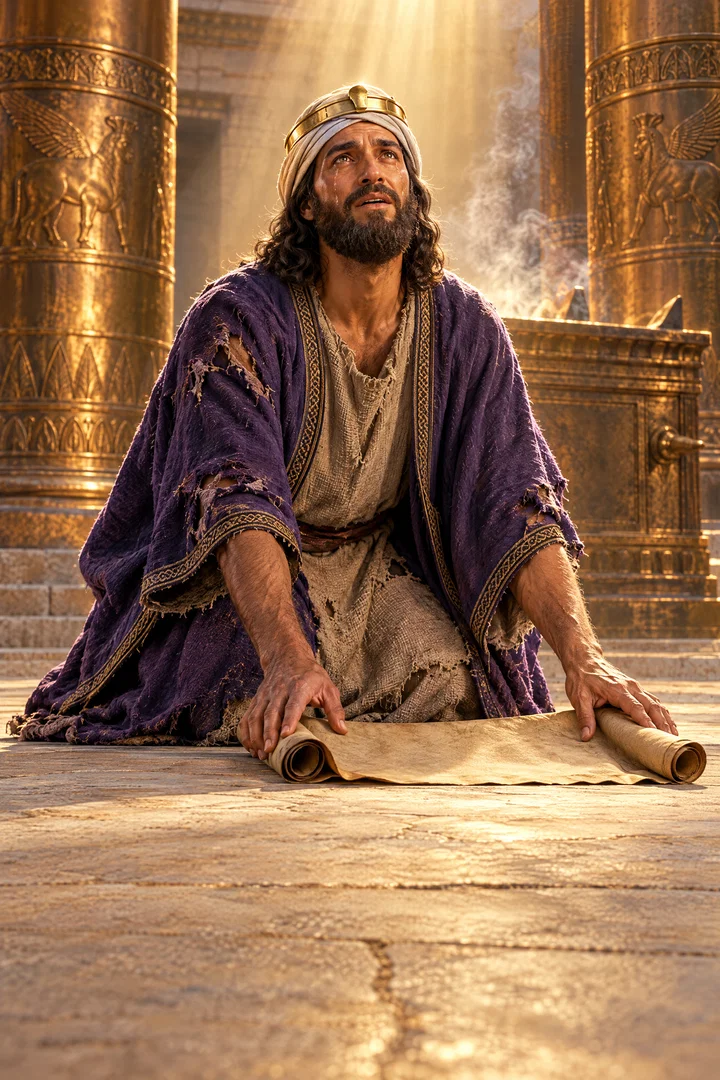
He spread Rabshakeh's letter before the Lord, alone before God, bowed down and humbled.RH Jun 9, 1903RH Jun 9, 1903 In that posture he brought a specific need in prayer, pleading for Jerusalem where His covenant people dwell and pointing to God's insulted honor and denied power while asking God to spare His own consecrated city and chosen people.RH Jun 9, 1903RH Jun 9, 1903
In answer to the prayers of Hezekiah and Isaiah, two faithful men of God, the Lord turned back Sennacherib with his mighty army despite proud boasting.RH Oct 3, 1912RH Nov 14, 1912RH Nov 12, 1914RH Jul 15, 1862RH Dec 18, 1913 He defended Israel without their help by sending an angel who in one night slew 185,000 Assyrians, so the besieging army perished around Jerusalem.RH Apr 21, 1868RH Nov 14, 1912RH Nov 12, 1914RH Jul 15, 1862RH Dec 18, 1913 Hezekiah prayed and the army was struck down, and that overwhelming military power forms the setting for the earnest plea for help and the deliverance that followed.RH Nov 14, 1912RH Jul 15, 1862RH Dec 18, 1913 One account specifies that God answered Isaiah and Hezekiah by striking down the 185,000 in twelve hours.ST Sep 5, 1900
The record of Sennacherib's invasion shows Isaiah 30:33 was not fulfilled in that destruction of the Assyrian army.RH Jun 15, 1869 The angel slew the 185,000 while the host was with the king at Libnah and not in the valley of Tophet near Jerusalem.RH Jun 15, 1869 The king himself was not destroyed there but returned to his own land and died there.RH Jun 15, 1869
The verse proves God always hears sincere individual prayer but especially honors united and whole-hearted seeking with great blessing.RH Oct 3, 1912 It teaches confidence in God, that dependence on Him is far preferable to dependence on human wisdom or human strength, and that His power, His will, His providence, and His promises are all for those who love Him and put their trust in Him.RH Oct 3, 1912 The greatest victories for the church and the individual Christian are not gained by talent or education, by wealth or human favor, but in the audience chamber with God when earnest, agonizing prayer lays hold upon the mighty arm of power.RH Nov 12, 1914 The same power is promised to those who live in the last days, when times more troublous than any in past history are near and great victories will be gained by God's people in the closing of the work as they walk by faith in His promises alone with no human help nigh.RH Nov 12, 1914
Frail and weak man by a momentary breath of prayer can touch a lever that moves the world and take for ally the King that rules kings.ST Prayer asked according to God's will is heard, for prayer is a creature's strength and breath and being, the golden key opening mercy, the slender nerve moving omnipotence to good.RH Nov 12, 1914ST Asked according to God's will, Hezekiah's prayer in utter helplessness and with all earnestness of soul, acknowledging the power that had destroyed the nations while pleading that God would vindicate His own cause and put to flight the Assyrian army whose leader had boldly and blasphemously defied the God of Israel, was heard with the result that the angel smote a hundred fourscore and five thousand in the camp of the Assyrians.ST
Sources