2 Kings 19:18
And have cast their gods into the fire: for they were no gods, but the work of men’s hands, wood and stone: therefore they have destroyed them.
Translations
American King James Version, King James Version
And have cast their gods into the fire: for they were no gods, but the work of men’s hands, wood and stone: therefore they have destroyed them.
and have cast their gods into the fire: for they were no gods, but the work of men’s hands, wood and stone: therefore they have destroyed them.
And have cast their gods into the fire: for they were no gods, but the work of men's hands, wood and stone: therefore they have destroyed them.
and have cast their gods into the fire: for they were no gods, but the work of men’s hands, wood and stone; therefore they have destroyed them.
and have cast their gods into the fire; for they were no gods, but the work of men’s hands, wood and stone; therefore they have destroyed them.
and have put their gods into fire, for they [are] no gods, but work of the hands of man, wood and stone, and destroy them.
and have cast their gods into the fire; for they were no gods, but the work of men's hands, wood and stone; therefore have they destroyed them.
and have put their gods in the fire,—for, no-gods, were, they, but the work of the hands of men—wood and stone, and so they destroyed them.
Berean Standard Bible, Majority Standard Bible
They have cast their gods into the fire and destroyed them, for they were not gods, but only wood and stone— the work of human hands.
and have cast their gods into the fire; for they were no gods, but the work of men’s hands, wood and stone. Therefore they have destroyed them.
And have given their gods to the fire; for they were no gods, but wood and stone, the work of men's hands; so they have given them to destruction.
And haue set fire on their gods: for they were no gods, but the worke of mans hands, euen wood and stone: therefore they destroyed them.
Douay-Rheims (Challoner revision)
And they have cast their gods into the fire: for they were not Rods, but the works of men’s hands of wood and stone, and they destroyed them.
Pictures
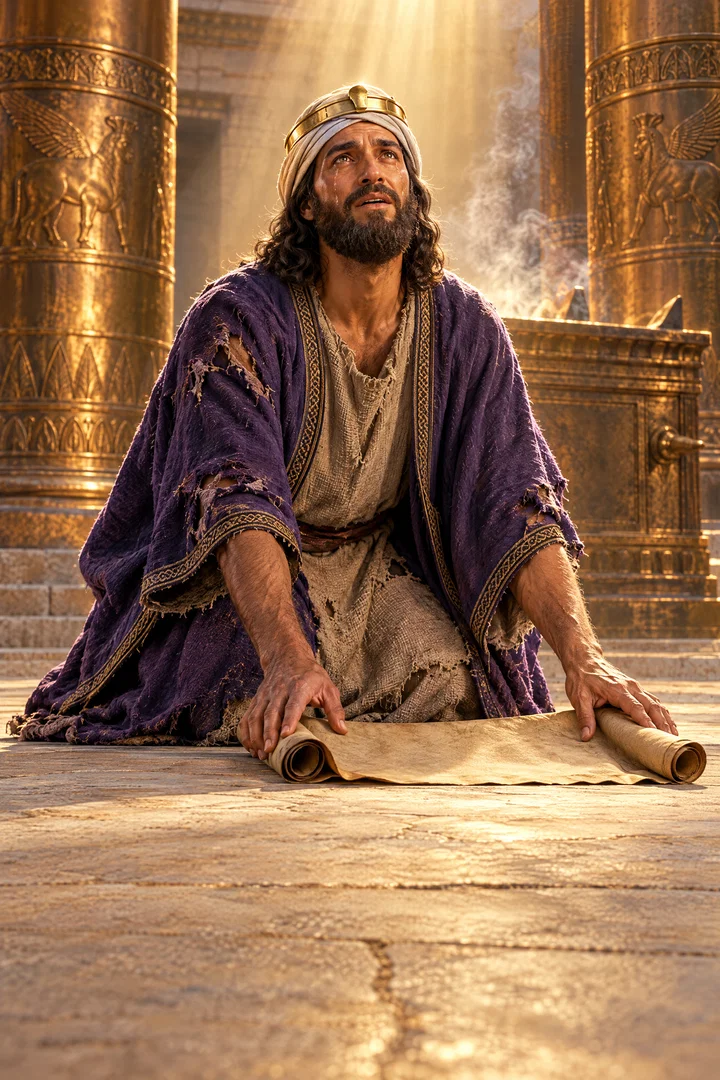
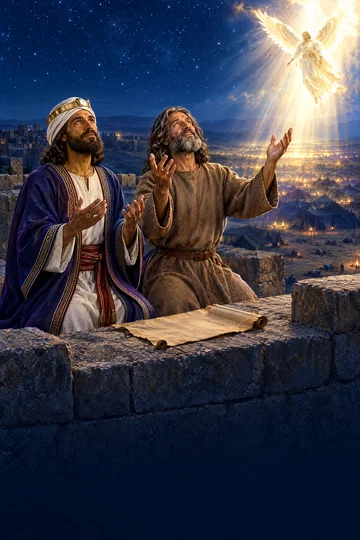
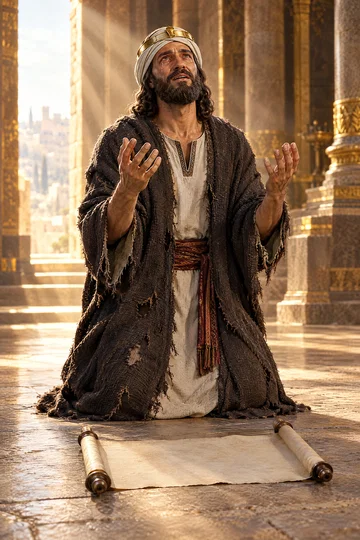
Cross-references
- Isaiah 37:19
And have cast their gods into the fire: for they were no gods, but the work of men’s hands, wood and stone: therefore they have destroyed them.
Both describe idols as man-made gods destroyed by fire.
- Jeremiah 10:11-12
Thus shall ye say unto them, The gods that have not made the heavens and the earth, even they shall perish from the earth, and from under these heavens.
Contrasts the Creator with gods that did not make heaven and earth.
- 1 Chronicles 16:26
For all the gods of the people are idols: but the LORD made the heavens.
Contrasts the Lord who made the heavens with the peoples’ idols.
- 2 Kings 19:10-13
Thus shall ye speak to Hezekiah king of Judah, saying, Let not thy God in whom thou trustest deceive thee, saying, Jerusalem shall not be delivered into the hand of the king of Assyria.
Sennacherib’s threats prompt Hezekiah’s prayer for deliverance.
- Isaiah 37:36
Then the angel of the LORD went forth, and smote in the camp of the Assyrians a hundred and fourscore and five thousand: and when they arose early in the morning, behold, they were all dead corpses.
The angel strikes and destroys the Assyrian army.
- Psalms 115:4-8
Their idols are silver and gold, the work of men’s hands.
Both describe idols made by human hands as powerless.
- Isaiah 36
Now it came to pass in the fourteenth year of king Hezekiah, that Sennacherib king of Assyria came up against all the defenced cities of Judah, and took them.
The passage says this chapter is the same as 2 Kings 19.
- 2 Chronicles 32:19
And they spake against the God of Jerusalem, as against the gods of the people of the earth, which were the work of the hands of man.
The Assyrians treat Jerusalem’s God as a human-made idol.
- Isaiah 44:9-20
They that make a graven image are all of them vanity; and their delectable things shall not profit; and they are their own witnesses; they see not, nor know; that they may be ashamed.
Wooden and stone idols are human-made and powerless, not gods.
- 2 Chronicles 32:20-21
And for this cause Hezekiah the king, and the prophet Isaiah the son of Amoz, prayed and cried to heaven.
Hezekiah and Isaiah pray, and God destroys the Assyrian forces.
- Acts 17:24
God that made the world and all things therein, seeing that he is Lord of heaven and earth, dwelleth not in temples made with hands;
Proclaims God as Creator and Lord, unlike gods made by human hands.
- Acts 14:15
And saying, Sirs, why do ye these things? We also are men of like passions with you, and preach unto you that ye should turn from these vanities unto the living God, which made heaven, and earth, and the sea, and all things that are therein:
Both reject idols as human works and turn people to the living Creator.
- 1 Kings 18:24-39
And call ye on the name of your gods, and I will call on the name of the LORD: and the God that answereth by fire, let him be God. And all the people answered and said, It is well spoken.
The LORD answered Elijah’s prayer with fire, proving he alone is God.
- 2 Kings 19:14
And Hezekiah received the letter of the hand of the messengers, and read it: and Hezekiah went up into the house of the LORD, and spread it before the LORD.
Spreading the letter before the Lord sets up Hezekiah’s words.
Commentary
Each commentary is drawn from primary sources: the writings of Ellen G. White and Adventist pioneers and periodicals. Each commentary is separate. Its own words are not a quotation; follow the references to read the source passages.
Ellen G. White
2 sources
The verse belongs to Hezekiah's prayer in the temple after spreading Sennacherib's taunting letter before the Lord, when with strong faith he prayed for help from heaven and admitted the truth in the Assyrian boast.RH May 27, 1915 He acknowledged that the kings of Assyria had indeed destroyed the nations and their lands and had cast their gods into the fire.RH May 27, 1915PK 355.2–359.1 He explained that this was possible because those gods were no gods but human-made idols of wood and stone, and therefore destructible, with their burning by fire demonstrating their powerlessness.RH May 27, 1915PK 355.2–359.1 He said this to set those helpless idols apart from the living God of the Hebrews, who still lives and reigns and alone could bring deliverance to Judah, with His honor at stake.RH May 27, 1915PK 355.2–359.1 He pleaded for rescue so that all the kingdoms of the earth might know that He alone is the Lord God.RH May 27, 1915PK 355.2–359.1
Sources
Pioneers and periodicals
16 sources
Hezekiah spoke these words in prayer in the temple after spreading Sennacherib's taunting letter before the Lord and pleading in strong faith for heaven's help to vindicate God's cause against the Assyrian siege.RH May 27, 1915RH Nov 14, 1912RH Dec 18, 1913 He admitted the truth in Sennacherib's boast that Assyria had laid waste the nations and cast their gods into the fire, because those gods were no gods but powerless works of men's hands, wood and stone that could be burned and could not save their worshipers.RH May 27, 1915ST Feb 25, 1875RH Mar 18, 1875ST Jun 21, 1905ST Jun 28, 1905 He said this to set those helpless idols apart from the living God of the Hebrews who made heaven and earth, whose honor was at stake and who alone could deliver Jerusalem so that all kingdoms might know He is Lord God alone.RH May 27, 1915ST Feb 25, 1875RH Mar 18, 1875 His earnest, humble pleading was heard, and God without Israel's strength sent His angel in one night to smite 185,000 in the Assyrian camp and turn back the proud, nearly victorious army to destruction, though those who connect the slaughter with Isaiah's prayer number the slain as 184,000.RH Oct 3, 1912RH Apr 21, 1868RH Nov 14, 1912ST The deliverance shows the power of united, dependent prayer over human wisdom and strength, and the same exposure of dumb idols of wood and stone still rebukes modern idol worship that bows and prays to images that cannot help.RH Oct 3, 1912RH Dec 22, 1859RH Jul 22, 1915
Context and Meaning
The verse belongs to the history of the remaining kingdom of Judah after the ten tribes had been swept away, in the period covered by 2 Kings 18-25.ST Dec 9, 1897 It is part of the account of Sennacherib's invasion of Palestine and siege of Jerusalem, a history also recorded in 2 Chronicles 32 and Isaiah 37 and described on Sennacherib's cylinder as historical confirmation.RH Jun 15, 1869 It is spoken by Hezekiah in the temple in prayer after spreading Sennacherib's taunting, threatening letter before the Lord, praying with strong faith for help from heaven in trouble and pleading for God to vindicate His cause against the Assyrian army.RH May 27, 1915RH Nov 14, 1912RH Dec 18, 1913
In the verse Hezekiah admits the truth in Sennacherib's boast that the kings of Assyria had indeed destroyed the nations and their lands and thrown their gods into the fire.RH May 27, 1915ST Jun 28, 1905 The gods of the nations were no gods but powerless, human-made idols of wood and stone, so they could be burned and destroyed and could not deliver their worshipers.ST Feb 25, 1875RH Mar 18, 1875ST Jun 21, 1905RH Jul 22, 1915ST Jun 28, 1905 Their destruction by fire exposed that they were not true gods.ST Feb 25, 1875ST Jun 21, 1905
Hezekiah states this to set those helpless idols apart from the living God of the Hebrews who still lives and reigns, whose honor was at stake and who alone could bring deliverance.RH May 27, 1915 He identifies the Lord as the one true God because He made heaven and earth, which establishes His existence and authority.ST Feb 25, 1875RH Mar 18, 1875 He pleads for rescue so that all the kingdoms of the earth might know that He is the Lord God alone.RH May 27, 1915
Prayer and Deliverance
Hezekiah prayed in utter helplessness yet with all earnestness of soul, retiring alone to bow before God and humble himself in true pleading.ST Spreading Sennacherib's letter before the Lord, he pointed to God's insulted honor and denied power and to Jerusalem where His covenant people dwelt.RH Dec 18, 1913 He asked the Lord to spare His consecrated city and chosen people and to vindicate His cause by putting the Assyrian army to flight, because its leader had boldly and blasphemously defied the God of Israel.RH Dec 18, 1913ST Earnest pleading with God and earnest seeking of Him together preceded the turning back of Sennacherib to destruction.RH Oct 3, 1912RH Nov 14, 1912 Despite his mighty army and proud boasting, and when that army was nearly victorious, prayer changed the natural course of events and brought deliverance.RH Oct 3, 1912
The prayer was heard and was followed by defeat of the besieging army through God's action and not Israel's strength.RH Apr 21, 1868 An angel fought for Israel without their help and smote a hundred fourscore and five thousand, 185,000, in the camp of the Assyrians in one night.RH Apr 21, 1868ST In this the doom of thousands of enemies was sealed, and one messenger of the Lord was sufficient to do the work.ST The Assyrian threat is also connected with Isaiah's prayer, with which the death of 184,000 Assyrians is associated.RH Aug 1, 1871
The account stands as an example of the power of prayer and of God blessing those who seek Him together.RH Oct 3, 1912RH Dec 22, 1859 It teaches that dependence on God is far preferable to dependence on human wisdom or human strength. It teaches confidence in God, because His power, will, providence, and promises are all for those who love and trust Him.
Prophecy and Application
The destruction of Sennacherib's host belongs to the history recorded in 2 Kings 18-19, 2 Chronicles 32, and Isaiah 37.RH Jun 15, 1869 In that history the angel slew the 185,000 men while the Assyrian force was with the king at Libnah rather than in the valley of Hinnom near Jerusalem.RH Jun 15, 1869 The king himself was not destroyed there but returned to his own land and died there.RH Jun 15, 1869 Therefore the Tophet ordained of old and prepared for the king in Isaiah 30:33 was not fulfilled in the destruction of the Assyrian army.RH Jun 15, 1869 It remains the future gehenna of fire prepared for Satan and the wicked.RH Jun 15, 1869
The helplessness of gods of wood and stone exposes modern idolatry.RH Jul 22, 1915 The Japanese prove this, for while greatly enlightened in the things of this world they are in great darkness as regards the truth of God and bow down to dumb idols, and but few have found the light.RH Jul 22, 1915 Thousands flock to the temples to bow at the shrines before these gods of wood and stone, mumbling prayers and casting offerings into a great receptacle.RH Jul 22, 1915 Sick and weakly persons rub the part of an aged god's body corresponding to their own diseased part and then pass the hand over their own body, and others worship another god enclosed in a wire cage by tying written prayers to the cage.RH Jul 22, 1915 The people need to be taught a better way.RH Jul 22, 1915
Sources