Isaiah 37:19
And have cast their gods into the fire: for they were no gods, but the work of men’s hands, wood and stone: therefore they have destroyed them.
Translations
American King James Version, King James Version
And have cast their gods into the fire: for they were no gods, but the work of men’s hands, wood and stone: therefore they have destroyed them.
and have cast their gods into the fire: for they were no gods, but the work of men’s hands, wood and stone: therefore they have destroyed them.
And have cast their gods into the fire: for they were no gods, but the work of men's hands, wood and stone: therefore they have destroyed them.
Revised Version, American Standard Version
and have cast their gods into the fire: for they were no gods, but the work of men’s hands, wood and stone; therefore they have destroyed them.
so as to put their gods into fire — for they [are] no gods, but work of the hands of man, wood and stone — and they destroy them.
and have cast their gods into the fire; for they were no gods, but the work of men's hands, wood and stone; and they have destroyed them.
and have put their gods in the fire,—for, no-gods, were they, but the work of the hands of men wood and stone and so they destroyed them.
Berean Standard Bible, Majority Standard Bible
They have cast their gods into the fire and destroyed them, for they were not gods, but only wood and stone— the work of human hands.
and have cast their gods into the fire; for they were no gods, but the work of men’s hands, wood and stone; therefore they have destroyed them.
And have given their gods to the fire: for they were no gods, but wood and stone, the work of men's hands; so they have given them to destruction.
And haue cast their gods in ye fire: for they were no gods, but the worke of mans hands, euen wood or stone: therefore they destroyed them.
Douay-Rheims (Challoner revision)
And they have cast their gods into the fire, for they were not gods, but the works of men’s hands, of wood and stone: and they broke them in pieces.
Pictures
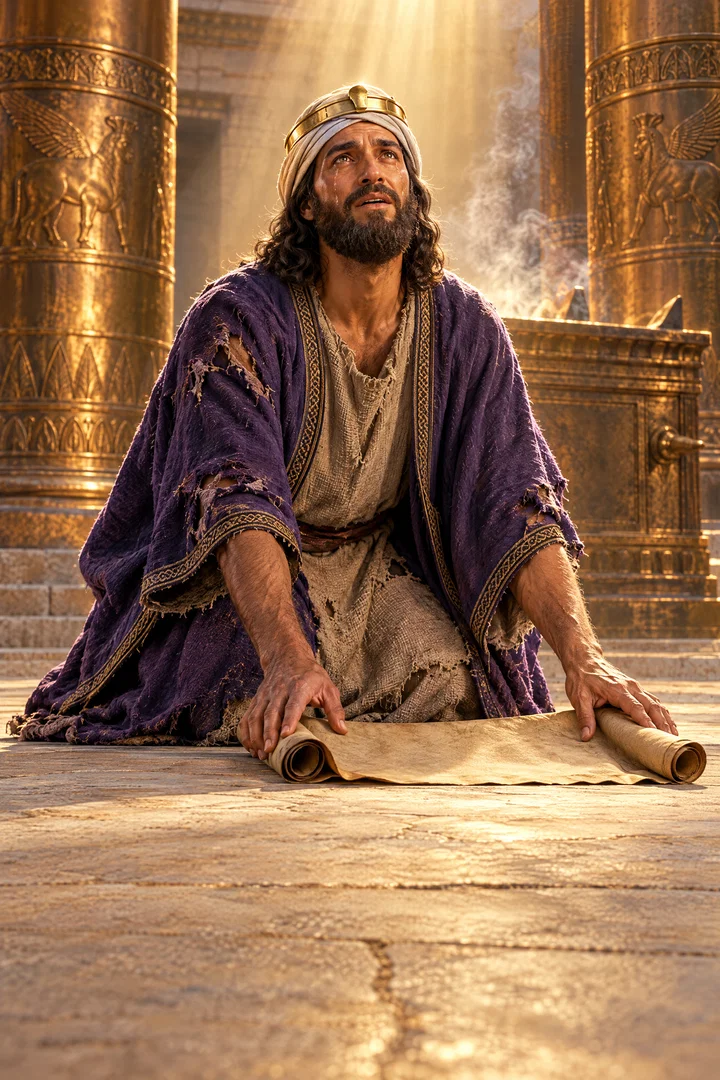
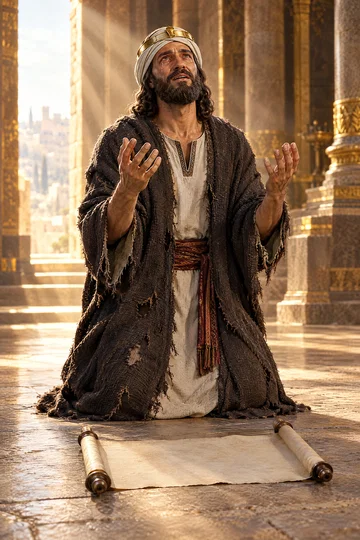
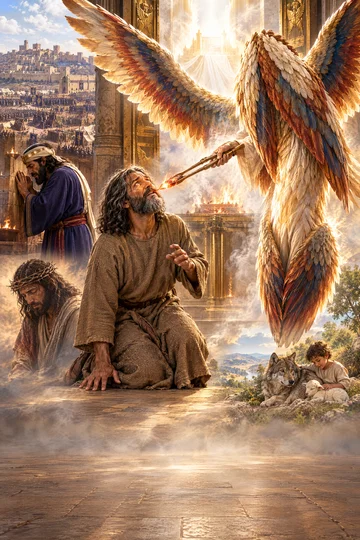
Cross-references
- 2 Kings 19:18
And have cast their gods into the fire: for they were no gods, but the work of men’s hands, wood and stone: therefore they have destroyed them.
Both texts say the nations’ gods were human-made objects, not true gods.
- 2 Chronicles 32:20-21
And for this cause Hezekiah the king, and the prophet Isaiah the son of Amoz, prayed and cried to heaven.
Hezekiah and Isaiah prayed, and God destroyed the Assyrian army.
- Isaiah 36:18-20
Beware lest Hezekiah persuade you, saying, The LORD will deliver us. Hath any of the gods of the nations delivered his land out of the hand of the king of Assyria?
Rabshakeh claims no god can deliver a land from Assyria.
- Jeremiah 10:11-12
Thus shall ye say unto them, The gods that have not made the heavens and the earth, even they shall perish from the earth, and from under these heavens.
Contrasts lifeless idols with the living God who made the earth.
- 2 Chronicles 32:19
And they spake against the God of Jerusalem, as against the gods of the people of the earth, which were the work of the hands of man.
Both texts contrast Jerusalem’s God with idols made by human hands.
- 2 Kings 19:7
Behold, I will send a blast upon him, and he shall hear a rumour, and shall return to his own land; and I will cause him to fall by the sword in his own land.
Cited in the account of the Assyrian king and army.
- 2 Kings 19:35
And it came to pass that night, that the angel of the LORD went out, and smote in the camp of the Assyrians an hundred fourscore and five thousand: and when they arose early in the morning, behold, they were all dead corpses.
The angel strikes down 185,000 Assyrians during the invasion.
- 2 Kings 19:36-37
So Sennacherib king of Assyria departed, and went and returned, and dwelt at Nineveh.
Shows the king returned to his land and died there.
Commentary
Each commentary is drawn from primary sources: the writings of Ellen G. White and Adventist pioneers and periodicals. Each commentary is separate. Its own words are not a quotation; follow the references to read the source passages.
Ellen G. White
1 source
Isaiah 37:19 stands within the larger account of Hezekiah's response to the Assyrian threat.Lt 93, 1900, par. 9 That setting makes the verse inseparable from a crisis in which the king and the nation faced overwhelming military pressure and open defiance of God.Lt 93, 1900, par. 9 The example left by Hezekiah in this chapter is to pour out the soul before God in humility, fasting, and prayer.Lt 93, 1900, par. 9 It also teaches constant spiritual readiness, so that sudden calamity finds the heart already humbled and seeking divine help rather than unprepared.Lt 93, 1900, par. 9
Sources
Pioneers and periodicals
17 sources
The verse contrasts the living God, Creator and ruler, with idols that were no gods but only human-made things of wood and stone that could be thrown into the fire and burned up, and their destruction proved their powerlessness.RH Jul 6, 1916ST Jan 4, 1916ST Jun 21, 1905 It was spoken when the king of Assyria came up in the reign of Hezekiah and threatened Jerusalem, with Sennacherib blasphemously claiming that Jerusalem's God was like the helpless gods of the other nations.ST Jun 1, 1876ST Oct 6, 1909ST Jan 4, 1916ST Jun 21, 1905 It belongs to Hezekiah's prayer, joined by Isaiah, for deliverance when the mighty Assyrian army threatened and besieged Jerusalem, in which he spread the taunting letter out before the Lord and appealed to God's insulted honor and denied power to defend His own cause rather than meeting the enemy in human strength.ST Oct 6, 1909ST Jun 7, 1883ST Oct 6, 1887RH Dec 22, 1859ST God heard and delivered the city by His angel, with one messenger and an invisible hand destroying 185,000 men of the invading army in a single night so that the mightiest host perished in the trenches.ST Oct 6, 1909ST Jun 7, 1883RH Dec 22, 1859ST It shows that a powerful majority has no power to prevail against God, and that one standing alone for right with God with him is not alone but has the majority.ST Jun 1, 1876ST Jun 7, 1883RH Dec 16, 1862
Context and Meaning
Isaiah 37:19 belongs to Isaiah 36-39, the part of Isaiah dealing with Hezekiah.ST Jun 7, 1910 The thirty-seventh chapter of Isaiah is alike to the nineteenth chapter of 2 Kings.RH Sep 16, 1909ST Sep 12, 1895 It parallels 2 Kings 19 with considerable verbal difference in wording.RH Mar 11, 1875
The verse belongs to the history during the reign of Hezekiah when the king of Assyria came up and threatened Jerusalem and the land.ST Jun 1, 1876ST Oct 6, 1909 That threat was met by Hezekiah's humility, by God's message to him through the prophet, and by the Lord's wonderful deliverance from the power of Assyria by His angel.ST Oct 6, 1909 Its setting is Sennacherib's blasphemous claim that Jerusalem's God was like the powerless gods of other nations.ST Jun 21, 1905 As a historical record Isaiah 37 describes Sennacherib's campaign as distinguished from the campaign described in Isaiah 10.ST Jan 4, 1916
The verse contrasts the living God, Creator and ruler, with idols that were no gods but merely human-made objects of wood and stone.RH Jul 6, 1916ST Jan 4, 1916ST Jun 21, 1905ST Apr 23, 1912 Because they were only wood and stone they could be cast into the fire and burned and destroyed.RH Jul 6, 1916ST Jan 4, 1916ST Apr 23, 1912 Their destruction exposed their powerlessness and showed that they were no gods.ST Jun 21, 1905ST Apr 23, 1912
Prayer and Deliverance
The verse belongs to Hezekiah's prayer, joined by Isaiah, asking God for deliverance and protection when the mighty hostile army of Assyria under Sennacherib threatened and besieged Jerusalem.ST Oct 6, 1909ST Oct 6, 1887RH Dec 22, 1859ST Sep 5, 1900 It was met by Hezekiah's humility and by God's message to him through the prophet.ST Oct 6, 1909 After he prayed, the answer came in the destruction of the besieging host.RH Dec 22, 1859ST Sep 5, 1900
In that prayer Hezekiah spread the taunting, insulting letter out before the Lord.ST Jun 7, 1883 He appealed to God's honor, which had been insulted, and to God's power, which had been denied, and pleaded for God to defend His own cause against defiance.ST This gives the example of crying to the Lord for protection against enemies and depending on God rather than opposing them in human strength, since prayer and dependence on God are preferable to reliance on human strength.ST Oct 6, 1887
Hezekiah trusted God to vindicate His power and promises, and God bore witness to Assyria that He is God above all and delivered Israel.ST Jun 1, 1876ST Dec 29, 1887 God heard him and delivered the city by His angel, with an invisible hand, and one messenger was enough to deliver the city, so that the mightiest army to besiege the city perished in the trenches.ST Oct 6, 1909RH Dec 22, 1859
God answered by destroying 185,000 men of the invading Assyrian army in a single night when Sennacherib's army threatened Jerusalem.ST Jun 7, 1883ST Those who reckon it as twelve hours hold that the prayer was answered when 185,000 Assyrians died in twelve hours, showing the wonder-working power of prayer.ST Sep 5, 1900 The chapter shows that a powerful majority has no power to prevail against God, and that a person standing alone in opposition to wrong with God with him is not really alone but has a majority, with Isaiah and Hezekiah as examples of overcoming enemies through faith and the spiritual gifts given to God's people that Christians could follow if they had retained that faith and those gifts.ST Jun 1, 1876ST Jun 7, 1883RH Dec 16, 1862
Sources