Daniel 1:15
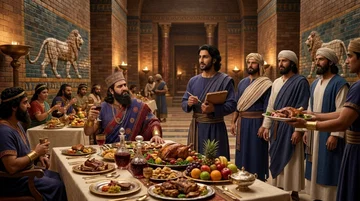
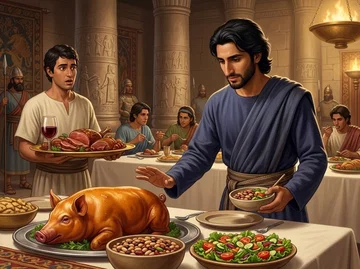
And at the end of ten days their countenances appeared fairer and fatter in flesh than all the children which did eat the portion of the king’s meat.
Translations
American King James Version, King James Version, KJV Cambridge Paragraph Bible
And at the end of ten days their countenances appeared fairer and fatter in flesh than all the children which did eat the portion of the king’s meat.
And at the end of ten days their countenances appeared fairer and fatter in flesh than all the children who ate the portion of the king's provision.
And at the end of ten days their countenances appeared fairer, and they were fatter in flesh, than all the youths which did eat of the king’s meat.
And at the end of ten days their countenances appeared fairer, and they were fatter in flesh, than all the youths that did eat of the king’s dainties.
and at the end of ten days their appearance hath appeared better and fatter in flesh then any of the lads who are eating the king's portion of food.
And at the end of ten days their countenances appeared fairer and were fatter in flesh than all the youths that ate of the king's delicate food.
and, at the end of ten days, their countenances appeared more comely, and fatter in flesh,—than any of the youths who had been eating the delicacies of the king.
Berean Standard Bible, Majority Standard Bible
And at the end of ten days, they looked healthier and better nourished than all the young men who were eating the king’s food.
At the end of ten days, their faces appeared fairer and they were fatter in flesh than all the youths who ate of the king’s delicacies.
And at the end of ten days their faces seemed fairer and they were fatter in flesh than all the young men who had their food from the king's table.
And at the end of ten dayes, their countenances appeared fayrer, and in better liking then all the childrens, which did eate the portion of the Kings meate.
Douay-Rheims (Challoner revision)
And after ten days their faces appeared fairer and fatter than all the children that ate of the king’s meat.
Pictures

Cross-references
- Daniel 1:20
And in all matters of wisdom and understanding, that the king enquired of them, he found them ten times better than all the magicians and astrologers that were in all his realm.
Their faithful diet preceded wisdom and understanding ten times greater than their peers’.
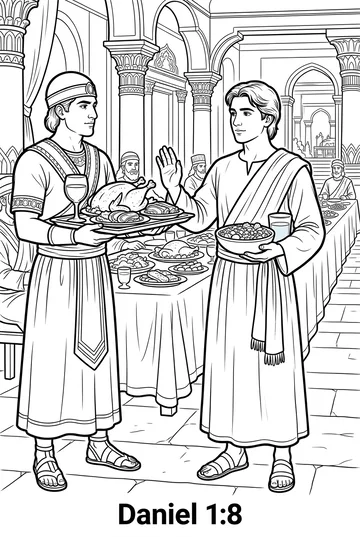
- Daniel 1:8
But Daniel purposed in his heart that he would not defile himself with the portion of the king’s meat, nor with the wine which he drank: therefore he requested of the prince of the eunuchs that he might not defile himself.
Daniel’s refusal of the king’s food leads to the test and its vindication.
- Leviticus 11
And the LORD spake unto Moses and to Aaron, saying unto them,
The chosen diet avoided meats forbidden by God’s law.
- Daniel 1:9
Now God had brought Daniel into favour and tender love with the prince of the eunuchs.
God gave favor for obedience
- Daniel 1:19
And the king communed with them; and among them all was found none like Daniel, Hananiah, Mishael, and Azariah: therefore stood they before the king.
Their obedience and training leave them without rival before the king.
- Daniel 1:10
And the prince of the eunuchs said unto Daniel, I fear my lord the king, who hath appointed your meat and your drink: for why should he see your faces worse liking than the children which are of your sort? then shall ye make me endanger my head to the king.
The officer feared the king’s response to the diet test and compared Daniel’s group with other trainees.
- Daniel 1:3
And the king spake unto Ashpenaz the master of his eunuchs, that he should bring certain of the children of Israel, and of the king’s seed, and of the princes;
shows Chaldeans already ate rich food
- Ezekiel 14:14
Though these three men, Noah, Daniel, and Job, were in it, they should deliver but their own souls by their righteousness, saith the Lord GOD.
Daniel is named as an example of righteousness.
- Daniel 1:4
Children in whom was no blemish, but well favoured, and skilful in all wisdom, and cunning in knowledge, and understanding science, and such as had ability in them to stand in the king’s palace, and whom they might teach the learning and the tongue of the Chaldeans.
establishes their prior health making change unnatural
- Daniel 1:6-7
Now among these were of the children of Judah, Daniel, Hananiah, Mishael, and Azariah:
Identifies Daniel and his companions during their training in Babylon.
- Genesis 1:29
And God said, Behold, I have given you every herb bearing seed, which is upon the face of all the earth, and every tree, in the which is the fruit of a tree yielding seed; to you it shall be for meat.
A vegetable diet is vindicated by a ten-day trial.
- Leviticus 11:47
To make a difference between the unclean and the clean, and between the beast that may be eaten and the beast that may not be eaten.
king's meat included meats Moses called unclean
- Daniel 11:26
Yea, they that feed of the portion of his meat shall destroy him, and his army shall overflow: and many shall fall down slain.
Uses the same term for the king’s rich food.
Commentary part 1 of 2
Each commentary is drawn from primary sources: the writings of Ellen G. White and Adventist pioneers and periodicals. Each commentary is separate. Its own words are not a quotation; follow the references to read the source passages.
Ellen G. White
139 sources
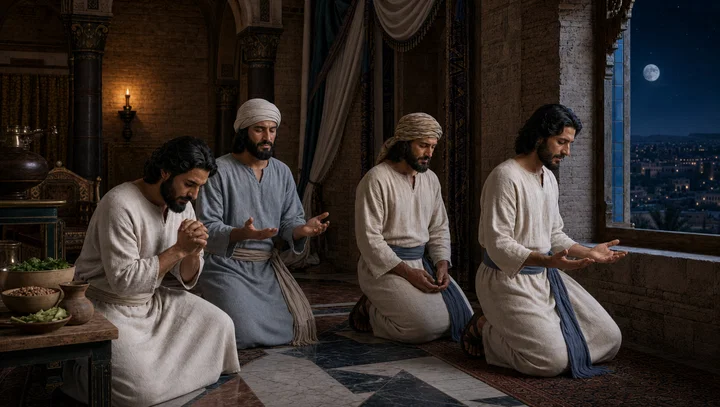
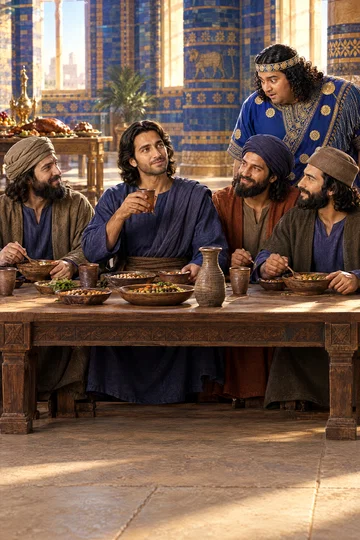
At the end of ten days on pulse and water of their own choosing instead of the king's rich food and wine, Daniel, Hananiah, Mishael and Azariah looked fairer and fatter in flesh, healthier and better nourished, than all the youths who ate the portion of the king's meat.CTBH 25.5–26.2ST Mar 2, 1882RH Feb 10, 1910 They had asked for this trial after purposing not to defile themselves, because the royal provisions included meats forbidden by the law of Moses, had been dedicated to idols, and with wine would cloud the mind and weaken body and spirit for God's service.CTBH 25.5–26.2CTBH 189.24MR 125.3–126.320MR 116.1–5 God honored their whole-souled determination to honor Him above king and life itself by giving them comeliness, strength, clear intellect and surpassing knowledge and wisdom.Ms 73, 1909, par. 1–6Lt 159, 1901, par. 16–18Ms 110, 1904, par. 40–47 The result vindicated their choice and proved that strict temperance in eating and drinking brings health of body, vigor of mind and fitness for duty.CTBH 25.5–26.2HSFM 209.6–210.2Ms 175, 1898, par. 3–4STMW9 60.1–2RH Feb 10, 1910 Their steadfast loyalty in this little test prepared them for greater trials, kept them uncorrupted as lights in Babylon, and stands as an example for youth today to subdue appetite and stand firm for principle.RH May 22, 1900Ms 186, 1907, par. 38–41Ms 2b, 1895, par. 25–26CTBH 23.2–3ST Jul 8, 1886
Setting and Trial
The verse belongs to the opening of the seventy years' captivity, when children of Israel were carried captive to Babylon, then the greatest kingdom in the world, to carry to its king and nobles the knowledge of the only true God, the Creator of heaven and earth.Ms 13, 1900, par. 7–10PK 479.1 There they were selected to learn the learning and tongue of the Chaldeans to stand in the king's palace, and the king appointed them his meat and wine.MYP 147.1SPBC 178.1 Their success was not to come by blessing without effort, but through sustained exertion, diligent study, and strenuous use of abilities and opportunities.MYP 147.1SPBC 178.1 Their faithful course under blessing would show the supremacy of heavenly wisdom over the learning of Babylon's highest schools.STE 221.1
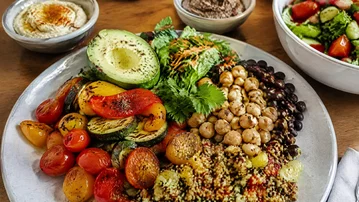
The four Hebrew youths were Daniel, Hananiah, Mishael, and Azariah.Ms 73, 1909, par. 1–6 Daniel purposed in his heart not to defile himself with the portion of the king's meat and wine.CTBH 25.5–26.2Ms 13, 1900, par. 7–10 He did not excuse compliance to please others and did not argue loudly, but humbly and courteously asked the prince of the eunuchs and Melzar, the officer in charge of the Hebrew youth, for the privilege of plain eating, gaining their confidence and favor.FE 79.2–80.1Ms 191, 1903, par. 21–23 His request was for pulse to eat and water to drink, resting on the belief that restraint in eating and drinking would keep mind clear and body fit for service, relying on God and seeking wisdom in prayer.CTBH 25.5–26.2Ms 13, 1900, par. 7–10Ms 132, 1901, par. 9–10 He asked that the matter be decided by ten days on simple food while their companions ate the king's dainties, with physical appearance to be examined, feeling assured his case was gained though only a youth because he had seen the injurious effects of wine and luxurious living upon physical and mental health.Ms 132, 1901, par. 9–10FE 79.2–80.1
Melzar feared that granting the request would bring the king's displeasure and endanger his own life.FE 79.2–80.1 He feared rigid abstinence would make them look worse, pale and sickly and deficient in muscular strength, while luxurious food from the king's table was thought, as by many at the present day, to make youth ruddy and beautiful and to promote physical and mental activity.CTBH 25.5–26.2FE 79.2–80.1 The expectation was that a restrained diet would make them pale and weak, contrary to what the ten days would show.BS 19.2–3CH 64.2ST Sep 28, 1882
Daniel and his companions were prepared for this test by earlier training in God's ways that had made them acquainted with God.Ms 5, 1909, par. 16Ms 56, 1895, par. 8 From childhood to youth they had received strict temperance training in Judean homes without wine and rich luxuries, learning that eating and drinking must conform to nature's laws because they directly affect the physical, mental, and moral nature.CTBH 23.2–3Ms 110, 1904, par. 9 Their minds had been stored with pure, sound, honest principles, with truth engraved upon the tablets of the soul and memory stored with precious truths of the Word.Ms 56, 1895, par. 8 Though only dimly comprehended before, those truths flashed out in time of need like concealed treasure and newly discovered jewels revealing all their beauty, keeping their blood healthy and leaving no trace of weakness or dullness in mind or body.Ms 56, 1895, par. 8Ms 110, 1904, par. 9 That home training in the hills of Judea prepared Daniel to stand loyal to God under trial and to remain faithful as a student and representative of his religion in Babylon.Ms 140, 1906, par. 19–20Ms 110, 1904, par. 25–28
Result After Ten Days
At the end of ten days on pulse and water and other simple food of their own choosing instead of the king's rich food and wine, Daniel, Hananiah, Mishael and Azariah appeared fairer and fatter in flesh, healthier and better nourished, than all the children which ate the portion of the king's meat.CTBH 25.5–26.2ST Mar 2, 1882RH Feb 10, 1910HSFM 209.6–210.2Ms 33, 1909, par. 1–8 After ten days of refusing the king's food and wine and eating according to their chosen course, their fair countenances and healthy appearance testified to the benefits of temperate habits and obedience to God's natural and moral law.ST Mar 2, 1882RH Feb 10, 1910HSFM 209.6–210.2Ms 33, 1909, par. 1–8Ms 73, 1909, par. 1–6 What was eaten and drunk influenced the powers of the mind, so that careful diet gave healthful bodies and clear minds, while careless eating merely to gratify taste impaired the digestive organs and confused the brain so body and mind could not act as fully as God intended.Ms 73, 1909, par. 1–6 Their appearance vindicated their choice to abstain from spirituous drink and indulgence of perverted appetite, and proved Daniel's plan of banishing everything defiling from the diet, with power from above working in harmony with human effort.Ms 33, 1909, par. 1–8Ms 73, 1909, par. 1–6
The result was quite the opposite of what was feared, for rigid abstinence did not harm their appearance but improved it.CTBH 25.5–26.2FE 79.2–80.1Ms 31, 1901, par. 17 The ten-day test demonstrated that the chosen diet was wholesome and that they had made no mistake in adopting it and refusing the king's fare.RH Feb 10, 1910Ms 33, 1909, par. 10–11RH Feb 10, 1910Ms 33, 1909, par. 12 Their visible condition gave the authorities a higher opinion of them than of the other students and provided evidence of the value of strict adherence to right living.RH Feb 10, 1910 Their clear eyes and healthy appearance showed the physical benefit of their abstinence and served as a sign of their moral purity and steadfast obedience to God, and their refusal of indulgence when tempted was vindicated by superior health and appearance.STMW9 60.1–2Ms 31, 1901, par. 17
They were therefore allowed to continue their simple diet during the whole course of their training for the duties of the kingdom, and pulse and water became their continued food.CTBH 25.5–26.2PK 483.3–484.1FE 79.2–80.1 Melzar replaced the royal food and wine with pulse, the visible condition having confirmed the result of the dietary test.Ms 85, 1910, par. 15–17 The one in charge granted their continued request after they looked healthier and better nourished than all who ate the king's food.Ms 191, 1903, par. 21–23
Their fairer appearance was seen in erect form, firm elastic step, fair countenance showing uncorrupted blood, undimmed senses and untainted breath, which were certificates of good habits and insignia of the nobility with which nature honors those obedient to her laws.CTBH 26.3–27.2 After ten days their physical appearance was decidedly in their favor, fairer and fatter in flesh, with clear sparkling eyes and ruddy healthful glow, while in the youth who ate of the luxuries and drank of the wine the clear sparkle of the eye was gone and the ruddy healthful glow had disappeared from the countenance.Ms 47, 1898, par. 10–1320MR 116.1–5Lt 73, 1896, par. 50–53 Their simple diet kept their minds clear, free from the oppression caused by eating luxurious food, so they were better prepared for study and better prepared physically for taxing labor, never sick, able with clear minds to think and work vigorously, with strong bodies and marked superiority in physical activity, stamina and endurance.BS 20.1–2CH 64.3–65.1Ms 47, 1898, par. 10–13FE 79.2–80.1 Their better appearance went with greater physical activity and mental vigor, contrary to the expectation that the king's rich food would make them healthier.BS 20.1–2CH 64.3–65.1FE 79.2–80.1
Their countenances were a certificate of physical soundness and moral purity, proving that conscientiously refusing the stimulus of flesh and wine in self-denial and obedience to God's will brings His approval and keeps mind and character fit to honor Him by steadfast principle in all habits of life.20MR 116.1–5Lt 73, 1896, par. 50–53Ms 132, 1901, par. 12
Reasons For Refusing
The refusal came because the king's appointed meat and wine would defile them, for that provision included swine's flesh and other meats pronounced unclean by the law of Moses and forbidden to Jews, so they asked instead for simple pulse to eat and water to drink.CTBH 25.5–26.2CTBH 189.2ST Nov 4, 1889Ms 132, 1901, par. 11 They made that choice to preserve clear minds and strong bodies for God's service, practicing temperance and firm resistance to temptation while trusting God, and choosing simply prepared fruits and grains without wine or strong elements as food that does not defile the body.ST Nov 4, 1889Ms 132, 1901, par. 11Lt 112, 1909, par. 15–16 Their refusal kept them from the physical and mental weakness that yielding to appetite would have brought, and those who stand firm in this way receive God's approval and needed help and strength.ST Nov 4, 1889 Daniel controlled appetite in this and stood as a bold representative of pure hygiene and a man of God.CTBH 189.2
The king's food and wine had also been dedicated to idols, so that eating and drinking them, or even sitting at the king's table and accepting them, would implicate the captives in heathen worship, compromise faith and dishonor God.4MR 125.3–126.3Ms 122, 1897, par. 27–29 To partake would therefore dishonor God rather than merely break a rule of diet, because acceptance itself joined the eater to a false worship.4MR 125.3–126.3Ms 122, 1897, par. 27–29
They further believed wine could become an enticing snare, recalling that wine had confused the judgment of Nadab and Abihu, and therefore they abstained from spirituous liquor, fermented wine, intoxicating drinks, and indulgence of perverted appetite.Ms 33, 1909, par. 1–84MR 125.3–126.3RH Feb 10, 1910Ms 123, 1901, par. 11Ms 93, 1899, par. 16 The ten-day trial proved the advantage of temperance in eating and abstaining from fermented wine while Daniel was receiving his education, and their example teaches abstinence from intoxicating drinks with care in choosing and using food.Ms 33, 1909, par. 1–8RH Feb 10, 1910Ms 123, 1901, par. 11Ms 93, 1899, par. 16 Their healthful, abstemious diet on pulse and water proved better than the rich food and wine offered at the king's table.Ms 33, 1909, par. 1–8RH Feb 10, 1910Ms 123, 1901, par. 11
They had been taught that that class of rich food, highly flavored meats, flesh meats, meat of any kind, luxuries and stimulants would not keep mind and body in the best condition of health to do God's service, but would clog the mind, are difficult of digestion, oppress with variety, and weaken physical vigor, clear thinking and spiritual power and hinder giving glory to God.20MR 116.1–5Lt 141, 1896, par. 22SPBC 159.3CH 66.110MR 90.1–91.2 Daniel therefore governed appetite by sound reasoning from Christian temperance rather than impulse, regulating diet by the knowledge God had given for his benefit, keeping the food placed in the stomach under his own control, restricting even healthful food in quantity, not surfeiting with overeating, and cooperating with God to keep the stomach in healthful condition.20MR 116.1–5Lt 141, 1896, par. 22 Proper regard for articles of food keeps a healthful current of blood flowing through the veins and leaves mind and body in condition for hard, stern labor, and obedience in refusing flesh meat can be accompanied by His gifts of strength, wisdom and sound judgment.Lt 141, 1896, par. 22Lt 162, 1908, par. 14 One departure from principle in yielding to appetite could lead to further wrong choices and separation from God, while firmness showed God was the source of strength.CH 66.110MR 90.1–91.2
Lessons On Health
At the end of ten days their simple fare proved true temperance and its attendant blessing of health, exalted as an example in sacred history to be studied carefully.CTBH 25.5–26.2HSFM 209.6–210.2RH May 22, 1900Lt 42, 1900, par. 20 Strict temperance in all things and in eating and drinking brings success and present blessing, preserving physical powers and strengthening the mind for service to God.Ms 175, 1898, par. 3–4Ms 71, 1910, par. 1Lt 42, 1900, par. 20 Their firm resolve to follow these principles brought physical, mental, and spiritual benefit, and their integrity and firmness make the account an example of temperance and principled self-control.Ms 175, 1898, par. 3–4RH May 22, 1900 They had been educated to strict temperance for present and future good, because intelligence depends on what is eaten and drunk.Ms 71, 1910, par. 1 By refusing wine and the king's rich food they kept the course they had laid out as students to stand high in clear intellect and in clear presentation of matters that bring a knowledge of God and the truth, and their better-looking and healthier appearance proves the difference this self-discipline makes.Ms 71, 1910, par. 1
What is eaten and drunk affects the organs that make blood, the current of blood in the veins, the digestive organs, the brain and the powers of the mind.Ms 93, 1910, par. 3–4Ms 73, 1909, par. 1–6 Diet therefore influences bodily health and ability to excel in brain power and gain knowledge, with careful diet giving healthful bodies and clear minds.Ms 93, 1910, par. 3–4Ms 73, 1909, par. 1–6Ms 71, 1910, par. 1 Careless eating merely to gratify taste impairs the digestive organs and confuses the brain so body and mind cannot act as fully as intended.Ms 73, 1909, par. 1–6 Their simple diet kept minds clear, free from the oppression caused by luxurious food, so they were better prepared for study and better prepared physically for taxing labor, never sick, able with clear minds to think and work vigorously.Ms 47, 1898, par. 10–13 Clearness of mind and firmness of purpose and strength of intellect in acquiring knowledge were due in great degree to plainness of diet in connection with a life of prayer, building force of character and mental power.GW92 82.24T 515.4 Those who labor in God's cause must therefore be of keen feeling and quick perception, must be temperate in eating, must keep rich and luxurious food off their tables, and when the brain is constantly taxed and there is lack of physical exercise must eat sparingly even of plain food.GW92 82.24T 515.4
A plain diet without meat, wine and the king's luxuries gives better physical appearance and a clearer mind than a meat diet with great variety of food.20MR 116.6RH Feb 24, 1910Lt 162, 1908, par. 14 When children of faith dedicate themselves to God without reserve with earnest prayer in self-denial, He honors their faith and blesses them with a clear mind.20MR 116.6Lt 73, 1896, par. 50–53 Their countenances were a certificate of physical soundness and moral purity, showing approval of conscientious refusal of the stimulus of flesh and of wine and obedience in self-denial and steadfast principle in all habits of life, while in the youth who ate the luxuries and drank the wine the clear sparkle of the eye was gone and the ruddy healthful glow had disappeared.Lt 73, 1896, par. 50–53 In light of this history no human testimony for the advantages of a meat diet or of a great variety of food or of sweet desserts should have any weight, and wholesome food should be chosen instead.20MR 116.6Lt 73, 1896, par. 50–53 Health reform and an abstemious diet do not cause loss of physical strength but sustain it, preserving physical stamina and endurance for service to God.Ms 73, 1909, par. 1–6ST Mar 2, 1882MYP 242.1 This was proved by thirty years of living as simply as possible sustaining strength at age 82 through five months of constant labor in and out of the desk.Ms 73, 1909, par. 1–6
The experience teaches health reform, that choices about food are connected with physical well-being.6T 372.2RH Jun 11, 1914Ms 49, 1897, par. 7Ms 103, 1898, par. 8 It is a proved sum for all who desire right relation to God to study and repeat for themselves, showing faithfulness in health reform and temperance as part of honoring God and preserving the powers needed for service.Ms 73, 1909, par. 1–6Ms 175, 1898, par. 5 Refusing defiling food and wine brings freedom from irritable tempers and disturbed and confused minds, for God wants calm minds and even tempers for His people now.Ms 73, 1909, par. 7 Each person should do for himself what the Hebrew youth did and leave alone wine that excites and intoxicates, whose harmful results are seen all around.Ms 73, 1909, par. 7 Subduing the passions by simple eating that does not disturb the organism is part of laboring together with God and fighting for the kingdom, and perfecting Christian character here is necessary to enjoy eternal life, lest one be shut out of the courts of heaven.Ms 73, 1909, par. 9 Students in school should therefore be given food that will not disturb the human organism, and those who do not know how to provide such food must learn how.Ms 73, 1909, par. 9
Simple diet joined with fear of God, love of God, cheerful service, a clean conscience and cooperation with God, with proper use of the muscles and eating properly, keeps health and preserves health in children and youth.Ms 191, 1903, par. 21–23 That union gives a bright countenance and fitness for usefulness and duty.Ms 191, 1903, par. 21–23 Refusing food and drink that harm the body and using temperance preserves physical and mental powers, and strict temperance in eating and drinking helps maintain favorable physical condition and receive help from God by bringing life into harmony with His Word.Ms 180, 1901, par. 11–13Ms 42, 1904, par. 15–16
Faithfulness And Blessing
They were men as true as steel to principle who would not be corrupted by selfishness but would honor God at the loss of all things.PK 479.1 God's approval was dearer to them than the favor of the most powerful earthly ruler and dearer than life itself, and they determined to be true whatever the consequences and however men judged them, because God is the great Judge over all.FE 79.2–80.1Ms 2b, 1895, par. 25–26 Daniel would not depart from strictly temperate habits even with a plausible excuse, and by courteous conduct he obtained favor with Melzar, the officer in charge of the Hebrew youth.FE 79.2–80.1 Because Daniel was leader his influence decided the course of his three companions, and had he pleased himself instead they too would have failed.Ms 113, 1901, par. 19–234MR 129.1 Their earnest, whole-souled determination kept the mind clear and keen to comprehend instruction, for by eating and drinking as conscience directed, closing the door to temptation, denying appetite, and placing themselves in right relation to God, they were signally honored.Lt 159, 1901, par. 16–18Ms 113, 1901, par. 19–23
Their refusal involved a vital principle of loyalty to God in which there could be no compromise of light, no surrender of principle, no apostasy, and no letting an influence come between them and their Maker.Ms 2b, 1895, par. 25–26 To have complied with the demand to eat the king's meat and drink his wine would have meant surrender of principle, compromise of truth, and apostasy from God.Ms 2b, 1895, par. 25–26 Faithfulness to principle guarded their physical vigor, clearness of intellect, and spiritual power, whereas yielding to appetite would have weakened their sense of right and made further departures from principle more likely.BS 21.1
God honored their self-denial and obedience to physical and moral law with fairer appearance, strength and comeliness, and intellectual power.Lt 159, 1901, par. 16–18CTBH 26.3–27.2 At the end of ten days on pulse and water they looked healthier and better nourished than all the youths who ate the king's rich food and drank his wine, and what is eaten and drunk was thus shown to influence the powers of the mind.Ms 73, 1909, par. 1–6Ms 110, 1904, par. 40–47 The erect form, firm elastic step, fair countenance, undimmed senses and untainted breath were certificates of good habits and insignia of the nobility with which nature honors those obedient to her laws, proving that God always honors the right.CTBH 26.3–27.2 He gave them knowledge and skill in all learning and wisdom, making them ten times beyond the magicians and astrologers and better educated than any of the wise men in the whole realm, though they had been permitted to be taken captive to Babylon, then the greatest kingdom in the world, to carry to its king and nobles the knowledge of Him, the only true God, the Creator of heaven and earth.Ms 73, 1909, par. 1–6Lt 159, 1901, par. 16–18Ms 13, 1900, par. 7–10 Their choice to resist indulgence and remain faithful at risk of the king's displeasure was favored by God, vindicated their course, and opened the way for that gift.Ms 13, 1900, par. 7–10CTBH 26.3–27.2ST Sep 18, 1884 Power from above worked in harmony with human effort, and the blessing did not replace diligent exertion but depended on their will and action.Ms 73, 1909, par. 1–6 They studied diligently and used their abilities and opportunities through sustained exertion and strenuous study and work, relying on grace but not treating it as a substitute for effort.MYP 147.1SPBC 178.1Lt 54, 1895, par. 6 God read Daniel's heart and looked with pleasure upon his purity of motive and determination to honor the Lord, for Daniel did not walk in sparks of his own kindling but made the Lord his wisdom, made divine philosophy the foundation of his education, welcomed counsel, submitted to discipline, and depended on God for grace to overcome and strength to do his work.CE 91.3MYP 147.2–3
Faithfulness in this small test of self-denial enabled faithfulness in larger responsibilities.Ms 113, 1901, par. 19–23 By conquering unlawful appetites and passions and refusing to sacrifice conscience even to save life, they gained completeness of life and were prepared not to hesitate when a larger test of sacrifice came even though life was involved.Ms 113, 1901, par. 19–23 Their steadfastness there led to later open disregard of the king's requirements in the very face of death, through which God vindicated His servants, spread the knowledge of the true God throughout the length and breadth of Babylon, and accomplished His purpose in permitting their captivity in that heathen land.Ms 2b, 1895, par. 25–26 When duty brought them into trial at the king's court God protected them and gave strength to remain faithful as they cooperated with Him.Ms 103, 1893, par. 9–10GC88 508.2–509.1GC 509.1 This is unlike placing oneself under temptation, which leads to a fall, for staying on the path of self-denial and bravely fighting the suggestions and temptations of Satan in God's strength brings victory over the powers of darkness arrayed against youth.GC88 508.2–509.1Ms 65, 1901, par. 15–16
Their fairer, healthier appearance after ten days was God's encouragement for faithfulness in doing the little things entrusted to them.Ms 47, 1898, par. 14–15 It was God's response to not only professing truth but living the truth and acting in accordance with the principles of temperance, a faithfulness that gave character to the whole life.Ms 47, 1898, par. 14–15 The Lord gives similar encouragement to all who follow the example by being faithful in the smallest duties as well as in work requiring the largest sacrifice, for whatever is worth doing is worth doing well.Ms 47, 1898, par. 14–15 God signally honored them before men because of their faithful integrity and determination to honor God above every human power.MYP 27.4–28.1 They valued the favor of God above the favor and praise of princes, could not be tempted to turn aside from integrity, refused to bow to any earthly mandate that detracted from the honor of God, and were not ashamed to display their true colors and confess their faith in the Lord God of heaven in words, habits, and practices even in the court of the king.MYP 27.4–28.1 God loved them and spread His shield over them and gave them strength from heaven to confess allegiance to Him, showing how the golden chain of truth binds youth to the throne of God and calling youth to unfurl their colors, make a telling confession by choice words and consistent action, let Christ occupy the throne in the soul temple, and lay all talents without reserve at His feet for His service.MYP 27.4–28.1
Witness In Babylon
They were permitted to be taken captive to Babylon, then the greatest kingdom in the world, at the beginning of the seventy years' captivity in the wise purpose of God, to carry out His purpose by carrying to its king and nobles the blessings that come through knowledge of Jehovah, the only true God and Creator of the heavens and the earth.Ms 13, 1900, par. 7–10PK 479.1Ms 48, 1898, par. 17–18 As His representatives they never compromised with idolaters but bore their faith and their name as worshipers of the living God as a high honor, not leaving their religion behind them but determining not to complain and to be cheerful and faithful in all business transactions.PK 479.14MR 124.2Ms 48, 1898, par. 17–18 After Daniel purposed in his heart not to defile himself with the portion of the king's meat and wine and asked for a ten-day trial of pulse to eat and water to drink, he and his companions at the end of the ten days appeared healthier and better nourished than all who ate the king's food, and this visible result vindicated their faithful course and opened the way for God to give them knowledge and skill in all learning and wisdom.Ms 13, 1900, par. 7–108T 153.1–3ST Apr 23, 1894 In prosperity and adversity they honored God, and God honored them, and their experience gave evidence to Babylon of God's supremacy, the holiness of His requirements, and the sure results of obedience.PK 479.1PK 479.2 That faithful course under God's blessing showed the supremacy of heavenly wisdom over the learning of Babylon's highest schools.PK 479.2STE 221.1
Kept amid courtly grandeur, hypocrisy, paganism and corruption in early captivity, Daniel and his youthful companions lived uncorrupted by surrounding evil because childhood training in strict temperance had taught them that eating and drinking must conform to nature's laws as directly affecting the physical, mental and moral nature.CTBH 23.2–318MR 259.3–260.113MR 67.1 Human capabilities are gifts from God for which men are accountable and must not be dwarfed or crippled, and God's law is to be exalted and reverenced, so what God did for those who cooperated with Him in purifying and uplifting the soul appeared in Daniel's fairer, healthier appearance after ten days on an abstemious diet.CTBH 23.2–3Lt 113, 1893, par. 11–15 They preserved true worship and permitted no slur upon God, remaining pure in the courts of Babylon and unsullied by prevailing evil while living in the court.ST Jul 8, 1886Ms 48, 1898, par. 17–18Ms 132, 1901, par. 21 Their purity and God-fearing principles endured in a court filled with temptations because they held fast to simple faith in God, and Daniel's faithfulness made him a bright and shining light amid the moral darkness of its wicked court.CTBH 23.2–318MR 259.3–260.1Lt 113, 1893, par. 11–15
Their refusal to sacrifice principle while students in a heathen school made truth visible in life and physical condition, depending on the power of God manifested in the life more than on words spoken.Ms 22c, 1895 [Copy 3], par. 21–24Ms 22b, 1895 [Copy 2], par. 24–274MR 51.1–53.1 That visible difference drew attention and inquiry from others, for their principles soon became known because they were different from anything seen there, causing others to ask what it meant and why they could not be induced to swerve.Ms 22c, 1895 [Copy 3], par. 21–24Ms 22b, 1895 [Copy 2], par. 24–27 This gives the method for representing truth in institutions of learning today: to live out what is believed without pretension, holding principle while respecting the rules and regulations of the school, keeping the living principles of truth including the Sabbath, and avoiding open controversy.Ms 22c, 1895 [Copy 3], par. 21–24Ms 22b, 1895 [Copy 2], par. 24–27 Then inquirers are to be answered in simple language with simple Bible doctrines, so the light shines forth and seeds of truth spring up under the Holy Spirit to bear fruit for the glory of God in the saving of souls, while those established, rooted and grounded in the truth follow the same course by entering colleges as students to live the truth and let light shine.Ms 22c, 1895 [Copy 3], par. 21–24Ms 22b, 1895 [Copy 2], par. 24–27 Those with no connection with God who enter such schools are in danger of being led astray instead.Ms 22b, 1895 [Copy 2], par. 24–27
Steadfast trust in God kept them from being swept away by temptation, showing that obeying God's requirements can bring blessing in this life and that a young man who relied on God amid temptation was not forsaken.ST Nov 4, 1886ST Apr 11, 1911 God sustained them in places of great temptation and gave them strength to resist, with His favor accompanying firm adherence to the right and refusal to indulge appetite, so Daniel stood firm to principle and became a pattern of integrity.Lt 36, 1887, par. 15–16RP 20.2–3SCE 23.1 A hedge was about them and God's grace sustained them in perilous surroundings with faith that could not be changed and affections unseparated from Him, remaining faithful to their religion rather than complaining or bringing dishonor on Him.ST Apr 11, 19114MR 124.218MR 259.3–260.1 They determined to gain an all-sided true education to honor and glorify God, to perfect Christian character, and to keep a clear intellect to stand as representatives of true religion amid the false religions of heathenism.Ms 16, 1896, par. 23–24 Taught by God they cooperated with Him with the will of God as the supreme law of life, by practicing temperance in eating and drinking so as not to enfeeble brain or muscle, avoiding the luxuries of the king's table and refusing wine and every stimulating drink in order to preserve health, keeping themselves from idols, and bringing all their faculties under God in perfect training for highest service to Him.Ms 16, 1896, par. 23–24
Pattern For Today
Daniel 1:15 is an example of temperance and principled self-control, showing the integrity and firmness of Daniel and his companions after ten days on the simple food they had chosen instead of the king's provision, when they looked healthier and better nourished than the youths who ate the king's food.RH May 22, 1900Lt 42, 1900, par. 20 It is an example of doing one's best for oneself through temperance and self-denial, a testimony that young people in later ages can follow.Ms 186, 1907, par. 38–41Ms 132, 1901, par. 27 When youth are proved and tested like Daniel and remain firm in integrity, refusing to associate with those who walk in paths of sin and discarding unprofitable amusements and indulgence of appetite, they enjoy God's favor with minds made clear for the pursuit of knowledge and moral power to remain unmoved when assailed by temptation.STB 851.2–852.1Ms 132, 1901, par. 27 By such firm adherence to the right through continual watchfulness and victory after victory over self and the powers of darkness they reflect honor to God, and strict temperance in using God's gifts supports physical and mental strength for service to God.STB 851.2–852.1
When young men and young women like Daniel bring all their habits, appetites, and passions into conformity to the requirements of God, they qualify themselves for higher work as laborers for God.MYP 41.3STB 851.2–852.1 This qualifying requires putting from the mind all that is cheap and frivolous and discarding nonsense and amusement-loving propensities, because these are out of place in the life of those living by faith in the Son of God, eating His flesh and drinking His blood.MYP 41.3 Those who strive to become laborers for God and seek earnestly to acquire in order to impart constantly receive light from God so they can be channels of communication.MYP 41.3
Close connection with God, reverence for Him, and willing, diligent use of life's opportunities are standards Christian youth can reach, as shown by the four Hebrew youths.CT 283.4MYP 372.2Ms 51, 1893, par. 33 Success in obtaining an education is not a matter of chance or destiny but comes from God, who read Daniel's heart and looked with pleasure upon his purity of motive and his determination of purpose to honor the Lord.CE 91.3 Daniel did not walk in sparks of his own kindling but made the Lord his wisdom, made divine philosophy the foundation of his education, welcomed the counsel of the Lord, and submitted to divine discipline, and God honored that course with success.CE 91.3 Daniel is set before students as a loyal, steadfast servant of the Lord of hosts, a pattern to elevate the soul, ponder the path on holy ground under watching angels, climb to the highest round of the educational ladder, and use philosophy, history, science and literary attainments for the honor of God and the good of humanity with heaven and immortal life in view under Jesus as teacher every day and every hour.CE 89.2 His devotion to God shaped his conduct as a student, with prayer and love and fear of God joined to diligent use of abilities, and his history as a youth of firm principle whom God could use to carry out His purposes calls young men today to gain solidity of character and soundness in mind, body and spirit that they may be fitted for usefulness.Ms 51, 1893, par. 335T 321.1–2
God's dealing with His servants in making them appear fairer and healthier worked out lessons of value for those living in the present stage of this world's history, showing they were no losers by firm adherence to the principle of self-denial.Lt 128, 1910, par. 7 Young men are to diligently study these lessons from the highest standpoint, every gospel minister is to proclaim the thrilling truths appropriate for this time, and all are to be as Daniel and his fellows, light-bearers gathering rays of light from heaven and shedding them abroad on those around them as workers called by the Lord now.Lt 128, 1910, par. 7
Appetites and passions are to be servants to the God-fearing man, not rulers over him, and the Christian is not to be enslaved by any hereditary or cultivated habit or tendency but is to rule the animal passions and control circumstances by an inwrought principle learned from Christ, after the pattern of Christ and John the Baptist shown by Daniel and the three worthies in self-denial and self-sacrifice.20MR 112.3–113.2Lt 73, 1896, par. 39–42 Their course cuts like a plowshare through hereditary and cultivated habits and through all circumstances and surroundings.Lt 73, 1896, par. 39–42 Self-denying temperance in appetite through thorough cooperation with Jesus Christ gains victory over hereditary and cultivated tendencies, for when grace is an abiding principle and Christ rules in the heart the reformation is outward as well as inward with principles of righteousness issuing from the heart, giving strength of principle, power and ability to stand as faithful sentinels and true reformers, and then like Daniel making an impression upon other hearts that will never be effaced with influence carried to all parts of the world.Lt 73, 1896, par. 34–38
Daniel is temperate, an example canvassers must copy in self-culture and agreeable, kind, Christlike manners, together with being chaste like Joseph and meek like Moses, cultivating thoughtful, careful, industrious and discreet habits and making of themselves all they can become to honor God, and this temperance brings power attending them wherever they go.MC 14.3–15.1 After ten days of following Daniel's chosen diet, Daniel and his companions looked healthier than the young men who ate the king's food, illustrating that blessings come from conforming life to God's word and that self-denial in keeping health principles can bring benefit.CT 293.2Ms 49, 1893, par. 20–22 Daniel's self-denying life presents him as an example of resisting temptation and standing for what is right under severe trial, and of faithfulness and reform by which those whose hearts are ruled by Christ can influence others in lasting ways.CH 64.1HL 43.5 His faithfulness in wicked Babylon is an example for students to act faithfully and help make their schools exemplary, and those who firmly follow the Lord's guidance as Daniel and his companions did in their food test can receive strength and wisdom from Him.Ms 49, 1893, par. 20–22CH 131.3
Daniel kept his mind clear and composed in the courts of Babylon by refusing stimulating food and drink, and his fairer and healthier appearance after ten days proves the blessing of that temperance.19MR 280.2Ms 153, 1902, par. 4 Men with grave responsibility for safeguarding others from accident and harm need that same clearness, but indulgence in tobacco and liquor and other stimulating narcotics beclouds the brain and causes temporary loss of reasoning, making them untrue to their trust and causing calamities such as shipwreck on the high seas with terrible results.19MR 280.2Ms 153, 1902, par. 4
The severe test of faith that tried Daniel and the Hebrew captives in Babylon came after the careful training Daniel had received in his home in the hills of Judea, which prepared him to stand loyal to God under trial.Ms 110, 1904, par. 25–28 Youth in the last days need the same careful training because equally severe tests will come upon them, requiring willingness to sacrifice life itself rather than apostatize and break God's commandments, especially by remaining loyal to the seventh-day Sabbath of Eden and creation against the man-made spurious sabbath of idolatry.Ms 110, 1904, par. 25–28
Daniel sought the power that comes alone from God so he would represent not himself and not his imperfections in selfish and fraudulent practices but the truth in righteousness.Ms 7, 1895, par. 27–30 Because of this dependence he had no vestige of pride or self-importance, was weighed with the Spirit of wisdom from God, represented the sacredness of the work, magnified the truth, and ever presented before men and angels the holy perfume of the character of Christ, which is the sacred fire of God's own kindling.Ms 7, 1895, par. 27–30
Daniel and his companions stood on vantage ground in Babylon, where Daniel held a very responsible position next to the king while others hold positions of lesser responsibility, and their faithfulness when tested by God in their lot and place and set in unfavorable positions gives an example that leads others into right paths.Ms 73, 1909, par. 10–11 Pleading with God, trusting in Him, walking in simple faith, humbling self before God, praying much in the family and alone, not filling the mind with self and self-interests, overcoming hasty temper, acknowledging God as the highest power, cherishing meekness and humility of mind, using every talent in service, encouraging missionary workers by personal course of action, and letting ministering angels of heaven impress the mind and speak through the life to make known the God of heaven brings mercy and love, perfects Christian character, makes the lifework bear the test of the judgment, and overcomes by the blood of the Lamb and the word of testimony.Ms 73, 1909, par. 10–11
The result of Daniel's strict temperance in all things joined with constant, earnest prayer was seen when he stood next to the king in the highest position in the court of Babylon, yet kept self-control, clung to God and enjoyed His continual presence, and God granted him wisdom to do his work acceptably.19MR 256.2–3 His fairer appearance after ten days proves that business ability and prayer belong together, giving power to prevail with God, full joy, fitness to train self and others for the society of pure and holy beings, and power to gather influences that bring holy angels among the workers instead of tainting the atmosphere.19MR 256.2–3
Refusing to defile the body by appetite preserves purity of tastes, appetite, and habits that bear comparison with Daniel's.Ms 153, 1899, par. 16–20 Abstinence from hurtful food keeps the body sound so it can be presented to God as a sacrifice He will accept in His service, with calm nerves, clear brain, unimpaired judgment, and clear perceptions.Ms 153, 1899, par. 16–20 Those who keep themselves from the defilement of appetite and passion as Daniel did preserve every faculty in health for God to use and may become partakers of the divine nature, while violating the laws of health wars against the soul and violates the law of God.Ms 153, 1899, par. 16–20
After Daniel and his companions refused the king's food, they appeared healthier than the young men who ate it, their faithfulness did not weaken them, God worked for them, and Daniel's firm stand honored God.Ms 7, 1886, par. 4–6 Daniel's self-denial and faithfulness to principle through trial accompanied his advancement, for his position came through linking himself with God, not through ambition or self-promotion.Lt 75, 1898, par. 23–25 Maintaining moral dignity, purity, and righteousness requires choosing a course true to God as Daniel did in Babylon, and youth who surrender their wills to God and seek to grow in understanding can receive God's help and the cooperation of angels.4MR 125.1–2Lt 48, 1887, par. 4–5 The strict adherence to principle of the four Hebrew youths, especially in their choices about food, exerted a good influence and is an example of following Bible principles in eating and drinking to God's glory.Ms 33, 1909, par. 20–21Ms 33, 1909, par. 22–25 Daniel's faithful experience teaches that people may depend on God for grace to overcome and for strength and effectiveness in their work.Ms 132, 1901, par. 28
Sources