Genesis 4:6
And the LORD said unto Cain, Why art thou wroth? and why is thy countenance fallen?
Translations
And the LORD said to Cain, Why are you wroth? and why is your countenance fallen?
King James Version, Revised Version
And the LORD said unto Cain, Why art thou wroth? and why is thy countenance fallen?
And the Lord said unto Cain, Why art thou wroth? and why is thy countenance fallen?
And the LORD said to Cain, Why art thou wroth? and why is thy countenance fallen?
And Jehovah said unto Cain, Why art thou wroth? and why is thy countenance fallen?
And Jehovah saith unto Cain, 'Why hast thou displeasure? and why hath thy countenance fallen?
And Jehovah said to Cain, Why art thou angry, and why is thy countenance fallen?
So then Yahweh said unto Cain,—Wherefore hath it angered thee, and wherefore hath thy countenance fallen?
Berean Standard Bible, Majority Standard Bible
“ Why are you angry,” said the LORD to Cain, “ and why has your countenance fallen?
The LORD said to Cain, “ Why are you angry? Why has the expression of your face fallen?
And the Lord said to Cain, Why are you angry? and why is your face sad?
Then ye Lord said vnto Kain, Why art thou wroth? and why is thy countenance cast downe?
Douay-Rheims (Challoner revision)
And the Lord said to him: Why art thou angry? and why is thy countenance fallen?
Pictures
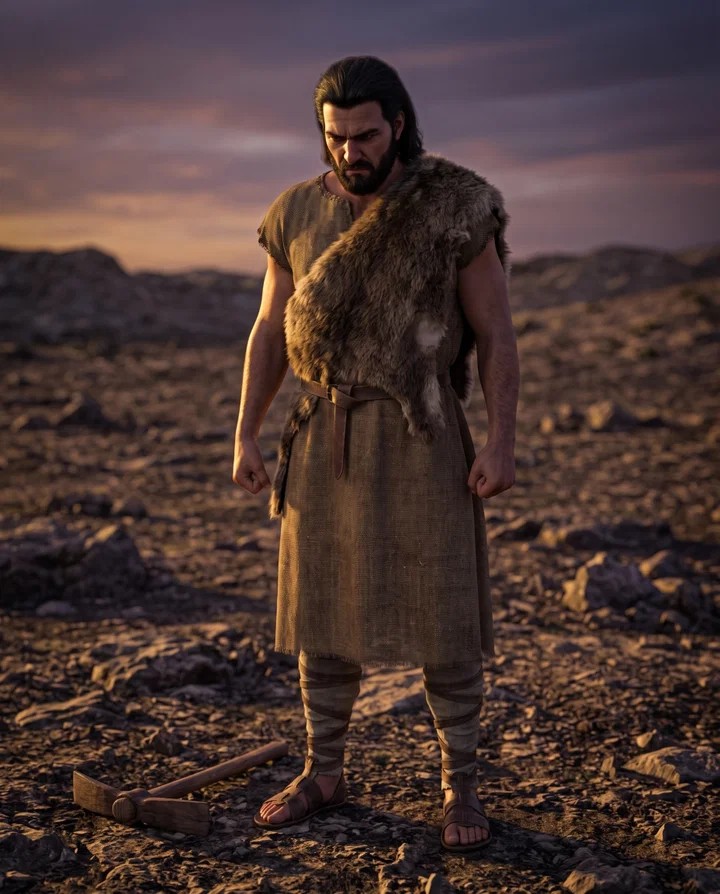
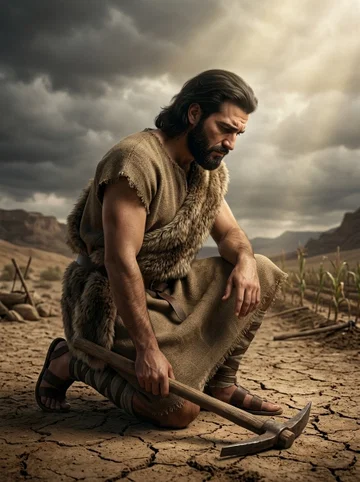
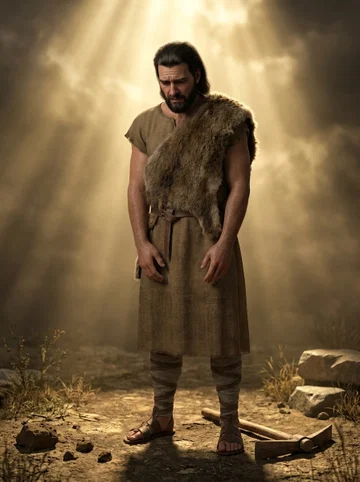
Cross-references
- 1 John 3:12
Not as Cain, who was of that wicked one, and slew his brother. And wherefore slew he him? Because his own works were evil, and his brother’s righteous.
Cain’s evil works and anger led him to kill his righteous brother.
- Hebrews 11:4
By faith Abel offered unto God a more excellent sacrifice than Cain, by which he obtained witness that he was righteous, God testifying of his gifts: and by it he being dead yet speaketh.
Abel’s faithful, accepted offering explains Cain’s anger.
- Genesis 4:11-12
And now art thou cursed from the earth, which hath opened her mouth to receive thy brother’s blood from thy hand;
Continues God’s sentence upon Cain, including the curse and loss of the ground’s yield.
- Genesis 4:15
And the LORD said unto him, Therefore whosoever slayeth Cain, vengeance shall be taken on him sevenfold. And the LORD set a mark upon Cain, lest any finding him should kill him.
God responds to Cain’s fear of being killed by marking him for protection.
- Genesis 4:13
And Cain said unto the LORD, My punishment is greater than I can bear.
Cain acknowledges the punishment for his transgression.
- Genesis 4:2
And she again bare his brother Abel. And Abel was a keeper of sheep, but Cain was a tiller of the ground.
Identifies Cain as a tiller of the ground in the same story.
- Genesis 4:10
And he said, What hast thou done? the voice of thy brother’s blood crieth unto me from the ground.
God confronts Cain over his brother’s blood.
- Genesis 4:16
And Cain went out from the presence of the LORD, and dwelt in the land of Nod, on the east of Eden.
Cain leaves the presence of the LORD.
- Proverbs 16:32
He that is slow to anger is better than the mighty; and he that ruleth his spirit than he that taketh a city.
Ruling one’s spirit is better than might.
- Ecclesiastes 7:9
Be not hasty in thy spirit to be angry: for anger resteth in the bosom of fools.
Cain’s anger is questioned; anger rests in the bosom of fools.
Commentary part 1 of 2
Each commentary is drawn from primary sources: the writings of Ellen G. White and Adventist pioneers and periodicals. Each commentary is separate. Its own words are not a quotation; follow the references to read the source passages.
Ellen G. White
62 sources
God confronted Cain after consuming Abel's slain lamb with fire from heaven while giving no sign of acceptance to Cain's fruit offering, asking about his anger and fallen face to lead him to reflect, recognize his wrong, and turn back before jealousy became murder.Ms 78, 1901, par. 3–11Lt 71, 1896, par. 2–9PP 73.3–74.2Lt 16, 1897, par. 8–11 Cain had no just cause for wrath, for his own disregard of the plain requirement had caused the rejection, yet he was angry not with himself but with God and with his brother, complaining of partiality while his envy of Abel's accepted righteousness grew toward hatred.Ms 136, 1899, par. 3–4Ms 78, 1901, par. 3–11Ms 77, 1897, par. 14–17 Acceptance was still open to him, for if he would do well by trusting the merits of the promised Saviour and obeying what was required he would enjoy favor, but if he persisted in unbelief sin lay at the door.Ms 136, 1899, par. 3–4Lt 71, 1896, par. 2–9PP 73.3–74.2Ms 26a, 1892, par. 21–23 Doing well meant acknowledging the blood of atonement, for the required slain lamb was the true figure of the world's Redeemer and the costly offering of God's only begotten Son, without which no human offering has value before heaven.Ms 136, 1899, par. 3–4Ms 26a, 1892, par. 21–23Lt 16, 1897, par. 8–11GW92 13.3–14.1Lt 107, 1903, par. 15–19 Cain and Abel thus represent the two classes that will exist to the close of earth's history, those who follow their own way and persecute the loyal, and those who conscientiously keep the way of the Lord, so the question remains a warning not to set human judgment, will and invention against God's requirements.Lt 71, 1896, par. 2–9Ms 136, 1899, par. 9–1018MR 364.4Ms 57, 1896, par. 21ST Jan 9, 1896
Setting of the Question
The question was asked at the cherubim-guarded gate of Paradise where the glory of God was revealed, the gathering place of the first worshipers where altars were reared and offerings were presented, and where Cain and Abel had brought their sacrifices.PP 83.2–84.1 It was spoken after respect was shown to Abel and his offering by consuming it with fire and light from heaven, while to Cain and his offering no sign of recognition or acceptance was given.Ms 78, 1901, par. 3–11Lt 71, 1896, par. 2–9Lt 16, 1897, par. 8–11Ms 204, 1903, par. 34–36SPBC 143.4–144.1 Holy fire consumed Abel's sacrifice as evidence of acceptance, but fire did not kindle upon Cain's, and Cain became very wroth with fallen countenance because his offering was rejected while his younger brother's was accepted.Ms 78, 1901, par. 3–11Lt 71, 1896, par. 2–9Lt 16, 1897, par. 8–11Ms 204, 1903, par. 34–36ST Dec 25, 1901
Both brothers had been given directions regarding the sacrifice to bring, and Abel, a keeper of sheep, obeyed by bringing of the firstlings, the firstfruits of his flock, a lamb slain.Ms 136, 1899, par. 3–4Ms 78, 1901, par. 3–111SP 54.1 That lamb slain represented the Lamb of God to be slain for the sins of the world, keeping sin and the coming Redeemer, the great Sacrifice for humanity, continually in mind through humble obedience, reverence, faith, and dependence on the promised Redeemer.Ms 136, 1899, par. 3–41SP 54.1 Cain, a tiller of the ground, brought the fruit of the ground, his own produce, faultless except that it lacked the required spotless slain lamb without blemish, leaving out the blood of the slain lamb, the true figure of the world's Redeemer.Ms 136, 1899, par. 3–4Lt 16, 1897, par. 8–11Lt 280, 1904, par. 1–4Lt 280a, 1904, par. 1–321MR 416.1–3 His abundant offering without the required lamb was therefore unacceptable and valueless because of his own disobedience in failing to follow God's plan.Ms 78, 1901, par. 3–11ST Dec 25, 1901Lt 280, 1904, par. 1–4
Cain brought his own produce because he was not willing to be dependent on Abel for an offering and would not go to him for a lamb, thinking his own works perfect.Ms 136, 1899, par. 3–4 He thought his own plans and ideas best and that God would come to his terms, making his offering according to his own human ideas and reasoning that presenting the firstfruits of the ground made no difference from offering a lamb.Lt 57, 1895, par. 4–7Lt 100, 1895, par. 31–3214MR 114.3–116.1 Being the eldest he thought Abel should follow his example and that his own methods and plans should have supremacy.Lt 57, 1895, par. 4–714MR 114.3–116.1 His offering did not acknowledge dependence upon Christ, for keeping sin ever before the mind and offering the blood of the slain lamb as confession of entire dependence upon a power outside himself was torture to his high spirit, and he even thought Adam had been treated harshly in being expelled from Eden.Lt 57, 1895, par. 4–714MR 114.3–116.1 God did not give up His way and will to conciliate Cain, but gave him opportunity for recovery by supplying knowledge of the required lamb for the burnt offering, which Cain knew God required, yet his refusal was knowing rebellion.Lt 16, 1897, par. 8–11Lt 107, 1903, par. 15–19
Abel had told Cain God's express direction that every sacrificial offering brought to God must be accompanied by a slain lamb as the acknowledgment and confession of sin and as a representation of Christ, who would save the fallen race by Himself becoming the great Sacrifice.Lt 280, 1904, par. 1–4Lt 280a, 1904, par. 1–321MR 416.1–3 Abel was faithful and loyal to God, determined to worship according to the direction given, maintained that God is just, and protested Cain's principles as disloyal.ST Dec 25, 190118MR 364.4Ms 57, 1896, par. 21Lt 57, 1895, par. 4–7 Abel reproved Cain for disregarding God's expressed requirements and would not concede to Cain's views or leave God's way to follow Cain's way.Lt 19a, 1897, par. 25–2818MR 364.4Ms 57, 1896, par. 21 Cain took that reproof as personal damage, argued with Abel about the offering, wished his own ideas to prevail, and became very angry at Abel's refusal to concede, with anger that burned so hot it led to killing his brother.Lt 19a, 1897, par. 25–28ST Dec 25, 1901Lt 280, 1904, par. 1–418MR 364.4Ms 57, 1896, par. 21
God's Merciful Confrontation
God stooped to meet Cain on his own level after fire from heaven consumed Abel's lamb offering while giving Cain's fruit offering no sign of recognition or acceptance.Lt 71, 1896, par. 2–9Ms 204, 1903, par. 34–36SG3 47.1–48.1 He did not leave Cain to himself but spoke directly with him, reasoning with him and explaining why Abel's offering was accepted and his was not, the message coming through an angel messenger sent to converse with him.PP 73.3–74.2SG3 47.1–48.1Lt 57, 1895, par. 4–714MR 114.3–116.1 Cain was unreasonable and exceedingly angry, not with himself but with Abel and with the Lord, with hot passion burning in his heart, justifying his own course and speaking against Abel and the Lord while saying nothing against himself.Lt 71, 1896, par. 2–9PP 73.3–74.2 He thought his own plans and ideas were best and that God would come to his terms, and as the elder thought Abel should follow his example rather than worship according to the direction God had given.Lt 57, 1895, par. 4–714MR 114.3–116.1 His offering did not acknowledge dependence upon Christ, for keeping sin ever before the mind and offering the blood of the slain lamb as confession of entire dependence upon a power outside himself was torture to his high spirit.Lt 57, 1895, par. 4–714MR 114.3–116.1
God closely marked Cain's wrath, his resentment, his intents and purposes, and even the expression of his face, which though saying nothing expressed refusal to do God's way and will.Ms 77, 1897, par. 14–17 He knew Cain was complaining that God was partial and was furious and hateful toward Abel because Abel had obeyed God's direction to offer the blood of a slain lamb and thereby vindicated the truth, while Cain would not admit any error on his part.Ms 204, 1903, par. 34–36ST Feb 6, 18791SP 55.3 Cain had no just cause for anger against Abel or against God, because his own disregard of God's plainly stated requirements had led to the rejection of his offering.ST Feb 6, 18791SP 55.3 He had not been treated unjustly or with partiality, for if he had followed God's directions in humble faith and obedience God would have accepted his offering.ST Feb 6, 18791SP 55.3
God's questions about anger and fallen countenance were meant to make Cain reflect on his course and conduct, recognize his sin and wrong spirit, repent, and return to obedience. It was a call to face his wrong spirit before jealousy grew into murder, for Cain was already very wroth because his offering of fruit without the required spotless lamb was not accepted while Abel's offering of the firstlings was accepted, angry at Abel for maintaining that God is just and refusing to see that his own disobedience made his abundant offering worthless.Ms 78, 1901, par. 3–11 The words met Cain while Satan was leading him into rebellion against the sacrificial offering that prefigured a Redeemer to come, Satan watching every event of the sacrificial offerings with intense interest and working upon Cain's heart because the shedding of blood signifying repentance and future atonement did not agree with his purposes.2RED 19.2 The question left the choice with Cain himself rather than abandoning him.PP 73.3–74.2
Acceptance still stood open: if he would do well by trusting the merits of the promised Saviour and obeying God's requirements he would enjoy God's favor and be accepted, but if he persisted in unbelief and transgression sin lay at the door and he would have no ground for complaint at being rejected.Ms 136, 1899, par. 3–4Lt 71, 1896, par. 2–9PP 73.3–74.2 Doing well meant obeying the word of the Lord in bringing the required slain lamb typifying the Lamb of God whose blood saves a lost world, acknowledging the blood of Jesus and the merit of Christ in the offering, without which no human offering can be acceptable before heaven.Lt 71, 1896, par. 2–9Ms 26a, 1892, par. 21–23Lt 16, 1897, par. 8–11 Abel's offering of the firstlings was correct and of value because the slain lamb was the true figure of the world's Redeemer, prefiguring God's redemption plan in the costly offering of His only begotten Son as the hope and salvation of the fallen race, while Cain's fruit offering left out that blood.Ms 136, 1899, par. 3–4Lt 16, 1897, par. 8–11 God did not give up His way and will to conciliate Cain but urged him to do well so he would be accepted rather than continue in his wrong course, calling him to see his disobedience in accordance with God's directions regarding sacrifice.Ms 136, 1899, par. 3–4Lt 16, 1897, par. 8–11Ms 204, 1903, par. 34–36
Cain was not left to pursue his wicked course of rebellion without warning and remonstrance, for the Lord's question was that warning.Ms 77, 1897, par. 18–19 God does not use compulsion in religious service, and using compulsion against fellow man in religion is only man's work.Ms 77, 1897, par. 18–19 As Owner of man and Governor of the universe He could have compelled Cain's obedience and could have slain Cain in his perverse spirit and positive transgression of God's direction in the plan of sacrificial offering, but instead gave him opportunity for recovery.Lt 107, 1903, par. 15–19Ms 77, 1897, par. 18–19 That opportunity included supplying knowledge of the required lamb for the burnt offering, which Cain knew God required, yet his refusal was knowing rebellion that placed him in lifelong opposition to his Creator and left him unable to rest on God.Lt 107, 1903, par. 15–19
Cause of Anger
Cain became very wroth and his countenance fell because his own offering was rejected while his younger brother's was accepted, fire consuming Abel's offering with light from heaven while giving Cain no sign of recognition.Ms 136, 1899, par. 3–4Ms 78, 1901, par. 3–11Lt 71, 1896, par. 2–9Ms 204, 1903, par. 34–36ST Dec 25, 1901 He was angry not with himself but with Abel and with the Lord, with hot passion burning in his heart, complaining that God was partial, justifying his own course, and speaking against Abel and the Lord but nothing against himself.Ms 136, 1899, par. 3–4Ms 78, 1901, par. 3–11Lt 71, 1896, par. 2–9PP 73.3–74.2Ms 204, 1903, par. 34–36 He was furious and hateful toward Abel because Abel had obeyed God's direction to offer the blood of a slain lamb and thereby vindicated the truth, while Cain would not admit any error on his part and argued with Abel about the offering and refused to see that his own disobedience had made his offering unacceptable and valueless.Ms 78, 1901, par. 3–11Ms 204, 1903, par. 34–36ST Dec 25, 1901 The fault lay in Cain himself, for his own disregard of plainly stated requirements had led to the rejection, and his unchecked anger led him to rise up against Abel and kill him.Ms 78, 1901, par. 3–11ST Dec 25, 1901
His anger was rooted in exalting his own judgment, way, will and imagination above God, following his own understanding and human inventions rather than obeying God's command.Lt 71, 1896, par. 2–9RH Jun 26, 1900Lt 100, 1895, par. 31–32ST Jan 9, 1896Lt 98, 1900, par. 9–17 He heeded the deceiver rather than God, depended on self while rejecting God's law, and made his offering according to his own human ideas, reasoning that presenting the firstfruits of the ground made no difference from offering a lamb.Lt 71, 1896, par. 2–9RH Jun 26, 1900Lt 100, 1895, par. 31–32Lt 98, 1900, par. 9–17PP 123.3 Choosing human invention over God's requirement is the religion of Cain, just as men honor a day of their own inventing rather than the day God blessed, setting up a spurious rest day and exalting Sunday above the Bible Sabbath, and God will never accept the spurious for the true.Lt 100, 1895, par. 31–32ST Jan 9, 1896Lt 98, 1900, par. 9–17 That first step in disobedience lets the tempter take possession until self-will blends with Satan's will and he masters and controls the mind and judgment, while doing God's words gives the devil no place so he shall not rule.Lt 71, 1896, par. 2–9
He came as one thinking himself righteous, with a thank-offering without confessing sin or recognizing need for mercy.Ms 78, 1901, par. 3–11Lt 57, 1895, par. 4–7COL 150.1–152.214MR 114.3–116.1ST Jan 16, 1896 He would not acknowledge himself a lost and undone sinner in need of a Saviour, and keeping sin ever before the mind and offering the blood of the slain lamb as confession of entire dependence upon a power outside himself was torture to his high spirit.Lt 57, 1895, par. 4–714MR 114.3–116.1ST Jan 16, 1896 He thought his own plans were best and that God would come to his terms, thought his abundant offering without blood should be valuable, and being the eldest thought Abel should follow his example.Ms 78, 1901, par. 3–11Lt 57, 1895, par. 4–714MR 114.3–116.1 Abel was determined to worship according to the direction God had given, while Cain thought Adam had been treated harshly in being expelled from Eden and would not be reconciled to God.Lt 57, 1895, par. 4–714MR 114.3–116.1
He refused the shedding of blood which symbolized the blood of Christ to be shed for the world, offering produce without the blood that expressed repentance for sin and faith in a Redeemer.RH Mar 3, 18742RED 19.21MR 131.5Ms 87, 1900, par. 2 His proud rejection of dependence on a Saviour left him open to Satan's doubts and rebellion, which grew into madness against God and Abel, for both brothers were tempted by the enemy and Abel refused while Cain accepted and acted in a selfish, disobedient, unthankful manner.RH Mar 3, 1874Ms 136, 1899, par. 9–10 Satan watched every event of the sacrificial offerings with intense interest, uneasy at the devotion and solemnity connected with shedding the blood of the victim and finding mystery in the ceremony until he learned that the offerings typified a future atonement and signified repentance, and because this did not agree with his purposes he began at once to work upon Cain's heart to lead him to rebellion against the sacrificial offering that prefigured a Redeemer to come.2RED 19.2 Having placed himself under Satan's control and chosen to serve Satan, becoming selfish instead of remaining under God's influence to reflect the moral image of his Creator while Abel chose to serve God, his anger and downcast face reveal Satan's work to efface God's image from the human family and stamp his own satanic image in its place.Ms 55, 1902, par. 9–13
His wrath was envy, jealousy and hate toward his brother because Abel's righteous works condemned his sinful course, and that hatred led him to kill Abel.SPBC 143.4–144.1ST Dec 25, 1901ST Jan 9, 1896 He hated Abel because God showed him favor and preferred him, was furious because he could not compel Abel to disobey God or force him to leave God's way to follow his own way, and was angry because Abel would not concede to his views.SPBC 143.4–144.1Ms 136, 1899, par. 9–1018MR 364.4Ms 57, 1896, par. 21 Cain was disloyal and wished his own ideas, methods and plans to have supremacy, and as the eldest thought they should prevail, while Abel was faithful and loyal to God and protested Cain's principles as disloyal and maintained that God is just.ST Dec 25, 190118MR 364.4Ms 57, 1896, par. 21 Envy is the offspring of pride, and if entertained it leads to hatred and eventually to revenge and murder, the same spirit shown by those who say Christ delays His coming and beat their fellow servants.SPBC 143.4–144.1ST Jan 9, 1896
His fallen countenance expressed refusal to do God's way and will, with guilt, mistrust and selfishness written upon the face, revealing how closely God marks every action, all intents and purposes, even the expression of the face.Ms 77, 1897, par. 14–17ST Dec 18, 1879 It exposes the temper of the disobedient stirred when plans do not carry and expectations are disappointed, provoked because they cannot do after Satan's arts and devices and follow the impulse of their own rebellious heart.Ms 77, 1897, par. 14–17 He had not been treated unjustly or with partiality, for if he followed God's directions in humble faith and obedience God would accept his offering, but instead he remained resentful and blamed God.ST Feb 6, 1879 His spirit was a spirit of murderous hatred, formed as people persist in sin and harden their hearts until each further temptation is easier to yield to, and his unchecked jealousy and hatred grew into murder when he rose up against Abel in the field and killed him, the first death in the world.Ms 78, 1901, par. 3–11RH Mar 3, 1874ST Dec 25, 1901ST Feb 6, 1879ST Dec 18, 1879
Way of Acceptance
To do well in the face of the question about anger and a fallen countenance is to acknowledge in the offering the blood of Jesus and the merit of Christ.Ms 26a, 1892, par. 21–23Lt 107, 1903, par. 15–19 Without that acknowledgment no human offering can be acceptable before heaven, for an offering without the blood of atonement has no value, and what the world calls morality has no more merit than the fruit of the ground had.Ms 26a, 1892, par. 21–23GW92 13.3–14.1Lt 107, 1903, par. 15–19 Had that merit been acknowledged, the offering would have been beautiful and valuable in God's sight and would have been accepted, but the best that can be brought is worthless without faith in Christ.Ms 26a, 1892, par. 21–23Lt 107, 1903, par. 15–19 God even supplied knowledge of the required lamb for the burnt offering to give opportunity for recovery, so refusal was knowing rebellion.Lt 107, 1903, par. 15–19
The required slain lamb was the true figure of the world's Redeemer, prefiguring God's redemption plan in the costly offering of His only begotten Son as the hope and salvation of the fallen race.Ms 136, 1899, par. 3–4Lt 71, 1896, par. 2–9Lt 16, 1897, par. 8–11 Abel's offering of the firstlings of the flock was correct and of value because it pointed to that plan, while the fruit offering left out the blood of the slain lamb.Ms 136, 1899, par. 3–4Lt 16, 1897, par. 8–11 The whole ceremony was prepared by God with Christ as its foundation, to keep sin and the coming great Sacrifice continually in mind.1SP 54.12RED 19.21MR 131.5 It signified repentance for sin and a future atonement for man, transferring transgression to Christ so that the repenting sinner is declared sinless by His righteousness.2RED 19.21MR 131.5 Satan watched the devotion and solemnity connected with shedding the blood of the victim with uneasy interest, finding mystery in it until he learned what it typified, and because it did not agree with his purposes he worked upon the heart to stir rebellion against the sacrificial offering that prefigured a Redeemer to come.2RED 19.2
God's dealing over anger and a downcast face is the beginning of the sacrificial system's work as schoolmaster in the school of obedience.1MR 131.5Ms 87, 1900, par. 2 Its work is to bring sinful human beings to consider Christ as the foundation of the whole Jewish economy and to be saved by the blood of Jesus Christ typified by the offerings pointing to Christ.1MR 131.5Ms 87, 1900, par. 2 Refusal of the shedding of blood which symbolized the blood of Christ to be shed for the world led to the death of Abel.1MR 131.5Ms 87, 1900, par. 2
There was no arbitrary purpose and no election to rejection, for both brothers had the same opportunity of learning and accepting truth and both were tempted by the enemy.Ms 136, 1899, par. 9–10PP 72.4 Abel refused the temptation and chose faith and obedience, conscientiously keeping the way of the Lord to do justice and judgment, while Cain accepted it and chose unbelief and rebellion in a selfish, disobedient, unthankful manner.Ms 136, 1899, par. 9–10PP 72.4 The whole matter rested on choice, with the two brothers representing the wicked and the righteous, those who follow their own way and those who keep God's way.Ms 136, 1899, par. 9–10PP 72.4
By this history the Lord teaches that His Word is to be implicitly obeyed, and each person must know for himself whether he is heeding the voice of the true and living God or the voice of the great apostate.Ms 136, 1899, par. 9–10Ms 59, 1899, par. 10–11 That apostate voice says exact obedience is not required and that the Ten Commandments are done away, the same deception that told Adam he would not die for transgressing the law, and its sayings must not be received for the commandments of God.Lt 71, 1896, par. 2–9Ms 59, 1899, par. 10–11 Doing God's words gives the devil no place so that he shall not rule, while the first step in disobedience lets the tempter take possession until self-will blends with Satan's will and he masters and controls mind and judgment.Lt 71, 1896, par. 2–9 Refusal to mingle the blood of the Lamb with the offering led to killing a brother, and because of that disobedience and murder the second curse was pronounced upon the earth.Lt 71, 1896, par. 2–9Ms 59, 1899, par. 10–11
Two Classes Through History
Cain and Abel stand for two classes and two orders of humanity that continue to the close of earth's history, the wicked and the righteous, those who follow their own way and those who conscientiously keep the way of the Lord to do justice and judgment, in whom the two principles of right and wrong are developed.Ms 136, 1899, par. 9–1018MR 364.4Ms 57, 1896, par. 21Ms 136, 1899, par. 11 Both were tempted by the enemy of God and man, Abel refusing the temptation in faithfulness and loyalty to God while Cain accepted it in disloyalty, selfishness, disobedience and unthankfulness, wishing his own ideas, methods and plans to have supremacy and as the elder thinking they should prevail.Ms 136, 1899, par. 9–1018MR 364.4Ms 57, 1896, par. 21 Abel protested Cain's principles as disloyal and would not concede to his views or be compelled to disobey God, and Cain was furious because he could not compel Abel to disobey and because God accepted Abel's offering which recognized the Saviour while refusing his own, his anger burning so hot that he killed his brother.Ms 136, 1899, par. 9–1018MR 364.4Ms 57, 1896, par. 21 From Abel's persecution and death there have been two classes upon the earth manifesting the same characteristics displayed by the two brothers, with Cain representing those who refuse to obey God and Abel representing those who steadfastly adhere to the commandments of God.Ms 136, 1899, par. 11Ms 124, 1898, par. 2–3ST Nov 14, 1895
The obedient well-doer does not war against the transgressor of God's holy law, but those who do not respect the law of God oppress and persecute their fellow men.Ms 136, 1899, par. 11Ms 124, 1898, par. 2–3ST Nov 14, 1895 Cain hated Abel for his loyalty, persecuted him and killed him because Abel kept the commandment of the Lord and his righteous works condemned Cain's sinful course, and that envy, jealousy and hate is the spirit of those who follow their leader Satan as an accuser of God and of those made perfect through obedience.Ms 136, 1899, par. 11ST Jan 9, 1896ST Nov 14, 1895 The same spirit of bitterness, malice and hate appears in those unreconciled to God's law toward those who magnify it as holy, just and good, and in those who yield themselves to do the will of Satan and range on the side of the prince of darkness in support of falsehood to oppress God's servants who are rooted and grounded in the truth and stand shoulder to shoulder in defense of the law of Jehovah.Ms 136, 1899, par. 11ST Jan 9, 1896Ms 124, 1898, par. 2–3
Choosing human invention over God's requirement is the religion of Cain, for Cain reasoned that presenting the firstfruits of the ground made no difference from offering a lamb and made his offering according to his own human ideas, while Abel decided to obey God and God gave evidence of acceptance by sending fire from heaven to consume his offering.Lt 100, 1895, par. 31–32ST Jan 9, 1896Lt 98, 1900, par. 9–17 Just so men honor a day of their own inventing rather than the day God blessed, and God will never accept the spurious for the true.Lt 100, 1895, par. 31–32Lt 98, 1900, par. 9–17 Transgressors of the fourth commandment set up the first day of the week, a common working day with no sanctity, where the Lord's day should be, accepting a spurious rest day and exalting Sunday above the Bible Sabbath, which repeats Cain's religion.Ms 163, 1897, par. 14–15Lt 98, 1900, par. 9–17Ms 124, 1898, par. 2–3 They ignore God's plain command to keep the Sabbath while offering what God never commanded, and are exceedingly angry because commandment-keeping people do not respect and reverence Sunday but defend the Sabbath of creation as Jehovah's sign between His people and the unbeliever, treating the obedient as Cain treated Abel.Lt 100, 1895, par. 31–32ST Jan 9, 1896Ms 163, 1897, par. 14–15Lt 98, 1900, par. 9–17Ms 124, 1898, par. 2–3
The same unchecked wrath that led Cain, who would not be reconciled to God but hated Abel because God showed him favor, to slay his brother is shown by those who say Christ delays His coming and beat and smite their fellow servants.SPBC 143.4–144.1Lt 57, 1895, par. 4–7 The same enmity stirred Saul against David, whose blameless, Spirit-lighted purity reproached Saul by contrast and exposed him to disadvantage, for envy is the offspring of pride and if entertained leads to hatred and eventually to revenge and murder, with Satan stirring fury against one who has done no harm.PP 651.3PP 209.4–210.3 That same spirit was kindling in Joseph's brothers when Joseph's inspired countenance and dreams confronted them, turning admiration of what was good into hatred and resentment because they would not renounce their evil ways and hated the purity that exposed them.PP 651.3PP 209.4–210.3 The Jewish rulers repeated Cain's wrath when met with truth they could not controvert and with a noble, spotless character far higher than their own, for reproof of avarice and hypocrisy, exposure of ignorance, and rebuke by unanswerable truth provokes wrath that seeks to put the representative of all righteousness and goodness out of the way, and they could not answer Christ when He laid open their ignorance and sought to put Him out of the way.Ms 53, 1890, par. 48–59Ms 51, 1897, par. 19–22 Cain's anger is the same spirit as those who stamp down and denounce the righteous holy law of God as bondage and dead, provoked because he could not triumph over his brother and could not tolerate him because Abel did not accept his reasoning but followed God's injunction.Lt 100, 1895, par. 31–32Ms 53, 1890, par. 48–59Ms 51, 1897, par. 19–22
Cain's angry and downcast response to God's dealing was rebellion against God, the same rebellious heart later shown by those who resented God for destroying the antediluvian world in the Flood and cursing the earth.ST Mar 20, 1879SG3 96.1CE 208.2PP 119.11SP 91.1 Like Cain, some of Noah's descendants became angry with God because He judged the antediluvian people and cursed the earth, disbelieving His word about judgment, denying Him, explaining His judgments by natural causes, and accusing Him for destroying the wicked.SG3 96.1PP 119.11SP 91.1 That same heart rose up against Him at Babel instead of submission.ST Mar 20, 1879CE 208.2PP 119.1
Cain's angry downcast face expressed his guilt as a murderer and stands in contrast to the face of Christ at His trial and crucifixion, which revealed innocence, serenity, benevolence and the image of God.12MR 385.1–4 That face convicted all who looked upon Him of His loyalty and royal character and once beheld was never forgotten, bearing the mark and signet of heaven, yet His accusers would not heed it.12MR 385.1–4 God hid that countenance with His mantle of thick darkness so prying eyes could not look upon His Son's last human agony.12MR 385.1–4
The whole story told in the fourth chapter of Genesis shows departure from God's plain commands bringing transgression and sin that filled the world and led God to destroy the world, when people could have followed Abel's obedience and cooperated with God.Lt 10, 1909, par. 4–9ST Oct 6, 1898 Cain had placed himself under Satan's control and chosen to serve Satan, becoming selfish instead of remaining under God's influence to reflect the moral image of his Creator, while Abel chose to serve God, in a family already divided by competing influences after the fall.Ms 55, 1902, par. 9–13 Cain's anger and downcast face reveal Satan's work to efface God's image from the human family and stamp his own satanic image in its place, part of the evil that began in Paradise when the first parents yielded to Satan and opened the floodgates of evil upon the world and then spread through questionable principles, and Cain killed his brother Abel because Abel would not follow his example.Ms 55, 1902, par. 9–13 Sin thus shown as a universal, dreadful evil led God to undertake His great work of salvation by sending His Son to this earth to redeem mankind.Lt 10, 1909, par. 4–9Ms 55, 1902, par. 9–13
Warning for Daily Life
God's question to Cain remains a warning to the close of earth's history not to place human judgment, way, will and imagination against God's requirements and follow one's own understanding.Lt 71, 1896, par. 2–9 After fire did not kindle upon Cain's offering while Abel's was consumed and accepted, Cain was exceedingly angry, not with himself but with Abel and with the Lord, with hot passion burning in his heart, justifying his own course and speaking against Abel and the Lord but nothing against himself.Lt 71, 1896, par. 2–9 The inquiry why he was angry and downcast meant that if he did well by obeying the word of the Lord in bringing the required slain lamb typifying the Lamb of God whose blood saves a lost world, he would be accepted, but if not, sin lay at the door.Lt 71, 1896, par. 2–9 That first step in disobedience lets the tempter take possession until self-will blends with Satan's will and he masters and controls the mind and judgment, while doing God's words gives the devil no place so he shall not rule, and Cain's refusal to mingle the blood of the Lamb with his offering led to his killing his brother, for which disobedience and murder the second curse was pronounced upon the earth.Lt 71, 1896, par. 2–9
The question exposes the temper of the disobedient stirred when plans do not carry and expectations are disappointed.Ms 77, 1897, par. 14–17 It is seen in every young man and young woman who like Cain reveal passion when not commended by teachers and friends for acting out Satan's promptings in direct opposition to God's requirements, who when unable to follow the impulse of their own rebellious heart and restrained from doing their own unrighteous, unsanctified will are provoked because they cannot do after Satan's arts and devices.Ms 77, 1897, par. 14–17 The Lord closely marks every action, all intents and purposes, even the expression of the face, which though saying nothing expresses refusal to do God's way and will.Ms 77, 1897, par. 14–17 The fallen countenance rooted in envy, mistrust and selfishness and dependence on the approval of others instead of trust in God is revealed by standing aloof from meetings, taking no part in them and remaining away, which proves a person is not right with God and that something is wrong within.Lt 37, 1879, par. 10 God's question therefore calls for close investigation of motives and feelings by the Word of God and cleansing of the soul temple from envy, mistrust and selfishness, hanging the helpless soul upon God and doing all acts with an eye single to His glory away from selfishness.Lt 37, 1879, par. 10
The wrath and fallen countenance mean a spirit and temper devoid of mercy, justice and the love of God.Ms 2, 1902, par. 7–8 That character is reproduced when unsanctified hearts deal with human souls in a way God does not approve, acting as directors and judges and lawyers instead of fathers, placing a wrong mold upon those under charge.Ms 2, 1902, par. 7–8 It does not serve or glorify the Lord but molds others after its own order instead of after the divine similitude, complaining and doing strange things and becoming provoked when brethren do not coincide with all that is said because it cannot have its own way.Lt 107, 1903, par. 15–19 God gave Cain opportunity for recovery by supplying the required lamb for the burnt offering, which Cain knew God required, yet his offering of the best he had was worthless without faith in Christ, and his knowing refusal was rebellion that placed him in lifelong opposition to his Creator and left him unable to rest on God.Lt 107, 1903, par. 15–19
Hearts accustomed to resistance meet divine reproof with indignation and harm toward the reprover, even resorting to law for damages.Lt 19a, 1897, par. 25–28 After Abel reproved Cain for disregarding God's expressed requirements, which Cain took as personal damage, God held out acceptance if Cain did well and warned that sin waited at the door if he did not, yet Cain answered by talking with Abel and then rising up against him in the field and killing him.Lt 19a, 1897, par. 25–28 In striking the messenger they strike Christ who gave the reproof and warning.Lt 19a, 1897, par. 25–28 When met with truth they cannot controvert and with a noble, spotless character far higher than their own, reproof of avarice and hypocrisy, exposure of ignorance and rebuke by unanswerable truth provoke wrath that seeks to put the representative of all righteousness and goodness out of the way, as the Jewish rulers repeated Cain's wrath when Christ reproved them and laid open their ignorance and they could not answer Him.Ms 51, 1897, par. 19–22 That same anger was hatred of the obedient, encouraging the attributes of Satan, despising God's way and seeking self-justification, and it drives bitterness against God's delegated ministers A. T. Jones and Waggoner, to whom God has given precious light and a message that feeds His people, so that to reject the message borne by them is to reject Christ the Giver of the message, with the call to turn lest there be death.Lt 51a, 1895, par. 28
The Cain-spirit of angry passion, obstinacy, evil-surmising and hatred cherished in the heart because ideas and methods called truth were not accepted and appreciated by others must not be allowed to enter the heart, for the hatred it cherishes is next of kin to murder.Ms 164, 1898, par. 4–5 Cherishing Cain's feelings will bring ruin unless earnest efforts are made to work away from that spirit.Lt 37, 1879, par. 10 Strenuous efforts and talking truth are valueless without dying to self, being converted, having the soul sanctified by Christ and having the character transformed.Lt 107, 1903, par. 15–19 When Christ abides in the soul by faith and dwells in the heart, His presence removes this spirit and is apparent in good and pleasant words and actions and sweetness of temper with no angry passion, obstinacy, evil-surmising or hatred, and God has provided the remedy from this spirit by giving His only begotten Son that whosoever believes in Him should not perish but have everlasting life.Ms 164, 1898, par. 4–5
Sources