Hebrews 11:25
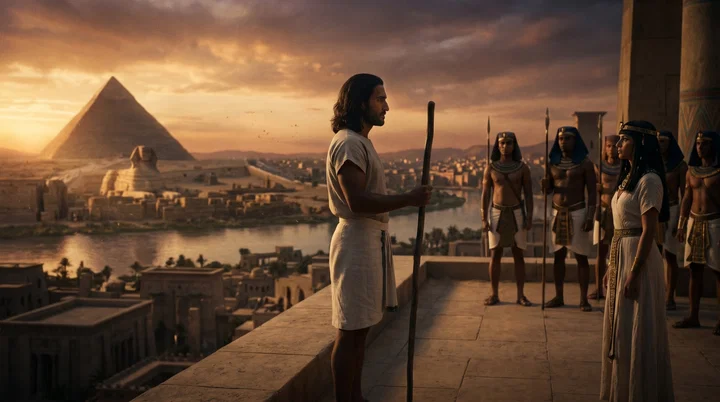
Choosing rather to suffer affliction with the people of God, than to enjoy the pleasures of sin for a season;
Translations
American King James Version, King James Version, Webster Bible
Choosing rather to suffer affliction with the people of God, than to enjoy the pleasures of sin for a season;
choosing rather to suffer affliction with the people of God, than to enjoy the pleasures of sin for a season;
choosing rather to be evil entreated with the people of God, than to enjoy the pleasures of sin for a season;
choosing rather to share ill treatment with the people of God, than to enjoy the pleasures of sin for a season;
having chosen rather to be afflicted with the people of God, than to have sin's pleasure for a season,
choosing rather to suffer affliction along with the people of God than to have [ the] temporary pleasure of sin;
Rather choosing—to be jointly suffering ill-treatment with the people of God, than, for a season, to be having, sins enjoyment;
Berean Standard Bible, Majority Standard Bible
He chose to suffer oppression with God’ s people rather than to experience the fleeting enjoyment of sin.
choosing rather to share ill treatment with God’ s people than to enjoy the pleasures of sin for a time,
Feeling that it was better to undergo pain with the people of God, than for a short time to have a taste of the pleasures of sin;
And chose rather to suffer aduersitie with the people of God, then to enioy the pleasures of sinnes for a season,
Douay-Rheims (Challoner revision)
Rather choosing to be afflicted with the people of God, than to have the pleasure of sin for a time,
Pictures
Cross-references 20 of 73
- Exodus 2:11-15
And it came to pass in those days, when Moses was grown, that he went out unto his brethren, and looked on their burdens: and he spied an Egyptian smiting an Hebrew, one of his brethren.
The account of Moses turning from Egypt’s court.
- Acts 7:22
And Moses was learned in all the wisdom of the Egyptians, and was mighty in words and in deeds.
Moses’ Egyptian training and prominence contrast with his choice to identify with his afflicted people.
- 2 Corinthians 4:17
For our light affliction, which is but for a moment, worketh for us a far more exceeding and eternal weight of glory;
Present affliction is brief compared with the eternal glory it works.
- 2 Timothy 2:12
If we suffer, we shall also reign with him: if we deny him, he also will deny us:
Suffering with Christ is linked to reigning with him.
- Hebrews 12:1-2
Wherefore seeing we also are compassed about with so great a cloud of witnesses, let us lay aside every weight, and the sin which doth so easily beset us, and let us run with patience the race that is set before us,
Jesus as leader and perfecter contrasted with examples
- Hebrews 11:13-16
These all died in faith, not having received the promises, but having seen them afar off, and were persuaded of them, and embraced them, and confessed that they were strangers and pilgrims on the earth.
The faithful died without receiving the promises, yet sought a better, heavenly country.
- Acts 7:25
For he supposed his brethren would have understood how that God by his hand would deliver them: but they understood not.
Moses expected God to deliver Israel through him, choosing to identify with his people.
- Romans 8:17
And if children, then heirs; heirs of God, and joint-heirs with Christ; if so be that we suffer with him, that we may be also glorified together.
Suffering with Christ is joined to sharing his inheritance and glory.
- Exodus 2:10-11
And the child grew, and she brought him unto Pharaoh’s daughter, and he became her son. And she called his name Moses: and she said, Because I drew him out of the water.
Raised in Pharaoh’s household, Moses identified with his Hebrew brethren.
- 2 Timothy 3:12
Yea, and all that will live godly in Christ Jesus shall suffer persecution.
Godly living in Christ brings persecution.
- Hebrews 11:35-38
Women received their dead raised to life again: and others were tortured, not accepting deliverance; that they might obtain a better resurrection:
Faithful people endure torture, persecution, and hardship to obtain a better resurrection.
- 2 Corinthians 4:18
While we look not at the things which are seen, but at the things which are not seen: for the things which are seen are temporal; but the things which are not seen are eternal.
Both contrast temporary, visible things with eternal realities beyond sight.
- Hebrews 11:1
Now faith is the substance of things hoped for, the evidence of things not seen.
Defines the faith shown in choosing affliction with God’s people over sin’s temporary pleasures.
- 1 John 2:16-17
For all that is in the world, the lust of the flesh, and the lust of the eyes, and the pride of life, is not of the Father, but is of the world.
Worldly pleasures pass away, while doing God’s will endures.
- Philippians 3:8
Yea doubtless, and I count all things but loss for the excellency of the knowledge of Christ Jesus my Lord: for whom I have suffered the loss of all things, and do count them but dung, that I may win Christ,
Both choose loss of worldly gain for the sake of Christ.
- Acts 5:41
And they departed from the presence of the council, rejoicing that they were counted worthy to suffer shame for his name.
The apostles rejoice to suffer shame for Jesus’ name.
- Romans 6:23
For the wages of sin is death; but the gift of God is eternal life through Jesus Christ our Lord.
Sin’s temporary pleasures lead to death, while God gives eternal life.
- Hebrews 10:34
For ye had compassion of me in my bonds, and took joyfully the spoiling of your goods, knowing in yourselves that ye have in heaven a better and an enduring substance.
Both speak of choosing lasting good over temporary loss.
- Mark 10:29-30
And Jesus answered and said, Verily I say unto you, There is no man that hath left house, or brethren, or sisters, or father, or mother, or wife, or children, or lands, for my sake, and the gospel’s,
Forsaking ease for God’s people brings reward and eternal life.
- Acts 14:22
Confirming the souls of the disciples, and exhorting them to continue in the faith, and that we must through much tribulation enter into the kingdom of God.
Entry into God’s kingdom comes through enduring tribulation.
Commentary part 1 of 2
Each commentary is drawn from primary sources: the writings of Ellen G. White and Adventist pioneers and periodicals. Each commentary is separate. Its own words are not a quotation; follow the references to read the source passages.
Ellen G. White
91 sources
Moses when grown refused to be called the son of Pharaoh's daughter and gave up the throne, riches, honor and sinful pleasures of Egypt to suffer affliction with God's despised and oppressed people.Lt 116, 1896, par. 7–101SP 165.2–166.1PP 245.4–246.1TCBMP 105.1–106.1ST Feb 12, 1880
Faith led him to do this by looking beyond present ease to eternal realities and the sure reward to God's humble obedient servants, so worldly gain sank to insignificance and giving it up was no real loss.Ms 36, 1885, par. 1–2Lt 38, 1891, par. 13–15RH Feb 18, 190214MR 14.2–3Lt 21a, 1892, par. 2–4
He counted the reproach of Christ greater riches than the treasures of Egypt, enduring as seeing the invisible God and valuing loyalty and durable righteousness above brief enjoyment.LSEGW 180.114MR 14.2–3Lt 368, 1905, par. 9–10Lt 106, 1896, par. 23ST Apr 21, 1909
The pleasures of sin last only for a season in this life, looking bright and tempting while fascinating and deceiving, but ending in affliction, loss of eternal glory and death.Ms 67, 1903, par. 15HSFM 237.42T 291.2Ms 143, 1907, par. 193RED 42.2–3
The same choice still confronts believers to choose poverty, the cross, self-denial and suffering with God's people rather than ease, worldly success and self-pleasing, for loyalty to God and His people is worth the cost.Ms 29, 1885, par. 41–42TCBMP 105.1–106.13T 89.1–90.13T 406.1–2Ms 3, 1871, par. 5–7
Moses's Decision in Egypt
When grown and come to years, Moses remained at Pharaoh's court until he was forty years old, turning in sympathy to his enslaved brethren, visiting them in their servitude, encouraging them that deliverance would come, and hoping they would rise to recover their liberty.Ms 106, 1902, par. 9–10PP 246.2–247.1 He refused to be called the son of Pharaoh's daughter, would not conceal his Hebrew parentage to secure heirship to the royal family, and would not identify himself with the Egyptians in their idolatrous worship.1SP 165.2–166.1ST Feb 12, 1880SG3 182.2–184.1 When commanded to be instructed by the priests he would not engage in their heathen ceremonies and superstitious worship of senseless objects but reasoned with priests and worshipers who could not answer him, and when threatened with loss of the crown and with being disowned by Pharaoh's daughter unless he renounced his faith he remained firm to render homage to God alone as maker of heaven and earth.1SP 165.2–166.1ST Feb 12, 1880SG3 182.2–184.1
The principles of truth received in youth from God-fearing parents bore fruit when most needed and preserved him, for his mother had patiently and perseveringly planted religious principles and love and loyalty to God in his soul in childhood, so that afterward surrounded by great temptations he was not corrupted.1SP 165.2–166.1ST Jun 9, 1881ED 61.3 His choice meant refusing a worldly moral standard in order to keep the true moral standard and a true sense of the evil of transgression, rejecting self-sufficiency of spirit and pride as general of the Egyptian armies, and rejecting the influence of Egyptian schooling and evil association.Ms 150, 1898, par. 10–11 God kept him in training against pride and egotism, which must not enter heart and life and once there are difficult to conquer.Ms 150, 1898, par. 10–11 Supposing his brethren would understand that God by his hand would deliver them, he avenged their wrongs and killed an Egyptian who was smiting an Israelite, hoping they would rise, but they understood not and were not yet prepared for freedom.PP 246.2–247.1Ms 10a, 1895, par. 33–35
That killing was rash and presumptuous, done in his own way and not by faith, for faith moves in God's strength and wisdom and not in the ways of men.Ms 10a, 1895, par. 33–35 When the next day he reproved a quarreling Hebrew his right to interfere was denied and the killing was thrown back at him, the matter was reported and exaggerated to Pharaoh as a plot to overthrow the government and take the throne, Pharaoh determined to kill him, and he fled toward Arabia.PP 246.2–247.1 He had to be shown the foolishness of man's wisdom, the weakness of human strength, and his utter helplessness and inefficiency without God, until he lost self-confidence and put his trust wholly in God.Ms 10a, 1895, par. 33–35 Though learned in all the wisdom of the Egyptians and mighty in words and deeds, with prospect of highest honor as the king's grandson when Egypt was the greatest kingdom in the world, his strength became connection with the Source of all power, rising above every earthly inducement and trusting himself wholly to the Lord as belonging to Him.Lt 21a, 1893, par. 14–1814MR 15.1 While still joined to official interests he studied the laws of God's government until faith rooted in earliest teaching grew to prepare him to deliver Israel from bondage.Lt 21a, 1893, par. 14–18ST Jul 12, 190514MR 15.1
His years as a shepherd under Christ's teaching in nature prepared him for his life's work more than royal education, teaching humility, meekness, simplicity of character, practical education, implicit faith, willing submission to divine discipline, and constant trust.OEWP 14.1–16.2CT 406.2 He lost self-confidence, realized his helplessness without the Lord, placed a low estimate on his own qualifications and Egyptian learning, and became a sanctified channel by obeying all God commanded whether it seemed reasonable to human reason or not, not hesitating to change his way for the Lord's way even in strange and untried paths.ST Jul 12, 1905OEWP 14.1–16.2 When sent to deliver more than a million people in a humanly hopeless undertaking he advanced though there was nothing ahead for his feet to tread upon, leading step by step day by day, and his triumph came not from the schools of Egypt but from ever-abiding unflinching faith that did not fail under trial.ST Jul 12, 1905OEWP 14.1–16.2 He took up the God-given work of leading Israel out of slavery though at first he shrank from the responsibility and asked God to choose someone better qualified, and once begun he never laid the burden down.1SP 338.21SP 337.1PP 471.3–472.2 He bore labor and anxious care and love for an ungrateful people who did not appreciate him, and would not let them go even when offered release with God proposing to destroy rebellious Israel.1SP 338.2PP 471.3–472.2 Greatly favored with rich experience of miracles and glory and communion of love in the wilderness, he reviewed his life in solitude on the mountain, remembered turning from courtly status and prospective kingdom to share suffering and serve in deliverance, counted the choice wise, did not regret his sufferings and hardships, and recognized God's goodness and power.ST Mar 31, 18811SP 338.21SP 337.1PP 471.3–472.2
What Moses Rejected
Moses gave up the prospect of Egypt's throne, crown, prospective kingdom, royal status, luxury, palace and monarch's throne for a life of burden-bearing in God's service.Lt 116, 1896, par. 7–10TCBMP 105.1–106.13T 89.1–90.1Ms 3, 1871, par. 5–7ST Apr 21, 1909 He gave up riches, treasures, power, greatness, fame, worldly honor and earthly crown, though fitted to take pre-eminence among the great, to shine in the courts of its most glorious kingdom and sway its scepter, distinguished as historian, poet, philosopher, general and legislator.Lt 38, 1891, par. 13–15GW92 68.2PP 245.4–246.1ED 62.1 Though he could have lived in royal privilege and gained fame as a warrior, he turned from the status and rewards offered in Pharaoh's court.GW92 68.2RH Apr 19, 1870
He knew the lordly courts held sinful pleasures, splendor, pride, flattery and corrupting influences that make men forget God, and he refused them.1SP 165.2–166.1PP 245.4–246.1 He guarded his affections toward Pharaoh and his adopted mother so he could remain free to do God's will and help deliver Israel.ST Feb 12, 1880 He chose to suffer affliction and hardship together with God's despised, oppressed, humble, poor nation that had chosen to obey God rather than serve sin, instead of preserving status and enjoying sin.Ms 36, 1885, par. 1–2Lt 116, 1896, par. 7–10PP 245.4–246.1 Siding with them meant accepting scorn, hatred, persecution, reproach and possibly death, turning from rewards and status because loyalty was worth the cost.Lt 116, 1896, par. 7–103T 406.1–2
He counted the reproach of Christ greater riches than Egypt's treasures because it truly was so, choosing durable riches and righteousness and binding his life with God's purpose.ST Apr 21, 1909 His life appears one of renunciation but was blessing and blessed, irradiated with Christ's presence in the wilderness, on the transfiguration mount and in heavenly courts.ST Apr 21, 1909 By divine direction he enacted eternal principles of righteousness for the world that safeguard home and society and underlie prosperity and government and can never perish, while Egypt's greatness, power and civilization are in the dust.ST Apr 21, 1909
Faith That Motivated Moses
Faith moved Moses to refuse ease and the brief pleasures of wrongdoing and to choose hardship with God's people, giving up the riches, power and earthly crown Egypt offered because he prized loyalty to God and the lasting heavenly inheritance and reward more than present comfort.Lt 38, 1891, par. 13–15Lt 21a, 1892, par. 2–4 That faith looked beyond what is seen to eternal realities, deliberately turning the mind away from discouraging visible things to the unseen things of God.Ms 63, 1893, par. 26–27 It pressed toward a better, heavenly country and the city God has built.Ms 63, 1893, par. 26–27
He had been instructed concerning the final reward to be given to God's humble and obedient servants, so that worldly gain sank to its proper insignificance in comparison.PP 245.4–246.1 He esteemed loyalty and the reproach of Christ greater riches than the treasures in Egypt because he had respect to the recompense of the reward, accepting hardship, reproach and self-denial for obedience rather than the advantages, honor and treasures of Egypt.Ms 36, 1885, par. 1–2RH Feb 18, 190214MR 14.2–3 The attractions of court life were only a present, flattering good that would ruin him by making men forget God, while God's eternal reward was sure and lasting, so to relinquish the former was no real loss and he did not turn from integrity.PP 245.4–246.14T 345.1–2 He turned away from the lordly ones of earth to join the humble, poor and despised nation that had chosen to obey God rather than serve sin, looking by faith beyond gorgeous palace and monarch's crown to the high honors for the saints of the Most High in a kingdom untainted by sin and to the imperishable crown the King of heaven will place on the brow of the overcomer.PP 245.4–246.1
He endured by faith as seeing Him who is invisible, trusting himself wholly to God as belonging to the Lord and trusting God as personally present help.14MR 14.2–3Lt 106, 1896, par. 235T 651.2 That endurance held firm under danger, misunderstanding and insult borne for Christ without retaliation.5T 651.2 He also saw Christ accompanying Israel through their travels.5T 651.2
Such trust enabled obedience, acceptance of God's discipline, and steady forward movement through hardship and seemingly hopeless circumstances.ST Jul 12, 1905 He relied not on his own ability or human wisdom but on God, obeying even when the way ahead was unclear and the command seemed unreasonable to human judgment.ST Jul 12, 1905
Christ and Eternal Reward
The next verse explains the choice, for he counted the reproach of Christ as greater riches than the treasures of Egypt because he looked to the reward.Lt 368, 1905, par. 9–10ST Dec 10, 1894RH Dec 15, 1874 His decision shows suffering for Christ's sake and valuing faithfulness above brief enjoyment.LSEGW 180.1Lt 368, 1905, par. 9–10RH Dec 15, 1874 It also shows understanding that Christ would bring the reality foreshadowed by the Jewish system and fulfill its God-given types and shadows.ST Dec 10, 1894 Faithfulness may therefore bring suffering, yet love for God's cause makes believers willing to endure it with courage and joy.RH Dec 15, 1874
He rejoiced to share, even in small measure, in Christ's sufferings.1SP 340.1–341.1 Set beside Christ's rejection, agony, death and triumph, his own trials and sacrifices appeared small.1SP 340.1–341.1 Turning from earthly pleasure and accepting affliction and Christ's reproach means valuing Christ above the world's treasures, riches, honor, high-sounding titles, a prospective crown and the glory of a kingdom.2T 100.11T 656.3–658.2Ms 2, 1868, par. 41–42 That choice leads to the unfading crown of immortality, eternal glory, and the imperishable crown for the overcomer.2T 100.1Ms 2, 1868, par. 41–42 It leads to sharing Christ's glory and having a place with Him on His throne.ST Nov 14, 1900
Suffering with Christ leads to reigning with Him, and sharing hardship prepares believers for the promised reward of eternal life.1T 77.1–78.1 No one reaches the tree of life without choosing to suffer with God's people.1T 77.1–78.1 Accepting Christ means willingly sharing His humiliation before the world, coming out to be separate and touching not the unclean thing.Lt 79, 1900, par. 20–21 It means joining His army to fight visible and invisible foes with His help against tribulation.Lt 79, 1900, par. 20–21 Those who do so enter God's covenant of obedience, become members of the royal family and children of the heavenly King, and shall partake His glory as heirs of God and joint-heirs with Christ to reign as kings and priests, receiving the dignity of His name.Lt 79, 1900, par. 20–211MR 113.1
The eye of faith fixed on the glorious future regards the recompense as of such value that earth's richest things appear valueless.1T 656.3–658.2 Sustained by hope and faith, those who so choose can call mockings, scourgings, bonds, imprisonments, stoning, being sawn asunder, and wandering destitute, afflicted and tormented light afflictions.1T 656.3–658.2 They account their sufferings small in comparison with eternal life and the recompense of the reward.1T 656.3–658.2 The same choice between the pleasures of sin for a season and submission to the restrictions of God's law confronted Herod.2SP 70.1 For him sin's pleasures meant holding an unlawful connection with a brother's wife, indulging lust, and keeping the favor and controlling influence of a sinful partner, while obedience meant breaking that unlawful marriage and obeying the commandments with the whole heart; though convicted that he could not marry Herodias in defiance of God's law, being weak in principle and vacillating he let her re-establish favor and yielded to sin.2SP 70.1
Brevity and End of Sin
The pleasures and enjoyment of sin last only for a season, a short time in this life.HSFM 237.4Ms 143, 1907, par. 19ST Jun 10, 1889Lt 9, 1873, par. 23 To never see beyond that brief season is spiritual blindness.Ms 143, 1907, par. 19 That blindness marks those who lack abounding graces, who cannot see afar off, who have forgotten their cleansing from old sins, and who remain barren and unfruitful in knowing Christ.Ms 143, 1907, par. 19
Sin's pleasures fascinate, look bright and tempting, and promise a grand carnival of innocent folly, with vice cloaked in a flowery mantle to allure its victim and make a reckless life seem pleasant and harmless.3RED 42.2–3ST Mar 10, 1881 They are deceptive and enchanting, with an enchanting power even once felt by those who now have religious experience.2T 291.2TBC1882 17.2 They can keep a person from giving up a sinful life, for while sin still seems pleasant and its pleasures remain unsurrendered, conversion is incomplete and what has been gained can soon be lost.2T 291.2
Once chosen, the downward path descends rapidly, breaking the laws of health and morality, chaining the senses by intemperance and frivolity, perverting the fine qualities of the mind, and delivering the sinner wholly into the hands of Satan.3RED 42.2–3ST Mar 10, 1881 What begins as charming enjoyment ends in terrible affliction, darkness of despair, and the madness of a lost and ruined soul, leaving the sinner helpless even when he would sacrifice wealth and pleasure to regain his lost manhood.3RED 42.2–3 That resulting affliction is not God's will but the consequence of the person's own life, and indulgence in sinful pleasure through dissipation brings bodily affliction as the penalty for wrongdoing, leaving guilt and fear of being unworthy to come before holy purity for healing.2SP 292.2ST Mar 10, 1881
Choosing sin's temporary pleasures over obedience forfeits the salvation purchased by Christ's suffering and death, with its eternal glory, happiness, eternal life, and life with Jesus.2T 210.1ST Aug 28, 1879ST Feb 15, 1883ST Jun 10, 1889 Those who refuse obedience and reject that salvation receive God's wrath and eternal death, forever separated from Jesus whose sacrifice they despised, losing happiness and sacrificing eternal glory for brief enjoyment.2T 210.1ST Aug 28, 1879ST Feb 15, 1883ST Feb 4, 1913ST Jun 10, 1889 All the honor and glory this world can offer is worthless in comparison, for the end of all earthly things is death, eternal death.Ms 67, 1903, par. 15
Salvation has been purchased through the suffering and death of the Son and is offered freely, but no one is compelled to accept it or to obey God's law, so those who reject the heavenly benefit are left to their choice.2T 210.1ST Feb 15, 1883ST Feb 4, 1913 Sin's pleasures are praised only while life continues, but when death stares sinners in the face they say nothing in praise of the life of sin they led, and face a terrible dark future with sin-burdened souls longing to know their names are written in heaven.Lt 9, 1873, par. 23 In black despair like the pall of death they then realize to the fullest extent the sinfulness of sin, feeling much as Christ felt under the crushing weight of sin on the cross.ST Feb 4, 1913 Sinful desires and traits must therefore be overcome with God's strength, by resisting those who entice into sin and separating from sin and from those who draw toward it except to do them good, resolutely turning from every worldly influence to behold by faith Christ altogether lovely and chiefest among ten thousand, who died that people may live in the earth made new.Ms 67, 1903, par. 15ST Jan 13, 1881
Choosing instead to suffer affliction with the people of God is the path of holiness.Lt 9, 1873, par. 23 It is a good way in every condition and under every circumstance, however trying the position.Lt 9, 1873, par. 23 God sustains and comforts those who endure trials for His name's sake, so they can still say the Lord is good and His mercy endures forever.Lt 9, 1873, par. 23
Pattern for Believers Today
Moses stands among the heroes of faith with Abraham and other faithful servants, and the record of the faithful in sacred history shows faith at work and is given for instruction to follow.CTBH 238.1Ms 6, 1902, par. 14–15PK 175.2 That record provides lessons workers for God should apply as they go forward in faith, for the same faith can work now with God working through faithful hearts as channels of power to endure trials and serve.RH Sep 30, 1902PK 175.2ED 256.1 His example of faith is given for strength and courage, especially to those living at the end of the world.Ms 29, 1885, par. 41–42 That fidelity makes the heroes of faith a visible light to those in darkness.Ms 53, 1902, par. 3
Loyalty to God and His people is worth the cost of suffering, turning away from the rewards and status offered by Pharaoh's court.3T 406.1–2 Faithfulness means choosing self-denial and loyalty to God's people over worldly advantage, with no ambition for worldly fame and the will subordinated to God.20MR 41.4–5 The verse calls for the same choice now: active, difficult labor in God's cause with an itinerant life of hardships, privations and exposure, living not for self to please self but for God to please and glorify Him, rather than an easy, self-pleasing life of ease, freedom from labor and care and indolence.TCBMP 105.1–106.13T 89.1–90.1Ms 3, 1871, par. 5–7 Moses gave up royal status, luxury, honor, a prospective kingdom and life in kingly courts, esteeming the reproach of Christ greater riches than all the treasures of Egypt.3T 89.1–90.1Ms 3, 1871, par. 5–7RH Dec 15, 1874
It means choosing to suffer affliction with the people of God through poverty, the cross, self-denial, self-sacrifice and shattered worldly hopes rather than gain worldly success at the loss of spiritual life, for such success is disaster and death and not the blessing of providence.Lt 41, 1890, par. 56–59 It is better to be called poor by the world than to be written poor in the books of heaven, and greater honor to be written in heaven as rich in spiritual graces and hid with Christ in God than to sit with princes on earth and forfeit the kingdom of God.Lt 41, 1890, par. 56–59 Those who profess present truth must share that ambition to be men whom gold cannot buy, and love for God's cause makes believers willing to endure suffering with courage and joy.RH Dec 15, 1874Lt 41, 1890, par. 56–59 Like Moses, God's children choose to serve God rather than enjoy this world's pleasures, and faith in Christ is shown by obedience in yielding the will to God and accepting the path of service instead of following inclination.RH Feb 18, 1902
Obedience brings joy while disobedience brings sorrow, with heaven rejoicing over each victory gained and grieving when temptation overcomes.RH Feb 18, 1902 People may refuse the affliction borne by God's people because they seek honor from others and cling to earthly pleasures and concerns, but they must fix affections on what has immortal worth rather than passing things of earth.RH Apr 19, 1870 The choice between worldly rank and splendor and faithfulness favors the cross even with disappointed hopes, because worldly honor can be gained at the cost of heaven, and it is a call to resist Satan's deceptions and remain faithful to truth, turning toward Canaan rather than back toward Egypt.Lt 128, 1902, par. 7–83MR 361.2–4 At Corinth gladly accepting suffering with God's people instead of short-lived sin meant standing against surrounding idolatry and sensualism presented in its gayest and most alluring form.SLP 149.1AA 299.2–3
Believers were able to make that choice while Paul was with them because his firm faith, fervent prayers, words of instruction and above all his godly example inspired and encouraged them, so those influences had little power over them.SLP 149.1AA 299.2–3 Denying self for Christ requires holding the choice, for after his departure many became careless and indifferent, let natural tastes and inclinations control them, and returned to the debasing heathen sins they had put away at conversion.ST Apr 14, 1914AA 299.2–3 The record of firm principles from faith can be lived out later, as Joseph Bates exemplified while exposed to the evils of seafaring life by becoming a devoted follower of Christ and a reformer.CTBH 238.2 Defending God's honor and the right may bring severe trials and standing nearly alone, but God gives strength, precious victories and rich reward, and Moses' integrity is an example of this steadfastness.RH Jul 29, 1873
Remembering that sin's pleasures have an enchanting power once felt even by those who now have religious experience requires believers not to unite with Satan as accusers by discouraging one another and contending while snares lie for the inexperienced feet of children and youth.TBC1882 17.25T 34.2 Instead those with experience must shield the young from his devices, remember their own hourly need of God's mercy and forbearance, stay patient with the errors of inexperienced youth, bear with them as long as God bears with them, and as fellow-sinners never cast them off.TBC1882 17.2 Choosing the narrow path of holiness and purity means adopting the truth and living as an example that can lead children away from sin.Lt 20, 1867, par. 14 Bearing poverty, suffering, heavy unappreciated loads and great sacrifice to help God's children and work, rather than lavishly spending God's money to exalt ambitious plans, marks God's faithful ones whom the Lord keeps in sight, and their souls are more precious in His sight than talented minds once intelligent but ruined soul, body and spirit by self-indulgence.Ms 14, 1901, par. 19–21
Moses is one of the great cloud of witnesses who breasted evils and difficulties and in the Lord's name braced successfully against opposing forces of evil, sustained and strengthened with the Lord holding him by the hand.Ms 61, 1907, par. 1–3 His choosing calls believers to lay aside every weight of evil habits formed by following natural dispositions and the sin that easily besets, and to magnify truth before a watching world.Ms 61, 1907, par. 1–3 Worldly pleasure is not worth trading away faithfulness to God and the life to come.Ms 10, 1885, par. 11 Faithfulness means being willing to suffer rather than commit sin and refusing to do wrong even at the cost of death, for cherished sinful desires turn the soul from God and indulging them strengthens that aversion, and the spirit that chooses suffering over sin is necessary for victory over self.5T 53.24T 544.1–2
Sources
Pioneers and periodicals
227 sources
Moses chose to suffer affliction with the people of God rather than enjoy the pleasures of sin for a season, and those pleasures last only for a brief temporary time and end in disappointment, remorse, ruin, sorrow and death rather than real lasting enjoyment.ST Aug 9, 1899RH Feb 5, 1861ST Oct 21, 1886 He gave up Egypt's wealth, honors, treasures, royal prospects, throne and highest court position as son of Pharaoh's daughter, refusing royal rank to share poverty, reproach and hardship instead.ST Aug 9, 1899RH Feb 5, 1861AUST Jun 21, 1920 His choice was an act and illustration of faith, showing faith is a vital working principle of action, obedience and work rather than mere profession or feeling.ST Aug 30, 1877RH Apr 23, 1908ST Oct 16, 1884 By faith God's kingdom and the invisible King were as real to him as Egypt and Pharaoh, so seeing Him who is invisible he did not fear the king's anger and endured privation.ST Mar 24, 1914 He esteemed the reproach of Christ greater riches than the treasures of Egypt because he had respect to the recompense of the reward, the promised future inheritance and lasting riches of Christ's kingdom.ST Aug 9, 1899ST Oct 21, 1886RH Jul 24, 1855ST Aug 27, 1902
Words, Setting, Sacrifice
Moses chose to suffer affliction together with the people of God rather than enjoy the pleasures of sin, and those pleasures last only for a brief season, a temporary time without real lasting enjoyment.ST Aug 9, 1899RH Feb 5, 1861ST Oct 21, 1886RH Oct 15, 1857 They end in disappointment, remorse, ruin, sorrow, bitterness and death rather than happiness.RH Mar 23, 1869 His choice meant giving up wealth, honor, treasures, status, royal prospects, throne, power and the highest position in the court as probable heir as the son of Pharaoh's daughter.ST Aug 9, 1899RH Feb 5, 1861AUST Jun 21, 1920RH Nov 17, 1910 He refused royal rank and life in Pharaoh's house to share poverty, sorrow, reproach, hardship, scorn, contempt and affliction with enslaved Israelites instead.RH Feb 5, 1861ST Sep 5, 1900
At forty years of age, in mature manhood in the prime of life and full vigor of mind, he turned from worldly greatness to visit his Israelite brothers and see their burdens.ST Apr 5, 1899ST Oct 11, 1883RH Mar 23, 1869GSAM 43.2 He made this deliberate choice not from youthful enthusiasm or aged gloom or remorse over evil, but with courage, decision, energy and self-sacrifice, severing every earthly tie.RH Mar 23, 1869 At that time Israel was in abject hopeless bondage with no rights, ground into the dust under cruel indignities and seemingly hopeless misery.RH Mar 23, 1869 His choice came before God called him at the burning bush, when he believed God would deliver Israel through him, and leaving Egypt is an example of following truth made relevant for his time.ST Apr 5, 1899ST Oct 11, 1883GSAM 43.2 He was fitted to take preeminence among the great of the earth, to shine in the courts of its most glorious kingdom and to sway the scepter of its power, distinguished as historian, poet, philosopher, general of armies and legislator without a peer, yet he left all that and sought the solitude of the wilderness where while caring for his flock he wrote the book of Job and also the book of Genesis.RH Jan 16, 1913
After choosing, he spent thirty to forty years in the wilderness leading sheep, contented and happy caring for tender lambs and climbing mountainsides after straying sheep.ST Oct 24, 1895ST Dec 2, 1880 There he faced winter blasts and endured summer heat and storms, met ravenous wild beasts, and knew hunger and privation, taking a cold bite by a quiet mountain stream instead of sitting at a table furnished by Egyptians.ST Oct 24, 1895 Those experiences disciplined him to deal with the erring and manage the stubborn and rebellious, fitting him to become one of the wisest generals the world ever knew and preparing him for a great work for the Lord as a humble faithful leader.ST Oct 24, 1895RH Jun 16, 1904 His mortal life then held eighty years of service after his exodus, forty years of hard humble work tending sheep followed by forty years more of burden-bearing and sore perplexity for his complaining kindred.RH Feb 4, 1904 His earthly path ended at Mount Nebo on Pisgah's peak after one wrong act, though he will awake to an inheritance more glorious than Canaan, to beautiful paradise restored.RH Jun 16, 1904RH Feb 4, 1904
His choice reflected faithful instruction from his mother in childhood in heavenly things and religious principles, held fast amid palace splendor, idolatry and temptation.RH Aug 26, 1909ST Jun 9, 1881RH Mar 23, 1869RH May 7, 1901RH Mar 5, 1914 The truth she patiently and perseveringly planted in his soul remained firm despite his later training and life in Pharaoh's palace, so that he was not corrupted and allowed the Heavenly Father to lead him.RH Aug 26, 1909ST Jun 9, 1881RH Mar 5, 1914 This was without any church school, proving home training prepares children to refuse sin and stand with God even in surroundings that might draw them away.RH Mar 28, 1907 It provides a high ideal for children and a lesson to parents.RH Mar 5, 1914RH Mar 28, 1907
Egypt then stood at the very pinnacle of its glory and was mightiest for opulence, conquest and idolatry in a most seductive age, yet he calmly turned away from it all to suffer affliction with the people of God rather than keep its treasures.ST Sep 5, 1900ST Feb 15, 1910 He turned from the way to the royal cemetery of Theban-hill mummies to live with the wandering children of God in the wilderness, casting off the purple vestments of Egyptian glory.RH Sep 3, 1908 The two paths before him did not seem far apart at first, but with time proved as far apart as heaven and earth, for Moses is now in heaven while his royal successor is a mummy on earth, and without that decision Moses himself would today be a mummy in a museum.RH Sep 3, 1908 Instead of linking himself with the greatness of Egypt and giving laws to Egypt, he by divine direction enacted laws for the world as God's instrument giving eternal principles of righteousness that safeguard home and society and underlie prosperity and best human government, and that work can never perish while the greatness, power and civilization of Egypt with its temples and pyramids are in the dust and have passed away.ST Apr 21, 1909 He stepped down to the despised enslaved Israelites because they were the one people who stood for the unity of Deity, the most sublime and sacred truth the mind and heart can know, which Egypt had once known but had lost in gross polytheism.ST Nov 13, 1901
His choice was a real sacrifice, not a casual claim of being willing to give up earthly comforts, and once his mind was fixed on the promised land he stopped dwelling on Egypt's pleasures.ST Sep 9, 1886 It brought years of difficulty he never regretted, for he looked past this world to the things God has in store for those who love Him and to the recompense of the reward.ST Mar 24, 1909RH Feb 25, 1915ST Feb 24, 1881 Though very meek he received no portion of the earth in this life as a reward for his meekness, and was not even permitted to enter the typical promised land for a temporary possession.ST Oct 12, 1904 Many faithful were destitute, afflicted and tormented, which contradicts the claim that God's favor necessarily brings abundance of gold and silver.ST Sep 21, 1904 Yet God honored him by making him leader of His people, giving him resurrection and glory with Christ and Elijah, so he had no cause to regret choosing affliction over temporary pleasure.RH Feb 25, 1915ST Feb 24, 1881
He rejected Egypt's throne because he judged its corrupting influence and image worship incompatible with doing right, even though the throne might have seemed a way to help his people.ST Feb 12, 1880 He guarded his affections to stay free for God's work, refused leadership among Pharaoh's magicians, and remained true to Jehovah even at court under threat of losing the crown and pressure to join Egyptian worship.ST Feb 12, 1880ST May 18, 1904 His choice meant accepting reproach and giving up standing and reputation in Egypt, illustrating that faithfulness to God may require sacrificing reputation among people in order to form a character acceptable to God.ST Apr 23, 1885 He relied not on his own ability or human wisdom or Egyptian education but on God, learning humility and wisdom by communion with God, obeying even when the way ahead was unclear and accepting God's discipline through hardship.ST Jul 12, 1905 By worldly standards he appeared to fail, but heaven measures success by faithfulness.ST Sep 9, 1930
Faith That Acts
Hebrews 11 places Moses among the heroes of faith held up as pattern and example to later heirs of glory for how the eternal reward is obtained, and his forsaking of Egypt was an act of faith even though Exodus does not call it faith.ST Aug 30, 1877RH Apr 23, 1908ST Oct 16, 1884 Faith there is shown to be a great worker and vital working principle of action, effort, work and obedience, girding men of strong conviction to put forth all energy and fashion the world, not mere profession, feeling, strong belief or custom.ST Aug 30, 1877ST Oct 16, 1884RH Feb 5, 1861 Abel obtained witness that he was righteous because he united works with faith in the coming Redeemer in offering a more excellent sacrifice than Cain, and Noah believed the warning about the flood not yet seen so that his faith moved him with fear to mental effort in planning and work in building the ark for saving his house, by which he condemned the world and became heir of righteousness by faith, which he would not have become by believing without doing.ST Aug 30, 1877RH Apr 23, 1908 Together with keeping the passover, passing through the Red Sea and taking Jericho, Moses' choice declares salvation by grace through faith as God's gift not of works that no one should boast, yet as righteousness by faith in action belonging to present truth and the last gospel message, and it must be shown in practical works such as returning tithe.ST Aug 30, 1877RH Apr 23, 1908RH Oct 15, 1857 His choice meant giving up wealth, honor and worldly prospects to accept affliction, hardship, scorn, contempt and poverty with enslaved Israel rather than temporary pleasures, led by faith in God's promise and not by feeling.RH Feb 5, 1861RH Oct 15, 1857
By faith God's kingdom and the invisible King were as real to Moses as Egypt and Pharaoh, and seeing God's presence he did not fear Pharaoh's anger or the difficulties of delivering Israel.RH Aug 7, 1860 He valued the reproach associated with Christ more than Egypt's treasures because he looked to the reward, and he endured privation by keeping attention fixed on the invisible God.ST Mar 24, 1914RH Nov 19, 1857 Looking by faith to Jesus and the eternal reward enabled him to endure and greatly lessens life's trials, leading God's people to give up earthly advantages and follow God without fearing opposition.ST Mar 24, 1914RH Nov 19, 1857ST Mar 11, 1903 Choosing affliction with God's people rather than temporary sin belongs to living by faith as though seeing Him whom it is a privilege to see, with faith looking beyond visible passing things to what endures and holding firm through trial anchored in God.ST Mar 11, 1903
Saving faith has power to shape the choices of God's people, and that same faith remains effective now to sustain them through affliction.RH Oct 15, 1857RH Feb 27, 1900RH Aug 3, 1869 The record of fortitude and heroism that came by faith provides instruction for workers going forward in faith, shows reliance on God amid opposition and great difficulties enabling faithfulness, and inspires believers in every age.RH Sep 30, 1902RH Feb 27, 1900ST Jun 20, 1906 The triumphs of God's people in every age are won by faith, the recorded works of God's servants were accomplished through faith, and faith in God's promises can lead a person to accept hardship when providence calls for it.RH Feb 27, 1900RH Dec 30, 1915RH Aug 3, 1869 Faith so lived flourishes in adversity and testing rather than smooth ease, expressing confidence in life's final outcome when faithfulness is valued above temporary pleasure.RH Oct 15, 1857ST Jun 20, 1906RH Dec 30, 1915
The chapter commends people because of their faith, not because they were without fault.ST Apr 11, 1906ST Apr 11, 1906 Some of those named had grievous sins recorded in Scripture, yet God approved them for their faith.ST Apr 11, 1906ST Apr 11, 1906 Their mention does not excuse or endorse their sins.ST Apr 11, 1906ST Apr 11, 1906
True faith believes God's word without visible evidence of fulfillment and acts on it, as Noah did in entering the ark at God's command seven days before rain began.RH Jun 22, 1916ST Nov 18, 1889ST Apr 20, 1882 Abraham likewise left family and homeland at God's command without knowing his destination, and Noah faced an evil hostile world with warning of a coming flood, both valuing God's approval above human applause and willing to be regarded as peculiar.ST Nov 18, 1889ST Apr 20, 1882ST Nov 18, 1889 Merely listening to warnings, putting on clothes and coming to the mission, believing only when the storm is seen and then begging to enter, or waiting for truth to become popular and respectable does not profit, for the word preached must be mixed with faith in hearers.RH Jun 22, 1916ST Nov 18, 1889ST Apr 20, 1882 Of the vast throng that left Egypt only two entered the Promised Land, Moses himself only saw it from the mountaintop, and many who heard Noah were lost, so obedience must not wait till the course becomes unopposed.RH Jun 22, 1916ST Nov 18, 1889ST Apr 20, 1882
Moses' choice was the reasoning decision of a thinking man, who deliberately saw by thinking that heaven is worth more than Egypt.RH Oct 24, 1912ST Apr 17, 1907 He counted the personal cost and the darkness and obstacles ahead, yet trusted God for guidance and final deliverance, valuing the reproach connected with Christ above Egypt's treasures because he looked to the reward.RH Oct 24, 1912ST Apr 17, 1907RH Sep 2, 1873 Faith gives moral courage to endure affliction with God's people rather than choose temporary pleasures, and without living faith endurance can fail as the history of martyrs shows, while living faith sustains it.RH Oct 24, 1912RH Apr 5, 1870 Such choosing is heroism and true greatness by looking at the unseen rather than near visible comforts, giving resolution and martyr-like firmness to face danger, shame, loss, clamor, surging billows, the cutting away of business props, associates and friends, and to endure until victory with feet on the Rock and eye on Christ, true like a compass needle, going with Christian friends when possible but struggling alone to the cross on the mountaintop if none else goes, severing every earthly tie with courage, energy and self-sacrifice.RH Oct 24, 1912RH Sep 2, 1873
Faith is confidence in another, a giving up of one's own ideas and will to one acknowledged as superior, like the trust an innocent child reposes in a parent's word, touching God's heart with tenderness because whatever good is in man exists far more strongly in God.RH Aug 26, 1862ST Dec 8, 1887ST Apr 30, 1894 Perfect faith implies perfect worship and is inseparable from humility as low opinion of self and complete willingness to do whatever God requires, and that trust and submission is as powerful today as ever to secure pardon for sin, the greatest of miracles daily performed in response to faith, so that nothing asked in such faith is denied.RH Dec 29, 1859ST Dec 8, 1887ST Apr 30, 1894 It is the first stone in a structure built on Christ, exalted as essential to trusting God rather than relying on duties alone and set against a life centered on comfort and luxury.RH Dec 29, 1859ST Aug 7, 1893ST Dec 8, 1887 It receives God's word and acts on present duty trusting what God said rather than what sight shows, dealing with the unseen kingdom as present reality with power to save, pardon and make righteous, perceiving in present appearances what natural sight could not see, as Hebrews 11:3 shows the ages prepared by God's word so what is seen did not come from things then appearing, namely the more glorious future God was working out through ordained periods in redemption.RH Aug 26, 1862ST Apr 30, 1894ST Jan 16, 1896
Moses is numbered among people of faith enabled to live righteously in an alienated wicked world.ST May 21, 1885 That placing alone does not by itself explain his choice between suffering and sin's temporary pleasures.ST May 21, 1885
The numerous examples in Hebrews 11, such as Enoch, Noah and Abraham, are to be read with Hebrews 12 against the sin which so easily besets all.RH Aug 5, 1873 That besetting sin is unbelief, and faith stands as its opposite.RH Aug 5, 1873
Sources