Hebrews 13:2
Be not forgetful to entertain strangers: for there by some have entertained angels unawares.
Translations
American King James Version, KJV Cambridge Paragraph Bible
Be not forgetful to entertain strangers: for thereby some have entertained angels unawares.
Be not forgetful to entertain strangers: for there by some have entertained angels unawares.
Be not forgetful to entertain strangers: for by this some have entertained angels unawares.
Forget not to shew love unto strangers: for thereby some have entertained angels unawares.
Forget not to show love unto strangers: for thereby some have entertained angels unawares.
of the hospitality be not forgetful, for through this unawares certain did entertain messengers;
Be not forgetful of hospitality; for by it some have unawares entertained angels.
Of the entertaining of strangers, be not forgetful, for, hereby, unawares, have some entertained, messengers.
Berean Standard Bible, Majority Standard Bible
Do not neglect to show hospitality to strangers, for by so doing some people have entertained angels without knowing it.
Don’ t forget to show hospitality to strangers, for in doing so, some have entertained angels without knowing it.
Take care to keep open house: because in this way some have had angels as their guests, without being conscious of it.
Be not forgetfull to intertaine strangers: for thereby some haue receiued Angels into their houses vnwares.
Douay-Rheims (Challoner revision)
And hospitality do not forget; for by this some, being not aware of it, have entertained angels.
Pictures

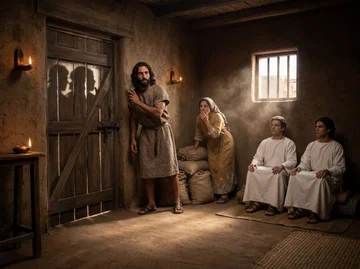
Cross-references 20 of 25
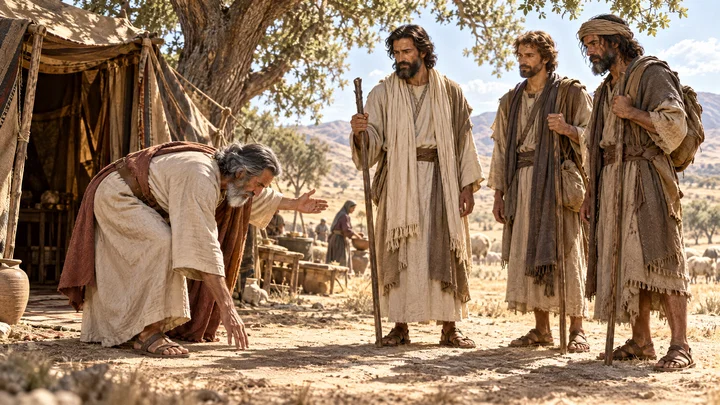
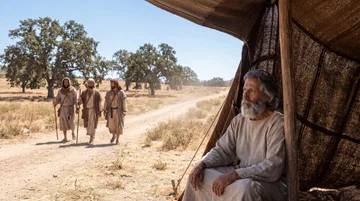
- Genesis 18:1-8
And the LORD appeared unto him in the plains of Mamre: and he sat in the tent door in the heat of the day;
Abraham welcomes and serves visitors unaware they are heavenly guests.
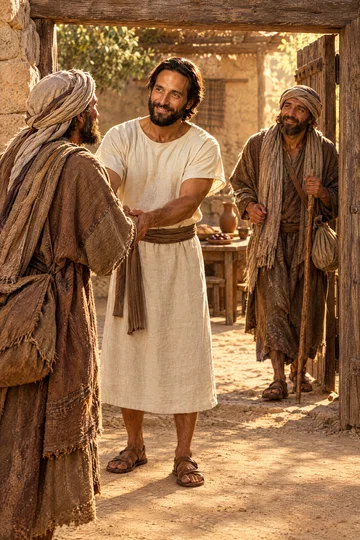
- Genesis 19:1-3
And there came two angels to Sodom at even; and Lot sat in the gate of Sodom: and Lot seeing them rose up to meet them; and he bowed himself with his face toward the ground;
Lot welcomed the angelic strangers into his home and urged them to stay.
- Matthew 25:40
And the King shall answer and say unto them, Verily I say unto you, Inasmuch as ye have done it unto one of the least of these my brethren, ye have done it unto me.
Welcoming a stranger is treated as welcoming Christ.
- 1 Peter 4:9
Use hospitality one to another without grudging.
Both exhort believers to show hospitality without grudging.
- Genesis 19:15-16
And when the morning arose, then the angels hastened Lot, saying, Arise, take thy wife, and thy two daughters, which are here; lest thou be consumed in the iniquity of the city.
The angels lead Lot and his household out of Sodom to safety.
- Romans 12:13
Distributing to the necessity of saints; given to hospitality.
Urges hospitality and care for saints in need.
- Matthew 25:45
Then shall he answer them, saying, Verily I say unto you, Inasmuch as ye did it not to one of the least of these, ye did it not to me.
Neglecting the least, including the stranger, counts as neglecting Christ.
- Job 31:32
The stranger did not lodge in the street: but I opened my doors to the traveller.
Both commend welcoming strangers into one’s home.
- Matthew 25:35
For I was an hungred, and ye gave me meat: I was thirsty, and ye gave me drink: I was a stranger, and ye took me in:
Welcoming strangers is counted as welcoming Christ and is rewarded by him.
- 1 Kings 17:10-16
So he arose and went to Zarephath. And when he came to the gate of the city, behold, the widow woman was there gathering of sticks: and he called to her, and said, Fetch me, I pray thee, a little water in a vessel, that I may drink.
The widow shares her food with Elijah, and her household is sustained.
- Matthew 10:41
He that receiveth a prophet in the name of a prophet shall receive a prophet’s reward; and he that receiveth a righteous man in the name of a righteous man shall receive a righteous man’s reward.
Receiving a prophet or righteous person brings the corresponding reward.
- Romans 16:1-2
I commend unto you Phebe our sister, which is a servant of the church which is at Cenchrea:
Phoebe is commended for welcoming and helping others.
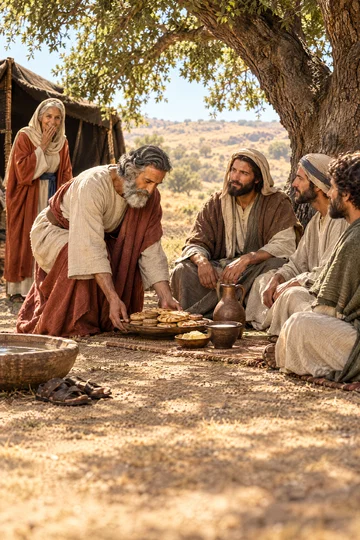
- Genesis 18:6-8
And Abraham hastened into the tent unto Sarah, and said, Make ready quickly three measures of fine meal, knead it, and make cakes upon the hearth.
Abraham welcomed angelic visitors and served them food.
- Genesis 19:2-3
And he said, Behold now, my lords, turn in, I pray you, into your servant’s house, and tarry all night, and wash your feet, and ye shall rise up early, and go on your ways. And they said, Nay; but we will abide in the street all night.
Lot welcomes angelic visitors into his home.
- Judges 13:2-20
And there was a certain man of Zorah, of the family of the Danites, whose name was Manoah; and his wife was barren, and bare not.
An angel visits Manoah and his wife.
- Deuteronomy 10:19
Love ye therefore the stranger: for ye were strangers in the land of Egypt.
God provides for strangers and commands his people to love them.
- Matthew 25:43
I was a stranger, and ye took me not in: naked, and ye clothed me not: sick, and in prison, and ye visited me not.
Refusing a stranger is condemned in the judgment.
- Genesis 19:12-13
And the men said unto Lot, Hast thou here any besides? son in law, and thy sons, and thy daughters, and whatsoever thou hast in the city, bring them out of this place:
The angels announce the city’s judgment after finding its evil great.
- Judges 6:11-22
And there came an angel of the LORD, and sat under an oak which was in Ophrah, that pertained unto Joash the Abi-ezrite: and his son Gideon threshed wheat by the winepress, to hide it from the Midianites.
An angel appears to Gideon as a man.
- Luke 24:29
But they constrained him, saying, Abide with us: for it is toward evening, and the day is far spent. And he went in to tarry with them.
The disciples welcomed Jesus into their home.
Commentary
Each commentary is drawn from primary sources: the writings of Ellen G. White and Adventist pioneers and periodicals. Each commentary is separate. Its own words are not a quotation; follow the references to read the source passages.
Ellen G. White
45 sources
Be not forgetful to entertain strangers means to keep welcoming unknown travelers and needy visitors because any such guest may prove to be a heavenly messenger received without being recognized.6T 342.1–31T 679.2Ms 130, 1899, par. 38–40 Angels come in the form of ordinary people needing food and shelter, as companions and guides in danger, and even Christ Himself meets people in human form, bringing light, encouragement and deliverance through such communion.ED 304.3–49MR 211.14SP 447.3Ms 39, 1898, par. 12–14 This kindness remains a binding duty of brotherly love for all of God's people toward believers and unbelievers, the suffering and the poor, to be given freely and courteously even at a venture without fear of being deceived.1T 679.2Ms 130, 1899, par. 38–40RH Aug 28, 19131T 679.1PK 132.1 To receive such strangers is to receive Christ in the person of His servants and to invite the companionship of angels into the home, while to refuse them is to neglect Christ and to shut away God's messenger.1T 679.2Ms 47, 1912, par. 16–17Ms 58, 1896, par. 13–14RH Mar 16, 1916 God still places these opportunities in the pathway as blessings in disguise and records them in heaven, so that hospitality brings hope, protection and great joy, but indifference forfeits heaven's richest blessings.Ms 130, 1899, par. 38–40RH Aug 28, 1913ST Oct 9, 18932T 28.1ST Oct 9, 1893
Angels Received Unawares
Be not forgetful to entertain strangers, for a guest may be an angel entertained without being recognized.6T 342.1–31T 679.2Ms 130, 1899, par. 38–40Lt 4, 1898, par. 15PP 138.2–3 The command belongs to brotherly love and is a blessing given to all of God's people, whether the stranger is a fellow believer or an unbeliever.1T 679.2Ms 130, 1899, par. 38–406T 341.1–2 It holds even when visitors make no request and may never be seen again, and hospitality offered for Christ's sake in such venturing is recorded in heaven and brings God's blessing.6T 342.1–3Ms 130, 1899, par. 38–406T 341.1–2 Abraham's welcome shows it in practice, for he offered water and food and attended with genuine courtesy to three unknown travelers at his tent, not knowing heavenly messengers were among his guests, one of whom was their glorious Commander.PP 138.2–36T 341.1–2 Lot's kindness shows it likewise, for his courteous reception of two unknown travelers brought angels into his home, and the angels he had sought to protect then protected him and led him and his household to safety from doomed Sodom.6T 342.1–36T 341.1–2
Angels still come as ordinary people, as travelers and wayfarers in need of food and shelter, as companions and helpers in danger, and as guides to benighted travelers.ED 304.3–44SP 447.3Ms 39, 1898, par. 12–14ST Dec 1, 1909 They accept the hospitality of human homes, converse, encourage and support those engaged in God's work, and bring help and deliverance without being known.ED 304.3–44SP 447.3Ms 39, 1898, par. 12–14ST Dec 1, 1909Ms 62, 1886, par. 105–107 They have appeared in garments shining as lightning, thwarted the spoiler's purpose, turned aside the stroke of the destroyer, and, unknown to rulers, spoken in councils and courts to plead for the persecuted and oppressed and to defeat evil purposes against God's children.ST Dec 1, 1909 Their visits to Sodom also observed human deeds to determine whether the limit of patience had been crossed, and for the sake of a few faithful people calamities are restrained and peace prolonged, so that even those who ridicule and oppress them may owe their lives to them.4SP 448.1
Christ and His angels come to people in human form and converse with them without being recognized.9MR 211.1Ms 62, 1886, par. 105–107 Such communion fills the heart with light and grace and joy, quickens spiritual energies, and strengthens to do the will of God.9MR 211.1
Both God's angels and Satan with apostate angels appear on earth as men, God's angels working to defeat the enemy's purposes while the fallen seek to deceive by sowing doubt and unbelief that has led parents and children in visited families to ruin.Lt 4, 1898, par. 158MR 398.3–399.2 The verse therefore calls for care in whom to welcome and heed.Lt 4, 1898, par. 15 In the final conflict heavenly angels in human guise will be active alongside satanic agents in human form.Lt 42, 1909, par. 13
Besides appearing visibly, unseen angels accompany faithful Christians and bring blessing into their homes.6T 342.1–3 By opening doors in Christ's name to needy and suffering strangers, believers welcome unseen angels who are ministering to those children of want and sorrow.Ms 58, 1896, par. 13–14 Those angels pass throughout the length and breadth of the earth seeking to comfort the sorrowing, to protect the imperiled, and to win hearts to Christ, passing by no one, for there is equal care for all souls.Ms 58, 1896, par. 13–14 The full extent of their care will be understood in eternity, when each person learns from the guardian angel present from the earliest moment — who watched steps, covered the head in peril, was present in the valley of the shadow of death, marked the resting place, and will first greet in the resurrection morning — the history of divine interposition and of heavenly cooperation in every work for humanity.ED 304.3–4ST Dec 1, 1909
Biblical Examples of Hospitality
Abraham shows what the verse means by offering water and food to three unknown travelers at his tent and attending to them with genuine courtesy, not knowing they were heavenly messengers.PP 138.2–3Ms 19, 1886, par. 12–14 One of them was the Son of God, and with them was their glorious Commander.Ms 19, 1886, par. 12–146T 341.1–2 His kindness to travelers led him to entertain heavenly angels without knowing who they were.PP 138.2–36T 341.1–2
Lot shows the same truth by courteously receiving two unknown travelers in Sodom, not knowing they were angels or the purpose of their visit.6T 342.1–3ST Oct 9, 1893ST Oct 9, 1893 His hospitality reflected a practiced kindness learned from Abraham and brought angels into his home.6T 342.1–36T 341.1–2PP 158.1–2 The angels he had sought to protect then protected him, led him and his household to safety from doomed Sodom, and this may have spared him from perishing with the city.6T 342.1–3PP 158.1–2 Courtesy toward the strangers brought him help and blessing, with hope, peace, and protection, while shutting the door to a stranger can turn away God’s messenger.ST Oct 9, 1893ST Oct 9, 1893PP 158.1–2 Indifference toward strangers can mean missing heaven’s richest blessings, since kindness, courtesy, and hospitality are duties of everyday life.ST Oct 9, 1893
The visit of the angels to Sodom also shows that they observe human deeds to determine whether the limit of God’s patience has been crossed.4SP 448.1 God restrains calamities and prolongs peace for the sake of a few faithful people, and even those who ridicule and oppress them may owe their lives to them.4SP 448.1
The widow of Zarephath in Zidon shows the command to entertain strangers when God sent Elijah to dwell in her home and be sustained by her at a time when there was no safety for him in the land of Israel.PK 131.5RH Aug 28, 1913 She was not an Israelite and never had the privileges and blessings of God’s chosen people, but she had walked in all the light shining on her pathway.RH Aug 28, 1913 By sharing her morsel with Elijah even in trial and want, her life and that of her son were preserved.PK 131.5 God has not changed, and His power to preserve and bless those who help others more needy is no less now than in the days of Elijah.PK 131.5
Angels visited the Waldensian fugitives as strangers whom they did not recognize, spoke with them as a friend, led them to places of safety, and renewed their courage.LSEGW 290.2 They also lifted the faithful by faith to see the white robes, crowns, and palm branches of victory awaiting the overcomers before God’s throne.LSEGW 290.2 An angel in human form likewise came to John Wesley’s side when a mob threatened him, the mob fell back, and Wesley escaped in safety.4SP 177.1
The humble, earnest messenger of truth who visited people and then moved on to serve others illustrates the same truth, for in many cases he was never seen again.ST Jul 2, 1885GC 75.3 His manner was so gracious and mysterious that hearers wondered whether he had been an angel from heaven.ST Jul 2, 1885GC 75.3 The lasting results of his words will be fully known only at the judgment.ST Jul 2, 1885
Duty to Show Hospitality
The command to show kindness to strangers remains binding with undiminished force and has lost none of its force with time.RH Aug 28, 1913PK 132.1 The duty belongs to brotherly love and to all God's people, extending for Christ's sake to fellow believers and to unbelievers.1T 679.2Ms 130, 1899, par. 38–40 It reaches to sufferers, to visitors who make no request and may never be seen again, and to the needy, naked, poor, afflicted, oppressed, and orphaned.1T 679.26T 341.1–2Ms 47, 1912, par. 16–17 Hospitality is to be offered even at a venture without knowing whether guests are worthy.2T 26.1 Fear of being deceived must not lead to neglecting strangers or refusing responsibility for worthy, self-sacrificing servants of Christ, for in such venturing angels may be entertained.1T 679.12T 26.1
There is virtue in venturing something and disadvantaging self to advantage others through sacrifice to feed the hungry, clothe the naked, and take in the stranger.2T 26.1 Self-love that lives only for self leaves no record in heaven of kindly acts.2T 26.1 Hospitality is a shared responsibility of God's people, not a task assigned to a few or done only for pay.6T 344.1–2 It includes freely entertaining God's servants without demanding pay and without a narrow spirit that charges for entertainment.15MR 232.1–233.120MR 131.4
Hospitality is to be practiced with genuine courtesy in a simple, willing manner.Ms 19, 1886, par. 12–14Lt 5, 1898, par. 32–34 It begrudges nothing in food or comfort, is without selfish concern for self and family, and is without reluctance to make room.Lt 5, 1898, par. 32–34Lt 135, 1894, par. 2 Constant entertaining is not to be treated as a burden with a dejected attitude, for to give it up would be a regretted loss.Lt 135, 1894, par. 2 Receiving God's servants fulfills the gospel requirement and is done for Christ in the person of His servants.15MR 232.1–233.1
Those so received are entitled to the table and privileges of the home, but obligations are mutual.15MR 232.1–233.1 Guests must share domestic burdens and not live only for their own convenience while hosts are burdened, and God holds guests as debtors to hosts to the degree hosts care for them.15MR 232.1–233.1 The verse applies to supporting the gospel cause by hospitality to strangers and pilgrims who preach it.Lt 330, 1906, par. 13–14 Sanitariums are to be made places of welcome for heavenly messengers and shelter for those who love and fear God.Lt 225d, 1906, par. 14
Receiving interested strangers into a dwelling such as a missionary boat used as a home sows truth, carries light where it had not shone, and brings some to first see the light while being entertained.STGC 79.1–2 Ministers with their wives and children are often obliged to entertain brethren cheerfully as a pleasure that brings sunshine to those needing help, bearing real additional expense that requires a financial margin in remuneration.GW 449.4–450.1
Christ and Angels Present
Welcoming strangers and caring for them belongs to brotherly love, and some who have shown such hospitality have entertained angels without knowing it.1T 679.2 To welcome suffering people is to serve Christ himself, even when those who help do not realize whom they are serving, while to refuse hospitality to His people is to neglect Christ.1T 679.2 Making the stranger welcome to a seat in the home and a place in the heart brings angels very near, with an answering response in heaven.Ms 47, 1912, par. 16–17 Sympathy with hearts burdened with discouragement and grief, giving to the needy, clothing the naked, succoring the poor, sympathizing with the afflicted and oppressed, and befriending the orphan brings a closer relationship with Jesus, and refusal forfeits a habitation in heaven, because what is not done for one of the least is not done for Christ.Ms 47, 1912, par. 16–17
To entertain strangers is to invite the companionship of heavenly beings.Ms 58, 1896, par. 13–14 They bring a sacred atmosphere of joy and peace and come with praises upon their lips that awaken an answering strain in heaven, so that every deed of mercy makes music there.Ms 58, 1896, par. 13–14 Angels of heaven are sent to minister to those who shall be heirs of salvation, whose identity is not yet made manifest, and in opening doors in Christ's name to needy and suffering strangers believers welcome unseen angels who are ministering to those children of want and sorrow.Ms 58, 1896, par. 13–14 Those angels are passing throughout the length and breadth of the earth seeking to comfort the sorrowing, to protect the imperiled, and to win hearts to Christ, neglecting and passing by no one, because God is no respecter of persons and has equal care for all souls He has created.Ms 58, 1896, par. 13–14 The Father from His throne numbers the unselfish workers among His most precious treasures.Ms 58, 1896, par. 13–14
Celestial beings take an active part in human affairs by coming as men in the garb of wayfarers and accepting the hospitality of human homes.ST Dec 1, 1909 They appear in garments that shine as lightning and act as guides to benighted travelers, thwart the spoiler's purpose and turn aside the stroke of the destroyer.ST Dec 1, 1909 Though the rulers of this world do not know it, angels speak in their councils and plead the cause of the persecuted and oppressed in the council-hall and the court of justice, defeating purposes and arresting evils that would bring wrong and suffering to God's children.ST Dec 1, 1909 Every person will one day understand this ministry in his own life through the guardian angel who was with him from his earliest moment, watched his steps, covered his head in the day of peril, was with him in the valley of the shadow of death, marked his resting-place, and will first greet him in the resurrection morning to tell the history of divine interposition in his life and of heavenly cooperation in every work for humanity.ST Dec 1, 1909
In a home where Christ reigns, God's angels are guests and keep holy watch, and their holy presence watches over and hallows the marriage chamber.RH Mar 16, 19165T 362.2 Angels may be received as guests without being recognized.5T 362.2 Homes with genuine home religion become places where the angels of God love to dwell, and a home marked by love and gracious hospitality is a place where angels delight to be present.Ms 34, 1889, par. 14RH Oct 28, 1915 This happens when the family keeps a standard of morality and Christian worth instead of copying those who have none, and does the work with patience and perseverance and living faith that takes hold on the strong arm of God, so that home religion spreads into neighborhood religion.Ms 34, 1889, par. 14
Blessing and Accountability
The command to show kindness to strangers remains binding with undiminished force and has lost none of its force with time.RH Aug 28, 1913PK 132.1 God still places in the pathway of His children opportunities to help that are blessings in disguise.RH Aug 28, 1913PK 132.1 Especially in time of trial and want, when sympathy and help are given to others more needy, those who improve these opportunities find great joy and receive great blessing, for His power to preserve and bless is no less now than in the days of Elijah.RH Aug 28, 1913PK 132.1 Welcoming strangers is an important duty that may bring blessings hidden within the opportunity, and angels watch to see whether people use chances to help others.2T 28.1 Differences in wealth and circumstances, including poverty, provide occasions to be tested and to reveal and develop character.2T 28.1
Kindness, courtesy, and hospitality are duties of everyday life through which blessings of hope, peace, protection, help, and deliverance may come.ST Oct 9, 1893ST Oct 9, 18934SP 447.3PP 158.1–2 Lot did not know the travelers were angels or the purpose of their visit, yet his courteous welcome was in keeping with his character and brought him the angels' help.ST Oct 9, 1893ST Oct 9, 1893 His hospitality reflected a practiced kindness and may have spared him from perishing with the city.PP 158.1–2 Indifference toward strangers can mean missing heaven's richest blessings, and a household can turn away God's messenger by shutting its doors to a stranger, while ordinary acts of courtesy and care for others can bring blessing and hope.ST Oct 9, 1893PP 158.1–2 Angels can come appearing as ordinary people and as ordinary human travelers welcomed as guests without being recognized, and their presence may bring warning, correction, protection, mercy, judgment, help, and deliverance without being recognized.ST Oct 9, 18934SP 447.3
Hospitality offered for Christ's sake, whether to fellow believers or unbelievers, is a blessing given to all God's people, is recorded in heaven, and brings God's blessing.Ms 130, 1899, par. 38–40 Angels have entered human homes and been received there, some without being known.Ms 130, 1899, par. 38–40 A visit that includes prayer may help save someone from death, and Jesus keeps account of the money spent in entertaining others for His sake.Ms 130, 1899, par. 38–40 Angels are sent to minister to heirs of salvation whose identity is not yet manifest, and in opening doors to needy and suffering strangers believers welcome unseen angels ministering to those children of want and sorrow.Ms 58, 1896, par. 13–14 The angels pass throughout the length and breadth of the earth seeking to comfort the sorrowing, to protect the imperiled, and to win hearts to Christ, neglecting and passing by no one because God has equal care for all souls.Ms 58, 1896, par. 13–14 To entertain strangers is to invite the companionship of heavenly beings who bring a sacred atmosphere of joy and peace and come with praises that awaken an answering strain in heaven, so that every deed of mercy makes music there, and the Father from His throne numbers the unselfish workers among His most precious treasures.Ms 58, 1896, par. 13–14
Angels take account of how hospitality is practiced.6T 344.1–2 Those who live in God's presence may welcome heavenly angels without realizing it, and the angels leave a blessing behind.Lt 5, 1898, par. 32–34 Hospitality should be simple and willing, not limited by selfish concern for self and family or by reluctance to make room for others.Lt 5, 1898, par. 32–34 It is a responsibility shared by God's people, not a task to be assigned to a few or done only for pay, and selfishness and refusing to welcome guests cause people to miss blessings.6T 344.1–2 A narrow spirit that charges for entertainment and freely fails to entertain God's servants without demanding pay loses the sweetest blessings, and lack of hospitality turns souls away from the truth.20MR 131.4
Sources
Pioneers and periodicals
109 sources
Do not neglect to welcome strangers into your home and care, for this kindness remains a binding duty of love toward the poor, lonely, and unknown as well as toward traveling believers.RH Aug 28, 1913ST Dec 7, 1904ST Dec 12, 1911ST Aug 27, 1894ST Aug 21, 1893 Some who have done so have received angels without knowing it, for angels can come in human form as ordinary travelers who eat and converse with people.RH Jan 9, 1908CO 75.2–76.3RH Jul 14, 1868ST Aug 15, 1916RH Dec 22, 1910 Abraham at Mamre and Lot at Sodom's gate show the pattern, running to meet unknown wayfarers, bowing, urging them to rest and wash, and feeding them, only to find they had received the Lord and His angels and gained blessing and rescue.RH Jan 9, 1908ST Dec 7, 1904ST Mar 9, 1888ST Aug 15, 1916CO 75.1 True welcome is simple and willing, giving food, shelter, and rest without elaborate display or judging worth, yet with wise caution toward deceivers and the idle.CO 75.2–76.3RH Feb 9, 1869RH Feb 9, 1869RH Aug 1, 1865ST Oct 6, 1881 God promises special blessing on such homes, for angels leave blessing behind, Christ counts the kindness as done to Himself, and even a cup of water given in love is noticed and recorded in heaven.RH Jan 9, 1908CO 75.2–76.3RH Apr 28, 1910ST Jun 13, 1878ST May 6, 1880
Command to Welcome Strangers
Believers are commanded not to forget or neglect hospitality toward strangers, a positive Christian duty of love expressed in entertaining them and treating them kindly.ST Dec 12, 1911ST Aug 27, 1894RH Oct 23, 1900RH Feb 21, 1907 That kindness to strangers remains binding with undiminished force, following the examples of the patriarchs, some of whom entertained angels without knowing it.RH Aug 28, 1913RH Oct 23, 1900 God still places in the pathway of His children opportunities that are blessings in disguise, especially in time of trial and want when sympathy and help are given to others more needy, and those who improve these opportunities find great joy and receive great blessing, for His power is no less now than in the days of Elijah.RH Aug 28, 1913
Love must extend beyond fellow believers and friends to strangers, and hospitality should be offered without complaint.ST Dec 7, 1904ST Aug 21, 1893 The strangers to be welcomed include even the poor and despised wayfarer, the lonely, the unfamiliar, and the socially disfavored, including poor women fallen into sin whose souls are no less valuable, with practical kindness such as a meal, rest, shelter, or a place to stay.ST Dec 7, 1904ST Jan 11, 1905ST Jan 11, 1905 Because a stranger may be a divine messenger, turning away someone who is hungry may mean refusing such a guest, and every person is to be treated kindly and respectfully since each human soul is precious to God and was redeemed by Christ's life.ST Dec 7, 1904 One who has felt like a stranger can learn to notice and welcome others, and serving them with tenderness brings peace and blessing to both.ST Jan 11, 1905
Continuing brotherly love includes welcoming and hospitably caring for strangers, including fellow believers who travel from a distance to meet with others, who should be received warmly and without resentment since some who welcomed strangers unknowingly entertained angels.RH Jan 10, 1907 It also calls for hospitality and practical care for those who suffer for their faith, including people who have left everything for Christ, and failing to welcome or encourage them is a failure to show Christlike care.RH May 5, 1868 This hospitality is joined with care for fellow believers and one another, and is not a command to treat every person who asks for food as a guest or to encourage disorderly conduct, for those unwilling to work are told to work and eat their own bread and are to be admonished as brothers but not treated as enemies.ST Jan 11, 1905
The Lord Himself directs the entertaining of strangers, making it a commanded duty, and joins a promise to that hospitality, a promise illustrated by the commendable example of a Bible character in entertaining strangers.RH Oct 22, 1901 This direction concerning strangers stands alongside His directions for extending the privileges of the home to other classes, and hospitality is a lesson frequently taught in Scripture by precept and example.ST Jan 4, 1905RH Oct 22, 1901 Jesus practiced it when He invited the two disciples who followed Him to come to where He dwelt, and that act was the first lesson He taught after entering upon His ministry.ST Jan 4, 1905 A home belonging to God's servants should be open to those seeking the rest God offers and to travelers passing through who need to stop for a season, gladly receiving both those already known as friends of the Saviour and those not yet known, because some who receive strangers have unknowingly welcomed angels.ST Feb 27, 1893RH Nov 6, 1866
Angels Entertained Unawares
Hebrews 13:2 teaches that hospitality to strangers carries the possibility of receiving angels without knowing it, so that a stranger may be far more significant than he appears.RH Jan 9, 1908CO 75.2–76.3RH Jul 14, 1868ST Apr 26, 1910RH Aug 11, 1903 Abraham welcomed three travelers and thereby served heavenly angels and their Commander, and Lot sheltered two unknown travelers and was himself protected by them.RH Jan 9, 1908CO 75.2–76.3 This privilege is not limited to the past, for angels may still enter homes in human form, and unseen angels accompany Christians who live in God's presence and leave blessing in their homes.RH Jan 9, 1908CO 75.2–76.3 Those who bring comfort and help in ordinary life are God-given and God-sent to bless others like angels unaware, and a poor stranger asking for help may be an angel in disguise to be welcomed and cared for rather than turned away.RH Nov 13, 1900ST Apr 26, 1910
People cannot reliably judge others by appearance, for Abraham's dusty, ordinary-looking visitors included two angels and the Lord.ST Mar 9, 1888 Worth should not be judged by appearance, since a stranger may be a divine messenger and a messenger from God may be received without being recognized.ST Mar 9, 1888ST Feb 11, 1903 Hospitality belongs especially to those whose distress and need for life's necessities are plain even when identity and character are unknown, and it arises from love for God and other people rather than neglect through fear of impostors or covetousness.RH Jul 14, 1868 Generously welcoming strangers even when worthiness is unknown has virtue because the one entertained may be an angel without the host realizing it, and rejecting help because it comes in unexpected lowly form, as with a beggar whose kindness could answer prayer, fails the lesson.ST Feb 11, 1903RH Sep 17, 1908
Angels are real heavenly beings with personal form, not merely thoughts or feelings, who may appear to people in the guise of travelers so that people can receive them without recognizing who they are.RH Oct 8, 1903 They have visited earth on errands of mercy appearing as men who walked and talked and even ate with people, as when Abraham prepared food for angelic visitors who ate it.ST Aug 15, 1916RH Aug 1, 1865 They can appear without their glory being seen, and when their glory is revealed people may fall as though dead. At Mamre Abraham ran to meet two approaching strangers, bowed, entreated them to stop, and made simple refreshment while they rested, and at Sodom's gate in the evening Lot rose to meet two angels, bowed with face to the ground, and pressed them greatly to turn in, tarry all night, and wash their feet, in both cases receiving the Lord himself though at first they seemed only wayworn travelers.RH Dec 22, 1910
Celestial beings take an active part in human affairs by coming as men in the garb of wayfarers and accepting hospitality, appearing at times in garments shining as lightning.ST Dec 1, 1909 They act as guides to benighted travelers, thwart the spoiler's purpose and turn aside the stroke of the destroyer.ST Dec 1, 1909 Though rulers of this world do not know it, angels speak in their councils and plead the cause of the persecuted and oppressed in council-hall and court of justice, defeating purposes and arresting evils that would bring wrong and suffering to God's children.ST Dec 1, 1909 Every person will one day understand this ministry through the guardian angel who was with him from his earliest moment, watched his steps, covered his head in the day of peril, was with him in the valley of the shadow of death, marked his resting-place, and will first greet him in the resurrection morning to tell the history of divine interposition and heavenly cooperation in every work for humanity.ST Dec 1, 1909
Angels walk unseen through crowded human life, unknown as they ease pain and unheard as they move through the night leading lost people back to life, beheld by heaven yet hidden from eyes darkened by sin and wrong.ST Feb 10, 1904 They can come appearing as ordinary people, and their presence may bring warning, correction, protection, mercy, or judgment without being recognized, as Lot's welcome of the strangers in Sodom shows that courtesy toward them brought help and blessing.ST Oct 9, 1893 This calls people to serve as angels serve by seeing aright, hearing God's whispered word, and tenderly helping aching sufferers.ST Feb 10, 1904
Entertaining an angel unawares with true benevolence and courtesy is equally worthy as if the heavenly identity were known.RH Jan 22, 1867 The moral worth of an action lies not in the amount of work, its consequences, or knowledge of the greatness of its object, but in the amount of principle kept and the purity of the motive by which it is governed.RH Jan 22, 1867 God as no respecter of persons judges everyone according to entrusted moral powers, light on the pathway, and governing motives, making no difference whether the act respects the rights of God, His law, or His creatures.RH Jan 22, 1867
The verse challenges people to consider whether they would welcome Christ if He appeared as an ordinary traveler.ST Mar 9, 1888 It does not teach that Christ might already be living among people and be mistaken for an ordinary stranger, which is rejected as a false theory about His second coming.ST Nov 18, 1913
Scriptural Examples of Hospitality
Abraham at Mamre welcomed three travelers whom he took for weary wayfarers and thereby entertained angels without knowing it.ST Dec 7, 1904ST Mar 9, 1888ST Aug 15, 1916ST Jan 11, 1905RH Oct 22, 1901 Sitting at his tent door he ran to meet them, bowed before them, entreated them to stop and rest in the shade, and made generous yet simple refreshment for them.ST Dec 7, 1904ST Jan 11, 1905RH Dec 22, 1910 They ate the food he prepared, and one was the Lord with two angels, illustrating eager ordinary generosity that extends to strangers and not to friends only, without excluding even the poor and despised wayfarer.ST Dec 7, 1904ST Mar 9, 1888ST Aug 15, 1916RH Oct 22, 1901RH Dec 22, 1910 Because a stranger may be a divine messenger, turning away one who is hungry may mean refusing such a guest, and unselfish kindness to friend and stranger alike is the foundation of genuine courtesy.ST Dec 7, 1904RH Dec 22, 1910
Lot at Sodom's gate in the evening rose to meet two unknown travelers, bowed with his face to the ground, and urgently pressed them to turn into his house, tarry all night, and wash their feet.RH Jan 9, 1908STRH Jul 29, 1915RH Dec 22, 1910 He did not know they were angels or the purpose of their visit, yet his courteous welcome was in keeping with his character and brought him their help.RH Jan 9, 1908ST Oct 9, 1893ST Oct 9, 1893 His urgent welcome led to his rescue and protection when Sodom was destroyed the next day, showing that kindness, courtesy, and everyday hospitality can bring hope, peace, protection, and heaven's richest blessings, while indifference toward strangers can mean missing them.ST Oct 9, 1893CO 75.1ST Hospitality to God's children can still bring angels into a home, including angels in human form, while unseen angels accompany Christians and leave a blessing there.RH Jan 9, 1908ST Oct 9, 1893RH Jul 29, 1915
God sent Elijah to dwell in the home of the widow of Zarephath in Zidon to be sustained by her, giving him asylum there when there was no safety for him in Israel.RH Aug 28, 1913 Though a Gentile without Israel's privileges and blessings, she had walked in all the light shining on her pathway and was commanded to sustain His servant.RH Aug 28, 1913 Jesus practiced hospitality when He invited the two disciples who followed Him to come to where He dwelt, and that welcome was the first lesson He taught after entering upon His ministry.ST Jan 4, 1905ST Dec 22, 1898 His act exemplifies the verse though He knew they were not angels, for the verse enjoins hospitality to strangers and is frequently taught in Scripture by precept and example, with its mention of angels highlighting that welcoming strangers can bring an unexpected encounter.ST Jan 4, 1905ST Dec 22, 1898 At Emmaus the disciples urged Jesus, whom they did not recognize, to stay with them, and their hospitality led to His personal recognition and blessing, which they would have missed without it.ST Apr 17, 1901 Feeling need of Christ and seeking Him through His Word assures His presence and help.ST Apr 17, 1901
The Vaudois illustrate the spirit by eagerness to help strangers and care even for persecutors, sheltering a fugitive duke and tending wounded soldiers.ST Apr 2, 1885 The Waldenses traveling disguised as peddlers to share Scripture served with such humility that people wondered whether an angel had appeared to them, showing that Christian humility can accompany quiet, influential service.ST Apr 2, 1885ST Nov 19, 1885
Practicing Genuine Hospitality
Hospitality means welcoming and caring for people who for a time have no home, giving food and shelter and rest, a place to sleep and help on the way, making them as comfortable as circumstances allow and expecting no payment or reward.RH Feb 9, 1869RH Feb 9, 1869RH Aug 1, 1865STST Oct 13, 1898 It is illustrated by freely giving a tired, hungry traveler food and rest without asking for payment, treating him as a brother for the sake of Jesus in a way that points him to Christ.RH Aug 1, 1865STST Oct 13, 1898 The duty extends to lonely visitors and people unfamiliar or socially disfavored, and one who has felt like a stranger learns thereby to notice and welcome others with tenderness that brings peace and blessing to both giver and receiver.ST Jan 11, 1905
It should be offered simply and willingly, without elaborate preparations that take time from service to God or from needed care of family.CO 75.2–76.3 Its deeper value lies not chiefly in costly meal or comfortable lodging but in sincere care and courtesy and a heart shaped by truth and love.ST Oct 6, 1881 Entertaining visitors with warmth and ease rather than stiffness or pretense can bring unexpected blessing, so that guests and hosts prove like angels to one another without realizing it.
Kindness must not be made to depend on first judging who is worthy, because a stranger's character cannot always be known.RH Feb 9, 1869ST Jan 11, 1905 Even kindness to the worthless imitates God's generosity, and generously welcoming a stranger when worthiness is unknown has virtue in itself, because the one entertained may be an angel unawares.RH Feb 9, 1869RH Sep 17, 1908 This includes poor women fallen into sin and others in need, whose souls are no less valuable and who should be welcomed with practical kindness such as a meal or shelter.ST Jan 11, 1905
The call includes giving food or other aid even when honesty is uncertain, because a small gift may preserve a life.RH Jul 14, 1868RH Jul 14, 1868 A stranger in need may be sent to test charity and faith, especially one whose distress and need of life's necessities are known even when identity and character are not.RH Jul 14, 1868RH Jul 14, 1868RH Jul 14, 1868 Help given for God's sake is not to be regretted even if the recipient proves a hypocrite or impostor, and refusing help on mere suspicion can leave the genuinely needy without what would save life.RH Jul 14, 1868RH Jul 14, 1868 The duty arises from love to God and to others, yet it is easily abandoned through fear of impostors or through covetousness, and must be held rather than neglected toward unknown guests.RH Jul 14, 1868
Hospitality does not require credulity nor forbid precaution against hypocrites and deceivers who seek to exploit it.ST Jan 11, 1905RH Feb 13, 1900 Those who claim angelic character while drunk or using tobacco do not fit the example of angels entertained unawares.RH Feb 13, 1900ST May 22, 1884 The verse is not a command to treat every person who asks for food as a guest, for hospitality stands joined with care for fellow believers and one another, while the disorderly are to be admonished as brothers and not treated as enemies nor encouraged in disorderly conduct, and those unwilling to work are told to work and eat their own bread.ST Jan 11, 1905 Kindness and hospitality are still to be shown to strangers including the homeless, with caution, and such kindness to those in need will not go unrewarded.
The home should ask in guests who cannot repay in equal style, and keep room and provisions ready for guests and the needy.ST Jun 13, 1878ST Jun 13, 1878 This means taking in sojourning ministers instead of sending them elsewhere for entertainment, and sheltering weary homeless wanderers instead of pointing them to the almshouse.ST Jun 13, 1878 Keeping a house only for its owners, shifting appeals for benevolence from husband to wife so that nothing is given, and caring only for property and dress and visits disobeys the command and leaves neither town nor world better for such living.ST Jun 13, 1878 A home so used for visitors and needy wanderers becomes God's house and not merely one's own, and the promise that some have unknowingly received angels gives sacred reason to offer food and rest.ST Jun 13, 1878ST Jun 13, 1878
Church members should make homes for evangelists, missionaries, and other traveling workers, even at personal expense, since angels may still enter homes and unseen angels accompany Christians and leave blessing there.CO 75.2–76.3 Showing hospitality includes sheltering and nourishing traveling preachers, welcoming them when the duty has been forgotten, paying their lodging and helping them on their travel.RH May 20, 1858RH Oct 15, 1857 Those who sheltered and nourished them learn that those who accept present truth may find shelter from the more dreadful storm of the seven last plagues and have food and water in that time.RH May 20, 1858
In church this means kindly greeting unfamiliar visitors, and when circumstances permit hosting those far from home.ST Jun 10, 1875 It means giving one's best even to people present only briefly, such as transients, to make life more pleasant for others. It means making room courteously for one asking a seat, giving the best pews, and not leaving an old poor visitor without invitation or kindness.ST Jun 10, 1875ST May 6, 1880ST May 6, 1880 An old poor stranger left without a seat until his making one from a stone shamed the congregation into offering seats and help shows that courteous hospitality should be given readily, and that welcoming a stranger is welcoming Christ.ST May 6, 1880 It means noticing a lonely young man newly arrived in the city, greeting him warmly and perhaps inviting him home to make life less lonely and duty easier, and warmly receiving a young visitor so he feels welcome on return, for a cold response can wound and drive one away.ST Dec 11, 1884ST Mar 20, 1893
Remembering the stranger also means turning a home into a hospital to care for the sick as an example of true hospitality.ST Nov 19, 1902 It means sharing the truth of the gospel with those who have not received it.RH Dec 24, 1903 In missionary work it calls for opening the home and sharing meals and fellowship with local people, while balancing hospitality with the family's spiritual safety and need for privacy.RH Sep 26, 1912
Such hospitality is fitting because kindness and hospitality are valued by ourselves, and remembering the hardship of workers who travel away from home, sometimes without shelter, teaches treating others as one would wish to be treated even when it takes effort.RH Sep 4, 1900 It can be practiced at home even by those who are poor, and those who share in the work can gladly help provide its expenses.RH Aug 28, 1900 Concern for people, including those with whom one has little in common, shown in small acts builds goodwill and helps open hearts to spiritual influence.ST Jun 15, 1882
Blessings of Welcoming Strangers
Those who welcome others for Christ's sake are promised special blessing, for such hospitality is recorded and need is supplied in return.CO 75.2–76.3 Unseen angels accompany those who live in God's presence and leave blessing in their homes, and a home used in this way becomes God's house and brings blessing to its host.RH Jan 9, 1908CO 75.2–76.3ST Jun 13, 1878 Abraham welcomed three travelers and thereby served heavenly angels and their Commander, and Lot sheltered two unknown travelers and was himself protected by them.RH Jan 9, 1908 Abraham's hospitality brought blessing to his home, and Lot's urgent welcome led to his rescue when Sodom was destroyed the next day.CO 75.1ST
Lot urged two travelers to stay, fed them, and washed their feet without knowing they were angels or the purpose of their visit, yet his courteous welcome brought their help in keeping with his character.ST Oct 9, 1893ST Indifference toward strangers can mean missing heaven's richest blessings, while kindness, courtesy, and everyday hospitality can bring hope, peace, and protection.ST Oct 9, 1893 God still places in His children's pathway opportunities that are blessings in disguise, especially in time of trial and want when sympathy and help are given to the more needy.RH Aug 28, 1913 Those who improve these opportunities find great joy and receive great blessing, for His power is no less now than in the days of Elijah.RH Aug 28, 1913
Kindness to those in need will not go unrewarded, for doing good to a stranger can bring good in return, as when two glasses of milk given to a weary traveler brought return good.RH Jul 3, 1913 A stranger's favor reveals God's loving care and provision, and help from an unknown hand can be God's answer, as when bread was brought to a hungry traveler who may have been an angel.RH Jun 30, 1910RH Oct 5, 1911 Lodging given to a canvasser with unexpected lack of further need is a sign of the Lord's care and provision.RH Dec 31, 1903 A stranger taken in for nursing and care for only a pitiful sum, without thinking what it will become, can prove an angel to receivers by becoming as a daughter in old age, repaying devoted care with love and help, removing troubles and saving the dearly loved home.ST Feb 17, 1898
Likewise a poor couple who welcome a traveler without knowing he is the creditor whose decision can change their lives may find their kindness leads him to understand their hardship and cancel their debt.ST Aug 1, 1878 Uninvited papers arriving without invitation can bring the blessing of truth into the home, showing that angels may be welcomed without knowing who they are.RH Sep 1, 1910ST Feb 7, 1911 Angels honor and delight to be present where Christ reigns, and their holy presence watches over and hallows even the marriage chamber.RH Mar 16, 1916RH Oct 28, 1915 Homes where industry, peace, harmony, love, and gracious hospitality prevail attract angels to linger and stay, and children reared under such influences go forth to found such homes.RH Oct 28, 1915RH Jul 13, 1916
Such homes should be kept in proper condition for holy guests with cleanliness, order, and taste indoors and out, sharing even meager fare in a cottage alike with needy stranger and friend in an air of welcome and freedom restful to all who enter.RH Aug 17, 1911 In this hospitality the Saviour in the person of His brethren is often entertained, and blessing is shared by all.RH Aug 17, 1911 Angels notice and record small acts of kindness, so an ordinary deed of care can have heavenly significance.ST Apr 20, 1882 Even one too weak to join the reapers can do this work by simple kindness such as giving a cup of cool water to a fainting thirsty traveler at the door, who may be one of the Lord's angels leaving blessing behind, and the Lord of the harvest is well pleased and counts such help as binding sheaves of richest grain.RH Apr 28, 1910
The welcome must not be put off until life grows quiet or strength fails, for angels meant to be welcomed later may be gone by then.STST Apr 17, 1879 Angels are drawing near and passing by and must be called in now and not someday.ST Oct 31, 1895 Busy, fevered rushing wears the soul and drowns their footsteps, so hearts need holy hush to hear them and eyes watching as Abraham sat at his tent door at close of day.ST Oct 31, 1895 They should be bidden to turn aside and tarry awhile in sweet converse and asked to hallow the food, to drink and break bread, lest waiting until work ends leaves only watching for angels who are gone.ST Oct 31, 1895
Wider Uses and Applications
Caring attention to children's ordinary questions and needs can be entertaining angels unaware, for children are angels given to a mother.ST Aug 12, 1886ST May 18, 1904 Hurried cares must not be made into stones to build a wall between a mother and her own, causing her to miss a blessedness that swiftly takes flight.ST May 18, 1904 Taking time by the way to listen and answer gathers the richest gifts, bringing blessings that may sustain her in the darkest day of bereavement and loss.ST Aug 12, 1886ST May 18, 1904
A child hearing Jesus' simple words and parables may receive God unknowingly, with the words remaining in mind until growing understanding recognizes the divine visitor.RH Mar 14, 1871 The verse applies to welcoming young women who have little comfort at home, offering them a safe place, companionship, and useful activity that can help keep them from temptation.ST Aug 13, 1885 It also calls for treating a Black woman as a fellow child of God with a warm greeting, since such welcome may be welcome to an angel unawares.ST Sep 1, 1898 Poor women fallen into sin are included among strangers to be welcomed without first judging worthiness, for their souls are no less valuable and they should receive practical kindness such as a meal or shelter.ST Jan 11, 1905
People who bring comfort and help in ordinary life are God-given and God-sent to bless others like angels unaware, even when their human faces reveal need.RH Nov 13, 1900 Ordinary acts of care — a thoughtful word, a letter, a flower, helpful counsel, or a gentle touch — are chances to act like an angel.ST Jun 11, 1894 Neglecting a tender word, helpful counsel, or loving gesture leaves compassion undone and may bring regret.ST Jun 11, 1894
A person may receive God's messenger without recognizing who he is, so kindness from strangers should be readily received without judging worth by appearance.ST Feb 11, 1903 Rejecting help because it comes in unexpected lowly form fails the lesson, as when a beggar's humble kindness could have been God's answer to prayer for guidance.ST Feb 11, 1903 A seeming helper is distinguished from an angel by signs of ordinary sinful human conduct.ST May 28, 1912 Welcoming a stranger is a way of welcoming Christ, as shown when an old poor stranger left without a seat made one from a stone and shamed the congregation into offering seats and help.ST May 6, 1880 Loving service to Christ's little ones is an even greater privilege, because it is service to Christ himself.RH Nov 1, 1906
Opening the door of the heart with sweet sympathy for stranger and kin makes the halls of the heart so fair that angels may enter unaware.RH Sep 14, 1911RH Mar 8, 1906ST Jul 1, 1908RH Apr 17, 1900 Close familiarity can keep people from recognizing a true messenger of God, so that only after his death do they realize they failed to know or value him.ST Apr 22, 1889 Likewise a humble earnest messenger of truth may move on to serve others and in many cases never be seen again, with the lasting results of his words fully known only at the judgment.ST Jul 2, 1885 The visits in which angels walked and talked and even ate with people as men on errands of mercy demonstrate that intelligent beings inhabit at least one world besides ours.RH Aug 1, 1865
Hospitality matters even when the one helped is not an angel, for giving food and kindness to a poor weary mother and her children is doing angel's work. This is seen when Gerhardt shares humble food with an unknown hungry traveler unexpectedly revealed as the grand duke.ST Mar 20, 1884 It is seen also in John's loving self-sacrificing care for Carry, who had unknowingly received an angel in him, a love compared with laying down life for friends.ST Feb 23, 1882
The duty is illustrated by a bishop's rebuke of a preacher who failed to show him hospitality, which prompted examination of conduct and reformation of character.ST May 15, 1901 It extends to generosity and large-hearted care especially for the unfortunate, the downtrodden, orphans, fatherless children, and widows.RH Sep 22, 1868 A mother is urged to give a homeless traveler the food and bed she would give her own absent son, and to greet strangers as she would hope others would greet him while lonely and far from home.
Entertaining visitors with warmth and ease rather than stiffness or pretense can bring unexpected blessing, so that guests and hosts may prove like angels to one another without realizing it. By contrast the visits of traveling agents are treated as a nuisance to be pushed off onto the minister, an ironic application of the call to welcome strangers as possible angels.ST Oct 14, 1880 Christians must not treat those seeking help as strangers but receive needy believers with care and hospitality, since neglect can leave them without support and even lead them to abandon Sabbath observance.RH Aug 4, 1868 Lodging given to a canvasser with unexpected lack of need for additional goods is a sign of the Lord's care and provision.RH Dec 31, 1903
Sources