Matthew 25:35
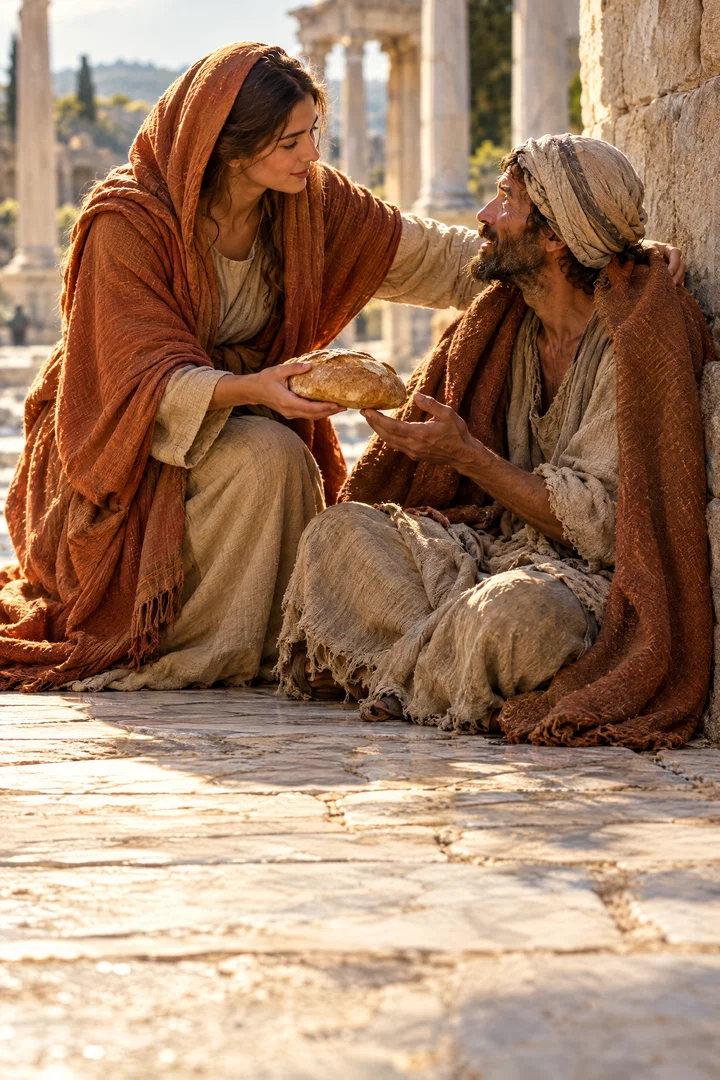
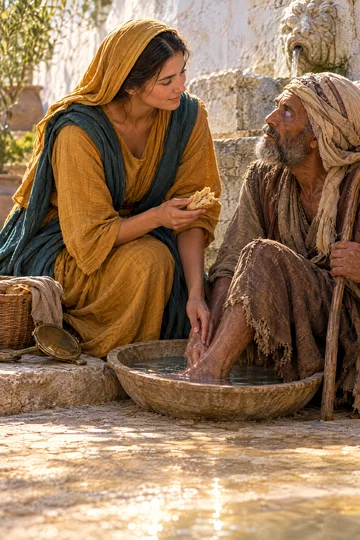
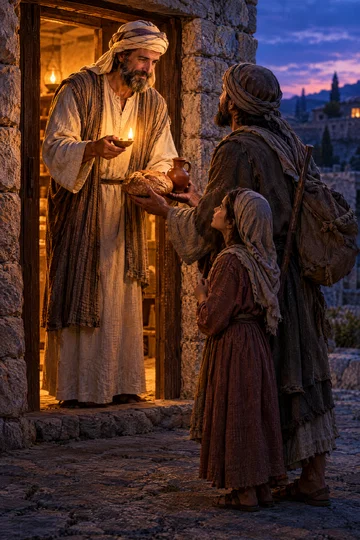
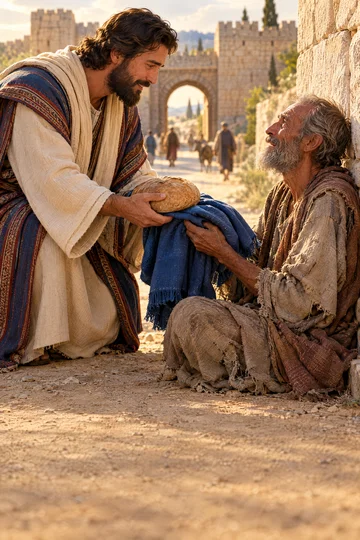
For I was an hungred, and ye gave me meat: I was thirsty, and ye gave me drink: I was a stranger, and ye took me in:
Translations
For I was an hungered, and you gave me meat: I was thirsty, and you gave me drink: I was a stranger, and you took me in:
For I was an hungred, and ye gave me meat: I was thirsty, and ye gave me drink: I was a stranger, and ye took me in:
for I was a hungred, and ye gave me meat: I was thirsty, and ye gave me drink: I was a stranger, and ye took me in:
For I was hungry, and ye gave me food: I was thirsty, and ye gave me drink: I was a stranger, and ye took me in:
for I was an hungred, and ye gave me meat: I was thirsty, and ye gave me drink: I was a stranger, and ye took me in;
for I was hungry, and ye gave me to eat; I was thirsty, and ye gave me drink; I was a stranger, and ye took me in;
for I did hunger, and ye gave me to eat; I did thirst, and ye gave me to drink; I was a stranger, and ye received me;
for I hungered, and ye gave me to eat; I thirsted, and ye gave me to drink; I was a stranger, and ye took me in;
For I hungered, and ye gave me to eat, I thirsted, and ye gave me drink, a stranger, was I, and ye took me home,
Berean Standard Bible, Majority Standard Bible
For I was hungry and you gave Me something to eat, I was thirsty and you gave Me something to drink, I was a stranger and you took Me in,
for I was hungry and you gave me food to eat. I was thirsty and you gave me drink. I was a stranger and you took me in.
For I was in need of food, and you gave it to me: I was in need of drink, and you gave it to me: I was wandering, and you took me in;
For I was an hungred, and ye gaue me meate: I thirsted, and ye gaue me drinke: I was a stranger, and ye tooke me in vnto you.
Douay-Rheims (Challoner revision)
For I was hungry, and you gave me to eat; I was thirsty, and you gave me to drink; I was a stranger, and you took me in:
Pictures



Cross-references 20 of 42
- Matthew 25:40
And the King shall answer and say unto them, Verily I say unto you, Inasmuch as ye have done it unto one of the least of these my brethren, ye have done it unto me.
Service to the needy is counted as service to Christ.
- Matthew 25:41-45
Then shall he say also unto them on the left hand, Depart from me, ye cursed, into everlasting fire, prepared for the devil and his angels:
Neglecting people in need is treated as neglecting Christ and brings condemnation.
- Isaiah 58:7
Is it not to deal thy bread to the hungry, and that thou bring the poor that are cast out to thy house? when thou seest the naked, that thou cover him; and that thou hide not thyself from thine own flesh?
Both call for sharing food with the hungry and welcoming the poor into one’s home.
- Matthew 25:45
Then shall he answer them, saying, Verily I say unto you, Inasmuch as ye did it not to one of the least of these, ye did it not to me.
Neglecting the least is counted as neglecting Christ and brings judgment.
- James 2:15-16
If a brother or sister be naked, and destitute of daily food,
Both connect faith with giving practical help to people who lack food and clothing.
- Hebrews 13:2
Be not forgetful to entertain strangers: for there by some have entertained angels unawares.
Both commend welcoming strangers as an act of service and care.
- Matthew 10:42
And whosoever shall give to drink unto one of these little ones a cup of cold water only in the name of a disciple, verily I say unto you, he shall in no wise lose his reward.
Giving even a cup of water to Christ’s followers is an act of service remembered and rewarded.
- Matthew 25:42-43
For I was an hungred, and ye gave me no meat: I was thirsty, and ye gave me no drink:
Neglecting the hungry, thirsty, and stranger is condemned.
- Luke 10:33-35
But a certain Samaritan, as he journeyed, came where he was: and when he saw him, he had compassion on him,
The Samaritan’s care for an injured stranger illustrates practical service to people in need.
- James 1:27
Pure religion and undefiled before God and the Father is this, To visit the fatherless and widows in their affliction, and to keep himself unspotted from the world.
Both define true religion through practical care for the needy and afflicted.
- 1 John 3:17
But whoso hath this world’s good, and seeth his brother have need, and shutteth up his bowels of compassion from him, how dwelleth the love of God in him?
Withholding help from the needy contradicts love shown through deeds.
- James 2:17-18
Even so faith, if it hath not works, is dead, being alone.
Works of love show living faith.
- 2 Corinthians 5:10
For we must all appear before the judgment seat of Christ; that every one may receive the things done in his body, according to that he hath done, whether it be good or bad.
All appear before Christ to receive according to their deeds.
- Matthew 25:46
And these shall go away into everlasting punishment: but the righteous into life eternal.
The righteous receive eternal life, while those who neglect benevolence face punishment.
- Luke 14:13-14
But when thou makest a feast, call the poor, the maimed, the lame, the blind:
Welcoming and helping the needy brings recompense at the resurrection.
- Proverbs 19:17
He that hath pity upon the poor lendeth unto the LORD; and that which he hath given will he pay him again.
Pity shown to the poor is described as lending to the Lord, who repays.
- Revelation 22:12
And, behold, I come quickly; and my reward is with me, to give every man according as his work shall be.
Christ brings each person a reward according to their work.
- 1 John 3:18
My little children, let us not love in word, neither in tongue; but in deed and in truth.
Love is shown in deeds, not merely words.
- Leviticus 19:18
Thou shalt not avenge, nor bear any grudge against the children of thy people, but thou shalt love thy neighbour as thyself: I am the LORD.
Care for the needy fulfills the command to love one’s neighbor.
- Matthew 25:31
When the Son of man shall come in his glory, and all the holy angels with him, then shall he sit upon the throne of his glory:
The glorious coming with angels introduces judgment based on care for people in need.
Commentary part 1 of 3
Each commentary is drawn from primary sources: the writings of Ellen G. White and Adventist pioneers and periodicals. Each commentary is separate. Its own words are not a quotation; follow the references to read the source passages.
Ellen G. White
123 sources
When the Son of man comes in glory with all the holy angels to sit on the throne and separate all nations as sheep from goats, the King welcomes those on His right to inherit the kingdom prepared from the foundation of the world because they fed Him when hungry, gave Him drink when thirsty, and took Him in as a stranger, with the other works of mercy, while those on the left who neglected them go into everlasting punishment.ST Nov 28, 1878Ms 137, 1897, par. 9–11Ms 131, 1899, par. 24–27Ms 16, 1886, par. 19–20 What is done for the hungry, thirsty, and stranger is counted as done to Christ Himself, for He has become brother to every son and daughter of Adam and identifies His interest with suffering humanity, so that neglecting them is leaving Him to hunger and homelessness.ST Nov 28, 1878DA 637.1–2ST Nov 25, 1903DA 638.1–639.2RH Aug 25, 1874 Those welcomed are surprised and unaware they ever served Him, having acted with no thought of merit because His love dwelt in them, and even a crust of bread, a cup of cold water, or shelter for the lowliest is accepted according to its love and humility.DA 637.1–2Ms 131, 1899, par. 24–27Ms 34, 1894, par. 11Ms 16, 1886, par. 19–20Ms 99, 1899, par. 14–17 People are judged in that day not by profession of faith but by what they did and left undone in probationary time, with every deed recorded in heaven as if done to Christ and practical benevolence deciding destiny to life eternal or punishment.Ms 25, 1908, par. 16Ms 26a, 1892, par. 21–2313MR 86.1–87.25T 133.3ST Jun 25, 1894 All money, property, and ability are His entrusted loan to be used with economy and self-denial to relieve want, and service must be personal and immediate among those close at hand, relieving bodily distress, feeding souls with the Word, and showing cheerful hospitality that opens hearts to conversion.19MR 389.2–4Ms 25, 1908, par. 166T 275.2–276.17T 238.2MYP 310.1–2
Judgment Setting and Words
The words belong to Christ as King at His coming in glory with all the holy angels, when He sits on the throne of His glory with all nations gathered before Him and separates all people into only two parties as a shepherd divides sheep from goats, the sheep on the right hand and the goats on the left.Ms 137, 1897, par. 9–11Ms 131, 1899, par. 24–27Ms 16, 1886, par. 19–20Ms 99, 1899, par. 14–17Ms 82, 1896, par. 10–12 That separation is parabolical yet final, deciding forever the destiny of the two classes according to the course of life and what was done and left undone during probationary time.Ms 131, 1899, par. 24–27Ms 82, 1896, par. 10–1215MR 112.1–3 Feeding the hungry, giving drink to the thirsty, and taking in the stranger are counted as done to Christ Himself and given as the reason for reward, in contrast to those on the left who neglected these duties.Ms 137, 1897, par. 9–11Ms 16, 1886, par. 19–20ST Aug 26, 1897 Such acts of mercy reveal a character formed after His pattern and educated for the soul God accepts, while failure to help counts as failure to serve Him.Ms 131, 1899, par. 24–27Ms 82, 1896, par. 10–12ST Aug 26, 1897
To those on His right hand the King says, Come, ye blessed of the Father, inherit the kingdom prepared from the foundation of the world.ST Nov 28, 1878Ms 137, 1897, par. 9–11Ms 131, 1899, par. 24–27Ms 16, 1886, par. 19–20Ms 99, 1899, par. 14–17 The ground stated is that they fed Him when hungry, gave Him drink when thirsty, and took Him in when a stranger, together with clothing the naked, visiting the sick, and coming to those in prison, including imprisonment for debt.ST Nov 28, 1878Ms 131, 1899, par. 24–27Ms 34, 1894, par. 11Ms 16, 1886, par. 19–20Ms 99, 1899, par. 14–17 These are deeds of love and charity to suffering humanity, to the worthy poor, the afflicted, widows and fatherless, done with the love of God burning in the heart as ministry to fellow beings and as ministry to Christ Himself who is among His people as one that serves.ST Nov 28, 1878ST Aug 26, 1897 It is the Master's welcome His people should desire to hear, with the reward specified as inheriting the kingdom and the prepared place where Christ is.Ms 137, 1897, par. 9–11Ms 34, 1894, par. 11ST Aug 26, 1897
Those welcomed are surprised, with no thought they did anything remarkable or worthy of commendation, and ask when they ever saw Him hungry and fed Him, thirsty and gave Him drink, a stranger and took Him in, naked and clothed Him, or sick or in prison and came to Him.Ms 34, 1894, par. 11Ms 16, 1886, par. 19–20Ms 99, 1899, par. 14–17ST Aug 7, 1893ST Jan 16, 1893 The King answers that inasmuch as they did it to one of the least of His brethren they did it to Him, for He identifies His interest with suffering humanity and with fallen man.Ms 34, 1894, par. 11Ms 16, 1886, par. 19–20Ms 99, 1899, par. 14–17ST Aug 7, 1893ST Jan 16, 1893 Even simple, easily overlooked kindnesses are thus remembered and approved, and their loving service shows His Spirit worked through them and that they had been with Jesus.ST Aug 7, 1893ST Jan 16, 1893ST Apr 21, 1898 The same recognition extends to the lowly among the nations and to those who lacked informed knowledge of God's law yet whose hearts were softened by grace to help His servants.ST Aug 7, 1893ST Jan 16, 1893ST Apr 21, 1898
Those on the left who neglected feeding, giving drink, and welcoming, with the other works of mercy, go into everlasting punishment while the righteous go into life eternal.Ms 137, 1897, par. 9–11Ms 131, 1899, par. 24–27Ms 16, 1886, par. 19–2013MR 86.1–87.2Lt 18b, 1891, par. 38–39 Neglect through education in self-indulgence loses heaven and eternal bliss, and those who neglect to do these things are pronounced workers of iniquity, separated not by profession but by practice.Ms 16, 1886, par. 19–2013MR 86.1–87.2Lt 18b, 1891, par. 38–39 What is done to a needy child of God, such as a needy mother, is registered in heaven as done to Christ Himself, so heartless treatment puts Jesus away in the person of His saint and is an offense to God whose prayers of mere form do not come up as fragrance before Him.13MR 86.1–87.2Lt 18b, 1891, par. 38–39 The division marks character God accepts and must educate, and those with ears to hear and intellect to comprehend must listen.Ms 131, 1899, par. 24–2715MR 112.1–3
The whole twenty-fifth chapter develops the principles of eternal justice to be revealed in the decisions of the great day when the judgment shall sit and the books shall be opened, where condemnation falls especially on neglecting to do what might and ought to have been done.Ms 129, 1906, par. 10Lt 12, 1893, par. 4–7 The verse with its context, Matthew 25:31-40 and Matthew 25:14-46, gives instruction every person must study and compare with the life record.15MR 112.1–3Ms 184, 1907, par. 6–7Lt 214, 1906, par. 13RH Aug 2, 1906Ms 166, 1905, par. 9–10 That study requires putting away boasting, because self-sufficiency is fearfully dangerous and makes the words of Christ of no effect, calling instead for obedient, humble service.Lt 214, 1906, par. 13RH Aug 2, 1906Ms 166, 1905, par. 9–10 Good works are the result and fruit of justification by faith and true faith, tested as the criterion by which the works of both good and evil are judged before God the Creator and Judge who never makes a mistake, compelling none, threatening none, speaking harshly to none.Ms 184, 1907, par. 6–7Ms 129, 1906, par. 10Lt 12, 1893, par. 4–7
Christ Identified with Needy
Feeding the hungry, giving drink to the thirsty, and taking in the stranger are counted as done to Christ Himself, for He identifies His interest with suffering humanity and with those who suffer for His sake.ST Nov 28, 1878DA 637.1–2ST Nov 25, 1903Lt 30, 1884, par. 8–9Ms 9, 1898, par. 14–16 These deeds of love and charity to the worthy poor, the afflicted, the widows and fatherless, the naked, the sick and the imprisoned are recalled when He as King welcomes the righteous into the kingdom in the day of God.ST Nov 28, 1878ST Nov 25, 1903RH Apr 9, 1908 They are part of the works by which each person is judged, and at His return He commends those who relieved the needs of others because what they did for even the least of His brethren they did for Him.Lt 30, 1884, par. 8–9RH Apr 9, 1908Ms 58, 1896, par. 1–3 The righteous who do them may not realize they have served Christ, yet their practical care is evidence that they are His disciples.DA 637.1–2Ms 9, 1898, par. 14–16Ms 58, 1896, par. 1–3
He identifies Himself with every child of humanity, having become a member of the earthly family as Son of man and brother to every son and daughter of Adam, so that men might become members of the heavenly family.DA 638.1–639.2 His love embraces the fallen, the erring, and the sinful as well as saints, and He is to be seen in everyone dealt with or met, with their needs treated as His own.DA 638.1–639.2RH Aug 25, 1874Ms 64, 1890, par. 2–4 He places the needy among men to call out Christian sympathy, love, and practical care, and every deed of kindness to uplift a fallen soul and every act of mercy is accepted as done to Him, welcoming unseen angels and bringing joy in heaven.DA 638.1–639.2RH Aug 25, 1874 Even those who know little theology but cherish His principles through the Holy Spirit, including heathen who never heard the words of life yet obey His voice in nature and show kindness, are recognized as children of God and numbered by the Father among His most precious treasures.DA 638.1–639.2
The poor are His representatives on earth, and His least brethren include His humble, worthy poor, His servants, His disciples, His saints, and even a needy mother who is a child of God, a godly woman refused a home, homeless orphans, and homeless believers given temporary shelter.13MR 86.1–87.2Lt 18b, 1891, par. 38–394T 620.1–31T 680.1 What is done to such a one is registered in heaven as done to Christ Himself, so loving actions toward them show His love dwells in the doers and they act as He would.Ms 20, 1894, par. 31–3413MR 86.1–87.2Lt 18b, 1891, par. 38–39 To cast a mother out of the home and treat her with heartlessness is to put Him away in the person of His saint and is an offense to God, and to claim to be Christian while doing this is only a form of religion whose prayers do not come up as fragrance before Him.13MR 86.1–87.2Lt 18b, 1891, par. 38–39 Giving a homeless believer a temporary home is a willing sacrifice for Him who left His heavenly home and became poor to save humanity, and those who follow His example will share His kingdom while those who refuse face everlasting punishment.1T 680.1
Neglecting the hungry, thirsty, and stranger is neglecting Christ, leaving Christ Himself to suffer hunger, homelessness, and destitution.2T 24.1–3DA 639.3–640.1ST Jun 25, 1894Ms 145, 1899, par. 5–7 He Himself was the one famishing while men feasted, homeless while they rested at ease, destitute while they filled their wardrobes, and languishing in prison while they pursued pleasure.DA 639.3–640.1 Oppression or mistreatment of another is treated as an act against Him and brings accountability to God, for every person is to be respected as made in God's image and belonging to Him by creation and redemption.Ms 55, 1894, par. 11–12 Those with wealth are entrusted with it as capital for helping others, and neglecting the hungry, the naked, or the fatherless and widows is neglecting Him in His people.ST Jun 25, 1894RH Aug 25, 1874
Christ is encountered in the poor and suffering who ask for help, so receiving them with self-sacrifice is receiving the living Christ.DA 56.1–2 Standing with a righteous cause when it brings poverty, toil, or reproach belongs to that service, and His call to such service can be rejected just as He was rejected in person.DA 56.1–2 All through life He is near in the person of the afflicted, and to refuse to seek Him and enter into fellowship with Him there brings His final rejection.DA 639.3–640.1Lt 34a, 1886, par. 32 Treating a poor stranger with ungenerous or unjust conduct is contrary to His manner, it is recorded in heaven and will be faced at the final judgment, while angels through the length and breadth of the earth witness the struggle of every suffering mortal, lend divine aid, and look with astonishment and horror on neglect.Ms 90, 1894, par. 2–3Lt 34a, 1886, par. 32
His hunger and thirst also describe His longing for money wasted on self-gratification to be saved for His work.5MR 311.3–5 Money saved through self-denial can be given to support God's work and meet its calls for help, allowing men to serve Him through what they give.5MR 311.3–5 In the same way His hunger and thirst describe His longing to see Christians act on Christian principles, show His character, and live in unity and care for others rather than dissension, bickering, and selfishness.Ms 40, 1896, par. 19
Unknowing Righteous Servants Recognized
Those welcomed at the judgment fed the hungry, gave drink to the thirsty, and took in the stranger without knowing they had served Christ Himself. DA 637.1–2Ms 131, 1899, par. 24–27Ms 9, 1898, par. 14–16Ms 132, 1897, par. 18–21Ms 58, 1896, par. 1–3 They had no awareness of merit and no thought they had done anything remarkable or worthy of commendation, yet their practical care for people suffering for His name was evidence they were His disciples. DA 637.1–2Ms 9, 1898, par. 14–16Ms 16, 1886, par. 19–20Ms 132, 1897, par. 18–21Ms 58, 1896, par. 1–3 What was done to one of the least of His brethren was done to Him, and doing it leads to life eternal while failing to do it leads to everlasting punishment. Ms 131, 1899, par. 24–27Ms 16, 1886, par. 19–20Ms 58, 1896, par. 1–3
Their loving service showed that Christ's love dwelt in them and that His Spirit worked through them, reflecting that they had been with Jesus. Ms 20, 1894, par. 31–34Ms 18, 1887, par. 26–27ST Jan 16, 1893ST Aug 7, 1893 They had Christ interwoven into character and brought into everyday life, and they acted willingly and gladly as Christ would, with a character formed after His pattern. Ms 20, 1894, par. 31–34Ms 16, 1886, par. 19–20Ms 82, 1896, par. 10–12Ms 18, 1887, par. 26–27 Such practical care is part of personal religion and is associated with inheriting the kingdom prepared for the blessed, while failing to help those in need counts as failing to serve Him. Ms 82, 1896, par. 10–12Ms 18, 1887, par. 26–27ST Jan 16, 1893
Such service is recognized even in those who know little theology but have cherished His principles through the Holy Spirit. ST Aug 7, 1893ST Apr 21, 1898DA 638.1–639.2 Even heathen who never heard the words of life, who worship God ignorantly and obey His voice in nature, are recognized as children of God when they show kindness, and the lowly among the nations who did not know they were serving Christ will be surprised to hear these acts remembered and approved. ST Aug 7, 1893ST Apr 21, 1898DA 638.1–639.2 Mercy may be shown by someone who has not yet heard or understood the message of truth, when a person protects God's servants from danger, gives them help, or welcomes them, and Christ rewards that compassion in the judgment with a place in His kingdom. Ms 79, 1897, par. 9–10ST Apr 21, 18984MR 115.1–2 At the judgment He counts a savage's plea for God's servants, which helped spare their lives, as welcoming and caring for Him, as evidence of His grace working in the heart met with the invitation to inherit the kingdom prepared for the blessed. Ms 79, 1897, par. 9–10ST Apr 21, 1898ST Apr 21, 1898
Even small, easily overlooked acts are accepted, such as a crust of bread and a cup of water, a pittance of bread or flimsy garments to the starving and freezing, and a cup of cold water or a timely word. DA 639.3–640.1MYP 144.3–145.17T 226.1–217MR 69.3–70.2 Those faithful in ordinary acts of kindness are welcomed into the kingdom, for what they do for the least of His brethren is done for Him. MYP 144.3–145.1GC 487.2GC88 487.2–37T 226.1–2 Their value does not depend on size or on the worker's prominence, but on the love and humility with which they are done, and love shown in deeds, however small, is counted genuine and rewarded by God even when the worker does not regard it as remarkable. GC 487.2GC88 487.2–317MR 69.3–70.2
Those condemned for neglect are unconscious of their guilt because Satan has blinded them. Ms 16, 1886, par. 19–20Ms 82, 1896, par. 10–12DA 639.3–640.1 They have been self-absorbed and educated in self-indulgence, caring nothing for the needs of others, and they fail to put themselves in the poor man's place to understand his temptations and struggles. Ms 16, 1886, par. 19–20Ms 82, 1896, par. 10–12DA 639.3–640.1 Through that neglect they lose heaven and eternal bliss, with eternal reward or punishment determined by the course of life, including what people did and left undone during probationary time. Ms 16, 1886, par. 19–20Ms 82, 1896, par. 10–12
Judgment Test and Destiny
At the judgment people are divided into two classes not by profession of faith or by having a name in the church book, but by what they did and left undone during probationary time, for the present is trading time in which God-given capabilities and talents must be used for the Master and put out to the exchangers.Ms 25, 1908, par. 1613MR 86.1–87.2Lt 18b, 1891, par. 38–39GC 487.2GC88 487.2–3 Close self-examination is required over how opportunities and the Lord's talents have been used, and God rewards every servant who works with self-denying, self-sacrificing zeal for the salvation of souls in return for what was done in giving life for the world.Ms 25, 1908, par. 16 Each one who has denied self and purified the soul through belief of the truth begins at once to do missionary work for those perishing in sins.Ms 25, 1908, par. 16 Those on the right hand are welcomed to inherit the kingdom because they fed the hungry, gave drink to the thirsty, took in the stranger, clothed the naked, visited the sick, and came to those in prison, while those who neglected these works of mercy are pronounced workers of iniquity.13MR 86.1–87.2Ms 26, 1887, par. 29Lt 18b, 1891, par. 38–39 A profession alone has no value as evidence of genuine faith.Ms 26a, 1892, par. 21–23GC 487.2GC88 487.2–3
Such works reveal character, and the sentence reflects what people have done or left undone.Ms 26a, 1892, par. 21–23 Good works have no value apart from faith in Jesus, but covered by merit they testify that a person is worthy to inherit eternal life.Ms 26a, 1892, par. 21–23 Good works are the result and fruit of justification by faith and of true faith, and the works of both the good and the evil are tested as the criterion of judgment before God as Creator and Judge who never makes a mistake, with no one compelled, threatened, spoken to harshly, or condemned in the process.Ms 129, 1906, par. 10ST Mar 20, 1893 Genuine faith united with Christ bears visible fruit in practical care for people in need, in visiting the sick, caring for the poor and fatherless, clothing the naked, feeding the destitute, and in holiness producing mercy, compassion, and self-denial, which are identified as evidence of a sanctified life welcomed into the kingdom prepared.ST Mar 20, 18932T 445.1 Love shown in deeds is counted genuine, and even a small act done from love is accepted and rewarded.GC 487.2GC88 487.2–3
People are held accountable not only for wrongs committed but also for good they could have done and neglected, with feeding the hungry, giving drink to the thirsty, and welcoming the stranger given as examples of good that should be done.COL 365.118MR 140.2–4 Those who live selfishly and fail to work for others through care for those in need receive the same condemnation as those who do evil.COL 365.1 Condemnation is not confined to revolting crimes and open, out-breaking sins, but falls especially on neglecting to do what might have been done and ought to have been done.Lt 12, 1893, par. 4–7 That failure comes from lack of the moral qualifications placed within reach of every sinner, for divinity was clothed with humanity to bring moral power to fallen man so he can become a laborer together with God.Lt 12, 1893, par. 4–7 In the judgment people are held accountable for actions and for neglecting those who could have been helped, and the neglected will testify against those who failed them.4MR 20.4
What is done or left undone for suffering ones is written in the books of heaven and recorded as if done to Christ himself, and it decides the verdict of the Judge of all the earth.5T 133.3RH Apr 24, 1913Lt 34a, 1886, par. 32 Treating a poor stranger with ungenerous or unjust conduct is contrary to His manner, and such conduct is recorded in heaven to be faced at the final judgment.Lt 34a, 1886, par. 32 At the final awakening the poor who suffered while means were spent on pride and luxury will condemn those who neglected them, for neglecting the poor is neglecting God.ST Jun 25, 18944MR 20.4 Those who claim to keep the commandments yet neglect the needy, turn a deaf ear to the calls of the oppressed, and speak sharp, cutting words to those needing kind treatment offend daily by hardness of heart and show why they lack the outpouring of the Holy Spirit.RH Apr 24, 1913 Every member must therefore examine heart and conduct to see if they are in harmony with sympathy, help, comfort, and Christlike love toward the afflicted, for only those who give that help can receive the welcome into the kingdom prepared from the foundation of the world.RH Apr 24, 1913
The test is regard for human brotherhood, especially the poor, ignorant, and afflicted, with approval given to giving food to the hungry, drink to the thirsty, welcome to the stranger, consolation and substantial help to the poor, encouragement to virtue, and sanction to methods and institutions that relieve the poor.Ms 90, 1894, par. 2–3 Wearing religion as a mask while following the imaginations of an evil heart, honoring the rich and esteeming those in high positions of trust while having little regard for the poor, shows God is not retained in knowledge and supposes God is like self.Ms 90, 1894, par. 2–3 Angels commissioned through the length and breadth of the earth witness the struggle of every suffering mortal against evil and lend divine aid, and they look with astonishment and horror on such neglect, and it is registered that such persons lived and died without regard for fellows.Ms 90, 1894, par. 2–3 Angels are sent to raise up the fallen and oppressed, and those who bring degradation on fellow creatures and do not repent and reform will receive according to evil works.Ms 90, 1894, par. 2–3 Acts of love and kindness toward the suffering and oppressed are acts of service recorded before God.5T 133.3
The decisions of the last day turn upon practical benevolence, because every act of beneficence is acknowledged as done to Himself.Lt 8, 1896, par. 21–22 When reckoning with servants the inquiry is not how successful they were in gathering means but what they did with given talents for Him in the person of the poor, the afflicted, the orphan, the fatherless, the sick, the hungry, and those destitute of clothing.ST Jun 3, 1889 Examination covers how people employed lent time and used pen, voice, money, influence, and entrusted means, and what they did with the light and knowledge of the thrilling truths heralding the second coming to make men wise unto salvation, rather than accumulating wealth or honor for themselves.ST Jun 3, 1889ST Nov 20, 1884GC 487.2 True consecration, with love abiding in the heart by faith, produces cheerful duty in accordance with the divine will in united action and well-organized efforts to secure laborers.Lt 8, 1896, par. 21–22 Those who have means are not owners but only trustees of what has been entrusted to advance the work He came to do, and all will be called to account for stewardship whether they have one talent or two or five, so that accountability should cause fear and trembling and not a farthing is to be squandered on selfish indulgence.Lt 8, 1896, par. 21–22 Indifference that fails to open the Scriptures, pray, and show concern for a neighbor's salvation reveals a character unready for the coming, when the neighbor may testify against such neglect, so loving service and earnest work for those nearby are called for while there is still time.Ms 26, 1887, par. 29ST Nov 20, 1884Ms 13, 1888, par. 64–67
Stewardship of Entrusted Means
The gifts Christ entrusts embrace far more than earthly possessions or employment, for they are a loan from the Master to be invested in work for Him to advance His glory, a stewardship of grace and endowments for a sacred higher trust secured by His own blood and sufferings to claim entire obedience, with eternity and eternal interests kept in reckoning rather than buried in worldly enterprises or used to accumulate goods for self-satisfaction.19MR 389.2–4Lt 108, 1896, par. 13–15 The present is trading time in which God-given capabilities must be put out to the exchangers and used for the Master, and a name in the church book will not secure entrance into the kingdom, but close self-examination of how opportunities and talents are used is required.Ms 25, 1908, par. 16 When He comes to reckon He inquires not how successful servants were in gathering means but what they did with lent time and with pen, voice, money, influence, light and knowledge of the truths heralding His second coming to make men wise unto salvation, meaning what they did for Him in the person of the poor, afflicted, orphan, fatherless, sick, hungry and destitute of clothing.ST Jun 3, 1889ST Nov 20, 1884 Even the humblest service becomes a consecrated gift when exercised in doing the Master's bidding and promoting His glory, and feeding the hungry with clothing the naked and teaching the ignorant is that bidding, often done unaided with little financial support in poverty-stricken long-neglected fields requiring planning, wholehearted effort, years of self-denial and self-sacrifice amid difficulties, blessed with conviction and conversion, so that those who carry it on even when moving at a venture and erring in judgment are to be held onto, encouraged and helped higher, not watched for flaws, discouraged, crushed or set aside.19MR 389.2–4Lt 108, 1896, par. 13–15Lt 115, 1902, par. 15–21 God rewards every servant who works with self-denying, self-sacrificing zeal for salvation of souls in return for Christ giving His life, and each one who denies self and is purified through belief of the truth begins at once missionary work for those perishing in sins.Ms 25, 1908, par. 16
All money, property, tact, skill and treasure belong to the Lord, not only the portion set apart for religious and charitable purposes, and accountability rests on the use made of every penny, showing whether God is loved supremely and neighbor as self.MYP 310.1–221MR 351.4–352.1 Money has great value because in the hands of His children it becomes food for the hungry and drink for the thirsty, with clothing for the naked, defense for the oppressed, help for the sick, provision for life's necessities, blessing to others and advancement of Christ's cause, and without that use it is worth no more than sand.MYP 310.1–2CH 282.14T 571.1 He requires His entrusted talents to be used to feed the hungry, give drink, clothe the naked, take in the stranger, help the widow and fatherless, relieve suffering humanity, uplift fellow beings by carrying the Word to all parts of the world, and establish sanitariums, schools, orphan asylums and homes for the aged and dependent, and doing this cooperates with Him, advances the gospel of His kingdom, draws near His family, gives Him glory and brings recognition as a faithful servant with heavenly treasure.21MR 351.4–352.1Ms 142, 1903, par. 138–139 Merchants are called to use their goods to feed the hungry and befriend the poor in this service rendered to Christ.Ms 70, 1899, par. 10 Those who gather to themselves all they can obtain instead of using it in this work are robbing God, being receivers but not producers, neglecting His family and accumulating riches by oppression and fraud, which makes them poorest and brings His dealing with unfaithful subjects, loss of soul and a terrible account to settle.21MR 351.4–352.1Ms 142, 1903, par. 138–139
He has made ample and abundant provision so none need suffer want if His gifts are not abused and selfishly withheld, yet He brings the hungry, thirsty, stranger, sick and needy within sight and hearing of those entrusted with means so they may give help and sympathy, and He holds someone responsible for meeting each case.Ms 81, 1898, par. 5Ms 98, 1893, par. 14–15 In the time spoken of there were no sanitariums to take the sick to, so help had to come directly and personally, and to live to self and leave a suffering fellow unrelieved while indulging self in food and clothes while others are hungry, naked and homeless is selfish indifference laying weighty responsibility on the withholder, for all covetousness is idolatry and such self-indulgence offends God.Ms 81, 1898, par. 5 Giving should not be indiscriminate lest idleness, intemperance and extravagance be encouraged, yet when one comes to the door saying he is hungry he must not be turned away empty but be given something to eat of such things as are on hand, because his circumstances are unknown and his poverty may be from misfortune.Ms 98, 1893, par. 14–15 The work is stewardship of the Lord's goods, not giving one's own, to be done under the Spirit with mercy and compassion, not climbing upon the judgment seat to condemn and magnify faults nor excusing neglect for ingratitude since God still deals out riches of grace despite ingratitude, and every Christian must step into his own post to trade upon the Lord's goods to relieve woe as far as possible, keeping the channel open so streams of mercy flow from His treasure to those who dispense His bounties, while those who appropriate His mercy to themselves do not advance His glory nor receive the heavenly benediction. Withholding leaves those in need without intended help and makes the unfaithful answerable in judgment, for He looks down to see how stewards treat His heritage for whom He gave His precious life.ST Jul 24, 1901
Spending on extravagant display, superfluous clothing, jewels and ornaments, costly fashion, pride, appetite and selfish indulgence wastes the Lord's goods, leaves less to feed the hungry and clothe the naked, and leaves the treasury empty while widow and fatherless suffer want, with no excuse for those given abundance by liberal Providence.ST Nov 28, 1878ED 248.2COL 352.3 Money spent on display is money no longer available to help sufferers from hunger and cold, and even unnecessary pennies can forfeit opportunities to do good and give God honor through entrusted means.ED 248.2COL 352.3MYP 313.2 Resources are entrusted for works of mercy, not pride or display, to feed the hungry and clothe the naked and to relieve and comfort His suffering children, but too often the rich feel superior, fail to put themselves in the poor man's place to understand his temptations and struggles, shut themselves in costly dwellings and splendid churches, let mercy die, rob the poor of education in God's tender mercies and drive them to envy and evil surmising by contempt.DA 639.3–640.1MYP 360.1MYP 313.2 He beholds it all and declares He Himself was famishing while they feasted, homeless while they rested at ease, destitute while they filled wardrobes, and languishing in prison while they pursued pleasure, and such neglect calls down Heaven's vengeance and condemnation, for to refuse to seek Him in the afflicted and enter fellowship there brings final rejection.ST Nov 28, 1878DA 639.3–640.1 Even a pittance of bread or flimsy garments to the starving and freezing is given to the Lord of Glory, who is ever near in the person of the afflicted.DA 639.3–640.1
Faithful stewardship requires regulating and contracting personal expenses, practicing economy, self-denial and simplicity in dress, food, homes and wages, limiting spending, refusing luxuries and high wages, denying what is not necessary and saving every penny to supply hunger, shelter suffering and support mission workers amid poverty and distress in mission fields as a labor of love.Ms 1, 1877, par. 14SSP 19.2STB 794.2Ms 109, 1909, par. 452MR 4.2–3 Simplicity in dress frees time and means for helping the needy, feeding the hungry and clothing the naked, gives time to visit the afflicted and better prepares to pray with and for them, while pride of dress spends time, thought and money on outward display, neglects heavenly graces and prayer and Scripture study, and wastes the Lord's goods for which there will be a sad reckoning.2MR 4.2–3 The means handled is God's and field workers have greater need of it, so those connected with institutions must share by economy, and all may have part in the great work together with proclaiming present truth by relieving urgent necessity now.SSP 19.2STB 794.2Ms 109, 1909, par. 45 Gathering and hoarding for self is robbing God.STB 794.2
Dealing temporal bread to the hungry, with clothing the naked, visiting the sick and relieving fatherless and widow, brings God's blessing more decidedly the more often it is done, exercising patience, forbearance, gentleness, meekness and long-suffering against what works at cross-purposes, and the more these graces are exercised the more they are increased, strengthened and more fully experienced.RH Aug 28, 1900Ms 64, 1894, par. 16 Giving to the needy and helping turn from error to Christ benefits others and lays up treasure in heaven, while spending on show and vanity benefits no one.2T 279.3 The abundance provided is entrusted to meet others' needs, and withholding help while spending on selfish pleasures leaves that trust unfaithfully discharged and leaves those in need without intended help, making the unfaithful answerable.ST Jul 24, 19016T 274.3–275.1
Practical Service and Witness
Serving the hungry, thirsty, and stranger is personal work, not to be done by gifts of money alone, and it is to begin at once among those close at hand without waiting for a call to some distant field.6T 275.2–276.1MH 151.3–152.26T 276.3 Those to be sought out are on every hand, the widow and orphan, the sick and dying, the heart-sick and discouraged, the ignorant and outcast, the needy, suffering and destitute including those who cannot help themselves, and time spent in amusement should instead be spent visiting and helping them.6T 275.2–276.1MH 151.3–152.26T 276.3 Each church has the Bible duty to care for its own worthy poor and sick and not leave them to suffer year after year nor leave the blessing of serving them to another church.4T 510.14T 510.2–3 A charity fund is to be raised to meet their necessities, and when a worthy child of God needs the Sanitarium but can pay only a little or nothing, the church is to act a noble part by making up the sum and sending pledges and money with them rather than acting selfishly and requiring the institution to treat the sick for nothing, which brings a precious blessing.4T 510.14T 510.2–3
The work goes beyond giving means to support laborers in the harvest field to a still untouched personal work of restoration among the needy suffering, carrying on Christ's mission to heal the sick, encourage the hopeless, and bind up the brokenhearted.Ms 105, 1898, par. 36–38RH Jun 13, 1912Ms 126, 1902, par. 39 It is medical missionary work after Christ's example, who took a personal interest in men and women and went about doing good everywhere, taking personal interest in people, sharing household burdens, and offering humble thoughtful help.RH Jun 13, 1912Ms 126, 1902, par. 39RH Nov 11, 1902 It includes relieving the suffering body so the heart is opened to heavenly balm, bringing sunlight with cheerful countenance, hopeful words and grasp of the hand to the sick who have lost hope, visiting the sick and comforting and praying for those who sorrow and mourn, speaking courage, reading the Word, and praying for soul-sickness no balm or medicine can heal.Ms 105, 1898, par. 36–38ST Mar 31, 1887CH 545.4 It also teaches self-support by teaching inmates of poor homes how to cook and feeding them temporal and spiritual food, teaching neighbors how to prepare soil, what to plant and how to care for growing produce so they have fruit and vegetables of their own, and establishing small schools and teaching trades and manual labor.Ms 105, 1898, par. 36–38Ms 126, 1902, par. 39
Feeding the hungry also means feeding souls perishing for the bread and water of salvation.7T 238.2HL 276.4Ms 25, 1896, par. 32–35 It is done by opening the Word of God to awaken spiritual necessities, pointing perishing sinners to the Lamb of God who takes away the sin of the world, coming to those bound by despair and unbelief with words of faith, hope and comfort, treating them as a brother, sympathizing with sorrow, and patiently teaching the ignorant that they have a heavenly Father who cares for them.7T 238.2Ms 25, 1896, par. 32–35RH Jan 5, 1905 It includes reading the precious promises, inspiring faith that He will save, offering sympathy, personal kindness, hopeful words, prayer and Scripture, restoring the bruised and wounded soul to grasp the hand of Christ reached out to save, and sharing practical relief for poor families alongside the spiritual bread of God's Word.Ms 25, 1896, par. 32–35COL 417.3–418.2Ms 89, 1900, par. 13–14 Those so helped are made to hunger for the Word of life until truth becomes precious, and helpers will meet them in the heavenly courts among the redeemed and hear their gratitude and see them eternally saved to live in Christ's presence.7T 238.2Ms 25, 1896, par. 32–35RH Jan 5, 1905
Such unselfish love with no inducement of earthly praise or compensation, shown in acts of disinterested kindness in homes to the sick, hungry, naked and sad, is the work that reveals the love and pity of Christ, of whom the human worker is but the messenger.CH 418.4MH 144.4–145.1RH May 9, 1912 It is often the only avenue to reach those who do not listen to preaching or attend religious service, and it puts Christian truth into action with power to influence more strongly than sermons.7T 227.4MH 144.4–145.1RH May 9, 1912 It touches hearts, springs up gratitude, kindles faith in those who have no faith in God and have lost confidence in man, shows them that God cares for them and that their souls matter, and makes it easier to believe in the love of Christ.CH 418.4MH 144.4–145.1RH May 9, 1912 So it prepares them to listen as the Word is opened, breaks down even the severest opposition and prejudice, gives opportunity to pray, read from God's Word, speak of the Saviour, tell of Christ's sacrifice, and bring hope to the defeated and disheartened, leading to restoration through divine power, conversion and salvation, with some rescued rising in turn to help restore others and to high service.7T 227.4ST Mar 31, 1887MH 144.4–145.18T 73.2–74.1
Particular duties belong to this service, for what is done to a needy mother who is a child of God is registered in heaven as done to Christ Himself, so to cast her out of the home with heartlessness is to put Jesus away in the person of His saint.13MR 86.1–87.2Lt 18b, 1891, par. 38–39 A husband is to support his wife and children rather than forsake them, homeless orphans are to be taken in for their good, newly believing poor are to be helped until they find work, books on present truth and durable clothing are to be given to the destitute, travelers to meetings are to be aided, and ministers' wages are to be supplied so they can feed new fields.SBAWP 59.1–60.2Lt 286, 1908, par. 3–5Ms 34, 1894, par. 25 The cause of God is the cause of the oppressed and poor, so no zeal for religious work excuses neglecting pressing necessities, and shepherds are to look carefully after the sheep, show personal interest in the oppressed, and do personal labor for the poor under close and trying places.Lt 286, 1908, par. 3–5Ms 34, 1894, par. 25 This duty makes no distinction between races, requiring feeding the poor, clothing the unclad, relieving the destitute and not forsaking the despised, with truly converted Christlike workers supplied with means to help poverty and distress among both colored and white sufferers, including the despised colored race in the Southern field.SW 92.2SBAWP 59.1–60.2Lt 286, 1908, par. 3–5
Hospitality is the duty of all God's people, calling for recognition of the obligation to feed the hungry, give drink to the thirsty, and take in the stranger, often neglected, with cheerful welcome, personal interest and sympathy.Ms 15, 1868, par. 4Ms 105, 1898, par. 36–38FE 323.1–2 Help is to be ventured even when worthiness is uncertain, by which some may entertain angels, while refusing welcome for selfish reasons forfeits blessing.Ms 15, 1868, par. 4Ms 105, 1898, par. 36–38 Feeding the hungry and clothing the naked for Christ in this way takes earnest personal labor and real money, taxing work that draws heavily on financial and spiritual resources, so those who do it must look to God whose resources are unlimited to supply every lack.19MR 272.1–2
Sources