Mark 15:23
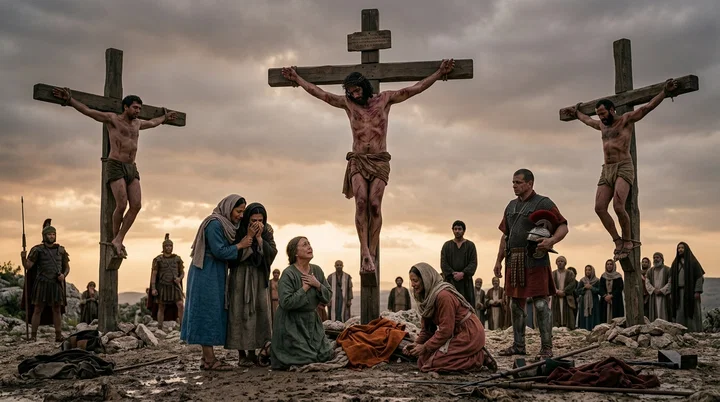
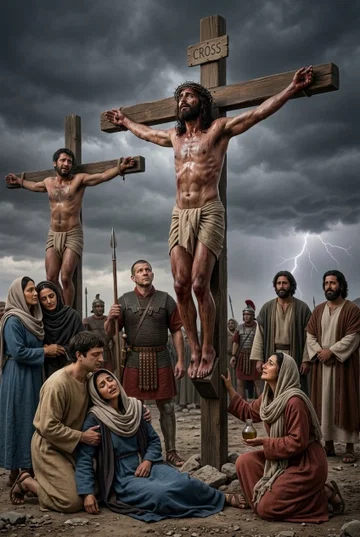
And they gave him to drink wine mingled with myrrh: but he received it not.
Translations
American King James Version, King James Version, KJV Cambridge Paragraph Bible
And they gave him to drink wine mingled with myrrh: but he received it not.
And they gave him to drink, wine mingled with myrrh: but he received it not.
Revised Version, American Standard Version
And they offered him wine mingled with myrrh: but he received it not.
and they were giving him to drink wine mingled with myrrh, and he did not receive.
And they offered him wine [ to drink] medicated with myrrh; but he did not take [ it].
And they would have given him, myrrhed wine,—who, however, received it not.
There they offered Him wine mixed with myrrh, but He did not take it.
There they offered Him wine to drink mixed with myrrh, but He did not take it.
They offered him wine mixed with myrrh to drink, but he didn’t take it.
And they gave him wine mixed with myrrh; but he did not take it.
And they gaue him to drinke wine mingled with myrrhe: but he receiued it not.
Douay-Rheims (Challoner revision)
And they gave him to drink wine mingled with myrrh; but he took it not.
Pictures
Cross-references
- Matthew 27:34
They gave him vinegar to drink mingled with gall: and when he had tasted thereof, he would not drink.
Both describe Jesus refusing a drink offered to him at the crucifixion.
- John 19:28-29
After this, Jesus knowing that all things were now accomplished, that the scripture might be fulfilled, saith, I thirst.
Jesus’ later cry of thirst contrasts with his refusal of the stupefying drink.
- Proverbs 31:6
Give strong drink unto him that is ready to perish, and wine unto those that be of heavy hearts.
Its instruction about strong drink is illustrated by the offer to Christ.
- Luke 23:33-46
And when they were come to the place, which is called Calvary, there they crucified him, and the malefactors, one on the right hand, and the other on the left.
Luke recounts Christ’s crucifixion and death.
- Psalms 69:21
They gave me also gall for my meat; and in my thirst they gave me vinegar to drink.
The psalm’s offered drink foreshadows Jesus’ suffering on the cross.
- Psalms 22:16-18
For dogs have compassed me: the assembly of the wicked have inclosed me: they pierced my hands and my feet.
Jesus’ death and the division of his garments fulfill David’s prophecy.
- Mark 15:17-19
And they clothed him with purple, and platted a crown of thorns, and put it about his head,
crown of thorns, purple robe, reed mocking
- John 19:39-40
And there came also Nicodemus, which at the first came to Jesus by night, and brought a mixture of myrrh and aloes, about an hundred pound weight.
hundred pounds of myrrh and aloes for wrapping body
Commentary
Each commentary is drawn from primary sources: the writings of Ellen G. White and Adventist pioneers and periodicals. Each commentary is separate. Its own words are not a quotation; follow the references to read the source passages.
Ellen G. White
5 sources
Jesus was led from the judgment-hall to Calvary after His condemnation had spread throughout Jerusalem.DA 741.3 A vast multitude of people of all classes and ranks flocked toward the place of crucifixion, and disciples and believers from the city and the surrounding region joined the throng that followed the Saviour, because the priests and rulers had been bound by a promise not to molest His followers if He Himself were delivered to them.DA 741.3 His crucifixion took place at Calvary outside Jerusalem, where He was lifted up on the cross and died as a criminal and malefactor in the hands of wicked men, descending into the depths of humiliation.DA 741.1–2ST Jul 7, 1898 There He was offered wine mingled with myrrh, but He received it not.ST Jun 10, 1889Lt 1a, 1861, par. 2–5
His suffering and death there was for sin as the people's substitute in the place of criminals, bearing the curse of the law to redeem them.ST Jun 10, 1889DA 741.1–2 It formed the culmination of His suffering and showed what He gave up for humanity.Lt 1a, 1861, par. 2–5 The sight of Him approaching the cross in this humiliation gave His disciples cause to mourn and fast, and it tried their faith until their hope and courage failed.ST Jul 7, 1898
Sources
Pioneers and periodicals
16 sources
At Golgotha, also called Calvary, just before he was nailed to the cross between two malefactors, he was offered wine mingled with myrrh.RH Nov 5, 1872ST Oct 31, 1916ST Jun 1, 1904ST Sep 13, 1905RH Dec 9, 1858 The draught was a bitter, stupefying narcotic liquor customarily given to those about to die to dull pain and consciousness.ST Jun 1, 1904ST Sep 13, 1905ST He refused it, choosing to meet the full suffering of the cross and the full penalty for sin with undulled senses.RH Jun 25, 1914ST Mar 20, 1901ST Jun 1, 1904 In that refusal he suffered as the acceptable substitute and Redeemer giving his life in the stead of sinners.ST Jun 10, 1889ST Jun 15, 1904ST Oct 31, 1916 Those who held that the wine was fermented teach that as the true high priest entering the Passover service he would take no intoxicating drink, since ferment as a symbol of death had no place there.RH Jun 25, 1914
The Offered Cup
The refusal took place at Golgotha, also called Calvary, just before the crucifixion.RH Nov 5, 1872ST Oct 31, 1916RH Dec 9, 1858 It belongs to the account of the suffering he meekly endured rather than escaping, for the salvation of sinners, as the world's Redeemer giving his life for humanity.RH Nov 5, 1872ST Oct 31, 1916 Immediately afterward he was nailed to the cross between two malefactors, as if of the same infamous character and the vilest of the three.RH Dec 9, 1858
What was offered was wine mingled with myrrh, a bitter, powerful narcotic, a stupefying, drugged, intoxicating liquor.ST Jun 1, 1904ST Sep 13, 1905STRH Dec 9, 1858ST Apr 5, 1877 It was offered as a merciful anesthetic aid to one near death, to dull pain and consciousness and to lessen suffering and bring relief.ST Jun 1, 1904STRH Dec 9, 1858ST Apr 5, 1877 Giving such a draught to condemned criminals was customary, and the mingling of the bitter substance was a genuine event.ST Sep 13, 1905ST Apr 5, 1877
He refused the drink, choosing to face the full suffering of the cross and the full penalty for sin without anything to dull his senses or lessen his suffering and without relief.RH Jun 25, 1914ST Mar 20, 1901ST Jun 1, 1904ST He refused because the wine was fermented and intoxicating.RH Jun 25, 1914 As the true high priest entering the Passover service he would take no intoxicating drink, since ferment as a symbol of decomposition and death had no place there.RH Jun 25, 1914 His refusal expressed the purpose of his ministry to end death and replace it with life, and he would accept no such relief that dulled consciousness and lessened suffering before his remaining work was complete.RH Jun 25, 1914ST Jul 26, 1899
Suffering for Sinners
The refusal belongs to the account of his crucifixion, in which he suffered for sin as the acceptable substitute in the stead of sinners and as the Redeemer giving his life for humanity.ST Jun 10, 1889ST Jun 15, 1904ST Oct 31, 1916 He died for sins according to the Scriptures, and that death was the means of redeeming his people.ST Jun 10, 1889ST Jun 15, 1904
He meekly endured that suffering for the salvation of sinners rather than escaping it.RH Nov 5, 1872 Taunted, mocked, spit upon, smitten and thorn-crowned, as the pure and noble young Man of royal blood, he bore his suffering and its taunts silently, submissively, and as the unresisting Victim.ST Apr 8, 1903RH Jun 28, 1870
He bore his own heavy instrument of death in a half-military, half-mob procession from the city, sank wearily under exhaustion, was relieved by a strong countryman pressed into service, reached the skull-like hill near the city, and there was nailed to the cross set in the earth.ST Apr 8, 1903 He died amid wonders and convulsions in heaven and earth in the glorious triumph of the principle of eternal righteousness.ST Apr 8, 1903
He was lifted up and died as a malefactor between two malefactors, as if of the same infamous character and the vilest of the three, in the hands of wicked men.ST Jul 7, 1898RH Dec 9, 1858 He was crucified by a bloodthirsty, sin-hardened mob, making the crucifixion the saddest tragedy in human history. In approaching the cross he descended into the depths of humiliation.ST Jul 7, 1898
His death magnified the law and made it honorable by vindicating its claims.ST Jun 15, 1904 Sin is transgression of the law, the law is so firmly established that not one jot or tittle could be repealed, the penalty of sin is death, and all have sinned, so all must die unless a substitute dies for them.ST Jun 15, 1904 His death proves he did not come to abolish the law as having outlived its usefulness, for it would not have been necessary for those living after its abrogation, and all who accept him by faith acknowledge its just claims upon them.ST Jun 15, 1904
His agony on the cross was the culmination of his burden for humanity and his great love.RH Jan 16, 1908 His silent, submissive example teaches patient endurance and bringing burdens to the Lord.RH Jun 28, 1870 The sight of him so humiliated gives his disciples cause to mourn and fast, and tries their faith until their hope and courage fail.ST Jul 7, 1898
Sources