Psalms 78:24
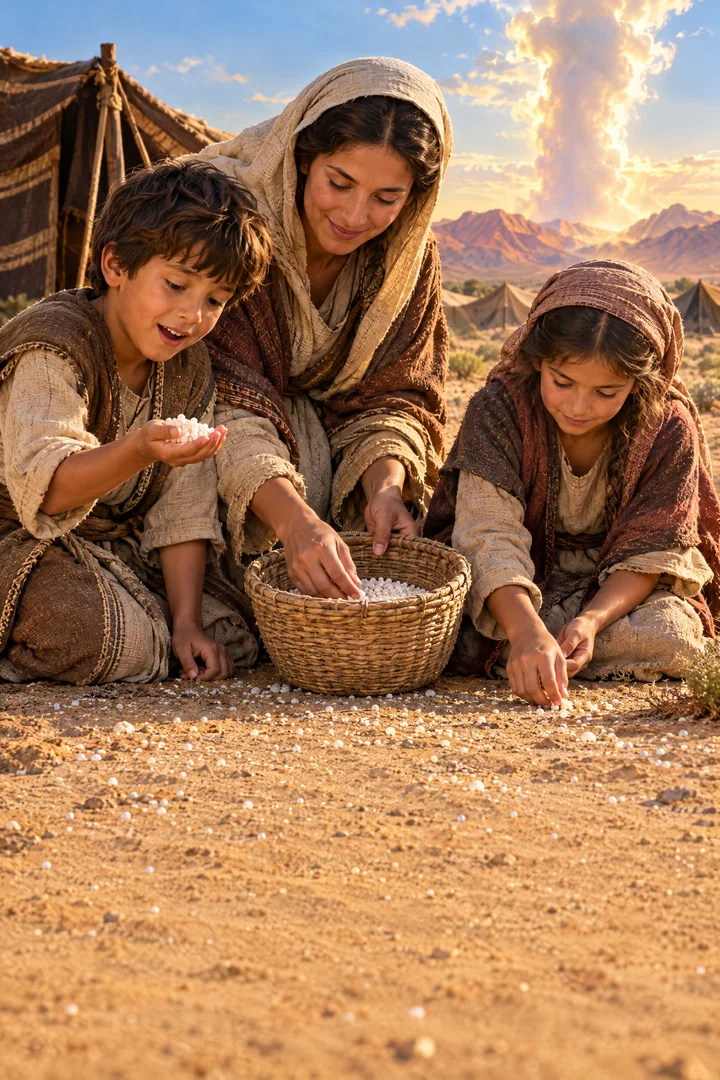
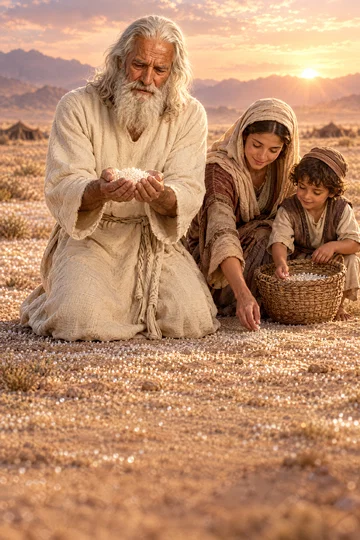
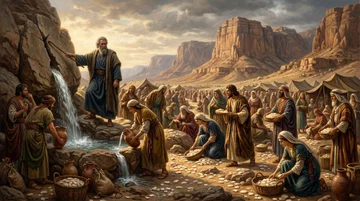
And had rained down manna upon them to eat, and had given them of the corn of heaven.
Translations
And had rained down manna on them to eat, and had given them of the corn of heaven.
King James Version, Webster Bible
And had rained down manna upon them to eat, and had given them of the corn of heaven.
And had rained down manna upon them to eat,
And had given them of the corn of heaven.And he rained down manna upon them to eat, and gave them of the corn of heaven.
And he rained down manna upon them to eat,
And gave them food from heaven.And He raineth on them manna to eat, Yea, corn of heaven He hath given to them.
And had rained down manna upon them to eat, and had given them the corn of the heavens.
And had rained on them manna to eat, And, the corn of the heavens, had given to them:
Berean Standard Bible, Majority Standard Bible
He rained down manna for them to eat;
He gave them grain from heaven.He rained down manna on them to eat,
and gave them food from the sky.And he sent down manna like rain for their food, and gave them the grain of heaven.
And had rained downe MAN vpon them for to eate, and had giuen them of the wheate of heauen.
Douay-Rheims (Challoner revision)
And had rained down manna upon them to eat, and had given them the bread of heaven.
Pictures
Cross-references 20 of 41
- Exodus 16:4
Then said the LORD unto Moses, Behold, I will rain bread from heaven for you; and the people shall go out and gather a certain rate every day, that I may prove them, whether they will walk in my law, or no.
God rains bread from heaven for Israel in the wilderness.
- Numbers 11:4-6
And the mixt multitude that was among them fell a lusting: and the children of Israel also wept again, and said, Who shall give us flesh to eat?
Israel complains that manna is all they have and craves other food.
- John 6:31-35
Our fathers did eat manna in the desert; as it is written, He gave them bread from heaven to eat.
Jesus contrasts wilderness manna with himself, the true bread from heaven.
- Exodus 16:15
And when the children of Israel saw it, they said one to another, It is manna: for they wist not what it was. And Moses said unto them, This is the bread which the LORD hath given you to eat.
Moses identifies the manna as the bread God gave Israel to eat.
- 1 Corinthians 10:11
Now all these things happened unto them for ensamples: and they are written for our admonition, upon whom the ends of the world are come.
Israel’s wilderness experiences were written as examples and warnings for later believers.
- Deuteronomy 8:3
And he humbled thee, and suffered thee to hunger, and fed thee with manna, which thou knewest not, neither did thy fathers know; that he might make thee know that man doth not live by bread only, but by every word that proceedeth out of the mouth of the LORD doth man live.
Manna sustained Israel in the wilderness and taught reliance on God’s word.
- Numbers 11:33-34
And while the flesh was yet between their teeth, ere it was chewed, the wrath of the LORD was kindled against the people, and the LORD smote the people with a very great plague.
Israel’s craving for meat is followed by a deadly plague and the naming of their graves.
- John 6:48-51
I am that bread of life.
Jesus is the living bread from heaven, giving life unlike the manna Israel ate.
- Psalms 105:40
The people asked, and he brought quails, and satisfied them with the bread of heaven.
Both describe God feeding Israel with manna, the bread of heaven.
- 1 Corinthians 10:3-4
And did all eat the same spiritual meat;
Israel’s wilderness manna is recalled as spiritual food, with the Rock identified as Christ.
- John 6:31
Our fathers did eat manna in the desert; as it is written, He gave them bread from heaven to eat.
The manna is described as bread from heaven.
- Numbers 21:5
And the people spake against God, and against Moses, Wherefore have ye brought us up out of Egypt to die in the wilderness? for there is no bread, neither is there any water; and our soul loatheth this light bread.
Israel complained that the manna God provided was worthless.
- Psalms 78:18
And they tempted God in their heart by asking meat for their lust.
Israel’s craving for meat is described as tempting God.
- 1 Corinthians 10:6
Now these things were our examples, to the intent we should not lust after evil things, as they also lusted.
Israel’s craving for evil things, including despising manna, warns against lusting after them.
- Psalms 106:15
And he gave them their request; but sent leanness into their soul.
Israel’s craving for flesh led God to grant their request but send leanness to their souls.
- Exodus 16:35
And the children of Israel did eat manna forty years, until they came to a land inhabited; they did eat manna, until they came unto the borders of the land of Canaan.
Israel ate manna throughout its forty years in the wilderness.
- Exodus 16:3
And the children of Israel said unto them, Would to God we had died by the hand of the LORD in the land of Egypt, when we sat by the flesh pots, and when we did eat bread to the full; for ye have brought us forth into this wilderness, to kill this whole assembly with hunger.
Longing for Egypt’s flesh pots contrasts with the heavenly manna soon given.
- John 6:35
And Jesus said unto them, I am the bread of life: he that cometh to me shall never hunger; and he that believeth on me shall never thirst.
Jesus provides spiritual life as the bread that ends hunger and thirst.
- Psalms 78:30-31
They were not estranged from their lust. But while their meat was yet in their mouths,
Their craving for meat continued as they ate, and judgment followed.
- Numbers 11:18-20
And say thou unto the people, Sanctify yourselves against to morrow, and ye shall eat flesh: for ye have wept in the ears of the LORD, saying, Who shall give us flesh to eat? for it was well with us in Egypt: therefore the LORD will give you flesh, and ye shall eat.
Israel’s craving for meat contrasts with God’s provision of manna.
Commentary
Each commentary is drawn from primary sources: the writings of Ellen G. White and Adventist pioneers and periodicals. Each commentary is separate. Its own words are not a quotation; follow the references to read the source passages.
Ellen G. White
27 sources
After bringing Israel out of Egypt, Christ himself led them through the wilderness and daily fed them with manna rained down from heaven to sustain and preserve their lives, a gift from God the Father and not from Moses.2SP 276.1PP 297.1–2MH 311.2DA 385.3–5ST Mar 15, 1877 The food is the corn and bread of heaven, angels' food, a simple, wholesome and strengthening non-flesh diet without meat, best suited to preserve health, leave no tribe feeble, and train Israel to bless and teach the world.COL 286.1–287.1Ms 155, 1899, par. 1–7PP 297.1–2MH 311.2UTFF 5.1 The manna was a type foreshadowing God's gift of His Son, the true bread from heaven and bread of life, so that as manna preserved temporal life, eating Him by believing gives immortality and eternal life, in contrast to the fathers who ate manna and died.2SP 276.1PP 297.1–2DA 385.3–5ST Mar 15, 1877 Despite this rich blessing revealing unfailing care and power over nature, the people grew weary of it, loathed it as light bread, murmured against God and longed for the meat of Egypt.CT 457.2COL 286.1–287.1MH 311.2HL 282.1–2CH 111.1–2 Their craving was granted only for a short time and became a curse bringing sickness, plague and death to thousands, warning that heavenly food is the source of strength and those who fully receive truth of heavenly origin are sanctified by it and advance in the divine life instead of complaining as Israel did.MH 311.2CH 111.1–2Ms 14, 1901, par. 6–12Lt 47a, 1874, par. 21–22ST Nov 11, 1889
Manna in the Wilderness
Psalm 78:24 belongs to a psalm composed as a song for Israel to keep in time with as they journeyed through the wilderness.Ms 190, 1901, par. 7–8 After bringing Israel out of Egypt, God rained down manna upon them to eat and gave them food from heaven to sustain and preserve their lives in the wilderness with daily provision.2SP 276.1PP 297.1–2MH 311.2HL 282.1–21SP 281.1 That daily supply preserved their lives and sustained them day by day after they left Egypt.2SP 276.1PP 297.1–2Lt 47a, 1874, par. 21–22
The food is described as the corn or bread of heaven, heaven's grain, and angels' food.COL 286.1–287.1Ms 155, 1899, par. 1–7PP 297.1–2MH 311.2UTFF 5.1 It was the corn of heaven sent down for them to eat, the bread of heaven supplied for His people, and heaven's grain provided in the wilderness.COL 286.1–287.1Ms 155, 1899, par. 1–7PP 297.1–2MH 311.2HL 282.1–2 As described with the following verse, it was angels' food and simple food without flesh.UTFF 5.1
The provision was a rich blessing and a benefit recounted alongside the poor return made for it.CT 457.213MR 265.2Ms 96, 1899, par. 21–22 It was a mighty act of deliverance and care that revealed power over nature and served as an object lesson to the surrounding nations about who God is.COL 286.1–287.1 It showed unfailing care and love, taught that His promise made the people secure from want, and served as the source of their strength, so that despite the hardships of the wilderness none of their tribes was feeble.PP 297.1–2ST Aug 12, 1880
Christ himself led the Hebrews through the wilderness and daily fed them the manna.2SP 276.1DA 385.3–5ST Mar 15, 18774RED 89.1–2 The manna was a gift from God the Father and not from Moses.ST Mar 15, 1877 Christ Himself was its giver, having led and fed Israel each day.2SP 276.1DA 385.3–5
The manna was a simple, wholesome, healthful and strengthening non-flesh diet without meat.MH 311.2UTFF 5.1HL 282.1–2SG4 15.1 It was the food God wanted them and their children to have, the bread He had prepared for them and sent from heaven by angels.1SP 281.1SG4 15.1 It was part of the best food supplied to preserve their health and lengthen their lives, and the food best suited to preserve health, lengthen life, leave no tribe feeble, and train Israel to become a people through whom God could bless and teach the world.Ms 155, 1899, par. 1–7MH 311.2ST Aug 12, 1880 This non-flesh diet belonged to His plan to lead them without a flesh diet and teach them simple habits of eating during their training after bringing them out of Egypt.MH 311.2HL 282.1–2
Christ the True Bread
The manna was a type of the true bread from heaven, foreshadowing God's gift of His Son as the bread of life sent to give life to the world.2SP 276.1PP 297.1–2DA 385.3–5ST Mar 15, 1877 Christ Himself was its giver, having led Israel and fed them, the provision coming from God the Father and not from Moses.2SP 276.1DA 385.3–5ST Mar 15, 18774RED 89.1–2 In its deeper meaning the manna signifies the life-giving Spirit flowing from God to give life to the world.DA 385.3–5
As the manna preserved temporal physical life, so through eating the bread of life by believing in Christ people receive immortality and eternal life.2SP 276.1ST Mar 15, 18774RED 89.1–2SW 68.2 That gift stands in contrast to the temporary manna, after eating which those who ate it died, while Christ as the true bread from heaven gives eternal life to those who receive Him by believing His word.2SP 276.1ST Mar 15, 18774RED 89.1–2SW 68.2 The people who demanded a sign from Jesus blindly cited this miracle done for their fathers, quoting it in caviling unbelief to Christ Himself as its very giver.ST Mar 15, 1877
Ingratitude and Present Lesson
The psalm recounts the rich blessings and benefits God bestowed on His people and the poor return they made for them.CT 457.213MR 265.2Ms 96, 1899, par. 21–22 The children of Israel constantly worked against His goodness in feeding them, and their disobedience brought them into the state that was the sure result of their own course of action.Ms 38, 1898, par. 22 Despite generous provision they were not satisfied with the food He gave them but grew weary of it, loathed it as light bread, murmured and complained against God, forgot Him when trials came, and from discontent longed for the meat and food of Egypt.MH 311.2HL 282.1–2CH 111.1–2Lt 47a, 1874, par. 21–22ST Nov 11, 1889
That provision was bread from heaven given after He brought them out of Egypt as part of His plan to train them without a flesh diet, to teach them simple habits of eating, and to make them His people through whom He could bless and teach the world.MH 311.2HL 282.1–2ST Jun 13, 1916 It was the healthful food He wanted them and their children to have, sent from heaven by angels as part of a restricted diet provided for their good.SG4 15.1Lt 47a, 1874, par. 21–22 Yet they craved the flesh foods and flesh-pots of Egypt, demanded meat, and their demand arose from discontent and murmuring.MH 311.2HL 282.1–2SG4 15.1ST Jun 13, 1916Lt 47a, 1874, par. 21–22 Because of that craving and discontent God granted their desire for flesh, but only temporarily and for a short time.MH 311.2ST Jun 13, 1916
Their gluttony and refusal to restrain appetite brought dissension, sickness, physical and mental harm, disease, a great plague, and death to thousands and to many.MH 311.2CH 111.1–2Lt 47a, 1874, par. 21–22ST Sep 29, 1881Lt 258, 1907, par. 17–21 What was granted became a curse rather than a blessing, for the use of animal food so obtained brought disease and death, and craving brought a great plague in which many died.MH 311.2CH 111.1–2Lt 258, 1907, par. 17–21 Under rebuke and chastisement the people repented, but under temptation, self-indulgence, and self-gratification they fell again.Ms 38, 1898, par. 22
The psalm is worthy of earnest consideration for its teaching on eternal realities.12MR 225.2–3 The people of God should be far in advance of where they now stand in understanding those realities because a solemn work is before them.12MR 225.2–3 That work is to become fishers of men, to explain the truths of the Word to those who do not know them, to begin earnest self-sacrificing efforts for those perishing in their sins, and to sow seeds of truth that will reap a rich harvest of unselfish good beyond human estimate.12MR 225.2–3 As God freely gave manna in the wilderness as food from heaven and as angels' food, so strangers joined to Israel who comply with the conditions and do not profane the Sabbath are to share the goods of heaven.Ms 14, 1901, par. 6–12 As with the manna, God puts no patent right on endowments of skill for making healthful foods, and those entrusted with such knowledge must put no exclusive claim on it or put a price on it but freely let it bless all who will receive and act on the light.Ms 14, 1901, par. 6–12
Heavenly food was the source of their strength, yet when trials came they complained and forgot Him.ST Nov 11, 1889 Those who fully receive truth of heavenly origin are sanctified through it, keep advancing in the divine life, and do not complain as the children of Israel did.ST Nov 11, 1889
Sources
Pioneers and periodicals
57 sources
God opened heaven and rained down bread from heaven upon Israel, angels' food given by the Father as a miraculous gift and not by Moses nor by any natural supply.ST Dec 17, 1912ST Oct 15, 1894ST Jul 23, 1874RH Mar 13, 1866 He sent it daily in the wilderness to sustain about three million people six days a week for forty years on the way from Egypt toward the promised land.ST Dec 17, 1912RH Jul 15, 1902RH Mar 13, 1866 In this He abundantly and freely supplied their need with the pure, simple food best suited to train them into a holy people, blessing their bread and water and taking sickness away.ST Jun 13, 1916ST Aug 12, 1880RH Sep 24, 1914RH Mar 12, 1867RH May 29, 1913 Yet they murmured, grew tired of it and loathed it as worthless, lusting for the fleshpots and stimulating diet of Egypt until appetite ruled stronger than reason.ST Apr 26, 1910RH Feb 28, 1907ST Oct 11, 1899ST Oct 15, 1894RH Apr 21, 1904 The manna was only a shadow of Christ the living bread come down from heaven, so that whoever comes to Him shall not hunger and whoever believes on Him shall never thirst but have eternal life.ST Mar 15, 1877ST Jun 27, 1900ST Oct 11, 1899
Language and Historical Setting
The corn of heaven is bread from heaven, also called angels' food, wholesome food suited to need and supplied directly by God to keep Israel mindful of Him and guard them from evil.ST Oct 15, 1894ST Jun 25, 1902ST Jan 17, 1878ST Feb 27, 1901ST Apr 24, 1901 It is heaven's corn or wheat, heavenly food given to eat.ST Oct 15, 1894ST Jul 23, 1874ST Jun 25, 1902ST Jan 17, 1878ST Feb 27, 1901 Because angels eat this material food, they are material beings and not immaterial spirits.ST Jul 23, 1874
It was rained down by God opening heaven as a miraculous gift from the Father to eat, not given by Moses, and not a natural supply such as tamarisk sap.ST Dec 17, 1912RH Mar 13, 1866 It was supplied through the ministration of angels and sustained Israel for forty years.ST Dec 17, 1912RH Mar 13, 1866
It was given in the wilderness of Sin between Elim and Sinai right after Marah, on the journey from Egypt and the Red Sea toward the promised land, after bringing them out of afflictions in Egypt, opening the Red Sea and destroying their enemies, and before bringing them into the land of promise.RH Jul 15, 1902ST Apr 24, 1901RH Feb 25, 1873 It fell daily, abundantly and freely, day by day on the desert journey and during the stay at Sinai, sustaining about three million people six days a week for forty years.ST Dec 17, 1912RH Mar 13, 1866ST Apr 24, 1901RH Feb 25, 1873 It could be boiled or baked and melted in the sun.ST Dec 17, 1912 Its daily giving taught that life depends not on bread alone but on every word that comes from God.
The verse belongs to David's account of the wilderness journey, a devotional and instructive psalm whose theme is human unfaithfulness and God's faithfulness.ST Mar 11, 1908RH Feb 28, 1856RH Jul 2, 1857 It tells the sad, dreary years of wandering when an unceasing train of funerals passed out of the camp until the murmuring and unbelieving generation was wasted out and consumed, when many who came out fell in the wilderness while the children under twenty years of age entered Canaan.RH Sep 14, 1916 It was written to teach later generations, recording repeated provocations and unbelief as examples, instruction, warning, and protection for those living in the last days, especially concerning harmful habits of eating and drinking.RH Dec 8, 1910RH Feb 28, 1856RH Jul 2, 1857 Unbelief is identified as the root of provocation, while God's dealings with Israel in and after Egypt carried the Gospel to Egypt and taught the right way, the humble way, the true and trusting way.RH Jul 2, 1857
God's Gracious Provision
God Himself rained manna down to eat and gave the grain of heaven in abundance, freely supplying every need with the best and most suitable food.RH Sep 24, 1914RH Mar 12, 1867RH May 29, 1913ST Oct 11, 1899ST Oct 11, 1899 In infinite knowledge, wisdom and power He foreknew before sending Moses how He would feed His people, and at the time of need He set the corn of heaven just before them.ST Mar 18, 1889 That ample heavenly supply was His salvation to them, to be received by faith and trust in Him and in His salvation.ST Oct 11, 1899ST Oct 11, 1899ST Mar 18, 1889 It did not keep them from sinning when they failed to believe and trust, but lusted for flesh while provision was at hand.RH Mar 12, 1867ST Oct 11, 1899ST Oct 11, 1899ST Mar 18, 1889
Its daily fall for forty years taught that life depends not on bread alone but on everything God provides and on every word that comes from God.ST Jul 26, 1905 By it He assured His people in every age that He is the great Provider who can be trusted with the future.ST Jul 26, 1905 His loving care is seen in sun and rain and grain, in food and health and home and everyday blessings that sustain life and call for gratitude.ST Feb 8, 1905ST Dec 13, 1905 Jesus, God manifest in the flesh, likewise provided bread and thereby showed He could meet both physical needs and the deeper spiritual need for the bread of life.ST Jul 26, 1905
The wonderful deliverances recounted were carried out through Jesus, the Angel of God's presence who was with them.ST Dec 5, 1911 Christ Himself led the Hebrews through the wilderness and daily fed them manna from heaven to preserve their physical lives, a gift given by God the Father and not by Moses.ST Mar 15, 1877 As that manna preserved temporal life, so God sent His Son as the true bread from heaven, that by eating the bread of life through believing in Christ people become immortal.ST Mar 15, 1877
In feeding them with bread from heaven, even angels' food, God was healing them.ST Aug 12, 1880RH May 28, 1867 He blessed their bread and their water and took sickness from them by teaching them how to live out the laws of health and leading them in the ways of His commandments.RH May 28, 1867 Health depends much on what is eaten and drunk, and the laws of health rest on observance of God's law.RH May 28, 1867 The people knew the food was healthful and was what God wanted them and their children to eat, and despite the hardships of the wilderness none of their tribes was feeble.ST Aug 12, 1880RH May 28, 1867
Israel's Complaint and Warning
Despite ample and generous heavenly provision of manna to eat, the people complained and murmured and demanded meat, showing distrust and failure to trust God and His salvation.ST Apr 26, 1910ST Apr 2, 1894RH Feb 28, 1907ST Oct 11, 1899 The gift described as angels' food and sufficient for their needs did not stop them from sinning against Him.ST Apr 26, 1910ST Apr 2, 1894ST Oct 11, 1899 They grew tired of what God supplied and loathed and despised it as vile bread good for nothing, while they lusted for the fleshpots and stimulating diet of Egypt under the bondage of appetite.ST Oct 11, 1899ST Oct 15, 1894RH Apr 21, 1904ST Jan 23, 1896ST Feb 14, 1911 Their rejection of the bread of heaven arose through cherished lust for the food of Egypt, choosing evil instead of good.ST Oct 11, 1899RH Apr 21, 1904 Wholesome food suited to their needs had been given to deliver them from that diet, yet dissatisfaction led them to lust for flesh and to long for leeks, onions, and flesh-pots with nothing beside this manna before their eyes.ST Oct 15, 1894RH Apr 21, 1904
Habit made earthly food seem more desirable than heaven's provision until appetite became stronger than reason.ST Feb 14, 1911 All who are controlled merely by taste and instinct follow that example, calling evil the good food the Creator has prepared and pronouncing good the evil He tries to withhold, for human nature has undergone no change and the heart is deceitful above all things and desperately wicked.RH Apr 21, 1904 That abundant heavenly provision made their murmuring inexcusable, because they complained after God had already cared for them so fully.ST Apr 22, 1889 The same continued mercies mean complaining by God's people now is no less inexcusable.ST Apr 22, 1889
Those who fully receive truth of heavenly origin are sanctified through it, keep advancing in the divine life with heavenly food as the source of strength, and do not complain as the children of Israel did when trials came and they forgot Him.ST Nov 11, 1889 In infinite knowledge, wisdom and power God foreknew before sending Moses how He would supply food, and at the time of need gave the corn of heaven just before them, yet Israel met this with unbelief longing for the flesh pots of Egypt when provision was at hand.ST Mar 18, 1889 The seeming delay of deliverance and the obstacles that arose were only to try their faith.ST Mar 18, 1889 The lesson is to murmur not and fear not, but to trust that if walking in God's light and following Christ, God will open the way and supply need.ST Mar 18, 1889
Their demand for flesh was wicked lust that tempted God.ST Nov 29, 1883RH May 28, 1867 God purposely withheld flesh and gave simple heaven-given grain to build physical endurance and faith needed for the wilderness journey and to conquer a land of meat-eaters, as the food best suited to His purpose of training Israel and making them a people through whom He could bless and teach the world.ST Jun 13, 1916ST Nov 29, 1883 Around Mount Sinai Israel ate it without complaint as a better diet and a light on reform diet given in the wilderness of Sin between Elim and Sinai right after Marah, but on the journey to Kadesh-barnea they rejected it from discontent and wanted the old Egyptian diet.ST Jun 13, 1916RH Jul 15, 1902 God granted flesh temporarily rather than remaining with the food He had provided, as a concession that left them worse off than if they had remained on the heaven-given food.ST Jun 13, 1916ST Nov 29, 1883
In bringing them into the wilderness He did not at first give flesh meats nor a large variety of food, not purposing to give flesh while they were being tried and proved, but was healing them by teaching how to live out the laws of health and leading in the ways of His commandments, blessing their bread and water and taking sickness from them.RH May 28, 1867 Health depends much on what is eaten and drunk, and the laws of health rest on observance of the law of God.RH May 28, 1867 Eating flesh given in wrath brought judgment when He slew the fattest of them.RH May 28, 1867 After having received and enjoyed the better food, going back to the old diet brought for the first time recorded the diseases of Egypt upon them with leanness of soul, so that disease, leanness of soul, and the former diet belong together.RH Jul 15, 1902
Diet and Health Teaching
The corn of heaven was pure food, the very bread from heaven prepared by angel hands, simple and wholesome, and the food best suited to God's purpose of training Israel and making them a holy people through whom He could bless and teach the world.ST Jun 13, 1916ST Aug 12, 1880ST Sep 29, 1881RH Apr 21, 1904RH Dec 21, 1905 The people knew it was healthful and was what God wanted them and their children to eat, yet they grew tired of it, craved meat, and said there was nothing at all beside this manna before their eyes and that their souls loathed this vile bread while they longed for the leeks, onions, and fleshpots of Egypt.ST Jun 13, 1916ST Aug 12, 1880RH Apr 21, 1904 Their demand arose from discontent, and their desire for flesh led God to grant it temporarily rather than remain with the food He had provided, with their later demand bringing disease and leanness of soul.ST Jun 13, 1916RH Dec 21, 1905 Despite the hardships of the wilderness none of their tribes was feeble while fed on this provision.ST Aug 12, 1880
This provision taught the same lesson as the original diet given in Eden, that the food best suited to people was not flesh but what God supplied.RH Jul 10, 1916 God was calling His chosen people out of Egyptian bondage away from meat and feeding them forty years on heaven-given grain, removing their flesh diet to turn them from the diet of Egypt and Babylon.RH Aug 4, 1903ST Feb 17, 1904ST Oct 11, 1899 Meat eating had caused human life to fall off so rapidly that extinction was threatened, and together with that diet He gave laws and regulations about hygiene and diet to preserve life.RH Aug 4, 1903 This heavenly food was part of God's provision to prepare Israel physically for the promised land, the food laws were among God's good statutes, and through the manna and the Sabbath God tested whether Israel would keep His commandments.ST Oct 11, 1899
God purposely withheld flesh and did not at first give flesh meats nor a large variety of food, but gave manna with water brought from the rock to build the physical endurance and faith needed for the wilderness journey and to conquer a land of meat-eaters.ST Nov 29, 1883RH May 28, 1867 In bringing them into the wilderness He was healing them by teaching them how to live out the laws of health and leading them in the ways of His commandments, blessing their bread and their water and taking sickness from them.RH May 28, 1867 Health depends much on what is eaten and drunk, and the laws of health rest on observance of the law of God, and the provision was part of His plan to give them food conducive to health and the development of righteous character.RH Dec 21, 1905RH May 28, 1867 Israel's lust for flesh was wicked, and God's giving of flesh in response was a concession that left them worse off than if they had remained on the heaven-given food, for asking meat for lust tempted God and brought wrath, and eating flesh given in wrath brought judgment when He slew the fattest of them.ST Nov 29, 1883RH May 28, 1867
Their refusal to restrain appetite brought physical and mental harm.ST Sep 29, 1881 In despising what God supplied and longing for Egypt they lusted after evil things, choosing evil instead of good.RH Apr 21, 1904 Their course stands as an admonition, for human nature has undergone no change and the heart is deceitful above all things and desperately wicked, so that all who are controlled merely by taste and instinct will follow their example, calling the good food the Creator has prepared evil and pronouncing good the evil He tries to withhold.RH Apr 21, 1904
Christ the True Bread
The manna rained down to eat as the corn of heaven, angels' food, with meat sent to the full, was only a shadow and type of Christ as the bread of life.ST Jun 27, 1900 The true bread is that which comes down out of heaven and gives life unto the world, which is Jesus Himself, the living bread which came down from heaven.ST Jun 27, 1900ST Sep 24, 1896 That provision was God's salvation to be received by faith, and those who perished did so because they did not believe God or trust in His salvation.ST Oct 11, 1899 It was not Moses who gave the bread out of heaven, but God the Father gives the true bread from heaven.ST Jun 27, 1900ST Oct 11, 1899
The people at Capernaum quoted this wilderness gift to prove Moses gave their fathers bread out of heaven to eat and to demand a sign from Jesus greater than the feeding of the five thousand.ST Jun 27, 1900 The manna sustained only temporal life and pointed to the greater gift of the Son sent by the Father, the true bread from heaven.ST Mar 15, 1877 In caviling unbelief they blindly quoted this miracle done for their fathers to Christ Himself, the very giver who had led the Hebrews through the wilderness and daily fed them manna to preserve their physical lives.ST Mar 15, 1877
Jesus is that bread, so that he that comes to Him shall not hunger and he that believes on Him shall never thirst but have eternal life.ST Mar 15, 1877ST Jun 27, 1900 Through eating the bread of life by believing in Christ people become immortal, and he who eats of His flesh given for the life of the world shall live forever and not die, unlike the fathers who ate manna in the wilderness and are dead.ST Mar 15, 1877 The same Christ who provided that plain, substantial wilderness food fed the five thousand in a desert place, giving food like that provided for Himself and His disciples rather than luxuries.ST Jul 26, 1905 Jesus, God manifest in the flesh, thereby showed He could meet both physical needs and the deeper spiritual need for the bread of life.ST Jul 26, 1905 That heavenly bread points to the Bread of Life given through the life and death of the Son of God as the bread of love's sacrifice.ST Jul 8, 1897
Proof and Future Trust
The corn of heaven rained down to eat was heaven's wheat, the material food of angels, and because angels eat this material food they are real, material beings and not immaterial spirits.ST Jul 23, 1874RH Apr 16, 1901 The account of opening heaven to provide manna stands as evidence that angels are real beings who partake of tangible nourishment.ST Jul 23, 1874RH Apr 16, 1901 God gave Israel this bread of heaven to eat in the wilderness, and that desert sustenance assures that He can supply what His people need even when outward circumstances are unfavorable.ST Oct 18, 1899RH Aug 13, 1908 Just as He sustained Israel in the desert, He can provide food for His people during the final time of earthly trouble.ST Oct 18, 1899RH Aug 13, 1908 Manna provided from heaven as food for the people sets the pattern by which grain that fell in China was understood, for after drought and robbery and the loss of harvest the local people regarded it as a similar gift from Heaven and an expression of sympathy.RH Mar 26, 1914
Daily Spiritual Application
The fresh supply given each morning shows that spiritual nourishment, power and help must be sought anew from God each day rather than living on past experience.RH Feb 25, 1915 As physical food gave bodily strength and nourishment, so feeding on Christ in communion with Him gives strength to the spiritual life.RH Feb 25, 1915 The manna fed in the wilderness is the daily spiritual nourishment given to those journeying with Him. Even when the land is dry and people are hungry, those who seek God still receive the bread of heaven and the water of life.RH Aug 15, 1912
Like bread broken and shared without being depleted, the corn of heaven portrays the word of God given to others without loss. It is truth of heavenly origin, and those who fully receive it are sanctified through it.ST Nov 11, 1889 So received, it becomes the source of strength by which they keep advancing in the divine life.ST Nov 11, 1889
The same image calls for no less gratitude for humble daily fare, even a loaf made sweet by toil, than was owed for manna, for the strength bestowed through manna is bestowed no less through ordinary food, though that angel-sown bread spread upon earthly soil is spread there no more.ST Mar 19, 1885 It expresses God's loving provision for all human sustenance, including sun, rain, grain and everyday blessings for which thanks are due.ST Dec 13, 1905 It also portrays the joy and spiritual nourishment found in delighting in the Sabbath and in that received through preaching.RH Mar 14, 1854RH Sep 20, 1853 Had the food been recognized as supplied directly by God, it would have kept the eaters mindful of Him and helped guard them from evil.ST Feb 27, 1901
Sources