Ruth 1:13
Would ye tarry for them till they were grown? would ye stay for them from having husbands? nay, my daughters; for it grieveth me much for your sakes that the hand of the LORD is gone out against me.
Translations
Would you tarry for them till they were grown? would you stay for them from having husbands? no, my daughters; for it grieves me much for your sakes that the hand of the LORD is gone out against me.
Would ye tarry for them till they were grown? would ye stay for them from having husbands? nay, my daughters; for it grieveth me much for your sakes that the hand of the LORD is gone out against me.
would ye tarry for them till they were grown? would ye stay for them from having husbands? nay, my daughters; for it grieveth me much for your sakes that the hand of the Lord is gone out against me.
Would ye wait for them till they should be grown? would ye stay for them from having husbands? nay, my daughters; for it grieveth me much for your sakes, that the hand of the LORD has gone out against me.
would ye therefore tarry till they were grown? would ye therefore stay from having husbands? nay, my daughters; for it grieveth me much for your sakes, for the hand of the LORD is gone forth against me.
would ye therefore tarry till they were grown? would ye therefore stay from having husbands? nay, my daughters, for it grieveth me much for your sakes, for the hand of Jehovah is gone forth against me.
for them do ye wait till that they grow up? for them do ye shut yourselves up, not to be to a husband? nay, my daughters, for more bitter to me than to you, for the hand of Jehovah hath gone out against me.'
would ye wait on that account till they were grown? Would ye stay on that account from having husbands? No, my daughters, for I am in much more bitterness than you; for the hand of Jehovah is gone out against me.
would ye, therefore, tarry until they were grown? would ye, therefore, shut yourselves up from having husbands? Nay! my daughters, for it is far more bitter for me than for you, that forth hath gone against me, the hand of Yahweh.
would you wait for them to grow up? Would you refrain from having husbands? No, my daughters, it grieves me very much for your sakes that the hand of the LORD has gone out against me.”
would you wait for them to grow up? Would you refrain from having husbands? No, my daughters, it is much more bitter for me than for you, because the hand of the LORD has gone out against me.”
would you then wait until they were grown? Would you then refrain from having husbands? No, my daughters, for it grieves me seriously for your sakes, for the LORD’s hand has gone out against me.”
Would you keep yourselves till they were old enough? would you keep from having husbands for them? No, my daughters; but I am very sad for you that the hand of the Lord is against me.
Would yee tarie for them, till they were of age? would ye be deferred for them from taking of husbands? nay my daughters: for it grieueth me much for your sakes that the hand of the Lord is gone out against me.
Douay-Rheims (Challoner revision)
If you would wait till they were grown up, and come to man’s estate, you would be old women before you marry. Do not so, my daughters, I beseech you: for I am grieved the more for your distress, and the hand of the Lord is gone out against me.
Pictures
Cross-references
- Deuteronomy 25:7-10
And if the man like not to take his brother’s wife, then let his brother’s wife go up to the gate unto the elders, and say, My husband’s brother refuseth to raise up unto his brother a name in Israel, he will not perform the duty of my husband’s brother.
A kinsman had a duty to raise up an heir for his deceased brother.
- Deuteronomy 25:5-6
If brethren dwell together, and one of them die, and have no child, the wife of the dead shall not marry without unto a stranger: her husband’s brother shall go in unto her, and take her to him to wife, and perform the duty of an husband’s brother unto her.
The law provides for a deceased man’s name and family inheritance to continue through his brother.
- Ruth 4:14-15
And the women said unto Naomi, Blessed be the LORD, which hath not left thee this day without a kinsman, that his name may be famous in Israel.
The women celebrate the redeemer who restores Naomi’s life.
- Matthew 1:5
And Salmon begat Booz of Rachab; and Booz begat Obed of Ruth; and Obed begat Jesse;
Ruth is honored as an ancestor of Jesus.
Commentary
Each commentary is drawn from primary sources: the writings of Ellen G. White and Adventist pioneers and periodicals. Each commentary is separate. Its own words are not a quotation; follow the references to read the source passages.
Pioneers and periodicals
6 sources
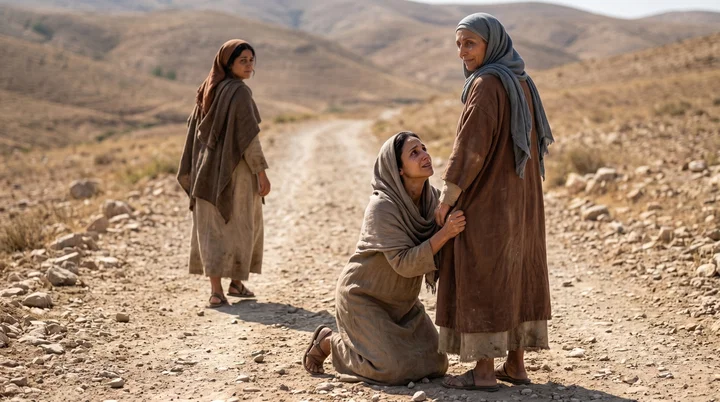
The verse belongs to Naomi's return from Moab to Bethlehem after her husband Elimelech and her two sons Mahlon and Chilion had died.ST Oct 3, 1895 The family had left Bethlehem for Moab about ten years earlier because of famine in Israel near the close of the time of the judges, the sons had married Moabite women Orpah and Ruth, and when Naomi heard prosperity had returned to Bethlehem she started back with her daughters-in-law at first proposing and going with her.ST Oct 3, 1895 In the verse Naomi uses every argument to dissuade Orpah and Ruth from accompanying her to Bethlehem.ST Sep 13, 1877ST Oct 3, 1895RH Dec 29, 1868 She urges them to leave her and remain with and return to their own kindred and mother in Moab as being every way to their earthly advantage.ST Sep 13, 1877RH Dec 29, 1868
Her stated reason is that she has no more sons to become their husbands, is too old to marry again, and sees no prospect of providing them husbands.ST Nov 10, 1898ST May 6, 1897 She expresses deep grief for their sakes because the hand of the Lord has gone out against her, a suffering she feels as especially painful because she believes the Lord's hand is against her.ST Nov 10, 1898 The appeal reflects unselfish concern lest the young widows face hardship without any temporal benefit in following her.ST Nov 10, 1898 At this point Naomi is old and poor with no son to preserve the family inheritance so that it appears lost, and Ruth's decision to go with her brings a last hope because Naomi still has kinsmen in Bethlehem.ST May 6, 1897
The urging to turn back was not the best course but a test of fidelity, like Elijah's Tarry here to Elisha.ST Sep 13, 1877RH Dec 29, 1868 Orpah withstood the test for a time with tears and then kissed Naomi and went back to her mother and to her people and to the gods of Moab, and her connection with the people of God ceased forever with her name mentioned no more.ST Sep 13, 1877RH Dec 29, 1868 Ruth withstood the test amid Naomi's grief and loss and refused to leave or return from following Naomi, choosing where Naomi went to go, where she lodged to lodge, her people for her people and her God for her God, and where she died to die and be buried, with nothing but death parting them.ST Sep 13, 1877RH Dec 29, 1868ST Jul 10, 1901
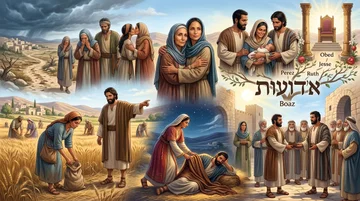
Only hearts that are steadfast like Ruth's are accepted in the sight of the Lord.ST Sep 13, 1877RH Dec 29, 1868 So Ruth was honored with a place in the chief family in Israel, made one of the ancestors of Jesus Christ, given a history preserved in the Bible as a precious legacy to the people of God, and her name written in the Lamb's book of life.ST Sep 13, 1877
Sources