Ezra 4:2
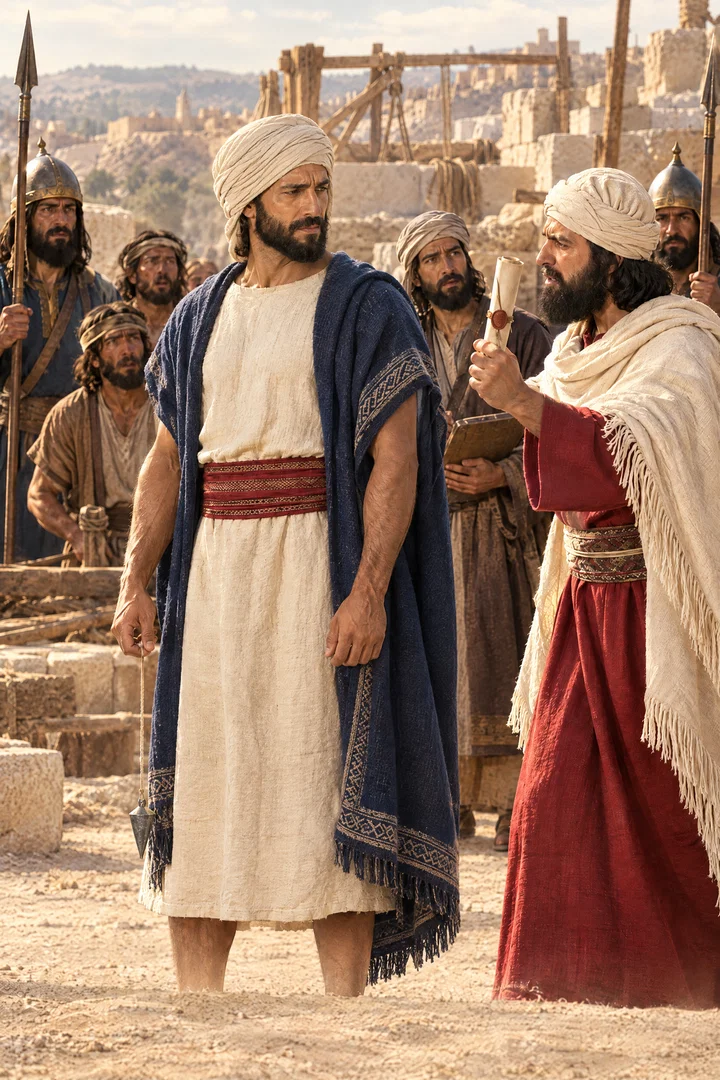
Then they came to Zerubbabel, and to the chief of the fathers, and said unto them, Let us build with you: for we seek your God, as ye do; and we do sacrifice unto him since the days of Esar-haddon king of Assur, which brought us up hither.
Translations
Then they came to Zerubbabel, and to the chief of the fathers, and said to them, Let us build with you: for we seek your God, as you do; and we do sacrifice to him since the days of Esarhaddon king of Assur, which brought us up here.
Then they came to Zerubbabel, and to the chief of the fathers, and said unto them, Let us build with you: for we seek your God, as ye do; and we do sacrifice unto him since the days of Esar-haddon king of Assur, which brought us up hither.
then they came to Zerubbabel, and to the chief of the fathers, and said unto them, Let us build with you: for we seek your God, as ye do; and we do sacrifice unto him since the days of Esar-haddon king of Assur, which brought us up hither.
Then they came to Zerubbabel, and to the chief of the fathers, and said to them, Let us build with you: for we seek your God, as ye do; and we do sacrifice to him since the days of Esar-haddon king of Assur, who brought us up hither.
then they drew near to Zerubbabel, and to the heads of fathers’ houses, and said unto them, Let us build with you: for we seek your God, as ye do; and we do sacrifice unto him since the days of Esarhaddon king of Assyria, which brought us up hither.
then they drew near to Zerubbabel, and to the heads of fathers’ houses, and said unto them, Let us build with you; for we seek your God, as ye do; and we sacrifice unto him since the days of Esar-haddon king of Assyria, who brought us up hither.
and they draw nigh unto Zerubbabel, and unto heads of the fathers, and say to them, 'Let us build with you; for, like you, we seek to your God, and we are not sacrificing since the days of Esar-Haddon king of Asshur, who brought us up hither.'
and they came to Zerubbabel and to the chief fathers, and said to them, We would build with you; for we seek your God, as ye; and we have sacrificed to him since the days of Esar-haddon king of Assyria, who brought us up hither.
then drew they near unto Zerubbabel, and unto the ancestral chiefs, and said unto them, Let us build with you, for, like you, we seek your God, and, unto him, have, we, been sacrificing since the days of Esar-haddon, king of Assyria, who brought us up hither.
Berean Standard Bible, Majority Standard Bible
they approached Zerubbabel and the heads of the families, saying, “ Let us build with you because, like you, we seek your God and have been sacrificing to Him since the time of King Esar-haddon of Assyria, who brought us here.”
they came near to Zerubbabel, and to the heads of fathers’ households, and said to them, “ Let us build with you, for we seek your God as you do; and we have been sacrificing to him since the days of Esar Haddon king of Assyria, who brought us up here.”
Then they came to Zerubbabel and to the heads of families, and said to them, Let us take part in the building with you; for we are servants of your God, even as you are; and we have been making offerings to him from the days of Esar-haddon, king of Assyria, who put us here.
And they came to Zerubbabel, and to the chiefe fathers, and sayd vnto them, We wil builde with you: for we seeke the Lord your God as ye do, and we haue sacrificed vnto him since the time of Esar Haddon king of Asshur, which brought vs vp hither.
Douay-Rheims (Challoner revision)
And they came to Zorobabel, and the chief of the fathers, and said to them: Let us build with you, for we seek your God as ye do: behold we have sacrificed to him, since the days of Asor Haddan king of Assyria, who brought us hither.
Pictures
Cross-references 20 of 21
- 2 Kings 17:24-41
And the king of Assyria brought men from Babylon, and from Cuthah, and from Ava, and from Hamath, and from Sepharvaim, and placed them in the cities of Samaria instead of the children of Israel: and they possessed Samaria, and dwelt in the cities thereof.
Describes the peoples and mixed worship behind the Samaritans’ claim to worship God.
- Haggai 1:12
Then Zerubbabel the son of Shealtiel, and Joshua the son of Josedech, the high priest, with all the remnant of the people, obeyed the voice of the LORD their God, and the words of Haggai the prophet, as the LORD their God had sent him, and the people did fear before the LORD.
cited together as the Jews obeying and building
- Ezra 1:1-4
Now in the first year of Cyrus king of Persia, that the word of the LORD by the mouth of Jeremiah might be fulfilled, the LORD stirred up the spirit of Cyrus king of Persia, that he made a proclamation throughout all his kingdom, and put it also in writing, saying,
Cyrus’s decree began the rebuilding that was later obstructed.
- Deuteronomy 7:2-4
And when the LORD thy God shall deliver them before thee; thou shalt smite them, and utterly destroy them; thou shalt make no covenant with them, nor shew mercy unto them:
Israel is warned against alliances that could turn them to other gods.
- Ezra 5:1-2
Then the prophets, Haggai the prophet, and Zechariah the son of Iddo, prophesied unto the Jews that were in Judah and Jerusalem in the name of the God of Israel, even unto them.
Prophetic encouragement restarts the temple rebuilding amid opposition.
- Zechariah 4:6
Then he answered and spake unto me, saying, This is the word of the LORD unto Zerubbabel, saying, Not by might, nor by power, but by my spirit, saith the LORD of hosts.
The temple work succeeds by God’s Spirit, not human strength.
- Ezra 4:9-10
Then wrote Rehum the chancellor, and Shimshai the scribe, and the rest of their companions; the Dinaites, the Apharsathchites, the Tarpelites, the Apharsites, the Archevites, the Babylonians, the Susanchites, the Dehavites, and the Elamites,
Names peoples brought to Samaria by Assyrian rulers.
- Ezra 6:7-8
Let the work of this house of God alone; let the governor of the Jews and the elders of the Jews build this house of God in his place.
Darius ordered the temple work to continue and provided for its builders.
- Ezra 6:15-16
And this house was finished on the third day of the month Adar, which was in the sixth year of the reign of Darius the king.
The temple’s completion and dedication follow the offer to join in building it.
- Ezra 4:24
Then ceased the work of the house of God which is at Jerusalem. So it ceased unto the second year of the reign of Darius king of Persia.
The work stopped and later resumed under Darius.
- John 4:9
Then saith the woman of Samaria unto him, How is it that thou, being a Jew, askest drink of me, which am a woman of Samaria? for the Jews have no dealings with the Samaritans.
Jews and Samaritans had a lasting separation and lack of dealings.
- Zechariah 4:8-10
Moreover the word of the LORD came unto me, saying,
Speaks of Zerubbabel completing the temple despite obstacles.
- Haggai 2:2-3
Speak now to Zerubbabel the son of Shealtiel, governor of Judah, and to Joshua the son of Josedech, the high priest, and to the residue of the people, saying,
Describes the people and the rebuilding work.
- Nehemiah 2:20
Then answered I them, and said unto them, The God of heaven, he will prosper us; therefore we his servants will arise and build: but ye have no portion, nor right, nor memorial, in Jerusalem.
Nehemiah rejects the opponents’ claim to a share in Jerusalem.
- Ezra 5:5
But the eye of their God was upon the elders of the Jews, that they could not cause them to cease, till the matter came to Darius: and then they returned answer by letter concerning this matter.
God watched over the builders so their enemies could not stop them.
- Ezra 6:14
And the elders of the Jews builded, and they prospered through the prophesying of Haggai the prophet and Zechariah the son of Iddo. And they builded, and finished it, according to the commandment of the God of Israel, and according to the commandment of Cyrus, and Darius, and Artaxerxes king of Persia.
Identifies the temple-building work as the setting for Haggai’s message.
- Daniel 9:25
Know therefore and understand, that from the going forth of the commandment to restore and to build Jerusalem unto the Messiah the Prince shall be seven weeks, and threescore and two weeks: the street shall be built again, and the wall, even in troublous times.
Jerusalem’s rebuilding is foretold amid trouble.
- Ezra 6:11
Also I have made a decree, that whosoever shall alter this word, let timber be pulled down from his house, and being set up, let him be hanged thereon; and let his house be made a dunghill for this.
It records Darius’s decree concerning the building.
- John 4:20
Our fathers worshipped in this mountain; and ye say, that in Jerusalem is the place where men ought to worship.
Names the Samaritan mountain of worship later discussed by Jesus.
- Ezra 5:17
Now therefore, if it seem good to the king, let there be search made in the king’s treasure house, which is there at Babylon, whether it be so, that a decree was made of Cyrus the king to build this house of God at Jerusalem, and let the king send his pleasure to us concerning this matter.
The search for Cyrus’s decree led to Darius’s action.
Commentary
Each commentary is drawn from primary sources: the writings of Ellen G. White and Adventist pioneers and periodicals. Each commentary is separate. Its own words are not a quotation; follow the references to read the source passages.
Ellen G. White
11 sources
The verse records the adversaries of Judah and Benjamin, the Samaritans, coming to Zerubbabel and the chief of the fathers while the returned exiles, the children of the captivity, were building the temple unto the Lord God of Israel.RH Jun 25, 1861PK 567.2–568.1RH Apr 25, 1907 They asked to build with them, claiming that they seek Israel's God as Israel does and have sacrificed to Him since Esar-haddon king of Assyria brought them up there to the land.RH Jun 25, 1861PK 567.2–568.1RH Apr 25, 1907 Their profession of seeking and worshiping God was insincere, for their professed friendship did not make them true worshipers or faithful servants.PK 567.2–568.11T 281.2–282.2SG4 228.1SG4 228.3 They were adversaries and enemies, having other gods before the Lord, whose faith remained mixed with idolatry.PK 567.2–568.1RH Jun 25, 1861DA 187.5–188.3 While still reverencing the true God they represented Him by images of wood and stone before which they bowed, and their sacrifices were the sacrifice of wickedness which God does not ask for nor accept, for He does not accept offerings from those who worship other gods.SG4 228.3RH Jun 25, 18612SP 142.3–143.2
They had once belonged to Israel but became separated through transgression in neglecting God's statutes, and the Lord let them be overcome by an idolatrous nation whose religion corrupted their own.2SP 142.3–143.2 After disaster and destruction they saw themselves under a curse for apostasy, sought teachers from the Jews, gained clearer views of God and His requirements, and made their service more like that of the Jews.2SP 142.3–143.2 Yet they still clung to idolatry in degree, remained out of harmony with the Jews, disrespected the temple at Jerusalem, and denied it was the true place of worship.2SP 142.3–143.2DA 187.5–188.3 Zerubbabel and Joshua and the chief fathers refused the offer of friendship and help and answered that they themselves together would build unto the Lord God of Israel.RH Jun 25, 18611T 281.2–282.2 They chose obedience to God's commands over an alliance that might appear beneficial, for God's people are to trust in Him alone and have nothing to do with those who do not serve Him in building a house unto God.RH Jun 25, 1861SG4 228.1RH Apr 25, 1907 They dared not unite with them in anything relating to His worship, because the Creator needs not the help of His enemies to establish His worship, and He does not accept offerings from those who worship other gods; His servants must trust Him by prayer to defend and prosper them in serving Him.SG4 228.3RH Jun 25, 1861
A claim to worship God does not by itself make an alliance faithful, safe, or right.PK 567.2–568.1SG4 228.3 This flattering offer and flattering inducement from people opposed to God's truth appeared to bring an advantage, but accepting it would have opened the way for idolatry and led to spiritual ruin.PK 567.2–568.1RH Apr 25, 1907SG4 228.3RH Apr 25, 1907 The refusal brought weakened hands, trouble in building, hired counsellors to frustrate their purpose, and other obstruction of the work.RH Jun 25, 1861SG4 228.1 It deepened hostility into bitter animosity between the two peoples.4RED 26.2–27.22SP 142.3–143.2DA 187.5–188.3 The Samaritans later built a rival temple on Mount Gerizim where they kept the ceremonies God gave through Moses mixed with idolatry and continued to reject Jerusalem's temple and the Jews' claim to superior worship.4RED 26.2–27.22SP 142.3–143.2DA 187.5–188.3
Sources
Pioneers and periodicals
34 sources
The adversaries of Judah and Benjamin, the Samaritans and neighboring peoples of the land, came to Zerubbabel and Joshua and the chief of the fathers while the returned exiles were building the temple, asking to build with them and join in restoring worship, claiming to seek Israel's God as Israel did and to have sacrificed to him since Esar-haddon brought them there.RH Jun 25, 1861RH Mar 2, 1876ST Mar 26, 1902ST Apr 12, 1883ST May 7, 1912 They were descendants of foreign settlers brought into Samaria and Palestine by the Assyrian kings after the captivity of the ten tribes, with Esar-haddon bringing further peoples after the earlier resettlement.ST Feb 18, 1886ST Jul 14, 1887ST Sep 3, 1894 Though they professed reverence for Israel's God, their worship mingled devotion to the true God with idolatry and serving graven images, and their offer was insincere and deceptive, concealing a plan to gain influence and rule in Judah and Jerusalem.ST Mar 26, 1902ST Feb 18, 1886ST Aug 14, 1901 Zerubbabel and Joshua and the chief fathers wholly refused them, answering that Israel alone would build unto the Lord God of Israel and that the outsiders had no share in Jerusalem.RH Jun 25, 1861ST Jul 14, 1887RH Mar 2, 1876 That faithful refusal is the enduring lesson of the verse, for God's people were called to a distinctive work to be done alone, free from outside influence and worldly entanglement, trusting in him alone rather than accepting help that appeared advantageous but would open the way to idolatry and spiritual ruin, even though refusal brought weakened hands, trouble in building, and long persecution.RH Jun 25, 1861RH Apr 25, 1907RH Jun 25, 1861RH Apr 25, 1907
Offer and Its Setting
The men who came forward were the adversaries of Judah and Benjamin, the Samaritans, a mixed people and the neighboring peoples of the land who stood against the returned exiles as they rebuilt the temple.RH Jun 25, 1861ST Apr 12, 1883ST May 7, 1912ST Apr 19, 1883ST May 7, 1912 They approached Zerubbabel and the Israelite leaders offering to join in rebuilding the temple, while the surrounding history marks them as enemies who worked to obstruct and discourage the work. They were descendants of foreign settlers brought into Samaria and Palestine by the Assyrian kings after the captivity of the ten tribes.ST Feb 18, 1886ST Sep 3, 1894 After Sargon had resettled the region, Esar-haddon transported additional peoples there, and these settlers became the people who later offered to help build.ST Feb 18, 1886ST Jul 14, 1887ST Sep 3, 1894
When Israel returned from Babylon in B.C. 535, they came to Zerubbabel and Jeshua, also called Joshua, and the chief of the fathers and their companions.RH Jun 25, 1861ST Jul 14, 1887ST Jan 2, 1893 At that time the children of the captivity were building the temple unto the Lord God of Israel, and the newcomers asked to build with the Jews and to join in rebuilding the temple and re-establishing the worship of God.RH Jun 25, 1861ST Jul 14, 1887ST Jan 2, 1893ST May 14, 1902 They claimed to seek and worship Israel's God as Israel did, and to have sacrificed to Him since Esar-haddon king of Assyria, also called king of Assur, brought them up there to the land.RH Apr 25, 1907RH Mar 2, 1876ST Mar 26, 1902ST Apr 12, 1883 Their professed religious interest was set forth as the ground for sharing in the restoration, with the claim of seeking the same God and sacrificing to Him since that resettlement.RH Jun 25, 1861RH Apr 25, 1907ST May 7, 1902
Though they professed religious interest and reverence for Israel's God, they were heathen whose worship mixed devotion to the true God with idolatry.ST Feb 18, 1886ST Aug 14, 1901 They feared the Lord while serving graven images in an adulterated form of worship, having other gods before the Lord, and their sacrifices were the sacrifice of wickedness.RH Jun 25, 1861 Their offer of friendship and help was insincere, specious and deceptive.RH Apr 25, 1907RH Jun 25, 1861 It concealed a plan to gain influence in Judah and Jerusalem and to establish their own rule.ST Mar 26, 1902
Refusal and Resulting Opposition
Zerubbabel and Joshua or Jeshua and the chief of the fathers wholly refused the offer to join in rebuilding the temple and re-establishing worship when Israel had returned from Babylon in B.C. 535.RH Jun 25, 1861ST Jul 14, 1887RH Mar 2, 1876ST May 14, 1902 They answered that they themselves together would build unto the Lord God of Israel, having nothing to do with those who do not serve God in building a house unto him.RH Jun 25, 1861RH Mar 2, 1876ST May 14, 1902 They declared that the outsiders had no share or claim in Jerusalem, rejecting them because their worship mixed devotion to the true God with idolatry.ST Aug 29, 1911ST Aug 14, 1901ST May 14, 1902 The conflict over this refusal contributed to enmity between the two groups even though both claimed to keep the same law.ST Jul 14, 1887ST Aug 29, 1911
The apparent offer of cooperation was itself part of the opposition, and it was followed by efforts to stop the work.ST Apr 12, 1883ST Jun 2, 1909RH Feb 21, 1907 The adversaries of Judah and Benjamin at once set to hinder the work all they could by weakening hands, troubling the building, and discouraging the builders.RH Jun 25, 1861ST Jul 14, 1887 They hired counselors against the Jews at the Persian court all the time of Cyrus and Cambyses to frustrate their purpose, using the name of the Persian king.RH Jun 25, 1861ST Jul 14, 1887ST Apr 12, 1883ST Apr 12, 1883 The resulting trouble stopped the building work until Haggai and Zechariah began prophesying.ST Jun 2, 1909ST Apr 12, 1883
Their complaints and influence led to a Persian order stopping the work under Artaxerxes, identified as Smerdis the Impostor and as Artaxerxes the Magian in 522 B.C.RH Sep 18, 1856ST May 17, 1877RH Feb 7, 1907 After Cyrus's decree had begun the rebuilding of God's house, the adversaries persuaded a later king to issue a decree stopping the work at Jerusalem.RH Sep 18, 1856RH Sep 4, 1856 The work was delayed for fifteen years, then restarted in the second year of Darius when Haggai and Zechariah prophesied and the Jews obeyed and built.RH Sep 18, 1856ST Apr 12, 1883ST Jan 2, 1893 That obstruction was later removed when Darius ordered the search for Cyrus's decree and issued a decree allowing the building to resume, so the house was completed and dedicated in the sixth year of Darius, twenty-one years after it began.RH Sep 18, 1856RH Sep 4, 1856
That refusal began an enmity and hatred between the two peoples that was never quenched but grew more bitter with age.ST Jul 14, 1887ST Sep 3, 1894ST Sep 3, 1894 The opposition helped foster hatred between Jews and Samaritans, and the refusal and resulting opposition contributed to lasting hostility.ST Aug 29, 1911ST Sep 3, 1894ST Sep 3, 1894 The Samaritans, of heathen origin with an adulterated form of Judaism, were treated as outsiders with no part in Israel's religion, which explains the origin of lasting religious enmity.ST Sep 3, 1894 This hostility later grew because of their rival temple and the reception they gave to Jews who violated the law.ST Jul 14, 1887ST Jun 4, 1902
The work of rebuilding the temple was made difficult by the people's poverty, while powerful adversaries opposed Zerubbabel's work.ST May 10, 1883ST Jun 21, 1883 The Israelites rebuilding Jerusalem faced strenuous opposition from the Samaritans and feared the displeasure of Persia, so the promise that God could check opposing powers became a source of hope and comfort.ST May 10, 1883ST Aug 2, 1910 Their efforts to hinder the work were stirred by Satan, who sought to destroy the people when their sins gave him grounds to claim them, yet God watched over the remnant and shielded them from his designs.ST Aug 2, 1910ST Oct 8, 1902 The setting therefore illustrates that God's work can meet opposition from neighboring peoples.ST Jun 21, 1883RH Dec 11, 1900ST Oct 8, 1902
The decrees of Cyrus and Darius connected with this opposition are distinct from the decree of Artaxerxes in Ezra 7.RH Dec 8, 1874 It is the decree of Artaxerxes, not those decrees, that gives the true date for the beginning of the seventy weeks of Daniel 9:24.RH Dec 8, 1874 After the faithful leaders Zerubbabel and Joshua died, Israel's later leaders accepted the proposed alliance that those leaders had rejected.ST May 7, 1902 This compromised Israel's faithfulness and helped bring the rebuilding of Jerusalem to a halt.ST May 7, 1902
Call to Separate Faithfulness
The offer to help rebuild the temple, made on the claim to seek and worship Israel's God since the Assyrian king Esar-haddon had brought them to the land, was insincere, and accepting it would have opened the way for idolatry, so the leaders refused the help and chose obedience to God's commands over an alliance that might have appeared beneficial.RH Apr 25, 1907 It was a flattering inducement from people opposed to God's truth, appearing to bring advantage but leading, if accepted, to spiritual ruin.RH Apr 25, 1907
The adversaries of Judah and Benjamin came to Zerubbabel and the chief of the fathers while the children of the captivity were building the temple unto the Lord God of Israel, asking to build with them on the claim that they sought God as Israel did and had sacrificed to Him since Esar-haddon king of Assyria brought them up there.RH Jun 25, 1861RH Jun 25, 1861 They came with promises of friendship and offers of help, yet they were not worshipers of the true God but His enemies, having other gods before the Lord while professing to seek Him and sacrifice to Him.RH Jun 25, 1861RH Jun 25, 1861 Their sacrifices were the sacrifice of wickedness, which God does not ask for nor accept, for the Creator needs not the help of His enemies to establish His worship.RH Jun 25, 1861 Therefore Zerubbabel and Joshua and the chief fathers dared not unite with them in anything relating to His worship, answering that they themselves together would build unto the Lord God of Israel, and God's servants must have nothing to do with those who do not serve God in building a house unto Him but trust Him alone and by prayer to defend and prosper them in serving Him.RH Jun 25, 1861RH Jun 25, 1861
God had called His people to a distinctive work that had to be done alone, standing free from every outside influence and worldly entanglement, so Zerubbabel and his associates were not deceived by the specious and deceptive offer from the peoples around Jerusalem, the successors of the ten tribes at Samaria who feared the Lord while serving graven images in mixed worship and sought to join in restoring the temple service on the claim that they sought the same God and sacrificed to Him since Esar-haddon brought them there, and they refused any common cause with them. That faithful refusal brought weakened hands and trouble in building, with hired counselors to frustrate their purpose, and long years of persecution by threats, cajolery and intrigue continuing through Ezra's administration and into later generations including Nehemiah's.RH Jun 25, 1861 Such opposition God's people must endure rather than unite with His enemies in anything relating to His worship.RH Jun 25, 1861
Sources