Isaiah 37:20
Now therefore, O LORD our God, save us from his hand, that all the kingdoms of the earth may know that thou art the LORD, even thou only.
Translations
Now therefore, O LORD our God, save us from his hand, that all the kingdoms of the earth may know that you are the LORD, even you only.
King James Version, Webster Bible, Revised Version
Now therefore, O LORD our God, save us from his hand, that all the kingdoms of the earth may know that thou art the LORD, even thou only.
Now therefore, O Lord our God, save us from his hand, that all the kingdoms of the earth may know that thou art the Lord, even thou only.
Now therefore, O Jehovah our God, save us from his hand, that all the kingdoms of the earth may know that thou art Jehovah, even thou only.
And now, Jehovah our God, save us from his hand, and all kingdoms of the earth do know that Thou [art] Jehovah, Thyself alone.'
And now, Jehovah our God, save us out of his hand, that all the kingdoms of the earth may know that thou art Jehovah, thou only.
Now, therefore, O Yahweh our God, save us, out of his hand,—That all the kingdoms of the earth, may know, That, thou, art Yahweh, thou alone.
Berean Standard Bible, Majority Standard Bible
And now, O LORD our God, save us from his hand, so that all the kingdoms of the earth may know that You alone, O LORD, are God.”
Now therefore, LORD our God, save us from his hand, that all the kingdoms of the earth may know that you are the LORD, even you only.”
But now, O Lord our God, give us salvation from his hand, so that it may be clear to all the kingdoms of the earth that you, and you only, are the Lord.
Nowe therefore, O Lord our God, saue thou vs out of his hand, that all the kingdomes of the earth may knowe, that thou onely art the Lord.
Douay-Rheims (Challoner revision)
And now, O Lord our God, save us out of his hand: and let all the kingdoms of the earth know, that thou only art the Lord.
Pictures
Cross-references
- 2 Kings 19:19
Now therefore, O LORD our God, I beseech thee, save thou us out of his hand, that all the kingdoms of the earth may know that thou art the LORD God, even thou only.
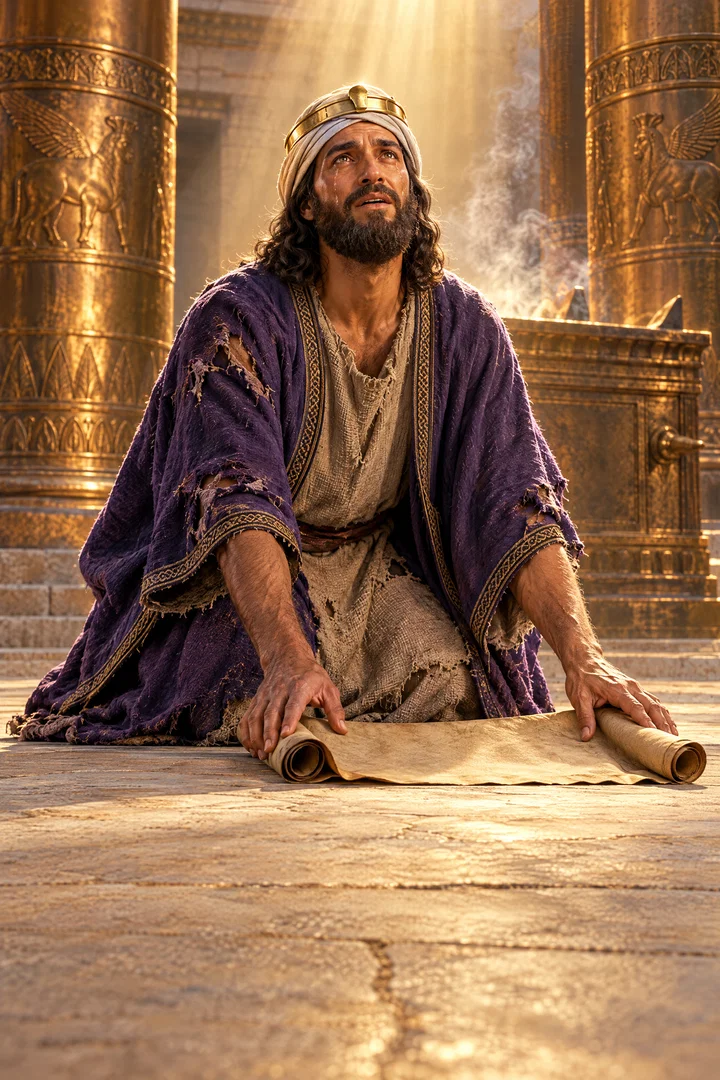
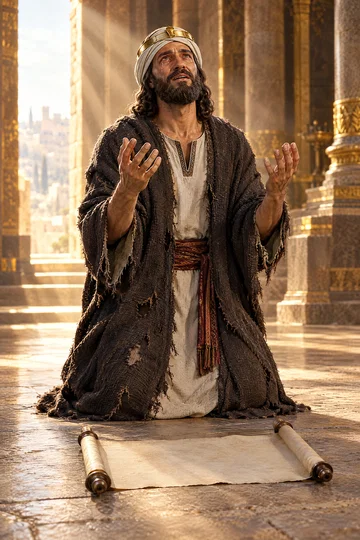
Hezekiah prays for deliverance so all kingdoms may know the Lord alone.
- Isaiah 37:33-36
Therefore thus saith the LORD concerning the king of Assyria, He shall not come into this city, nor shoot an arrow there, nor come before it with shields, nor cast a bank against it.
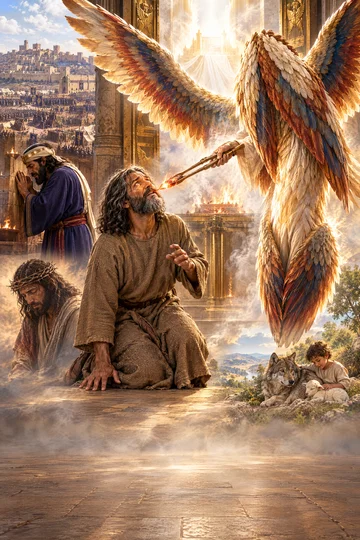
God answers by defending Jerusalem and destroying the Assyrian army.
- 2 Chronicles 32:20-21
And for this cause Hezekiah the king, and the prophet Isaiah the son of Amoz, prayed and cried to heaven.
Hezekiah and Isaiah pray during the Assyrian threat, and God destroys the army.
- Isaiah 37:10-11
Thus shall ye speak to Hezekiah king of Judah, saying, Let not thy God, in whom thou trustest, deceive thee, saying, Jerusalem shall not be given into the hand of the king of Assyria.
The Assyrian king’s threatening letter prompts Hezekiah’s prayer.
- 2 Kings 19:35
And it came to pass that night, that the angel of the LORD went out, and smote in the camp of the Assyrians an hundred fourscore and five thousand: and when they arose early in the morning, behold, they were all dead corpses.
The angel destroys the Assyrian army in answer to the plea for deliverance.
- Isaiah 36:1-2
Now it came to pass in the fourteenth year of king Hezekiah, that Sennacherib king of Assyria came up against all the defenced cities of Judah, and took them.
identifies the invading army prayed about
- 2 Kings 19:7
Behold, I will send a blast upon him, and he shall hear a rumour, and shall return to his own land; and I will cause him to fall by the sword in his own land.
Cited in the account of the Assyrian king’s movements.
- 2 Kings 19:36-37
So Sennacherib king of Assyria departed, and went and returned, and dwelt at Nineveh.
Shows the king returned to his land and died there.
- Isaiah 10:5-14
O Assyrian, the rod of mine anger, and the staff in their hand is mine indignation.
Identifies the Assyrian king behind the campaign.
- Isaiah 37:1-2
And it came to pass, when king Hezekiah heard it, that he rent his clothes, and covered himself with sackcloth, and went into the house of the LORD.
Hezekiah seeks God’s counsel in response to the threat.
- Joshua 2:9-11
And she said unto the men, I know that the LORD hath given you the land, and that your terror is fallen upon us, and that all the inhabitants of the land faint because of you.
parallel witness to another world power
- Psalms 143:9
Deliver me, O LORD, from mine enemies: I flee unto thee to hide me.
Both pray for deliverance from enemies by taking refuge in God.
- Isaiah 40:15
Behold, the nations are as a drop of a bucket, and are counted as the small dust of the balance: behold, he taketh up the isles as a very little thing.
The nations are small before God, whose power cannot be defeated.
- Isaiah 10:28-34
He is come to Aiath, he is passed to Migron; at Michmash he hath laid up his carriages:
The campaign account is attributed to Sargon, not Sennacherib.
Commentary
Each commentary is drawn from primary sources: the writings of Ellen G. White and Adventist pioneers and periodicals. Each commentary is separate. Its own words are not a quotation; follow the references to read the source passages.
Ellen G. White
3 sources
Hezekiah offered this prayer after taking the threatening letter of the Assyrian king into the house of God and spreading it out before the Lord.16MR 16.3–17.3 In danger he turned to God, asking Him to save Jerusalem from the hand of the king of Assyria.16MR 16.3–17.3Lt 93, 1900, par. 6–8Lt 93, 1900, par. 9 He sought this deliverance so that all the kingdoms of the earth, all nations, might know that the Lord alone is God.16MR 16.3–17.3Lt 93, 1900, par. 6–8 His example teaches that when calamity threatens, people should humble themselves and pray.Lt 93, 1900, par. 9
Sources
Pioneers and periodicals
17 sources
Hezekiah prayed this prayer when Sennacherib king of Assyria came up against Jerusalem with a mighty army, defying Jehovah with blasphemy and taunting Hezekiah over his helplessness without army or means of his own.ST Jun 1, 1876ST Oct 6, 1909ST Jun 7, 1883 In that helplessness he did not oppose the enemy in his own strength but spread the insulting letter before the Lord in humility, praying alone and together with Isaiah the prophet, asking God to save his covenant people in order to vindicate his own name and honor so that all kingdoms of the earth might know that he alone is the LORD, the one God and Creator.ST Jun 1, 1876ST Oct 6, 1909ST Jun 7, 1883ST Oct 6, 1887ST Jun 21, 1905 The prayer was heard and answered by a wonderful deliverance, when the angel of the Lord struck the besieging army by an invisible hand and destroyed 185,000 men in a single night.ST Oct 6, 1909ST Jun 7, 1883ST Oct 6, 1887ST Jun 21, 1905RH Jun 15, 1869 That answer gave Assyria and all nations a living witness that human strength cannot prevail against him, teaching that trust in God is better than reliance on human wisdom or strength, and that one standing alone for right with God is not alone but with him is a majority.ST Jun 1, 1876ST Jun 7, 1883ST Dec 29, 1887RH Dec 16, 1862
Setting and Meaning
The prayer belongs to Hezekiah when Sennacherib king of Assyria came up with a mighty hostile army, threatened the land and Jerusalem, and persisted in blasphemy and defiance of Jehovah.ST Jun 1, 1876ST Oct 6, 1909ST Oct 6, 1887ST Jun 21, 1905 He was taunted over his helpless condition, having no army or means of his own with which to meet so powerful a foe, including by a taunting, insulting letter from his enemies.ST Jun 1, 1876ST Jun 7, 1883 In that helplessness he did not oppose the enemy in his own strength but went to the Lord for counsel and cried to Him for protection and deliverance.ST Jun 7, 1883ST Oct 6, 1887
He spread the letter out before the Lord in humility, laying the matter before Heaven.ST Oct 6, 1909ST Jun 7, 1883ST Jun 21, 1905 He prayed alone for God to spare Jerusalem and His covenant people, and he also counseled together and prayed jointly with Isaiah the prophet, the king and the prophet making their appeal to Heaven together.RH Dec 16, 1862ST Jun 21, 1905 Their united plea was that God would deliver them from their enemies through faith and by His own interposition.RH Dec 16, 1862ST Jun 21, 1905
The request was for the LORD God to save Jerusalem and His covenant people from the Assyrian hand, that He would vindicate His own name and cause.ST Oct 6, 1909ST Jun 21, 1905ST Apr 23, 1912 His honor was at stake because His power had been denied and defied, and the deliverance was sought so that all kingdoms and nations of the earth may know that He alone is the LORD.ST Jun 1, 1876ST Jun 21, 1905 He is therein acknowledged as the one God and Creator, the LORD alone, to be made known to all kingdoms by the saving act.ST Jun 1, 1876ST Oct 6, 1909ST Apr 23, 1912
The verse stands in the history of Hezekiah's humility and God's deliverance of Judah from Assyria.ST Oct 6, 1909ST Oct 6, 1909 It belongs to Isaiah 36-39, where man's frailties are portrayed as a lesson against trusting in men.ST Jun 7, 1910 The chapter is alike to and parallels 2 Kings 19, matching it with considerable verbal difference.ST Jan 24, 1906RH Mar 11, 1875ST Sep 12, 1895
Answer and Lessons
The prayer was heard and answered by a wonderful deliverance in which the Lord vindicated His own name and cause, destroying the besieging army by an invisible hand through His angel.ST Oct 6, 1909ST Oct 6, 1887ST Jun 21, 1905RH Dec 22, 1859ST Hezekiah had cried to the Lord for counsel and protection rather than opposing the mighty hostile army in his own strength, and he and Isaiah had laid the matter jointly before Heaven because of continued blasphemy and defiance against Jehovah.ST Oct 6, 1909ST Oct 6, 1887ST Jun 21, 1905 The Lord did not fail to do what was asked of Him.ST Jun 21, 1905
The angel struck the invading army so that it lost 185,000 men in a single night.ST Jun 7, 1883ST The answer is also reckoned as the death of 185,000 Assyrians in twelve hours, showing the wonder-working power of prayer.ST Sep 5, 1900 The Assyrian king and his army were not at Jerusalem when the angel struck down the 185,000, so that slaughter is set aside as the fulfillment of Isaiah 30:33.RH Jun 15, 1869
That slaughter answered the prayer that all the kingdoms of the earth might know that the LORD alone is God.ST Jun 1, 1876ST Dec 29, 1887 By it God gave Assyria a witness that He is God above all, making His power and glory known by revelation and living testimony and not only by rain and fruitful seasons.ST Dec 29, 1887 The deliverance demonstrates that human strength cannot prevail against Him and that He can vindicate His truth and deliver His people even when they are in the minority and have no army or means of their own.ST Jun 1, 1876ST Dec 29, 1887 One standing alone against wrong is therefore not truly alone, for God with him is a majority.ST Jun 1, 1876ST Jun 7, 1883 Trust in God is better than reliance on human wisdom or strength, enemies are subdued through faith and spiritual gifts, and God's power and providence uphold those who love and trust Him.ST Jun 1, 1876ST Jun 7, 1883RH Dec 16, 1862 In the larger history of Isaiah 36-39, where man's frailties are portrayed as a lesson against trusting in men, Hezekiah, great and good though he was, failed to give God the glory for his healing and instead displayed the earthly riches he himself had gathered, arousing the cupidity of the Babylonian ambassadors who afterward despoiled the kingdom.ST Jun 7, 1910
Sources