Jeremiah 44:17
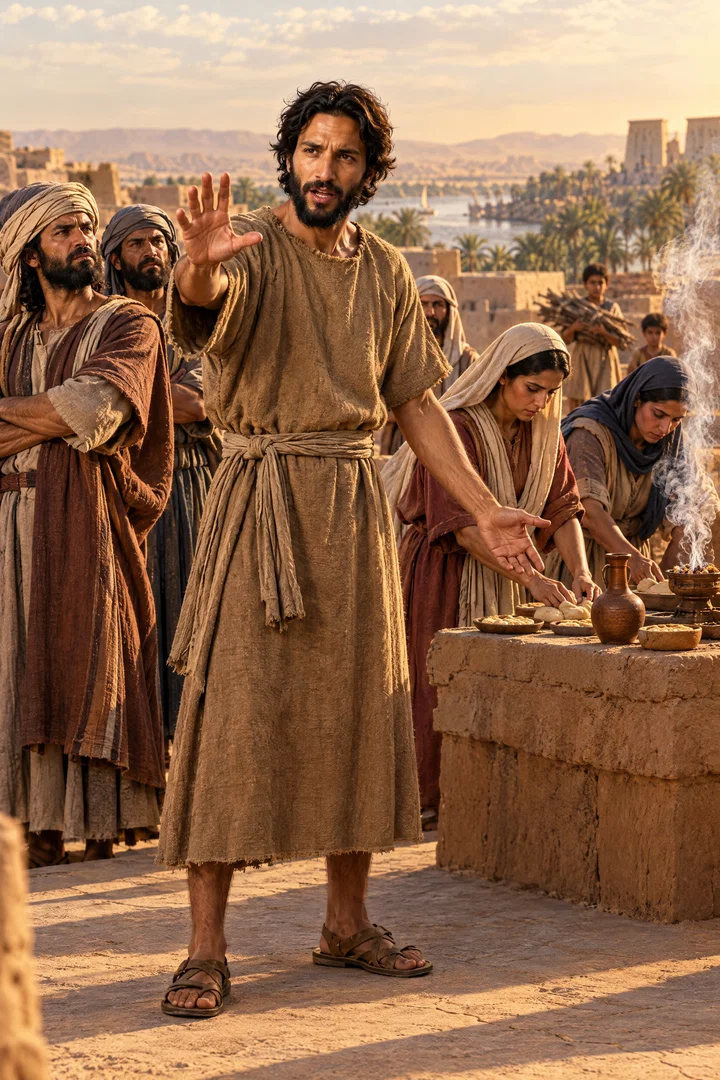
But we will certainly do whatsoever thing goeth forth out of our own mouth, to burn incense unto the queen of heaven, and to pour out drink offerings unto her, as we have done, we, and our fathers, our kings, and our princes, in the cities of Judah, and in the streets of Jerusalem: for then had we plenty of victuals, and were well, and saw no evil.
Translations
But we will certainly do whatever thing goes forth out of our own mouth, to burn incense to the queen of heaven, and to pour out drink offerings to her, as we have done, we, and our fathers, our kings, and our princes, in the cities of Judah, and in the streets of Jerusalem: for then had we plenty of victuals, and were well, and saw no evil.
King James Version, KJV Cambridge Paragraph Bible
But we will certainly do whatsoever thing goeth forth out of our own mouth, to burn incense unto the queen of heaven, and to pour out drink offerings unto her, as we have done, we, and our fathers, our kings, and our princes, in the cities of Judah, and in the streets of Jerusalem: for then had we plenty of victuals, and were well, and saw no evil.
But we will certainly do whatever thing proceedeth from our own mouth, to burn incense to the queen of heaven, and to pour out drink-offerings to her, as we have done, we, and our fathers, our kings, and our princes, in the cities of Judah, and in the streets of Jerusalem: for then we had plenty of provisions, and were well, and saw no evil.
But we will certainly perform every word that is gone forth out of our mouth, to burn incense unto the queen of heaven, and to pour out drink offerings unto her, as we have done, we and our fathers, our kings and our princes, in the cities of Judah, and in the streets of Jerusalem: for then had we plenty of victuals, and were well, and saw no evil.
But we will certainly perform every word that is gone forth out of our mouth, to burn incense unto the queen of heaven, and to pour out drink-offerings unto her, as we have done, we and our fathers, our kings and our princes, in the cities of Judah, and in the streets of Jerusalem; for then had we plenty of victuals, and were well, and saw no evil.
for we certainly do everything that hath gone out of our mouth, to make perfume to the queen of the heavens, and to pour out to her libations, as we have done, we, and our fathers, our kings, and our heads, in cities of Judah, and in streets of Jerusalem, and — we are satisfied with bread, and we are well, and evil we have not seen.
but we will certainly do every word that is gone forth out of our mouth, to burn incense to the queen of the heavens, and to pour out drink-offerings to her, as we have done, we and our fathers, our kings and our princes, in the cities of Judah and in the streets of Jerusalem; and we had plenty of bread, and were well, and saw no evil.
but, we will certainly do, the whole thing that hath gone forth out of our own mouth, by burning incense to the queen of the heavens, and pouring out to her drink-offerings, just as we and our fathers, and our kings and our princes, did, in the cities of Judah and in the streets of Jerusalem, then were we filled with bread and became prosperous, and calamity, saw we none;
Berean Standard Bible, Majority Standard Bible
Instead, we will do everything we vowed to do: We will burn incense to the Queen of Heaven and offer drink offerings to her, just as we, our fathers, our kings, and our officials did in the cities of Judah and in the streets of Jerusalem.At that time we had plenty of food and good things, and we saw no disaster.
But we will certainly perform every word that has gone out of our mouth, to burn incense to the queen of the sky and to pour out drink offerings to her, as we have done, we and our fathers, our kings and our princes, in the cities of Judah and in the streets of Jerusalem; for then we had plenty of food, and were well, and saw no evil.
But we will certainly do every word which has gone out of our mouths, burning perfumes to the queen of heaven and draining out drink offerings to her as we did, we and our fathers and our kings and our rulers, in the towns of Judah and in the streets of Jerusalem: for then we had food enough and did well and saw no evil.
But wee will doe whatsoeuer thing goeth out of our owne mouth, as to burne incense vnto the Queene of heauen, and to powre out drinke offerings vnto her, as we haue done, both we and our fathers, our Kings and our princes in the cities of Iudah, and in the streetes of Ierusalem: for then had wee plentie of vitailes and were well and felt none euill.
Douay-Rheims (Challoner revision)
But we will certainly do every word that shall proceed out of our own mouth, to sacrifice to the queen of heaven, and to pour out drink offerings to her, as we and our fathers have done, our kings, and our princes in the cities of Juda, and in the streets of Jerusalem: and we were filled with bread, and it was well with us, and we saw no evil.
Pictures
Cross-references
- Jeremiah 7:18
The children gather wood, and the fathers kindle the fire, and the women knead their dough, to make cakes to the queen of heaven, and to pour out drink offerings unto other gods, that they may provoke me to anger.
Describes the same cakes and drink offerings to the queen of heaven.
- Jeremiah 44:4
Howbeit I sent unto you all my servants the prophets, rising early and sending them, saying, Oh, do not this abominable thing that I hate.
God warned them to stop the abominable worship they defended.
- Deuteronomy 4:19
And lest thou lift up thine eyes unto heaven, and when thou seest the sun, and the moon, and the stars, even all the host of heaven, shouldest be driven to worship them, and serve them, which the LORD thy God hath divided unto all nations under the whole heaven.
Forbids worship of heavenly bodies.
- Jeremiah 44:23
Because ye have burned incense, and because ye have sinned against the LORD, and have not obeyed the voice of the LORD, nor walked in his law, nor in his statutes, nor in his testimonies; therefore this evil is happened unto you, as at this day.
Their idolatry and disobedience brought calamity upon them.
- Jeremiah 44:9
Have ye forgotten the wickedness of your fathers, and the wickedness of the kings of Judah, and the wickedness of their wives, and your own wickedness, and the wickedness of your wives, which they have committed in the land of Judah, and in the streets of Jerusalem?
Names the ancestral and royal wickedness the people continued.
- Exodus 20:3
Thou shalt have no other gods before me.
Jeremiah defended it against queen of heaven worship
- Ezekiel 8:7-16
And he brought me to the door of the court; and when I looked, behold a hole in the wall.
Describes idolatrous worship in Jerusalem.
- Deuteronomy 17:3
And hath gone and served other gods, and worshipped them, either the sun, or moon, or any of the host of heaven, which I have not commanded;
Both condemn worshipping the host of heaven.
- 2 Kings 21:3-5
For he built up again the high places which Hezekiah his father had destroyed; and he reared up altars for Baal, and made a grove, as did Ahab king of Israel; and worshipped all the host of heaven, and served them.
Manasseh worships the host of heaven and builds altars to them.
Commentary
Each commentary is drawn from primary sources: the writings of Ellen G. White and Adventist pioneers and periodicals. Each commentary is separate. Its own words are not a quotation; follow the references to read the source passages.
Pioneers and periodicals
18 sources
The Jews living in Egypt answered Jeremiah's reproof and warning of punishment with a defiant vow to keep doing whatever they had promised with their own mouths, to go on burning incense and pouring drink offerings to the queen of heaven as they and their fathers, kings and princes had done in the cities of Judah and in the streets of Jerusalem.ST Apr 3, 1884ST Sep 23, 1908ST Oct 20, 1887RH Dec 31, 1914 They claimed that while they kept up that worship they had plenty of food and enjoyed health, well-being and freedom from harm, and that want, sword and famine came only after they left it off.ST Apr 3, 1884ST Sep 23, 1908ST Oct 20, 1887ST Apr 3, 1884 They thus credited their food and welfare to idolatry and reversed God's explanation that disobedience had brought their calamity, when those blessings had been continued only from His patience to lead them to repentance, until wickedness could no longer be borne and brought Jerusalem's destruction, captivity and desolation.RH Mar 9, 1916ST Oct 20, 1887ST Oct 18, 1883RH Jul 14, 1903ST Dec 5, 1911 Their short-sighted bread-and-butter reasoning that present prosperity proves divine approval is false, for wicked Babylon, Nineveh, Rome and Carthage also knew years of peace, plenty and rule while Christ and the apostles suffered.ST Oct 20, 1887ST Apr 3, 1884 The same argument is now used against Sabbath-keeping and for Sunday observance, and that ancient worship lives on when Mary is given the heathen title queen of heaven and honored with incense and offerings.ST Apr 3, 1884RH Dec 3, 1914ST Oct 20, 1887ST Apr 3, 1884RH Nov 19, 1914
Words and Historical Setting
The words are the defiant answer of Jewish men and women living in Pathros in Egypt after they disobeyed God's express command not to go down to Egypt and fell into burning incense to Egyptian gods.ST Oct 20, 1887 After Jeremiah, divinely inspired, reproved their wickedness and reminded them of the judgments brought on Israel in the past for departing from God and warned that God would bring similar punishment on them, they refused to hearken to the word spoken in the name of the Lord.ST Oct 20, 1887 They vowed to certainly do whatsoever thing went forth out of their own mouth, to continue burning incense and pouring out drink offerings to the queen of heaven.ST Apr 3, 1884RH Dec 31, 1914STRH Jul 27, 1916 They continued a practice followed by themselves and their fathers, their kings, and their princes in the cities of Judah and in the streets of Jerusalem.ST Apr 3, 1884RH Dec 31, 1914STRH Jul 27, 1916 The verse belongs to the section of Jeremiah, chapters 32-45, that recounts events in the two years before Jerusalem fell.RH Jul 27, 1916
The queen of heaven is the moon.RH Mar 9, 1916ST Apr 3, 1884 She is also identified with the sun, and her worship is grouped with Baal, Ashtoreth, and Astarte, which God abhorred as a profaning of His holy name.ST Oct 18, 1883ST Apr 29, 1897 Tradition links the queen of heaven to an ancient goddess cult associated with Semiramis, Venus, and Diana of Ephesus.ST Mar 4, 1913 Traditions differ about Semiramis's identity and life, and it is not established that she was the queen of heaven worshiped in Jeremiah's day, though some say she began building Babylon.ST Mar 4, 1913
The worship was open and widespread in Judah's cities and Jerusalem, with many people taking part.RH Dec 3, 1914RH Dec 31, 1914 It included cakes offered to the queen of heaven as an unbloody sacrifice, alongside burning incense and pouring out drink offerings.RH Dec 31, 1914 Israel learned this idolatry from Egypt, which had learned idolatry from Babylon.RH Dec 31, 1914
False Prosperity Argument Judged
The people insisted that their burning of incense and pouring of drink offerings to the queen of heaven had given them plenty of food, well-being, health, comfortable living, and freedom from evil, harm, and disaster.ST Apr 3, 1884ST Sep 23, 1908ST Oct 18, 1883RH Jul 14, 1903 They tied that worship, carried on by themselves and their fathers, kings, and princes in the cities of Judah and in the streets of Jerusalem, to having enough to eat, living comfortably, and experiencing no disaster.ST Apr 3, 1884ST Sep 23, 1908RH Jul 14, 1903RH Dec 31, 1914 They held that while they maintained that worship all went well with plenty of food, peace, and prosperity, and that want and being consumed by sword and famine came only after they left it off.ST Oct 20, 1887ST Apr 3, 1884
Their reasoning was short-sighted and worldly, taking present prosperity as proof of divine approval and demanding that all accounts be settled as they go along.ST Oct 20, 1887ST Apr 3, 1884 It was a bread-and-butter policy rule that cared only for material supply and not for whether God's commandments were obeyed.ST Oct 20, 1887ST Apr 3, 1884 In crediting food and well-being to idolatry they reversed the Lord's own explanation that their idolatry and disobedience had brought their calamity.RH Mar 9, 1916RH Jul 14, 1903 Those blessings enjoyed while they worshiped false gods had been given as an expression of God's patience, to lead them to repentance.RH Mar 9, 1916
Popularity and prosperity do not prove truth, for wicked Babylon, Nineveh, Rome, and Carthage also enjoyed years of peace, plenty, and world rule without their ways pleasing God.ST Apr 3, 1884 Christ and the apostles suffered, and Paul lost all worldly advantage and was driven from place to place after becoming a Christian.ST Apr 3, 1884 The worship was forbidden by God, and when wickedness could no longer be borne judgment came.RH Mar 9, 1916ST Dec 5, 1911 Sun worship alongside disregard for the Sabbath led to Jerusalem's destruction and the land's desolation, and false worship and false education among God's own people and their kings brought captivity, enforced exile, and Zion left in utter ruin.RH Mar 9, 1916ST Oct 18, 1883ST Dec 5, 1911ST
That sad result was a lesson Daniel and his companions had seen and heeded in refusing any part in Babylon's idolatrous feasts.ST
Old Idolatry in New Forms
The vow to do whatever goes out of the mouth in burning incense and pouring drink offerings to the queen of heaven, because then there was plenty of food and wellness and no evil, makes prosperity the proof of right worship.ST Apr 3, 1884ST Oct 20, 1887 It is exactly the same argument used against keeping Saturday and for keeping Sunday, that if keeping Saturday were highly pleasing to God He would prosper it more, and if Sunday observance were sin He would not so remarkably bless those who persist in it.ST Apr 3, 1884ST Oct 20, 1887 The claim is that the nation has been greatly blessed while keeping Sunday, and that to triumph over infidelity, intemperance, lawlessness and other evils and to retain blessings the first day of the week must be hallowed as far more important than the old Jewish Sabbath.ST Apr 3, 1884ST Oct 20, 1887ST Apr 3, 1884 That reasoning carries weight because it is easily comprehended and requires no logical mind to grasp, judging worship by a bread-and-butter policy rule that cares only for material supply and not for whether God's commandments are obeyed.ST Oct 20, 1887ST Apr 3, 1884
Sunday was a new sabbath established by Persian sun-worshipers and baptized by the mother of harlots, and is now to be legalized by the daughters of Rome as the true and veritable Sabbath called the holy Sabbath of the Lord.ST Apr 3, 1884 Its advocates rely on great numbers and popularity, just as the opposers of Jeremiah did, while laying aside and treading down the moral law which was the point at issue.ST Apr 3, 1884ST Apr 3, 1884 Their profession not to worship the sun is answered by asking why they keep his day, as with one who says he does not worship Mary yet bows before her image.ST Apr 3, 1884 Jeremiah stood up for the first commandment and his opposers denied it, just as those who now stand for the first and the fourth commandments are opposed by those who deny them virtually in the first and positively in the fourth.ST Apr 3, 1884 In the judgment all who receive the mark will be counted as worshipers of the beast and his image.ST Apr 3, 1884
Heathen worship later influenced the Christian church, where Mary was given the position held by goddesses in heathen religions.RH Dec 3, 1914 The queen of heaven was an idol worshiped in ancient times openly in Judah's cities and Jerusalem through incense and drink offerings, defended by the claim that it had brought food, well-being, and freedom from disaster.RH Dec 3, 1914RH Nov 19, 1914RH Nov 19, 1914 The title queen of heaven later given to Mary is thus associated with that ancient idolatrous worship, condemning applying that title to Mary and worshiping her.RH Nov 19, 1914RH Nov 19, 1914 That ancient false worship, which God abhorred as a profaning of His holy name with Baal, Ashtoreth, and Astarte, was no different from the greater part of the Christian world singing praises to Easter, the Saxon goddess of spring, with pagan offerings of flowers, eggs, and other customs, profaning the celebration of the resurrection of Jesus with heathen names and customs.ST Apr 29, 1897 The same worship is recalled through a ceremony in which priests burn incense as part of rites to the queen of heaven, as the people insisted they would continue burning incense and pouring drink offerings as they and their ancestors had done.RH Jul 27, 1916
Sources