Jeremiah 44:18
But since we left off to burn incense to the queen of heaven, and to pour out drink offerings unto her, we have wanted all things, and have been consumed by the sword and by the famine.
Translations
But since we left off to burn incense to the queen of heaven, and to pour out drink offerings to her, we have wanted all things, and have been consumed by the sword and by the famine.
King James Version, KJV Cambridge Paragraph Bible, Revised Version
But since we left off to burn incense to the queen of heaven, and to pour out drink offerings unto her, we have wanted all things, and have been consumed by the sword and by the famine.
But since we ceased to burn incense to the queen of heaven, and to pour out drink-offerings to her, we have wanted all things, and have been consumed by the sword and by the famine.
But since we left off burning incense to the queen of heaven, and pouring out drink-offerings unto her, we have wanted all things, and have been consumed by the sword and by the famine.
'And from the time we have ceased to make perfume to the queen of the heavens, and to pour out to her libations, we have lacked all, and by sword and by famine we have been consumed,
But since we left off burning incense to the queen of the heavens, and pouring out drink-offerings to her, we have wanted everything, and have been consumed by the sword and by the famine.
whereas, from the very time we ceased burning incense to the queen of the heavens and pouring out to her drink-offerings, we have lacked everything,—and by sword and by famine, have we been consumed.
Berean Standard Bible, Majority Standard Bible
But from the time we stopped burning incense to the Queen of Heaven and pouring out drink offerings to her, we have lacked everything and have been perishing by sword and famine.”
But since we stopped burning incense to the queen of the sky, and pouring out drink offerings to her, we have lacked all things, and have been consumed by the sword and by the famine.”
But from the time when we gave up burning perfumes to the queen of heaven and draining out drink offerings to her, we have been in need of all things, and have been wasted by the sword and by need of food.
But since wee left off to burne incense to the Queene of heauen, and to powre out drinke offerings vnto her, we haue had scarcenesse of all things, and haue beene consumed by the sworde and by the famine.
Douay-Rheims (Challoner revision)
But since we left off to offer sacrifice to the queen of heaven, and to pour out drink offerings to her, we have wanted all things, and have been consumed by the sword, and by famine.
Pictures
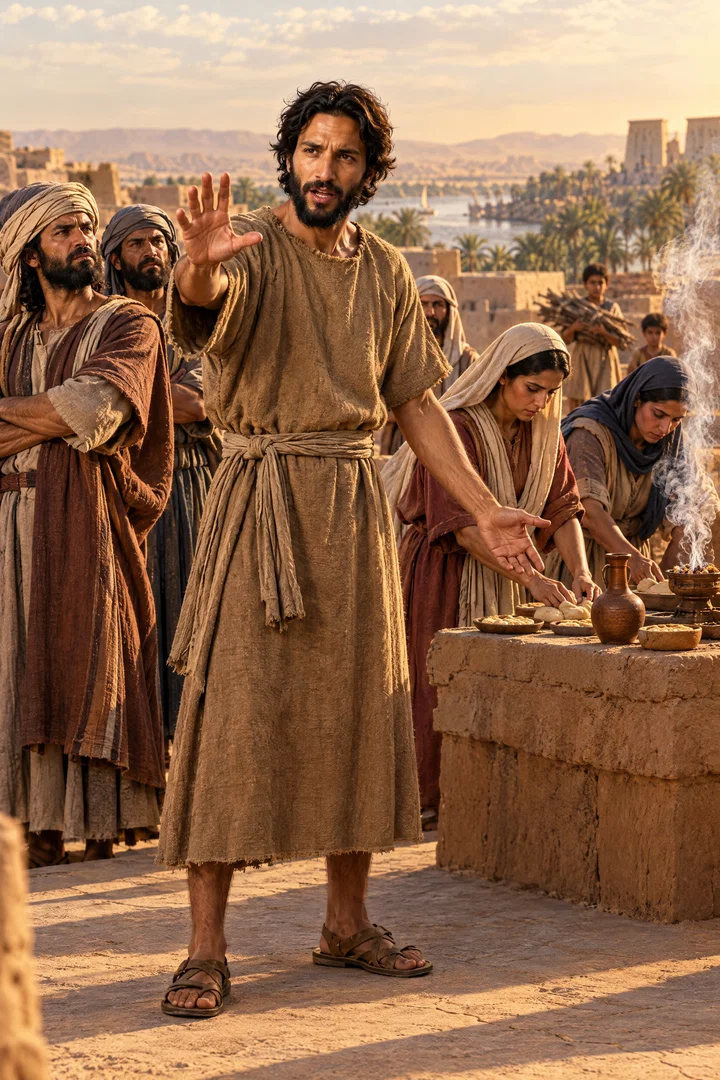
Cross-references
- Jeremiah 7:18
The children gather wood, and the fathers kindle the fire, and the women knead their dough, to make cakes to the queen of heaven, and to pour out drink offerings unto other gods, that they may provoke me to anger.
Both describe offerings to the queen of heaven as idolatrous worship that brings judgment.
- Jeremiah 44:3-6
Because of their wickedness which they have committed to provoke me to anger, in that they went to burn incense, and to serve other gods, whom they knew not, neither they, ye, nor your fathers.
Incense to other gods brought Judah’s desolation despite God’s warning.
- Jeremiah 44:23
Because ye have burned incense, and because ye have sinned against the LORD, and have not obeyed the voice of the LORD, nor walked in his law, nor in his statutes, nor in his testimonies; therefore this evil is happened unto you, as at this day.
Their sin and disobedience brought calamity.
- Jeremiah 44:14
So that none of the remnant of Judah, which are gone into the land of Egypt to sojourn there, shall escape or remain, that they should return into the land of Judah, to the which they have a desire to return to dwell there: for none shall return but such as shall escape.
Only those who escaped would return to Judah.
- Jeremiah 44:9
Have ye forgotten the wickedness of your fathers, and the wickedness of the kings of Judah, and the wickedness of their wives, and your own wickedness, and the wickedness of your wives, which they have committed in the land of Judah, and in the streets of Jerusalem?
Identifies the wickedness Jeremiah rebuked.
Commentary
Each commentary is drawn from primary sources: the writings of Ellen G. White and Adventist pioneers and periodicals. Each commentary is separate. Its own words are not a quotation; follow the references to read the source passages.
Pioneers and periodicals
17 sources
The Jews left after Zedekiah's captivity fled into Egypt to Pathros against the express command of the Lord and fell in with burning incense to the gods of the country.ST Sep 23, 1908ST Oct 20, 1887 They vowed that while they and their fathers and kings and princes burned incense and poured drink offerings to the queen of heaven they had plenty and saw no evil, but since leaving it off they have wanted all things and been consumed by sword and famine.ST Apr 3, 1884ST Oct 20, 1887RH Jul 14, 1903 Jeremiah by divine inspiration rebuked them, reminded them of past judgments for departing from God, and warned that God would bring like punishment on them and defeat Egypt.ST Sep 23, 1908ST Oct 20, 1887ST Oct 18, 1883 The queen of heaven is the moon, while those who held her to be the sun taught that she is the sun.RH Mar 9, 1916ST Oct 18, 1883ST Apr 3, 1884 Their calamity of hunger and want and sword and ruin and exile came because they had worshiped idols and disobeyed the Lord, not because they had ceased those offerings, and the plenty given while they worshiped false gods was God's patience to lead them to repentance.RH Mar 9, 1916RH Jul 14, 1903ST Dec 5, 1911 The claim exposes short-sighted reasoning that treats present prosperity and plenty as proof of God's pleasure, which Sunday advocates repeat when they argue that blessing while keeping Sunday proves it cannot be sin.ST Apr 3, 1884ST Oct 20, 1887ST Apr 3, 1884ST Apr 3, 1884
Setting and Plain Meaning
Jeremiah 44:18 belongs to the account of the Jews left after Zedekiah's captivity and their flight into Egypt to Pathros in Egypt against the express command of the Lord.ST Sep 23, 1908ST Oct 20, 1887 Having refused Jeremiah's counsel to remain in the land under the protection of the king of Babylon, which they would have kept so long as they heeded Jeremiah whom the king had learned to highly esteem, they chose to go down into Egypt and there fell in with the customs of the country by burning incense to Egyptian gods and went hilariously into idolatry.ST Sep 23, 1908ST Oct 20, 1887 It is classified as part of the history of the two years before the fall of Jerusalem.RH Jul 27, 1916
The verse is the answer of that great multitude to Jeremiah's rebuke, spoken by all the men who knew their wives had burned incense to other gods and all the women standing by in Pathros.ST Oct 20, 1887 It records their vow to keep burning incense and pouring drink offerings to the queen of heaven as they and their fathers, kings and princes did in Judah and Jerusalem, and their claim that then they had plenty of victuals and food and were well and saw no evil.ST Apr 3, 1884ST Oct 20, 1887 It records further their claim that since leaving off that worship they have wanted all things and lacked everything and lacked necessities and have been consumed by sword and famine and suffered hunger.ST Apr 3, 1884ST Oct 20, 1887RH Jul 14, 1903RH Dec 31, 1914ST Dec 5, 1911 Their coming to Jeremiah for advice exposed insincerity and inability to discern between right and wrong, for they desired only advice in harmony with their own wishes and purposes and their promises were nothing, while the discernment of the Spirit of God laid bare the secrets of their hearts.ST Sep 23, 1908
Jeremiah by divine inspiration rebuked them, reminded them of the judgments brought on Israel in the past for departing from God, and warned that God would bring similar punishments on them.ST Oct 20, 1887 His reply identified their idolatry, together with their sin against the Lord and disobedience to his commands and refusal to heed God, as the reason their land became desolate.ST Oct 18, 1883RH Jul 14, 1903 Against this idolatry he predicted the futility of their plans by prophesying the defeat of Egypt and pointing out the very place where Nebuchadnezzar would set his standard in the capital of Egypt.ST Sep 23, 1908
Queen of Heaven Identified
The queen of heaven is the moon, to whom the people burned incense and poured drink offerings and to whom they credited their former prosperity and plenty, claiming want and consumption by sword and famine only since they left off that worship.RH Mar 9, 1916ST Apr 3, 1884 Their temporal blessings while worshiping false gods were in truth an act of divine patience meant to lead them to repentance, until their wickedness could no longer be borne and judgment came in famine, pestilence and death by the sword.RH Mar 9, 1916 Their argument was a self-seeking policy that put prosperity, numbers and popularity above obedience and laid aside and trampled the moral law, against which Jeremiah stood for the first commandment while his opposers denied it.ST Apr 3, 1884 The same line of reasoning is followed by advocates of Sunday, who deny the first commandment in principle and the fourth openly, rely on great numbers and popularity, and by keeping the sun's day worship the sun.ST Apr 3, 1884
The queen of heaven is also identified with the sun, so that the people's claim that their troubles began when they stopped its incense and drink offerings is met by Jeremiah's reply that their idolatry together with refusal to heed God made their land desolate, a warning against sun worship and against forsaking God's Sabbath.ST Oct 18, 1883 The weight of teaching holds the moon identification, with the sun identification set beside it as held by those who apply the verse directly against sun worship.RH Mar 9, 1916ST Oct 18, 1883ST Apr 3, 1884 The queen of heaven is the same as Ashtoreth and Astarte, joined with the worship of Baal, which God abhorred and opposed in past ages in regard for His holy name.ST Apr 29, 1897 This ancient false worship is no different from the greater part of the Christian world singing praises to Easter, the Saxon goddess of spring, with pagan offerings of flowers, eggs and other heathen names and customs, which profanes the celebration of the resurrection of Jesus.ST Apr 29, 1897
The queen of heaven is a title of an idol worshiped by the heathen in ancient times with wicked and abominable rites and ceremonies.RH Nov 19, 1914 She belongs to the same cult and character as Semiramis, Venus, and Diana of the Ephesians, while the historical traditions connecting Semiramis with Nimrod and Babylon remain uncertain.ST Mar 4, 1913 The worship described around the verse included cakes made for the queen of heaven, described as an unbloody sacrifice and compared with the wafer used in the mass.RH Dec 31, 1914
False Reasoning Reproved and Applied
The people reversed cause and effect, blaming hunger, want, famine, pestilence, sword, the ruin of Zion, captivity and enforced exile on having ceased their offerings, when those calamities came because they had worshiped idols, sinned against the Lord and disobeyed His commands.RH Mar 9, 1916RH Jul 14, 1903ST Dec 5, 1911ST The plenty of victuals and well-being they remembered from the time they and their fathers, kings and princes burned incense and poured drink offerings was not approval of false worship and false education, but temporal blessing given while they worshiped false gods as an act of God's patience meant to lead them to repentance.RH Mar 9, 1916RH Jul 14, 1903ST When their wickedness and evil sowing could no longer be borne, judgment came in famine, pestilence, death by the sword, and the sad fruit of ruin and enforced exile as the harvest of idolatry and other evil practices.RH Mar 9, 1916ST Dec 5, 1911ST
The verse exposes short-sighted worldly reasoning that treats present numbers, prosperity, well-being, bread, peace and plenty of food and seeing no evil as proof of God's pleasure and blessing.ST Oct 20, 1887ST Apr 3, 1884ST Apr 3, 1884 That self-seeking policy puts prosperity, numbers and popularity above obedience, lays aside and tramples the moral law, and denies the first commandment, against which Jeremiah stood.ST Oct 20, 1887ST Apr 3, 1884ST Apr 3, 1884 Prosperity alone does not prove that a practice pleases God.ST Oct 20, 1887ST Apr 3, 1884
The same prosperity argument is made by Sunday advocates, who claim the nation has been greatly blessed while keeping Sunday and must hallow the first day of the week to triumph over infidelity, intemperance, lawlessness and other evils and to retain blessing.ST Apr 3, 1884ST Oct 20, 1887 They argue that keeping Saturday cannot please God because He does not prosper it more, and that Sunday observance cannot be sin because He remarkably blesses those who persist in it, treating Sunday as far more important than the old Jewish Sabbath.ST Apr 3, 1884ST Oct 20, 1887 Sunday is traced to Persian sun-worshipers establishing a new sabbath, baptized by the mother of harlots and now pressed by the daughters of Rome to be legalized as the true and veritable holy Sabbath of the Lord, so that its advocates deny the first commandment in principle and the fourth openly, rely on great numbers and popularity, and by keeping the sun's day worship the sun.ST Apr 3, 1884ST Apr 3, 1884
This ancient false worship of burning incense and pouring drink offerings, which God abhorred and opposed in past ages, is no different from the greater part of the Christian world singing praises to Easter, the Saxon goddess of spring, with pagan offerings of flowers, eggs and other heathen names and customs, which profanes the celebration of the resurrection of Jesus.ST Apr 29, 1897 The queen of heaven stands as an ancient pagan worship later invoked to urge honor for Mary, when women claimed that after stopping incense and drink offerings they suffered want, sword and famine.RH Nov 19, 1914 That same idolatrous offering theme, connecting offerings to the queen of heaven with scarcity and death by sword and famine, applies to veneration of the Virgin of Guadalupe.ST Nov 27, 1901
Sources