Leviticus 22:20
But whatsoever hath a blemish, that shall ye not offer: for it shall not be acceptable for you.
Translations
But whatever has a blemish, that shall you not offer: for it shall not be acceptable for you.
King James Version, KJV Cambridge Paragraph Bible, Revised Version, American Standard Version
But whatsoever hath a blemish, that shall ye not offer: for it shall not be acceptable for you.
But whatever hath a blemish, that shall ye not offer: for it shall not be acceptable for you.
nothing in which [is] blemish do ye bring near, for it is not for a pleasing thing for you.
Nothing that hath a defect shall ye present; for it shall not be acceptable for you.
whatsoever hath in it a blemish, shall ye not bring near,—for it shall not be accepted for you.
Berean Standard Bible, Majority Standard Bible
You must not present anything with a defect, because it will not be accepted on your behalf.
But you shall not offer whatever has a defect, for it shall not be acceptable for you.
But anything which has a mark you may not give; it will not make you pleasing to the Lord.
Ye shall not offer any thing that hath a blemish: for that shall not be acceptable for you.
Douay-Rheims (Challoner revision)
If it have a blemish you shall not offer it, neither shall it be acceptable.
Pictures
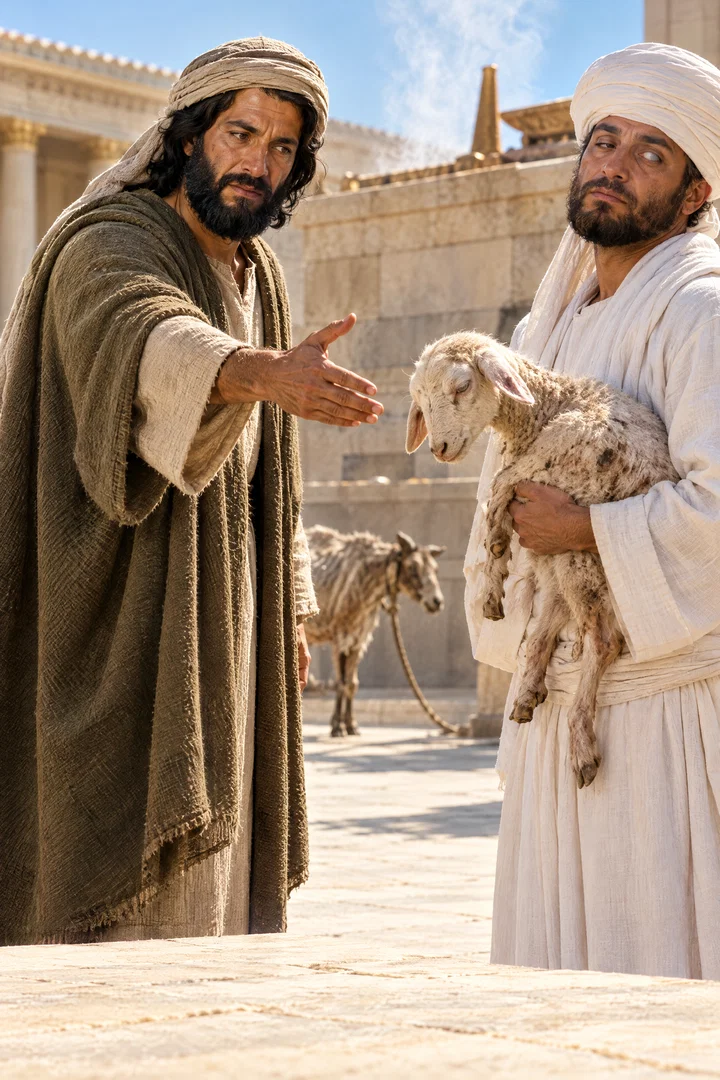
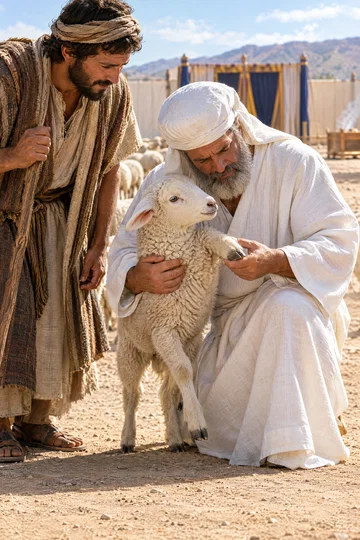
Cross-references
- Romans 12:1
I beseech you therefore, brethren, by the mercies of God, that ye present your bodies a living sacrifice, holy, acceptable unto God, which is your reasonable service.
The body is presented to God as a holy, acceptable living sacrifice.
- Malachi 1:8
And if ye offer the blind for sacrifice, is it not evil? and if ye offer the lame and sick, is it not evil? offer it now unto thy governor; will he be pleased with thee, or accept thy person? saith the LORD of hosts.
Condemns offering blind, lame, sick, and blemished animals to God.
- Malachi 1:13-14
Ye said also, Behold, what a weariness is it! and ye have snuffed at it, saith the LORD of hosts; and ye brought that which was torn, and the lame, and the sick; thus ye brought an offering: should I accept this of your hand? saith the LORD.
Condemns bringing sick, injured, or damaged animals as offerings.
- Leviticus 1:3
If his offering be a burnt sacrifice of the herd, let him offer a male without blemish: he shall offer it of his own voluntary will at the door of the tabernacle of the congregation before the LORD.
An offering to the Lord must be without blemish.
- Exodus 12:5
Your lamb shall be without blemish, a male of the first year: ye shall take it out from the sheep, or from the goats:
The Passover lamb had to be without blemish.
- Deuteronomy 17:1
Thou shalt not sacrifice unto the LORD thy God any bullock, or sheep, wherein is blemish, or any evilfavouredness: for that is an abomination unto the LORD thy God.
Both forbid offering blemished animals to God.
- Deuteronomy 15:21
And if there be any blemish therein, as if it be lame, or blind, or have any ill blemish, thou shalt not sacrifice it unto the LORD thy God.
Both prohibit offering an animal with a blemish.
- 1 Peter 1:19
But with the precious blood of Christ, as of a lamb without blemish and without spot:
Christ is the spotless Lamb foreshadowed by unblemished offerings.
- Ephesians 5:2
And walk in love, as Christ also hath loved us, and hath given himself for us an offering and a sacrifice to God for a sweetsmelling savour.
Christ gave himself as an offering to God.
Commentary
Each commentary is drawn from primary sources: the writings of Ellen G. White and Adventist pioneers and periodicals. Each commentary is separate. Its own words are not a quotation; follow the references to read the source passages.
Ellen G. White
15 sources
God required that whatever was offered to Him be perfect and without blemish, the best and most valuable of its kind, with no lameness, defect, disease or impurity, and the priests carefully examined every sacrifice and rejected it for even the least fault as unacceptable to Him.ST Jul 15, 1880LC1 165.2–3ST Oct 5, 18825T 541.4RH Mar 8, 1870 Only such a perfect offering could fittingly represent Christ.ST Jul 15, 1880 That same searching standard rests on Christians in presenting their bodies as a living sacrifice holy and acceptable to God.LC1 165.2–3ST Oct 5, 1882ST Oct 5, 1882 The body is to be offered as fully and perfectly as possible by bringing every physical, mental and moral habit into harmony with God's law and the laws of health, preserving strength and using every power to do His will, for a diseased, enfeebled and defiled body and disordered mind produced by indulgence of appetite, passion and impurity is an unfit and offensive offering that cannot glorify Him or be sanctified.ST Oct 5, 1882ST Oct 5, 18825T 541.4RH Mar 8, 1870ST Aug 13, 1874 His followers are therefore to give Him their most precious gifts and wholehearted service, holding nothing back, offering their best in worship and work rather than what is lame or least, and such free giving brings His blessing on the family and its possessions while covetous withholding brings loss and affliction.ST Jul 15, 18801T 221.1SG4 210.2–3SG4 195.1–21T 196.1–2
The Unblemished Sacrifice
Whatever was offered to God had to be without blemish, with only perfect animals accepted from the best of the flock and of the field.ST Jul 15, 1880ST Oct 5, 1882SG4 195.1–21T 196.1–2BS 23.2–3 The offering was required to be sound and valuable in every respect, not lame, injured, defective, diseased, impure or polluted.LC1 165.2–3BS 23.2–3RH Mar 8, 1870ST Aug 13, 1874RH Sep 8, 1874 An animal with any blemish was not acceptable to God, and must not be offered to Him.LC1 165.2–3ST Oct 5, 1882SG4 195.1–21T 196.1–2BS 23.2–3
Every animal brought for sanctuary service was critically examined, and the priests refused any sacrifice in which a defect was found.LC1 165.2–35T 541.4ST Feb 17, 1888ST Aug 13, 1874RH Sep 8, 1874 Even the least defect, blemish, impurity, taint or disease was sufficient reason to reject it as not acceptable to God.LC1 165.2–3RH Mar 8, 1870ST Feb 17, 1888ST Aug 13, 1874RH Sep 8, 1874 No lame, injured, or diseased sacrifice would be received, but what was given to God had to be sound, perfect before Him, preserved unto holiness, free from the taints of sin or pollution, and valuable.LC1 165.2–35T 541.4RH Mar 8, 1870ST Aug 13, 1874RH Sep 8, 1874
The requirement that the offering be without blemish and the best of its kind enabled it to symbolize Christ.ST Jul 15, 1880
The Body as Offering
The same careful examination once given to the Jewish sacrifice applies to Christians presenting their bodies as a living sacrifice holy and acceptable to God.LC1 165.2–3ST Oct 5, 18825T 541.4RH Mar 8, 1870ST Aug 13, 1874 Just as no lame, injured, diseased, or blemished animal was received, but the offering had to be sound, perfect, valuable, preserved unto holiness and free from taint, impurity and pollution, so the body offered to God must not be degraded by disease or by harmful habits.LC1 165.2–3RH Mar 8, 1870ST Aug 13, 1874 To present the body in this way means living so as to preserve physical, mental and moral health rather than corrupting life by indulgence.ST Oct 5, 1882ST Oct 5, 1882
The offering of the self is to be made as fully, perfectly and valuably as possible by bringing every physical, mental and moral habit into conformity with the divine standard and with every instruction given for well-being.ST Oct 5, 18825T 541.4ST Feb 17, 1888 Appetite and habits are to be brought into conformity with natural law, health and faculties are to be preserved, and every power is to be used to serve Him and do His will.ST Oct 5, 18825T 541.4CH 68.2ST Feb 17, 1888 Loving the Lord with all the heart is shown in this constant seeking to bring every power of being into harmony with the laws that give ability to do His will.ST Feb 17, 1888
Impaired health and weakened, enfeebled faculties resulting from indulgence of appetite, passion and lust and from habits that violate natural law are unfit offerings for God's service.ST Oct 5, 1882CH 68.2ST Feb 17, 1888ST Aug 13, 1874 To come to worship feeble, with a diseased, decaying, degraded and defiled body and a disordered intellect ruined by wrong habits, is offensive to a pure and holy God.ST Aug 13, 1874 Few professed offerings laid upon the altar would stand that searching test.RH Mar 8, 1870
No one can glorify God in the body while living in transgression of God's law, especially in impurity of mind and body and in serving lust.RH Mar 8, 1870ST Aug 13, 1874 Purity cannot exist where the body is yielded to impure acts, and continual indulgence in hurtful lust, producing a diseased body and disordered intellect, makes sanctification of body and spirit impossible.RH Mar 8, 1870ST Aug 13, 1874
Such love refuses to be satisfied with an offering enfeebled by indulgence and refuses to follow the customs of the world, desiring instead to give God the best service of life.ST Feb 17, 1888 It regulates appetite, pleads for divine help and healing, and receives grace from Christ to overcome perverted appetites and begin reformation.ST Oct 5, 1882ST Feb 17, 1888
Giving God Our Best
A blemished animal was not acceptable as an offering to God, and Israel's sacrifices had to be without blemish and taken from the best of the flock, with everyone sharing in the work.SG4 195.1–21T 196.1–2 That same standard governs preparing a house or place of worship, where God's people are to offer their best rather than offer what is lame or do as little as possible.SG4 195.1–21T 196.1–2 What is spent for that purpose is not to be given as sparingly as possible nor regarded as lost.SG4 195.1–2
The offering must be without blemish and the best of the flock or field and of its kind, and Christ's followers are thereby taught to offer God their most precious gifts and wholehearted service to honor Him, holding nothing back from what God has given them and giving freely.ST Jul 15, 18801T 221.1SG4 210.2–3 Such free giving is the condition on which the Lord's blessing rests upon a family and its possessions.1T 221.1SG4 210.2–3 Withholding a suitable share out of covetousness, offering a reduced gift, brings a curse upon harvests and flocks and may bring affliction upon the family.1T 221.1SG4 210.2–3
Sources
Pioneers and periodicals
24 sources
God required that no animal with blindness, lameness, defect, disease, or any blemish be brought as an offering, but only what was sound, young, perfect, and the best and choicest of its kind as he prescribed.ST Nov 28, 1892ST Jul 3, 1893RH Feb 3, 1916 Priests were to examine each sacrifice with careful scrutiny and refuse any in which even the least taint or impurity was found, because only what was valuable and sound could be accepted.ST Feb 17, 1888ST Aug 13, 1874RH Sep 8, 1874 This requirement for perfection pointed to the perfect purity of Jesus Christ as the Lamb without blemish who takes away sin.ST Jul 15, 1880ST Feb 7, 1911ST Nov 19, 1894RH Feb 3, 1916 What is given to God must still be the best, offered wholeheartedly and done well, not what is damaged, inferior, or unwanted, nor negligent and careless service, a polluted Sabbath, or a man-made substitute for his commandments.ST Jul 15, 1880ST Mar 29, 1883ST May 27, 1897RH Jul 14, 1868 So too the living sacrifice of the body must be presented perfect, healthy, holy, and free from pollution, by honoring God in habits, appetite, and purity rather than degrading and enfeebling it by indulgence and transgression.ST Oct 5, 1882ST Oct 5, 1882ST Aug 13, 1874RH Sep 8, 1874ST Jul 29, 1897
Sacrificial Requirement and Symbol
The rule belongs to the laws governing sacrifices and offerings, to the duties concerning worship and the ritual of the house of the Lord, and to the laws of approach to a holy God by a sinful yet chosen people.ST Feb 7, 1911RH Feb 3, 1916 Those offerings were object lessons about sin, and the animals offered pointed forward to the Lamb of God who takes away the sin of the world.ST Feb 7, 1911 Their details have meaning fulfilled in the sacrifice, life, and work of Jesus Christ.ST Feb 7, 1911
Whatsoever had blemish, defect, blindness, or lameness was not to be offered, for only what was perfect, without defect, sound, young, the best and choicest of the flock and herd, and of the kind prescribed was acceptable.ST Nov 28, 1892ST Jul 3, 1893ST Jun 17, 1875RH Jul 2, 1861 Disease and defects were present among domestic animals in that time, which the prohibition reflects.ST Jun 17, 1875 The demand for perfect emblems of divine perfection applies also to the bread and wine used in sacred service.ST Nov 28, 1892 In comparison the requirement serves as a type of being without physical blemish.ST Jul 3, 1893
Every animal brought for sanctuary service had to be free from defect, and priests critically examined each sacrifice with careful scrutiny.ST Feb 17, 1888ST Aug 13, 1874RH Sep 8, 1874 Even the least defect, blemish, impurity, taint, or disease was sufficient reason to refuse it.ST Feb 17, 1888ST Aug 13, 1874RH Sep 8, 1874 The offering had to be sound and valuable.ST Feb 17, 1888ST Aug 13, 1874RH Sep 8, 1874 It had to be both sound and of the kind prescribed, and a blemished or unsound offering was not acceptable.ST Nov 28, 1892
Sacrifices had to be without defect and the best of their kind so they could symbolize perfect purity as the Lamb without blemish.ST Jul 15, 1880ST Nov 19, 1894 The requirement that sacrificial animals be young and without blemish defines the flesh permitted to priests from wave offerings, peace offerings, and oblations, which were not always flesh but sometimes corn, wine, and wheat.RH Mar 31, 1868 That flesh was only lean meat from healthy young animals, with all the fat burned to the Lord and forbidden to the people to eat.RH Mar 31, 1868 This proves priestly meat-eating was limited to clean, healthy, lean flesh, gives no license to eat swine's flesh swimming in grease, and weighs nothing against diseased and fat meat being unwholesome and unfitted for feeble men and women.RH Mar 31, 1868
Wholehearted Worship and Service
Labor to be accepted must be done well, with the best that can be done, for negligence and carelessness receive no sanction, and because God does not change a lame offering of service will no more be received now than a blemished sacrifice was then.ST Mar 29, 1883 What is given must be the best, the finest and most beautiful of the flock, not what is damaged, inferior, or unwanted merely because no one else will accept it.ST May 27, 1897RH Jul 14, 1868 Those who follow Christ are to offer their most precious gifts and wholehearted service, holding nothing back from what has been given them to honor him, since the offering had to be without blemish and the best of its kind.ST Jul 15, 1880
The same God remains just as particular now and is not indulgent, guarding the honor of his word and the requirements of his law with jealous care. To transgress even one of the least commandments and present a man-made substitute is presumption and grievous sin, and all such substitutes are lame offerings that imperil the soul of the one who willingly presents them. A Sabbath kept with clipped edges, with worldly thoughts and conversation, with secular plans burdening the mind in holy time, and with anxious impatience for the day to close so business can resume, is such a polluted, blemished offering, worse than vain and offensive, declaring in effect that what is most marred by sin is the best that can be afforded.RH Nov 5, 1861 The perfect and choicest, cheerfully given, can be required, because all things proceeded perfect from his good hand at first and his gifts in fruit, flocks, metals, grains, and herbs remain perfect where sin does not stain them, so men owe in return their hearts' best and purest service.RH Nov 5, 1861
Applied to the fourth commandment, the sacred day must be kept in its perfect proportions, not cracked or battered at either end by continuing secular pursuits too long before it begins or starting them too soon afterward, but bringing service fully up to the line and plummet of righteousness and judgment in both letter and spirit.RH Jul 7, 1859 As the sacrifices brought to the altar had to be without blemish, so consecration now admits no imperfect sacrifice, for God is no respecter of persons.RH Oct 27, 1859 Therefore the confession that brings forgiveness and cleansing from all unrighteousness must be entire, not superficial or incomplete, springing from sorrow and aversion for sin that produces forsaking as well as confessing all sin.RH Oct 27, 1859
Because the best of the flock and herd without blemish was to be sacrificed, the best of the day, the earliest hour of morning, belongs to God for seeking him in prayer rather than for arranging worldly affairs.RH Jul 2, 1861 Since a blameless sacrifice was anciently demanded, no soiled and broken remnant of a misspent life will be accepted.RH Jun 4, 1867 Youthful and healthful days cannot be given to worldly ambition and sinful pleasure with only what is left offered to God, because God is not mocked.RH Jun 4, 1867
Body as Living Sacrifice
Just as an animal had to be perfect without any defect to be acceptably offered, so the living sacrifice offered to God is to be perfect by honoring Him in respect for the body and for the laws that preserve it.ST Jul 29, 1897 Presenting the body as a living sacrifice means living so as to preserve physical, mental, and moral health, rather than offering a life corrupted by harmful habits.ST Oct 5, 1882 Impaired health and weakened faculties resulting from indulgence of appetite and from habits that violate natural law are unfit offerings for His service, so habits must be regulated and appetite brought into conformity with natural law in order to preserve the faculties for service to Christ.ST Oct 5, 1882
The required perfection belongs not to the spiritual life alone but to the body offered in service, for the body is His temple and the means through which Jesus expresses Himself and makes the gospel known.ST Jul 29, 1897 Physical habits and restrictions that warp or distort the body can therefore leave that sacrifice blemished and hinder its witness.ST Jul 29, 1897 The same scrutiny given the Jewish sacrifice applies to laying the body a living sacrifice on God's altar, for no lame, injured, or diseased sacrifice would be received.RH Mar 8, 1870 What is given was required to be sound, in every respect without blemish, perfect before God, preserved unto holiness, free from taints of sin or pollution, and valuable, a test few professed offerings laid on the altar would stand.RH Mar 8, 1870
None can glorify God in the body while living in transgression of God's law, especially in impurity of mind and body and in serving lust, because purity cannot exist where the body is yielded to impure acts.RH Mar 8, 1870 Presenting the human body a living sacrifice holy and acceptable therefore demands making the offering as perfect as possible by bringing every habit of life into conformity with the divine standard and with every instruction given for physical, mental, and moral well-being.ST Feb 17, 1888 Loving the Lord with all the heart means desiring to give Him the best service of life, constantly seeking to bring every power of being into harmony with the laws that promote ability to do His will.ST Feb 17, 1888 It refuses satisfaction with an offering enfeebled by indulgence of appetite and passion, pleads for divine help and healing, receives grace from Christ to overcome perverted appetites and begin reformation, and refuses to follow the customs of the world.ST Feb 17, 1888
Every Jewish sacrifice had to be examined with careful scrutiny, and the least defect, blemish, impurity, taint, or disease was sufficient reason to reject it, because the offering had to be sound and valuable.ST Aug 13, 1874RH Sep 8, 1874 So Christians must present a living sacrifice that is healthy, holy, and acceptable to God, not a diseased, decaying, defiled offering ruined by indulgence of appetite, lust, and harmful habits.ST Aug 13, 1874RH Sep 8, 1874 To come to worship in feebleness, with bodies degraded and diseased by wrong habits and with disordered intellect from continual indulgence in hurtful lust, is offensive to a pure and holy God.ST Aug 13, 1874 Such a diseased body and disordered intellect make sanctification of body and spirit and glorifying God impossible.ST Aug 13, 1874
Sources