1 Peter 1:19
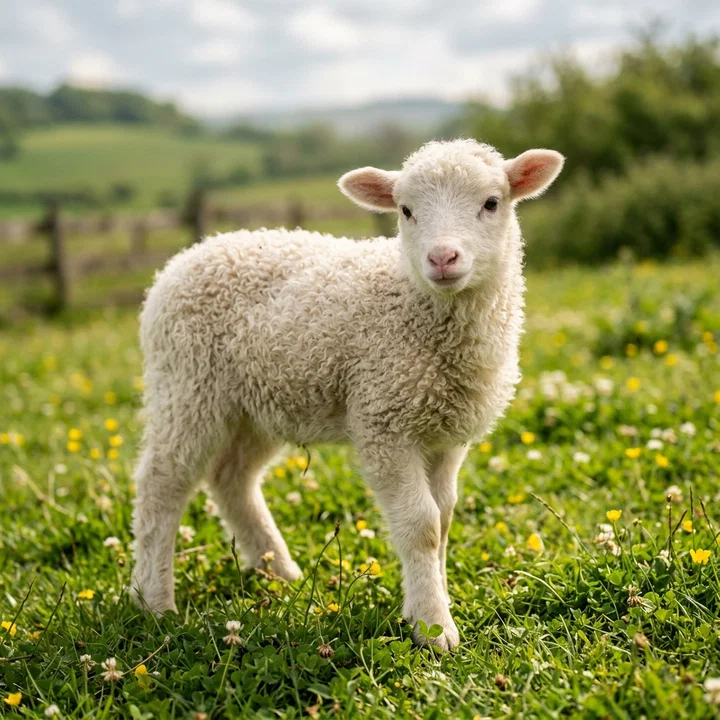
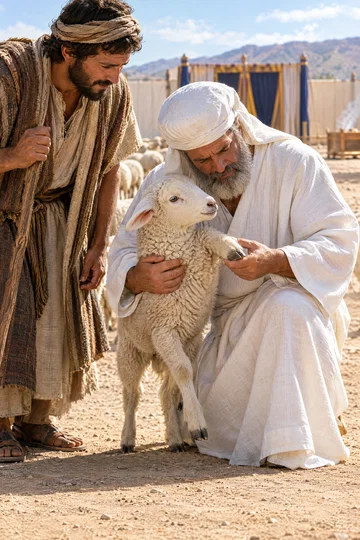
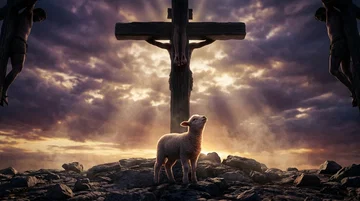
But with the precious blood of Christ, as of a lamb without blemish and without spot:
Translations
American King James Version, King James Version, Webster Bible
But with the precious blood of Christ, as of a lamb without blemish and without spot:
but with the precious blood of Christ, as of a lamb without blemish and without spot:
Revised Version, American Standard Version
but with precious blood, as of a lamb without blemish and without spot, even the blood of Christ:
but with precious blood, as of a lamb unblemished and unspotted — Christ's —
but by precious blood, as of a lamb without blemish and without spot, [ the blood] of Christ,
But with precious blood, as of a lamb, unblemished and unspotted, of an Anointed One,—
Berean Standard Bible, Majority Standard Bible
but with the precious blood of Christ, a lamb without blemish or spot.
but with precious blood, as of a lamb without blemish or spot, the blood of Christ,
But through holy blood, like that of a clean and unmarked lamb, even the blood of Christ:
But with the precious blood of Christ, as of a Lambe vndefiled, and without spot.
Douay-Rheims (Challoner revision)
But with the precious blood of Christ, as of a lamb unspotted and undefiled,
Pictures

Cross-references 20 of 169
- 1 Corinthians 6:20
For ye are bought with a price: therefore glorify God in your body, and in your spirit, which are God’s.
Believers are bought with Christ’s blood and therefore belong to God.
- John 1:29
The next day John seeth Jesus coming unto him, and saith, Behold the Lamb of God, which taketh away the sin of the world.
Christ is the spotless Lamb who takes away the sin of the world.
- Revelation 5:9
And they sung a new song, saying, Thou art worthy to take the book, and to open the seals thereof: for thou wast slain, and hast redeemed us to God by thy blood out of every kindred, and tongue, and people, and nation;
Christ’s blood redeems people for God from every nation.
- Hebrews 9:14
How much more shall the blood of Christ, who through the eternal Spirit offered himself without spot to God, purge your conscience from dead works to serve the living God?
Christ offers himself without spot to cleanse the conscience and serve as the perfect sacrifice.
- Ephesians 1:7
In whom we have redemption through his blood, the forgiveness of sins, according to the riches of his grace;
Christ’s blood brings redemption and forgiveness of sins.
- Exodus 12:5
Your lamb shall be without blemish, a male of the first year: ye shall take it out from the sheep, or from the goats:
The Passover lamb’s required lack of blemish foreshadows Christ, the spotless sacrifice.
- John 3:16
For God so loved the world, that he gave his only begotten Son, that whosoever believeth in him should not perish, but have everlasting life.
God gave his Son so believers may have everlasting life.
- Revelation 13:8
And all that dwell upon the earth shall worship him, whose names are not written in the book of life of the Lamb slain from the foundation of the world.
Both describe Christ as the Lamb slain from the foundation of the world.
- Acts 20:28
Take heed therefore unto yourselves, and to all the flock, over the which the Holy Ghost hath made you overseers, to feed the church of God, which he hath purchased with his own blood.
Christ’s blood is the price by which the church was purchased.
- 1 John 1:7
But if we walk in the light, as he is in the light, we have fellowship one with another, and the blood of Jesus Christ his Son cleanseth us from all sin.
Christ’s blood cleanses from all sin.
- Isaiah 53:5
But he was wounded for our transgressions, he was bruised for our iniquities: the chastisement of our peace was upon him; and with his stripes we are healed.
Christ is wounded for transgressors, and his stripes bring healing.
- 2 Corinthians 5:21
For he hath made him to be sin for us, who knew no sin; that we might be made the righteousness of God in him.
Christ, though sinless, bore sin so sinners might receive righteousness in him.
- Hebrews 9:22
And almost all things are by the law purged with blood; and without shedding of blood is no remission.
Remission requires the shedding of blood.
- Romans 3:25
Whom God hath set forth to be a propitiation through faith in his blood, to declare his righteousness for the remission of sins that are past, through the forbearance of God;
Christ’s blood is presented as the propitiation for sin.
- Matthew 20:28
Even as the Son of man came not to be ministered unto, but to minister, and to give his life a ransom for many.
Christ gives his life as a ransom for many.
- Revelation 1:5
And from Jesus Christ, who is the faithful witness, and the first begotten of the dead, and the prince of the kings of the earth. Unto him that loved us, and washed us from our sins in his own blood,
Christ’s blood washes people from their sins.
- Hebrews 10:4
For it is not possible that the blood of bulls and of goats should take away sins.
Animal blood cannot take away sins, unlike Christ’s once-for-all sacrifice.
- Titus 2:14
Who gave himself for us, that he might redeem us from all iniquity, and purify unto himself a peculiar people, zealous of good works.
Christ gave himself to redeem and purify a people for himself.
- Hebrews 9:12
Neither by the blood of goats and calves, but by his own blood he entered in once into the holy place, having obtained eternal redemption for us.
Christ enters the holy place by his own blood, obtaining eternal redemption.
- Isaiah 53:7
He was oppressed, and he was afflicted, yet he opened not his mouth: he is brought as a lamb to the slaughter, and as a sheep before her shearers is dumb, so he openeth not his mouth.
The suffering servant is led to slaughter like a lamb.
Commentary part 1 of 3
Each commentary is drawn from primary sources: the writings of Ellen G. White and Adventist pioneers and periodicals. Each commentary is separate. Its own words are not a quotation; follow the references to read the source passages.
Ellen G. White
227 sources
We are bought back from the empty way of life handed down from our fathers, not with perishable silver and gold but with the costly blood of Christ as a lamb without blemish and without spot.RH Jul 25, 1907AA 518.2–519.2RH Jul 25, 1912 Without blemish and without spot means He was wholly free from sin in character and nature, perfectly holy, harmless and obedient, and therefore the only offering sufficient to bear the transgressor's guilt and atone for the world.DA 50.2–3MH 51.21RED 10.1LC1 10.16MR 4.2 This was no afterthought, for He was foreordained before the foundation of the world and pledged before humanity was created to come in the last times, suffer and die on Calvary, so that faith and hope stand in God who raised Him and gave Him glory.AA 518.2–519.2RH Jul 25, 1912Lt 156, 1908, par. 3–8 His blood is the infinite ransom that satisfies justice, breaks Satan's bondage, cleanses defilement and adopts sinners into God's family, and because they are bought they belong to God by both creation and redemption and are to live wholly for Him.SC 51.4ST Jun 27, 1911ST Oct 3, 1895Lt 20, 1895, par. 5–6Lt 20, 1903, par. 10–13 That price measures the infinite worth of every soul without regard to birth, rank, race or condition, and calls the redeemed to sober holy obedience, unfeigned brotherly love, and earnest work to rescue others.Lt 188, 1906, par. 1–4Ms 73, 1893, par. 11–1315MR 100.4–101.16T 462.2–4SW 30.1
Words and Immediate Context
The verse teaches redemption from the empty, vain way of life inherited by tradition from the fathers, not with perishable silver and gold but with the precious blood of Christ as a lamb without blemish and without spot.RH Jul 25, 1907AA 518.2–519.2RH Jul 25, 1912ApRGC 24.7–8RH Apr 20, 1916 That blood is the great sacrifice made on behalf of sinners, the price by which believers are bought so that they no longer belong to themselves.RH Jul 25, 1907AA 518.2–519.2RH Jul 25, 1912ApRGC 24.7–8SC 51.4 Only that sacrifice could redeem transgressors from iniquity, for Christ is the spotless, unblemished sacrificial Lamb and the plan of salvation rests on His giving Himself to bring the gift of eternal life.AA 518.2–519.2RH Jul 25, 1912ApRGC 24.7–8RH Apr 20, 1916SC 51.4
Its surrounding passage calls for girded, sober minds hoping to the end for the grace to be brought at the revelation of Jesus Christ.Lt 157, 1901, par. 12–15Lt 103, 1896, par. 11–15Lt 100, 1898, par. 10–1814MR 292.1–2Lt 9, 1892, par. 89–91 It calls for living as obedient children not shaped by former lusts in ignorance but holy in all conduct like the holy God who calls, and for passing earthly sojourning in fear of the Father who without respect of persons judges every man's work.Lt 157, 1901, par. 12–15Lt 103, 1896, par. 11–15Lt 100, 1898, par. 10–186MR 233.2–235.214MR 292.1–2 It leads to purified souls obeying the truth through the Spirit unto unfeigned love of the brethren, loving one another with a pure heart fervently, with humility, unity, preferring one another, and love without pretense.Lt 157, 1901, par. 12–15Lt 103, 1896, par. 11–15Lt 100, 1898, par. 10–186MR 233.2–235.214MR 292.1–2 Such love is the most convincing evidence that Bible truth is brought into practical life, revealing Bible sanctification and bearing the credentials that God sent His Son that the world through Him might be saved and receive life through faith, while discord and variance are objectionable and disobedience through pride, division and self-exaltation forfeits special victories.Lt 157, 1901, par. 12–15Lt 100, 1898, par. 10–186MR 233.2–235.214MR 292.1–2Lt 9, 1892, par. 89–91 The mind is to be strictly guarded that it may at all times stay under God's control, a pure, clean, healthy mind controlled by the Holy Spirit, putting on the whole armor of God to withstand in the evil day, seeing self in a different light, learning from Christ and working as Christ worked with efficiency from God and not from self, which is sanctification.Lt 157, 1901, par. 12–15Lt 103, 1896, par. 11–15Lt 100, 1898, par. 10–1814MR 292.1–2Lt 9, 1892, par. 89–91
The chapter is rich food from the living Word that comforts, strengthens and blesses feeble and afflicted believers and hungry souls who seldom have preaching, giving hope and courage and increasing faith and confidence in God.Ms 39, 1892, par. 30–31Lt 32, 1894, par. 2–3Ms 2, 1892, par. 23–27Lt 9, 1892, par. 89–91Lt 17, 1878, par. 14–16 It shows God's love bestowed in large measure on His chosen ones, draws the heart out in love for souls, urges walking in the light shining upon the pathway, and teaches that Jesus gave His precious life so believers can trust Him through every trial as a tender, sufficient support who knows their suffering.Ms 39, 1892, par. 30–31Lt 32, 1894, par. 2–3Ms 2, 1892, par. 23–27HPMMW 44.1Lt 52, 1899, par. 3 In verses 10-12 it upholds the importance and sacredness of prophecy and keeps the Old Testament Scriptures, for Christ spoke in the Old Testament as well as in the New.Ms 39, 1892, par. 30–31Lt 32, 1894, par. 2–3Ms 2, 1892, par. 23–27Lt 9, 1892, par. 89–91HPMMW 44.1 Connected with it is teaching the knowledge of salvation, sin, and redemption from sin's bondage and defilement, that trusting His merits with conviction, repentance and renunciation of self calls out mental energies, and that believing in the Redeemer who purchased people with His own blood, learning from Him and following His steps, leads to eternal riches and imperishable treasures of heaven lasting as long as God's life.Lt 32, 1894, par. 2–3Ms 2, 1892, par. 23–27HPMMW 44.1Lt 17, 1878, par. 14–16Lt 52, 1899, par. 3
The words without blemish and without spot mean Christ is without spot or stain in character, wholly free from sinfulness in human nature with no misgiving allowed.DA 50.2–3MH 51.216MR 116.3–117.2Ms 143, 1897, par. 7–913MR 274.3 Though He took human nature in its fallen condition with its infirmities, weaknesses, sicknesses and temptation in all points, He did not in the least participate in its sin, did no sin and had no guile, presenting perfect humility and complete obedience as the holy Substitute able to save to the uttermost.DA 50.2–3MH 51.216MR 116.3–117.2Ms 143, 1897, par. 7–913MR 274.3 They also describe His physical condition as strong and healthy with no deformity, for lifelong conformity to nature's laws made Him an example of what God designed humanity to be through obedience to His laws.DA 50.2–3MH 51.2ST Dec 19, 191616MR 116.3–117.2Ms 143, 1897, par. 7–9 Even while weighted with responsibilities, carrying the world's sorrow and sin and toiling with self-consuming zeal, His was a life of health in body and purity in soul, in body as in soul the pattern humanity is to become like, with divine power placed on repentant believers through Him so they may share the divine nature and become God's righteousness in Him.Lt 156, 1908, par. 3–8MH 51.2ST Dec 19, 191616MR 116.3–117.2Ms 143, 1897, par. 7–9
The plan rests on Christ foreordained before the foundation of the world and manifest in the last times, pledged in covenant before humanity was created and given to die before the foundation of the world.AA 518.2–519.2Lt 156, 1908, par. 3–8ST Mar 26, 1894DA 799.3STMW6 3.1 He was ordained to accomplish His work through cruel suffering and crucifixion on Calvary, because transgressors continuing in sin must die, so that faith and hope are in God who raised Him from the dead and gave Him glory.Lt 157, 1901, par. 12–15Lt 156, 1908, par. 3–8ST Mar 26, 1894DA 799.3STMW6 3.1 What looked like defeat with the temple destroyed and the head bruised was not defeat but glorious, eternal victory over the powers of earth and hell.AA 518.2–519.2RH Jul 25, 1912ST Mar 26, 1894DA 799.3STMW6 3.1 In dying a victim to jealousy, hate and false religious zeal, with Satan, evil angels and evil men united to claim victory, He in grasping His prey demolished Satan's throne, reinstated man where Satan had hurled him, placed him on vantage ground by perfect obedience, and broke the enslavement holding millions under Satan's rule and jurisdiction, revealing God's character and the sinner's need of a sin-pardoning Saviour.AA 518.2–519.2RH Jul 25, 1912ST Mar 26, 1894DA 799.3STMW6 3.1
Lamb Foreshadowed in Types
Christ is the perfect, spotless and precious sacrifice represented by the unblemished animals offered to God, undefiled and without spot or blemish, whose infinite value met the demand of the divine law and alone opened the way for guilty sinners to approach God through His mediation.ST Jul 15, 1880SG3 301.31RED 11.1LC1 11.1 The lamb served as immediate substitute, with the laying on of hands representing the transfer of sin in figure from sinner to victim, whose suffering and death pointed to Christ giving Himself for sin; bringing an offering confessed sin and deserved judgment while expressing repentance and faith in Jesus whose blood removes guilt and atones for the sins of the world, and its acceptance was shown when it was consumed on the altar.ST Jul 15, 18801SP 53.1–2LC1 11.1 The first sacrifice taught Adam that death results from sin and that disobedience had brought death, for killing an innocent victim made him feel the gravity of transgression and reminded him of guilt, while teaching that only the death of God's Son could atone and revealing God's goodness in giving His Son to save the guilty and giving hope of salvation for the future.ST Nov 25, 19131SP 53.1–2 His priceless gift calls His followers to offer God what they most value and to withhold nothing given for His honor, for the terrible cost of sin and the immense cost of salvation are revealed in an offering equal to the demand of the law.ST Jul 15, 18801RED 11.1
Those ceremonial sacrifices foreshadowed His offering as a lamb without blemish and were to cease at His death, for a single stain of sin would have made His sacrifice unable to save humanity.SG3 301.3ST Jul 15, 18801SP 266.3–4 Though under no obligation to become a sacrifice, Christ took the form of a servant and bore reproach outside Jerusalem's gates, dying for the whole world, and His death fulfilled the sanctuary offerings so that the sacrificial laws as types pointing forward to Him were fulfilled and the temple sacrifices were brought to an end at the cross.ST Jul 15, 1880Ms 43, 1887, par. 1 When type met fulfillment at the cross the system was no longer needed and salvation was opened to every nation, tongue and people, commemorated in the Lord's Supper which keeps that deliverance fresh until He comes again.ST Jul 15, 1880DA 652.1–2 The plan of salvation was the same before His coming as after, as people looked forward in faith to the coming Saviour to whom the Passover and the earlier system of types and ceremonies pointed.DA 652.1–2
He is the spotless Lamb fulfilling the Passover type, with the Passover lamb pointing to Him and the blood placed on the doorposts prefiguring His atoning blood.1SP 201.1SG3 225.1COS 16.2–17.3 On His merits sinful people continually depend for safety from Satan's power and for final redemption, for as the marked doorways in Egypt were spared so Christ was slain like a lamb so that those who believe in the slain Lamb are saved from sin and everlasting death through faith.1SP 201.1SG3 225.1COS 16.2–17.3 Christ the Lamb without blemish died on the cross, bringing the type to its fulfillment, and the Lord's Supper commemorates His death.1SP 201.1 Separation from the world is through His precious blood, and children are to be brought under its protection as Israel was in Egypt.Ms 3, 1884, par. 8
In perfect moral purity He offered Himself and shed His blood to atone, symbolized by the command that every animal presented for the sanctuary have no defect, and the lamb burned every morning and evening expressed constant dependence on His atoning death.PP 352.3 The unleavened bread and unfermented Passover wine represent His unblemished sacrifice, since fermentation as a symbol of sin and death would make them unfit to represent it.DA 653.2–3 The many slain animal sacrifices were required to fix in mind that without shedding of blood there is no remission, and forgiveness of sins comes through His blood alone for the least sin and for the greatest sins.Lt 85, 1886, par. 4–5 Justice asked for the sufferings of a man, and Christ equal with God gave the sufferings of God, needing no atonement for Himself for all His sufferings were for man; His sufferings corresponded with His spotless purity and the depth of His agony was proportionate to the dignity and grandeur of His character, whose intense anguish cannot be comprehended until the pit delivered from is felt, human sin is felt as grievous, and full pardon is grasped by living, acting faith with free pardon accessible.Lt 85, 1886, par. 4–5
He offered Himself to God as a blameless sacrificial lamb without blemish or spot, and this great sacrificial work was completed in His death.Ms 204, 1899, par. 1–2Ms 25, 1898, par. 9–11Ms 73, 1900, par. 5 His crucifixion and lying in Joseph's new tomb paid the full price to buy back a fallen world and completed the offering for sin and the great plan of salvation, ending the sacrifices offered for four thousand years, and after this sacrificial work He rested in Joseph's tomb on the Sabbath.12MR 411.1–2Ms 204, 1899, par. 1–2 His self-giving life and death without defect made salvation possible for a world perishing in sin, opening a grave for the sins of all who accept Him as personal Saviour and bringing triumph in heaven even in the church's darkest night after the crucifixion.12MR 411.1–2Ms 73, 1900, par. 5 At the cross He bore the penalty for injustice and sin so that justice could forgive without giving up its holiness, meeting the claims of justice while extending mercy; His offering draws sinners away from sin, and those who come to the cross are cleansed and made new.Ms 94, 1899, par. 48–50
Sinless Substitute and Surety
The precious blood shed in infinite sacrifice and suffering is the price by which people are redeemed from the vain way of life, not with perishable silver and gold.ST Jun 27, 1911ST Oct 3, 1895ST Dec 5, 1892ST Jul 22, 1913 He is the spotless, blameless Lamb, the atoning sacrifice, and atonement is not made by human effort but is received by faith in what He provided.ST Jun 27, 1911ST Dec 5, 1892ST Jul 22, 1913 Though innocent, He bore the guilt and punishment of sinners as their substitute, and by faith people accept that atonement and are brought to God.ST Dec 5, 1892ST Jul 22, 1913 His blood as the crucified Redeemer is the only hope of salvation, and to trust in one's own efforts to serve God hides the atonement and robs Him of His glory.GC 253.3 His blood alone atones for transgressions, for salvation rests not on works of righteousness but on mercy and love, since all human righteousness together is like sliding sand that cannot be rested upon.Ms 30, 1889, par. 33–34 People must learn by providential experience to build securely on Him alone as the only sure foundation that stands fast forever, claiming His righteousness by living faith and abiding in Him in continual dependence upon God, which scatters self-sufficiency, pride and vanity.Ms 30, 1889, par. 33–34
The ransom paid to preserve the honor of Eternal Justice in delivering the transgressor is infinite, the blood of the Son of God.Lt 20, 1903, par. 10–13 To save the race from ruin He became obedient unto death, even death on the cross, and on Calvary paid the redemption price.Lt 20, 1903, par. 10–13 That sacrifice satisfies the principles of justice by which the kingdom of heaven is governed and gives Him the right to take captives out of Satan's hands and rescue them from the great deceiver who caused the fall by a lie framed against God's government.Lt 20, 1903, par. 10–13 Satan holds them as jailer because of their belief of his lie, gained not by lawful conquest but under false pretenses, with no right to demand a price, while God as creditor had the right to provide for redemption, justice demanded a price only the Son of God could pay, and He volunteered to come over the ground where Adam fell to conquer by steadfast allegiance to right and save all who accept Him as Saviour.Lt 20, 1903, par. 10–13 He alone can redeem humanity and satisfy the claims of justice, having laid aside honor and glory, taken humanity, humbled Himself and shed His blood for the race, though human beings may work with Him through mercy and generosity they cannot redeem others.4T 472.2–4 At the cross He bore the penalty for injustice and sin so that justice could forgive without giving up its holiness, meeting the claims of justice while extending mercy, drawing sinners away from sin and cleansing and making new those who come.Ms 94, 1899, par. 48–50 Forgiveness for the least sin and for the greatest sins comes through His blood alone, for without shedding of blood there is no remission, as the many slain animal sacrifices were required to fix in mind.Lt 85, 1886, par. 4–5 Justice asked for the sufferings of a man, and He who is equal with God gave the sufferings of God, needing no atonement for Himself since all His sufferings were for man, His free pardon is accessible, His sufferings corresponded with His spotless purity and the depth of His agony was proportionate to the dignity and grandeur of His character, an anguish not seen and comprehended until the pit delivered from is felt, the grievousness of sin is felt, and the full pardon is grasped by living, acting faith.Lt 85, 1886, par. 4–5
He became humanity's surety and substitute, laying aside royal robes and glory, taking human nature upon Himself and entering the depth of human suffering and temptation so He could lift the fallen and reach people where they are.CE 119.2FE 127.1 Through Him it is made possible to overcome and to become God's children and heirs of the eternal kingdom, with fallen humanity joined to God.CE 119.2FE 127.14T 563.1 He left heaven and suffered and died as the just One for the unjust, bearing the sins of the whole world, and His blood was given for sins.STBk 105.2 Redemption came through His death as an infinite sacrifice that reveals the value God places on humanity, and He took human nature and came to show how people may live to secure immortal life.4T 563.1 He purchased the race at the costly price of His own life, His precious life given in a shameful death on the cross to save souls.Ms 89, 1908, par. 15Lt 93, 1893, par. 3–4
Although He took human nature in its fallen condition and bore human weaknesses, infirmities, sicknesses and temptation in all points, He did not share in sin but remained perfectly sinless, holy, harmless, undefiled, separate from sinners and obedient.ST Jun 9, 1898Ms 143, 1897, par. 17–18Lt 192, 1906, par. 103SP 183.216MR 116.3–117.2 His sinlessness made Him a holy substitute and atoning sacrifice able to save fully and to the uttermost, and through divine power repentant believers may be made righteous in Him, share in the divine nature and become God's righteousness in Him.ST Jun 9, 189816MR 116.3–117.2 If He had sinned or stained His life with even one sin or failed under trial, the offering would have been imperfect, hope would have perished and redemption would have failed.ST Jun 9, 1898Lt 132, 1910, par. 4–9 If any sin had been found in Him divine wrath would have come upon Him as it came upon Adam, and the hope of the race and of the church would have perished.Ms 143, 1897, par. 17–1816MR 119.3–120.1 Though He could have used divine power to escape or retaliate, He endured insults and suffering with perfect calmness and remained faithful to His Father, facing Satan's efforts from childhood through Calvary yet remaining faultless and completing His work without a murmur, so that His self-denial and love while taking fallen nature made His spotless character shine more clearly under suffering.Lt 132, 1910, par. 4–93SP 183.2
His sinless humanity vindicated the honor of the law and forever settled the controversy watched with intense interest by heavenly angels, unfallen worlds and created worlds, defeating the confederacy of darkness seeking triumph over Him.Ms 143, 1897, par. 17–1816MR 119.3–120.1 That victory clearly revealed Satan's true character before heaven, cut off his future influence with heavenly beings and created worlds, and demonstrated the settlement for eternal ages.Ms 143, 1897, par. 17–18 Satan could only touch His heel and could not bruise His head, for knowing no sin He had nothing in Him that the prince of this world could find or claim.Ms 143, 1897, par. 17–1816MR 119.3–120.1Lt 192, 1906, par. 10 His perfect sinlessness means He fills the double place of offerer and offering, of priest and victim, with infinite sufficiency to bear the sins of the whole world, and looking to Him gives the pattern for human work.Lt 192, 1906, par. 10
The human nature of the Son of Mary and the divine nature of the Son of God were mysteriously blended in one person, the Man Christ Jesus, in whom dwelt all the fullness of the Godhead bodily.Lt 280a, 1904, par. 8–921MR 418.4–6 When He was crucified it was His human nature that died, for deity did not sink and die because that was impossible.Lt 280a, 1904, par. 8–921MR 418.4–6 He will save every son and daughter of Adam who accepts the salvation proffered them by consenting to become children of God.Lt 280a, 1904, par. 8–921MR 418.4–6 This is a great mystery whose power and greatness and efficacy will not be fully understood until the translation of the redeemed takes place, which the enemy is determined to mystify into nothingness, whereas if believers knew what it means the work that must be done in the churches for entrance into heaven would be done.Lt 280a, 1904, par. 8–921MR 418.4–6 He is without spot or stain in character, and His merits are the whole ground of acceptance with God, having been accepted by God in behalf of sinners so that those who trust wholly and entirely in His merits and not in themselves are accepted by God.Lt 48, 1894, par. 15–1613MR 274.3 This trust belongs to those honored to be co-laborers together with God in the most sacred work of witnessing for present truth and speaking the truth in love with all boldness, walking in all humility of mind, a work that manifests an elevating, ennobling, sanctifying power that imbues the heart and transforms the character after the divine likeness, and His grace is given so believers can so walk.Lt 48, 1894, par. 15–1613MR 274.3
Being without blemish, He alone could be an acceptable offering to ransom fallen humanity, for His spotless character and exalted authority and office made His life sufficient for this purpose.1RED 10.1LC1 10.1 His worth exceeded humanity's because He is the express image of the Father, of perfect character and exalted office.LC1 10.1
Blessings Redemption Provides
His death makes it possible for guilt to be borne in the believer's place and for sinners to be accounted pure through His merits, for His blood is the cleansing fountain that removes defilement from sin.4T 624.4–625.1GW92 427.3LC1 98.1 It pardons, blots out the record, cleanses from impurity and sin, takes away sin, and makes perfect in Him, purchased through costly suffering and death on account of human transgression.ApY 67.1ST Jun 19, 1884CH 679.3LC1 98.1 Human righteousness cannot recommend anyone to God, and without this blood sinners must perish, so hope rests not on personal merit but on claiming Jesus as Savior and trusting His blood to cleanse even one who knows unworthiness.ApY 67.1GW92 427.3ST Jun 19, 1884 Forgiveness is received only by those who feel themselves sinners and realize sinfulness, repent sincerely before God, cast themselves in wretchedness wholly upon Christ's mercy feeling that unless He saves they perish, yield will and way, and plead for Jesus to control will and actions, and looking to Him in faith they become like Him.ApY 67.1GW92 427.3
His blood ransoms from slavery of sin, ruin, Satan's bondage and death, purchasing at infinite sacrifice and incalculable cost that reveals the goodness and mercy of redeeming love, so no one needs to remain enslaved.3T 396.3–4ST Jun 14, 1905MYP 68.5RH Dec 15, 1874 Those bought are adopted into God's family, transformed by His Spirit from self-indulgence and love of self to self-denial and supreme love for God, with Christ as divine example and all-powerful helper, since no one inherits holiness by nature and weak erring man overcomes besetting evil only in the Redeemer's strength.ST Jun 14, 1905 Through the merits of His blood they receive pardon, favor, a new lease of life and probation to develop perfect loyalty, living regenerated transformed lives of service, rescued even when cast out of society and restored to God's moral image as precious and elect.SG1 22.2MYP 68.58T 73.2–74.1 By that redemption they may again eat the life-giving fruit of the tree of life that sustains life and immortality, lost when Adam's disobedience brought death, and be restored to the garden.SG1 22.28T 288.1–2
Redemption was bought at great cost with the blood of the Son of God, and its greatness is seen in its results: the earth shall bring forth the precious fruits of Paradise and God's people shall reveal the glory of His word, Christ manifesting His character and kingdom principles through their lives.COL 296.3 Its merits elevate sinners and bring them into favor with God, a high ennobling theme, and those thus elevated who continue in obedience shall finally be exalted to Christ's throne to share the everlasting reward of the righteous abode.MYP 383.1 Those redeemed by it have reason to praise God and look forward to everlasting salvation, and throughout eternity they will know what salvation cost and praise the Lamb who redeemed them by His blood.4SP 468.1–2Ms 5a, 1850, par. 11–12
He ever works for those He purchased, having ascended on high to plead before the Father in behalf of the purchase of His blood, pleading the agonies of the crucifixion and raising wounded hands to intercede for His church that they may be kept from falling under temptation.3T 396.3–4RH Dec 15, 1874 His blood paid the redemption price and made atonement effective across every age, the basis of redemption and of continuing intercession for the church, and believers are not their own but their time, talents and energies belong to Him for service.ST Apr 6, 1882AA 552.2 His blood as the Lamb's blood is the ground for pleading its efficacy before God, the means by which He entered heaven's sanctuary once for all to obtain eternal redemption, and those washed in it are joined in Christian brotherhood.Lt 47, 1895, par. 42Ms 94, 1899, par. 38–40
Through the merits of His blood and obedience to God's law those who receive Him may have God's favor, be delivered from the destroyer, restored to God's image, and presented to God as sons and daughters with power to become members of God's family.SG1 22.28T 177.49T 283.3 By faith laying hold of the crucified and risen Savior they are complete in every grace, pure and one with Him bearing God's likeness, made overcomers to share His throne, with obedience leading to immortal life and imperishable treasure.Lt 55, 1895, par. 13–15Ms 29, 1896, par. 20 Salvation depends on accepting God's provision and opening the heart to Christ, surrendering to God and serving Him, united with God and separated from sin and sinners, with the Holy Spirit working with mighty renewing power and entire surrender devoting all ability in faithful soldier service.Lt 21a, 1893, par. 2–314MR 9.2
His precious blood is the infinite cost and purchase price by which God bought every person through His only begotten Son and beloved Son, and those bought are precious to Him and required to use privileges and abilities rightly as a free gift laid hold of by faith.FE 85.49T 245.16T 466.4 Through that atoning sacrifice sins are pardoned and sinners cleansed and drawn near to Infinite Love, while God retains justice and holiness and reveals holiness in greater glory in pardoning the transgressor.Lt 85, 1886, par. 14–16 It means far more than escape from penalty or bare toleration in heaven as forgiven culprits released from prison; those bought are accepted in the Beloved, taken back to confidence and love, friendship and trust, welcomed as accepted children blessed of God, with the Father waiting at the very entrance to give abundant entrance to the mansions of the blest where they shall be amply satisfied.Lt 85, 1886, par. 14–16 By this infinite ransom believers are highly valued and freed to be sons of God, not bondslaves, and awareness of such love calls forth love, gratitude and joy, with whole being sanctified and made pure like Christ.RH Nov 12, 1914Lt 11, 1893, par. 32–33
His blood marks believers as belonging to Him, for the image of being sprinkled shows ownership to be revealed in consistent devoted service, setting apart for His service in deep humility with body, soul and spirit given to God to be used as He wills rather than for self or worldly purposes.Lt 303, 1904, par. 10Ms 109, 1894, par. 9Lt 113, 1890, par. 16 It brings under protection, sanctifies, and forbids becoming agents of division that frustrate God's plan for the church.6T 238.2–239.1 By His death He made them His own precious possession and entered heaven's sanctuary once for all to obtain eternal redemption.Ms 94, 1899, par. 38–40
Belonging and Stewardship Required
Bought with precious blood rather than perishable silver and gold, people no longer belong to themselves but belong to God by redemption as well as by creation, and by purchase as well as by choice, for Christ gave His life for the human family who are entrusted to Him as His own.SC 51.4Lt 20, 1895, par. 5–6ST Nov 28, 1911ST Jan 21, 1897Lt 67, 1893, par. 12 Christ is as a lamb without blemish or spot, and His blood is the price, purchase money and ransom by which believers are redeemed from the vain way of life inherited by tradition.SC 51.4Lt 20, 1895, par. 5–6Lt 55, 1895, par. 42–46Lt 54, 1895, par. 38–40 Because He gave Himself for them they are to live for Him rather than for themselves, with bodies and spirits, time and service, property and means, strength and faculties, thoughts and plans and earnest interests devoted to Him and turned away from selfish living.ST Nov 28, 1911ST Jan 21, 1897ST Oct 2, 1879Lt 103, 1896, par. 48–50RH Mar 30, 1916
God has rightful claim on willing service from those He has bought, and expects faithful stewardship of entrusted talents, intellect, means, body and spirit to save souls and advance His work.ST Nov 28, 1911ST Oct 2, 18794T 458.23T 396.3–4LC1 185.1 Means as well as bodies and spirits, with physical, mental and moral powers and all capabilities and influence, are to be given to Christ's service in gratitude, for even life's blessings were bought at that cost and must not be received while forgetting the Giver or living only to satisfy appetite and passion.ST Oct 2, 18794T 458.2LC1 185.12RED 81.1–2ST Feb 25, 1875 Almsgiving and systematic benevolence belong to gospel religion, and the smallest willing offering becomes a fragrant gift of priceless value, while refusing to give back His gifts, hoarding, or withholding self rejects its value, requires settlement of debt, and ends in ruin.4T 458.23T 396.3–4 Christ ever works for those He purchased, having ascended to plead before the Father, pleading the agonies of the crucifixion and raising wounded hands to intercede that His church may be kept from falling under temptation, and taking in this work should kindle deep and ardent love, alarm apathy and cold indifference, and produce entire devotion.3T 396.3–4
Because they are not their own, the bought are obligated to guard and control natural habits including eating and drinking in obedience to the laws of health, preserving healthful vigor and keeping souls free from dishonesty.4MR 385.1–2CH 83.3ST Feb 25, 1875 Bodies and powers are His property as the price of His atoning sacrifice rescuing them from Satan, and are not to be given over to harmful habits such as tobacco, drugs or self-indulgence, nor enslaved to an appetite without natural basis or spent to gratify passion.CH 83.3BS 27.22RED 81.1–2ST Feb 25, 1875ST Oct 5, 1882 They are to become spotless and clean in preparation for the life He bought, remembering the Giver and not living merely to satisfy appetite.4MR 385.1–22RED 81.1–2ST Feb 25, 1875
Education and training of the bought are to prepare them for immortal life, not to serve wealth, seek human praise, or submit to the world, for moments are more precious than gold and probation must be wisely improved.FE 470.2ST Oct 1, 1885CT 49.1–2 Knowledge and wisdom should make them better Christians serving God faithfully, with worldly honor and riches unworthy as ruling motives, and educators should work to remove physical, mental and moral defects and seek perfection so as to be a correct model.FE 470.2CT 49.1–2STMW7 25.3 Students, orphans and outcasts are the purchase of Christ's blood, souls bought at infinite cost, to be trained by consecrated, skilful, God-fearing teachers as precious redeemed souls and members of the Lord's family, and children and youth bought even with the blood of the Son of God belong to God and should be put under influences favorable to symmetrical character, religious education, and living under His discipline and control to secure the life that measures with the life of God.FE 470.2STB 577.5–6Lt 76a, 1898, par. 1–4
The cost of redemption through Christ's precious blood given in sacrifice calls those who serve Him to self-denial, sacrifice and suffering for the souls for whom He died, since His blood makes atonement.5T 86.44T 215.3–216.1STSE 114.1–2TBC1882 68.4–69.1 Those who accept Christ are to work out salvation with fear and trembling, remembering God works in them to will and to do of His good pleasure, and so become laborers together with God.STB 712.2 Believers belong to God and are not at liberty to do with themselves as they please, so workers must be wholly converted, giving time and strength, body, soul and spirit wholly in full consecration rather than living for self or worldly purposes, finding fullest satisfaction in His service, which must be done quickly because time is short.5T 86.4STB 712.2STB 542.34T 215.3–216.1
Because the redeemed belong to God they are not to be bought or sold or treated as property, nor to be under any man's jurisdiction, for human arguments and customs must not displace God's word nor restrict liberty in Christ.SPBC 184.5–6Lt 55, 1895, par. 42–46Lt 54, 1895, par. 38–40CE 120.1ST Aug 27, 1894 Their minds belong to Him and are not to be sold into bondage to any human being to be led into philosophical speculation and spiritualistic theories, but they must break every yoke, hold gospel simplicity, and stand for truth free from control of any human mind.ST Aug 27, 1894STB 79.1–3 To put oneself in Christ's place to control the minds of those He bought endangers souls and brings sure punishment, for Christ never causes confusion, and to turn a soul away so eternal life is lost forfeits eternal bliss beyond estimate unless met with repentance and confession.STB 79.1–3
Remembering the purchase counteracts worldliness and selfishness, and contemplating His suffering and death as the pure spotless Lamb and great effective sacrifice calls for penitence and faith and strengthens love.4T 374.1Lt 56, 1892, par. 4–57MR 303.1–2 Looking to Calvary where Jesus died for each person should melt and break the heart into contrition, filling with humility, penitence and gratitude, and true appreciation uplifts the world's Redeemer before believers and unbelievers in wholehearted daily service as laborers together with God, since half-hearted service does not honor Him and cannot receive the Well done.4T 374.1Lt 56, 1892, par. 4–57MR 303.1–2 Those who belong to Christ are to trust Him rather than their own strength, honor Him in thought, word and deed, put away what is unlike Christ, resist sin, rely on Him for strength to overcome, devote thoughts, plans and earnest interests to His service, and so prepare to welcome Him when He returns.CH 632.1RH Sep 3, 1903RH Mar 30, 19167MR 303.1–2
Worth of Every Soul
The price paid measures the worth of the soul, for redemption was not with perishable silver and gold but with the precious blood of Christ as a spotless Lamb, and that price shows every soul to be of infinite and immeasurable value, sacred and precious to Christ and to God.Ms 73, 1893, par. 11–1315MR 100.4–101.15T 623.23T 187.1–2 Calvary alone explains its true worth, for Christ left the royal courts, became human and died so the soul would not perish, and what He paid reveals the value He places on those He redeems.15MR 100.4–101.1ST Aug 7, 18843T 187.1–2 Each soul bought at such cost is more precious than gold, silver, precious stones, property or any other interest, and is to be committed to His keeping and not treated lightly.Ms 73, 1893, par. 11–1315MR 100.4–101.1ST Jun 25, 1894 Because even one soul is of such worth in the plan of salvation, those entrusted with means as stewards of God are not to draw back when property is touched but to sacrifice and use what is lent them to carry forward the work of God, and the possible loss of a redeemed soul is a matter of deep concern.5T 623.2ST Jun 25, 1894
Because every person has been purchased at infinite cost, human worth does not depend on birth, wealth, education, nationality, color, rank, relationship, knowledge or social position.SW 30.1Lt 40, 1909, par. 5–8Lt 98, 1896, par. 55–57 High and low, rich and poor, learned and unlearned meet together as equals on the same ground around the communion table, with controversies hushed, injuries forgiven, difficulties settled, and no malice or hatred cherished.Lt 98, 1896, par. 55–57Ms 33, 1892, par. 49 The plan of salvation makes no distinction between races, for Christ gave His life to secure pardon for every sinner regardless of land or color, including orphaned and outcast children and those regarded as the least, who may become members of the Lord's family through earnest God-fearing care.Lt 40, 1909, par. 5–8Lt 98, 1896, par. 55–57SW 92.2 Those converted from sin to holiness belong to Him and will walk with Him in white with robes made white in the blood of the Lamb, so no low view of man can be taken and neglect of people in need is a serious moral responsibility.SW 30.1Lt 42, 1892, par. 8–9SW 92.28MR 336.2
Because believers are bought by His blood, despising or mistreating faithful people is despising what Christ purchased, and coldness, variance, strife and disunion are out of place among those sharing one faith, one Lord and one message.DCPP 4.2–5.1STBk 156.1–2SW 5.1 Redemption from the empty, vain way of life inherited from the fathers calls believers to obey the truth and to love one another sincerely and fervently without distinctions of race or social status, treating every believer as precious without regard to skin color.SW 5.1Ms 6, 1891, par. 8STA 152.2 Doing evil grieves and dishonors the Redeemer who bought them, and because people cost heaven the life of God's Son they must be treated with great care, for impatience or harshness toward them can drive them away from Christ.STBk 156.1–24T 419.1
Those redeemed must be treated with respect, tender love, Christian courtesy, sympathy, self-control and great care, with sincere fervent love and no distinctions.Lt 42, 1892, par. 8–9Lt 13a, 1879, par. 2–3Ms 6, 1893, par. 10 Slighting a brother because of color misrepresents Jesus and shows selfishness, tradition and prejudice still polluting the soul, for to slight a brother because of his color is to slight Jesus, and impatience, harshness or religious bigotry drives people from Christ and is offensive to God.4T 419.1STA 155.1 No word or action must prove a temptation or discouragement, mar or wound another, carry a cool unsympathetic impression, or turn a soul in the wrong direction, and none are to be oppressed, unjustly condemned or cast aside.Lt 44, 1891, par. 6–9Lt 13a, 1879, par. 2–3Ms 6, 1893, par. 10 Every person belongs to Christ by purchase at the cross of Calvary, heaven is interested in each one, and all who fully believe will place a right estimate upon others even when they err, fall into temptation and fail to watch and pray, respecting brethren and sisters as children of God, discerning precious traits of character despite defects, keeping faith in God and in man, and helping those in error to grow unto salvation and preparation for the future life.Lt 44, 1891, par. 6–9ST Sep 9, 1889Lt 42, 1892, par. 8–9
Children and youth are bought with infinite price, even the blood of the Son of God as of an unblemished and spotless lamb, and belong to Him as younger members of the Lord's family and His blood-bought heritage.5T 91.3TBC1882 17.3TBC1882 74.2 Because they belong to Christ they have a claim on love, patience and sympathy, their eternal interests are not to be neglected for selfish or temporal concerns, and Christ's self-denying love is the pattern to imitate.TBC1882 17.3CE 43.1–2 Teachers entrusted with youth must therefore treat even idle and vicious students who need reproof and discipline with patience and not drive them farther toward the pit by impatience and harshness, but stand as missionaries to win them to Jesus, guarding against indulgence of a naturally combative trait and remembering the temptations and trials of early life and how much youth want sympathy, kindness and love.5T 91.3TBC1882 74.2 Parents as stewards are to give their purposes and works to the service of Jesus Christ, to treat every child with tenderness and without partiality, and to instruct each child brought into the world carefully that the life of the Lord Jesus Christ was paid for them and that He shall not have died in vain for them.Ms 74, 1910, par. 5CE 234.1–235.3
Erring souls, the poor, distressed, afflicted, intemperance-enslaved, outcast and even opposers are precious because purchased by His blood and life at the cost of agony, nails, derision and the hiding of the Father's face.Ms 92, 1893, par. 4ST Sep 8, 1914Ms 96, 1904, par. 9–10 They must not be left hungry, neglected, unjustly condemned or abandoned to sin and ruin, but helped, rescued and labored for with pity, patience, kindness and few well-chosen words directing them to Christ as the friend of sinners who reveals the lovingkindness of the Saviour.ST Sep 8, 1914Ms 96, 1904, par. 9–10STSE 69.1 With God's help even those enslaved by intemperance can be drawn back from ruin, become victors and have character transformed, for it is never too late for Him to hear repentance and to speak sympathy.Ms 92, 1893, par. 4Ms 96, 1904, par. 9–10 Whatever crime a person has committed, guilt is not to be made to appear in the worst light but met with deep unselfish interest and sympathy, while Satan is bidding for those blood-bought souls and buying them cheap every day as people sell themselves for a thing of naught for the world's applause, for money, to gratify base passions and for worldly amusement.5T 133.4ST Dec 14, 1904Ms 96, 1904, par. 9–10
Understanding the sacrifice moves believers to earnest efforts to save souls, to value others as blood-bought possessions, to treat them as sacred, and to make soul-saving the greatest work requiring conversion and sanctification.STB 410.3Lt 184, 1897, par. 5–6ST Jan 16, 1879 Christ gave His spotless life and shed His blood to save human souls and to cleanse from sin, and grasping the value of this sacrifice and of even one person redeemed moves people to help others escape Satan's power, turn to God, and make sacrifices with every other interest secondary.6T 462.2–42T 653.1–654.2 One soul won will win others, while lack of effort leaves souls to perish, and cruelty inflicted on those who bear His name is charged against persecutors as cruelty done to Christ Himself.ST Jun 3, 18972T 653.1–654.2ST Jan 16, 1879
Holy Life in Response
Being bought with precious blood calls for sober, holy and obedient conduct marked by humility, unity, preferring one another and unfeigned love, so that oneness shows that God sent His Son.ST Sep 5, 1900GW92 434.1ST Aug 13, 1894 Christ stands as the spotless example of obedience to be followed step by step and represented before the world, with a walk in holiness that bears fruit to God's glory.14MR 351.3–4Ms 73, 1901, par. 28–29ST Sep 5, 1900GW92 434.1ST Aug 13, 1894 The verse is part of a most precious picture of what Christians may become if they hear and obey, and a warning against lifting the soul to vanity.Lt 188, 1906, par. 1–4 It sets a high standard to be reached by daily obedience to all the commandments, bringing heaven's law by which the whole universe is governed into everyday experience as evidence of receiving Christ and partaking the divine nature having escaped corruption through lust, requiring constant spiritual warfare while in this world of sin.Lt 188, 1906, par. 1–4 It is to be read and practiced with watchfulness and prayer, studied by fathers and mothers with every power of intelligence, and expressed in word and action.Lt 188, 1906, par. 1–4 The sacrifice is the source of strength by which every provision is made to receive all things pertaining to life and godliness, and the perfection of Christ's character makes it possible to gain perfection and reach the highest standard of glory, virtue and Christian perfection by learning His meekness and lowliness.14MR 351.3–4Ms 73, 1901, par. 28–29
Christ came as the great Healer to purify, sanctify and redeem the whole physical and spiritual nature, making homes bright by His presence revealed in obedience to all commandments and fitting people as holy subjects for His mansion, members of His royal family and children of the heavenly King.Ms 235, 1902, par. 12 This requires choosing obedience to God over the devil's scheming attractions and earnestly seeking sanctification of soul, body and spirit.Ms 235, 1902, par. 12 Through the sacrifice of Him who was equal with the Father from the beginning giving His life, a people are redeemed from all that is common and earthly and renewed in God's image.Lt 64, 1909, par. 5 His shed blood redeemed from ruin and is the price by which true honor is purchased.Lt 69, 1899, par. 9–10 By redemption as well as creation people belong to Him in a double sense, and as great Healer He is willing to heal maladies of soul and body, so the afflicted are to be pointed to Him.Lt 11, 1900, par. 14
Being redeemed makes believers another class distinct from the world that eats and drinks and marries as in Noah's day, called to sober holy conduct that carries the health reform message to be borne in every church and taught in the schools by those who practice it themselves.20MR 316.4–6 Those bought with the precious blood of the Son of God are not their own but are to live as His trophies of grace revealing His character in service.HPMMW 12.1 The purchase lays the most sacred obligation to be holy and uncorrupted and transparent as clear water, with cleansing blood securing pardon and elevation of character.Lt 46, 1901, par. 18–19 By baptismal vows before Father, Son and Holy Spirit the professed Christian is pledged to do nothing bringing evil report on the Christian name and to discourage pride, covetousness and unbelief, following only what is pure and lovely and of good report.Lt 46, 1901, par. 18–19 The infinite sacrifice means Christians are not their own to do as they please but must obey the law of God's kingdom and reach the high standard placed before them, and through it they can in this world live pure, holy lives carrying out heaven's principles.Ms 198, 1903, par. 5
The price makes redemption a gift from God received by laying hold of it through faith, not earned by human effort, works of righteousness or worldly wealth.Ms 33, 1907, par. 1COL 117.3 Salvation cannot be bought with gold or silver or secured by worldly or spiritual advantages, for its price is Christ's precious blood and life given as the spotless unblemished Lamb.COL 117.3 It is claimed by virtue of the atonement through His blood, not personal merit, and receiving it means willing obedience, giving up sin, surrendering sins and overcoming with Christ.COL 117.3
Christ first chose and paid an infinite price with atoning blood, and entering enduring union by living faith requires feeling need of that blood, a changed heart, submission of will to God's will, and choosing Christ as first and last and best in everything.MYP 118.1–2ST Nov 29, 1910 It costs a proud being something, involving struggle with outward and inward obstacles and a painful work of detachment as well as attachment, detaching from cherished idols including pride, selfishness, vanity, worldliness and sin in all its forms.MYP 118.1–2ST Nov 29, 1910 Trying to attach to Christ without detaching from cherished idols makes the Christian life hard, fickle and variable.ST Nov 29, 1910
Knowing this wonderful sacrifice banishes selfishness, for sinners are redeemed only by the precious blood of the Son of God, not by corruptible silver and gold which though belonging to God could never purchase salvation, since the price required Christ giving His own life.ST Oct 14, 1908 It calls for grateful service from love rather than grudging selfish motives, while failure to appreciate it and withholding self from His service leaves one to perish in selfishness.ST Oct 14, 1908 The infinite price of the only-begotten Son's blood is reason to depend on God and set the heart on Christ rather than earthly things.ST Jan 9, 1893 As the self-denying spotless Lamb He made His people His property, calling them to devote abilities and energy to His service, present His true character to the world, and render gratitude, reverence, love and obedience under laws guiding into safe paths of peace and happiness.ST Jul 3, 1884ST Aug 23, 1883 Lives and service belong to God, so professing to love truth without bringing it into practical life cuts off influence, leaves one subject to natural caprices, and robs God of purchased service.ST May 7, 1894 His cleansing blood as an offering for guilty lawbreakers purchases the sinner who therefore owes all to Christ and is moved to gratitude and devoted service.ST Jan 13, 1888
Seeing what transgression of the law means reveals the costly price paid for redemption and leads to hating the sins that wound Christ's heart.ST Oct 24, 1900 Remembering the cost of the Son's suffering and death leads to self-abasement rather than pride in outward adorning.LSEGW 113.3 His priceless blood purges from the old leaven of sin, and forgetting redemption by the Son leads to treating sacred things as common and losing spiritual discernment.1MR 205.2
His precious, priceless blood is the ransom, purchase money and redemption price buying, redeeming and rescuing from sin and Satan, not perishable wealth like silver or gold, so earthly possessions must not become god and His blood is to be magnified.Ms 2, 1869, par. 13–15FE 347.2–348.2FE 428.2MYP 137.1–2GC88 173.1 Those chosen are redeemed with the blood of the Lamb to win them back to allegiance to God.FE 347.2–348.2FE 428.2 Clothed in humanity He connects fallen man with God without which none can be happy, and through His merits the repentant sinner is transformed so the Father's love embraces him, with heavenly intelligences working under Christ to reclaim the separated, the plan ample to save the whole world and make sinful man complete in Jesus through forgiveness and imputed righteousness.MYP 137.1–2 The price includes the Father permitting the Son's sacrifice and Christ leaving heaven's courts and royal throne to give His life a daily sacrifice, suffering reproach, abuse, insult and mockery, then nails in hands and feet, derision from those He came to save, the hiding of the Father's face and death on the cross, making it possible for all who will to have life measuring with God's life.MYP 16.2 Believers thus dearly purchased belong to Him as His heritage, property and claim, and are to glorify Him, serve Him, plead His blood in prayer, and trust Him personally as Shepherd, Physician and Saviour.Ms 2, 1869, par. 13–15FE 347.2–348.2FE 428.2MYP 137.1–2MYP 16.2
Further points
Christ was spotless and sinless, and His life was the only offering sufficient to atone for sin and save the sinner from ruin.RH Sep 30, 1909 Redemption required Him to take the transgressor's guilt upon Himself, and no smaller sacrifice could suffice.RH Sep 30, 1909 He was without spot or stain of sin, and His perfect holiness qualified Him to bear sin and make atonement for the sins of the whole world, while He Himself needed no atonement.6MR 4.2
Sources