Luke 20:23
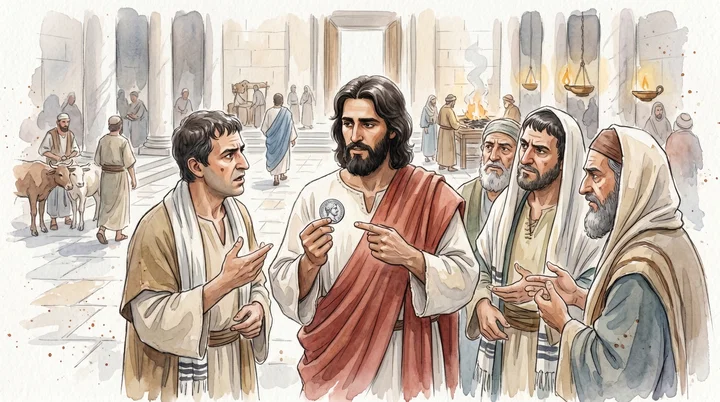
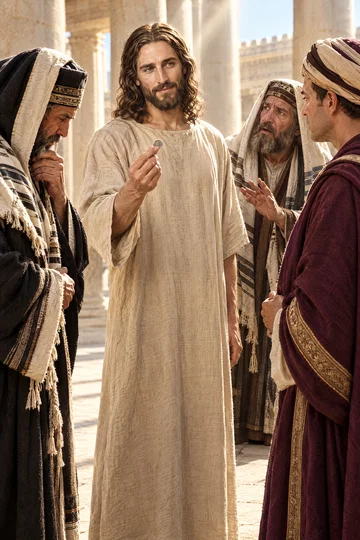
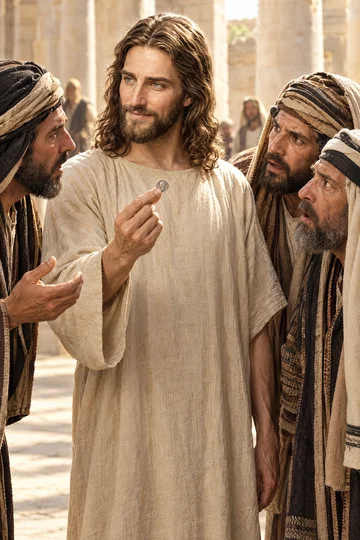
But he perceived their craftiness, and said unto them, Why tempt ye me?
Translations
But he perceived their craftiness, and said to them, Why tempt you me?
King James Version, KJV Cambridge Paragraph Bible
But he perceived their craftiness, and said unto them, Why tempt ye me?
But he perceived their craftiness, and said to them, Why tempt ye me?
Revised Version, American Standard Version
But he perceived their craftiness, and said unto them,
And he, having perceived their craftiness, said unto them, 'Why me do ye tempt?
But perceiving their deceit he said to them, Why do ye tempt me?
But, observing their villainy, he said unto them—
But Jesus saw through their duplicity and said to them,
But Jesus saw through their duplicity and said to them, “Why do you test Me?
But he perceived their craftiness, and said to them, “Why do you test me?
But he saw through their trick and said to them,
But he perceiued their craftines, and sayd vnto them, Why tempt ye me?
Douay-Rheims (Challoner revision)
But he considering their guile, said to them: Why tempt you me?
Pictures
Cross-references
- Matthew 22:15-21
Then went the Pharisees, and took counsel how they might entangle him in his talk.
Jesus perceives the trap and answers their question about paying tribute to Caesar.
- Mark 12:13-17
And they send unto him certain of the Pharisees and of the Herodians, to catch him in his words.
Jesus recognizes their craftiness and answers their question about Caesar’s tribute.
- Romans 13:7
Render therefore to all their dues: tribute to whom tribute is due; custom to whom custom; fear to whom fear; honour to whom honour.
Both texts connect tribute payment with obligations to governing authorities.
- Matthew 22:22
When they had heard these words, they marvelled, and left him, and went their way.
They marvel at his answer and leave.
- Luke 23:2
And they began to accuse him, saying, We found this fellow perverting the nation, and forbidding to give tribute to Cæsar, saying that he himself is Christ a King.
Jesus’ enemies later falsely accused him of forbidding tribute to Caesar.
Commentary
Each commentary is drawn from primary sources: the writings of Ellen G. White and Adventist pioneers and periodicals. Each commentary is separate. Its own words are not a quotation; follow the references to read the source passages.
Ellen G. White
15 sources
Spies sent by the priests, rulers and Pharisees came with flattering pretense and apparent sincerity to trap Jesus with the question about paying tribute to Caesar, but he read their hearts and was not deceived by their flattery.Ms 78, 1897, par. 15–16DA 601.1–602.5DA 725.3–63SP 42.2ST Apr 25, 1878 The trap was a dilemma meant to condemn him either way, for opposing the tax would expose him to the Romans as a rebel while approving it would expose him to the Jews as opposing God's law.3SP 42.2ST Apr 25, 1878ST Jun 29, 1882 By asking why they were testing him he directly confronted and rebuked their hypocrisy, craftiness and hidden purpose to ensnare him.Ms 78, 1897, par. 15–16DA 601.1–602.5DA 725.3–6 His perception of their concealed intent gave evidence of his divinity.ST Feb 8, 1899 He answered not with evasion but with a wise, plain and intelligent reply that settled many minds, pointing to Caesar's image on the coin to teach that what belonged to Caesar should be rendered to him, a tribute he himself had paid.3SP 129.3–130.1ST Jul 4, 18785RED 49.2–50.1Ms 71, 1897, par. 27Ms 78, 1897, par. 17–18
The Crafty Test
The question about paying tribute to Caesar came from the priests and leaders and Pharisees sending spies who approached with flattering pretense and apparent sincerity in order to trap him.DA 601.1–602.53SP 42.2ST Apr 25, 1878ST Jun 29, 1882ST Jul 4, 1878 Their hidden purpose was concealed behind an apparently sincere inquiry, but it was recognized as craftiness meant to ensnare.DA 601.1–602.53SP 42.2ST Apr 25, 1878ST Jun 29, 18823SP 129.3–130.1 The trap was a dilemma in which either answer would expose him to condemnation.3SP 42.2ST Apr 25, 1878ST Jun 29, 18825RED 49.2–50.1ST Jun 29, 1882 If he opposed the tribute they could report him to the Roman authorities as a rebel and support a charge of sedition, and if he approved it they could accuse him before the Jews of opposing God's law, so that he would offend either Jewish law or Roman authority.3SP 42.2ST Apr 25, 1878ST Jun 29, 18825RED 49.2–50.1ST Jun 29, 1882
Those questioning him watched his words so they could repeat, twist and misinterpret them and thereby mislead the people.Lt 59, 1890, par. 18–19 He perceived their craftiness, hypocrisy and concealed hidden purpose, reading their hearts behind the apparently sincere question.Ms 78, 1897, par. 15–16DA 601.1–602.5ST Feb 8, 18993SP 42.2 He was not deceived or misled by their flattery, for their apparent sincerity did not deceive him.DA 601.1–602.5DA 725.3–6ST Apr 25, 1878ST Jun 29, 1882 By asking why they were tempting him, he directly confronted, exposed and rebuked their hypocrisy and presumption in trying to test, tempt and ensnare him.Ms 78, 1897, par. 15–16DA 601.1–602.5DA 725.3–6ST Feb 8, 1899 His confrontation showed their intent openly and left their attempt to trap him laid bare.Ms 78, 1897, par. 15–16DA 601.1–602.5DA 725.3–6ST Apr 25, 1878 His knowledge of their hidden intent gave evidence of his divinity.ST Feb 8, 1899
The Wise Response
He met the test not with evasion but with a candid, wise, plain and intelligent answer.Ms 71, 1897, par. 27Ms 78, 1897, par. 17–18 In that answer He laid bare the principle behind the question about tribute, so that many minds were settled.Ms 78, 1897, par. 17–18 He called for the coin or tribute money and pointed to Caesar's image and inscription upon it, teaching that what belonged to Caesar should be rendered to him.3SP 129.3–130.1ST Jul 4, 18785RED 49.2–50.1 He Himself had paid tribute and taught His disciples to do likewise.3SP 129.3–130.1ST Jul 4, 18785RED 49.2–50.1
His answer made clear that He was not teaching resistance to Roman rule, and the failure of the plot against Him took place before Romans who were present as witnesses.DA 725.3–6 By answering in this way He brought precious light to the people and sowed seeds of truth among them.Ms 71, 1897, par. 27 The illustrations and warnings about rejecting the Son of God that surround this encounter apply to people in every age, and unless they repent the doom foreshadowed by those warnings will be theirs.DA 600.3
Sources
Pioneers and periodicals
16 sources
Hostile spies pretending to be righteous seekers flattered Him as a true and impartial teacher and then asked whether it was lawful to pay tribute to Caesar, setting a crafty trap where either answer could be turned against Him with the Jews or with Rome.ST Apr 25, 1878ST Jun 29, 1882ST Sep 24, 1894ST Oct 28, 1913 He saw through their flattering pretense and perceived their concealed wickedness and purpose to ensnare Him, and He exposed them as hypocrites by confronting them over why they were testing Him.ST Feb 8, 1899ST Sep 24, 1894 Such reading of their hearts gave evidence of His divinity.ST Feb 8, 1899 He answered by calling for the tribute money and asking whose image and inscription it bore, then directed them to render to Caesar what belongs to Caesar and to God what belongs to God, distinguishing the rightful sphere of civil authority from duties owed to God.ST Jan 30, 1907ST Oct 18, 1899ST Oct 30, 1901 He answered with a wisdom that left no opening for criticism, so the spies marveled, could not seize His words, and held their peace and left Him.ST Sep 24, 1894ST Oct 18, 1899ST Oct 10, 1906
Setting, Trap, and Discernment
The questioning took place in the Temple at Jerusalem in A.D. 31 after the parable of the marriage of the king's son, when the Pharisees took counsel to ensnare Jesus in His talk and sent their disciples with the Herodians to question Him.ST Oct 18, 1899 Those sent were hostile spies feigning righteousness, put forward by the scribes and Pharisees and by the priests and Sadducees.ST Jul 4, 1878ST Sep 24, 1894ST Oct 28, 1913ST Apr 21, 1909 They were not seeking an honest answer, but were sent to throw Him off guard, to take hold of His speech, and to seize His words.ST Sep 24, 1894ST Oct 30, 1901
They approached with flattering words presenting Him as true and impartial in teaching the way of God.ST Sep 24, 1894ST Oct 18, 1899 Then they asked whether it was lawful to give tribute to Caesar.ST Sep 24, 1894ST Oct 18, 1899 The tribute question was a crafty trap in which either answer could be used against Him.ST Oct 10, 1906ST Oct 25, 1910RH Mar 9, 1869 On one side it was designed to alienate the Jews and make Him offend Jewish law, and on the other to furnish ground to accuse Him before the Roman authorities.ST Apr 25, 1878ST Jun 29, 1882ST Jun 29, 1882ST Oct 10, 1906RH Mar 9, 1869
He perceived their craftiness and wickedness and saw through the flattering pretense.ST Apr 25, 1878ST Jun 29, 1882ST Sep 24, 1894ST Oct 18, 1899ST Sep 30, 1886 He was not deceived and was not thrown off guard, but recognized their concealed, deceitful purpose to tempt and ensnare Him.ST Feb 8, 1899ST Jun 29, 1882ST Sep 24, 1894ST Sep 30, 1886 He exposed them as hypocrites testing Him before the people by confronting them over why they were testing Him.ST Feb 8, 1899ST Oct 18, 1899 In doing so He showed that He read their hearts and knew their apparent sincerity was hypocrisy.ST Feb 8, 1899 His knowledge of their hidden intent gave evidence of His divinity.ST Feb 8, 1899
Answer and Its Application
He met the demand for a yes-or-no ruling by calling for the tribute money to be shown and asking whose image and inscription it carried.ST Jan 30, 1907ST Oct 18, 1899RH Mar 9, 1869 In doing so He turned their own acknowledged rule back upon them, that the people acknowledge as lord the king whose money circulates among them.ST Oct 18, 1899RH Mar 9, 1869 His answer then drew the line plainly, to render to Caesar what belongs to Caesar and to God what belongs to God.ST Jan 30, 1907ST Oct 18, 1899ST Oct 30, 1901 That distinction set the civil authority's rightful sphere apart from duties that belong to God.ST Jan 30, 1907ST Oct 18, 1899ST Oct 30, 1901
He did not accept the forced choice they pressed upon Him but answered with wisdom.ST Oct 18, 1899ST Oct 10, 1906RH Mar 9, 1869 He answered easily and without laying Himself open to the least criticism.ST Sep 24, 1894ST Oct 18, 1899 The spies were left marveling and confused and unable to take hold of His words to seize them, so they held their peace and left Him.ST Sep 24, 1894ST Oct 18, 1899RH Mar 9, 1869 What belonged to Caesar was to be rendered to him, and He Himself paid tribute and taught His disciples to do so.ST Jul 4, 1878ST Sep 30, 1886
The Sabbath bears God's mark and belongs to Him, not to civil government.ST Jan 30, 1907 His example teaches that the first approach of flattery or fawning should put a person on guard.ST Sep 24, 1894 The encounter applies to religious leaders who leave the Gospel's work to make civil laws on religious matters.ST As the questioners tried to confuse Jesus, so such lawmakers use civil power against those who do not worship or observe the Lord's day as they do.ST
Sources