Mark 6:8
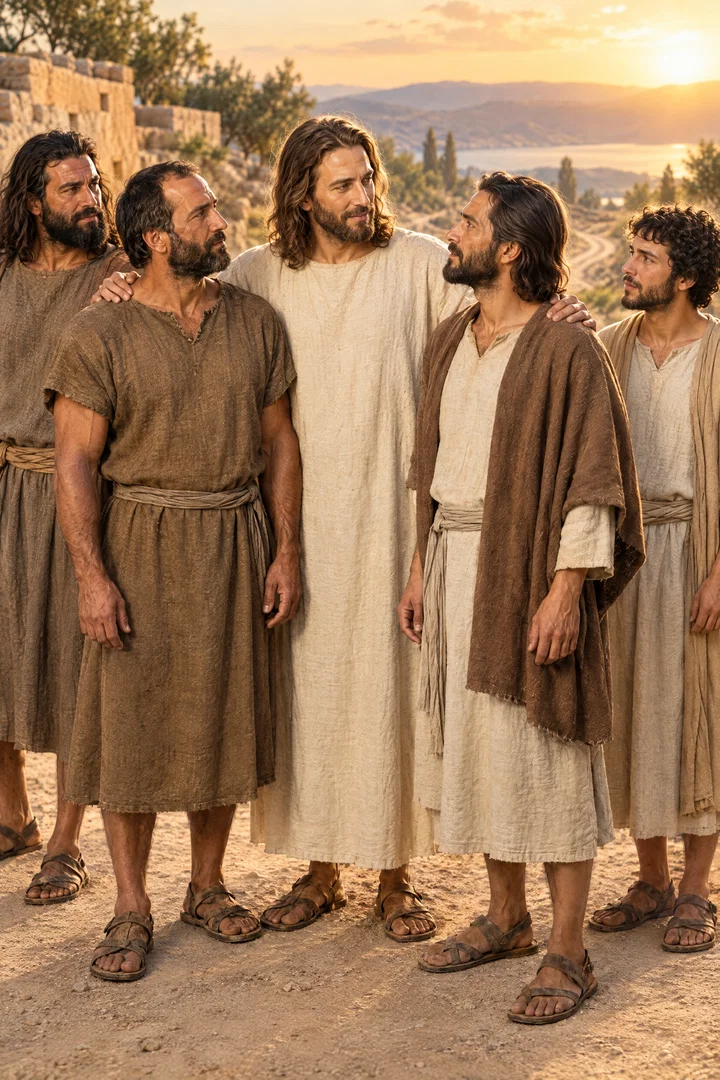
And commanded them that they should take nothing for their journey, save a staff only; no scrip, no bread, no money in their purse:
Translations
And commanded them that they should take nothing for their journey, save a staff only; no money, no bread, no money in their purse:
And commanded them that they should take nothing for their journey, save a staff only; no scrip, no bread, no money in their purse:
and commanded them that they should take nothing for their journey, save a staff only; no scrip, no bread, no money in their purse:
And commanded them that they should take nothing for their journey, save a staff only; no bag, no bread, no money in their purse:
Revised Version, American Standard Version
and he charged them that they should take nothing for their journey, save a staff only; no bread, no wallet, no money in their purse;
and he commanded them that they may take nothing for the way, except a staff only — no scrip, no bread, no brass in the girdle,
and he commanded them that they should take nothing for the way, save a staff only; no scrip, no bread, no money in their belt;
and charged them that they should take, nothing, for a journey, save a staff only,—no bread, no satchel, no copper, for the belt;
He instructed them to take nothing but a staff for the journey— no bread, no bag, no money in their belts—
He instructed them to take nothing but a staff for the journey— no bag, no bread, no money in their belts—
He commanded them that they should take nothing for their journey, except a staff only: no bread, no wallet, no money in their purse,
And he said that they were to take nothing for their journey, but a stick only; no bread, no bag, no money in their pockets;
And commanded them that they should take nothing for their iourney, saue a staffe onely: neither scrip, neither bread, neither money in their girdles:
Douay-Rheims (Challoner revision)
And he commanded them that they should take nothing for the way, but a staff only: no scrip, no bread, nor money in their purse,
Pictures
Cross-references
- Luke 9:3
And he said unto them, Take nothing for your journey, neither staves, nor scrip, neither bread, neither money; neither have two coats apiece.
Jesus instructs the disciples to travel without provisions.
- Matthew 10:9-10
Provide neither gold, nor silver, nor brass in your purses,
Both give Jesus’ instructions for what the disciples should carry on their mission.
- Luke 10:4
Carry neither purse, nor scrip, nor shoes: and salute no man by the way.
Both instruct the workers to travel without a purse or bag.
- Luke 22:35
And he said unto them, When I sent you without purse, and scrip, and shoes, lacked ye any thing? And they said, Nothing.
Christ asks whether the disciples lacked anything on their journey without provisions.
- Matthew 10:14-17
And whosoever shall not receive you, nor hear your words, when ye depart out of that house or city, shake off the dust of your feet.
Continues the mission instructions and warns of rejection and danger.
- Matthew 10:11-13
And into whatsoever city or town ye shall enter, enquire who in it is worthy; and there abide till ye go thence.
Describes how the disciples were to find lodging and receive support.
Commentary
Each commentary is drawn from primary sources: the writings of Ellen G. White and Adventist pioneers and periodicals. Each commentary is separate. Its own words are not a quotation; follow the references to read the source passages.
Ellen G. White
2 sources
Mark 6:8 was given when Jesus sent the twelve out as His representatives, after they had accompanied Him on foot through Galilee, shared His toils and hardships, listened to His discourses, walked and talked with Him, and learned from His daily instruction and example how to work for the elevation of humanity.DA 349.1–2 Before being sent they had already ministered with Him to vast multitudes by arranging the people, bringing the afflicted to Him, promoting the comfort of all, watching for interested hearers, explaining the Scriptures, and teaching what they had learned, and in this they had gained rich experience.DA 349.1–2 Yet they still needed instruction and experience in laboring alone, with patience and tenderness.DA 349.1–2
He had prepared them by setting the truths of Scripture before them in contrast with the tradition and teaching of the priests and Pharisees, strengthening their confidence in God's word, and freeing them from fear of the rabbis and bondage to tradition.DA 349.1–2 He sent them while He was still personally with them to point out their errors and to counsel and correct them, so that when separated from Him every look and tone and word would come back to them.DA 349.1–2 Then they would repeat His words in conflict with the enemies of the gospel and rejoice at their effect on the people.DA 349.1–2 The command to take nothing for the journey means they were sent out to preach without provisions and were to rely on the hospitality of the households they visited for food and a place to rest.Lt 45, 1900, par. 44–47
Sources
Pioneers and periodicals
11 sources
This sending was the first time the twelve went out by themselves, two by two, after nearly two years of training, moving from followers and learners to co-workers to preach and work miracles, to spread the kingdom, to work on their own, and to gain experience for later work.ST Aug 4, 1881ST Dec 3, 1894 Mark tells it with graphic force in rapid succession from event to event, giving in much less space what the longer Synoptists relate and emphasizing the nature of Christ's kingdom.ST Oct 4, 1910 The command was to take nothing for the journey save a staff only, taking no bag or scrip, no bread or food, and no money or purse.ST Aug 4, 1881ST Apr 6, 1882ST Apr 13, 1904
A scrip was a small bag or satchel carried by straps over the shoulders, commonly made from whole tanned kid skins, used by Galilean shepherds and farmers to carry food for a day or more such as thin bread, olives, and sometimes cheese, so the instruction meant traveling without the usual food-carrying bag.ST Apr 6, 1882 The purse was a pocket in the leather belt worn around the waist, the sandals were simple sandals made for hard use, and the disciples were not to adopt extra clothing associated with rank, wealth, or official position, as the Pharisees did.ST Apr 6, 1882 Traveling light and relying on hospitality in neighboring villages for food and shelter accorded with the ordinary simple way of life and customs of fishermen, shepherds, and farmers, so it was no extraordinary self-denial, and the parallel instructions in Matthew 10:9-10 explain they were to rely on the support due to a laborer.ST Dec 3, 1894ST Apr 6, 1882ST Aug 4, 1881
The simple equipment kept them free of unnecessary burdens, called them to preserve simplicity, and showed humble trust in God, teaching them faith and sacrifice as they began preaching and making them an example for future ministers.ST Aug 4, 1881ST Apr 6, 1882RH Aug 13, 1872 The instruction was limited to that particular journey, as shown by the singular journey, and was not a general ban on carrying money or supplies in gospel work, nor did it mean they could do without ordinary necessities in every circumstance or season, since Christ later told them to take a purse and the worldwide gospel commission did not forbid carrying one.RH Aug 13, 1872 Being sent out for God's work could mean going without provisions, as seen when William Miller went forth taking nothing and freely shared the light he had received, in contrast to Mormon missionaries who were exhorted to go without purse or scrip yet mostly traveled in palace cars and whose preaching without purse or scrip still cost a poor man with a large family about three hundred dollars.RH May 15, 1856ST Apr 17, 1884ST Apr 13, 1904
Sources