Matthew 22:18
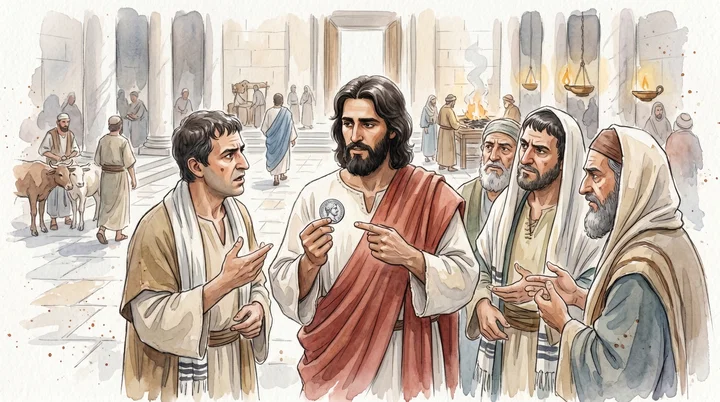
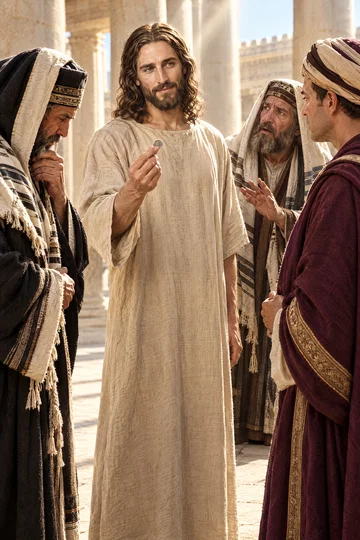
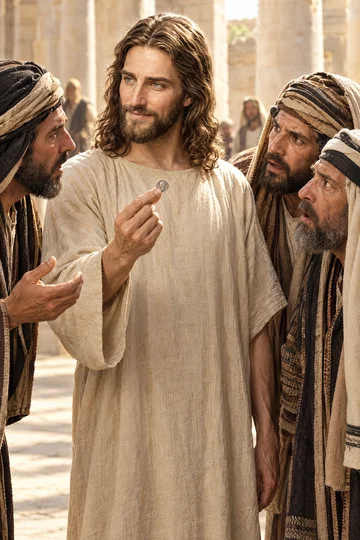
But Jesus perceived their wickedness, and said, Why tempt ye me, ye hypocrites?
Translations
But Jesus perceived their wickedness, and said, Why tempt you me, you hypocrites?
King James Version, KJV Cambridge Paragraph Bible, Webster Bible, Revised Version
But Jesus perceived their wickedness, and said, Why tempt ye me, ye hypocrites?
But Jesus perceived their wickedness, and said, Why make ye trial of me, ye hypocrites?
And Jesus having known their wickedness, said, 'Why me do ye tempt, hypocrites?
But Jesus, knowing their wickedness, said, Why tempt ye me, hypocrites?
But Jesus, taking note of their wickedness, said—Why are ye tempting me, hypocrites?
Berean Standard Bible, Majority Standard Bible
But Jesus knew their evil intent and said, “ You hypocrites, why are you testing Me?
But Jesus perceived their wickedness, and said, “ Why do you test me, you hypocrites?
But Jesus saw their trick and said, Oh false ones, why are you attempting to put me in the wrong?
But Iesus perceiued their wickednes, and sayd, Why tempt ye me, ye hypocrites?
Douay-Rheims (Challoner revision)
But Jesus knowing their wickedness, said: Why do you tempt me, ye hypocrites?
Pictures
Cross-references
- Mark 12:13-17
And they send unto him certain of the Pharisees and of the Herodians, to catch him in his words.
Jesus exposes the hypocrisy of the tribute trap and answers by distinguishing Caesar’s due from God’s.
- Luke 20:20-26
And they watched him, and sent forth spies, which should feign themselves just men, that they might take hold of his words, that so they might deliver him unto the power and authority of the governor.
Jesus discerns the spies’ trap about tribute and answers about Caesar’s due.
- Matthew 22:35
Then one of them, which was a lawyer, asked him a question, tempting him, and saying,
A Pharisee lawyer follows with a question about the greatest commandment.
- Matthew 16:1-4
The Pharisees also with the Sadducees came, and tempting desired him that he would shew them a sign from heaven.
grouped as same kind of answer by Christ
- Luke 20:26
And they could not take hold of his words before the people: and they marvelled at his answer, and held their peace.
The spies could not catch Jesus in his answer.
- Matthew 21:23-27
And when he was come into the temple, the chief priests and the elders of the people came unto him as he was teaching, and said, By what authority doest thou these things? and who gave thee this authority?
grouped as same kind of answer by Christ
Commentary
Each commentary is drawn from primary sources: the writings of Ellen G. White and Adventist pioneers and periodicals. Each commentary is separate. Its own words are not a quotation; follow the references to read the source passages.
Ellen G. White
17 sources
Spies sent by the Pharisees and Herodians and by the scheming priests came to entrap Jesus with the question whether tribute to Caesar was lawful, and He perceived their wickedness and hypocrisy and turned on them with the rebuke asking why they tried to trap Him.Ms 10, 1906, par. 8–12DA 601.1–602.5ST Jun 29, 18823SP 129.3–130.1 They approached with flattering commendation and pious pretense of sincerity while plotting to make Him offend either Jewish law or Roman authority, so that answering either way would furnish witnesses to accuse Him on trial for His life.Ms 10, 1906, par. 8–12ST Apr 25, 1878ST Jun 29, 18823SP 42.2 He was not deceived for a moment but demanded to be shown the tribute money, and pointing to Caesar's image and superscription He directed them to render to Caesar what belongs to Caesar, thereby upholding duty to civil authority with higher obligation to God and proving He was no leader of sedition.Ms 10, 1906, par. 8–12ST Apr 25, 1878ST Jun 29, 18823SP 129.3–130.15RED 49.2–50.1 His question itself revealed His ability to discern hearts and secret designs despite apparent sincerity, and so today He understands the true character and motives of every man and no cover of pretentious righteousness can deceive Him.Ms 10, 1906, par. 8–12DA 601.1–602.5ST Feb 8, 1899 His exposure warns all who refuse to receive Him as Redeemer of the retribution awaiting continued sin, yet He answered plainly and truthfully without revenge or compromise while continuing to labor for the salvation of others.DA 600.3ST May 2, 1878Ms 71, 1897, par. 27Ms 80, 1896, par. 5
The Tribute Trap Exposed
The question about whether it was lawful to pay tribute to Caesar was a trap laid by spies sent by the Pharisees and Herodians and by the scheming priests to entrap Jesus.Ms 10, 1906, par. 8–12ST Jun 29, 18823SP 129.3–130.15RED 49.2–50.1Ms 71, 1897, par. 27 They approached with courtesy, professed confidence, flattering commendation and pious pretense of sincerity and desire for information, praising His straightforward course regardless of favor or frowns, while the Pharisees themselves chafed under Roman tribute as contrary to the law of God.Ms 10, 1906, par. 8–12ST Apr 25, 1878ST Jun 29, 18823SP 41.3–4 Their false show of interest covered no search for wisdom but a purpose to entangle Him in talk, to provoke words they could ensnare and condemn.Ms 10, 1906, par. 8–123SP 41.3–4ST May 2, 1878 Spies followed to hang upon His words, to mark, repeat, misinterpret and twist them to mean what their unsanctified minds wanted, so as to deceive the people, make false issues, and cloud minds.ST May 2, 1878Lt 59, 1890, par. 18–19
It was a wicked joint device to make Him offend either Jewish law or Roman authority and to furnish witnesses to accuse Him on trial for His life.Ms 10, 1906, par. 8–12ST Jun 29, 18823SP 42.23SP 41.3–4 If He said tribute was unlawful they would charge Him before the Romans as an enemy of civil authority, a rebel and threat to Roman rule, and if He said it was lawful they would charge Him before the elders as opposed to the law of God.Ms 10, 1906, par. 8–12ST Jun 29, 18823SP 42.23SP 129.3–130.1 Jesus was not deceived for a moment by their specious flattery but perceived their wickedness, concealed purpose and hypocrisy, knowing their hearts and secret designs.Ms 10, 1906, par. 8–12DA 601.1–602.5ST Jun 29, 1882ST Feb 8, 18993SP 42.1 He exposed them by turning upon them with the rebuke asking why they were trying to trap Him, demanding to be shown the tribute money and asking to see the coin, which threw His questioners off guard.DA 601.1–602.5ST Jun 29, 1882ST Feb 8, 18993SP 42.1Ms 80, 1896, par. 5
He answered by pointing to Caesar's image and superscription on the tribute coin and directing them to render to Caesar what belongs to Caesar.5RED 49.2–50.1ST Jul 4, 1878 That answer upheld both duty to the civil authority and higher obligation to God and proved He was no leader of sedition, leaving the priests outwitted.ST Apr 25, 18783SP 129.3–130.15RED 49.2–50.1 Jesus Himself had always been obedient to the reigning power, had paid tribute Himself, and had taught His disciples to do so.3SP 129.3–130.15RED 49.2–50.1ST Jul 4, 1878 So in their extremity before Pilate they falsely accused Him of the very opposite, that He was perverting the nation and forbidding tribute to Caesar while claiming to be Christ a king.5RED 49.2–50.1
Christ's Discernment Applied
His question itself laid bare His power to read hearts and secret designs, for though the spies came with apparent sincerity and praise He perceived their concealed purpose and exposed their hypocrisy by asking why they were trying to trap Him.DA 601.1–602.5ST Feb 8, 1899 He knew their hearts even behind a seemingly honest question about paying tribute to Caesar, and His “Why tempt ye Me?” gave evidence of that discernment.DA 601.1–602.5ST Feb 8, 1899
When the Pharisees and Herodians came with flattering commendation about tribute to Caesar, meaning to entangle Him in talk so they could accuse Him before the Romans as an enemy of civil authority if He said tribute was unlawful and before the elders as opposed to the law of God if He said it was lawful, He was not deceived for a moment but called them hypocrites because He read their hearts and wicked purposes.Ms 10, 1906, par. 8–12 So today He understands the true character of every man, and whatever the profession He writes the true motives of all in His book, and no cover of pretentious righteousness can deceive Him.Ms 10, 1906, par. 8–12
The encounter belongs to the second parable of the invitation, which is a king’s invitation coming from one vested with power to command and involving much.Ms 149, 1898, par. 3 Refusal of the king’s command meets no more favorable response than refusal of the householder’s invitation, yet carries deeper guilt, and pleading circumstances and supposed duties is making light of it.Ms 149, 1898, par. 3 Treating his messengers with scorn, despitefully using them and slaying them, brings the wrath of the king in punishment more dreadful than exclusion from his presence and table, when he sends forth his armies and destroys those murderers and burns up their cities.Ms 149, 1898, par. 3
His perceiving the wicked intent behind the questions and exposing the questioners as hypocrites trying to entrap Him warns all who refuse to receive Him as Redeemer that unless they repent they will face the doom foreshadowed by the judgments against those who rejected God’s Son.DA 600.3 They meant to provoke Him into words they could use to ensnare and condemn Him, yet their challenges instead gave Him opportunity to reveal their true condition and warn of the retribution awaiting them if they continued in sin.DA 600.3ST May 2, 1878
He saw through the artful, flattering attempt of the Pharisees and Herodians to trap Him, exposed their wickedness and hypocrisy, and answered plainly and intelligently and truthfully, without revenge or compromise, while continuing to labor for the salvation of others.Ms 71, 1897, par. 27Ms 80, 1896, par. 5 In that way precious light and seeds of truth reached the people.Ms 71, 1897, par. 27Ms 80, 1896, par. 5 The same manner is repeated when men hang on words with zeal as spies followed Him to mark His words so they could repeat, misinterpret and twist them to mean what their own unsanctified minds wanted, thereby deceiving the people, making false issues, and clouding and misleading minds, for so men spend investigative power to produce a position on the covenants varying from the true light shining and thus interpret and misconstrue the Scriptures.Lt 59, 1890, par. 18–19
Sources
Pioneers and periodicals
39 sources
Jesus saw through the tribute question to the wicked, hostile purpose hidden behind it and met it as a deliberate attempt to tempt and trap Him.ST May 28, 1912ST Aug 22, 1911 Pharisees and Herodians joined together despite their opposing views to force Him to decide whether it was lawful to pay tribute to Caesar.ST Jun 29, 1882ST Feb 12, 1902 They approached with flattering, pious pretense of sincere confidence in His truthfulness and impartiality.ST Apr 25, 1878ST Jun 29, 1882RH Mar 10, 1868 A plain yes or no was politically dangerous, since approving tribute would offend Jewish law and His own people, while refusing it would expose Him to attack as a leader of sedition to be delivered to the governor.ST Oct 30, 1901ST Jun 4, 1894 He was not deceived for a moment by their false praise but exposed them openly as hypocrites, then answered by the coin bearing Caesar's image that what belongs to Caesar should be given to Caesar and what belongs to God to God, upholding duty to civil authority under a higher obligation to God.ST Apr 25, 1878ST Jun 29, 1882ST Feb 8, 1899ST Jun 4, 1894
The Tribute Trap
The Pharisees and Herodians, though holding opposing views, joined forces to trap Jesus with the question whether it was lawful to pay tribute to Caesar.ST Jun 29, 1882ST Feb 12, 1902ST Oct 10, 1906
The question was put with courtesy, professed confidence in His truthfulness and straightforward disregard of favor or frowns, and with flattering, pious pretense and false praise as if sincerely seeking information.ST Apr 25, 1878ST Jun 29, 1882RH Mar 10, 1868ST Jun 3, 1908
A plain yes or no was politically dangerous, for approval would offend Jewish law and His own people while refusal would give the opposing party ground to attack Him and have Him delivered to the governor as a leader of sedition.ST Oct 30, 1901ST Jun 4, 1894RH Mar 9, 1869ST Sep 30, 1886
The peril was sharpened because many Jews held that paying tribute to a foreign power broke Jewish law, Judas of Galilee had led a revolt declaring the tax unlawful, and constant tumults and insurrections over it kept Rome watching closely and punishing revolts severely.ST Jun 29, 1882ST Feb 12, 1902ST Sep 30, 1886
A charge of blasphemy would have been dismissed as religious bigotry and priestly jealousy, so the trap was framed to make Him appear seditious before the Roman governor.ST Sep 30, 1886
The device was calculated to make Him offend either Jewish law or Roman authority and to furnish witnesses to accuse Him on trial for His life.ST Jun 29, 1882ST Jun 3, 1908
It was also meant to force Him into a position that would expose Him to attack and make Him contradict His teaching about the kingdom of God.ST Jun 3, 1908
Jesus Exposes Hypocrisy
Jesus saw at once the wicked, hostile purpose hidden in the question about paying tribute to Caesar, recognizing it as a deliberate attempt to tempt Him and draw Him into a trap.ST May 28, 1912ST Aug 22, 1911ST Oct 18, 1899ST Jan 23, 1907 He named those who asked it as hypocrites and laid bare their effort to entrap Him before He gave any answer to the question itself.ST May 28, 1912ST Aug 22, 1911ST Jan 23, 1907ST Jul 3, 1907
He was not deceived for a moment by their specious flattery, but saw through their crafty, false praise and their flattering, pious pretense of sincerity.ST Apr 25, 1878ST Jun 29, 1882RH Mar 9, 1869RH Mar 10, 1868ST Sep 2, 1889 He turned directly upon them with the searching rebuke asking why they tempted Him, thereby exposing their hypocrisy to their faces.ST Apr 25, 1878ST Jun 29, 1882ST Feb 8, 1899RH Mar 10, 1868ST Sep 2, 1889
That question gave evidence that He could discern hearts, secret designs and hidden purposes, reading the inward motives and animus of men.ST Feb 8, 1899ST Sep 10, 1896 It was especially the discerning of those who acted as Satan's agents while posing as sincere inquirers, which is the gift of discerning of spirits held by those who so understood it.ST Feb 8, 1899ST Sep 10, 1896
The tempting came from scribes, Pharisees, Sadducees and other learned men, instigated by Satan, and it covered theological questions about tribute, the resurrection and other subjects.ST Mar 12, 1912ST May 27, 1897 They did not desire light nor search for truth, but manufactured hard questions to entangle Him in His talk.ST Mar 12, 1912ST May 27, 1897
The saying belongs among His answers to critics who tried to make Him stumble, and among His parables against the Jews.ST Oct 18, 1899ST Sep 3, 1912RH Sep 9, 1858 It stands in the account of a group of Jews who tried to confound Him and were themselves confounded.ST Oct 18, 1899RH Sep 9, 1858ST Jan 7, 1889
Caesar and God Distinguished
After exposing their wickedness He threw His questioners off guard by demanding to be shown the tribute money and asking them to identify whose image and inscription the coin bore.ST Jun 29, 1882ST Jun 4, 1894ST Oct 10, 1906 That demand followed His recognition of their wicked intent and His open rebuke of their hypocrisy before He answered them.ST Jun 29, 1882ST Jun 4, 1894ST Oct 10, 1906
Because the coin bore Caesar's likeness and inscription, they were to give to Caesar what belonged to Caesar and to God what belonged to God.ST Jun 4, 1894ST Oct 10, 1906 The answer upheld both duty to the civil authority and the higher obligation to God, distinguishing what belonged to each.ST Apr 25, 1878ST Jun 4, 1894 It was given with wisdom and discretion, so that a simple yes or no could not furnish grounds for attack by either of the opposing political groups.ST Sep 2, 1889
By pointing to Caesar's coin and its image He reminded the Jewish rulers that they were under Caesar's civil authority and were not ruling as God's representatives.ST Sep 11, 1893RH Mar 9, 1869 His answer drew on a ruling their own teachers accepted, and its wisdom left them confused and baffled.RH Mar 9, 1869ST Sep 2, 1889 They had meant to put Him in difficulty with His own people if He advised paying tribute, and to have Him delivered to the governor if He advised refusing it.RH Mar 9, 1869
His answer proved His constant obedience to the reigning power, for He Himself paid tribute and taught His disciples to do the same, giving to Caesar all that was due to him.ST Jul 4, 1878ST May 25, 1904ST Sep 30, 1886 He pointed to Caesar's image and superscription on the tribute money and taught to give to Caesar what belongs to Caesar.ST Jul 4, 1878ST Sep 30, 1886 That plain teaching proves false the later charge made against Him before Pilate that He was perverting the nation and forbidding to give tribute to Caesar while claiming to be Christ a King.ST May 25, 1904
Church and State Boundaries
The encounter fixes two distinct spheres, one belonging to civil authority and one belonging to duty to God.ST Aug 22, 1911ST Dec 12, 1895ST Oct 30, 1901ST Mar 6, 1907 Respect and appropriate duties such as tribute are owed to civil government, while worship and religious allegiance belong directly to God and not to state control.ST Aug 22, 1911ST Dec 12, 1895ST Oct 30, 1901ST Mar 6, 1907 Civil government may claim what belongs to it, such as tribute, but worship and the things that bear God's authority belong to God and are not for government to exact, alter, or direct.ST Aug 22, 1911ST Dec 12, 1895ST Mar 6, 1907 Religious requirements therefore lie outside the state's jurisdiction, and government may protect people's rights but must not govern religious belief or conscience.ST May 28, 1912ST Dec 12, 1895ST Mar 6, 1907
Civil and religious duties are thus separate, and church and state must not be joined.ST Jul 3, 1907ST Sep 13, 1905RH Mar 26, 1914 The dividing of what belongs to Caesar from what belongs to God fixes the limit of the church's authority, so that the church has no jurisdiction to judge, coerce, or govern in civil and temporal things.ST Jul 3, 1907RH Mar 26, 1914 The Sabbath belongs to God within that division.ST Sep 13, 1905 When questioned about paying tribute, He did not take up the regulation of civil affairs or join the political controversy, but exposed the wickedness of the questioners rather than taking sides.ST Aug 22, 1911ST Apr 25, 1900ST Oct 30, 1901
Respect for civil authority does not require compromising truth, for when civil authority interferes with duty to God its demands must be disregarded.ST May 28, 1912 The episode warns against professed religious people who abandon the Gospel's work and use civil lawmakers to impose religious practices and silence those who do not conform.ST
Sabbath and Faithful Obedience
Jesus saw the wickedness behind the question about paying tribute and called the questioners hypocrites, for their inquiry was a trap, and He answered by distinguishing what belongs to Caesar from what belongs to God.ST Jan 30, 1907ST Sep 13, 1905ST Jun 30, 1909 The Sabbath bears God's image and superscription and the Creator's authority, and therefore it belongs to God, not to Caesar, to civil government, or to civil rulers.ST Jan 30, 1907ST Sep 13, 1905ST Jun 30, 1909 What bears God's authority belongs to Him just as what belongs to Caesar belongs to Caesar, with duties owed to civil government separated from duties owed to God.ST Sep 13, 1905ST Jun 30, 1909 God allows people to choose whether to observe the Sabbath and reserves judgment for the last day, and His servants are not commissioned to condemn or sentence people beforehand.ST Jun 30, 1909
The same entrapping spirit that manufactured hard theological questions about tribute, the resurrection, and other subjects to entangle Christ in His talk still works in those who manufacture hard questions against the Bible Sabbath. Those questioners, scribes and Pharisees and other learned men instigated by Satan, did not desire light or search for truth but discernibly sought to tempt Him with wicked motives.ST Mar 12, 1912ST May 27, 1897 They tempted Him in every possible way during His life on earth, yet He never allowed temptation to lead Him from obedience to God.ST Mar 12, 1912ST May 27, 1897 That proves the path of obedience when God speaks is the only safe path, no matter how the enemy tempts to disobey.ST May 27, 1897
He answered the question about the lawfulness of giving tribute to Caesar by exposing the folly of His questioners lest they be wise in their own conceit, without answering in the same evil temper they showed.RH Sep 17, 1861 He saw the wicked purpose behind His opponents' questions, that they meant to provoke Him into words they could use to ensnare and condemn Him, and He exposed their hypocrisy.ST May 2, 1878 Their challenges instead gave Him opportunity to reveal their true condition and to warn of the retribution awaiting them if they continued in sin.ST May 2, 1878
Wider Chapter Connections
Elsewhere in the same chapter He confutes the Sadducees concerning the resurrection by charging them with great error and great ignorance because they do not know the Scriptures nor the power of God.ST Jun 15, 1882 The doctrine of the resurrection there rests on ground already taught to Moses, for the Scriptures many times declare that the dead shall arise.ST Jun 15, 1882 It rests further on the ground that God has power to fulfill His own word, and this gives full assurance of faith and hope.ST Jun 15, 1882
The same chapter contains the parable of the wedding garment, which the sanctuary truth explains as the examination of character in the present session of the heavenly court.RH Aug 7, 1900 There Christ is the only advocate to plead the cause, and the decision fixes every person's destiny as holy or filthy, saved or lost.RH Aug 7, 1900 That examination and decision are made before the Lord appears, so that when Christ comes the sentence already decided can be carried out in a moment, in the twinkling of an eye.RH Aug 7, 1900 Then at the last trump every man is rewarded according to his works.RH Aug 7, 1900
Sources