Nehemiah 10:29
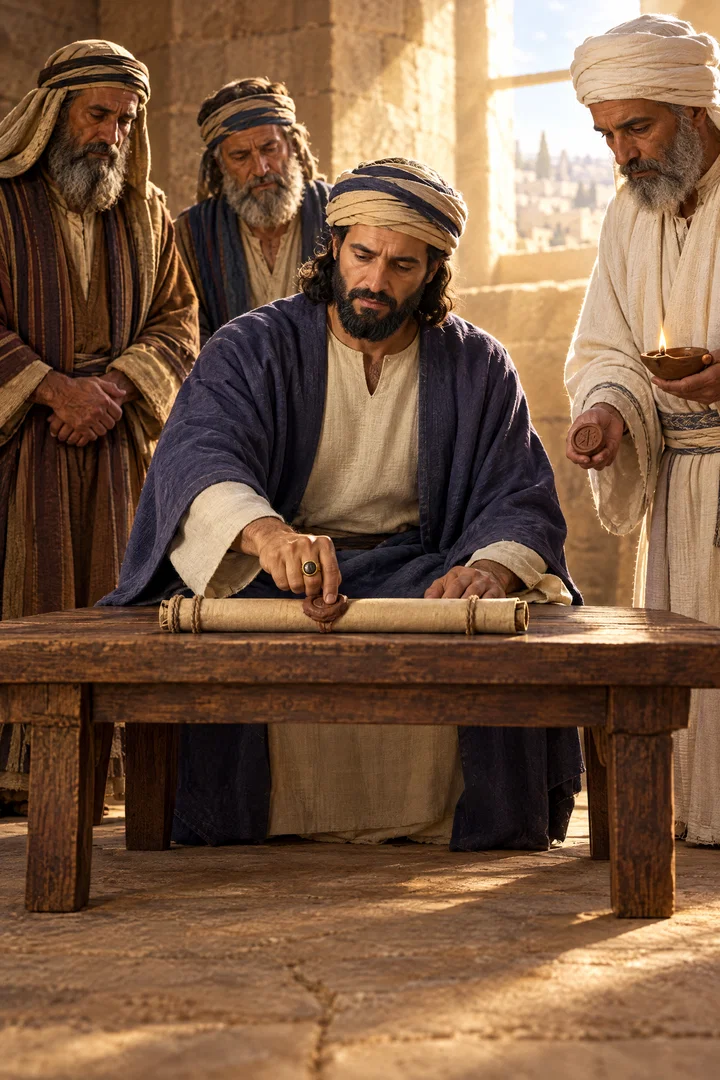
They clave to their brethren, their nobles, and entered into a curse, and into an oath, to walk in God’s law, which was given by Moses the servant of God, and to observe and do all the commandments of the LORD our Lord, and his judgments and his statutes;
Translations
They joined to their brothers, their nobles, and entered into a curse, and into an oath, to walk in God’s law, which was given by Moses the servant of God, and to observe and do all the commandments of the LORD our Lord, and his judgments and his statutes;
They clave to their brethren, their nobles, and entered into a curse, and into an oath, to walk in God’s law, which was given by Moses the servant of God, and to observe and do all the commandments of the LORD our Lord, and his judgments and his statutes;
they clave to their brethren, their nobles, and entered into a curse, and into an oath, to walk in God’s law, which was given by Moses the servant of God, and to observe and do all the commandments of the Lord our Lord, and his judgments and his statutes;
They united with their brethren, their nobles, and entered into a curse, and into an oath, to walk in God's law, which was given by Moses the servant of God, and to observe and do all the commandments of the LORD our LORD, and his judgments and his statutes;
They clave to their brethren, their nobles, and entered into a curse, and into an oath, to walk in God’s law, which was given by Moses the servant of God, and to observe and to do all the commandments of the LORD our Lord, and his judgments and his statutes;
they clave to their brethren, their nobles, and entered into a curse, and into an oath, to walk in God’s law, which was given by Moses the servant of God, and to observe and do all the commandments of Jehovah our Lord, and his ordinances and his statutes;
are laying hold on their brethren, their honourable ones, and coming in to an execration, and in to an oath, to walk in the law of God, that was given by the hand of Moses, servant of God, and to observe and to do all the commands of Jehovah our Lord, and His judgments, and His statutes;
joined with their brethren, their nobles, and entered into a curse and into an oath, to walk in the law of God, which had been given by Moses the servant of God, and to keep and do all the commandments of Jehovah our Lord, and his ordinances and his statutes;
were holding fast unto their distinguished brethren, and were entering into a curse and into an oath, to walk in the law of God, which was given through Moses the servant of God,—and to observe and do, all the commandments of Yahweh our Lord, and his regulations, and his statutes;
hereby join with their noble brothers and commit themselves with a sworn oath to follow the Law of God given through His servant Moses and to carefully obey all the commandments, ordinances, and statutes of the LORD our Lord.
hereby join with their noble brothers and commit themselves with a sworn oath to follow the Law of God given through His servant Moses and to obey carefully all the commandments, ordinances, and statutes of the LORD our Lord.
joined with their brothers, their nobles, and entered into a curse and into an oath, to walk in God’s law, which was given by Moses the servant of God, and to observe and do all the commandments of the LORD our Lord, and his ordinances and his statutes;
They were united with their brothers, their rulers, and put themselves under a curse and an oath, to keep their steps in the way of God's law, which was given by Moses, the servant of God, and to keep and do all the orders of the Lord, our Lord, and his decisions and his rules;
The chiefe of them receiued it for their brethren, and they came to the curse and to the othe to walke in Gods Law, which was giuen by Moses the seruant of God, to obserue and doe all the commandements of the Lord our God, and his iudgements and his statutes:
Douay-Rheims (Challoner revision)
All that could understand promising for their brethren, with their chief men, and they came to promise, and swear that they would walk in the law of God, which he gave in the hand of Moses the servant of God, that they would do and keep all the commandments of the Lord our God, and his judgments and his ceremonies.
Pictures
Cross-references 20 of 30
- Nehemiah 9:38
And because of all this we make a sure covenant, and write it; and our princes, Levites, and priests, seal unto it.
The people’s renewed covenant is written and sealed before their oath of obedience.
- Nehemiah 8:1-3
And all the people gathered themselves together as one man into the street that was before the water gate; and they spake unto Ezra the scribe to bring the book of the law of Moses, which the LORD had commanded to Israel.
The people gather to hear the Book of the Law read.
- Malachi 4:4
Remember ye the law of Moses my servant, which I commanded unto him in Horeb for all Israel, with the statutes and judgments.
Both identify the statutes and judgments commanded at Horeb as the law of Moses.
- Nehemiah 9:13-14
Thou camest down also upon mount Sinai, and spakest with them from heaven, and gavest them right judgments, and true laws, good statutes and commandments:
God gave Israel his right laws and judgments through Moses.
- Exodus 20:8-11
Remember the sabbath day, to keep it holy.
The Sabbath command is part of the law the people vowed to keep.
- Ezra 7:10
For Ezra had prepared his heart to seek the law of the LORD, and to do it, and to teach in Israel statutes and judgments.
Ezra prepared to study, practice, and teach God’s law.
- Ezra 7:6
This Ezra went up from Babylon; and he was a ready scribe in the law of Moses, which the LORD God of Israel had given: and the king granted him all his request, according to the hand of the LORD his God upon him.
Describes Ezra as skilled in Moses’ law.
- Nehemiah 8:18
Also day by day, from the first day unto the last day, he read in the book of the law of God. And they kept the feast seven days; and on the eighth day was a solemn assembly, according unto the manner.
The law directs observance of the feast.
- Nehemiah 8:8
So they read in the book in the law of God distinctly, and gave the sense, and caused them to understand the reading.
The law is read and explained to the people.
- Leviticus 18:4-5
Ye shall do my judgments, and keep mine ordinances, to walk therein: I am the LORD your God.
Both command keeping and doing God’s judgments and statutes.
- Deuteronomy 6:1
Now these are the commandments, the statutes, and the judgments, which the LORD your God commanded to teach you, that ye might do them in the land whither ye go to possess it:
God’s commandments, statutes, and judgments are given for Israel to observe.
- Deuteronomy 8:11
Beware that thou forget not the LORD thy God, in not keeping his commandments, and his judgments, and his statutes, which I command thee this day:
Both urge keeping God’s commandments, judgments, and statutes.
- Deuteronomy 30:16
In that I command thee this day to love the LORD thy God, to walk in his ways, and to keep his commandments and his statutes and his judgments, that thou mayest live and multiply: and the LORD thy God shall bless thee in the land whither thou goest to possess it.
Both describe walking in God’s ways and keeping his commandments, statutes, and judgments.
- Deuteronomy 5:1-22
And Moses called all Israel, and said unto them, Hear, O Israel, the statutes and judgments which I speak in your ears this day, that ye may learn them, and keep, and do them.
Both present the Horeb law as the Ten Commandments.
- Deuteronomy 7:11
Thou shalt therefore keep the commandments, and the statutes, and the judgments, which I command thee this day, to do them.
Both call for keeping God’s commandments, statutes, and judgments.
- Deuteronomy 11:1
Therefore thou shalt love the LORD thy God, and keep his charge, and his statutes, and his judgments, and his commandments, alway.
Both name God’s commandments, statutes, and judgments as obligations to keep.
- 1 Kings 2:3
And keep the charge of the LORD thy God, to walk in his ways, to keep his statutes, and his commandments, and his judgments, and his testimonies, as it is written in the law of Moses, that thou mayest prosper in all that thou doest, and whithersoever thou turnest thyself:
Both pledge obedience to God’s law and commandments given through Moses.
- 1 Kings 8:58
That he may incline our hearts unto him, to walk in all his ways, and to keep his commandments, and his statutes, and his judgments, which he commanded our fathers.
Both call for walking in God’s ways and keeping his commandments and statutes.
- 2 Kings 18:6
For he clave to the LORD, and departed not from following him, but kept his commandments, which the LORD commanded Moses.
Hezekiah keeps God’s commandments.
- Deuteronomy 5:31
But as for thee, stand thou here by me, and I will speak unto thee all the commandments, and the statutes, and the judgments, which thou shalt teach them, that they may do them in the land which I give them to possess it.
God gives Moses the commandments, statutes, and judgments for Israel to obey.
Commentary
Each commentary is drawn from primary sources: the writings of Ellen G. White and Adventist pioneers and periodicals. Each commentary is separate. Its own words are not a quotation; follow the references to read the source passages.
Ellen G. White
4 sources
The pledge belongs to the gathering of the covenant people at Jerusalem during the Feast of Trumpets, a public assembly for worship and instruction gathered around the Book of the Law.PK 661.1–2PK 661 It followed the distinct reading of the law by priests and Levites, who explained its meaning so the people could understand it, made necessary because their Hebrew had become corrupted through intermarriage.PK 661.3 After hearing the history of Israel's ingratitude for God's goodness, the people acknowledged the justice of God's dealings with them in the punishment they had suffered for their sins.PK 666.2
Then the whole congregation joined with their brethren and nobles in a solemn curse and oath to walk in God's law given by Moses the servant of God and to observe and do all the commandments of the Lord, with His judgments and His statutes.PK 661PK 666.2 To make it a sure covenant preserved in permanent form as a memorial of obligation, a reminder of duty, and a barrier against temptation, it was written out and signed by the priests, Levites, and princes.PK 666.2 The oath included a promise not to intermarry with the people of the land.PK 666.2
Sources
Pioneers and periodicals
18 sources
The verse records the remnant returned to Jerusalem after the seventy years of captivity joining with their brethren and nobles in a curse and an oath to walk in God's law given by Moses and to observe and do all the Lord's commandments, judgments, and statutes.RH Nov 13, 1856ST Aug 22, 1911ST May 28, 1912 The oath sealed the confession written out in Nehemiah 9 and signed and sealed by Nehemiah and the princes, priests, and Levites for themselves and all the people, pledging refusal to intermarry with the people of the land, refusal to buy on the Sabbath or holy day, observance of the seventh year, and restoration of the courses of the temple service.ST May 28, 1902 God's law here embraces the whole so-called law of Moses, both what He spoke Himself from heaven on Sinai and what He commanded by the hand of Moses, not the ceremonial laws alone but the Ten Commandments as well, so the name cannot be restricted to the Ten Commandments alone.ST Dec 3, 1894ST Sep 3, 1912ST Sep 10, 1912ST Sep 3, 1912 The confession and covenant stand as an example for God's people in all time to unite in obedience after repentance, laying obligation on all who profess to belong to God to follow what His word teaches and to keep His law including the seventh-day Sabbath, which has no application to Sunday.ST Jul 18, 1878ST May 28, 1902ST Apr 11, 1900RH Nov 1, 1853
Covenant Words and Setting
The verse records the remnant who returned to Jerusalem after the seventy years of captivity joining with their brethren and their nobles in a curse and an oath to walk in God's law given by Moses and to observe and do all the commandments of the Lord with His judgments and statutes.RH Nov 13, 1856ST Aug 22, 1911ST May 28, 1912 Their return and covenant were a response to the privilege they received when they inquired of God.RH Nov 13, 1856 It belongs to the last reformation at Jerusalem about 446-408 on Nehemiah's return, when Nehemiah as governor appointed of the Lord and given the burden of restoring Jerusalem labored with Ezra the priest for the highest good of Jerusalem and for strict observance of the law and the Sabbath.ST Aug 23, 1910ST Jun 2, 1909ST May 28, 1912
The oath sealed the thorough confession recorded in Nehemiah 9, which made no claim that they or their fathers had been infallibly right and beyond correction.ST May 28, 1902 It was written out and signed and sealed by Nehemiah and eighty-three princes, priests, and Levites acting for themselves and all the people, while all the rest joined in the curse and oath, as a lasting reminder of duty and a barrier against temptation.ST May 28, 1902 The covenant included refusal to intermarry with the people of the land because such unions could lead Israel into idolatry and religious ruin.ST May 28, 1902 It included refusal to buy wares or food on the Sabbath or holy day, and observance of the seventh year with release of debts, at the same time that the ordinances and courses of priests, Levites, porters, singers, and others in the temple service were restored.ST May 28, 1902
Nehemiah's work met every possible effort by adversaries to hinder it, as part of a history of ups and downs, battles and conflicts, defeats and victories.ST Jun 2, 1909 It was answered by I am doing a great work and I cannot come down, and God carried the work to glorious success notwithstanding all efforts to hinder.ST Jun 2, 1909 He was impatient over the people's slackness in doing the work of God and indignant over their sin against God in uniting with the heathen peoples, even bringing them into the very temple itself.ST Aug 23, 1910 He stood for God because the city was the Lord's city and the people were the Lord's people, though his zealous manner is not always to be copied.ST Aug 23, 1910
The law Ezra had brought back to Jerusalem, which the people pledged to observe, thereby established the Pentateuch as the Jews' canonical and authoritative book, a status it retained.ST Sep 26, 1895 The verse belongs to the days of Ezra and Nehemiah in Babylonian life.ST Mar 10, 1909 That law of Moses is essentially different from and superior to the Code of Hammurabi, so similarities in some respects do not prove dependence in any.ST Mar 10, 1909
Meaning of God's Law
God's law in the oath embraces all of the so-called law of Moses, both what He spoke Himself from heaven on Mount Sinai and what He commanded by the hand of Moses, not the ceremonial laws given through Moses only but the Ten Commandments as well.ST Dec 3, 1894ST Sep 3, 1912 The name law of God is applied to that Mosaic law as a whole, including its ceremonial requirements with its commandments, judgments, and statutes, so the title cannot be restricted to the Ten Commandments alone.ST Sep 3, 1912ST Sep 10, 1912ST Sep 3, 1912 The verse speaks of God's law given by Moses as the law of Moses with reference to the law given at Horeb, yet the Ten Commandments were not the only law given at Horeb, so it does not prove that the Ten Commandments alone are the law of Moses.ST May 23, 1911
The verse is reckoned among the passages that distinguish God's enduring commandments, understood as the Ten Commandments, from the shadowy laws belonging to the ceremonial system.RH Feb 1851 Every command God gave carried moral obligation and could not be neglected without sin, and the pledge treats the Mosaic law as binding and not subject to alteration by human rulers.ST Sep 3, 1912ST Sep 10, 1912ST Sep 3, 1912 Even so, some of its provisions were temporary and were to cease when their prophetic purpose was fulfilled.ST Sep 3, 1912
The Ten Commandments include the Sabbath.ST Dec 3, 1894 The Ten Commandments themselves made no separation between the people of the land and the children of Israel, but the other laws given by Moses did, while the oath bound Israel to obedience to all the laws God gave.ST Dec 3, 1894 Here judgments, set alongside commandments and statutes in what the people pledged to observe and do, denotes God's requirements to be obeyed.ST Dec 3, 1894RH Oct 24, 1885
Example and Obligation Today
The thorough confession recorded in Nehemiah 9 was sealed by the covenant oath in Nehemiah 10:29, and it stands as an example for God's people in all time because it makes no claim that they or their fathers had been infallibly right and beyond correction.ST May 28, 1902 The confession was written out and signed by Nehemiah and eighty-three princes, priests, and Levites acting for themselves and all the people, while all the rest joined with their brethren and nobles in a curse and an oath to walk in God's law given by Moses and to observe and do all the commandments of the Lord with His judgments and statutes.ST May 28, 1902 That renewed commitment followed repentance and the restoration of true worship, including refusal to intermarry with the people of the land, refusal to buy wares or food on the Sabbath or holy day, observance of the seventh year with release of debts, and restoration of the ordinances and courses of priests, Levites, porters, singers, and others in the temple service.ST May 28, 1902 It is presented as an example for Christians to unite in obedience to God.
The oath binds God's people together to walk in God's law given through Moses the servant of God and lays a continuing obligation on all who profess to belong to God to follow what God's word teaches.ST Jul 18, 1878 Therefore any doctrine not taught in God's word is to be abandoned.ST Jul 18, 1878 Their return after the seventy years of captivity and their covenant were a response to the privilege they received when they inquired of God.RH Nov 13, 1856 Faithfulness to the oath held the promise of a bright future because God blessed His people when they obeyed His law, and had the twelve tribes put away their iniquities and remained faithful they would have enjoyed the fullness of Israel's promised blessings during that dispensation.RH Nov 13, 1856
The verse is an expression of commitment to keep God's law, including the seventh-day Sabbath.RH Nov 1, 1853 It belongs to the last reformation at Jerusalem under Nehemiah as governor laboring with Ezra the priest to restore strict observance of the law and the Sabbath, a history of ups and downs, battles and conflicts, defeats and victories in which adversaries put forth every possible effort to hinder the work.ST Jun 2, 1909ST May 28, 1912 That hindrance was answered by I am doing a great work and I cannot come down, and God carried the work to glorious success notwithstanding all efforts to hinder it.ST Jun 2, 1909 That work is typical of God's work in other ages, especially in the last days, and its closing reform centers on better observance of the Sabbath.ST Jun 2, 1909 It concerns the Sabbath, the seventh day alone, with all Sabbath commandments and all instruction about keeping the day, which pertain to the seventh day alone as the Sabbath of the Lord.ST Apr 11, 1900 It has no application to the first day of the week, Sunday, and cannot be applied to Sunday without wrestling the Scriptures, since there is no Scripture that enjoins Sunday observance.ST Apr 11, 1900
Sources