Psalms 51:17
The sacrifices of God are a broken spirit: a broken and a contrite heart, O God, thou wilt not despise.
Translations
The sacrifices of God are a broken spirit: a broken and a contrite heart, O God, you will not despise.
King James Version, Webster Bible, Revised Version, Darby Translation
The sacrifices of God are a broken spirit: a broken and a contrite heart, O God, thou wilt not despise.
KJV Cambridge Paragraph Bible, American Standard Version
The sacrifices of God are a broken spirit:
A broken and a contrite heart, O God, thou wilt not despise.The sacrifices of God [are] a broken spirit, A heart broken and bruised, O God, Thou dost not despise.
The sacrifices of God, are a spirit that is broken,—A heart—broken and crushed, O God, thou wilt not despise.
Berean Standard Bible, Majority Standard Bible
The sacrifices of God are a broken spirit;
a broken and a contrite heart,
O God, You will not despise.The sacrifices of God are a broken spirit.
O God, you will not despise a broken and contrite heart.The offerings of God are a broken spirit; a broken and sorrowing heart, O God, you will not put from you.
The sacrifices of God are a contrite spirit: a contrite and a broken heart, O God, thou wilt not despise.
Douay-Rheims (Challoner revision)
A sacrifice to God is an afflicted spirit: a contrite and humbled heart, O God, thou wilt not despise.
Pictures

Cross-references 20 of 97
- Isaiah 57:15
For thus saith the high and lofty One that inhabiteth eternity, whose name is Holy; I dwell in the high and holy place, with him also that is of a contrite and humble spirit, to revive the spirit of the humble, and to revive the heart of the contrite ones.
God dwells with the humble and contrite to revive them.
- Psalms 34:18
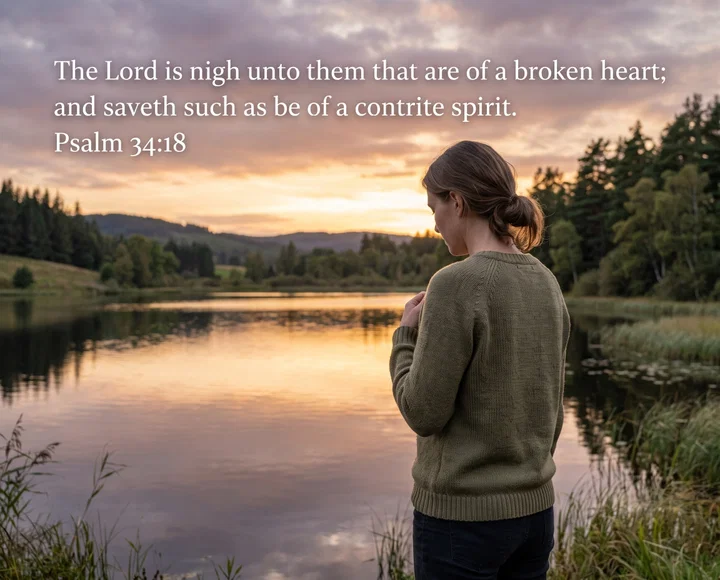
The LORD is nigh unto them that are of a broken heart; and saveth such as be of a contrite spirit.
The Lord is near to the brokenhearted and saves the contrite.
- Isaiah 66:2
For all those things hath mine hand made, and all those things have been, saith the LORD: but to this man will I look, even to him that is poor and of a contrite spirit, and trembleth at my word.
God looks with favor on the humble and contrite who tremble at his word.
- 2 Samuel 12:1-13
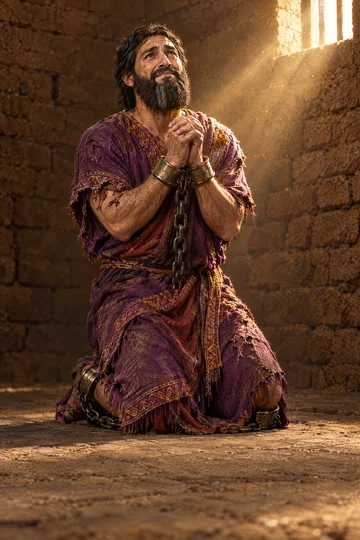
And the LORD sent Nathan unto David. And he came unto him, and said unto him, There were two men in one city; the one rich, and the other poor.
Nathan confronts David over his sin, and David confesses.
- 1 John 1:9
If we confess our sins, he is faithful and just to forgive us our sins, and to cleanse us from all unrighteousness.
God forgives and cleanses those who confess their sins.
- 2 Corinthians 7:10
For godly sorrow worketh repentance to salvation not to be repented of: but the sorrow of the world worketh death.
Godly sorrow over sin leads to repentance.
- Psalms 51:10
Create in me a clean heart, O God; and renew a right spirit within me.
The contrite prayer asks God to create a clean heart and renew a right spirit.
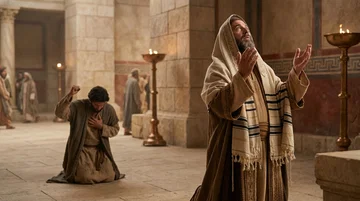
- Luke 18:13-14
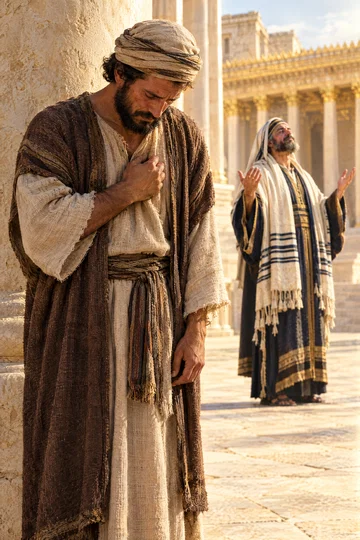
And the publican, standing afar off, would not lift up so much as his eyes unto heaven, but smote upon his breast, saying, God be merciful to me a sinner.
The contrite publican pleads for mercy and is justified, unlike the self-righteous Pharisee.
- Micah 6:8
He hath shewed thee, O man, what is good; and what doth the LORD require of thee, but to do justly, and to love mercy, and to walk humbly with thy God?
Both show that God values humble, obedient hearts over costly offerings.
- Psalms 51:1-2
Have mercy upon me, O God, according to thy lovingkindness: according unto the multitude of thy tender mercies blot out my transgressions.
The prayer asks God for mercy and cleansing from sin.
- Psalms 66:18
If I regard iniquity in my heart, the Lord will not hear me:
Both connect the heart’s relation to sin with whether prayer is heard.
- Ezekiel 36:26
A new heart also will I give you, and a new spirit will I put within you: and I will take away the stony heart out of your flesh, and I will give you an heart of flesh.
God promises to replace the stony heart and give a new heart.
- Romans 12:1
I beseech you therefore, brethren, by the mercies of God, that ye present your bodies a living sacrifice, holy, acceptable unto God, which is your reasonable service.
Both describe offering oneself to God as an acceptable sacrifice.
- Isaiah 55:7
Let the wicked forsake his way, and the unrighteous man his thoughts: and let him return unto the LORD, and he will have mercy upon him; and to our God, for he will abundantly pardon.
The returning sinner is promised mercy and abundant pardon.
- Psalms 138:6
Though the LORD be high, yet hath he respect unto the lowly: but the proud he knoweth afar off.
God regards the lowly but keeps the proud at a distance.
- 2 Samuel 11
And it came to pass, after the year was expired, at the time when kings go forth to battle, that David sent Joab, and his servants with him, and all Israel; and they destroyed the children of Ammon, and besieged Rabbah. But David tarried still at Jerusalem.
David’s sin involving Uriah is the event behind the brokenness expressed in Psalm 51.
- 1 Samuel 15:22
And Samuel said, Hath the LORD as great delight in burnt offerings and sacrifices, as in obeying the voice of the LORD? Behold, to obey is better than sacrifice, and to hearken than the fat of rams.
Both value a contrite, obedient heart over animal sacrifice.
- Hebrews 13:16
But to do good and to communicate forget not: for with such sacrifices God is well pleased.
Doing good and sharing are sacrifices that please God.
- Isaiah 1:16-18
Wash you, make you clean; put away the evil of your doings from before mine eyes; cease to do evil;
God rejects empty ceremonies and calls for cleansing, righteous conduct, and forgiveness.
- Psalms 4:5
Offer the sacrifices of righteousness, and put your trust in the LORD.
Righteous sacrifices are acceptable worship, linked with the contrite heart.
Commentary part 1 of 2
Each commentary is drawn from primary sources: the writings of Ellen G. White and Adventist pioneers and periodicals. Each commentary is separate. Its own words are not a quotation; follow the references to read the source passages.
Ellen G. White
149 sources
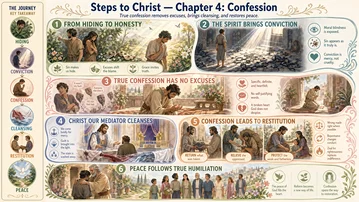
God asks not for outward offerings and animal sacrifices as a substitute for inward repentance, but for a humbled spirit and a sorrowful heart that He will never reject or despise.Lt 87, 1896, par. 30Ms 73, 1893, par. 14–16Lt 9, 1896, par. 9 This was David's course after reproof for his sin, confessing guilt without concealment, humbling his heart, and trusting mercy for pardon.PP 724.3Ms 147, 1903, par. 10–13PP 725.1 A broken spirit means being humbled by sin, sincerely sorry and grieved, humbly dependent on God, with honest confession of every sin.Ms 145, 1907, par. 3RCOC 42.215MR 101.2–102.1 Such repentance makes no excuse, loathes sin, seeks purity of heart as well as pardon, and turns from the former course to make wrongs right.GW92 396.1PP 725.2ST Feb 12, 1880Ms 35, 1901, par. 3–5Ms 75, 1909, par. 8 When this condition is met reconciliation is sure, for God draws near to the brokenhearted, saves the contrite, and bends His ear to the humble penitent.STE 229.1Lt 60, 1895, par. 8–10FE 370.1
Historical Setting in David's Fall
The verse belongs to David's repentance after God's message of reproof came to him for his sin, recounting his sin and his repentance and his hope of pardon through mercy while refusing to conceal guilt.PP 724.3PP 725.1 It was set as a sacred song to be sung in Israel's public assemblies before the court and priests and judges and princes and men of war, to preserve knowledge of his fall to the latest generation so that others might be instructed by its sad history.PP 724.3PP 725.1 It gives the course to follow when one has departed from the Lord, shown in David as king when reproved by the prophet confessing sin and humbling his heart and declaring God just in all His dealings.Ms 147, 1903, par. 10–13
David was beloved not because he was perfect but because he did not cherish stubborn resistance to God's expressed will.EDFCP 16.1 When sharp rebukes came he always bowed under chastisement, his spirit never rising in rebellion against reproof, never hating the prophet, never losing confidence in God who put the stern rebuke in the prophet's mouth.EDFCP 16.1 Though he erred greatly he was just as greatly humbled, his contrition as profound as his guilt and more humble under a sense of sin than any man, his strength lying not in always resisting temptation but in contrition of soul and sincere penitence.EDFCP 16.1 He relied on the mercy of the God he had loved and served and honored, and loving much because forgiven much he trusted God more than man and refused the counsel of men sinning against God, accepting God's decision as just and merciful.EDFCP 16.1
Reproved and convicted, David repented and found pardon through Christ, true repentance involving a heart broken by recognition of sin.ST Aug 12, 1875PP 726.2ST Jan 28, 1913 He poured out his soul in penitence and humiliation and sought God's favor and mercy rather than holding to his crown and position.ST Jan 28, 1913 Though his repentance and confession were accepted he still suffered for his wrongdoing, giving other sinners hope and courage to repent and return to obedience, since sinners likewise must realize the seriousness of sin before they can truly repent and be converted.ST Aug 12, 1875PP 726.2
Peter likewise brought such a broken and contrite heart in sincere sorrow for his apostasy, and his repentance was accepted in heaven so that Jesus entrusted him with the care of the sheep of the flock and also the tender lambs, the young converts.ST Feb 4, 1897 This godly sorrow grieves over sin itself and is different from mourning only because evil deeds have been exposed and have brought unpleasant results.ST Feb 4, 1897 At Hezekiah's Passover God likewise accepted those who with broken hearts confessed their sins and with resolute purpose turned to Him for forgiveness and help, hearing their voice so that prayer came up to His holy dwelling place even unto heaven.
By contrast Jehoiakim and his lords refused the required broken heart and contrite spirit, God requiring sincere repentance and confession and accepting nothing less, and their rejection brought the warned judgments on Judah with special wrath on Jehoiakim.PK 435.3–436.14T 178.3–179.1 Caiaphas in resistance tore his priestly robes instead of responding to truth with inward repentance and confession, for God values a broken, contrite, humble heart rather than outward display.DA 708.2–709.2 When convicted a person should without delay seek God for mercy and pardon with soul poured out in penitence and humiliation, counting loss of crown and earthly position bearable but loss of God's favor unbearable.ST Jan 28, 1886 God knows how strong are the inclinations of the natural heart, and He will hear such prayer and help in every time of temptation, still extending mercy and calling wanderers to return that He may heal their backslidings, for like a father pities his children so the Lord pities those who fear Him.ST Jan 28, 1886
Sacrifice God Desires
The sacrifices God accepts are a broken spirit and a broken and contrite heart, which He will not despise or reject, and He does not desire, delight in, or accept sacrifice and burnt offering, outward offerings, animal sacrifices, or abundant sacrifices as a substitute for a repentant heart.Lt 87, 1896, par. 30Ms 73, 1893, par. 14–16Lt 9, 1896, par. 9Ms 74, 1897, par. 363SP 10.1–2 He does not delight in sacrifices or burnt offerings as a substitute for a sincere heart humbled by sin, but values genuine sorrow for sin joined with obedience more than abundant animal offerings, which cannot take the place of sincere repentance.Lt 9, 1896, par. 9Ms 74, 1897, par. 363SP 10.1–2ST Jan 10, 1878 The sinner confesses guilt, asks God to cleanse and renew the heart, and entrusts a sinful, polluted soul to Him for mercy and restoration, depending humbly on Him, and earnest prayer from such a heart is heard and answered.Ms 73, 1893, par. 14–16Lt 9, 1896, par. 9
God values a humble and contrite spirit above the magnificence of a temple and the splendor of religious services, and above outward religious display, appearance, words, profession, social standing, rank, honor, and riches.Lt 20, 1898, par. 3Ms 25a, 1891, par. 40–41PK 565.2SW 2.1STBk 154.1 Israel's worship before the captivity lacked what mattered most because a humble and contrite spirit was not offered, and outward splendor and ceremonies cannot recommend people to Him when justice, mercy, love, and godly character are lacking.PK 565.2COL 297.1 A person's moral worth is not measured by wealth, position, outward appearance, or possessions, but by purity, love, and humility of heart, and inward change made by truth begins in the heart.Lt 20, 1898, par. 3SW 2.1STBk 154.1 He is not pleased with Pharisaical pretense or outward claims of righteousness, and when character-building and the simplicity of godliness are neglected, religious rites can become excessive displays of pride which do not honor or please Him, while He honors those who are poor in spirit and tremble at His word.Lt 20, 1898, par. 3Ms 25a, 1891, par. 40–41COL 297.1
He rejects fasting, prayer, worship assemblies, ceremonies, humiliation and sacrifice when done to prove personal righteousness and earn heaven.DA 280.1–4 Self-trust, self-wisdom, and weaving self into salvation must be given up, and self must be emptied and renounced, because human works can never purchase salvation and legal religion is loveless and Christless and can never lead souls to Christ.DA 280.1–4 A person must become in the fullest sense a believer in Jesus, and then the Lord makes him a new creature able to receive new life, animated by the love of Christ, with the character of Christ manifest in one who looks to Jesus.DA 280.1–4
Sacrifices have value only when offered in faith with humility and contrition to keep Christ's sacrifice in mind, and without these heart responses they lost their meaning and were valueless, even an abomination to God, and cannot take the place of sincere repentance joined with obedience.3SP 10.1–2ST Dec 11, 1893ST Jan 10, 1878 With the death of the Son of God as the perfect and final offering, Jewish ceremonies, forms, types and sacrifices are no longer binding, calling believers to a more active spiritual life carried above mere ceremonies.SLP 105.1
God cares nothing for money, property, or wealth as standing, for the world and all in it are His and men and their possessions are small before Him with no respect of persons.ST Mar 22, 18831T 536.1–2 Even all the riches of the wealthiest cannot cover the smallest sin or be accepted as a ransom for transgression, and a wrong or oppression is no more tolerated in the rich than in the poor.ST Mar 22, 18831T 536.1–2 What He alone accepts is repentance, true humility, a broken heart and a contrite spirit, with confession and forsaking of sin, and true humility before God must also be shown toward other people.ST Mar 22, 18831T 536.1–2 Those who boast that by their own wisdom they gained wealth will be proved and tried until their boasting is brought to dust, their strength removed and their possessions scattered, so that instead of blessing they find a curse.1T 536.1–2
God does not require painful bodily austerities, harsh practices, burdensome religious practices, repression of natural affection and sympathy, afflicting the body, depriving self of nourishing food, making crosses or manufacturing duties to distress the body to gain His favor.4SP 385.2–386.21T 205.1–2GC88 568.4–570.1GC 569.2–570.1 Denying self in diet, taking a rigid course, and sacrificing thus does not add holiness, and the heathen do such things but receive no reward for it.1T 205.1–2 What is of great price in His sight and makes a person holy is inward brokenness before God, with a humble, obedient spirit, which is outside mere outward manufacturing of humility.4SP 385.2–386.21T 205.1–2GC88 568.4–570.1GC 569.2–570.1
Outward fasting, prayer, and worship have no value in His sight without a broken, contrite spirit, and worship is accepted only when offered sincerely from a humble, contrite heart.14MR 101.2–3Lt 39, 1903, par. 16 Outward acts of worship may look alike, yet one service may be found wanting while the other is accepted.Lt 39, 1903, par. 16 Material gifts are accepted as sacrifices of grateful obedience evidencing God's ownership of all a person has only when given from a humble, contrite heart with pure love, but even the most costly offering is unacceptable without it.ST Jun 11, 1894
Nature of True Repentance
Sincere repentance and confession from a broken heart and a contrite spirit is what is required when a person has sinned, and nothing less is accepted.GW92 396.1PP 725.2ST Feb 12, 1880 Such repentance makes no excuse for sin and does not pray merely to escape threatened judgment, but sees the enormity of transgression against God, sees the defilement of the soul, and loathes sin.PP 725.2 It is expressed in tears and deep sorrow over sin, and the one whom conviction has humbled is lifted up.ST Feb 12, 1880 It seeks not pardon only but purity of heart, does not give up the struggle in despair, and finds in the promises to repentant sinners the evidence of pardon and acceptance.PP 725.2
A broken spirit is a spirit humbled by repentance and by sin, and a contrite heart is sincerely sorry, humbled, grieved over sin, and humbly dependent on God.Ms 145, 1907, par. 3RCOC 42.215MR 101.2–102.1ST Dec 12, 1892 It carries heartfelt sorrow and confession of every sin, belonging to a prayer for mercy, cleansing from sin, a renewed heart and spirit, and restored joy in salvation.15MR 101.2–102.1 This inward surrender is the heart-preparation needed for acceptable service, for sure reconciliation between God and humanity, and for reliance on Christ as sacrifice and compassionate High Priest.Ms 145, 1907, par. 3STE 229.1Lt 60, 1895, par. 8–10 It is required not only of great sinners but also of those entrusted with special responsibilities.RCOC 42.2Ms 45, 1894, par. 11–12
True brokenness is not self-imposed penance meant to earn favor, not degradation, and not a patched-up character with motives shaped by selfishness or worldly standing.ST Dec 12, 18925T 338.2TBC1882b 12.1–13.1 It is not self-sufficient outward correctness that hates light exposing wrongs, rests on human approval and spasmodic remorse, and refuses to be humbled while the heart remains untouched, unconverted, and ignorant of natural depravity and constant danger of apostasy.TBC1882b 12.1–13.1Ms 7, 1882, par. 4–6 It is genuine godly sorrow with thorough confession before God and confession of faults one to another, bringing character and works to the test of the Word to receive peace and pardon from the Redeemer.TBC1882b 12.1–13.1 Without a contrite heart and reformation, outward respectability and absence of open sin do not remove need of sorrow, and unless the Bible standard of what is innocent, virtuous, true and excellent is met, the respectable sinner will be weighed in the balances of the sanctuary and found wanting.5T 338.2Ms 7, 1882, par. 4–6
Coming in this spirit means honestly confessing wrongdoing, repenting, seeking forgiveness, turning from sin and hating the former course, and choosing to leave the old life of serving Satan.Ms 75, 1909, par. 8Lt 30a, 1876, par. 12 It includes making wrongs right, putting away the sins condemned by the Word, and removing pride and resistance to the Holy Spirit that obstruct the way to God, for the heart must be humbled before blessing can be given.5T 338.2Ms 35, 1901, par. 3–5Lt 134, 1906, par. 5–7 Even those in responsible positions with outwardly respectable characters must so humble themselves.Ms 7, 1882, par. 4–6
Repentance must come before forgiveness, yet it is not a condition the sinner fulfills before coming to Christ.ST Mar 6, 1893SC 26.1–2 The sinner cannot produce it or first reach a required depth of sorrow to merit forgiveness, but comes as he is and contemplates Christ's love, and that love softens even the hardest heart and brings genuine repentance.RH Sep 3, 1901Ms 40, 1894, par. 21–22 It is the Holy Spirit who draws, awakens conscience, and leads to repentance, and Christ's power enables turning from sin and clinging to truth.Ms 40, 1894, par. 21–22ST Mar 6, 1893SC 26.1–2 Feeling and knowing sin and helpless need, with desire to be cleansed and purified, is sufficient ground to ask for mercy, for holiness is not required first.SC 26.1–2 A broken and contrite heart in this sense means sorrow for sin, consciousness of helplessness and need of a Saviour, seeing oneself as a transgressor of the law, with repentance toward God, confession of sin, and faith toward the Lord Jesus Christ the Lamb of God, and without this brokenness there is no true conversion.3MR 27.1–28.1
Falling on the Rock and being broken means receiving God's warnings, entreaties, and divine truth into the heart with humility instead of turning away to faultfinding and criticism.Lt 4, 1897, par. 11–12Ms 21, 1903, par. 1–3 It means breaking the snare, confessing sins, and seeking forgiveness, so that love melts the heart and God revives, pardons, and accepts the humble.9MR 356.2–357.1 Those who refuse to be broken remain in apostasy, wound Christ who died to save them, and will feel God's displeasure.9MR 356.2–357.1 This breaking is a reconversion and individual work of the Holy Spirit on stubborn hearts, opening blind eyes and enlightening darkened understanding to know individual responsibility and the character that must be formed to unite with the heavenly family.Ms 15, 1903, par. 16Lt 180, 1908, par. 5 With deep heart-searching, thorough repentance, entire consecration, and confession of every sin, love is kindled so praise is spoken from clean lips, giving true certainty of salvation and readiness to meet God, and sins are blotted out before the judgment of the last day when every fate is sealed.Lt 2, 1873, par. 8Lt 180, 1908, par. 5Ms 21, 1903, par. 1–3 It is the only hope when love of property, selfishness, and an avaricious spirit have taken possession of heart and life.Lt 2, 1873, par. 8
Assurance of Divine Acceptance
God will not despise, reject, or turn away a broken spirit and a broken and contrite heart, and when this humble repentant condition is met reconciliation between God and humanity is sure.STE 229.1Lt 60, 1895, par. 8–10FE 370.1 He draws near to the brokenhearted, saves those who are contrite, and regards the one who is poor in spirit and trembles at His word.FE 370.1 He bends His ear low to the humble, penitent, self-abased child who hardly dares approach Him, and such trembling faith fastens securely upon the promises and brings gracious returns.Lt 1, 1859, par. 5 Prayer from this heart is right to the point, asking just what is needed with one object kept in view without wandering, and never coming before the Great Eternal with an array of lofty words.Lt 1, 1859, par. 5
The wicked and unrighteous transgressor who seeks the Lord while He may be found, forsakes his way and his thoughts, and returns will receive mercy and abundant pardon, because God's ways and thoughts are higher than man's.Lt 22c, 1890, par. 4 The high and lofty One who inhabits eternity, whose name is Holy, dwells with the one of contrite and humble spirit to revive the spirit of the humble and revive the heart of the contrite ones, even after His wrath against the iniquity of covetousness.Lt 22c, 1890, par. 4 God accepts the broken heart with free pardon, seeing the guilt of the past and speaking pardon at the foot of the cross of Calvary, for the sense of sinfulness has poisoned the springs of life and of true happiness.9MR 305.3Lt 38, 1887, par. 7–11 Jesus takes the sins and gives peace, removes remorse for sin, strengthens the weakened will, and restores self-respect because the sinner is bought with His own blood and belongs to Him.9MR 305.3Lt 38, 1887, par. 7–11 To be accepted is to be adopted into His family with grace to help weakness, and the Saviour leads on step by step as the trembling yet grateful heart lays hold on the hope set before it and places the hand in His to be guided, trusting His love without doubt, for continuing to doubt His love dishonors Him.9MR 305.3Lt 49, 1896, par. 5–9Lt 38, 1887, par. 7–11 A sinner who recognizes helplessness and need of a Saviour and who truthfully searches the heart, condemns sin, and comes in true repentance with full awareness of sin and pollution is received rather than rejected, trusting His blood to wash away sin and cleanse the character.Ms 48, 1899, par. 152T 81.1
In the judgment penitence and faith are the sacrifices God accepts, and Christ presents them while claiming forgiveness for His people without excusing their sins.4SP 309.3–310.1GC 484.2–485.1GC88 484.1–2 Repentance and conversion are necessary for sins to be blotted out, joined with a subdued heart that turns from sin, confesses and puts away sin, seeks God, and claims the promises.Lt 356, 1906, par. 8–10GC 528.3–529.1 The salvation Christ sacrificed to gain is alone of value because it saves from sin, the cause of all misery and woe in the world, and mercy constantly draws the sinner to Jesus.Lt 1f, 1890, par. 322MR 233.3 If the sinner responds by coming in penitence with confession and in faith laying hold of the hope set before him in the gospel, God will not despise his heart broken by sorrow for sin but extends the scepter of mercy to the penitent.STBk 45.1STA 45.1STOM 36.1–2Lt 1f, 1890, par. 322MR 233.3 This mercy does not weaken the law of God but breaks the power of sin and frees from sin.STBk 45.1STA 45.1STOM 36.1–2Lt 1f, 1890, par. 32
God is very pitiful because He understands human weakness and temptation, and when sinners come to Him with broken hearts and a contrite spirit He accepts their repentance, for He is merciful and does not despise the repentant.3T 239.4Lt 29, 1872, par. 50Lt 29a, 1872, par. 52–55 Taking hold of His strength to make peace with Him brings His promise that peace will be made, and this should fill the repentant heart with gratitude and joy.Lt 29, 1872, par. 50Lt 29a, 1872, par. 52–55 No one who has yielded to Satan and separated from God by selfish ambition and transgression is beyond pardoning love, and God never turns away a soul that comes to Him in sincerity and humility, even after grieving His Spirit.Lt 51, 1888, par. 13–14PP 675.3GW92 411.3 Acceptance is conditional on true repentance that forsakes sin, for God receives the humble and contrite but will not hear prayer while iniquity is cherished in the heart, and the heart must be humbled with sins condemned by His Word put away before blessing can come.Lt 51, 1888, par. 13–14Ms 35, 1901, par. 3–5 To be heard the sinner must seek pardon for sin and reconciliation with God with humble repentance, not merely deliverance from enemies, for stubbornness and rebellion cut off communication and forfeit answers, and sinning away the Spirit of grace leaves no answer except by penitence and contrition.PP 675.3 When the broken heart confesses sin God pardons and saves from sin, but trying to save self instead of humbly repenting and casting the soul upon mercy leads to ruin, and choosing to keep sin leaves the person to perish with the author of sin.2T 89.2Ms 130, 1906, par. 46–48
Prayer of Contrite Heart
Prayer rising from a broken and contrite heart is never disregarded, even when offered by the lowliest saint or the weakest person amid noise and activity where others cannot hear.Ms 58, 1903, par. 17ST Dec 23, 1889ST Mar 30, 1915 God receives it gladly, listens attentively as the Maker who formed the eye and planted the ear, hears it in the heavenly courts, and answers with decided answers and abundant blessing.Lt 9, 1896, par. 9Ms 58, 1903, par. 17ST Dec 23, 1889 He gives help in every time of need, does not despise petitions of a humble heart and contrite spirit, and rejects no one who comes with such a heart.ST Aug 23, 1883ST Sep 23, 1886ST Mar 30, 1915 True prayer opens the heart to God in complete dependence, expresses need with grateful love rather than mere repetition of set phrases without gratitude or sense of need, while indifferent wordy prayers bring no returns.Ms 58, 1903, par. 17ST Sep 23, 1886 He also hears humble parental entreaties for children until help, grace, and salvation come.Lt 9, 1896, par. 9
The most eloquent prayer is silent, earnest, heartfelt petition from a heart that feels its own destitution and recognizes the merits of Jesus, prompted by the Spirit of God.Lt 1, 1859, par. 5Ms 49, 1903, par. 4 It is short, simple, and pointed to the object, asking just what is needed with one object kept in view without wandering, vain repetitions, lofty flowery words, sleepy dull heartless customary repetition, or telling God one's story as if He did not know.Lt 1, 1859, par. 5Ms 49, 1903, par. 4Lt 1, 1859, par. 1–2Ms 6, 1889, par. 49 Such trembling faith fastens securely upon the promises and brings gracious returns, while lofty wordy flowery prayer beyond one's measure is not even noticed and is disgusting to His ear, and dry lengthy lifeless words are not the sincere contrition He desires.Lt 1, 1859, par. 5Lt 1, 1859, par. 1–2Ms 4, 1901, par. 23 Earnest prayer from broken hearts and contrite spirits brings the heart into sympathy and harmony with God, which brief prayers alone do not accomplish, pouring out troubles without eloquent or lengthy framing.Lt 34a, 1886, par. 25Ms 4, 1901, par. 23 A sweet, meek, broken spirit is required in praying, talking, and exhorting, with reverence as a humble suppliant feeling poor, miserable, and undeserving of the least favor, asking simply and earnestly for mercy and pardon, for without thorough change to humility a person can be of no help to God's people.Lt 1, 1859, par. 1–2Ms 6, 1889, par. 49
God accepts the prayer of a penitent contrite soul, but clinging to known sin prevents hearing, so known sin must not be clung to but set right and wrongs made right, not as earning favor but as the condition of acceptance resting on Jesus' worthiness and blood, never on human merit.SC 95.3 Those praying humbly come through Christ, expecting blessing by His mediation and giving Him glory for presenting their prayers to the Father.Lt 49, 1903, par. 16 What is accepted is a genuinely humble contrite heart offering its needs to God, not a show of humility or reliance on office, duties, or exercises, for a proud heart rejecting reproof lacks the humility that receives favor.Lt 49, 1903, par. 16Lt 45, 1897, par. 22–23
God accepts and hears the humble trusting contrite heart rather than talent, learning, logic, eloquence, genius, self-confidence, impulsive excitement, or demand for a desired outcome.CH 397.1–2ST Mar 13, 18932T 146.1–147.1 Human talent, learning, and eloquence cannot replace dependence on God, for a contrite spirit looks to Him for help and with His help obstacles are overcome, and reliance on God rather than natural ability or self-confidence is the ground of success in His work.CH 397.1–2ST Mar 13, 18934T 538.2–539.1 In prayer for the sick the case is to be brought with humility and distrust of self, not with self-confident religious zeal, impulsive excitement, or confidence that a desired outcome must follow.2T 146.1–147.1 This belongs to one constant and fervent in prayer with a vivid sense of eternal things and love for souls Christ died to save, with no room for self-exaltation because God is the source of strength and only He is to be praised, often on the knees in humility yet earnest in self-denying persevering work, making prayer and work the business of life and winning a place in hearts without hard striving.Ms 9, 1879, par. 24
A humble sorrowful heart for sin is the richest treasure to God, honored rather than despised, made tender to feel the woe of others and pitiful toward suffering, so that His power is magnified and His name magnified by such tenderness.10MR 96.1–2RH Apr 10, 1900 Angels are ready to work with such people in ministering to souls, and this humility does not shun duty and responsibility or pass by the wounded and helpless but shows charity and godliness.10MR 96.1–2 Even before the prayer is offered or the yearning made known His Spirit goes forth to meet it, and His ear is open to every soul poor in spirit, so that every genuine desire however weak, every prayer lifted however faltering, and every tear shed in sorrow for sin is met by grace from Christ going forth to meet grace already working on the heart.10MR 96.1–2 Harsh unpitying words that crush a wounded spirit and quench the last spark of hope are forbidden, and every servant must share Christ's gentle work of helping and blessing souls oppressed, tempted, and tried by poverty and affliction.RH Apr 10, 1900
A contrite heart offers earnest prayer that makes its impression on human minds, for consecration and faith entering experience give sight of the work to be done and power to do it, and the power of the Holy Spirit is seen in melting of the heart and subduing of the spirit to God.Lt 208, 1907, par. 12 Those feeling need may ask for a broken heart, and God gives a new heart, with confession and deep feeling marking His work though the change may come gradually.Lt 87, 1890, par. 4 Such a tender contrite heart, not despised by God, is prepared to receive the seeds of truth and grow in spiritual life.Ms 168, 1897, par. 6Lt 87, 1890, par. 4
Call to Humble Living
The sacrifice God accepts from those entrusted with special responsibilities is a broken and contrite heart rather than outward offerings, and they must not rule as lords but live as examples.Ms 45, 1894, par. 11–12 What He asks in order to give power for the salvation of souls is only such a humble heart willing to believe and receive His promises, joined with living faith, and without it workers follow their own ideas instead of His will.RH Mar 24, 1903Lt 19a, 1892, par. 6–8GW 35.2 Those who would labor effectively must be Bible students and men of prayer, not neglectful of study nor careless about spiritual advancement, for lack of prayer and wisdom may turn the balance for a soul toward perdition.RH Mar 24, 1903 Those who realize the worth of souls flee to the stronghold of truth for wisdom, knowledge and divine power and do not rest until they receive an unction from on high, going to God, taking Him at His word, instant in season and out of season, and using the means He has placed within reach, and He will give power without stint and divine blessing.RH Mar 24, 1903 Confessing sin and giving up self-righteousness breaks self-sufficiency so that Jesus draws the surrendered close in love, and leaders who seek God with such hearts discern their defects and know their duty and, wholly surrendered, can be stamped with His image.GW92 439.2–440.2STB 488.3
Parents must begin the work for their children's conversion with their own hearts subdued and made contrite through the Spirit's regenerating power.CE 230.2–231.1 Humility, meekness and contrition matter more than educational accomplishment, so that youth are better off less accomplished in studies than lacking these graces.FE 364.1 God accepts repentance with a broken heart as an offering and is merciful to receive it when a person repents.3T 533.1–3
Doing good to Zion and building the walls means laying aside pride and aloofness and keeping to self and to own institutions when opening new fields.Ms 47, 1907, par. 1–3 It means visiting schools established for colored people in different places in the southern field, manifesting interest in their work, imparting precious truths they do not understand, and cherishing earnest sympathy between teachers.Ms 47, 1907, par. 1–3 Then God is pleased with the sacrifices of righteousness and the cause of present truth is built up, prejudice is removed, and openings come to speak to many people.Ms 47, 1907, par. 1–3 Those who have been rough and discourteous, blaming and condemning and criticizing brethren, must come with sorrowful and humble hearts, confessing need and pleading for grace to make them humble children, so ambition is turned from faultfinding to blessing needy souls.Ms 47, 1907, par. 11–13
Brokenness means giving self wholly anew to God with no reservation, letting self die, as in breaking the heart in pieces and preserving no part of self.Lt 14, 1871, par. 4–5Lt 6, 1868, par. 14–16 It means uniting heart and prayer and faith with others, trusting Him for healing and help, desiring above all to do His will, and choosing to strengthen and bless one another while moving forward under heavy work and burdens.Lt 14, 1871, par. 4–5 It requires true conviction producing a pure, sincere, contrite, repenting and believing heart rather than hypocrisy or shoddy insincere religion, for good resolutions alone bring no progress unless the heart is changed.Lt 34, 1888, par. 5 This heart is gained by praying to see self as sinner and Christ as pardoning Savior and by taking a decided stand with Him.Lt 34, 1888, par. 5 Coming this way means coming to a right mind, lifting eyes and mind to God, obeying His directions, and seeing Christ's wooing love, bringing higher and purer ambitions, holier joys, ennobling motives, endearing sympathies, and oneness with Christ.Ms 12, 1888, par. 8 It requires breaking all confidence, counsel and connection with the Lord's enemies and refusing to dishonor His name by joining them, and it is the work needed to get ready for judgment by stopping, seeing what road is being traveled, and comparing life with God's great moral standard of righteousness.Ms 12, 1888, par. 8
A broken heart and contrite spirit mean deep humility and confession of one's own faults rather than outward faultfinding or attention to others' failings, putting away pride and vanity.Lt 31, 1880, par. 6–8Lt 12, 1861, par. 17–18 Those whose conduct has misrepresented the truth must show this humility by stopping contentions, making things right, and showing by their lives that they are united.Lt 12, 1861, par. 17–18 Coming to Jesus in humble repentance means relying on God rather than trusting in one's own efforts, not parading goodness before Him but sorrowfully acknowledging a spirit unlike Christ.Lt 51, 1876, par. 8Ms 62, 1890, par. 39–40 God values a heart humbled and broken under His dealing and does not despise those who mourn shortcomings and press on to become what they ought to be, but regards them with mercy, and such a heart confesses sin, receives pardon, and rests in Christ.Ms 115, 1898, par. 14Lt 163, 1902, par. 11
God desires a surrendered heart that is broken and contrite rather than ceremonial acts or outward compliments, humble, broken and submissive with pride giving way, in which He can dwell and work.4T 259.2Lt 46, 1900, par. 43–45 Such a heart is conscious of need, giving supreme love to God and depending on Christ's perfection rather than concealing lack.DA 519.2 A subdued contrite heart that confesses and puts away sin is joined with faith in claiming promises.GC 528.3–529.1 Herbert Lacey's sorrowful humble response before the Lord exemplifies this spirit valued by God.Lt 50a, 1898, par. 4
God's people must practice the psalm's lessons in words, spirit, purity and Christlikeness, for falling short leaves them without power with God and makes influence unsavory like salt without savor.Lt 79, 1901, par. 13 Inward change by truth begins in the heart, and merely formal religion with worldly ambition, pride and self-love shows no conversion, while those who come with repentant hearts and experience conversion reveal the fruits of the Spirit.CH 129.1 Coming to God requires true repentance and contrition rather than mere outward godliness, and a life rooted in God begins by His grace, continues in His strength, and ends in His glory.Lt 53, 1893, par. 7
The compassionate Savior full of love and tenderness longs to receive everyone tired of sinful life who does not know where to turn for relief and who comes with a broken heart and contrite spirit, and He does not reject or despise them.YGBCOEP 50.3CH 585.3STB 329.3Ms 125, 1903, par. 26 To them He offers relief, hope and courage, with grace and soothing consolation to the heart joined with a submissive spirit.CH 585.3Lt 32, 1894, par. 15–16 Such souls should be taken by the hand and lifted up, spoken to with words of hope and courage, and helped to grasp His hand to find relief and make peace with Him.Ms 125, 1903, par. 26 Those who come to Christ in repentance are received and helped to purify their souls, for repentance and conversion are the way to salvation.Lt 247, 1903, par. 4–5
God loves and pities the sinner and calls for the heart to break before Him in deep humiliation of soul.14MR 212.3 This means confessing sin and casting the helpless soul upon Christ to receive pardon and stand justified before God, with no rest until there is thorough renovation of methods in all business lines and change from loose careless habits of management.14MR 212.3 In a time of humility, heartfelt sorrow for sin, and confession while seeking the Lord, Jesus hears penitential confessions and pardons sin.ST Apr 26, 1883
Having the heart melted and broken before God in earnest seeking means seeing personal unfitness for His great work and lack of spiritual strength, needing help from God, and asking for a right spirit to be renewed within.20MR 210.1 It means earnestly desiring to do His will, weeping and feeling deeply humbled before Him.20MR 210.1 It means resolving to be careful of others' feelings and to treat them with respect and dignity, and receiving comfort in the Lord.20MR 210.1
Sources