1 Kings 17:5
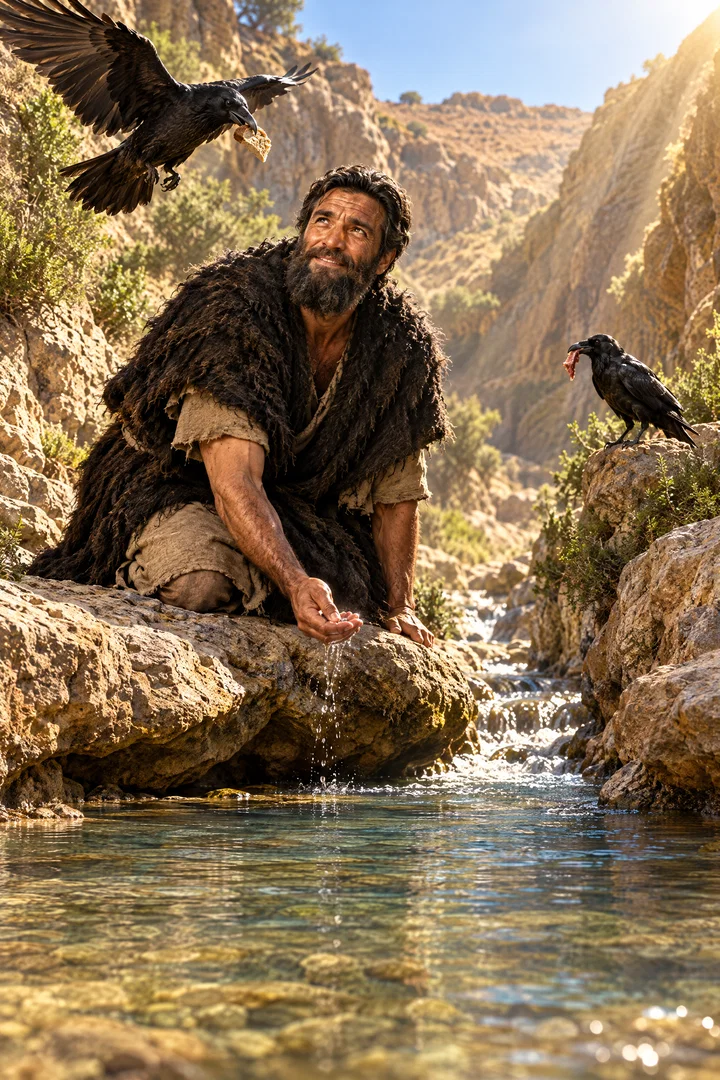
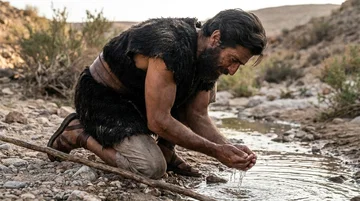
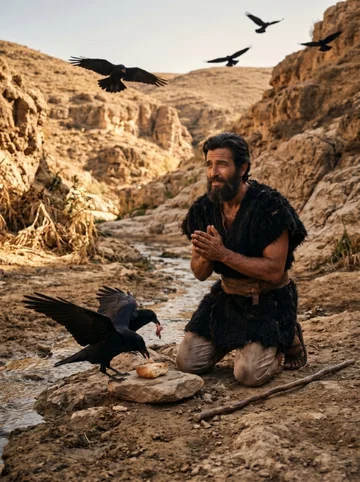
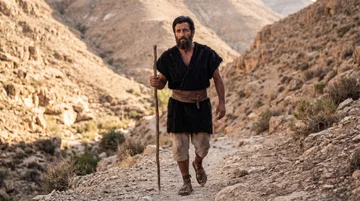
So he went and did according unto the word of the LORD: for he went and dwelt by the brook Cherith, that is before Jordan.
Translations
So he went and did according to the word of the LORD: for he went and dwelled by the brook Cherith, that is before Jordan.
King James Version, Revised Version
So he went and did according unto the word of the LORD: for he went and dwelt by the brook Cherith, that is before Jordan.
So he went and did according unto the word of the Lord: for he went and dwelt by the brook Cherith, that is before Jordan.
So he went and did according to the word of the LORD: for he went and dwelt by the brook Cherith, that is before Jordan.
So he went and did according unto the word of Jehovah; for he went and dwelt by the brook Cherith, that is before the Jordan.
And he goeth and doth according to the word of Jehovah, yea, he goeth and dwelleth by the brook Cherith, that [is] on the front of the Jordan,
And he went and did according to the word of Jehovah; he went and abode by the torrent Cherith, which is before the Jordan.
So he went and did, according to the word of Yahweh,—yea he went and dwelt in the ravine of Cherith, which faceth the Jordan.
Berean Standard Bible, Majority Standard Bible
So Elijah did what the LORD had told him, and he went and lived by the Brook of Cherith, east of the Jordan.
So he went and did according to the LORD’s word, for he went and lived by the brook Cherith that is before the Jordan.
So he went and did as the Lord said, living by the stream Cherith, east of Jordan.
So he went and did according vnto the word of the Lord: for he went, and remained by the riuer Cherith that is ouer against Iorden.
Douay-Rheims (Challoner revision)
So he went, and did according to the word of the Lord: and going, he dwelt by the torrent Carith, which is over against the Jordan.
Pictures

Cross-references
- 1 Kings 17:1
And Elijah the Tishbite, who was of the inhabitants of Gilead, said unto Ahab, As the LORD God of Israel liveth, before whom I stand, there shall not be dew nor rain these years, but according to my word.
Elijah’s drought announcement led to his stay at Cherith.
- James 5:17
Elias was a man subject to like passions as we are, and he prayed earnestly that it might not rain: and it rained not on the earth by the space of three years and six months.
Elijah’s prayer brought drought, though he was human like us.
- 1 Kings 17:14-16
For thus saith the LORD God of Israel, The barrel of meal shall not waste, neither shall the cruse of oil fail, until the day that the LORD sendeth rain upon the earth.
The meal and oil do not fail during famine.
- 1 Kings 17:9
Arise, get thee to Zarephath, which belongeth to Zidon, and dwell there: behold, I have commanded a widow woman there to sustain thee.
God sends Elijah from Cherith to Zarephath for continued sustenance.
- 1 Kings 18:1
And it came to pass after many days, that the word of the LORD came to Elijah in the third year, saying, Go, shew thyself unto Ahab; and I will send rain upon the earth.
The Lord commissions Elijah to return as the drought ends and rain is promised.
- 1 Kings 19:5-8
And as he lay and slept under a juniper tree, behold, then an angel touched him, and said unto him, Arise and eat.
Elijah receives food and water from God in the wilderness.
- 2 Kings 2:11
And it came to pass, as they still went on, and talked, that, behold, there appeared a chariot of fire, and horses of fire, and parted them both asunder; and Elijah went up by a whirlwind into heaven.
Elijah’s eventual ascent to heaven completes the comparison.
- 1 Kings 19:9
And he came thither unto a cave, and lodged there; and, behold, the word of the LORD came to him, and he said unto him, What doest thou here, Elijah?
Elijah’s hiding contrasts with his earlier obedience to God’s direction.
- 1 Kings 18:10
As the LORD thy God liveth, there is no nation or kingdom, whither my lord hath not sent to seek thee: and when they said, He is not there; he took an oath of the kingdom and nation, that they found thee not.
Ahab hunting Elijah while God preserved him
- Malachi 4:5
Behold, I will send you Elijah the prophet before the coming of the great and dreadful day of the LORD:
Elijah fulfills the promise of Elijah the prophet.
- 1 Kings 18:36
And it came to pass at the time of the offering of the evening sacrifice, that Elijah the prophet came near, and said, LORD God of Abraham, Isaac, and of Israel, let it be known this day that thou art God in Israel, and that I am thy servant, and that I have done all these things at thy word.
Elijah says he has done all these things at God’s word.
- Matthew 17:11-12
And Jesus answered and said unto them, Elias truly shall first come, and restore all things.
Elijah’s coming work is fulfilled in John.
- Luke 4:25-26
But I tell you of a truth, many widows were in Israel in the days of Elias, when the heaven was shut up three years and six months, when great famine was throughout all the land;
Jesus recalls Elijah’s refuge with a widow in Sidon amid Israel’s rejection of God’s messengers.
- 2 Kings 2:14
And he took the mantle of Elijah that fell from him, and smote the waters, and said, Where is the LORD God of Elijah? and when he also had smitten the waters, they parted hither and thither: and Elisha went over.
Both events are dismissed as legend rather than treated as true events.
- 1 Kings 17:10
So he arose and went to Zarephath. And when he came to the gate of the city, behold, the widow woman was there gathering of sticks: and he called to her, and said, Fetch me, I pray thee, a little water in a vessel, that I may drink.
Elijah obeys the LORD’s word by going to Zarephath.
- 1 Kings 18:46
And the hand of the LORD was on Elijah; and he girded up his loins, and ran before Ahab to the entrance of Jezreel.
God’s hand empowered Elijah to run to Jezreel.
- Exodus 16:4
Then said the LORD unto Moses, Behold, I will rain bread from heaven for you; and the people shall go out and gather a certain rate every day, that I may prove them, whether they will walk in my law, or no.
Both describe divine provision for Israel in the wilderness.
Commentary
Each commentary is drawn from primary sources: the writings of Ellen G. White and Adventist pioneers and periodicals. Each commentary is separate. Its own words are not a quotation; follow the references to read the source passages.
Ellen G. White
25 sources
So he went and did according to the word of the Lord records Elijah's complete obedience in going to live where God directed by the brook Cherith before Jordan.RH Aug 28, 19133T 288.1–2GW 269.3 It belongs to the opening of his fearless ministry in the northern kingdom, when after standing before Ahab to declare no dew nor rain for apostasy, God directed his course away from Jezebel's power to a place of safety.PK 116B.13T 288.1–2AA 429.3–430.3RH Oct 7, 1873 While he stayed there during drought and famine God cared for and honored him by sending food morning and evening by an angel of heaven through ravens when ordinary supplies failed.RH Aug 28, 19133T 288.1–2EW 47.1ExVEGW 44.1RH Oct 7, 1873 Because the same God who directed him to Cherith also provided for his needs there, the faithful need not fear that obedience will leave them without sustenance nor let want turn them to disobedience.4T 253.3–254.1ST Nov 17, 1881 His experience assures God's trusting, self-sacrificing people that He does not abandon them in hardship, famine and persecution, but sustains them and makes their bread and water sure even when the wicked perish for lack.EW 47.1ExVEGW 44.1DA 65.1
Elijah's Call and Obedience
The verse belongs to Elijah's emergence from his mountain retreat in Gilead east of the Jordan, where he watched Israel sinking deeper and deeper into idolatry.PK 119.2 His soul was distressed, his indignation aroused, and he was overwhelmed with sorrow, because unbelief was fast separating the chosen nation from the Source of their strength.PK 119.2 The beneficent designs of God were well-nigh forgotten, though He had delivered His people from bondage and given them the lands of the heathen that they might observe His statutes and keep His laws.PK 119.2 In anguish of soul Elijah besought God to arrest the once-favored people in their wicked course and to visit them with judgments if need be, that they might be led to see their departure from heaven in its true light and be brought to repentance before they went so far in evil-doing as to provoke the Lord to destroy them utterly.PK 119.2
He dwelt among the mountains of Gilead far from any city of renown and held no high station in life, yet as a man of faith and prayer his going to Cherith began a fearless ministry destined to check the rapid spread of apostasy in Israel in the days of Ahab.PK 119.1 He entered upon his mission confident in God's purpose to prepare the way before him and to give him abundant success, with the word of faith and power upon his lips and his whole life devoted to the work of reform.PK 119.1 He was the voice of one crying in the wilderness to rebuke sin and press back the tide of evil, and while he came to the people as a reprover of sin, his message offered the balm of Gilead to the sin-sick souls of all who desired to be healed.PK 119.1 The verse belongs to the opening of his ministry in the northern kingdom, when after standing before Ahab to declare there would be no dew nor rain and denouncing God's judgments for his and Israel's apostasy, God directed his course away from Jezebel's power to a place of safety in the mountains by the brook Cherith that is before Jordan.PK 116B.1RH Oct 7, 1873 It records his complete obedience to the word of the Lord: he went and dwelt by the brook Cherith and lived there where God directed, staying there during the drought.RH Aug 28, 19133T 288.1–2GW 269.3DA 65.1GC88 629.2–4
God led him to Cherith for safety from Ahab and Jezebel's power.3T 288.1–2RH Oct 7, 1873RH Nov 9, 1911 His flight and refuge there shows he was safer among heathen outsiders than among those who had rejected heaven's light and hardened their hearts against God, illustrating how a servant of God may find protection among outsiders when rejecters of light become dangerous.3T 288.1–2AA 429.3–430.3RH Nov 9, 1911 The going to Cherith was the first in a succession of movements ordered by God — to Cherith, then to the widow of Sarepta, then to return to Israel to stand against the idolatrous priests on Carmel, then to guide the king's chariot to the gate of Jezreel with strength God supplied — all commissions from God, in contrast to his later hasty flight into the wilderness which God did not send and for which he had no errand.PK 168.1 The stay at Cherith was part of God's training of Elijah for translation, moving him from place to place so he would not settle into ease but would gain spiritual power and become a greater help to others.GW 269.3 The withdrawal to dwell by Cherith apart from others, away from active public life, illustrates the need to leave busy work for quiet communion and renewal, since strength comes from God and not from self.ExVEGW 44.1DA 360.1–3
God's Provision at Cherith
During the drought and famine Elijah remained by Cherith where God had told him to live, and God cared for him and honored him there by sending food to him morning and evening by an angel of heaven.RH Aug 28, 19133T 288.1–2RH Oct 7, 1873 God also sustained him at Cherith by the miraculous means of ravens bringing him food.EW 47.1ExVEGW 44.1ST Oct 25, 19104T 253.3–254.1ST Nov 17, 1881 This feeding by ravens demonstrates God's ability to provide for His people when ordinary supplies are unavailable and when they must depend wholly upon Him.EW 47.1ExVEGW 44.1ST Oct 25, 1910 Because God who directed Elijah to Cherith also provided for his needs there, His faithful people will be provided for and need not let want or convenience lead them into disobedience.ST Oct 25, 19104T 253.3–254.1ST Nov 17, 1881 The surrounding account says God sustained him there through the ravens.GC 294.3
When the brook became dry, God sent Elijah to Zarephath, also called Sarepta, to the widow of Zarephath or Sarepta.RH Aug 28, 1913RH Oct 7, 1873 There a daily miracle kept the widow's family and Elijah supplied and kept in food.RH Oct 7, 1873 The account that God sustained Elijah at Cherith through the ravens and in the wilderness is paralleled by Roger Williams's wilderness flight, when he too endured hardship and was fed in the wilderness.GC 294.3GC88 294.2–3
Lessons for God's People
Elijah's dwelling by the brook Cherith in obedience to the word of the Lord is assurance that God sustains His people in time of need, even sending ravens to feed them when ordinary supplies are unavailable.EW 47.1ExVEGW 44.1DA 65.1 His obeying God's direction and being fed by ravens shows that God can provide for His people when they must depend wholly upon Him, demonstrating divine care and provision in famine.EW 47.1ExVEGW 44.1DA 65.1 God cared for Elijah during the famine at Cherith and did not abandon His self-sacrificing people in hardship, but even when they suffer privation and lack food He sustains them and supplies their needs.EW 47.1GC88 629.2–4ST Oct 25, 1910 That care assures self-sacrificing, trusting, faithful people that God will provide for them and not overlook them in hardship, famine, persecution and distress, so that their bread and water will be sure even when the wicked around them perish for lack of food.GC88 629.2–4ST Oct 25, 1910RH Nov 26, 1857 In the time of trouble angels will shield the righteous and supply their wants so they will not be left to perish.GC88 629.2–4RH Nov 26, 1857
Because the God who directed Elijah to Cherith also provided for his needs there, using a raven to bring him food, His faithful people need not fear that obedience will leave them without sustenance.4T 253.3–254.1ST Nov 17, 1881 God's feeding of Elijah through a raven shows that He can provide food for His faithful people, so they need not let want or convenience lead them into disobedience.4T 253.3–254.1ST Nov 17, 1881 His example teaches patient trust in God's directions: wait for God to show the next step, then move where He directs rather than making plans independently for relief.Lt 16c, 1892, par. 7
God's providing food for Elijah through ravens by the brook was a miraculous means of care, which stands in contrast to His usual provision for bereaved families, widows, fatherless children, orphans and the helpless poor through human kindness.6T 281.1–2MH 202.1–3Ms 98, 1893, par. 16–19 He cares for the bereaved and needy by moving His followers to share and care for them rather than by sending food miraculously, working through the generosity of people whose selfishness has been overcome.6T 281.1–2MH 202.1–3Ms 98, 1893, par. 16–19
After Elijah's first appearance before Ahab denouncing God's judgments for his and Israel's apostasy, God directed his course away from Jezebel's power to a place of safety in the mountains by the brook Cherith.RH Oct 7, 1873 God honored him there by sending food to him morning and evening by an angel of heaven, and then as the brook became dry sent him to the widow of Sarepta where a daily miracle kept the widow's family and Elijah supplied with food.RH Oct 7, 1873 These provisions at Cherith and Sarepta were evidences of God's love and care that should have kept Elijah from ever distrusting God, yet he was a man of like passions as others and subject to temptation, so later his faith and courage failed into despondency and flight.RH Oct 7, 1873
Sources
Pioneers and periodicals
56 sources
He obeyed the word of the Lord and went and dwelt by the brook Cherith east of the Jordan in the wilderness during the drought with no rain.RH Oct 12, 1916ST Aug 11, 1909RH Dec 17, 1914ST Mar 14, 1878 He hid there as a refuge from the wrath of Ahab and the power of Jezebel, with Zarephath as his other hiding-place.ST Jun 23, 1898ST Jun 23, 1898RH Jul 9, 1867 There God gave him water from the brook and sent ravens with bread and flesh morning and evening every day.ST Aug 11, 1909ST Oct 22, 1902ST Sep 7, 1904ST Feb 11, 1889 His unwavering obedience in isolation and poverty calls for firm trust that God will sustain the faithful in hardship and famine and never leave nor forsake them.ST Jun 23, 1898ST Sep 7, 1904ST Jun 23, 1898RH Sep 15, 1859RH Oct 1, 1872 As God provided for Elijah by the brook, so He will surely provide food and water for the remnant keeping the commandments when they must flee to solitary places in the time of trouble.RH Nov 26, 1857RH Feb 25, 1915RH Oct 1, 1861ST Aug 20, 1885
Place and Historical Setting
The verse locates Elijah at the brook Cherith, before Jordan and east of the Jordan, dwelling in the wilderness where God had prepared a place for him.ST Aug 11, 1909RH Dec 17, 1914ST Mar 14, 1878RH Apr 9, 1914 The brook lay before the Jordan and its waters flowed toward the Jordan, and there he drank from the brook while he was miraculously sustained.ST Aug 11, 1909RH Dec 17, 1914ST Oct 31, 1911 When the brook later dried up during the drought, the Lord sent him onward to Zarephath for food.RH Dec 17, 1914ST Mar 14, 1878RH Apr 9, 1914
The command was to turn eastward and hide by the brook, and he went and dwelt there as commanded in unwavering obedience.ST Jun 23, 1898ST Jun 23, 1898 Cherith was his refuge and hiding-place from the wrath of Ahab, who after the announcement of years without dew or rain cursed the prophet instead of repenting and hunted through his own and other kingdoms to find and kill him.RH Jul 9, 1867ST Apr 17, 1907ST Sep 8, 1898 God directed his course away from Jezebel's power to a place of safety in the mountains by the brook, preserved his life there by ravens, and later sustained him by a poor widow of Sidon to whom He made the prophet a blessing.RH Oct 7, 1873RH Nov 9, 1911ST Apr 17, 1907 With Zarephath as his other hiding-place, he was safer among heathen than among those who had rejected heaven's light and hardened their hearts against God.RH Nov 9, 1911RH Jul 9, 1867ST Sep 8, 1898
The setting is the reign of Ahab, seventh king of Israel and second ruler of the third Israelitish dynasty, who reigned twenty-two years early in the ninth century before Christ.RH Nov 7, 1912 He was contemporary of Jehoshaphat of Judah and of Elijah the Tishbite from Gilead, the greatest of the Hebrew prophets, at the time Judah and Israel reached the acme of power and prosperity.RH Nov 7, 1912ST Sep 8, 1898 It was a time of great apostasy and national corruption under Ahab and Jezebel, when God found a faithful remnant who responded to His prophet's call, yet the people as a nation rejected warnings, sought to destroy God's prophet, and could not bring reform by Elijah's own power.ST Jun 16, 1887ST Dec 17, 1912 Ahab, though a clever statesman, skilled general, and patriotic ruler civilly successful, was a moral coward who sold himself to worship of a plurality of heathen deities and enforced it upon a people whose predominating character was devotion to monotheistic religion under a semitheocratic civil regime.RH Nov 7, 1912 The whole record of Ahab as man and king, of which this dwelling is part, was written for the learning and profit of men and kings of after generations as marked evidence of divine solicitude.RH Nov 7, 1912
The dwelling was during the drought and famine with no dew or rain, a most severe famine of three years, described also as three and a half years and as three years and six months.ST Sep 7, 1904RH Feb 25, 1873 He remained there through the drought, even after the brook dried up, until the Lord gave him a new instruction, trusting and obeying according to God's word.RH Oct 12, 1916ST Sep 7, 1904 This care in famine illustrates God's inimitable ways of caring for His own, showing He is prepared for any emergency and will never leave nor forsake those who trust and obey.ST Sep 7, 1904 The drought became a basis for spiritual instruction to the people, while Elijah waited in faith for God's appointed time to act.RH Jun 15, 1911
When that provision ended and the brook became dry, God sent him to Zarephath to a poor widow, a heathen widow of Sidon who had lived by the light she possessed and responded to it.RH Aug 28, 1913ST Jun 16, 1887RH Dec 17, 1914RH Feb 25, 1873RH Apr 9, 1914 There a small supply of meal and oil was miraculously kept sufficient for them through the famine, God passing over Israel's widows to make the prophet a blessing to the Sidonian widow.ST Jun 16, 1887RH Feb 25, 1873RH Jul 9, 1867 While he stayed at Cherith an angel fed him morning and evening, but his later journey to Horeb was sustained by a different provision of two simple meals of bread and water with no flesh.RH Aug 28, 1913
Obedience and Faithful Character
Elijah went and did according to the word of the Lord, trusting and obeying the command, direction and instruction to go and live by the brook Cherith.RH Oct 12, 1916ST Aug 11, 1909ST Oct 22, 1902RH Nov 21, 1907 He obeyed by going to dwell beside the brook Cherith east of the Jordan, before Jordan, in a place God had prepared in the wilderness, and he remained there through the drought even after the brook dried up until the Lord gave him a new instruction.ST Jun 23, 1898RH Oct 12, 1916ST Aug 11, 1909ST Jun 23, 1898ST Feb 11, 1913 There the Lord provided water from the brook and food through the ravens bringing bread and flesh, bread and meat, morning and evening during famine, trouble and coming want, and that simple provision twice a day was enough, illustrating trust in God and temperance in food.ST Oct 22, 1902RH Nov 21, 1907ST Feb 11, 1913 His obedience led him to turn eastward and hide and dwell there as commanded, where he was miraculously sustained in a time of need when the land received no rain.ST Jun 23, 1898ST Aug 11, 1909ST Oct 22, 1902ST Jun 23, 1898ST Feb 11, 1913
His obedience was unwavering, perfect and complete, done in poverty, isolation and hiding near the brook.ST Oct 25, 1910ST Nov 17, 1881ST Jun 23, 1898ST Jun 23, 1898RH Oct 1, 1872 His faith was strong enough to venture everything on God's word, trusting it and living by it while God provided his daily food through ravens.ST Oct 25, 1910RH Oct 1, 1872ST Mar 1, 1905 God who directed him there also provided for his needs, using a raven to bring him food, showing that He will provide for His faithful people so that obedience need not be feared to leave them without sustenance.ST Oct 25, 1910ST Nov 17, 1881ST Mar 1, 1905
He is marked as a strong, courageous man of faith, mighty in prayer, whose prayer closed heaven for three years and six months and opened it again for abundant rain, who miraculously provided food for others, raised the dead, and single-handedly met eight hundred and fifty priests of Baal where fire from heaven proved the God of Israel greater than Baal and the priests were slain. He prophesied that there should be no rain for three years and it happened according to his word, and with his claim in 1 Kings 18:22 that he only remained a prophet of the Lord, this proves prophethood was part of his character and work.RH Dec 6, 1864 After his first appearance to Ahab denouncing the judgments of God because of his and Israel's apostasy, God directed his course away from Jezebel's power to a place of safety in the mountains by the brook Cherith, and honored him there by sending food morning and evening by an angel of heaven, then as the brook became dry sending him to the widow of Sarepta where a daily miracle kept the widow's family and Elijah in food.RH Oct 7, 1873 These provisions were evidences of God's love and care that should have kept him from ever distrusting God, yet he was a man of like passions as others and subject to temptation, so later his faith and courage failed into despondency and flight.RH Oct 7, 1873
Divine Provision and Protection
At Cherith God had prepared a place in the wilderness where the obedient prophet dwelt and was sustained through coming want, famine and trouble with water to drink from the brook and with bread and flesh, bread and meat, brought by ravens morning and evening, twice a day, daily.ST Oct 22, 1902ST Feb 11, 1889ST Feb 11, 1913RH Dec 17, 1914 The brook supplied water while the land received no rain, and the ravens supplied food during the drought until the brook dried up, when the Lord sent him onward to Zarephath for food.ST Feb 11, 1913RH Dec 17, 1914ST Mar 14, 1878 While he stayed there an angel fed him morning and evening.RH Aug 28, 1913 God honored him there by sending food to him morning and evening by an angel of heaven.RH Oct 7, 1873
This is part of God's care for Elijah during the three and a half years of famine and illustrates His inimitable ways and means of caring for His own, showing He is prepared for any emergency and will never leave nor forsake those who trust and obey.ST Aug 11, 1909ST Sep 7, 1904 In need, extremity, distress and isolated wilderness He preserved Elijah's life from Ahab, miraculously sustained him, protected him, and led and helped His people by real acts of providence.ST Aug 11, 1909RH Jul 8, 1909ST Apr 17, 1907 He kept His servant alive at Cherith by the ministration of ravens and later by a poor widow of Sidon, passing over Israel's widows to send Elijah to a heathen widow who had lived by the light she possessed, to whom He made the prophet a blessing.ST Jun 16, 1887ST Apr 17, 1907
The feeding by ravens was really done in obedience to the word of the Lord, a literal miracle and manifestation of God's mighty, miraculous power, directed and guided by God.ST Jan 24, 1906 It stands as true throughout with the Creation, the Fall, the Flood, the confusion of tongues and the miracles of Elisha, part of an infallible Bible whose every word is true and of true Old Testament history.ST Jan 24, 1906 It is not myth, allegory, fancy or pious legend, and to deny it is soul-destroying error that at last denies every essential, saving truth, while to tell children in Sunday-schools that these miracles did not truly happen is dishonest infidelity that spreads skepticism.ST Jan 24, 1906
Divine care may come through ordinary or extraordinary means, for God remains able to provide for those who follow the path of righteousness and can use unexpected agents and messengers to sustain His servants in danger and need.RH Jul 23, 1914RH Apr 9, 1914RH Apr 9, 1914 He can likewise provide for people in danger through unexpected human helpers, and the same providential care is shown in the protection and daily food given to others in danger.RH Apr 9, 1914RH May 18, 1911 He used ravens to supply His servant when His professed people failed in duty, and that provision illustrates that God can supply daily food through unexpected means and answers prayer miraculously even when He provides through ordinary means such as bread made by human labor.ST Aug 19, 1913RH May 18, 1911
God made the raven, an unclean bird and not good for food, the bearer of good food to Elijah by the brook Cherith.RH Jun 30, 1863 This means God can use an unclean instrument to feed another, so a man may edify another by his gifts and yet remain unedified himself, and may be profitable to another and yet remain unprofitable to himself.RH Jun 30, 1863 Ravens were sent to feed one suffering for bread, a miraculous provision for the poor and hungry that the poor wife in her hovel did not receive.ST Jan 17, 1884RH Oct 14, 1873 His simple provision there of bread and flesh twice a day was enough and illustrates trust in God and temperance in food. During a severe famine Elijah received bread and flesh from ravens morning and evening, which shows that flesh food could be provided and used when circumstances made it the best food available.
Prophetic Type for Remnant
Elijah stands as the representative of those who keep the commandments of God and the faith of Jesus just before the coming of the Lord.ST Aug 20, 1885 As he fled when Jezebel sought his life to take it away and dwelt by Cherith in a land of drought where rivers of water and pastures of the wilderness were dried up, so commandment keepers will have to flee when the new Jezebel swaying the power of government seeks their lives to take them away.ST Aug 20, 1885 That flight will come after the union of church and state is accomplished to compel Sunday keeping in violation of God's commandment.ST Aug 20, 1885 Such union is an image to the beast that speaks and causes dissenters to be killed, and that forbids any man to buy or sell without the mark.ST Aug 20, 1885
His obedience in going to the brook Cherith and staying there led him to a place where God provided for him through the ravens.RH Feb 25, 1915 As God provided food and water for Elijah, so He will provide food and water for His people in the time of trouble when they are forced to leave the cities and live in solitary places, even as the wicked suffer hunger and thirst.RH Feb 25, 1915RH Oct 1, 1861 His living by the brook during drought and famine illustrates how God can sustain and protect His people amid trouble, for the saints may face famine and the anger of others during the final plagues, yet God will provide for them and deliver them.RH Oct 1, 1861 God's care for Elijah during famine assures self-sacrificing people that their bread and water will be sure even when the wicked around them perish for lack of food.RH Nov 26, 1857 His experience is an example of the faith the saints will need after probation closes, when they will depend wholly on God, who will miraculously supply them with food and water during the plagues.
The chapter belongs with the accounts of persons raised from the dead before Christ's resurrection.ST Apr 30, 1896 That earlier raising does not make Christ's place as first-fruits a matter of being first in time.ST Apr 30, 1896 Christ is preeminent, and the raising of all others depends on His power.ST Apr 30, 1896
Trust and Daily Living
Elijah's going to dwell by the brook Cherith in trust and obedience calls for courage in duty and firm reliance on the faithfulness and mercy of God.ST Sep 7, 1904RH Sep 15, 1859 His promise to those who trust and obey is that He will never leave nor forsake them, for He is prepared for any emergency and has inimitable ways and means of caring for His own through three and a half years of famine and all hardship.ST Sep 7, 1904RH Sep 15, 1859ST Feb 18, 1886 The same God who fed Elijah by ravens, kept the widow's barrel of meal undiminished and cruse of oil unfailing, and answered prayer with fire from heaven to consume the sacrifice when the power of Jehovah and Baal had to be proved, still brings succor and sustenance to tried, tempted, and afflicted Christians.RH Sep 15, 1859 He knows the human frame is built of dust and that the spirit fails in extremity unless with the extremity He makes a way of escape, so whoever faithfully fulfills every required duty will, if hungry, be fed even by a raven, be given drink from flinty rock, and in sore trials and temptations be strengthened by an angel for the conflict.RH Sep 15, 1859 Those who trust and obey are held in His loving care, and faithful people need not fear that obedience will leave them without sustenance, for God who directed Elijah there also provided for his needs.ST Nov 17, 1881ST Feb 18, 1886RH Sep 26, 1907 The account of his trust and obedience at Cherith supports confidence that God can sustain His work and provide for His servants even when resources seem scarce.RH Aug 27, 1914
God cares for His hungry children and can send food by miracle or by messengers, which gives reason to pray for food in hunger and to expect angels or other help to be sent as the ravens were sent to Elijah.ST Aug 31, 1888 His power to provide for His children in ways they may not foresee is shown in Elijah's obeying God's direction to live by the brook where God provided through ravens, and that provision is assurance that God can provide food in severe hunger.ST Dec 2, 1897 That same provision is an example of God answering prayer miraculously, even when He provides through ordinary means such as bread made by human labor.ST Aug 19, 1913
When a man seeks first the kingdom of heaven as the paramount governing principle spreading through the whole man and shaping every act, God will send food by ravens rather than let him want, bringing the promise to supply temporal needs.RH Aug 7, 1860 What God did for Elijah by direct miracle because provision by his own labor was beyond his power, He will do again for His people under similar helpless circumstances, for His promise cannot fail.ST Feb 11, 1886 The verse does not warrant expecting God to work a direct miracle for support so long as it is possible to provide by using the means He has ordained, namely labor, for to expect a miracle then is not faith.ST Feb 11, 1886
The example encouraged trust that God would sustain those who chose truth even at the cost of home, friends, and salary.RH May 6, 1852 Cherith was left as a memorial name of God's goodness, where fugitives were fed in a wilderness.RH Dec 23, 1902 His simple, secluded life by the brook, supplied with water and food through ravens, is commended as preferable to worldly pleasure and a life consumed by earthly cares.RH Jun 24, 1873 His deliverance and provision parallels that of hidden persecuted pastors who were supplied with food, and it teaches children that the God who fed Elijah still lives and reigns and will help His people.RH Dec 17, 1914RH Sep 26, 1907
Sources