Hebrews 5:7
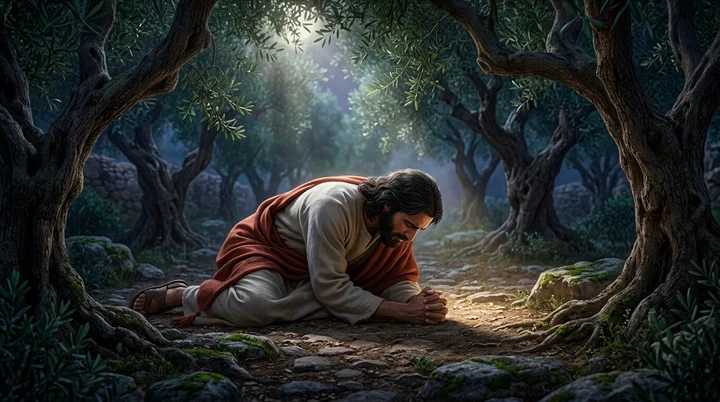
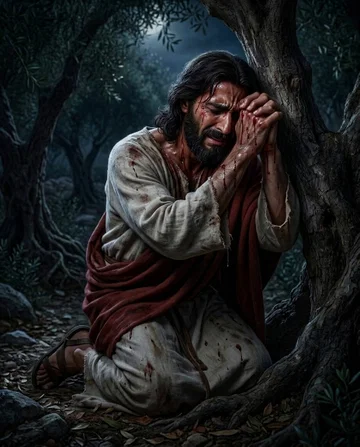
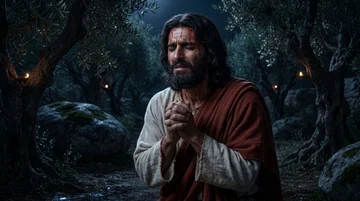
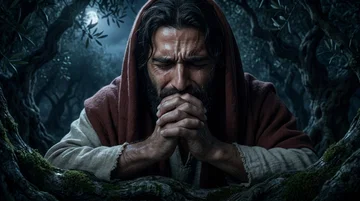
Who in the days of his flesh, when he had offered up prayers and supplications with strong crying and tears unto him that was able to save him from death, and was heard in that he feared;
Translations
Who in the days of his flesh, when he had offered up prayers and supplications with strong crying and tears to him that was able to save him from death, and was heard in that he feared;
King James Version, KJV Cambridge Paragraph Bible
Who in the days of his flesh, when he had offered up prayers and supplications with strong crying and tears unto him that was able to save him from death, and was heard in that he feared;
Who in the days of his flesh, when he had offered up prayers and supplications with strong crying and tears to him that was able to save him from death, and was heard, in that he feared;
Revised Version, American Standard Version
Who in the days of his flesh, having offered up prayers and supplications with strong crying and tears unto him that was able to save him from death, and having been heard for his godly fear,
who in the days of his flesh both prayers and supplications unto Him who was able to save him from death — with strong crying and tears — having offered up, and having been heard in respect to that which he feared,
Who in the days of his flesh, having offered up both supplications and entreaties to him who was able to save him out of death, with strong crying and tears; ( and having been heard because of his piety;)
Who, in the days of his flesh, having offered up, both supplications and entreaties unto him that was able to save him out of death, with mighty outcries and tears, and been hearkened to by reason of his devoutness,
Berean Standard Bible, Majority Standard Bible
During the days of Jesus’ earthly life, He offered up prayers and petitions with loud cries and tears to the One who could save Him from death, and He was heard because of His reverence.
He, in the days of his flesh, having offered up prayers and petitions with strong crying and tears to him who was able to save him from death, and having been heard for his godly fear,
Who in the days of his flesh, having sent up prayers and requests with strong crying and weeping to him who was able to give him salvation from death, had his prayer answered because of his fear of God.
Who in the dayes of his flesh did offer vp prayers and supplications, with strong crying and teares vnto him, that was able to saue him from death, and was also heard in that which he feared.
Douay-Rheims (Challoner revision)
Who in the days of his flesh, with a strong cry and tears, offering up prayers and supplications to him that was able to save him from death, was heard for his reverence.
Pictures





Cross-references 20 of 73
- Hebrews 4:15
For we have not an high priest which can not be touched with the feeling of our infirmities; but was in all points tempted like as we are, yet without sin.
Christ was tempted as humans are, yet without sin, and sympathizes with human weakness.
- Luke 22:44
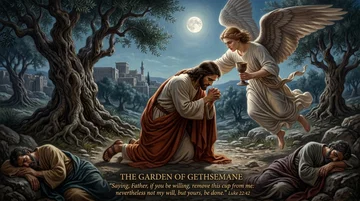
And being in an agony he prayed more earnestly: and his sweat was as it were great drops of blood falling down to the ground.
Jesus prays earnestly in agony, with sweat like drops of blood.
- Matthew 26:36-44
Then cometh Jesus with them unto a place called Gethsemane, and saith unto the disciples, Sit ye here, while I go and pray yonder.
Jesus prays earnestly in anguish and submits to the Father’s will.
- Hebrews 2:17-18
Wherefore in all things it behoved him to be made like unto his brethren, that he might be a merciful and faithful high priest in things pertaining to God, to make reconciliation for the sins of the people.
Christ shared human suffering and, having suffered when tempted, can help the tempted.
- Luke 6:12
And it came to pass in those days, that he went out into a mountain to pray, and continued all night in prayer to God.
Jesus spends the night in prayer to God.
- Hebrews 8:1-2
Now of the things which we have spoken this is the sum: We have such an high priest, who is set on the right hand of the throne of the Majesty in the heavens;
Christ is the high priest seated in heaven, ministering in the true sanctuary.
- Hebrews 2:17
Wherefore in all things it behoved him to be made like unto his brethren, that he might be a merciful and faithful high priest in things pertaining to God, to make reconciliation for the sins of the people.
Christ was made like his brethren, sharing their human sorrows.
- Hebrews 2:10
For it became him, for whom are all things, and by whom are all things, in bringing many sons unto glory, to make the captain of their salvation perfect through sufferings.
Christ was made perfect through suffering, bringing many sons to glory.
- Hebrews 7:25
Wherefore he is able also to save them to the uttermost that come unto God by him, seeing he ever liveth to make intercession for them.
Christ’s earthly prayers continue in his intercession for those he saves.
- Isaiah 53:3
He is despised and rejected of men; a man of sorrows, and acquainted with grief: and we hid as it were our faces from him; he was despised, and we esteemed him not.
Both describe Christ as a man of sorrows, acquainted with grief.
- John 1:14
And the Word was made flesh, and dwelt among us, ( and we beheld his glory, the glory as of the only begotten of the Father,) full of grace and truth.
The Word became flesh, the humanity in which Christ prayed.
- John 5:30
I can of mine own self do nothing: as I hear, I judge: and my judgment is just; because I seek not mine own will, but the will of the Father which hath sent me.
Jesus depends on the Father and seeks his will rather than his own.
- Hebrews 4:16
Let us therefore come bold ly unto the throne of grace, that we may obtain mercy, and find grace to help in time of need.
The throne of grace is where believers seek help in their need.
- Mark 14:32-36
And they came to a place which was named Gethsemane: and he saith to his disciples, Sit ye here, while I shall pray.
Christ prays in anguish, submitting his will to the Father.
- Matthew 26:38
Then saith he unto them, My soul is exceeding sorrowful, even unto death: tarry ye here, and watch with me.
Jesus’ sorrow in Gethsemane reaches the point of death.
- Philippians 2:7-8
But made himself of no reputation, and took upon him the form of a servant, and was made in the likeness of men:
Christ took human form, humbled himself, and became obedient unto death.
- Mark 1:35
And in the morning, rising up a great while before day, he went out, and departed into a solitary place, and there prayed.
Jesus rises early to pray alone.
- John 17
These words spake Jesus, and lifted up his eyes to heaven, and said, Father, the hour is come; glorify thy Son, that thy Son also may glorify thee:
Jesus fervently prays for his disciples before his suffering.
- Isaiah 53:5-6
But he was wounded for our transgressions, he was bruised for our iniquities: the chastisement of our peace was upon him; and with his stripes we are healed.
Christ suffers for human transgressions, bearing the sins of others.
- Matthew 26:42
He went away again the second time, and prayed, saying, O my Father, if this cup may not pass away from me, except I drink it, thy will be done.
Jesus submits to the Father’s will and accepts drinking the cup.
Commentary
Each commentary is drawn from primary sources: the writings of Ellen G. White and Adventist pioneers and periodicals. Each commentary is separate. Its own words are not a quotation; follow the references to read the source passages.
Ellen G. White
70 sources
In His earthly human life as High Priest taken from among men, Jesus on the night of betrayal in Gethsemane kneeled apart from His disciples and offered agonizing petitions with loud cries and tears to the Father in heaven who was able to save Him from death.Lt 67, 1902, par. 17–21Ms 94, 1902, par. 12–13ST Aug 9, 1905ST Aug 9, 1905Lt 29, 1880, par. 7–8 He was heard because He prayed as a Son with earnest reverent submission while learning obedience, and His dread was that He might refuse to drink the cup of imputed transgression and suffering for sin, which would have left no human being able to be saved.Ms 24, 1898, par. 12–13Lt 54, 1908, par. 22–25ST Aug 9, 1905Ms 134, 1905, par. 6Lt 29, 1880, par. 7–8 He was answered not by removal of the cup but by strengthening, with one angel commissioned to sustain Him while other angels watched with deepest interest, restrained from delivering Him so the plan of redemption could be fulfilled.DA 419.1–4Ms 93, 1899, par. 20–21SG1 46.2 Being made perfect through suffering He became the compassionate author of eternal salvation to all who obey Him, understanding temptation and weakness yet without sin, and able to succor, pity and rescue the tempted and faint-hearted.Lt 67, 1902, par. 17–21Ms 24, 1898, par. 12–13Lt 208, 1902, par. 46–49Ms 49, 1903, par. 8ST Sep 5, 1900 His life of frequent solitary night prayer shows that if the sinless Son needed fresh supplies of grace to be braced for duty and trial, finite erring beings need it far more, and they must come boldly to the throne of grace with earnest heartfelt supplication and not cease because of weakness or evil thoughts.7T 42.3–43.1Ms 49, 1903, par. 8ST May 10, 18834T 528.1–2Ms 134, 1901, par. 4–8
Words and Historical Setting
In the days of his flesh means Christ's earthly human life, when the great High Priest taken from among men lived in human nature as bone of our bone and flesh of our flesh to understand human temptation.Lt 67, 1902, par. 17–21Ms 24, 1898, par. 12–13Lt 208, 1902, par. 46–49 Having laid off His royal robe and kingly crown He came as a poor man's son among the poverty-stricken, and though He could have come with His angels He came without excuse for humanity, having nowhere to lay His head and night after night sleeping in the open air with the disciples while bearing all the temptations of Satan so that no poor or tempted person can say He does not know poverty or temptation.Lt 67, 1902, par. 17–21Lt 208, 1902, par. 46–49Ms 177, 1907, par. 33
The verse points especially to Gethsemane on the night of the betrayal, where in deep sorrow He left the disciples with the charge to watch and pray lest they enter into temptation, because He knew their faith was to be tried and their hopes disappointed.Ms 94, 1902, par. 12–13SG1 46.2Ms 42, 1897, par. 18–22 He went apart from them, kneeled down and prayed for the cup to be removed while submitting not to His own will but to the Father's will, and being in an agony He prayed more earnestly until His sweat was as great drops of blood falling to the ground.Ms 94, 1902, par. 12–13SG1 46.2Ms 42, 1897, par. 18–22 That hour was the awful moment that was to decide the destiny of the world with the fate of humanity hanging in the balance, and even then He could still wipe the bloody sweat away, leave man to perish in iniquity, and go back to the Father.ST Aug 9, 1905ST Aug 9, 1905
Him that was able to save Him from death is the Father in heaven, whom He trusted and to whom He sent agonizing petitions with deep reverence and intense cries and tears.Ms 94, 1902, par. 12–13Lt 29, 1880, par. 7–8 He was heard in that He feared means He prayed with earnest reverent submission as a Son learning obedience by the things He suffered, and that humble reverent prayer was heard.Ms 24, 1898, par. 12–13Lt 54, 1908, par. 22–25Lt 29, 1880, par. 7–8 His humble human life and suffering served humanity, and the only conditions for being saved in God's appointed way are becoming as little children in obedience and humility.Ms 24, 1898, par. 12–13Lt 54, 1908, par. 22–25
His fear was that He would refuse to drink the cup of suffering, with the fear of moral failure pressing on Him in Gethsemane as severely as the fear of death, and His temptation was real and resisted at the cost of blood.ST Aug 9, 1905Ms 134, 1905, par. 6Ms 93, 1899, par. 20–21 If He had refused it no human being could be saved, for only by His suffering and death could human beings be placed on vantage-ground and on saving ground, and only by drinking the bitter cup of imputed transgression could He save the race from perishing in sin.ST Aug 9, 1905Ms 134, 1905, par. 6Ms 93, 1899, par. 20–21 He was heard by being answered and strengthened, for on the mountain He prayed for strength to endure the test for humanity and that His disciples would see His divine glory and kingdom so they could endure His coming agony knowing His death belonged to the plan of redemption, and His prayer was answered when divine glory appeared.DA 419.1–4Ms 93, 1899, par. 20–21 In Gethsemane God strengthened Him, commissioning only one angel to strengthen Him in His agony while angels hovered over the place and angels in heaven cast aside their crowns and harps and silently watched Him with deepest interest with no joy in heaven, longing to surround Him but restrained by commanding angels lest at seeing His betrayal they would deliver Him, because the plan was laid out and must be fulfilled.Ms 93, 1899, par. 20–21SG1 46.2Ms 42, 1897, par. 18–22
Christ's Humanity and Priesthood
He did not take the priesthood upon Himself but was appointed by God a priest forever after the order of Melchizedek, and that ministry is to be respected and no missionary work set above the ministry of the Word.Ms 24, 1898, par. 12–13Lt 208, 1902, par. 46–49Lt 384, 1904, par. 13–14 As the only begotten Son who knew no sin yet bore the penalty of sin, He was taken from among men in bone of our bone and flesh of our flesh to understand human temptation.Lt 67, 1902, par. 17–21Ms 177, 1907, par. 33 He laid off His royal robe and kingly crown to come as a poor man's son among the poverty-stricken with nowhere to lay His head, sleeping night after night in the open air with the disciples, so that no poor or tempted person can say He does not know poverty or temptation.Lt 67, 1902, par. 17–21Ms 177, 1907, par. 33
He was tempted in all points as humans are tempted yet without sin, without any taint of sin and without the passions of fallen human nature, though compassed with like infirmities and human need.Lt 208, 1902, par. 46–49GW92 28.3–29.1RH Jun 25, 1908Ms 20, 1868, par. 5–8MWISDAP 43.4–44.1 In His humanity He felt need for fresh supplies of grace and strength against Satan and sought them as a kneeling suppliant and Elder Brother, while His divinity remained unstained and His voice still stilled the storm and summoned the dead.GW92 28.3–29.1Ms 20, 1868, par. 5–8MWISDAP 43.4–44.1 In His human nature He overcame by earnest prayer and perfected a character after the divine likeness by perfect obedience to every requirement.RH Jun 25, 1908RH Aug 31, 1905
Though He were a Son, He learned obedience by the things which He suffered, and being made perfect through suffering and strong supplication He became complete in obedient character.Lt 67, 1902, par. 17–21Ms 24, 1898, par. 12–13ST Jan 16, 1896Lt 54, 1908, par. 22–25Ms 124, 1905, par. 13–16 Being thus made perfect He became the author and source of eternal salvation to all who obey Him, procuring redemption by His obedient life and by His offering of infinite value and sacrifice on Calvary to put away sin.Lt 67, 1902, par. 17–21Ms 24, 1898, par. 12–13ST Jan 16, 1896Lt 54, 1908, par. 22–25RH Aug 31, 1905 The only way to be saved in God's appointed way is to become as little children in obedience and humility, learning every lesson and working the works of God, for without true obedience labors cannot be accepted and there is no salvation.Lt 67, 1902, par. 17–21Lt 54, 1908, par. 22–25
Because He endured that conflict and met the temptation to become discouraged under weakness and sin, He has compassion on the ignorant and on them that are out of the way.Lt 208, 1902, par. 46–49Ms 49, 1903, par. 8ST Nov 18, 1903 He understands and pities those who are tempted, knows how to succor those beset by the powers of darkness, and knows how to rescue those tempted in the same way to become discouraged, faint-hearted and defeated.Lt 208, 1902, par. 46–49Ms 49, 1903, par. 8ST Sep 5, 190012MR 80.1–81.2ST Nov 18, 1903 Through Him those who come to God in His name are accepted in the Beloved, so that sinful repentant beings may be received by the Father and clothed with the robe of righteousness.Lt 67, 1902, par. 17–21 By that sacrifice the sanctification of grace is offered to everyone, giving power from beyond themselves by His Spirit to share the divine nature, overcome worldly corruption, escape the corruption in the world through lust, develop a perfect character, and obtain eternal life by perfect obedience to the laws of God through His grace.Lt 67, 1902, par. 17–21ST Jan 16, 1896RH Aug 31, 1905
What Christ Prayed For
He prayed for Himself and for His disciples for strength, grace and endurance to bear trial and temptation, to be braced against the foe and fortified to fulfill His mission of uplifting humanity, to complete the work of salvation and to embrace the world.GW92 107.1GW 255.4–256.2ST Sep 5, 1900ST Feb 27, 1907LC1 25.1–2 Though sinless and possessing power to heal the sick, raise the dead, calm storms and summon the dead from graves, He shared human need, weakness, temptation and dependence, and through continual private communion, often alone through the night on the mountain, in the garden and at the Mount of Olives rather than for human praise, He was strengthened, refreshed, invigorated and made to prevail.GW92 107.1GW 255.4–256.2ST Sep 5, 1900LC1 25.1–2GW92 28.3–29.1 As representative of humanity and man's substitute identifying with suffering humanity, He sought fresh supplies of strength at the Father's hand to endure temptation and to be braced for duty and prepared for trial, and through His merits God accepts humanity.GW 255.4–256.2ST Sep 5, 1900ST Feb 27, 1907LC1 25.1–2GW92 28.3–29.1
His prayers were not for forgiveness of personal sin or for relief from troubles of His own, but for a world lost in error, pleading that sinful humanity turn from guilt to salvation and not perish in sin and impenitence, even weeping for those who felt no need of prayer and no need of tears.ST Dec 11, 18794T 373.1ST Jul 24, 1893GW92 28.3–29.1ST Mar 1, 1877 After teaching through the day He often spent the night in prayer, sometimes sending the disciples home to rest while He continued, because He saw how weak people are against temptation and how little they recognize their need to pray.4T 373.1ST Jul 24, 18933T 379.2ST Sep 5, 1900STSE 58.1 His prayers and sorrow were to save people from pride, vanity, selfishness, covetousness, love of pleasure and backsliding that crowd out love for Him, and His love for those He came to save remained deep even on the cross where He set their needs above His own suffering.ST Dec 11, 1879ST May 10, 18833T 379.2STSE 58.15T 385.2
With grief and tears He prayed for His mistaken people who rejected the help sent to save them, especially the Jews, Jerusalem and those brought out of bondage, seeing their pride, self-exaltation, selfishness, covetousness, backsliding and love of pleasure.ST May 10, 18833RED 59.2ST Dec 22, 1887ST Mar 1, 1877RH Jun 25, 1908 He grieved as He saw many reject mercy and bring ruin upon themselves, foreseeing their ruin and judgment as His time of personal work nearly ended and their privileges were turned away from truth, pleading for them to accept help and turn from guilt to salvation.ST May 10, 18833RED 59.2ST Dec 22, 1887ST Mar 1, 18772SP 266.1–2 In every trial and emergency He sought help from the Father in private prayer and received strength for His work, and He lived among them the life God requires, free from the slightest taint of impurity and without deviating from righteousness while laboring to overcome their condition.ST May 10, 18833RED 59.2ST Dec 22, 1887ST Mar 1, 1877RH Jun 25, 1908
He poured out bitter supplications with agony of soul in lonely night hours for His disciples in their necessities and dangers, because they did not understand their peril, were indifferent, yielded to temptation and were led from duty into wrongdoing.STB 386.4–387.1Ms 98, 1897, par. 2–5DA 379.2MWISDAP 43.4–44.1Ms 9, 1906, par. 7–8 Their long-cherished hopes, based on popular delusion of worldly exaltation and His exaltation to David's throne with its worldly aggrandizement and honor, were to be disappointed in a most painful and humiliating manner by His crucifixion, which was indeed His true coronation but they did not discern it.DA 419.1–4Ms 98, 1897, par. 2–5DA 379.2 He prayed that their faith would not fail under grievous trial and strong temptations difficult to recognize without the Holy Spirit to enlighten and enlarge comprehension, that they would see His divine glory and kingdom on the mountain and know His death belonged to redemption, that leaders' hearts would be softened to stop resisting His work, and He left them seated while He went apart to oppose the enemy.STB 386.4–387.1DA 419.1–4DA 379.2MWISDAP 43.4–44.1Ms 9, 1906, par. 7–8 His seasons of prayer were connected to that indifference and failure to walk in the light, and after prayer He rose invigorated, refreshed, braced for duty and prepared for trial to impart assurance and hope.STB 386.4–387.1DA 419.1–4Ms 98, 1897, par. 2–5MWISDAP 43.4–44.1Ms 9, 1906, par. 7–8
In Gethsemane His human nature recoiled and trembled at the trial when He prayed for the cup to pass if possible and then surrendered if He must drink it, telling the disciples to watch and pray lest they enter temptation because their faith was to be tried and their hopes disappointed.ST Aug 9, 1905Ms 134, 1905, par. 6ST Aug 9, 1905SG1 46.2 That hour was the awful moment that decided the destiny of the world with humanity hanging in the balance, the issue being whether the innocent would suffer the curse of sin to save the guilty or wipe the bloody sweat away, leave man to perish in iniquity and return to the Father.ST Aug 9, 1905Ms 134, 1905, par. 6ST Aug 9, 1905SG1 46.2 His fear was that He would refuse to drink the cup of suffering and moral failure pressed as severely as death, and His prayer about that cup was heard; if He had refused, no human being could be saved, for only by drinking the bitter cup of imputed transgression and by His suffering and death could humanity be placed on saving ground and vantage-ground and saved from perishing in sin.ST Aug 9, 1905Ms 134, 1905, par. 6ST Aug 9, 1905 Angels hovered over the place and in heaven cast aside crowns and harps to watch with deepest interest without joy, longing to surround Him but restrained lest they deliver Him, and only one was commissioned to strengthen Him in agony with sweat as great drops of blood falling to the ground, because the plan was laid out and must be fulfilled.ST Aug 9, 1905ST Aug 9, 1905SG1 46.2
His agony was beyond what any human could endure and live because the sins of the world rested on Him, bearing the penalty of sin for a guilty world as transgression of the Father's law.ST Aug 14, 1879ST Dec 23, 1897Ms 45, 1892, par. 10–14Ms 184, 1901, par. 1–3 He felt separated from the Father's love with the Father's presence withdrawn, with doubts about His oneness with the Father and with Jehovah rending His soul under sin's curse as the power of darkness pressed upon Him.ST Aug 14, 1879Ms 45, 1892, par. 10–14Ms 184, 1901, par. 1–3 That suffering was not caused by Satan or by human insults, and He willingly endured in guilty humanity's place though He knew few would accept the salvation and righteousness made possible at infinite cost.ST Aug 14, 1879ST Dec 23, 1897Ms 45, 1892, par. 10–14Ms 184, 1901, par. 1–3
He now continues before the throne to receive and present to the Father the petitions of those for whom He prayed on earth.4T 528.1–2GW92 28.3–29.1
How Christ Prayed
He offered prayers and supplications with strong crying and tears, with intense earnestness and sorrow and agony of soul and loud appeals, often bowed as a man of sorrows acquainted with grief under the pressure of darkness.Ms 24, 1898, par. 12–13ST Jan 16, 1896Ms 94, 1902, par. 12–137T 42.3–43.1 During His human life He prayed to God who was able to save Him from death, seeking deliverance, and He was heard because of reverent submission.Ms 24, 1898, par. 12–13ST Jan 16, 1896Ms 94, 1902, par. 12–13 Something of what He suffered is learned from Gethsemane, where He left the disciples with the charge to pray earnestly, went apart from them, kneeled down and prayed for the cup to be removed while submitting to the Father's will, and being in an agony prayed more earnestly until His sweat was as great drops of blood falling to the ground.Ms 94, 1902, par. 12–13 His prayer in this stands as the example of the importance of prayer.7T 42.3–43.1
He prayed often, earnestly and privately in solitude rather than in the street for human praise, frequently spending whole nights on the lonely mountain, in the garden, in the desert or at the Mount of Olives while others slept.4T 373.1ST Jul 24, 1893ST Feb 27, 1907LC1 25.1–2Ms 24, 1898, par. 27 After teaching through the day He often sent the disciples home to rest while He continued in prayer, and sometimes said Tarry here while He went apart.ST Jul 24, 1893ST Feb 27, 1907LC1 25.1–2Ms 24, 1898, par. 271RED 25.1–2 He chose solitude so others would not bear the sorrow weighing on His divine soul, especially when Satan's temptations pressed upon Him.Ms 24, 1898, par. 27 His petitions were powerful and mingled with strong cries and tears, offered not for Himself but for the people He came to redeem, for strength to endure temptation and to complete the work of salvation.4T 373.1LC1 25.1–21RED 25.1–2 His example shows that prayerful communion with God is necessary for a successful Christian life and brings grace and strength for duty and trial, and that through His merits God accepts humanity.ST Jul 24, 1893ST Feb 27, 1907
As a kneeling suppliant and mighty petitioner He sought at the Father's hand fresh supplies of grace and strength, and prayer was a necessity of His humanity and Elder Brotherhood.STB 386.4–387.1GW92 28.3–29.1MWISDAP 43.4–44.1Ms 9, 1906, par. 7–8 Though compassed with human infirmities and in all points tempted as men are, He remained without sin, with divine power whose voice was heard in the fourth watch of the night by disciples on the stormy sea and whose word could summon the dead from their graves.STB 386.4–387.1GW92 28.3–29.1MWISDAP 43.4–44.1 His petitions were often accompanied with strong crying and tears and agony of soul, poured forth in lonely night hours while angels watched, rising to all heaven in behalf of fallen humanity with whose interests He identifies Himself, especially as He saw the necessities and dangers of His disciples who did not understand their own peril and under Satan's temptations were led away from duty into wrongdoing.STB 386.4–387.1MWISDAP 43.4–44.1Ms 9, 1906, par. 7–8 He came forth from prayer invigorated and refreshed to impart lessons of assurance and hope, braced for duty and prepared for trial.STB 386.4–387.1GW92 28.3–29.1MWISDAP 43.4–44.1Ms 9, 1906, par. 7–8 He prayed not for Himself but for those He came to save, even for those who felt no need of prayer, and wept for those who felt no need of tears, and as man's substitute and the Prince of Life He had power with God and prevailed for His people.GW92 28.3–29.1 He is now before the throne to receive and present to the Father the petitions of those for whom He prayed on earth, so prayer is a necessity in labor for souls because God alone gives the increase.GW92 28.3–29.1
He gave unstinted service without measuring His work by hours, giving His time, heart, soul and strength to benefit humanity, toiling through weary days and bending in prayer through long nights for grace and endurance to do a larger work.Ms 24, 1898, par. 271RED 25.1–2MH 500.4Ms 164, 1899, par. 28–29 With strong crying and tears He sent His petitions to heaven that His human nature might be strengthened, that He might be braced to meet the wily foe in all his deceptive workings, and fortified to fulfill His mission of uplifting humanity and to embrace the world, and this life is the example His workers are to follow and do as He did.MH 500.4Ms 164, 1899, par. 28–29 His petitions were earnest and mingled with strong cries and tears, offered in private to His Father, not in the street to be heard by men, for strength to sustain Him under the temptations He would meet and to accomplish His work for the salvation of man.1RED 25.1–2 Though He labored in soul through the night He did not cease His labor through the day, but in the morning quietly resumed His work of mercy and disinterested benevolence.1RED 25.1–2
His humanity was just as human humanity, subject to temptation, yet He never failed on a single point.Ms 188, 1907, par. 9Ms 177, 1907, par. 33 He took His disciples aside away from the scenes and bustle of the world to converse with them about the power that must come to man to escape the temptations of Satan, then went aside from them to pray where they could hear His petition with loud cries and tears.Ms 188, 1907, par. 9Ms 177, 1907, par. 33Ms 38, 1889, par. 1 Having laid off His royal robe and kingly crown to come as a poor man's son among the poverty-stricken, He bore all the temptations of Satan so no poor or tempted person can say He does not know poverty or temptation, having nowhere to lay His head and night after night sleeping in the open air with the disciples, then going apart by Himself to send prayers up to His Father who was able to save Him from death, while the disciples heard Him from a distance praying with strong crying and agonizing petitions.Ms 177, 1907, par. 33 He spent much time in prayer to His Father as needful for His work, often separating Himself from His disciples, yet they heard His strong appeals to God.Ms 38, 1889, par. 1 If the Son of God deemed such prayer needful, finite erring beings who feel no need of praying and are subject to influences calculated to draw the mind away from God need it far more, yet believers need not fail either if they will lay hold of His divine power, read the Word, and have great faith instead of only a sprinkling of faith, for Christ in this world met difficulties greater than believers have to meet.Ms 188, 1907, par. 9Ms 38, 1889, par. 1
Intense distress may accompany prayer, but such outward intensity is not required for God to hear, for Jesus also hears the quiet prayer of faith from one who trusts God's word and reaches out to the Saviour and receives His blessing.2SP 321.2 He met and resisted the temptation to stop praying under a sense of weakness and sin, when Satan casts a dark shadow between the soul and Jesus the atoning sacrifice and suggests prayer is useless because evil thoughts are mingled with it.Ms 49, 1903, par. 8ST Nov 18, 1903 Because He endured that conflict, He knows how to rescue those who are tempted in the same way to become discouraged, faint-hearted and defeated.Ms 49, 1903, par. 8ST Nov 18, 1903 No one must cease to pray because thoughts are evil or prayers and life are imperfect, for imperfection is upon all humanity, and if anyone could pray aright by own wisdom and strength he could also live aright and would need no atoning sacrifice, so the needy must keep telling the Lord simply what is needed and seeking forgiveness and pardon until a purer, holier atmosphere surrounds the soul.Ms 49, 1903, par. 8ST Nov 18, 1903
Example and Call to Pray
His prayer stands as the example that shows the importance and necessity of prayer, for human nature requires all divine support to be braced for duty and prepared for trial.7T 42.3–43.1ST May 10, 18834T 528.1–2ST Feb 27, 1907 Though sinless and the Prince of life, as Son of man He sought strength from the Father with intense earnestness and tears, and though He had power to heal the sick, raise the dead and command the storm, He depended on continual communion with the Father to strengthen His human nature for service and trial.ST May 10, 18834T 528.1–2GW 255.4–256.2ST Sep 5, 1900 If He who had power over disease, storms and death prayed for strength and grace and came forth invigorated and refreshed to impart assurance and hope, finite erring beings need communion far more to endure life's trials and duties.GW 255.4–256.2ST Sep 5, 1900ST Feb 27, 1907 He prayed for Himself and His disciples and nightly on behalf of humanity He came to save, grieving for mistaken people who rejected salvation, and through His merits God accepts humanity while He now presents to the Father the petitions of those for whom He prayed on earth, able to sympathize because He shared human temptation.ST May 10, 18834T 528.1–2GW 255.4–256.2ST Sep 5, 1900ST Feb 27, 1907
Strength and courage against temptation and the powerful temptations of the evil one are found only at the throne of grace, where wants are humbly made known and with strong cries and tears heavenly strength is pleaded for to be fortified.Ms 134, 1901, par. 4–8ST Mar 8, 18831T 496.1–497.2 That strength excitement and misused music cannot impart.Ms 134, 1901, par. 4–8ST Mar 8, 18831T 496.1–497.2 No one must cease to pray because thoughts are evil or prayers and life are imperfect, for imperfection rests on all humanity and if anyone could pray aright by own wisdom and strength he could also live aright and would need no atoning sacrifice.Ms 49, 1903, par. 8ST Nov 18, 1903 He met and resisted the temptation to stop praying under a sense of weakness and sin, when Satan casts a dark shadow between the soul and Jesus the atoning sacrifice and suggests prayer is useless because evil thoughts are mingled with it, and because He endured that conflict He knows how to rescue those tempted in the same way to become discouraged, faint-hearted and defeated.Ms 49, 1903, par. 8ST Nov 18, 1903 The needy must keep simply telling the Lord what is needed and seeking forgiveness and pardon until a purer and holier atmosphere surrounds the soul.Ms 49, 1903, par. 8ST Nov 18, 1903
Prayer must be earnest, zealous and heartfelt, with self-denial and sacrifice, pleading with God for pardoning grace and for strength to resist the temptations of Satan.MYP 383.3Lt 146, 1897, par. 18 As King of glory He often went alone to the mountains and desert places to pour out His soul's request to His Father with earnest pleading, tears and strong cries, bowed as a man of sorrows acquainted with grief, calling for heartfelt dependence on God in the work entrusted.MYP 383.3Lt 146, 1897, par. 18 This belongs to experimental religion and not profession alone, and exposes sinful man, in whom is no strength, who thinks he can live without so much prayer while Christ Himself prayed much.MYP 383.3 Those who refuse this earnest prayer will receive the portion of the transgressor, with names registered on earth but not in the book of life.MYP 383.3
Workers, Sabbath-school teachers, parents and all who labor for souls must plead with the same strong crying and tears for precious souls going to ruin and in danger of ruin, weeping in agony for the sheep of His pasture.ST Jan 19, 1882Lt 23, 1871, par. 15–19RH Dec 24, 1901GW 26.1 He wept and agonized and prayed that lost man might be redeemed, and that same spirit that moved Him to come to earth to suffer and die is needed daily to save the souls of loved ones and children, a work of infinitely greater consequence than temporal affairs, since to gain the whole world is no compensation for the loss of a soul.ST Jan 19, 1882 Those who warn sinners cannot do the great, solemn, sacred work in their own strength or by arguments on Bible truth alone, but must secure the Lord to be with them by holy living and earnest, fervent prayer, linking souls with Christ, dying to self and dying to sin to live to God and honor Him daily, trusting the living Jesus to impart His power and work with them and to send angels to prepare the way so they can have access to hearts.Lt 23, 1871, par. 15–19 Consecrated Sabbath-school teachers are to intercede for the youth committed to their charge as men and women of strong faith and warm sympathies, fervent in spirit, giving self to the work with unselfish endeavor at whatever sacrifice is required, laying self on the altar, crucifying all selfish ambition, pleading for conversion with intense tearful earnestness, in lowliness of mind esteeming others better than self, with the first ambition to educate youth to do duty in the fear of God with simplicity.TSSW 73.1 There is no harvest without seed-sowing and no result without effort, but labor with the fervor His voice gives rebukes Satan.Lt 23, 1871, par. 15–19TSSW 73.1
Believers need not fail but may lay hold of His divine power, read the Word and have great faith rather than only a sprinkling of faith.Ms 188, 1907, par. 9 His humanity was just as human humanity, subject to temptation, yet He never failed on a single point, taking His disciples aside away from the scenes and bustle of the world to converse about the power that must come to man to escape the temptations of Satan, then going aside to pray where they could hear His petition with loud cries and tears.Ms 188, 1907, par. 9 In this world He met difficulties greater than believers have to meet and lived the life God requires free from impurity.Ms 188, 1907, par. 9 The tried and tempted should look to Jesus, come boldly to the throne of grace for mercy and help in time of need, draw nigh to God, walk humbly and keep the tongue from uttering provoking words when feelings are stirred, for as High Priest appointed by God and not self-appointed, a priest forever after the order of Melchizedek, tempted in all points like the human family yet without sin, He has compassion on the ignorant and on those out of the way, being compassed with infirmity, knows how to succor those beset by the powers of darkness, is present with His workers, and one who puts trust in Him can never be severed from Him by any man.Lt 208, 1902, par. 46–49 They are to go directly to Jesus Christ who never makes a mistake instead of going to any human being for help, as part of coming out from the world and being separate and cutting loose from its entanglements, while the Word is presented in the love of Christ and in the power of the Spirit.Lt 208, 1902, par. 46–49Lt 347, 1907, par. 8 In severe affliction strong crying and tears are to continue until God gives peace and light, renewing the resolve not to fail but to press on.Lt 208, 1902, par. 46–49Lt 347, 1907, par. 8Lt 396, 1906, par. 2
Sources
Pioneers and periodicals
86 sources
In the days of his mortal earthly life Jesus poured out loud, intense, weeping pleading to the Father who was able to save him from death, and he was heard because of his reverent submission and godly fear, though he was not spared from dying.RH Mar 12, 1914ST Oct 21, 1889RH Mar 5, 1867ST Aug 16, 1905ST Jan 21, 1889 The prayer belongs especially to his agony in Gethsemane, where bearing the sins of the world under the curse he pled for the cup to pass and then surrendered to the Father's will, even with bloody sweat and a sense of separation from the Father's love.ST Mar 17, 1914ST May 2, 1906ST Sep 29, 1914ST May 23, 1906ST Mar 27, 1901 He was heard not by escape from death but by being strengthened by an angel to endure to the cross and by victory over death in resurrection.ST Jul 7, 1914ST Nov 11, 1889 Though he was the sinless Son he learned obedience by what he suffered, meeting every temptation without yielding and being made perfect through suffering to become the Author of eternal salvation to all who obey him.ST Mar 17, 1914ST Oct 21, 1889RH Mar 5, 1867ST Jan 21, 1889 That trial fitted him to be High Priest after the order of Melchizedek, touched with the feeling of human infirmity and able to pity and help the tempted, leaving his lonely, whole-night, tearful intercession for others as the pattern for believers to pray and overcome even as he overcame.ST Aug 16, 1905ST Jan 21, 1889ST Aug 28, 1898ST Jun 11, 1902RH Sep 15, 1910
Words and Earthly Setting
In the days of his flesh means during his mortal earthly life as a man, born at Bethlehem of the seed of David and come into fallen humanity where the mind is carnal and at enmity with God.RH Mar 5, 1867ST May 2, 1906 It describes the Son of God in humiliation as God with us, stepped down from glory through every plane of created intelligences down to death to share the helplessness, infirmity, sorrow and death of humanity.ST Aug 16, 1905ST May 2, 1906ST Nov 11, 1889 In that human life he suffered as man suffered and met temptation as man must meet it, living triumphantly over sin and conquering so that man may conquer.ST May 2, 1906 His earthly mortal praying belonged to that condition, offered to God who could rescue him from death.RH Mar 5, 1867ST Aug 16, 1905ST Nov 11, 1889
He offered up prayers and supplications with strong crying and tears, meaning loud, intense, earnest weeping and pleading beyond ordinary prayer.RH Mar 12, 1914ST Oct 21, 1889RH Mar 5, 1867ST Aug 16, 1905RH Sep 28, 1911 His crying was more than ordinary, with intense cries to the Father, and his need for such prayer arose from the enemy's pressure through the inherited weakness of human flesh.RH Mar 12, 1914ST Oct 21, 1889RH Aug 8, 1907ST Jan 21, 1889 He trusted God for power and strength to overcome every temptation, and his example included spending whole nights in earnest prayer for his people.RH Aug 8, 1907RH Sep 28, 1911 Though he was the Son and never sinned or disobeyed, suffering taught him by experience what people face as they strive to obey.ST Oct 21, 1889RH Mar 5, 1867ST Jan 21, 1889
His prayer was addressed to the One able to save him from death, that is the Father and God on whom he depended, entrusting himself and leaving his case in God's hands.ST Aug 16, 1905ST Jan 21, 1889ST Jul 7, 1914RH Sep 28, 1911ST Sep 29, 1914 In complete self-denial he emptied himself so God could fill him and reveal the Father in human flesh rather than revealing himself, yielding without reserve so God could be manifested in him.ST May 2, 1906 He was heard in that he feared, meaning God listened because of reverent devotion, reverent submission, godly fear and piety.RH Mar 5, 1867ST Aug 16, 1905ST Jan 21, 1889ST Aug 28, 1898RH Sep 28, 1911 He was heard though he was not spared from dying, but faced suffering and death with steadfast faith and obedience to his Father.ST Jul 7, 1914
What he feared in anguish, when human limitations seemed to hide the knowledge of his triumph, included dread that his offering would not suffice to meet the debt of accumulated sin laid upon his sacrificing soul.ST Mar 17, 1914ST Sep 29, 1914ST Dec 2, 1913 Having voluntarily united himself with human flesh and identified with a sinful race, sharing its inherited sorrows and tasting death for each individual person, the penalty of multiplied guilt was laid upon him for the redemption of humanity and produced anguish and dread.ST Mar 17, 1914ST Dec 2, 1913 His fear in the dreadful Gethsemane experience was also that he would refuse to drink the cup of suffering and bitter cup of imputed transgression apportioned to guilty man.ST Aug 9, 1905ST Aug 9, 1905 Refusal to drink, wiping the bloody sweat away and leaving man to perish in iniquity, would have meant no human being could be saved or placed on vantage-ground, since only by his suffering and death could the race be saved from perishing in sin.ST Aug 9, 1905ST Aug 9, 1905 His fear before suffering and death was a real, innocent human feeling as he faced death with cries and groans under sin's burden despite his sinlessness, and his tears expressed sympathy for humanity rather than grief for himself.RH Mar 12, 1914RH Nov 14, 1854ST Apr 3, 1879
Gethsemane Prayer and Answer
The verse points especially to the agony in the garden of Gethsemane and on Olivet, where with loud cries and tears He pleaded that the cup might pass if possible and then surrendered to the Father's will.ST May 2, 1906ST May 23, 1906RH Feb 8, 1912RH Nov 19, 1857 In that garden suffering His sinless oneness with the Father did not remove dread, and God's eternal purpose purposed in Christ, by which His people were chosen in Him before the foundation of the world, was fulfilled in that suffering prayer.ST Mar 17, 1914RH Feb 8, 1912 His pleading there was for the One able to save Him from death, offered in reverent fear and submission, and it was heard, with strengthening sent so He would not die before the cross.ST May 2, 1906ST May 23, 1906RH Nov 19, 1857
His troubled cry to be saved from the hour, heard again as the plea for the cup to pass, gave way to the mission for which He came, to seek and save, so that He prayed instead for the Father's name to be glorified.ST May 2, 1906ST May 23, 1906 That change from asking for escape to asking for glorification was answered in His suffering victory.ST May 2, 1906ST May 23, 1906
His suffering there included bloody sweat falling to the ground under the climax of His earthly work as He pleaded for strength to endure what He dreaded.ST Sep 29, 1914ST Mar 27, 1901 The sins and misery of the world rested upon Him, and He felt separated from the Father's love under sin's curse, with the weight bringing doubts about His oneness veiling His triumph.ST Aug 14, 1879ST Sep 29, 1914ST Dec 15, 1898ST Apr 3, 1879 That agony was beyond what any human being could endure and live, yet He endured temptation and distress without sin, and His cries, groans and suffering measure the terrible evil and guilt of sin, showing sin could not be banished without His suffering.ST Aug 14, 1879ST Sep 29, 1914ST Apr 3, 1879 His night of sorrow as the sinner's substitute ended in resurrection, the night of weeping giving way to morning joy as the firstfruits guaranteeing a resurrection morning for His saints.RH Jun 12, 1855
He was heard not by being spared from dying but by being given strength and support to endure what lay ahead, facing suffering and death with steadfast faith and obedience.ST Jul 7, 1914RH Nov 19, 1857RH Nov 20, 1856 An angel strengthened Him in Gethsemane, and His faith in God's word gave Him complete victory over sin and thus victory over death, committing His spirit to the Father and trusting the promise that He would rise on the third day.RH Nov 19, 1857ST Jan 18, 1899 God answered by raising Him from the dead, so that death no longer has dominion over Him.ST Nov 11, 1889ST Jan 18, 1899
His suffering and shedding of blood for the atonement began in Gethsemane and ended on the cross with It is finished.RH Nov 19, 1857 That awful hour decided the destiny of the world, with the fate of humanity hanging in the balance, for even then He could still have wiped the bloody sweat away, refused the cup apportioned to guilty man, left man to perish in iniquity, and returned to the Father.ST Aug 9, 1905ST Aug 9, 1905 Only by drinking the bitter cup of imputed transgression and suffering the consequences of the curse could the innocent save the guilty and place human beings on vantage ground so none need perish in sin.ST Aug 9, 1905ST Aug 9, 1905
His earnest prayer for help belonged not only to Gethsemane but to His whole life, including the forty-day fast and temptation, nights spent in prayer, prayer in the mountains and in the open air, and fervent prayer for His disciples.ST Jul 24, 1893RH Aug 1, 1907ST Nov 11, 1889ST Aug 20, 1902 In the shadow of Olivet He knelt as a humble suppliant pleading for strength for Himself and for those called out to give the message of salvation, and after the day's work He often sent the disciples to rest while He continued in prayer.ST Jul 15, 1908ST Jul 24, 1893 His disciples heard His strong cries, yet their failure to keep praying left them unprepared for temptation, so He urged them to watch and pray because the spirit is willing but the flesh is weak.ST Jan 20, 1914ST Nov 11, 1889 His grief and continued pleading for sinful people, sharing their infirmities, made Him a wise and mighty Redeemer who sympathizes with human weakness.ST Nov 11, 1889ST Aug 20, 1902
Obedience Through Suffering
Though he was the Son he learned obedience by the things he suffered, not because he had ever disobeyed or sinned but because suffering taught him by experience what human beings face as they strive to obey.ST Oct 21, 1889RH Mar 5, 1867ST Jan 21, 1889 His distress included the agony of the lost and questions about his own sufficiency, with human limitations seeming to veil the knowledge of his triumph, yet he entrusted his case to God and endured temptation and doubt without sin or distrust.ST Sep 29, 1914 This suffering and victory over temptation came before and fitted him for his priesthood.ST Aug 28, 1898ST Jun 11, 1902
His need for earnest prayer arose from the pressure of the enemy working through the inherited weakness of human flesh.ST Oct 21, 1889 Living in a dependent human condition he continually received almighty creative power from the Father, which enabled him to live in perfect harmony with God and keep his character pure and unspoiled by the world.ST Mar 29, 1899 He sought the power needed to overcome the evil tendencies of humanity, and the Father heard him and gave what he sought, so that his victory was lived out in genuine human weakness through help from the Father. In complete self-denial he gave up confidence in self and yielded without reserve to God's will, so that God could be manifested and glorified in him, standing in humanity's place with Jehovah as his salvation.ST Apr 1, 1897 He needed strength to face deceptive attacks and to fulfill his mission of uplifting humanity, proving under trial that humanity can obey God's law through the divine power given to believers while making God his trust.ST Oct 14, 1908
He met every temptation of the enemy to the very limit, enduring every cross and despising the shame without yielding and conquering.ST May 2, 1906ST May 23, 1906ST Dec 16, 1889 In the days of his flesh he lived a life of perfect obedience to the law and commandments of God, working the works of him who sent him and speaking only what the Father commanded, tempted in all points like humans yet without sin and exemplifying the law as the example for disciples.ST Dec 16, 1889STST Nov 29, 1905 He was enabled always to obey not by his own power, for of himself he could do nothing, but by faith, which unlocks the power of heaven.ST
Having thus been made perfect through suffering he became to all who obey him the Author of eternal salvation.RH Mar 5, 1867ST Jun 11, 1902 He conquered sin in human flesh, meeting temptation as man must meet it so that man may conquer, and laid the sure, unmovable foundation of everlasting righteousness and character on which God builds his everlasting kingdom.ST May 2, 1906ST May 23, 1906 In his garden agony, though sinless and one with the Father, his suffering perfected him as the offering for sin for all who accept him.ST Mar 17, 1914
By emptying himself so that God could come in and fill him, he revealed the Father's love, power and character in human flesh through every trial.ST May 2, 1906ST May 23, 1906 His victory in human nature provides people the same advantage: power from beyond themselves to share in the divine nature, overcome worldly corruption, and develop a perfect character and live above sin.ST Jan 16, 1896ST Feb 14, 1911 When believers exercise the same mind and renounce self, Christ comes in and dwells in them, and by the power of his life and resurrection they live above sin, with his faith in God's word giving victory over sin and death as he lives in them by faith to deliver them from Satan's power.ST Jan 18, 1899
Priesthood and Eternal Salvation
His suffering, trial and victory over temptation came before and fitted Him for His priesthood, which He entered after that humiliation as one from Judah. In the days of His flesh He prayed with intense cries and tears to God who could save Him from death, and was heard because of godly fear and reverent submission.ST Aug 16, 1905ST Aug 28, 1898ST May 30, 1895 That suffering and obedience prepared Him to conquer and to serve as an effective, merciful and powerful High Priest who can help those who come to God through Him.ST Aug 16, 1905ST Aug 28, 1898ST May 30, 1895 Though He was the Son, He learned obedience by what He suffered and was made perfect, becoming the source of eternal salvation to all who obey Him.ST Jun 11, 1902RH Sep 15, 1910ST May 30, 1895 He learned by experience what strong crying and tears are and what the flesh must suffer, and being thus made perfect He was fitted to become High Priest.RH Sep 15, 1910ST Jun 26, 1907
He is High Priest after the order of Melchizedek, greater than Aaron, whose sinless God-man priesthood in the heavenly sanctuary and true tabernacle replaces the earthly Levitical priesthood of sinful priests. The next step in the Son's humiliation in becoming man as God with us was to suffer as man suffered and meet temptation as man must meet it and conquer so man may conquer, being made perfect through suffering to become Author of eternal salvation and High Priest after the order of Melchizedek. He is the Melchizedek of the universe become also the Melchizedek of this world, its second father in the place lost by Adam. His death was the foundation of His work as High Priest in the heavenly sanctuary, and after being raised He ascended to serve for humanity in the new-covenant sanctuary in heaven, the true tabernacle, in place of the earthly sanctuary and its priesthood.RH Feb 3, 1853RH Mar 1, 1870 His priesthood began after this humiliation, giving splendid instruction and wonderful encouragement to God's children with warning of the certain fate of those who reject the means by which He saves men, since believers no longer approach God through priests who had sinful flesh.ST Nov 3, 1909ST Apr 1, 1897ST Sep 9, 1930
Through severe conflict He became a perfect, holy, guileless, undefiled offering and priest, separated from sinners, unlike the sinful Aaronic high priests who had first to offer for themselves. In the days of His flesh He passed through severe conflict, praying to God with strong crying and tears, and by that became a perfect offering and priest for God's children.ST Jun 26, 1907 His self-giving reached its climax in His human life and death, where He went to the depths of death and remained faithful, demonstrating steady commitment to save and to uphold God's government.STST Aug 19, 1913 By His temptations and sufferings, by His prayers and tears, by His holy living and sacrificial dying, He identified Himself with every living soul and consecrated a new and living way for each soul through all the changes and experiences of life, and even through death and the grave, into the holiest of all at God's right hand forevermore.ST Jan 31, 1906
Because He was tempted in all points like men yet without sin and learned what strong crying and tears are, He is touched with the feeling of infirmities and sympathizes with weakness, sorrow and temptation. Though He was the Son and never sinned, He learned obedience through suffering by experiencing temptation and the struggle against sin in human flesh, knowing what men face when seeking to obey.ST Jan 21, 1889ST Nov 11, 1889 Through this suffering He was made perfect for His work as High Priest, so He can sympathize with and pity men in the flesh while standing in power and fullness to help them overcome.ST Jan 21, 1889ST Dec 16, 1889 He learned by experience what the flesh must suffer, and being tempted in all points as men are He was fitted to be touched with the feeling of infirmities, so that men may come boldly to the throne of grace to obtain mercy and find grace to help in time of need.RH Sep 15, 1910 Though He once lived on earth in human nature, He still bears that nature joined to the divine and remains near as sympathizer and helper in every need, a wise and mighty Redeemer who sympathizes with human weakness, whose grief and suffering belonged not only to Gethsemane but to His whole life of fasting, temptation, nights in prayer and fervent prayer for His disciples.ST Jun 18, 1894ST Jun 18, 1894ST Nov 11, 1889
As humanity's representative and substitute He bore human weaknesses, infirmities, sins and sufferings, and His prayers, tears, holy living and sacrificial dying identified Him with every soul. In His human life He poured out His soul in agony and pleaded for God's help because He bore those weaknesses, infirmities, sins and sufferings as humanity's substitute, and His burden brought Him very low.ST Aug 20, 1912 His prayers of agony were offered on humanity's behalf, suffering and facing temptation in fallen human flesh yet triumphing to show God's power can overcome sin even where sin holds strength.ST Jul 16, 1912 His strong cries and agonies were endured as He suffered for human sin and paid the debt for sin in groaning, weeping and prayer.RH May 21, 1857 His night of sorrow with strong cries and tears as the sinner's substitute ended in resurrection, when God brought His soul from the grave and the night of weeping gave way to morning joy, His rising being the firstfruits of those who sleep and guaranteeing a resurrection morning for His saints.RH Jun 12, 1855
His sufferings, groans, tears and shed blood attest and seal the certainty of hope in Him. Though He endured hunger, thirst, weakness and the enemy's temptations, He did not complain or presume on His Father's compassion, but overcame the enemy, and His blood sealed this assurance.ST Jun 24, 1875
Pattern for Believers Prayer
His distressed private prayer is the pattern for turning to God in need, pouring out sorrow to the Father in earnest persevering petition rather than offering short, cold, formal or public prayer to be heard by men.RH Nov 23, 1869RH Jul 14, 1868RH Nov 5, 1872ST Feb 27, 1896 That pattern meant retiring alone to lonely mountains and open air, sometimes spending whole nights in prayer for his people after a day's work, while others feasted below, with the dews of night upon him.ST Jul 24, 1893RH Sep 28, 1911RH Nov 5, 1872 His praying was intense, loud, and tearful, with strong cries seeking help from the One able to save from death, and he was heard because of reverent fear, teaching disciples their constant need of divine assistance and grace to complete their mission.RH Sep 28, 1911ST Aug 2, 1910RH Nov 23, 1869ST Feb 27, 1896 Believers are therefore to persevere, pray with earnest desire, and state needs specifically rather than in only general petitions.RH Nov 23, 1869RH Jul 14, 1868RH May 7, 1861
His cries and tears were largely for others and not for personal sin, honor, or relief from his own troubles.ST Dec 11, 1879ST May 10, 1883ST Apr 8, 1889RH Nov 5, 1872 He pleaded with deep anguish for a world lost in error that people might not perish in sin and impenitence, for poor sinners, for disciples, and for mistaken people rejecting the salvation he came to bring and choosing the path to ruin and judgment.ST Dec 11, 1879ST May 10, 1883ST Jul 24, 1893RH Nov 5, 1872 Though Son of God with power over disease, storms, and death, he depended as man's representative on communion with the Father for strength and grace, especially for those he came to save, and prayer strengthened and refreshed him for helping others.ST May 10, 1883ST Jul 24, 1893ST Sep 5, 1900 His grief included sorrow over Jerusalem's privileges and coming ruin and over backsliding, pride, selfishness, and the miseries of a sick dying world.ST May 10, 1883ST Oct 27, 1909ST Sep 25, 1901
Believers are to pray and overcome even as he overcame, not in their own strength but by looking to their chief Commander who knows weakness and fully sympathizes.RH Mar 5, 1867ST Aug 2, 1910RH Jul 21, 1868 His passing through the experiences his followers face gives courage and hope in prayer, teaching seekers after the Spirit to give up self-seeking ambitions and trust God with the future to be exalted by him.ST Aug 2, 1910ST Mar 8, 1910 They are to seek strength to endure trial, temptation, and duty, joining feeling and tears to words, stating needs deliberately, and continuing to pray even when thoughts are evil or lives imperfect.ST May 10, 1883RH Mar 12, 1914RH Jul 14, 1868 Earnest prayer mingled with tears may receive more answers, and those who obey are to let their light shine by earnest, tearful, persevering prayer and obedience unto everlasting salvation.RH Mar 12, 1914RH Mar 5, 1867
Such pleading with strong crying and tears for precious souls going to ruin is not in vain but moves God to act.RH Dec 24, 1901RH Sep 1, 1910RH Mar 18, 1915 It is to be deliberate and persistent, bringing the person by name before God who is able to save and before the great Advocate, for children, erring sons and daughters, families, cities, and the sick, rather than resting in a vague wish.RH May 7, 1861RH Mar 18, 1915RH Dec 9, 1915 Prayers lodged by the throne are not forgotten: the arm of Jehovah is stretched out, armies of heaven are sent to assist, seemingly impregnable fortifications of the enemy are taken, truth is planted, blessing and healing come, and many weary wanderers are brought back by guarding angels.RH Sep 1, 1910RH Mar 18, 1915RH Dec 9, 1915 This is the prayer now required for the humanly impossible work of warning populous cities, with weeping between porch and altar, beginning every great movement and speedily finishing the work, and as in Jacob's night of wrestling it gives power with God and then with men when he became a prince.RH Sep 1, 1910RH Dec 28, 1916 Family worship especially must become more than form, full of the Spirit's influence after his earnest pattern, to hold children and youth against infidelity, skepticism, and surrounding evil.RH Dec 9, 1915
Following his path of self-denial puts sinful desires to death and living in Christ can bring persecution, yet sharing sufferings that lead to eternal glory brings depth, growth, comfort, and joy in faithful service even amid exhausting labor, pain, and cries for help.ST Aug 28, 1898ST Feb 11, 1903RH Oct 7, 1915 Those who follow him may endure hard struggles while seeking victory over sin, for his prayers and tears did not purchase what he desired but expressed the greatness of his desire as he bore humanity's sins unto death.RH Feb 3, 1863 In deep sorrow they should cry to God rather than despair, since prayer prepared and strengthened him to endure pain and his prayer was heard.RH Feb 3, 1863ST Oct 27, 1909 His victory came through suffering — bloody sweat, Calvary's darkness, death on the cross — overcome not by force but by self-emptying, meekness, and gentleness.ST Feb 11, 1903 His sorrow over sins that crucified him, over sorrows and miseries of others, over the downward course of sinners and backsliding of cold professors, and over a poor sick dying world is the pattern for his followers' sorrow, and gives an earthly glimpse of God's enduring sorrow over suffering caused by sin.ST Oct 27, 1909ST Jan 23, 1901ST Sep 25, 1901
That zealous repentance with strong crying and tears belongs to conviction and conversion and must not be stifled by propriety or demands for silence, lest conviction never reach a changed heart.RH Feb 7, 1865RH Dec 28, 1916 Victory over self must be won individually, separating narrow self-loving and worldly interests and wrestling until victory, with prayer as the watchword while the night of sin hangs heavy until the breaking of God's day.RH Dec 28, 1916ST Nov 14, 1906 In the last generation such earnestness believes and receives the straight testimony of the True Witness, casts off works of darkness, puts on the armor of light, and hungering after righteousness is filled with faith, joy, love, and all fullness of God.ST Oct 27, 1909ST Nov 14, 1906 Then poured forth with great power that living testimony causes the mighty shaking in which the unwilling are shaken out.ST Nov 14, 1906
Sources