Mark 14:32
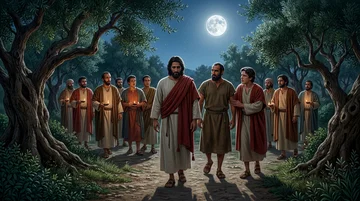
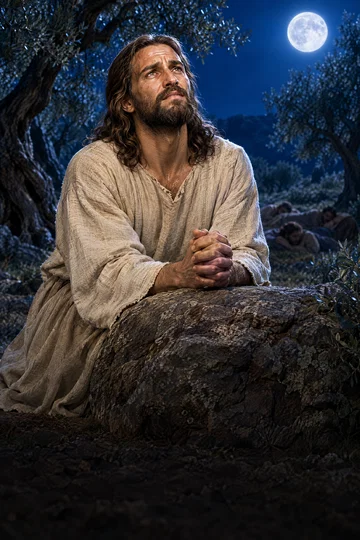
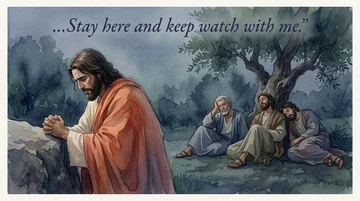
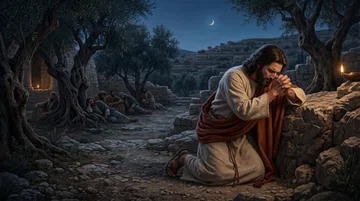
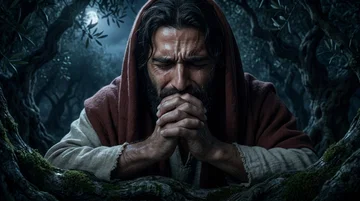
And they came to a place which was named Gethsemane: and he saith to his disciples, Sit ye here, while I shall pray.
Translations
And they came to a place which was named Gethsemane: and he says to his disciples, Sit you here, while I shall pray.
King James Version, KJV Cambridge Paragraph Bible, Webster Bible
And they came to a place which was named Gethsemane: and he saith to his disciples, Sit ye here, while I shall pray.
Revised Version, American Standard Version
And they come unto a place which was named Gethsemane: and he saith unto his disciples, Sit ye here, while I pray.
And they come to a spot, the name of which [is] Gethsemane, and he saith to his disciples, 'Sit ye here till I may pray;'
And they come to a place of which the name [ is] Gethsemane, and he says to his disciples, Sit here while I shall pray.
And they come into an estate the name of which is Gethsemane, and he saith unto his disciples—Sit ye here, while I pray.
Berean Standard Bible, Majority Standard Bible
Then they came to a place called Gethsemane, and Jesus told His disciples, “ Sit here while I pray.”
They came to a place which was named Gethsemane. He said to his disciples, “ Sit here while I pray.”
And they came to a place which was named Gethsemane: and he said to his disciples, Be seated here while I say a prayer.
After, they came into a place named Gethsemane: then hee saide to his disciples, Sit yee here, till I haue praied.
Douay-Rheims (Challoner revision)
And they came to a farm called Gethsemani. And he saith to his disciples: Sit you here, while I pray.
Pictures
Cross-references
- Luke 22:39-46
And he came out, and went, as he was wont, to the mount of Olives; and his disciples also followed him.
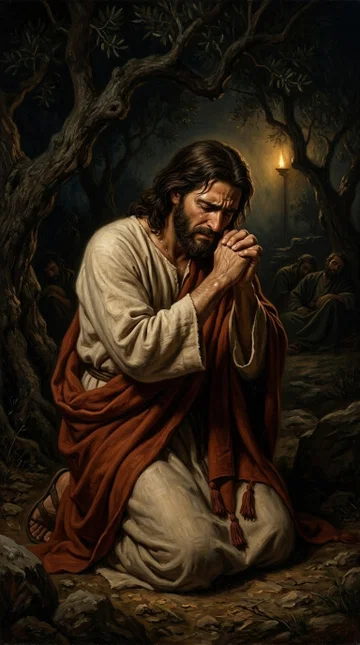
Jesus prays in agony while his disciples sleep.
- Matthew 26:36-46
Then cometh Jesus with them unto a place called Gethsemane, and saith unto the disciples, Sit ye here, while I go and pray yonder.
Parallel account of Jesus praying in Gethsemane before his arrest.
- Mark 14:38
Watch ye and pray, lest ye enter into temptation. The spirit truly is ready, but the flesh is weak.
Jesus tells the disciples to watch and pray because the flesh is weak.
- John 18:1
When Jesus had spoken these words, he went forth with his disciples over the brook Cedron, where was a garden, into the which he entered, and his disciples.
Jesus enters the garden with his disciples, where Judas arrives with those who will arrest him.
- Luke 22:39
And he came out, and went, as he was wont, to the mount of Olives; and his disciples also followed him.
Jesus goes with His disciples to the Mount of Olives as was His custom.
- Matthew 26:36
Then cometh Jesus with them unto a place called Gethsemane, and saith unto the disciples, Sit ye here, while I go and pray yonder.
Jesus arrives at Gethsemane and tells the disciples to sit while he prays.
- Hebrews 5:7
Who in the days of his flesh, when he had offered up prayers and supplications with strong crying and tears unto him that was able to save him from death, and was heard in that he feared;
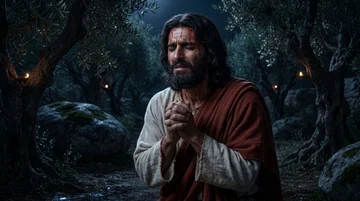
Jesus offers urgent, tearful prayers amid anguish and suffering.
- Isaiah 53:4-6
Surely he hath borne our griefs, and carried our sorrows: yet we did esteem him stricken, smitten of God, and afflicted.
Jesus bears human sin and suffers for transgressions.
- Mark 14:36
And he said, Abba, Father, all things are possible unto thee; take away this cup from me: nevertheless not what I will, but what thou wilt.
Jesus asks for the cup to pass, yet submits his will to the Father’s.
- Mark 14:37
And he cometh, and findeth them sleeping, and saith unto Peter, Simon, sleepest thou? couldest not thou watch one hour?
Jesus returns and finds Peter asleep after asking the disciples to watch.
- Luke 22:42
Saying, Father, if thou be willing, remove this cup from me: nevertheless not my will, but thine, be done.
Jesus prays for the Father’s will to be done.
- Luke 22:43
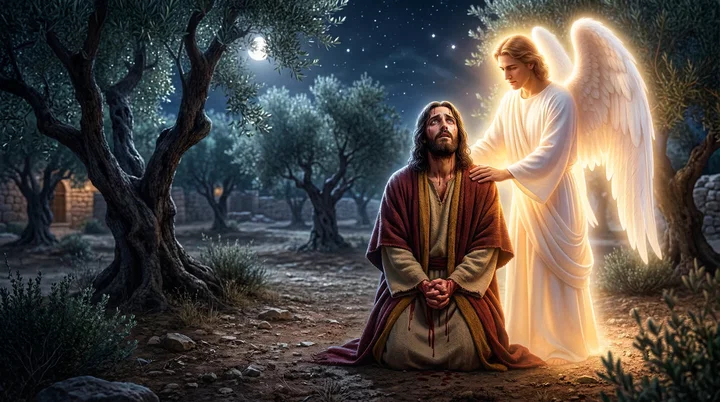
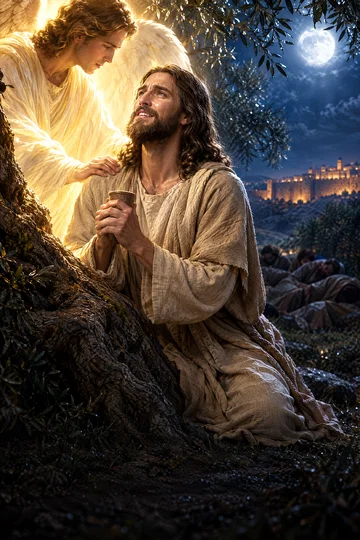
And there appeared an angel unto him from heaven, strengthening him.
An angel strengthens Jesus during his prayer and suffering in Gethsemane.
- Matthew 26:41
Watch and pray, that ye enter not into temptation: the spirit indeed is willing, but the flesh is weak.
Jesus urges watchfulness and prayer against temptation, acknowledging the flesh’s weakness.
- Matthew 26:37-38
And he took with him Peter and the two sons of Zebedee, and began to be sorrowful and very heavy.
Names the three disciples and describes Jesus’ sorrow.
- Mark 14:43-50
And immediately, while he yet spake, cometh Judas, one of the twelve, and with him a great multitude with swords and staves, from the chief priests and the scribes and the elders.
Jesus is betrayed, and his disciples face a trial and flee.
- Zechariah 13:7
Awake, O sword, against my shepherd, and against the man that is my fellow, saith the LORD of hosts: smite the shepherd, and the sheep shall be scattered: and I will turn mine hand upon the little ones.
The passage quotes the prophecy about the Shepherd struck by the sword.
- Hebrews 4:15
For we have not an high priest which can not be touched with the feeling of our infirmities; but was in all points tempted like as we are, yet without sin.
Jesus endured temptation and understands human weakness.
- Mark 10:38
But Jesus said unto them, Ye know not what ye ask: can ye drink of the cup that I drink of? and be baptized with the baptism that I am baptized with?
The disciples had claimed they could share Jesus’ cup and baptism.
Commentary
Each commentary is drawn from primary sources: the writings of Ellen G. White and Adventist pioneers and periodicals. Each commentary is separate. Its own words are not a quotation; follow the references to read the source passages.
Ellen G. White
26 sources
Jesus and His disciples come at night after the Passover supper to Gethsemane, a secluded garden at the foot of Mount Olivet where He was accustomed to withdraw for meditation and fervent prayer.DA 685.2DA 685.1COS 113.25RED 14.1–3ST Sep 23, 1886 He directs the main company to sit and remain at the entrance while He goes farther to pray, taking Peter, James and John deeper into the garden to watch and pray with Him.Ms 42, 1897, par. 1–3Ms 184, 1901, par. 1–3DA 685.1ST Dec 2, 1897AC1 68.1 As He nears and enters the garden He is bowed under a strange, deepening sorrow never before seen in Him, groaning under its burden and moving with labored effort.DA 685.3DA 685.2COS 113.2 There He stands as sinless yet numbered with transgressors, with the guilt of fallen humanity laid upon Him, feeling shut out from His Father's sustaining presence and exceeding sorrowful even unto death.Ms 184, 1901, par. 1–3DA 685.2ST Nov 25, 1889Ms 134, 1905, par. 3 Prostrate in agony He prays for deliverance from the cup until bloody sweat falls to the ground, while the disciples He asked to watch fail to stay awake and leave Him to face the powers of darkness alone.Ms 184, 1901, par. 1–3Lt 54, 1874, par. 15–16RH Jul 7, 1910ST Nov 25, 1889ST Aug 8, 1878
Garden Setting and Arrival
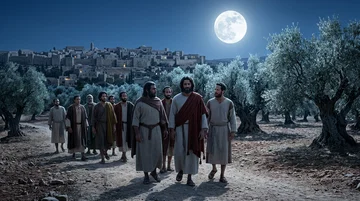
They came to Gethsemane at night after the Passover supper, after Jesus had been earnestly talking with and teaching His disciples on the way.DA 685.1COS 113.2ST Sep 23, 1886 The journey was made beneath a broad full Passover moon while the city of tents lay silent.DA 685.1ST Sep 23, 1886 Gethsemane was a secluded garden at the foot of Mount Olivet, a spot He had often visited to commune with His Father in meditation and fervent prayer.DA 685.2COS 113.23SP 89.2 It was His familiar retreat where fervent prayer had often braced His spirit for trial and duty, sometimes through the whole night.5RED 14.1–33SP 94.1–3ST May 30, 1878
Because withdrawing to pray apart while they waited nearby was His accustomed practice, the disciples treated His direction to remain as ordinary and accepted it without remark or suspicion.5RED 14.1–33SP 94.1–3ST Sep 23, 1886ST May 30, 1878 They were used to watching a little while and then sleeping undisturbed nearby until He woke them in the morning to go out to labor again.3SP 94.1–3ST Sep 23, 1886 As He neared the garden He grew strangely silent in a sadness they had never seen, entering that night in His last agony with a heart fuller of sorrow than ever before.DA 685.3DA 685.2COS 113.2 They marked the change in Him and the deepening of His strange sadness, yet dared not question Him about its cause.DA 685.3
His form swayed as if He were about to fall, every step was taken with labored effort, and He groaned aloud under the pressure of a terrible burden, so that twice His companions supported Him or He would have fallen to the earth.DA 685.3 Upon reaching the garden the disciples looked anxiously for His usual place of retirement, that He might rest.DA 685.3 He told the main company to sit and remain at the entrance while He should pray, and took Peter, James, and John farther into the recesses of the garden where they could still see and hear Him.Ms 42, 1897, par. 1–3RH Jul 7, 1910ST Sep 23, 1886 There He told them He was overwhelmed with sorrow and asked them to tarry, watch, and pray for themselves and for Him, then went forward a little, fell to the ground, and prayed about the cup of suffering.Ms 42, 1897, par. 1–3Ms 184, 1901, par. 1–3RH Jul 7, 1910ST Dec 2, 1897
The three taken farther were Peter, James, and John, favored disciples brought into closest relationship with Him and desired for their presence.ST Dec 2, 18973SP 334.2AC1 68.1 They had witnessed His transfiguration and beheld Him glorified, and were to be His chief witnesses after His death.ST Dec 2, 18973SP 334.27RED 68.1BS 45.1–3 James's later death by martyrdom made clearer to him the meaning of sharing Christ's cup and baptism.AC1 68.1
Christ's Suffering and Submission
At Gethsemane He is numbered with transgressors and has the iniquity and guilt of fallen humanity and the sins of the whole world laid upon Him who knew no sin.Ms 184, 1901, par. 1–3DA 685.2Ms 134, 1905, par. 3 Though sinless He is treated as a sinner so that sinful people might be treated as innocent, and His suffering and death make atonement for human transgression.Ms 134, 1905, par. 3 His anguish comes both from bearing that guilt and from knowing that many would reject the salvation He was making possible at infinite cost to Himself.Ms 184, 1901, par. 1–3
Throughout His earthly life He had walked in the light of God's presence, able to say the Father was with Him because He always did what pleased Him, but at Gethsemane He seems shut out from sustaining light.DA 685.2 Darkness presses upon His soul, He feels His Father's presence withdrawn and Himself separated from the Father's love.Ms 184, 1901, par. 1–3DA 685.2ST Nov 25, 1889ST Aug 8, 1878 Sin appears so dreadful and its weight of guilt so great that He is tempted to fear it will shut Him out forever from His Father's love, and feeling how terrible God's wrath against transgression is, His soul is exceeding sorrowful even unto death.DA 685.2
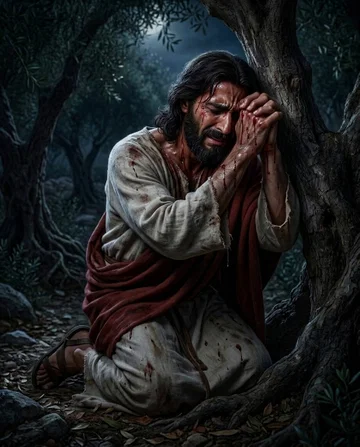
Prostrating Himself in the solitude of the garden He faces an agony unlike anything He had known, praying for deliverance from the cup.Ms 184, 1901, par. 1–3Lt 54, 1874, par. 15–16ST Aug 8, 1878 His anguish is so great that bloody sweat is forced from His pores and falls to the ground, and heaven sends a messenger to console Him.Lt 54, 1874, par. 15–16ST Aug 8, 1878 There He enters the closing conflict and severe spiritual trial.ST Nov 25, 1889ST Aug 8, 1878
As a human being He faces the consequences of sin and separation without using divine power to escape them.ST Jan 15, 1902 He freely accepts humiliation, suffering, and death to save humanity, surrendering His will completely and submitting to His Father's will though He could have refused.ST Jan 15, 1902Ms 134, 1905, par. 3 He had come to this place as to a familiar retreat, where fervent prayer had often braced His spirit for trial and duty, sometimes through the whole night.5RED 14.1–3 His experience shows He understands human weakness and can help those who are tempted.ST Jan 15, 1902 In His deep woe and grief He longs for His disciples' sympathy, companionship, and some word of love to strengthen and comfort Him.ST Jan 15, 1902Ms 45, 1892, par. 6–9RH Dec 28, 1911
Disciples' Sleep and Warning
While He prays in great agony through those fearful hours, Peter and the other disciples fail to stay awake and watch with Him, and after hearing His anguished prayer they fall asleep and leave Him to face the powers of darkness alone.Lt 54, 1874, par. 15–16RH Jul 7, 1910ST Nov 25, 1889Ms 45, 1892, par. 6–9 At first they are troubled and praying as they hear His cries and do not intend to forsake Him, yet they become paralyzed by a stupor they could have shaken off by continued pleading with God.RH Jul 7, 1910 Satan and his evil angels cause them to fall asleep when love for their suffering Master should have kept them awake.Ms 45, 1892, par. 6–9 By failing to heed His repeated warning and request to watch and pray for themselves and for Him, they leave Him without the comfort and strengthening their steadfast faith and prayers for Him and for themselves would have given Him.RH Jul 7, 1910ST Dec 2, 1897Ms 45, 1892, par. 6–9
Their drowsiness and sleep keep them from hearing His voice and give them only a dim sense of the angels' presence, so they miss evidence that would have strengthened them for the terrible scenes and trials ahead.RH Jul 7, 1910Ms 59, 1897, par. 7 If they had watched with Him in His hour of pain they would have better understood the sorrow pressing on Him and been fitted to behold His death on Calvary.Ms 45, 1892, par. 6–9 They would have remembered His many sayings that He would suffer and die and rise again, and rays of hope would have shone amid the gloom and strengthened their faith when Satan seemed to gain the victory.Ms 45, 1892, par. 6–9 He desired them to watch so they would understand He had come not to set up an earthly kingdom and make them chief rulers but to suffer and die for the sins of the world and to set up a kingdom of love, peace, and purity in hearts fitted for heaven.Ms 45, 1892, par. 6–9 Had they watched and prayed as He asked they would have been ready to bear the scorn and mockery falling on Him and would not have left Him alone in His bitter trial.Ms 45, 1892, par. 6–9
Their experience contains a lesson for God's people today on the necessity of watchfulness, earnest prayer, and remaining in communion with God in order to withstand temptation and to receive divine help and instruction.RH Jul 7, 1910 The agony awaiting Him forms part of the great trial He foresaw, and while still with them He prepares the disciples so that His betrayal, humiliation, condemnation, and death will not overwhelm them with surprise, since they have already seen followers turn away and have learned not to rest faith on changing opinions of others.4RED 102.2–103.1 The same place where Jesus is prostrated later becomes the place where Peter, after denying Jesus in His hour of humiliation, returns with true contrition, prostrates himself on the very ground stained by the sweat drops of God's Son, remembers his sleep and denial, and weeps penitential tears.Lt 54, 1874, par. 15–16 He leaves a converted man humbled and fitted to pity the tempted, sympathize with the weak and erring, caution the presumptuous, and strengthen his brethren.Lt 54, 1874, par. 15–16
Sources
Pioneers and periodicals
52 sources
They came by night to Gethsemane, His accustomed retreat for prayer, and He left the main company of disciples near the entrance while He took Peter, James and John a little farther in and told them to sit, watch and pray where they could still see and hear Him.RH Jul 7, 1910ST Dec 2, 1897ST Sep 23, 1886ST May 30, 1878 There His agony began as, though sinless, He bore the burden and guilt of human sin and suffered under divine justice as substitute and surety, feeling His Father's presence withdrawn.ST Jan 15, 1902ST Dec 15, 1898ST Apr 14, 1914ST Sep 30, 1889ST Apr 11, 1900 Alone He fell prostrate and prayed three times for the bitter cup to pass if possible, yet yielded His will to His Father's, and the cup was not removed but an angel was sent to strengthen Him to drink it to the dregs for every mortal.ST Sep 1, 1898ST Nov 14, 1906ST Mar 7, 1906ST Apr 14, 1914ST Jun 24, 1886 While He prayed the three slept instead of watching with Him, leaving Him without the comfort and strength their prayers would have given and leaving themselves without strength for arrest, temptation and denial.RH Jul 7, 1910ST Jun 3, 1886ST Aug 8, 1906ST Dec 30, 1889RH Jun 8, 1869 His solitary, earnest and submissive prayer in deepest distress is the pattern for believers in trial, teaching them to pray more fervently as suffering increases, to seek not only deliverance but resignation to God's will, and to watch and pray lest they sleep through their hour of conflict.RH Jul 7, 1910RH Aug 10, 1869RH Mar 26, 1861RH Jul 9, 1872ST Oct 8, 1896
Arrival and Setting in Gethsemane
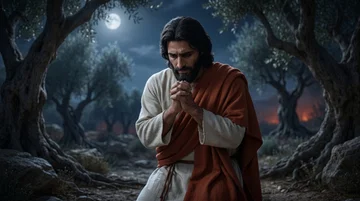
They came to the place named Gethsemane by night under a broad full Passover moon while the city of tents lay silent.ST Sep 23, 1886 It was a still, cloudless, moonlit night when the garden lay calm and quiet among cypress, palm, and olive trees.ST Oct 10, 1906ST Apr 14, 1914 He remained there through the night despite cold, darkness, and sorrow, with prayer preparing and strengthening Him to endure the agony ahead.RH Feb 3, 1863
He came with the eleven after leaving the supper room, Judas being elsewhere. The garden scene begins near its entrance, where He left the main company to sit while He went farther in to pray.ST Sep 23, 1886ST May 30, 1878 This was His accustomed practice of bracing His spirit for trial and duty by fervent prayer in that retreat, often spending the whole night there, so His direction called forth no remark or suspicion and the disciples treated it as ordinary.ST Sep 23, 1886ST May 30, 1878
He took Peter, James, and John a short distance aside deeper into the recesses of the garden.ST Sep 23, 1886ST Apr 11, 1900 He desired their presence, sympathy, and companionship because they had witnessed His transfiguration.ST Dec 2, 1897RH Dec 28, 1911RH Jun 8, 1869 He asked them to tarry, watch, and pray for themselves and for Him where they could still see and hear Him, though He did not want them to witness all His agony.RH Jul 7, 1910ST Dec 2, 1897ST Apr 11, 1900
The command to sit while He should pray shows Him seeking solitude for prayer.RH May 17, 1860 He first prayed with the disciples nearby and then went forward a little farther away to be alone with God.RH Aug 19, 1873 That solitude served as preparation for the great moment of the sacrifice of Calvary.ST Nov 21, 1892
Agony Borne for Sinners
The arrival at Gethsemane opens an intense mental agony of soul, more terrible than physical pain, with deep sorrow and dread as death is faced.RH Nov 5, 1872ST May 6, 1889 Darkness presses upon the soul in a severe spiritual trial, and the closing conflict that approaches there is unlike anything known before.ST Nov 25, 1889ST Aug 8, 1878 The soul is exceeding sorrowful unto death, sore amazed and very heavy, as prayer begins.RH Nov 5, 1872
Though guiltless and sinless, having never sinned, He bears the shame of the guilty.ST Apr 14, 1914ST Sep 30, 1889 Upon Him is laid the burden of the sins, misery, woe and guilt humanity brought upon itself, the burden of the world and the guilt of the world.ST Dec 15, 1898ST Sep 30, 1889RH Jan 16, 1908 That burden would otherwise shut people out of heaven, and He faces the coming pain and death so that people might choose life with God.ST Sep 30, 1889RH Jun 26, 1866
His greatest torture is separation from His Father, feeling the Father's presence withdrawn.ST Aug 8, 1878ST Apr 14, 1914 God withholds love and power while heaven mourns in silence, and as substitute and surety He suffers under divine justice.ST Apr 14, 1914ST Apr 11, 1900 As a man He endures God's wrath and judgment against sin, facing the consequences of sin without using divine power to escape them, though sinless He becomes an offering for sin to accomplish redemption.ST Jan 15, 1902ST Apr 11, 1900ST Jul 14, 1881
His suffering is wholly for others and not for His own sins, caused by divine, selfless love for sinners.RH Nov 5, 1872ST Sep 1, 1898 The depth of His woe reveals the depth of His love, pictured in weeping blood and sweat as great drops of blood falling to the ground.RH Nov 5, 1872ST Oct 10, 1906ST Dec 15, 1898 With deep groanings and trembling and parched lips He drains the bitter cup of suffering for every mortal, crowned with sorrow and bowed prostrate in crushing grief.ST Oct 10, 1906ST Apr 14, 1914 This anguish belongs to His whole humble life of poverty, weariness, hunger, rejection, weeping, and long night prayer for poor sinners.RH Nov 5, 1872 What He gave up and endured proves His love to save even the least, vilest, most ignorant and wretched sinners from death, while He prays for strength to bear the stroke brought by sin.RH Nov 5, 1872RH Mar 14, 1865
Prayerful Submission to Father
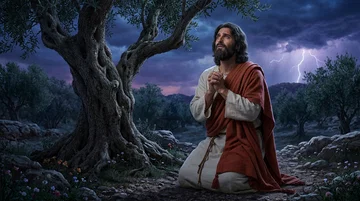
He withdrew only a short distance from the disciples, knelt and fell prostrate, and prayed earnestly and repeatedly with deep groanings.ST Sep 1, 1898ST Apr 14, 1914RH Apr 7, 1868RH Aug 19, 1873 Three times He asked whether the bitter cup might be removed if it were possible, yet He submitted His own will to His Father's.ST Jun 24, 1886RH Apr 7, 1868 Alone in sorrow even unto death He clung to God by faith, and His confidence in the Father's goodness, wisdom, and love did not fail even when He seemed to lose the Father's presence.ST Nov 14, 1906RH Apr 7, 1868 His submission was shown most fully in suffering, teaching that God's will is to be accepted even in affliction and trial.ST Jun 24, 1886RH Apr 7, 1868
Alone with God He faced the supreme crisis and yielded Himself anew, willing to do the Father's will and to drink and drain the bitter cup of suffering for every mortal in order to become humanity's everlasting sacrifice.ST Nov 14, 1906ST Mar 7, 1906ST Apr 14, 1914 The cup was not taken away, but strength was sent from heaven so that He could endure death for humanity.ST May 6, 1889ST Apr 14, 1914RH Aug 19, 1873 In solitary communion He received strength to endure the cup that could not pass from Him, and heaven sent a messenger to console, steady, and relieve Him until He emptied its dregs.ST Aug 8, 1878ST Apr 14, 1914ST Aug 24, 1915RH Aug 19, 1873 His earnest repeated prayer amid deep anguish thus brought angelic relief.ST Aug 8, 1878ST Aug 24, 1915
This garden prayer was the setting of His greatest temptation and the battle that decided the world's destiny.ST Mar 31, 1909ST May 19, 1909ST May 26, 1909 Burdened with the sins of the world, He there faced the arch-enemy and conquered.ST Mar 31, 1909 His hour of trial in Gethsemane meant final victory for the sinner, and through His human anguish He secured humanity's hope and future joy.ST Mar 5, 1902ST May 19, 1909ST May 26, 1909
Disciples Asked to Watch
He took with Him into Gethsemane the disciples He had reproved, Peter, James and John, the same three who had stood with Him in light and glory on the mount of transfiguration, to show His love for them, to have their companionship in His darkest trial, and to prepare them through prayer for the coming conflict.ST Aug 8, 1906ST Dec 30, 1889RH Jun 8, 1869 He asked them to sit, to tarry, to watch and to pray where they could still see and hear Him as He went forward a little to pray.RH Jul 7, 1910
While He endured agony they slept instead of keeping watch with Him, weary and wrapped in unconscious slumber in the garden's shade, forgetful of His suffering.ST Jun 3, 1886ST Jun 6, 1878RH Jun 8, 1869 At first they were troubled and praying as they heard His cries and did not intend to forsake Him, but they became paralyzed by a stupor they could have shaken off by continued pleading with God.RH Jul 7, 1910 Their drowsiness kept them from hearing Him and from receiving the evidence of the angels' presence which would have strengthened them for the trials ahead.RH Jul 7, 1910 By failing to heed the repeated warning to watch and pray, for the spirit is ready but the flesh is weak, they left Him without the comfort and strengthening their steadfast faith and prayers for Him and for themselves would have given Him.RH Jul 7, 1910ST Aug 8, 1906ST Dec 30, 1889 Even Peter could not watch one hour with Him, and He was left alone in deep sorrow and agony to face the powers of darkness without their support.ST Nov 25, 1889ST Aug 8, 1906ST Dec 30, 1889RH Mar 14, 1865
Their failure to watch left them without the courage and strength they needed when He was arrested, leaving Peter vulnerable to temptation and leading to his denial.ST May 10, 1905 Their sleep, their following Him afar off to trial and crucifixion, and even the zealous Peter denying his suffering Lord, show how the natural heart shrinks from suffering and faints and falters at crosses, self-denial and warfare even while longing for joy and glory.RH Jun 8, 1869 Their experience holds the lesson for God's people of the necessity of watchfulness and earnest prayer in order to withstand temptation.RH Jul 7, 1910 Jesus brought an earlier crisis while He was still with them so He could strengthen His chosen disciples and prepare them for what was coming, for the coming betrayal, condemnation, humiliation and crucifixion would test their faith, and those who had followed with weak or wavering faith might give way to fear and disappointment.RH Jul 7, 1910ST Oct 8, 1896
Peter, James and John were the Lord's exclusive companions during His passion in the garden, which illustrates that God sometimes permits some followers to enter more deeply into the mysteries of His work, while all should trust His wisdom and justice.ST Jul 4, 1899 Gethsemane marks the shadowed path to heaven through suffering and the cross, and in a renewed Gethsemane many oppose Him, many followers sleep or betray Him, and a few watch with Him.ST Jan 8, 1902
Atonement and Fulfilled Promise
Gethsemane is where Christ's agony began and stands as the symbol of atonement, its very meaning carrying sorrow, pain, anguish of soul, and the cross.ST Feb 24, 1887 His sufferings there cannot be fully measured apart from the fullness of His sacrifice, for though sinless He took the guilt of sinners and became an offering for sin to accomplish redemption.ST Feb 24, 1887ST Jul 14, 1881 That agony came not only from the bodily horrors of crucifixion but from bearing God's judgment for human sin.ST Jul 14, 1881
The garden partly fulfilled the Eden promise of a Deliverer, because humanity fell in Eden and Christ endured suffering to save the lost and recover what had been lost.ST Feb 24, 1887 At night under moonlight through the olive trees He appears as King with no scepter or crown to be seen, only a form bowed prostrate in crushing grief like a broken leaf, Himself the Prince of Life enduring mysterious mortal strife in solemn shade and gathering gloom.ST Oct 10, 1906 Crimson drops of bloody agony fall from His kingly brow like dew, and crowned with sorrow He must drink the filled cup of suffering to the full, so that the depth of His woe reveals the depth of His love.ST Oct 10, 1906 Facing the lowest step of His humiliation, death on the cross, He hesitates before taking that step, prays, and resolves to accept it out of love for humanity, with the cross to follow Gethsemane with darker gloom to come.ST Oct 10, 1906ST Apr 8, 1889
There He is the suffering Prince Messiah, the mysterious Son of both God and man baptized with tears and blood, yet the Hebrew people's gaze on the promised glories of Jerusalem kept them from recognizing the Messiah in His suffering.RH Nov 11, 1862 Worn down by love and shame amid sympathetic olive and thorn trees, He leaves the garden willing to accept death and shame and is later killed on a tree.ST Jul 8, 1897 Remembering His suffering at Gethsemane and His death at Golgotha, and considering the greatness of His merits, awakens lively faith and joyful hope and loosens attachment to the vain world.RH Jan 21, 1858
Pattern for Believers in Trial
Going to Gethsemane to pray is the model for conduct in the most severe and trying distress, and the example to follow when learning to pray amid the tempter's power and grief.RH Aug 10, 1869RH Mar 26, 1861RH Jul 9, 1872 It means being afflicted yet resigned, grieved and wounded yet submissive, not insensible to suffering but increasing the ardor and fervency of prayer in proportion to pain and acuteness of feeling.RH Jul 9, 1872 Prayer was His refuge from the storm in that tremendous scene and in the hour of approaching death, and almost every word He uttered was prayer that was most earnest and urgent, repeated and continued, proceeding from the recesses of the soul, private and solitary.RH Jul 9, 1872 That prayer was for deliverance, for strength, and above everything for resignation, and the same prayer must occupy and support all in affliction and in death.RH Jul 9, 1872
His earnest, repeated prayer amid deep anguish brought angelic relief, showing prayer as a refuge in distress and darkness that brings relief and help from God to those who pray with trust and surrender.ST Aug 24, 1915 He remained there through the night despite cold, darkness, and sorrow, and prayer prepared and strengthened Him to endure the agony ahead.RH Feb 3, 1863 The same refuge prepares and strengthens those who follow Him to endure what lies before them.RH Feb 3, 1863ST Aug 24, 1915
The garden also represents the trials people must face, including loneliness, despair, and the struggle to accept God's purpose rather than only ask for suffering to pass.ST Aug 24, 1904 Its association with His suffering brings comfort and spiritual strength, for it is remembered as a place of grief and anguish made holy by what He endured there. No personal burden is too heavy, and those who bow low to sip a bitter cup where grief and toil meet will receive heaven's comfort.ST Apr 14, 1914
Believers now need Christ to bend over them as over the disciples and set their sleep-bound spirits free, so they are not left slumbering in the watch their souls should keep with Him.ST Jun 3, 1886 Those who feel the tempter's power should go to dark Gethsemane to see His grief, to watch with Him one little hour, to not turn away from His suffering, and to learn from Him to watch and pray.RH Jun 23, 1910 His submission was most fully shown in suffering, when alone and sorrowful even unto death He asked three times for the bitter cup to be removed if possible yet yielded His own will to His Father's, teaching that God's will should be accepted even in affliction and trial, even in severe affliction and trial.ST Jun 24, 1886RH Apr 7, 1868
Sources