Translations
American King James Version, Webster Bible
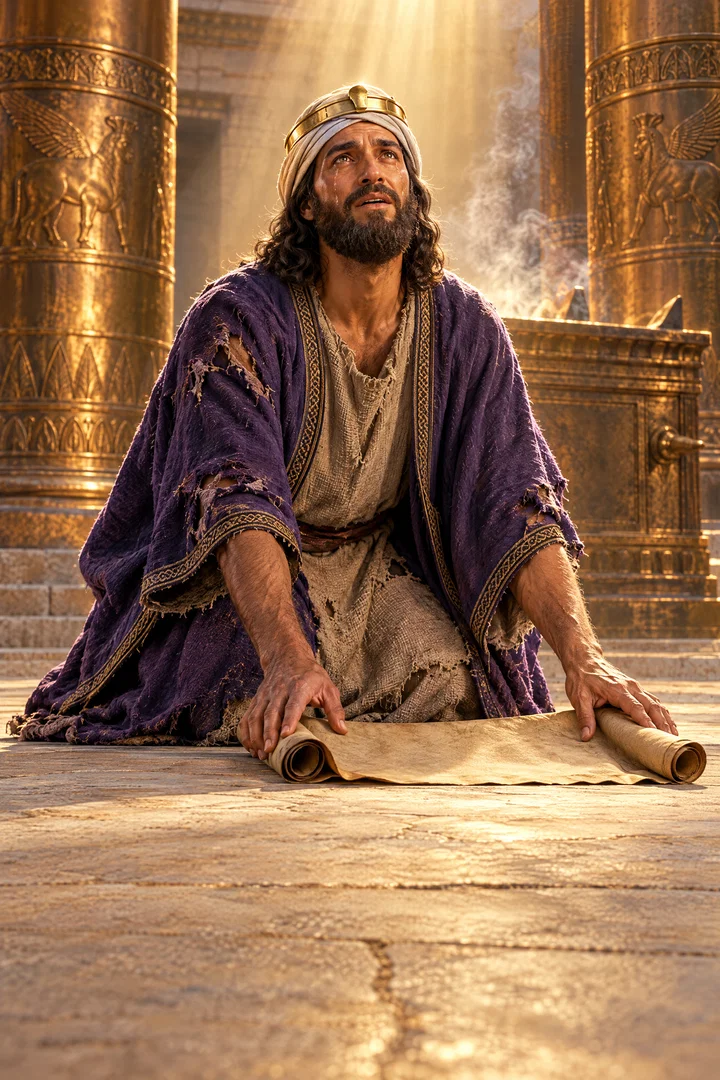
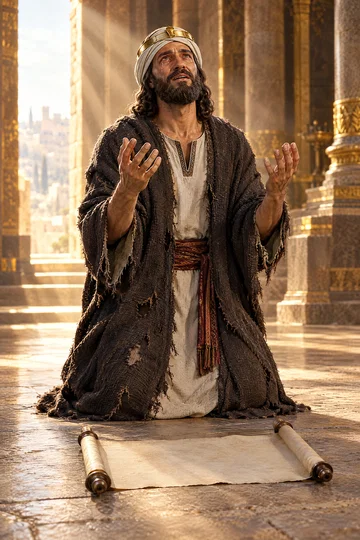
And Hezekiah prayed to the LORD, saying,
King James Version, Revised Version
And Hezekiah prayed unto the LORD, saying,
And Hezekiah prayed unto the Lord, saying,
And Hezekiah prayed unto Jehovah, saying,
And Hezekiah prayeth unto Jehovah, saying,
And Hezekiah prayed to Jehovah, saying,
And Hezekiah prayed unto Yahweh saying:
Berean Standard Bible, Majority Standard Bible
And Hezekiah prayed to the LORD:
Hezekiah prayed to the LORD, saying,
And he made prayer to the Lord, saying,
And Hezekiah prayed vnto the Lord, saying,
Douay-Rheims (Challoner revision)
And Ezechias prayed to the Lord, saying:
Pictures

Cross-references
- 2 Kings 19:15
And Hezekiah prayed before the LORD, and said, O LORD God of Israel, which dwellest between the cherubims, thou art the God, even thou alone, of all the kingdoms of the earth; thou hast made heaven and earth.
Hezekiah prays to the LORD after spreading the letter before him.
- Isaiah 37:36
Then the angel of the LORD went forth, and smote in the camp of the Assyrians a hundred and fourscore and five thousand: and when they arose early in the morning, behold, they were all dead corpses.
The Lord answers Hezekiah’s prayer by striking the Assyrian army.
- 2 Chronicles 32:20-21
And for this cause Hezekiah the king, and the prophet Isaiah the son of Amoz, prayed and cried to heaven.
Hezekiah’s prayer precedes the angel’s defeat of the Assyrian army.
- Isaiah 36:1-2
Now it came to pass in the fourteenth year of king Hezekiah, that Sennacherib king of Assyria came up against all the defenced cities of Judah, and took them.
names the army prayed against
- 2 Chronicles 32:21
And the LORD sent an angel, which cut off all the mighty men of valour, and the leaders and captains in the camp of the king of Assyria. So he returned with shame of face to his own land. And when he was come into the house of his god, they that came forth of his own bowels slew him there with the sword.
angel sent as answer to prayer
- 2 Kings 18:1-19
Now it came to pass in the third year of Hoshea son of Elah king of Israel, that Hezekiah the son of Ahaz king of Judah began to reign.
The account is examined for the army’s location and the king’s fate.
- 2 Kings 19:35
And it came to pass that night, that the angel of the LORD went out, and smote in the camp of the Assyrians an hundred fourscore and five thousand: and when they arose early in the morning, behold, they were all dead corpses.
185,000 slain as answer to prayer
- Isaiah 37:1
And it came to pass, when king Hezekiah heard it, that he rent his clothes, and covered himself with sackcloth, and went into the house of the LORD.
Hezekiah seeks God for counsel.
- 2 Kings 19:7
Behold, I will send a blast upon him, and he shall hear a rumour, and shall return to his own land; and I will cause him to fall by the sword in his own land.
Cited in the account of the Assyrian king’s fate.
- 2 Kings 19:36-37
So Sennacherib king of Assyria departed, and went and returned, and dwelt at Nineveh.
Shows the king returned to his land and died there.
- Isaiah 10:28-34
He is come to Aiath, he is passed to Migron; at Michmash he hath laid up his carriages:
This account is distinguished from Sennacherib’s campaign by its direction of advance.
Commentary
Each commentary is drawn from primary sources: the writings of Ellen G. White and Adventist pioneers and periodicals. Each commentary is separate. Its own words are not a quotation; follow the references to read the source passages.
Ellen G. White
1 source
Hezekiah's turning to the Lord in prayer stands as an example for others to follow.Lt 93, 1900, par. 9 The proper response taught by his course is to seek God with humility, fasting, and prayer.Lt 93, 1900, par. 9 There is need to remain spiritually prepared at all times, because sudden sickness or calamity may come when God permits it.Lt 93, 1900, par. 9
Sources
Pioneers and periodicals
17 sources
Hezekiah prayed in the crisis when the Assyrian king threatened Judah and besieged Jerusalem with a mighty army, bringing his threatening and blasphemous letter and spreading it before the Lord and crying to Heaven together with Isaiah the prophet.ST Jun 1, 1876ST Jun 7, 1883ST Dec 4, 1884 In helplessness and earnestness he called on the Lord as the only God over all kingdoms of the earth and Creator of heaven and earth to hear and see the reproach against the living God and to deliver Jerusalem and vindicate His name, power, promises, and covenant people.ST Jun 1, 1876ST Dec 4, 1884ST Oct 6, 1887 The prayer was answered with wonderful deliverance when an angel struck the Assyrian host and killed 185,000 men in a single night, vindicating God's name and cause.ST Oct 6, 1909ST Jun 7, 1883ST Jun 21, 1905 It shows his humility and humble faith in turning to God for help and protection rather than opposing the enemy in his own strength or by human wisdom, though he had no army or means of his own.ST Jun 1, 1876ST Oct 6, 1909ST Oct 6, 1887 It proves that one standing alone against wrong with God is a majority against human numbers, bearing witness to corrupt Assyria at the head of the world that He is God above all, and that trusting God is better than relying on human strength, for prayer brings swift and complete deliverance.ST Jun 1, 1876ST Jun 7, 1883ST Dec 29, 1887ST Sep 5, 1900
Setting, Prayer, and Deliverance
The verse belongs to the historical sketch with its included messages in the first section of Isaiah, chapters 1-39, and to the history of Hezekiah's reign when the king of Assyria threatened the land, a chapter recounting Hezekiah's humility and God's deliverance from Assyria.ST May 28, 1912ST Oct 6, 1909 The chapter parallels 2 Kings 19, with considerable verbal difference between the two accounts.RH Mar 11, 1875 It concerns Sennacherib's campaign against Judah, which came from the southwest, distinct from the campaign described in Isaiah 10, which came from the northeast and was made by Sargon.ST Jan 4, 1916
The verse places Hezekiah's prayer in the crisis when the Assyrian king threatened the land and besieged Jerusalem with a mighty army.ST Oct 6, 1887RH Dec 22, 1859 After receiving the king's threatening, insulting, and blasphemous letter, Hezekiah brought it and spread it out before the Lord.ST Jun 1, 1876ST Jun 7, 1883ST He prayed together with Isaiah the prophet the son of Amoz, counseling with the prophet and crying to Heaven because of the continued blasphemy of Sennacherib and his servants against Jehovah.ST Jun 21, 1905RH Dec 22, 1859 Though facing a powerful army with no army or means of his own, he looked to God in humble faith rather than opposing the enemy in his own strength.ST Jun 1, 1876ST Oct 6, 1887
In the prayer he calls the Lord the only God over all the kingdoms of the earth and the Creator of heaven and earth.ST Dec 4, 1884 In helplessness and earnestness he asks Him to hear and see the reproach against the living God, to defend His cause and defeat the Assyrian army.ST Dec 4, 1884ST He pleads for Jerusalem, asking God to deliver and protect it and to vindicate His own name, power, promises, honor, and cause and the people of His covenant.ST Jun 1, 1876ST Oct 6, 1887ST Jun 21, 1905
The prayer brought God's message through the prophet and was answered with wonderful deliverance from the power of Assyria by His angel.ST Oct 6, 1909 An angel, or invisible hand, struck the Assyrian host and killed 185,000 men in a single night, within twelve hours, proving that prayer brings swift and complete deliverance from enemies.ST Jun 7, 1883RH Dec 22, 1859STST Sep 5, 1900 By this the Lord did not fail to vindicate His own name and cause.ST Jun 21, 1905
Read with 2 Kings 18-19 and 2 Chronicles 32, the history shows the Assyrian king returned to his own land and died there.RH Jun 15, 1869 His army was with him at Libnah, not near Jerusalem, when the angel killed the 185,000.RH Jun 15, 1869 Therefore it does not fulfill the prophecy of Tophet prepared for the king in Isaiah 30:33.RH Jun 15, 1869
Faith, Witness, and Warning
Hezekiah's prayer shows humility and humble faith in crisis, turning to God for help and protection rather than opposing a mighty enemy army in his own strength or by human wisdom.ST Jun 1, 1876ST Oct 6, 1909ST Oct 6, 1887 With no army or means of his own against the Assyrian king's threat to the land and to Jerusalem, he brought the insulting, threatening letter before God and spread it out before the Lord, looking to Him to vindicate His power and promises.ST Jun 1, 1876ST Oct 6, 1909ST In helplessness and earnestness he asked God to defend his cause and defeat the Assyrian army, and together with Isaiah the prophet the son of Amoz he counseled with the prophet and cried to Heaven because of the continued blasphemy of Sennacherib and his servants against Jehovah, that God would vindicate His own name and cause.ST Oct 6, 1887ST Jun 21, 1905ST His prayer brought God's message to him through the prophet and was answered with wonderful deliverance by His angel, who struck the host and killed 185,000 men.ST Oct 6, 1909ST Jun 21, 1905ST Oct 6, 1909ST The chapter thus belongs to the history of his reign and recounts both his humility and God's deliverance from Assyria.ST Oct 6, 1909ST Oct 6, 1909
Hezekiah stood alone in opposition to wrong while his enemies taunted him with his helpless condition, spreading their taunting, insulting letter out before the Lord in prayer.ST Jun 1, 1876ST Jun 7, 1883 His course proves that God with him is a majority and that human strength and majority numbers cannot prevail against God.ST Jun 1, 1876ST Jun 7, 1883 God answered by causing the invading army to lose 185,000 men in a single night, delivering Israel by striking the Assyrian army.ST Jun 1, 1876ST Jun 7, 1883 So a person reproached for refusing popular wrongs is not alone when God is with him.ST Jun 7, 1883
The prayer belongs to God's witness by revelation and living testimony to Assyria when Assyria stood at the head of the world in power and influence but had grown corrupt and gone far from God.ST Dec 29, 1887 That witness bore testimony that He is God above all, with the slaughter of Sennacherib's host as the most notable instance.ST Dec 29, 1887 Hezekiah humbled himself before God and pleaded for Jerusalem, appealing to God's honor and to the people who belong to His covenant. His prayer was heard, showing that trusting God is better than relying on human wisdom or strength, and that God's power, will, providence, and promises are for those who love and trust Him, with one messenger sufficient to seal the doom of thousands. Prayer together with Isaiah brought swift and complete deliverance from enemies, with 185,000 Assyrians dying within twelve hours.ST Sep 5, 1900
Isaiah and Hezekiah could subdue their enemies by faith, an example Christians could follow if they retained the faith and spiritual gifts given to the church.RH Dec 16, 1862 Hezekiah was a great and good king who still shows man's frailty and gives a mighty lesson against trusting in men.ST Jun 7, 1910 Instead of revealing the riches of God's grace and power to heal, he showed the earthly riches he had himself gathered to the Babylonian ambassadors, arousing their cupidity so that they afterward despoiled the kingdom.ST Jun 7, 1910
Sources