Jeremiah 9:1
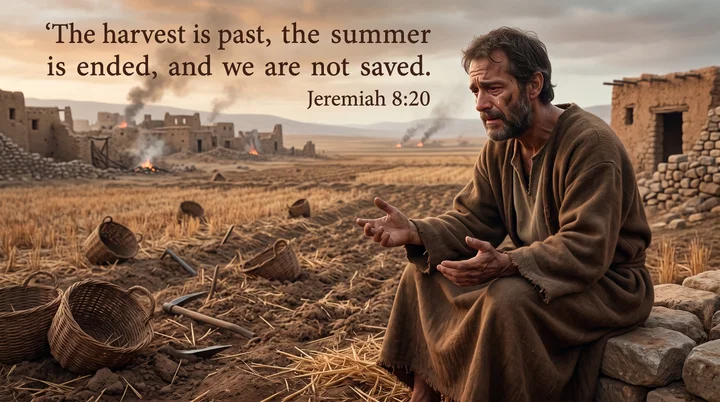
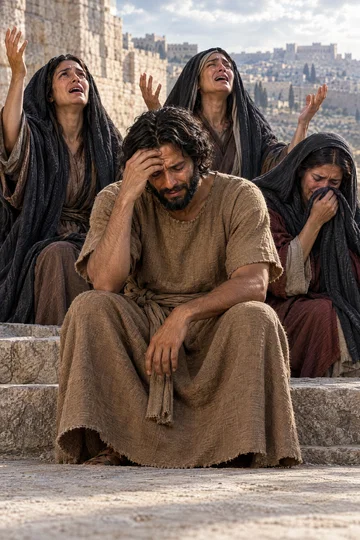
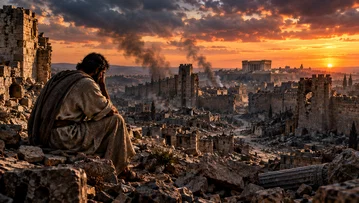
Oh that my head were waters, and mine eyes a fountain of tears, that I might weep day and night for the slain of the daughter of my people!
Translations
American King James Version, Webster Bible
Oh that my head were waters, and my eyes a fountain of tears, that I might weep day and night for the slain of the daughter of my people!
King James Version, Revised Version, American Standard Version
Oh that my head were waters, and mine eyes a fountain of tears, that I might weep day and night for the slain of the daughter of my people!
O that my head were waters, and mine eyes a fountain of tears,
That I might weep day and night for the slain of the daughter of my people!Who doth make my head waters, And mine eye a fountain of tears? And I weep by day and by night, For the wounded of the daughter of my people.
Oh that my head were waters, and mine eye a fountain of tears, that I might weep day and night for the slain of the daughter of my people!
Oh that my head were waters, And mine eyes a fountain of tears,—That I might weep day and night, For the slain of the daughter of my people!
Berean Standard Bible, Majority Standard Bible
Oh, that my head were a spring of water,
and my eyes a fountain of tears!
I would weep day and night
over the slain daughter of my people.Oh that my head were waters,
and my eyes a spring of tears,
that I might weep day and night
for the slain of the daughter of my people!If only my head was a stream of waters and my eyes fountains of weeping, so that I might go on weeping day and night for the dead of the daughter of my people!
Oh, that mine head were full of water and mine eyes a fountaine of teares, that I might weepe day and night for the slayne of the daughter of my people.
Douay-Rheims (Challoner revision)
Who will give water to my head, and a fountain of tears to my eyes? and I will weep day and night for the slain of the daughter of my people.
Pictures
Cross-references
- Luke 19:41
And when he was come near, he beheld the city, and wept over it,
Jesus weeps over Jerusalem, as Jeremiah grieves for his people.
- Matthew 23:37
O Jerusalem, Jerusalem, thou that killest the prophets, and stonest them which are sent unto thee, how often would I have gathered thy children together, even as a hen gathereth her chickens under her wings, and ye would not!
Both texts lament Jerusalem and its people; Jesus grieves their refusal of his care.
- Jeremiah 13:17
But if ye will not hear it, my soul shall weep in secret places for your pride; and mine eye shall weep sore, and run down with tears, because the LORD’s flock is carried away captive.
Jeremiah weeps over Israel’s pride and the Lord’s flock carried captive.
- Psalms 119:136
Rivers of waters run down mine eyes, because they keep not thy law.
Both describe weeping because people reject God’s law.
- Luke 19:42
Saying, If thou hadst known, even thou, at least in this thy day, the things which belong unto thy peace! but now they are hid from thine eyes.
Jesus laments Jerusalem’s failure to recognize what would bring peace.
- Jeremiah 14:17
Therefore thou shalt say this word unto them; Let mine eyes run down with tears night and day, and let them not cease: for the virgin daughter of my people is broken with a great breach, with a very grievous blow.
Jeremiah weeps continually over the destruction of his people.
- Lamentations 2:18
Their heart cried unto the Lord, O wall of the daughter of Zion, let tears run down like a river day and night: give thyself no rest; let not the apple of thine eye cease.
Both call for tears day and night over the people’s suffering.
- Lamentations 1:1-4
How doth the city sit solitary, that was full of people! how is she become as a widow! she that was great among the nations, and princess among the provinces, how is she become tributary!
Both mourn Jerusalem’s desolation and the loss of its people.
- Ezekiel 5:5-6
Thus saith the Lord GOD; This is Jerusalem: I have set it in the midst of the nations and countries that are round about her.
Jerusalem, set among the nations, has changed God’s judgments and lies in ruins.
- Jeremiah 9:13-16
And the LORD saith, Because they have forsaken my law which I set before them, and have not obeyed my voice, neither walked therein;
Israel’s forsaking God’s law brings the slaughter mourned.
- Romans 9:3
For I could wish that myself were accursed from Christ for my brethren, my kinsmen according to the flesh:
Paul expresses anguish and self-sacrificing concern for his people.
- Luke 13:34
O Jerusalem, Jerusalem, which killest the prophets, and stonest them that are sent unto thee; how often would I have gathered thy children together, as a hen doth gather her brood under her wings, and ye would not!
Jesus longs to gather Jerusalem’s children, but they are unwilling.
Commentary
Each commentary is drawn from primary sources: the writings of Ellen G. White and Adventist pioneers and periodicals. Each commentary is separate. Its own words are not a quotation; follow the references to read the source passages.
Ellen G. White
10 sources
Jeremiah was by nature timid and shrinking in disposition, and he longed for the peace and quiet of a retired life where he would not have to witness the continued impenitence of his people.PK 419.2 His cry is anguish over the apostasy of the beloved nation and its disobedience to God's law, and over the ruin and desolation wrought by sin.PK 419.2Ms 139, 1897, par. 21–23GC88 21.2GC 20.3–21.2Ms 56, 1902, par. 10–13 He longs for his head to be waters and his eyes a fountain of unceasing tears, that he might weep day and night for the slain of the daughter of his people and for the Lord's flock carried away captive.PK 419.2GC88 21.2GC 20.3–21.2Ms 56, 1902, par. 10–13RH Aug 5, 1902
That grief was prophetic, looking forward to coming destruction with a prophetic glance that took in years.4SP 20.3–21.1 Within the limits of human understanding he shared Christ's anguish over lost souls and a lost nation, yet his weeping is small beside Christ's.Ms 139, 1897, par. 21–23GC88 21.24SP 20.3–21.1 Christ's prophetic glance took in not years but ages when He beheld Jerusalem's coming destruction, with the destroying angel poised over the city, alien armies surrounding the walls, mothers and children crying for bread in the siege, the holy house and palaces burned to ruins, the covenant people scattered in every land, and in that temporal retribution the first taste of the cup of wrath to be drained at the final judgment.GC88 21.24SP 20.3–21.1
The image of endless tears shows the depth of compassion God's servants should feel for those lost in sin, and his sorrow stands as a model of sympathy for perishing souls and as one example of how the prophets wept over Israel.Ms 139, 1897, par. 21–23GC88 21.2RH Aug 5, 1902 It is sorrow for sin as God sees it, not tears shed to win sympathy, for true penitence deplores the wrong itself and its harm to others.Ms 139, 1897, par. 21–23Lt 22, 1872, par. 34–37
The same cry expresses the pain of seeing people in the church become stumbling blocks who point others away from Christ.Ms 2, 1893, par. 7–8 It is an agony of soul over corruption teeming in the church, over children whose intellect and purity are weakened and thrown away in self-abuse, over pleasure gatherings and singings that spread the evil, and over sleeping parents who feed animal passions and fail to teach and guard their homes.2T 360.2–361.2 It is a call to weeping intercession that would arouse fathers and mothers to begin reformation in their own houses before it is eternally too late and the blood of their own children is upon their garments.2T 360.2–361.2
Sources
Pioneers and periodicals
28 sources
The verse is the prophet's cry of deep and unceasing grief over his people's sin, wickedness and suffering, longing for endless tears to weep day and night for the slain of his people and the desolation of Jerusalem.ST Jul 22, 1913ST Jul 11, 1911ST Oct 20, 1909RH Jun 28, 1864 The slain lamented are those seen by prophetic sight as about to fall under coming judgment for forsaking God's law and refusing His voice, when He would scatter them among strangers and consume them with the sword.ST May 31, 1905 His sorrow is the pattern of godly sympathy for perishing souls bound in sin, teaching that grief should go out toward the misfortunes of others rather than rest only on one's own hardships.RH Aug 5, 1902RH Oct 29, 1861RH Mar 12, 1914 The same mourning belongs over a cold, backward and worldly church that has lost its spiritual life and light by mingling with the world and shaping religion by worldly standards and pleasures.RH Dec 22, 1868RH Apr 2, 1857 So separation from opposers of truth brings no triumph but sorrow for the perishing, and warning of judgment and the duties clustering around Christ's second coming must be urged in weeping love beseeching men to be reconciled to God and flee the wrath to come.RH Aug 17, 1876RH Feb 26, 1867RH Jun 18, 1901RH Jul 14, 1868
Jeremiah's Sorrow and Its Setting
The verse is the prophet's cry of deep, continual grief over his people's desperate condition of sin and wickedness and suffering, longing for his head to become waters and his eyes a fountain of endless tears so he might weep day and night for the slain of his people and for the desolation of Jerusalem.ST Jul 22, 1913ST Jul 11, 1911ST Oct 20, 1909ST Jul 5, 1910 The sadness and burden it expresses belonged to his work of delivering God's messages to backslidden Israel, reproving sin and witnessing the judgments that followed.ST Jul 11, 1911ST Jul 5, 1910 His transgressing people were bringing death and suffering upon themselves, and his tears mourned that ruin.ST Oct 20, 1909
The weeping is not for those already slain in the past, since weeping and no other human work can do anything for those who have passed into the silence of the tomb, but for the future slain seen by the Spirit of prophecy as the coming result of their present lives.ST May 31, 1905 Because they walked after the imagination of their own heart, the Lord would scatter them among heathen unknown to them and their fathers and send a sword after them till He consumed them, for forsaking His law and refusing His voice.ST May 31, 1905 This he lived to see fulfilled in reality a few years later, when Jerusalem was destroyed and the people were carried to Babylon.ST May 31, 1905 It remains for learning, because God has not changed and His law has not changed, so that seeking Him brings being found by Him and forsaking Him brings being cast off forever.ST May 31, 1905
Slandering was one of the sins of backslidden Israel over which he grieved, helping ripen the nation to receive God's lingering wrath.RH Jan 17, 1865 Deceitful and poisonous speech among their own brethren was harming and injuring his people, and his wish to weep day and night expresses sorrow for those injured by this evil. His mourning over Jerusalem's wickedness and over Judah and Israel doomed to die is bound to the judgment that follows disobedience, for the people were slain because of their wickedness.RH Oct 24, 1854 Under persecution he made no bitter complaint for himself, but longed to weep day and night over his people's fate.RH Oct 24, 1854
It is the voice of one made ready by a life of trial and persecution among Israel to stand steadfast for God in faithful warning and reproof, speaking of sin and its ruin and of the calamity and slaughter that fell on rebellious backsliding Israel.RH Aug 17, 1876 Its plaintive sorrow carries the same spirit as Christ's weeping over doomed Jerusalem that killed the prophets and would not be gathered.RH Aug 17, 1876RH Feb 26, 1867RH Jul 14, 1868 Separation from those who oppose truth is therefore accompanied not by triumph over them but by profound grief and longing to weep continually over the perishing slain of the daughter of God's people.RH Feb 26, 1867RH Jul 14, 1868 Truth must not be used as a lash but spoken in weeping love that beseeches men to be reconciled to God and to flee from the wrath to come, because God means what He says and is as particular now as in past ages.RH Jul 14, 1868
His professed people had neglected present truth in going into Babylonian captivity, and at His first advent had rejected Christ and present truth while holding to past truth, so now the practical prophecies and duties clustering around Christ's second coming must be urged with weeping love and obeyed without excuse.RH Jul 14, 1868 The image of eyes become a fountain of tears expresses intense grief over suffering and wrongdoing among the people, and over the evil, oppression, and fall of people into sin that cause such deep continual mourning.RH Jun 28, 1864 His faithful prophesying brought him nothing but tears as he wept over his countrymen, receiving vilification, imprisonment in a noisome dungeon, denial of bread and water, and everything short of death from ungrateful countrymen.ST Apr 15, 1880
Yet he continued to prophesy and could not be silent, because God's word was overpoweringly precious to his own soul as daily food, coming with sweetness and filling his heart with ravishing joy and delight that he had to tell to others what had delighted himself.ST Apr 15, 1880 Such persistence under great difficulties and fierce opposition, preaching because he is omnipotently constrained and cannot help it, is the living ministry God will bless.ST Apr 15, 1880
Model and Application for Later Times
The tears of the godly over the ungodly are to be learned from as a pattern of sympathy for perishing souls and for precious souls bound in ways of sin, teaching grief over the wickedness and suffering of others and over their misfortunes and death rather than fixation on one's own hardships, with a longing for the head to become waters and the eyes a fountain of endless tears in order to weep for them day and night.RH Aug 5, 1902RH Oct 29, 1861RH Mar 12, 1914 The mourning gives voice to distress over a cold, backward, worldly and lifeless church that has ceased to be a light to the world, lamenting the loss of its spiritual life and its people as though its graces and praise had been carried away like the treasures of Jerusalem.RH Dec 22, 1868RH Apr 2, 1857 It is grief over the Lord's people as spiritually wounded through mingling with the world and shaping religion by worldly standards, especially through pleasures that hinder coming to Christ.RH Jul 2, 1857
Weeping day and night for the slain of the daughter of God's people is directed to the fallen condition of the mighty and of the false shepherds of Israel in the last days, when church and world join hand in hand in the deceitful cry of peace while God has said woe.RH Sep 13, 1870 The same unceasing grief for the dead belongs to a Jerusalem set on high as a city on a hill and beacon light to a lost and benighted world, namely the Protestant church of the nineteenth century, which has changed God's judgments into wickedness, holds out false light, ignores the true light, leads the multitude by the false, perpetuates papal error and misleads the nations round about.RH Jun 12, 1879 Its lament looks to the coming day of reckoning when the wreck of human hopes leaves that high Jerusalem in ruins to be mourned day and night.RH Jun 12, 1879
The lament is laid upon fallen churches whose worldliness leads them to resist evidence that Christ's coming is near, and upon a lukewarm church and a sleeping world that fail to heed the signs of His approach and the warning of judgment in the face of spiritual danger and ruin.RH Jun 13, 1854RH Mar 17, 1853 It belongs now to earnest souls who mourn spiritual decline and loss of simple faith because the Christian church has been invaded by commercialism, politics and social life until its strength is undermined and its conscience seared.RH Nov 21, 1912 That invasion toys with sacred things to draw crowds, deals in fads and sensation, makes less distinction between sacred and profane, and seeks popularity at the expense of vital godliness, while those who grieve long for a revival of old-time simplicity and simple faith.RH Nov 21, 1912
To weep day and night for the slain is to cry to God to spare His people who are asleep to their true condition in a time of sham revivals and rejected knowledge of the law.RH Jun 18, 1901 It is the right response to a solemn time by those who sigh and cry for the abominations done in the land and who look for Christ's return, upon whom the latter rain will be poured.RH Jun 18, 1901 Such mourning over the land's iniquity, joined with deep conviction of sin, sorrow, and concern that people disregard God's law, marks spiritual life and growth.RH Mar 18, 1858
The desire to weep continually for people facing death is turned toward Sabbath-breakers who remain unconverted, who stand in danger of condemnation and of suffering the seven last plagues.RH May 29, 1856 The day-and-night weeping also carries concern for people led toward death by leaders who mislead them and bear responsibility for the trusting souls, and it expresses deep grief for people who reject the truth as Jeremiah mourned for his people.RH May 29, 1856RH May 27, 1862 The cry of unending tears for a slain and suffering people fits the misery that strong drink brings upon helpless children, as a crime filling the land with mourning, lamentation and woe, with childhood suffering witnessed at every moment.ST Dec 1, 1881 Hunger, cold, rags, nakedness, want and squalor haunt the drunkard's home and afflict his family, and children from such homes begin life burdened with poverty, disease, evil habits, disgrace and sins, moving downward toward darkness and perdition unless a miracle of mercy saves them.ST Dec 1, 1881
Sources