Translations
American King James Version, King James Version, KJV Cambridge Paragraph Bible, Webster Bible
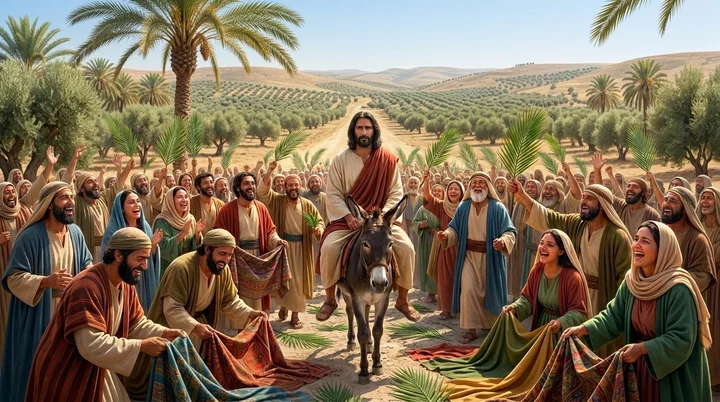
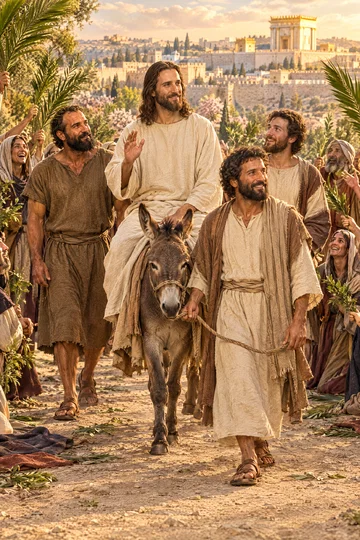
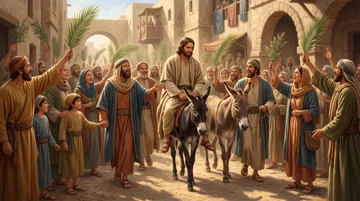
And as he went, they spread their clothes in the way.
Revised Version, American Standard Version
And as he went, they spread their garments in the way.
And as he is going, they were spreading their garments in the way,
And as he went, they strewed their clothes in the way.
And, as he moved along, they were spreading their own mantles in the way.
Berean Standard Bible, Majority Standard Bible
As He rode along, the people spread their cloaks on the road.
As he went, they spread their cloaks on the road.
And while he went on his way they put their clothing down on the road in front of him.
And as he went, they spred their clothes in the way.
Douay-Rheims (Challoner revision)
And as he went, they spread their clothes underneath in the way.
Pictures
Cross-references
- Matthew 21:8
And a very great multitude spread their garments in the way; others cut down branches from the trees, and strawed them in the way.
Parallel account of the entry into Jerusalem.
- John 12:12-15
On the next day much people that were come to the feast, when they heard that Jesus was coming to Jerusalem,
The crowd welcomes Jesus into Jerusalem with palm branches and acclamations.
- Mark 11:8
And many spread their garments in the way: and others cut down branches off the trees, and strawed them in the way.
Many spread their garments along the way during Jesus’ entry.
- Zechariah 9:9
Rejoice greatly, O daughter of Zion; shout, O daughter of Jerusalem: behold, thy King cometh unto thee: he is just, and having salvation; lowly, and riding upon an ass, and upon a colt the foal of an ass.
Jesus’ humble entry into Jerusalem fulfills the prophecy of Zion’s King riding on a donkey.
- Luke 19:40
And he answered and said unto them, I tell you that, if these should hold their peace, the stones would immediately cry out.
The stones would cry out if the crowd stayed silent, ensuring acclamation.
- Psalms 118:26
Blessed be he that cometh in the name of the LORD: we have blessed you out of the house of the LORD.
The crowd’s royal welcome echoes the blessing on the one who comes in the Lord’s name.
- Luke 19:41
And when he was come near, he beheld the city, and wept over it,
Jesus’ lament over Jerusalem occurs during the same ride into the city.
- Matthew 21:9
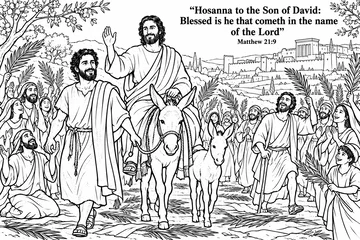
And the multitudes that went before, and that followed, cried, saying, Hosanna to the Son of David: Blessed is he that cometh in the name of the Lord; Hosanna in the highest.
The crowd acclaims Jesus as he enters Jerusalem.
- John 12:16
These things understood not his disciples at the first: but when Jesus was glorified, then remembered they that these things were written of him, and that they had done these things unto him.
disciples understood the action only after Jesus was glorified
- Mark 11:9
And they that went before, and they that followed, cried, saying, Hosanna; Blessed is he that cometh in the name of the Lord:
The crowd cries hosanna as Jesus enters Jerusalem.
- 2 Kings 9:13
Then they hasted, and took every man his garment, and put it under him on the top of the stairs, and blew with trumpets, saying, Jehu is king.
Garments are spread as a royal act of honor.
- John 12:19
The Pharisees therefore said among themselves, Perceive ye how ye prevail nothing? behold, the world is gone after him.
The rulers are alarmed that the world follows Jesus.
- Zechariah 14:4
And his feet shall stand in that day upon the mount of Olives, which is before Jerusalem on the east, and the mount of Olives shall cleave in the midst thereof toward the east and toward the west, and there shall be a very great valley; and half of the mountain shall remove toward the north, and half of it toward the south.
Both concern the Mount of Olives trod at Jesus’ entry.
Commentary
Each commentary is drawn from primary sources: the writings of Ellen G. White and Adventist pioneers and periodicals. Each commentary is separate. Its own words are not a quotation; follow the references to read the source passages.
Ellen G. White
16 sources
As He rode into Jerusalem in His triumphal entry, the disciples and the multitude spread their outer garments in the way to make a carpet before Him, honoring Him as King and Messiah with glad, joyful worship because they had no costly gifts or outward pomp to offer.DA 569.3–4DA 569DA 569.1–2 Those who spread them were trophies of His love rescued and praising God for deliverance, cleansed lepers, restored blind, loosed dumb shouting hosannas, healed cripples, widows and orphans, those awakened from death, and Lazarus himself leading the humble beast.4RED 120.2 With the garments they strewed and waved olive and palm branches, nature's emblem of victory, with loud hosannas which He accepted, fulfilling Zechariah's prophecy of the lowly King while the disciples recounted His healings and raisings of the dead.DA 569.1–2Ms 123, 1909, par. 21–222SP 384.1–385.11T 57.3–58.14SP 253.2 The crowd believed they were escorting Him to take David's throne and deliver Israel as a temporal king, not yet understanding that He must suffer and rise, and in a few days they saw Him on the cruel cross, yet He was true to His promises to the faithful.COS 91.1–5EW 206.41T 57.3–58.1 The ride belongs with His weeping over the doomed city in mercy and love for sinful men, making the entry a solemn warning of the last great day, so God's people should not be cold or ashamed to glorify Christ openly, for if they were silent even the stones would cry out.Ms 122, 1909, par. 24–26EW 88.2–3Ms 54, 1886, par. 4–7Ms 85, 1893, par. 3
The Triumphal Carpet
As He rode into Jerusalem in His triumphal entry, the disciples and the multitude spread their outer garments in the way to make a carpet in His path before the animal He rode.DA 569.3–4DA 569.1–2ST Jun 8, 1882EW 88.2–3COS 91.1–5 It was the coming of a King, and the spreading of the clothes honored Him as King, Messiah and promised King.DA 569.3–4DA 569DA 569.1–2ST Jun 8, 1882EW 88.2–3 The act was done with glad enthusiasm and joyful welcome, as the worship of happy hearts.DA 569.1–2EW 88.2–32SP 384.1–385.1 They had no costly gifts to offer, no outward pomp and splendor, and no royal standards, so their garments served as the carpet for His procession.DA 569.3–4ST Jun 8, 1882COS 91.1–52SP 384.1–385.1
Those who spread their garments were trophies of His love rescued by Him and praising God for deliverance, unlike the mourning captives in the trains of earthly conquerors' processions.4RED 120.2 Among them were lepers cleansed by His word from a living death, spreading their untainted garments in His path and hailing Him as the King of Glory.4RED 120.2 With them were the blind to whom He restored sight pressing on and leading the way, and the dumb whose tongues He loosed shouting the loudest hosannas.4RED 120.2 There were the cripples He healed breaking off palm branches and waving them before Him, and widows and orphans exalting Him for His mercy.4RED 120.2 There were those awakened from the sleep of death, and Lazarus restored from corruption in the grave to the full strength of manhood guiding the humble beast He rode.4RED 120.2
With the garments the people also strewed leafy branches of olive and palm in the way.2SP 384.1–385.1 They cut down spreading palm boughs, nature's emblem of victory, and waved them aloft with loud acclamations and hosannas.2SP 384.1–385.1 Jesus accepted this homage He had never before permitted.2SP 384.1–385.1
The entry took place in the beautiful season of the year, when a large, enthusiastic crowd gathered.Ms 128, 1899, par. 1 The gathering was drawn in part by the miracle of Jesus raising Lazarus.Ms 128, 1899, par. 1
Prophecy and Expectation
The spreading of garments in the way was the fulfillment of Zechariah's prophecy of a lowly King coming to Jerusalem.DA 569.1–24SP 253.2 The disciples honored Jesus along His path into the city with glad enthusiasm and welcomed Him as the promised King.DA 569.1–2 The prophesied acclamation had to be fulfilled, so prophecy was being fulfilled in what the people did.Ms 123, 1909, par. 21–221T 57.3–58.14SP 253.2
As they laid their garments on the road, the disciples loudly recounted His healings, His raisings of the dead, and every other mighty work they could remember.Ms 123, 1909, par. 21–22 Great blessing and praise to God came from their lips.Ms 123, 1909, par. 21–22 People flocked from all the region about, spreading their clothes in the way and crying Hosanna to the Son of David.1T 57.3–58.1 The shouting had to happen because prophecy must be fulfilled, so that when priests and elders asked Jesus to still the multitude He declared that if they held their peace even the stones would cry out.1T 57.3–58.1
They honored Him as king and believed they were escorting Him to take David's throne.COS 91.1–54SP 253.2 They welcomed Him with enthusiastic joy because they believed He was about to become a temporal king, to be crowned king and to reign on David's throne and to deliver Israel from its oppressors.COS 91.1–5EW 206.41T 57.3–58.14SP 253.2 But their hopes were not fulfilled as they expected, because they did not yet understand that Christ had to suffer and rise from the dead.4SP 253.2 In a few days those high hopes were disappointed when they saw their beloved Master stretched upon the cruel cross above the mocking, taunting Pharisees, and the darkness of death closed about them.1T 57.3–58.1 Yet Christ was true to His promises and gave sweet consolation and rich reward to the true and faithful.1T 57.3–58.1
Warning and Worship Today
The spreading of garments in the way belongs to Christ's riding into Jerusalem toward the crest of Olivet where He wept over the doomed city.Ms 54, 1886, par. 4–7Ms 85, 1893, par. 3 He wept there because His mercy and love were rejected.Ms 54, 1886, par. 4–7 In that weeping He looked beyond the destruction of Jerusalem to an impenitent world doomed to destruction, which makes the ride a solemn subject.Ms 85, 1893, par. 3 It shows the mercy and love of Jesus in dying for sinful man so that he might not perish in his sins.Ms 54, 1886, par. 4–7
The scenes of that entry into Jerusalem are compared with the events of the last great day.Ms 122, 1909, par. 24–26 In that entry the disciples spread their garments in Jesus' path as He rode, honoring Him as King.EW 88.2–3 Their open praise and devotion could be dismissed as extravagant by those who wanted them silenced.EW 88.2–3 God's people should not be cold or ashamed to glorify Christ, for if they were silent even the stones would give Him praise.EW 88.2–3
Sources
Pioneers and periodicals
33 sources
As he rode toward Jerusalem and the temple, the disciples and multitude spread their outer garments in the way as a joyful public act of royal honor welcoming him as King, Messiah and promised Son of David. ST Sep 17, 1894ST Sep 27, 1899RH Jan 29, 1914ST Nov 8, 1883 This took place on the first day of the week near the close of his ministry, only a few days before his suffering and death, when he presented himself as heir to David's throne. RH Jan 29, 1914ST Nov 8, 1883 The spreading of clothes with branches and hosannas fulfilled Zechariah's prophecy of the King coming lowly and riding on a colt, showing that God's prophetic word does not fail. RH May 16, 1912ST May 9, 1878RH Dec 11, 1866 Those who honored him rightly hailed him as Zion's King yet wrongly expected him then to take David's throne and redeem Israel, not understanding that he entered to be condemned and crucified. ST Jun 5, 1879ST Nov 20, 1884ST Sep 16, 1889ST Nov 27, 1879RH Sep 18, 1855 Their crushing disappointment when he was crucified did not void the fulfillment, for only after he rose and was glorified did they understand that he had to suffer before coming in his kingdom. ST Jun 5, 1879ST Nov 20, 1884ST Feb 11, 1903
Entry Setting and Honor
The scene belongs to the triumphal entry on the first day of the week, near the close of Jesus' ministry only a few days before his suffering, death and crucifixion, when he presented himself as Messiah and heir to David's throne and rode toward the temple.RH Jan 29, 1914ST Nov 8, 1883ST Feb 14, 1878 He came from Bethany the day after the feast at Simon the leper's house that followed the raising of Lazarus, by the footpath over the summit of the Mount of Olives, and at the descent was met by the throng with palm branches.ST Feb 14, 1878ST Nov 17, 1898ST Nov 3, 1898 The way lay down through the valley and up the slope through the gate into the city and into the temple, with Jerusalem lying clear below across the Kidron Valley, and as he came near he beheld the city and wept over it and then entered the temple and cast out the traffickers.ST Feb 14, 1878ST Nov 17, 1898ST Nov 3, 1898 Luke gives the fullest account of this scene, which is also recorded in Matthew, Mark and John.ST It is one of the principal events in Luke 18:24 through Luke 21, coming after the parable of the pounds and before the weeping over the city.STST Apr 21, 1909
As he went and rode toward Jerusalem, the disciples, multitude and crowds spread their clothes and outer garments in the way.ST Jul 22, 1886ST Sep 17, 1894ST Sep 27, 1899ST Apr 14, 1898 It was a public, joyful act of royal honor and homage, welcoming him as King, Messiah and promised Son of David with branches, hosannas and praise to God for the mighty works they had witnessed.ST Sep 17, 1894RH Sep 18, 1855ST He allowed that praise full expression, making his passage a triumphal procession.RH Sep 18, 1855ST Having no costly gifts or royal standards, they made their clothes a carpet for his procession.ST Jun 8, 1882ST Jul 22, 1886 The act expressed love, devotion to their King and Saviour, and desire to honor him, and they were willing to have their garments damaged by the colt's hooves because such loss seemed trivial beside the joy of welcoming Jesus.ST Jun 8, 1882ST Jul 22, 1886ST Jun 19, 1884ST Jul 2, 1894
Prophecy Fulfilled Yet Misunderstood
The spreading of garments in the way fulfilled Zechariah's prophecy of the King coming lowly and riding upon a colt and an ass, bringing salvation, with every detail in readiness to show that God's prophetic word does not fail.RH May 16, 1912ST May 9, 1878RH Mar 17, 1859 The entry fulfilled that prophecy of His riding into Jerusalem and into the city.RH May 16, 1912ST May 9, 1878 Only the part describing the lowly coming on the donkey was then fulfilled, while Christ's full earthly dominion described in the rest of the prophecy was still future.RH Dec 11, 1866
The prophetic command in Zechariah 9:9 to rejoice greatly and shout, written centuries earlier in the imperative mood, was a prediction to be done in its appointed season.ST Jun 5, 1879RH Jul 4, 1871RH Jun 10, 1858 It was done in the line of duty and by divine impulse in obedience to that command, because Zion's King comes just, bringing salvation, lowly and riding on an ass and a colt.ST Jun 5, 1879RH Jun 10, 1858 The shouting had to go forth, so that the stones would have cried out if the people had held their peace.ST Jun 5, 1879RH Jul 4, 1871RH Jun 10, 1858
Those who spread their clothes recognized Him as the promised King of Zion, Zion's King and Son of David, yet wrongly expected Him then to take David's throne and the kingdom, to enter upon His reign in Jerusalem, to redeem Israel, and to dwell with them forever.ST Jun 5, 1879RH Sep 18, 1855RH Mar 17, 1859ST Oct 2, 1893RH Jun 10, 1858 They welcomed Him as King and rejoiced before Him as a king in His triumph with palm branches and shouts of triumph, and although that expectation would be disappointed their rejoicing and praise were fitting.ST Nov 27, 1879RH Sep 18, 1855ST Oct 2, 1893 They hailed Him at the right time in the prophetic words, proclaiming Hosanna to the King that cometh in the name of the Lord, but did not understand that He was going into the city not to take a throne and reign but to be condemned and crucified as a malefactor and to die.ST Nov 20, 1884ST Sep 16, 1889ST Nov 27, 1879ST Apr 8, 1903RH Jun 10, 1858 Within days He was crucified instead of crowned, their hopes died with Him, and His disciples were scattered.ST Jun 5, 1879ST Nov 20, 1884ST Apr 8, 1903RH Mar 17, 1859RH Jun 10, 1858
That error and crushing disappointment did not void the fulfillment, and the disappointment itself fulfilled prophecy.ST Jun 5, 1879ST Feb 11, 1903 The disciples were appointed to fulfill prophecy yet did not know what they were doing at the time.RH Jun 10, 1858ST Nov 20, 1884 Only after Christ rose, was glorified, and sent the Comforter did they remember that these things were written of Him and done unto Him, and understand better that He had to suffer before coming in His kingdom.ST Jun 5, 1879ST Nov 20, 1884RH Jun 10, 1858 This proves that God's people can fulfill His word and still be disappointed in their expectations, as with those who expected the second advent in 1844, who proclaimed the event at the right time but wrongly expected the kingdom to appear immediately.ST Nov 20, 1884RH Jun 10, 1858ST Nov 20, 1884
Context Warning and Application
The verse stands immediately after the parable of the nobleman who goes into a far country to receive a kingdom and to return, which was spoken because the disciples thought the kingdom of God should immediately appear when Jesus went into Jerusalem.ST Sep 14, 1882RH Apr 15, 1858ST Nov 27, 1879 That parable did not remove the impression from their minds, for as he entered they still hailed him as the Son of David and rejoiced before him as a king in his triumph, spreading clothes in the way with palm branches and shouts of triumph, not realizing he was going into the city to be condemned and crucified as a malefactor.ST Nov 27, 1879 While Christ is away his servants are entrusted with what God has given them and are to put it to use and increase its benefit rather than merely preserving it.ST Sep 14, 1882 Those entrusted gifts include temporal and spiritual blessings, and the equal allotment in Luke may represent God's truth given to all, with his Spirit freely available to those who ask in faith.ST Sep 14, 1882
The order in the parable, first receiving the kingdom and then returning, means the receiving of the kingdom comes before the return and is the closing event of Christ's priestly office.RH Apr 15, 1858 On his return he causes those enemies who would not have him reign over them to be brought forth and slain in his presence, which shows what Christ does with the nations by his second advent and its accompanying judgments.RH Apr 15, 1858 He dashes them in pieces like a potter's vessel instead of converting them.RH Apr 15, 1858
The triumphant ride that includes the spreading of the clothes led to his entrance into the temple shortly before his crucifixion.ST Feb 14, 1878 It is a warning about failing to value spiritual privileges and heeding God's warning while probation remains.ST Feb 14, 1878ST Jun 22, 1882 On the brow of Olivet Jerusalem still had opportunity to repent and be saved, but Jesus mourned over the city because it had rejected his warnings and mercy and its day of grace was nearly over, with judgment to follow if it persisted in impenitence.ST Feb 14, 1878ST Jun 22, 1882 The joyful scene of public welcome, with crowds praising him as the promised Son of David and shouting hosannas, therefore stands in contrast to Jerusalem's later rejection of him and the city's destruction.ST
Their spreading of garments in his path expressed love and a desire to honor him.ST Jun 19, 1884 It serves as a picture of how acts of kindness, faithful service, and resistance to temptation, done out of love for Christ, are offerings he notices and accepts.ST Jun 19, 1884 It was an act of honor and devotion to their King and Saviour, and they were willing to have their clothes damaged by the colt's hooves because such loss seemed trivial beside the joy of welcoming Jesus.ST Jun 19, 1884ST Jul 2, 1894
Sources