Translations
American King James Version, Webster Bible
And he said to them, Exact no more than that which is appointed you.
King James Version, KJV Cambridge Paragraph Bible
And he said unto them, Exact no more than that which is appointed you.
Revised Version, American Standard Version
And he said unto them, Extort no more than that which is appointed you.
and he said unto them, 'Exact no more than that directed you.'
And he said to them, Take no more [ money] than what is appointed to you.
And, he, said unto them, Nothing more than what is appointed you, exact ye.
Berean Standard Bible, Majority Standard Bible
“ Collect no more than you are authorized,” he answered.
He said to them, “ Collect no more than that which is appointed to you.”
And he said to them, Do not make an attempt to get more money than the right amount.
And hee saide vnto them, Require no more then that which is appointed vnto you.
Douay-Rheims (Challoner revision)
But he said to them: Do nothing more than that which is appointed you.
Pictures

Cross-references
- Matthew 3:1-12
In those days came John the Baptist, preaching in the wilderness of Judaea,
Records John’s ministry and preaching a call to repentance.
- Mark 1:4-5
John did baptize in the wilderness, and preach the baptism of repentance for the remission of sins.
John preaches repentance and baptizes people confessing their sins.
- Luke 3:8
Bring forth therefore fruits worthy of repentance, and begin not to say within yourselves, We have Abraham to our father: for I say unto you, That God is able of these stones to raise up children unto Abraham.
The tax collectors’ instruction shows practical fruit of repentance.
- Luke 3:1-3
Now in the fifteenth year of the reign of Tiberius Cæsar, Pontius Pilate being governor of Judæa, and Herod being tetrarch of Galilee, and his brother Philip tetrarch of Ituraea and of the region of Trachonitis, and Lysanias the tetrarch of Abilene,
Dates John’s preaching before Jesus’ ministry.
- John 1:26-34
John answered them, saying, I baptize with water: but there standeth one among you, whom ye know not;
Both describe John the Baptist’s work of baptizing at the Jordan.
- Leviticus 6:4
Then it shall be, because he hath sinned, and is guilty, that he shall restore that which he took violently away, or the thing which he hath deceitfully gotten, or that which was delivered him to keep, or the lost thing which he found,
Requires repayment for property taken by fraud or extortion.
- Mark 1:9
And it came to pass in those days, that Jesus came from Nazareth of Galilee, and was baptized of John in Jordan.
Both describe John baptizing in the Jordan.
- Luke 3:21
Now when all the people were baptized, it came to pass, that Jesus also being baptized, and praying, the heaven was opened,
Jesus is baptized in the Jordan as part of the same baptizing work.
Commentary
Each commentary is drawn from primary sources: the writings of Ellen G. White and Adventist pioneers and periodicals. Each commentary is separate. Its own words are not a quotation; follow the references to read the source passages.
Ellen G. White
16 sources
At the Jordan John told the tax collectors who asked what they should do to collect only the amount officially assigned to them, with honest measures and without dishonesty, injustice, extortion or oppression.Ms 121c, 1898, par. 7RH Jan 14, 1873 His answer was part of his preaching of baptism of repentance for remission of sins, calling for works worthy of repentance, with practical directions also given to the people in general and to soldiers.Lt 270, 1907, par. 8–13ST Jun 11, 18961RED 40.1–41.1 The command did not require them to leave their occupation, but to prove repentance by serving faithfully and honestly where they had been called.Ms 121c, 1898, par. 7Lt 19a, 1897, par. 8–10DA 150.3 Repentance must therefore bear practical fruit in daily conduct in honesty, fairness, fidelity, justice and charity, and such honest work belongs to the character of those who would enter the kingdom.Lt 270, 1907, par. 8–13RH Jan 14, 1873ST Oct 18, 1877DA 105.1–2 Zacchaeus the chief tax collector had violated that standard by oppressing taxpayers and practicing extortion, but under its conviction he turned to obey it by restoring fourfold what he had taken and giving half his goods to the poor as evidence of genuine conversion.ST Jun 11, 1896DA 553.1DA 553.2DA 553.3–554.1DA 552.4 Those who fail to bear such fruit disappoint Christ and fall under judgment, for blessings are upon conditions of obedience while disobedience brings the curse, and the fruitless would be hewn down and cast into the fire.Ms 43, 1891, par. 19–201RED 40.1–41.1
Meaning and Historical Setting
The command was given to tax collectors to collect no more than the amount officially assigned to them, taking only what was due and using honest measures.Ms 121c, 1898, par. 7RH Jan 14, 1873Lt 19a, 1897, par. 8–10ST Jun 11, 1896 It forbade dishonesty, injustice, extortion and oppression, and forbade using power over taxpayers to take more.Ms 121c, 1898, par. 7RH Jan 14, 1873ST Jun 11, 1896DA 553.1 Genuine repentance therefore required putting away dishonest practices and producing conduct that matched repentance, with daily life changed away from oppression and selfishness.Ms 121c, 1898, par. 7RH Jan 14, 1873 The instruction exposed extortion as wrongdoing contrary to right.ST Jun 11, 1896DA 553.1
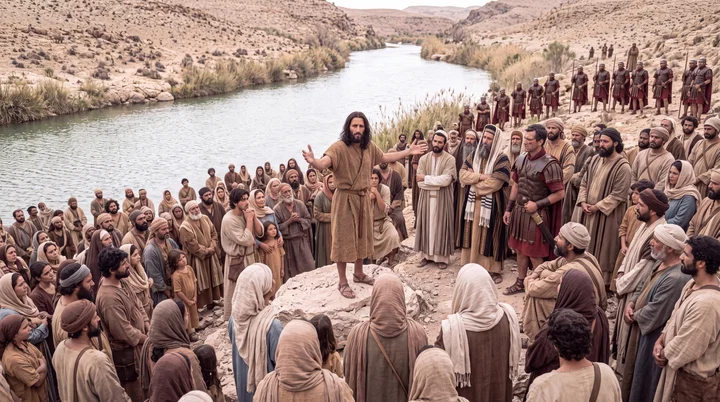
It was spoken at the Jordan as the answer to tax collectors who came to be baptized and asked what they should do.Lt 270, 1907, par. 8–13ST Jun 11, 18961RED 40.1–41.1DA 552.4 It belonged to the preaching of the baptism of repentance for the remission of sins and to the call to bring forth works worthy of repentance.Lt 270, 1907, par. 8–131RED 40.1–41.1 Alongside it stood practical directions to the people in general and to soldiers, giving each inquiring group conduct suited to its place, with verse 13 as the specific word to tax collectors not to collect more than what was assigned.Lt 270, 1907, par. 8–131RED 40.1–41.1ApM 58.1–59.2 The call was given at the Jordan only a few miles from Jericho and was directed to those in the customs calling, requiring honesty there and forbidding injustice and extortion by exacting more than what was appointed.DA 552.4
People from every rank, including tax collectors, came and submitted to this requirement in order to share in the kingdom that was announced.DA 105.1–2 Some, however, sought baptism without genuine repentance, hoping to gain favor with the coming Prince and to strengthen their influence with the people.DA 105.1–2 Reform did not require tax collectors to leave their occupation; they were to prove repentance by being faithful where they had been called to serve and by serving honestly where they were.Ms 121c, 1898, par. 7Lt 19a, 1897, par. 8–10DA 150.3 They could remain in their work with just weights and measures, stopping dishonest and oppressive practices.Ms 121c, 1898, par. 7Lt 19a, 1897, par. 8–10
Repentance and Transformed Life
Repentance must produce practical fruit in daily conduct, so that profession is accompanied by good works.Lt 270, 1907, par. 8–13RH Jan 14, 18732SP 55.2–56.2 Genuine religion changes how a person lives, requiring honesty, fairness, fidelity and unselfishness, with justice and charity, and the rejection of oppression and selfishness.RH Jan 14, 1873ST Oct 18, 18772SP 55.2–56.2 Words and actions are the fruit that determines the character of the tree.1RED 40.1–41.1 Honesty and fairness in work are a practical requirement of a righteous life and belong to the character of those who would enter the kingdom.ST Oct 18, 1877DA 105.1–2 What was commanded to tax collectors generalizes to each person acting honestly within the responsibilities and limits appointed to them, rather than taking more than is due.Ms 43, 1891, par. 19–20
Failure to bear such fruit of repentance brings judgment, for the fruitless disappoint Christ.Ms 43, 1891, par. 19–20 God will in no way excuse sin in an enlightened people.1RED 40.1–41.1 Blessings and promises are always upon conditions of obedience, while disobedience brings the curse.1RED 40.1–41.1 Unless they repented they would be hewn down and cast into the fire, as was seen in the Jews then suffering the curse under a people that hated them while claiming the blessings promised to the obedient.Ms 43, 1891, par. 19–201RED 40.1–41.1
In the setting of Zacchaeus, a chief tax collector seeking to see Jesus, the standard of honest conduct expected of his profession was laid down, and it is the background for calling him a sinner.ST Jun 11, 1896DA 553.2DA 553.3–554.1 He had violated it by oppressing taxpayers and practicing extortion, which was out of harmony with the Old Testament Scriptures.ST Jun 11, 1896 The instruction exposed extortion as wrongdoing and convicted him from the Scriptures that his own practice was wrong.DA 553.1DA 552.4 Though he heard it at the Jordan and outwardly disregarded it at the time, it impressed his mind and awakened a longing for a better life.DA 553.1DA 552.4 Joined with the report of kindness and courtesy toward the proscribed classes, it kindled hope that repentance and reformation were possible even for a chief tax collector, leading him at once to follow conviction and begin to make restitution to those he had wronged.DA 552.4
Under conviction that he was a sinner Zacchaeus turned to obey by making restitution to those he had robbed, restoring fourfold what he had taken in extortion and giving half his goods to the poor.ST Jun 11, 1896 This was evidence of genuine conversion and showed him to be a doer of the words of Christ.ST Jun 11, 1896 The message given from that day is to be studied to advantage by present workers.Lt 270, 1907, par. 8–13
Sources
Pioneers and periodicals
18 sources
When tax collectors came to be baptized and asked what they should do, John told them to take only what was lawfully due to them.RH Jan 14, 1873ST Jun 11, 1896ST Apr 10, 1907 The command forbade extortion and unlawful overcharge, and forbade using office or power to oppress those who paid.ST Jan 10, 1900ST Jan 18, 1899 It struck directly at their besetting sin, showing that repentance demands practical reform and honest conduct in daily work with fruits worthy of repentance.ST Apr 10, 1907ST Jan 10, 1900ST Jan 18, 1899 Genuine repentance is not mere sorrow, excitement, praise, or prayer, but sorrow for sin against self and others and against God, leading to confession, forsaking of sin, amendment of life, and honesty toward God and man.RH Jan 14, 1873ST Jun 3, 1875RH Nov 12, 1914 The call belonged to John's work of preparing a people for Christ's first coming by return to God's law, and it provides the pattern for the Elijah work that prepares a people for Christ's second coming.RH May 8, 1879ST Aug 28, 1901ST Sep 20, 1883RH Jul 7, 1874ST Aug 7, 1901
John's Command to Publicans
The saying was given by John to the tax collectors, also called publicans, when they came to him at the Jordan to be baptized and asked what they should do, and it formed part of his preaching and teaching when he began his work.RH Jan 14, 1873ST Jun 11, 1896ST Apr 10, 1907ST Oct 22, 1912 It was his answer to their inquiry about what they must do to have a part in God's kingdom and how to show repentance.ST Apr 10, 1907 Among all classes who responded to him, the publicans bowed before him, confessed their sins, and were baptized by him in the Jordan.ST Oct 22, 1912
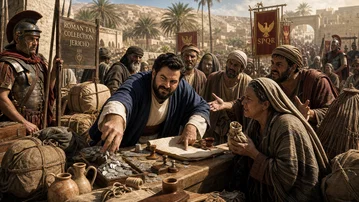
The command directs them to collect no more than the amount officially assigned or appointed to them.ST Jan 10, 1900ST Jan 18, 1899ST Jan 10, 1900 It forbids extortion and unlawful exactions and forbids using position or power to oppress those from whom taxes are gathered.ST Jun 11, 1896ST Jan 10, 1900ST Jan 18, 1899 For tax collectors, repentance therefore required honest conduct in their work, putting away dishonest practices and practicing honest dealing.RH Jan 14, 1873ST Jan 10, 1900ST Jan 18, 1899ST Jan 10, 1900
The instruction was exactly suited to their case because it struck at their besetting sin.ST Apr 10, 1907 His words brought that sin home to their hearts and searched their motives.ST Apr 10, 1907
John gave this clear, strong, Heaven-appointed reproof in the wilderness, and it pierced hard hearts and bore fruit in regenerated hearts and renewed lives.ST Oct 22, 1912 He was able to stand among the people unmoved by surrounding circumstances and give that instruction because he had separated himself from depraved society and false education and had chosen the wilderness as his school.RH Jan 9, 1908 There he denied appetite and comfort, disciplined his physical and mental powers through privation and hardship, kept his mind on meditation and prayer, and sought and received the favor of God.RH Jan 9, 1908
Zaccheus had violated this command by oppressing taxpayers, a practice out of harmony with the Old Testament Scriptures.ST Jun 11, 1896 Under conviction that he was a sinner he turned to obey it by making restitution to those he had robbed.ST Jun 11, 1896 He restored fourfold what he had taken by extortion and gave half his goods to the poor, which was evidence of genuine conversion and showed him to be a doer of Christ's words.ST Jun 11, 1896
Repentance and Preparation for Christ
Repentance requires putting away dishonest practices and producing conduct that matches repentance, with honest dealing in one's work and no extortion beyond what is officially assigned.ST Jan 10, 1900ST Jan 18, 1899ST Jan 10, 1900ST Jan 10, 1900 It is practical moral reform and not merely sorrow, religious excitement, praise, or prayer, including honorable financial dealings and doing what is right.ST Jun 3, 1875 True repentance means genuine sorrow for the sins of life that have injured self and others and have grieved and dishonored the Lord, leading to confession and renunciation of sin and to amendment of life and bearing the fruits of righteousness.RH Nov 12, 1914 For tax collectors it means honesty in dealing with men by taking only what is due, as part of honesty in all relationships of life toward both God and man.RH Jan 14, 1873RH Nov 12, 1914 Genuine religion changes daily conduct and rejects oppression and selfishness, making honesty and fairness in work a practical requirement of a righteous life and showing that justice and charity belong to the character of those who would enter Christ's kingdom.RH Jan 14, 1873ST Oct 18, 1877
The instruction exemplifies the way of righteousness in which they were to repent and live, and their response to John's teaching contrasted with the leaders' refusal to believe him.ST Oct 11, 1899 His call to personal reform through honest conduct was joined to a wider rebuke of corruption among religious leaders and those in authority.ST Sep 20, 1883 The command belongs to John's preaching of repentance and a return to God's law, preparing people to receive Christ, with preparation including honest conduct and rejecting abuses of authority.ST Aug 28, 1901ST Sep 20, 1883 It was special truth for his own generation, calling them to heed the warning and preparation for the coming Messiah, which would not have applied in the same way long before the Messiah was near or long after his coming.RH Jul 7, 1874
John's work recorded in Luke 3 was done in the spirit and power of Elias to prepare a people for Christ's first advent, providing the pattern for the Elijah work that prepares a people for Christ's second advent.RH May 8, 1879 His command to exact no more than what is appointed belongs to his mighty heralding of Christ whose coming was impending as indicated by prophecy, calling people to repent, to turn to obedience to God, and thus to prepare for Christ's coming.ST Aug 7, 1901 He met a low condition of business morals and gross commercialism invading even the temple precincts, alongside cold, self-righteous, ceremonial, hypocritical formalism and loose, critical, infidelic liberalism.ST Aug 7, 1901 The conditions of John's day and the character of his work together help typify the last days and the work and character of God's servants in the last days.ST Aug 7, 1901
The verse lies at the very beginning of true Christian experience and prepares for the nearness of the kingdom of heaven.RH Nov 12, 1914 It belongs to John's great work of calling the people to repentance and to a higher and holier life under the Holy Spirit with glowing zeal.RH Jan 9, 1908 It was exactly suited to their case because it brought their besetting sin home to their hearts and searched their motives.ST Apr 10, 1907 God still answers the question what must I do to be saved in the same way, revealing besetting sins and promising to help those who trust and believe with all their hearts to overcome sin and forsake all unrighteousness.ST Apr 10, 1907 This shows the need not only to ask what to do to be saved but to plead for will and strength to do known duty in the fear of God.ST Apr 10, 1907
Sources