Mark 14:29
But Peter said unto him, Although all shall be offended, yet will not I.
Translations
American King James Version, Webster Bible
But Peter said to him, Although all shall be offended, yet will not I.
King James Version, KJV Cambridge Paragraph Bible, Revised Version, American Standard Version
But Peter said unto him, Although all shall be offended, yet will not I.
And Peter said to him, 'And if all shall be stumbled, yet not I;'
But Peter said to him, Even if all should be offended, yet not I.
And, Peter, said unto him—Even if, all, shall find cause of stumbling, certainly not, I.
Berean Standard Bible, Majority Standard Bible
Peter declared, “ Even if all fall away, I never will.”
But Peter said to him, “ Although all will be offended, yet I will not.”
But Peter said to him, Though the others may be turned away from you, I will not.
And Peter saide vnto him, Although all men should be offended at thee, yet would not I.
Douay-Rheims (Challoner revision)
But Peter saith to him: Although all shall be scandalized in thee, yet not I.
Pictures
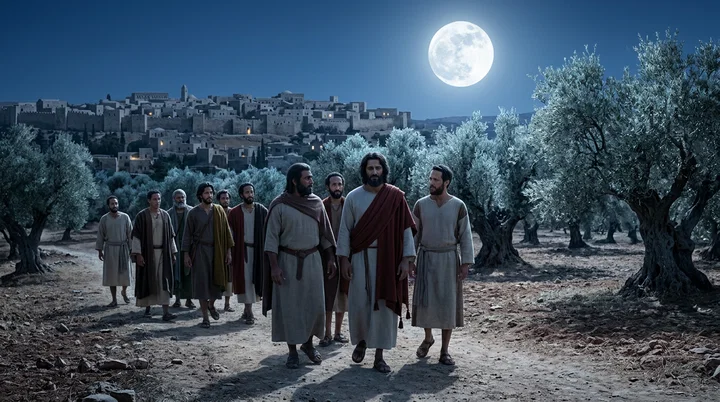
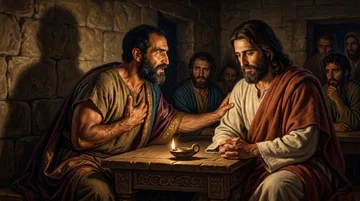
Cross-references
- Matthew 26:33-35
Peter answered and said unto him, Though all men shall be offended because of thee, yet will I never be offended.
Peter pledges loyalty despite Jesus’ warning that the disciples will fall away.
- Luke 22:31-34
And the Lord said, Simon, Simon, behold, Satan hath desired to have you, that he may sift you as wheat:
Jesus predicts Peter’s denial and speaks of his return to strengthen his brothers.
- John 13:37-38
Peter said unto him, Lord, why cannot I follow thee now? I will lay down my life for thy sake.
Peter pledges his life for Jesus, who foretells Peter’s denial.
- Zechariah 13:7
Awake, O sword, against my shepherd, and against the man that is my fellow, saith the LORD of hosts: smite the shepherd, and the sheep shall be scattered: and I will turn mine hand upon the little ones.
The prophecy of the struck shepherd and scattered sheep foretells the disciples’ desertion.
- John 21:15-17
So when they had dined, Jesus saith to Simon Peter, Simon, son of Jonas, lovest thou me more than these? He saith unto him, Yea, Lord; thou knowest that I love thee. He saith unto him, Feed my lambs.
Jesus tests Peter’s earlier boast and restores him after his denials.
- Mark 14:66-72
And as Peter was beneath in the palace, there cometh one of the maids of the high priest:
Peter denies Jesus after confidently promising not to fall away.
- Luke 22:33
And he said unto him, Lord, I am ready to go with thee, both into prison, and to death.
Records Peter’s similar promise to remain loyal.
- 1 Corinthians 10:12
Wherefore let him that thinketh he standeth take heed lest he fall.
Peter’s confidence in standing firm illustrates the warning that confidence can precede a fall.
- Luke 22:61-62
And the Lord turned, and looked upon Peter. And Peter remembered the word of the Lord, how he had said unto him, Before the cock crow, thou shalt deny me thrice.
Jesus’ look reminds Peter of his words, and Peter weeps bitterly.
- Matthew 26:69-75
Now Peter sat without in the palace: and a damsel came unto him, saying, Thou also wast with Jesus of Galilee.
Peter denies Jesus after confidently claiming he would not.
- Matthew 26:31
Then saith Jesus unto them, All ye shall be offended because of me this night: for it is written, I will smite the shepherd, and the sheep of the flock shall be scattered abroad.
Jesus warns that the disciples will be scattered.
- Mark 16:7
But go your way, tell his disciples and Peter that he goeth before you into Galilee: there shall ye see him, as he said unto you.
Jesus specifically sends word for Peter to meet him.
- Mark 14:37
And he cometh, and findeth them sleeping, and saith unto Peter, Simon, sleepest thou? couldest not thou watch one hour?
Peter’s boast of steadfastness is exposed when he cannot stay awake.
- Mark 14:50
And they all forsook him, and fled.
The disciples later forsook Jesus and fled.
- John 18:10
Then Simon Peter having a sword drew it, and smote the high priest’s servant, and cut off his right ear. The servant’s name was Malchus.
Peter’s bold pledge is followed by his drawing a sword to defend Jesus.
- Mark 14:38
Watch ye and pray, lest ye enter into temptation. The spirit truly is ready, but the flesh is weak.
Watchfulness and prayer guard against temptation when the flesh is weak.
- Matthew 26:58
But Peter followed him afar off unto the high priest’s palace, and went in, and sat with the servants, to see the end.
Peter followed Jesus at a distance after his arrest.
Commentary
Each commentary is drawn from primary sources: the writings of Ellen G. White and Adventist pioneers and periodicals. Each commentary is separate. Its own words are not a quotation; follow the references to read the source passages.
Ellen G. White
17 sources
At the supper Jesus sorrowfully warned that all would stumble because of Him that night, and Peter ardently answered that even if all others failed he would remain loyal unto prison and death.ST May 23, 1878ST Dec 2, 1897EW 135.2 Jesus corrected him by foretelling that he himself would deny Him three times that very night before the cock crowed twice, warning that Satan desired to sift him, assuring him of prayer that his faith would not fail, and charging him when converted to strengthen his brethren.3SP 89.15RED 9.2ST May 23, 1878 The pledge was sincere but revealed misplaced self-confidence, trusting his own strength instead of looking to God, without knowing his own weakness and danger.ST Mar 23, 1915Lt 61, 1898, par. 7–9Ms 104, 1897, par. 17–22DA 672.4–674.1 That confidence left him unprepared through failure to watch and pray, so that he slept in Gethsemane and within hours denied his Lord three times even with cursing and swearing.Lt 61, 1898, par. 7–9Ms 104, 1897, par. 17–22Ms 42, 1897, par. 18–22COS 115.5–116.1DA 688.2–689.1 Jesus' sorrowful look brought the boast back to mind, Peter wept bitterly and repented and found mercy and pardon, and was thus prepared to strengthen his brethren as a warning to distrust self, receive correction humbly, and rely on Christ to keep His followers.ST Mar 23, 1915Lt 61, 1898, par. 7–9COL 150.1–152.2DA 672.4–674.1
Setting and Exchange
The declaration was made in the midst of the last supper while Judas was devising plans to betray Jesus.EW 135.2 Just before Gethsemane Jesus sorrowfully told the disciples that all of them would be offended because of Him that night.ST Dec 2, 1897EW 135.2 In answer poor self-sufficient Peter insisted he would never forsake his Lord even if all others did.ST Dec 2, 1897EW 135.2
He ardently affirmed that even if all others were offended he would not be.ST May 23, 1878ST Dec 2, 1897EW 135.2 He confidently claimed that even if every other disciple stumbled because of Jesus, he would remain faithful.ST May 23, 1878ST Dec 2, 1897ST May 30, 1878 He joined the disciples' strong assurances to go with Christ to prison, to suffer and to die with Him rather than deny Him.ST May 23, 1878ST Dec 2, 1897EW 135.2ST May 30, 1878
Jesus immediately corrected and reproved that self-confidence by foretelling that Peter himself would deny Him three times that very night.3SP 89.15RED 9.2ST May 23, 1878ST Aug 12, 1886 The denial would come before the cock crowed twice.3SP 89.1 At the same time He warned Peter that Satan desired to have him to sift him as wheat, assured him He had prayed that his faith would not fail, and charged him when converted to strengthen his brethren.EW 135.2
Self-Confident Profession
The declaration exposes misplaced self-confidence and self-sufficiency, for Peter trusted in his own strength to remain faithful when the others failed instead of looking to God as his Helper.ST Mar 23, 1915Lt 61, 1898, par. 7–9Ms 42, 1897, par. 18–22COS 115.5–116.1DA 688.2–689.1 When Christ warned that the disciples would stumble that night, Peter believed himself strong enough to withstand the test even if all the rest fell away.ST Mar 23, 1915Ms 104, 1897, par. 17–22Ms 42, 1897, par. 18–22COS 115.5–116.1COL 150.1–152.2 His assurance rested on himself rather than on God, and his later denials exposed how misplaced that confidence was.Lt 61, 1898, par. 7–9Ms 104, 1897, par. 17–22Ms 42, 1897, par. 18–22COL 150.1–152.2
He meant what he said, yet he did not know his own weakness and danger.ST Mar 23, 1915DA 672.4–674.1 His self-assurance persisted despite Jesus' warning, leaving him unprepared for temptation.ST Mar 23, 1915DA 672.4–674.1
That confidence left him unprepared because he failed to watch and pray, and it broke down within a few hours.Ms 42, 1897, par. 18–22ST Dec 2, 1897ST May 30, 1878 At the most critical moment, when the Son of God needed sympathy and heartfelt prayers, Peter with the rest was found asleep in Gethsemane.COS 115.5–116.1DA 688.2–689.1ST Dec 2, 1897ST May 30, 1878 His boast that he could go with Christ to prison, suffer and die did not keep him watchful in the hour of trial, for he too slept while Jesus agonized.COS 115.5–116.1ST Dec 2, 1897ST May 30, 1878
Denial, Repentance, Warning
The confident pledge to stand firm when all others stumbled did not hold, for within hours it was exposed as misplaced when denial was repeated three times, even with cursing and swearing.Lt 61, 1898, par. 7–9Ms 104, 1897, par. 17–22COL 150.1–152.2SG1 49.2EW 138.2 That failure showed that trusting in personal strength to remain loyal could not keep from falling, and self-confidence itself caused the fall.Lt 61, 1898, par. 7–9Ms 104, 1897, par. 17–22COL 150.1–152.2
In the moment of humiliation the sorrowful, reproving look of Jesus brought the boastful words back to mind and pressed home the failure.ST Mar 23, 1915SG1 49.2EW 138.2 The remembrance broke self-assurance into contrition, leading to bitter weeping and repentance for sin.ST Mar 23, 1915Lt 61, 1898, par. 7–9COL 150.1–152.2SG1 49.2EW 138.2 That repentance was a true conversion, and in it mercy was found with assurance of pardon.ST Mar 23, 1915COL 150.1–152.2SG1 49.2EW 138.2
Having been converted, he was made ready and prepared to strengthen his fellow disciples and fellow believers.EW 135.2SG1 49.2EW 138.2 His fall remains as a warning to others against trusting their own strength, teaching the danger of such trust.Lt 61, 1898, par. 7–9COL 150.1–152.2 The lesson is the need to distrust self, to receive correction humbly, and to rely on Christ to keep His followers.DA 672.4–674.1
Sources
Pioneers and periodicals
27 sources
Peter declared at the table that night that though all the other disciples stumbled and were scattered, he himself would remain faithful to Jesus.ST Feb 3, 1914ST Jan 17, 1900ST Mar 10, 1909ST Oct 5, 1882 He set his loyalty above theirs and vowed to hold out even to prison and death, but Jesus answered that he himself would deny Him three times before morning.ST Dec 2, 1897ST Oct 8, 1885ST Mar 5, 1912ST May 12, 1898 The boast showed he did not know his own heart, mistaking sincere courage and devotion for steadfastness and trusting his own judgment instead of heeding the warning of a moral test that would lay bare weakness.ST Aug 8, 1906ST Aug 8, 1906ST Dec 30, 1889ST May 21, 1896RH Dec 2, 1909 Within hours he slept in Gethsemane, followed at a distance when Jesus was taken, then denied knowing Him with cursing and swearing, proving that no good thing in the flesh can be relied on.ST Dec 2, 1897ST May 30, 1878ST Jan 10, 1911RH Oct 2, 1866RH Dec 2, 1909 Brought home by Jesus' look, he wept bitterly without despairing of God and found pardon, and when Jesus afterward asked if he loved Him more than the others, humbled Peter claimed no greater devotion yet was charged to feed His sheep in dependence on divine strength.ST Mar 23, 1915ST Mar 5, 1912ST May 21, 1896ST Mar 3, 1881ST Mar 3, 1909
Claim and Setting
Peter declared with confidence that even if all the other disciples fell away from Jesus, he himself would remain faithful.ST Feb 3, 1914ST Mar 10, 1909 His words belong to Mark's account of the last hours up to Jesus' arrest.ST Mar 10, 1909 They were spoken while still at the table, in the same setting before leaving the room as the conversation and instruction in John 14, before singing a hymn and going out.ST Oct 5, 1882 They came after Christ foretold his crucifixion and the disciples' desertion of him.ST Oct 5, 1882
Jesus had warned that the disciples would stumble because of him and be scattered that night.ST May 23, 1878ST Aug 12, 1886ST May 12, 1898 Peter answered that warning by confidently insisting that even if the others were offended and abandoned Jesus, he would not.ST May 23, 1878ST Aug 12, 1886ST Jan 17, 1900ST May 12, 1898 His assurance rested on confidence in his own loyalty.ST May 23, 1878ST Aug 12, 1886ST May 12, 1898 Jesus met it with correction, foretelling that Peter himself would deny him three times that night.ST May 23, 1878ST Aug 12, 1886ST Jan 17, 1900ST May 12, 1898
In doing so Peter compared his loyalty favorably with the others, claiming that his devotion would surpass theirs.ST Oct 8, 1885ST Mar 5, 1912ST Mar 3, 1909 He insisted he would never forsake his Lord even if all others did.ST Dec 2, 1897ST May 30, 1878ST Jan 10, 1911 He spoke more vehemently that he would go to prison, suffer and die with Christ rather than deny him.ST Dec 2, 1897ST May 30, 1878ST Oct 8, 1885ST Jan 10, 1911ST Mar 3, 1909 All the other disciples echoed his strong assurances to go with Christ, without thinking how they would sound or turn out.ST Dec 2, 1897ST Oct 8, 1885
Self-Confidence Exposed
Peter's declaration that he would not be offended even if all others were shows how little he knew his own heart, mistaking confidence in his own strength for real steadfastness.ST Aug 8, 1906ST Aug 8, 1906 He trusted his own judgment about his heart more than Jesus' warning and did not recognize his moral weakness, and his later denial proved how little he knew himself.ST Aug 8, 1906ST Aug 8, 1906 His assurance rested on sincere loyalty and physical courage, yet he was prone to waver and greatly overestimated his faithfulness, failing to see where he was vulnerable.ST Dec 30, 1889ST May 21, 1896RH Dec 2, 1909 He did not recognize that he was being warned of a moral test that would expose selfishness, weakness and vulnerability, and even after being told he would deny three times he still insisted on his own strength, while hardship would expose that weakness even as Jesus' prayer for him pointed to the hope of turning back and serving again.ST Dec 30, 1889ST May 21, 1896
The claim was made in answer to the warning that all would stumble that night, joining the strong assurances of the other disciples to go with Christ to prison, to suffer and to die with him, and it came from trusting in his own strength instead of looking to the mighty Helper as Christ had counseled.ST Dec 2, 1897ST May 30, 1878 It broke down within a few hours, for at the most critical moment in Gethsemane when the Son of God needed sympathy and heartfelt prayer he with the rest was found asleep, and his profession that he could follow to prison or death did not keep him watchful in the hour of trial.ST Dec 2, 1897ST May 30, 1878 His loyalty was sincere but his impulsive self-confidence overestimated his own strength, so when Jesus was arrested and led away amid ridicule his courage failed and he followed at a distance.RH Dec 2, 1909
Despite insisting he would follow to prison and death, he soon denied knowing Jesus three times, even with cursing and swearing, proving false his boastful claim to be stronger and more loyal than the others.ST Jan 10, 1911RH Oct 2, 1866ST Mar 3, 1881 His boast was presumptuous self-confidence and prideful self-conceit, showing that confidence in one's own strength can lead to a fall.RH Oct 2, 1866RH Aug 12, 1862 His fall exposed the weakness and corruption of human nature and taught that no good thing can be relied on in the flesh, even in a loving and devoted disciple whose love alone could not protect him from temptation or prevent denial.ST Dec 11, 1901 It warns against trusting one's own devotion, judging oneself better than others, and the self-conceit that leads to a fall when hardship exposes weakness.ST Dec 11, 1901ST Jan 10, 1911RH Aug 12, 1862
Restoration and Faithful Stand
The look of Jesus brought home to Peter his failure in denying Him, and his bitter weeping was godly sorrow because he saw his sin as Jesus saw it.ST Mar 23, 1915ST Mar 3, 1881 His despair of himself did not become despair of God, but with contrition and repentance he found mercy and assurance of pardon.ST Mar 23, 1915ST Mar 3, 1881 The hope of that recovery was already held out in Jesus' prayer that Peter's faith would not fail, pointing to his turning back and serving again after his wavering and fall.ST May 21, 1896
His experience joins together the self-confidence of the Pharisee and the sinner's need for mercy, for his trusting in his own faithfulness and setting himself apart from the others was followed by denial and humbling that showed both.ST Nov 27, 1901 The comparison in which he claimed loyalty surpassing the other disciples, that even if they fell away he would not, is the point to which Jesus returned in His first question after the resurrection, asking whether Peter loved Him more than these did.ST Mar 5, 1912ST Mar 3, 1909 The three questions about love recalled the three denials and recalled the boast that he loved enough to follow even to prison and death and would die rather than deny.ST Mar 3, 1909RH Apr 30, 1901 Humbled Peter no longer claimed greater devotion than his brethren, no longer claimed even divine love but only affirmed human love, saying simply that he loved Jesus without claiming to love Him more than they did.ST Mar 5, 1912ST Mar 3, 1909RH Apr 30, 1901 Yet he still received the divine charge to feed Christ's sheep, and learned that serving faithfully requires dependence on divine strength.RH Apr 30, 1901
True standing for Christ requires knowing that underneath are the everlasting arms, in contrast to the natural readiness to tell what great things one has done or will do.ST Oct 8, 1885 This is seen opposite Peter's later conversation with the Lord, where he restrained the pronoun I and appealed to thou knowest that he loved Christ.ST Oct 8, 1885 I must therefore be used sparingly, buried with thou knowest, and replaced by yet not I but Christ living in the believer through looking to Jesus the author and finisher of faith, after learning human emptiness and weakness and divine fullness and strength.ST Oct 8, 1885
The resolve to hold fast even if all others forsake applies to God's truth, which sanctifies and raises up a peculiar God-fearing people.RH Sep 22, 1868 Taking that stand means identifying with that people in trials, conflicts, and final triumph.RH Sep 22, 1868 Ever since the fall error has tried to pull truth down and set itself up as the center admired by the world, and now the majority cling to errors with a death-like grasp while truth stands at the door weeping and knocking with no sympathy for its pleadings.RH Sep 22, 1868 Because the powers of darkness press hard upon the truth and all who love it, keeping this resolve requires having on the whole armor to ward off the fiery darts of the Wicked One.RH Sep 22, 1868
The pledge not to forsake even if all others do has also been taken up as words of loyalty to a preacher and a wish that he continue preaching.ST Jul 18, 1911 In that use it carries the request that he preach the gospel rather than temperance and that he make his sermons simpler.ST Jul 18, 1911
Sources