Mark 14:40
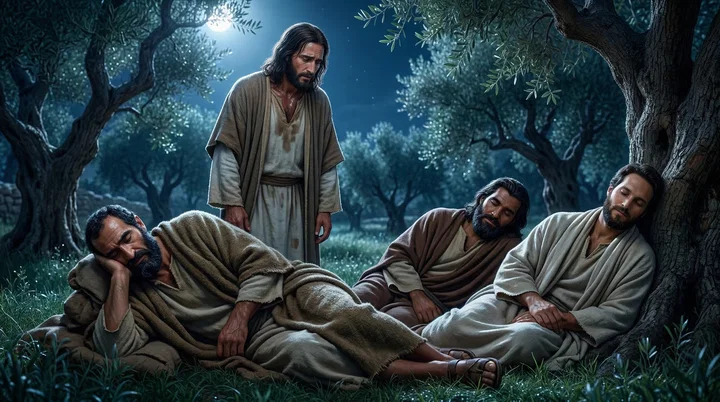
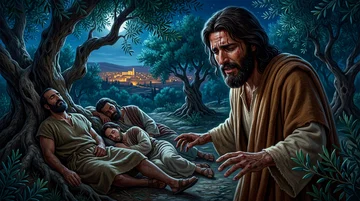
And when he returned, he found them asleep again, ( for their eyes were heavy,) neither wist they what to answer him.
Translations
And when he returned, he found them asleep again, (for their eyes were heavy,) neither knew they what to answer him.
And when he returned, he found them asleep again, ( for their eyes were heavy,) neither wist they what to answer him.
And when he returned, he found them asleep again, (for their eyes were heavy,) neither wist they what to answer him.
And when he returned, he found them asleep again (for their eyes were heavy:) neither knew they what to answer him.
And again he came, and found them sleeping, for their eyes were very heavy; and they wist not what to answer him.
And again he came, and found them sleeping, for their eyes were very heavy; and they knew not what to answer him.
and having returned, he found them again sleeping, for their eyes were heavy, and they had not known what they might answer him.
And returning, he found them again sleeping, for their eyes were heavy; and they knew not what they should answer him.
And, again, coming, he found them sleeping, for their eyes were being, weighed down,—and they knew not what to answer him.
Berean Standard Bible, Majority Standard Bible
And again Jesus returned and found them sleeping— for their eyes were heavy. And they did not know what to answer Him.
Again he returned and found them sleeping, for their eyes were very heavy; and they didn’ t know what to answer him.
And again he came and saw them sleeping, because their eyes were very tired; and they had nothing to say in answer.
And he returned, and founde them a sleepe againe: for their eyes were heauie: neither knewe they what they should answere him.
Douay-Rheims (Challoner revision)
And when he returned, he found them again asleep, ( for their eyes were heavy,) and they knew not what to answer him.
Pictures
Cross-references
- Luke 22:43-46
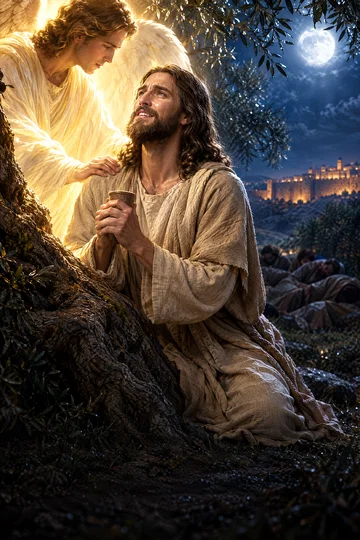
And there appeared an angel unto him from heaven, strengthening him.
Jesus prays in agony, strengthened by an angel, while his disciples sleep.
- Matthew 26:40-43
And he cometh unto the disciples, and findeth them asleep, and saith unto Peter, What, could ye not watch with me one hour?
Jesus returns to find the disciples asleep and urges them to watch and pray.
- Luke 22:45-46
And when he rose up from prayer, and was come to his disciples, he found them sleeping for sorrow,
The disciples sleep from sorrow, and Jesus calls them to pray against temptation.
- Matthew 26:39
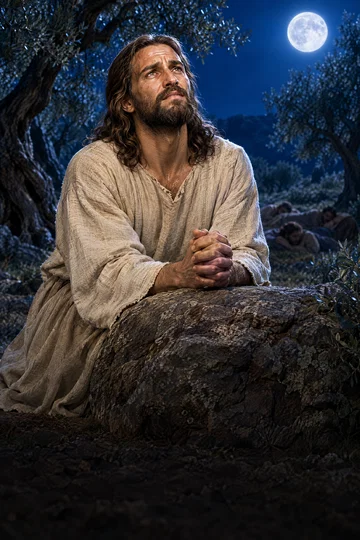
And he went a little further, and fell on his face, and prayed, saying, O my Father, if it be possible, let this cup pass from me: nevertheless not as I will, but as thou wilt.
Jesus asks for the cup to pass while submitting to the Father’s will.
- John 18:1-12
When Jesus had spoken these words, he went forth with his disciples over the brook Cedron, where was a garden, into the which he entered, and his disciples.
A parallel account of the same night and Jesus’ arrest.
- Matthew 26:43
And he came and found them asleep again: for their eyes were heavy.
Also says the disciples’ eyes were heavy and they slept.
- Matthew 26:38
Then saith he unto them, My soul is exceeding sorrowful, even unto death: tarry ye here, and watch with me.
Records Jesus’ sorrow and request that the disciples watch with Him.
- Mark 14:30-31
And Jesus saith unto him, Verily I say unto thee, That this day, even in this night, before the cock crow twice, thou shalt deny me thrice.
Jesus predicts Peter’s denial after Peter and the others confidently promise loyalty.
- Luke 22:42-43
Saying, Father, if thou be willing, remove this cup from me: nevertheless not my will, but thine, be done.
Jesus submits his will to the Father and receives strength in Gethsemane.
- Matthew 26:40
And he cometh unto the disciples, and findeth them asleep, and saith unto Peter, What, could ye not watch with me one hour?
Jesus returns and finds the disciples asleep.
- Matthew 26:42
He went away again the second time, and prayed, saying, O my Father, if this cup may not pass away from me, except I drink it, thy will be done.
Jesus again submits to the Father’s will concerning the cup.
- Mark 13:33
Take ye heed, watch and pray: for ye know not when the time is.
Jesus had warned His disciples to watch.
- Mark 14:66-72
And as Peter was beneath in the palace, there cometh one of the maids of the high priest:
The passage connects the disciples’ weakness with Peter’s later denial.
Commentary
Each commentary is drawn from primary sources: the writings of Ellen G. White and Adventist pioneers and periodicals. Each commentary is separate. Its own words are not a quotation; follow the references to read the source passages.
Ellen G. White
17 sources
On the Passover night in Gethsemane Jesus came back to the three He had asked to watch and found them asleep again, their eyes heavy so that when He roused them they did not know what to answer Him.Lt 147, 1903, par. 21–24ST Jun 3, 18974RED 102.2–103.1ST Mar 19, 1912ST Aug 8, 1878 He was then bowed under utter sadness and the guilt of fallen humanity, fearing to be shut out forever from His Father's love while bearing a strain no human being had endured before or since in order to make atonement for transgression.DA 685.2Ms 134, 1905, par. 3 In that agony He longed for human companionship and hoped for some word of love to strengthen and comfort Him in His sorrow.ST Jan 15, 1902Ms 45, 1892, par. 6–9RH Dec 28, 1911 The disciples were exhausted and drowsy under the pressure of Satan, clinging to hope of an earthly kingdom instead of keeping awake through love for their suffering Master as they might have done by continuing to plead with God.Lt 147, 1903, par. 21–24ST Jan 15, 1902Ms 45, 1892, par. 6–9 Because they slept they did not understand His sorrow or remember His teaching about His suffering and rising again, and were left without the strength and evidence that would have prepared them for Calvary and kept them from leaving Him alone, until Peter afterward returned weeping to where he had seen his Saviour prostrated and left a converted man fitted to strengthen his brethren.Lt 54, 1874, par. 15–16Ms 45, 1892, par. 6–9Ms 59, 1897, par. 7
Garden Setting and Wording
The night was that of the Passover, after leaving the city for the garden of Gethsemane, beneath a full moon while the pilgrims' tents lay quiet.DA 685.1 James and John and Peter were with Jesus in the garden, and John was present as one of the three permitted to witness the agony.BS 45.1–37RED 68.1 Jesus entered the garden already weighed down by utter sadness and a strange silence such as the disciples had never seen in Him.DA 685.3 His body showed the pressure of the burden, swaying as if about to fall, moving with labored effort and groaning aloud under the load, so that twice His companions supported Him lest He fall to the earth.DA 685.3 The disciples marked the change yet dared not ask its cause, and looked anxiously for His usual place of retirement that He might rest.DA 685.3
As He neared the garden His heart was full of sorrow, feeling shut out from the light of God's sustaining presence.DA 685.2 Numbered with transgressors, He bore the guilt of fallen humanity though He knew no sin, with the iniquity of all laid upon Him.DA 685.2 So dreadful did sin appear to Him and so great was the weight of guilt He must bear that He feared being shut out forever from His Father's love.DA 685.2 He felt God's terrible wrath against transgression, crying that His soul was exceeding sorrowful even unto death.DA 685.2
The verse records one of three returns in which Jesus found the disciples sleeping while He endured His agony.Ms 43, 1909, par. 10–12 The same prayer for deliverance was repeated three times, showing the depth of His sorrow and distress.ST Aug 8, 1878 It belonged to the ordeal of betrayal, suffering, and death that would test the disciples.4RED 102.2–103.1 In its wording their eyes were heavy, for they had fallen asleep again and did not know what to answer Him.ST Jun 3, 1897ST Mar 19, 1912 His presence roused them, and seeing His face marked by bloody sweat and the agony of His suffering filled them with fear and sorrow.Lt 147, 1903, par. 21–24ST Jun 3, 1897ST Mar 19, 1912 Exhausted and drowsy, they could not comprehend His anguish and could find no words to say to Him.Lt 147, 1903, par. 21–24ST Jun 3, 1897ST Mar 19, 1912
Christ's Suffering and Longing
Mark 14:40 belongs to the record of Christ's suffering in Gethsemane, where He bore the sins of the world under a strain no human being had endured before or since.Ms 134, 1905, par. 3 His suffering shows complete submission to God's will, for though He could have refused humiliation and death, He accepted them to make atonement for human transgressions.Ms 134, 1905, par. 3 The verse itself records that moment in His agony when the disciples fell asleep again, their eyes heavy, and could not answer Him.Ms 134, 1905, par. 3
While enduring that agony He longed for human sympathy and companionship.ST Jan 15, 1902Ms 45, 1892, par. 6–9RH Dec 28, 1911Ms 43, 1909, par. 10–12 He came back from prayer hoping the disciples would speak some word of love to strengthen and comfort Him in sorrow, after He had asked them to watch with Him.ST Jan 15, 1902Ms 45, 1892, par. 6–9 He returned to them three times, and each time found them sleeping while He endured His agony and sought their sympathy.Ms 43, 1909, par. 10–12 They were drowsy and asleep again and could not think of what to say to Him, and their stupor and weakness kept them from giving Him the companionship He longed for.ST Jan 15, 1902Ms 45, 1892, par. 6–9RH Dec 28, 1911Ms 43, 1909, par. 10–12 That sleep came when Satan and his evil angels were pressing upon them on the ground, when love for their suffering Master should have kept them awake, and they might have shaken off that weakness by continuing to plead with God.ST Jan 15, 1902Ms 45, 1892, par. 6–9
Disciples' Failure and Warning
The disciples were exhausted and drowsy when Jesus returned from prayer in His agony, asleep again and unable to understand His suffering or find words to answer Him.Lt 147, 1903, par. 21–24ST Jan 15, 1902Ms 45, 1892, par. 6–9 His presence roused them, and seeing His face marked by bloody sweat filled them with fear, though they could not comprehend His anguish.Lt 147, 1903, par. 21–24 Their stupor and weakness kept them from giving Him the companionship He longed for, a weakness they might have shaken off by continuing to plead with God.ST Jan 15, 1902 That sleep came while Satan and his evil angels pressed upon them on the ground, when love for their suffering Master should have kept them awake.Ms 45, 1892, par. 6–9 Instead they clung to hope of an earthly kingdom with themselves as rulers.Ms 45, 1892, par. 6–9
Jesus bent over the sleepers and roused Peter, asking in pitying tenderness how one who had said he would go to prison and death with Christ could not watch one hour.Ms 45, 1892, par. 6–9 He urged them to watch and pray because the spirit is willing but the flesh is weak.Ms 45, 1892, par. 6–9
Because they failed to watch, they did not understand the sorrow pressing on Him, were not fitted to behold His death on Calvary, did not remember what He had told them many times about His suffering and death and rising again, had no rays of hope amid gloom, and were left with faith unstrengthened when Satan seemed to gain the victory.Ms 45, 1892, par. 6–9 Their stupor kept them from receiving the spiritual strength and evidence that would have prepared them for the trials ahead.Ms 45, 1892, par. 6–9Ms 59, 1897, par. 7 That evidence included the presence of angels in the scene, which would have strengthened them for what was coming.Ms 59, 1897, par. 7 Had they watched and prayed as asked, they would have been ready to bear scorn and mockery and would not have left Him alone in bitter trial.Ms 45, 1892, par. 6–9
Peter afterward remembered that he was asleep when Jesus prayed those fearful hours in great agony with bloody sweat forced from His pores.Lt 54, 1874, par. 15–16 After denying Jesus in His humiliation, he was repentant and reconverted with true contrition of soul and gave himself afresh to his Saviour.Lt 54, 1874, par. 15–16 With blinding tears he made his way to the solitude of Gethsemane and prostrated himself where he had seen his Saviour prostrated, and with broken heart his penitential tears moistened the sod so recently stained with the sweat drops of God's dear Son.Lt 54, 1874, par. 15–16 He left that garden a converted man, humbled so he could pity the tempted, sympathize with the weak and erring, caution and warn the presumptuous, and fully fitted to strengthen his brethren.Lt 54, 1874, par. 15–16
Sources
Pioneers and periodicals
44 sources
On the night before his suffering Jesus withdrew in earnest prayer in Gethsemane and returning found his three closest companions asleep again with heavy eyes and unable to find an answer to him.ST Jun 3, 1897ST May 6, 1889RH Mar 14, 1865RH Jun 26, 1866 He passed that critical hour all alone, weighed down with anguish under the guilt of sin as the sin offering while those he most longed to have watch with him knew nothing of the struggle and left him forsaken without comfort or sympathy.ST Dec 15, 1898ST Mar 7, 1906ST Jun 24, 1886RH Jan 16, 1908ST Jul 14, 1881 After thrice-repeated prayer for the cup to pass he yielded his own will to his Father's goodness, love and wisdom, and there the great final victory was gained so that the cross and resurrection were only the demonstration of the submission of Gethsemane.ST Mar 7, 1906ST Jun 24, 1886RH Apr 7, 1868ST Jun 12, 1907 Their sleep showed human weakness, that the spirit is willing but the flesh is weak and physical strength cannot match professed courage, forming a stark contrast to his steadfast prayer and submission.RH Feb 3, 1863ST Jun 6, 1878ST Dec 30, 1889RH Jun 8, 1869RH Jul 21, 1868 By sleeping they left him to pray alone and remained unstrengthened for the coming trial, which warns believers now to watch and pray rather than rely on their own strength, lest slumbering in spiritual forgetfulness they be found sleeping and left unready at his coming.ST Jan 15, 1902ST Apr 23, 1902ST Dec 30, 1889RH Jan 16, 1908
Setting and Wording
The verse belongs to Gethsemane on the night before Jesus suffered, in the hours he spent in earnest prayer to prepare to endure betrayal, pain, death, and crucifixion.RH Feb 3, 1863RH Jun 26, 1866ST Oct 8, 1896 It was a night of agony before suffering, faced for sinners and for humanity's salvation, in solitude before his sacrifice at Calvary.RH Jun 26, 1866ST Nov 21, 1892 It was part of the trying ordeal of his betrayal and coming crucifixion, while he was still present to comfort and strengthen disciples who knew the trial awaited them.ST Oct 8, 1896 There he knelt and prayed under sorrow and dread so deep that he faced death.ST May 6, 1889
When he returned he found his exclusive companions there asleep again, for their eyes were heavy and they did not know what to answer him.ST Jun 3, 1897RH Mar 14, 1865 They were the three closest disciples who had followed him, admitted with him even to the death chamber of the little girl, and now left with him during his passion in the garden.ST Jul 4, 1899RH Mar 12, 1914 Their failure contrasts with his practice of rising early to pray.RH Mar 12, 1914 They left him to pray alone in his sorrow.RH Mar 14, 1865
The return was repeated, for the same prayer for deliverance was offered three times.ST Aug 8, 1878 After asking three times for the bitter cup to be removed if possible, he submitted his own will to his Father's.ST Jun 24, 1886RH Apr 7, 1868 His chosen followers were asleep and he was alone and uncared for while he prayed, and their sleep and inability to answer form the setting for this triumph of submission.ST Jun 24, 1886RH Apr 7, 1868
The setting was a low, still garden among ancient olive trees under the paschal moon, where he passed the critical hour all alone while the most stalwart of his followers slept, knowing nothing of the struggle through which their Master was passing.ST Mar 7, 1906 It was midnight, and he was the lone Man of Sorrows in midnight prayer, watching through the night in anxious, fervent, heart-pleading prayer for the wandering.RH Jan 16, 1908 There in moonlit shade he knelt prostrate in crushing grief like a broken leaf while shadows gathered, with crimson drops from his brow, bowing in mysterious mortal strife under sorrow and dread unto death.ST Oct 10, 1906ST May 6, 1889 He who is the Prince of Life was crowned with sorrow, left alone to drink the filled cup to the full, with deepening gloom leading to the cross that must follow Gethsemane.ST Oct 10, 1906
Seeing his face marked by the agony of his suffering filled the disciples with sorrow.ST Jun 3, 1897 When his presence awakened them they were frightened by his agony and could not find words to answer him.ST Mar 19, 1912ST Jan 20, 1914 Their sorrow at his appearance did not overcome their inability to stay awake and respond, for their eyes were heavy.ST Jun 3, 1897ST Mar 19, 1912ST Jan 20, 1914 So he was left without the companionship he longed for.ST Jan 20, 1914
Christ's Lonely Agony
In Gethsemane Jesus was in deep anguish as the sins and misery of the world and the whole world of woe weighed upon him in prayer.ST Dec 15, 1898RH Jan 16, 1908ST Jul 14, 1881 His agony in facing his approaching sufferings was profound anxiety and dismay, arising not only from the physical horrors of crucifixion but from bearing the guilt of sin and the punishment due to it as the sin offering for humanity.ST Jul 14, 1881 He wrestled through the midnight in yearnings and soul distress and agony of breaking love that would break his great heart on the cross while the Father beheld him above, burdened for souls and pleading in anxious, fervent prayer for the wandering.RH Jan 16, 1908 That watching can be known in small measure by those who have yearned as a father yearns for a prodigal son and have felt fearful love and soul passion and strife for friend, companion, brother or wife, and that mite of anguish gives the sympathy that sorrow alone gives, calls for grace-pruned passion ruled by his love and benediction imparted to others, and carries assurance that through sorrow he is with them always.RH Jan 16, 1908
He passed the critical hour all alone while the most stalwart of his followers slept, knowing nothing of the struggle through which their beloved Master was passing.ST Mar 7, 1906 His chosen followers left him alone and uncared for while he prayed, and when he returned to the three they had fallen asleep again with heavy eyes and could not answer him.ST Jun 24, 1886RH Mar 14, 1865RH Apr 7, 1868 He was thus forsaken by friends and left to pray alone in his sorrow, at the moment he most needed comfort and longed for his disciples' sympathy.RH Dec 28, 1911RH Mar 14, 1865ST Mar 11, 1897
After asking three times for the bitter cup to be removed if possible, he yielded himself again with renewed consecration and submitted his own will to his Father's will in a triumph of submission.ST Jun 24, 1886RH Apr 7, 1868 The suffering before him tested his confidence in his Father's goodness, love, and wisdom, yet though he prayed for the cup to pass he submitted to his Father's will. His prayer was a moment of hesitation followed by resolve, in which he accepted the lowest humiliation and stepped down to die on the cross.ST Apr 8, 1889
The supreme crisis of the world, and of the universe, was met alone in Gethsemane, not at the cross with its mocking, pain, and hiding of the Father's face.ST Mar 7, 1906 There the great final victory was gained through his thrice-repeated prayer of submission, Not my will but thine be done, and his hour of trial meant final victory for the sinner.ST Jun 12, 1907ST May 19, 1909 The crucifixion and resurrection were only the demonstration in life of the submission of Gethsemane, where he yielded himself again with renewed consecration to become the supreme and everlasting sacrifice for humanity.ST Mar 7, 1906
Alone at night in the moonlit shade of the olive trees he lay prostrate in crushing grief like a broken leaf while shadows gathered around him, with crimson drops from his brow as he who is the Prince of Life bowed in mysterious mortal strife.ST Oct 10, 1906 Crowned with sorrow as the Man of Sorrows, left alone to drink the filled cup to the full, his loneliness with deepening gloom leading to the cross that must follow Gethsemane shows the depth of his love.ST Oct 10, 1906RH Jan 16, 1908 Because at the moment he most needed their comfort he found no human sympathy, he knew the loneliness of being forsaken by friends and can sympathize with people when others cannot.ST Mar 11, 1897
Disciples' Heavy Sleep
Peter and the other disciples, overcome by physical weariness and drowsiness after Jesus returned from prayer, fell asleep again while He was in agony and asking them to watch with Him.ST Jan 15, 1902ST Apr 23, 1902 Their eyes were heavy with benumbed senses in stupor and weakness, and they were too drowsy to think what to say or to answer Him when He came back.ST Jan 15, 1902 That stupor kept them from learning the lesson of human weakness and submission to God's will and from receiving the spiritual strength and evidence that would have prepared them for the trials ahead.ST Apr 23, 1902 They might have shaken off that weakness by continuing to plead with God, but instead their inability to respond left Jesus to endure anguish in prayer while they slept.ST Jan 15, 1902
Their failure showed human weakness in that physical strength could not match professed courage, for the spirit was willing but the flesh was weak.ST Dec 30, 1889RH Jul 21, 1868 Human nature falters before suffering rather than relying on God's strength, and therefore must watch and pray rather than rely on its own strength.RH Jun 8, 1869RH Jul 21, 1868 Their sleep during His agony stands against their joy in the glory of the transfiguration, when to suffer seemed far off.RH Jun 8, 1869
They should have kept watch with Him through even one hour of His agony as told, yet when He returned they had fallen asleep again and could not answer Him.RH Feb 3, 1863ST Jun 6, 1878ST Dec 30, 1889 Their sleep forms a stark contrast to His steadfast prayer through the hours He spent preparing to endure suffering, and to His submission to the Father's will in facing His trial.RH Feb 3, 1863ST Oct 11, 1899 It contrasts also with His practice of rising early to pray, teaching that people need to seek God's help and strength for the day and its trials.RH Mar 12, 1914
By sleeping they left Jesus to pray alone in His sorrow and darkest trial without the companionship He longed for.ST Jan 15, 1902RH Dec 28, 1911ST Jan 20, 1914ST Dec 30, 1889 While they slept He watched through the night in anxious, fervent, heart-pleading prayer for the wandering, burdened for souls under the weight of the world of woe.RH Jan 16, 1908 When His presence awakened them they were frightened by His agony and could not find words to answer Him, so He who longed for their sympathy was left without it.RH Dec 28, 1911ST Jan 20, 1914
Atoning and Prophetic Meaning
The verse belongs among the accounts showing that Jesus went to his death in keeping with what had been written about him in the Old Testament.ST Feb 15, 1883 In Gethsemane he is the mysterious Son of God and man and the Prince Messiah, whom the Hebrew gaze fixed on Jerusalem's hoped-for glory failed to recognize in suffering.RH Nov 11, 1862
Gethsemane marks the beginning of the agony of the cross and stands as the symbol of the atoning sacrifice, where the divine Saviour endured sorrow, pain, and anguish to recover what humanity lost through sin in Eden and to save the lost.ST Feb 24, 1887 His suffering in the garden while the disciples slept and could find no answer was borne for human grace and is bound to the hope of humanity's future blessedness.ST Mar 5, 1902 It belongs to the night of earnest prayer in which he faced the coming pain and death he would bear for sinners, and his suffering was for humanity's salvation.RH Jun 26, 1866 That struggle of thrice-repeated submission, Not my will but thine be done, together with the sufferings of Calvary, magnifies and intensifies the holiness of Sinai's law.ST Jun 12, 1907 His hour of trial in Gethsemane meant final victory for the sinner.ST Jun 12, 1907ST May 19, 1909
Warning and Application
Dwelling on the grief of Gethsemane strengthens living faith and joyful hope and loosens hold on the world.RH Jan 21, 1858 When the tempter's power is felt, the place to go is dark Gethsemane to behold the Redeemer's grief, to watch with him one little hour, not to turn away from his sorrow, and to learn to watch and pray.RH Jan 21, 1858RH Jun 23, 1910
The stupor of the disciples shut them out from the lesson of human weakness and submission to God's will.ST Apr 23, 1902 It also shut them out from the spiritual strength and evidence that would have fitted them for the trials just ahead.ST Apr 23, 1902 By failing to stay awake they were left unstrengthened for the coming trial, and that failure helped toward their loss of courage when Jesus was arrested.ST Jan 15, 1902ST May 10, 1905 Peter in particular, by not heeding the call to watch, entered temptation unprepared and could not stand in the trial that led to denying his Lord.ST May 10, 1905RH Jan 9, 1872 Had they watched and prayed they too might have received strength, and by continuing to plead with God they might have shaken off the weakness that overcame them.ST Jan 15, 1902ST May 10, 1905
In that night Jesus is the pattern for the most severe distress, even the hour of approaching death.RH Jul 9, 1872 Afflicted yet resigned, grieved and wounded yet submissive and not insensible to suffering, he increased the ardor and fervency of prayer in proportion to pain and sharpness of feeling.RH Jul 9, 1872 His returning again shows prayer repeated and continued, most earnest and urgent, poured from the recesses of the soul, private and solitary, prayer for deliverance, prayer for strength, and above all prayer for resignation.ST Aug 24, 1915RH Jul 9, 1872 Such prayer is the soul's refuge from the storm, bringing relief in hours of darkness and bringing help and deliverance to the trusting child who prays in simplicity and resignation, as angels came to the relief of their beloved Commander.ST Aug 24, 1915 The lesson is to seek God's help and strength for the day and its trials and to watch and pray rather than trust one's own strength, in contrast to his early rising to pray.RH Jul 21, 1868RH Mar 12, 1914 Many will slumber or betray him, while only a few will watch with him.ST Jan 8, 1902
Sleep at that fearful hour of his anguish illustrates spiritual forgetfulness and failure to keep watch with him.ST Jun 3, 1886 It means worldliness, stagnation, and spiritual death that benumbs piety and devotion to God.RH Jul 6, 1869 That heaviness can come with terrible power even over a faithful worker, make preaching seem almost useless, and leave precious souls in imminent danger of being lost unless aroused by the Spirit of God and power from above.RH Jul 6, 1869 The same sleeping warns that at his coming Christ will find unready believers sleeping and bid them sleep on forever. Only by thoroughly awaking now, humbling themselves under the mighty hand of God, seeking meekness and righteousness, and opening the long-closed rusted door of the heart to receive the waiting Saviour before he withdraws forever, can they be hid in the day of fierce anger and escape being found sleeping.
Sources