Luke 22:42
Saying, Father, if thou be willing, remove this cup from me: nevertheless not my will, but thine, be done.
Translations
Saying, Father, if you be willing, remove this cup from me: nevertheless not my will, but yours, be done.
Saying, Father, if thou be willing, remove this cup from me: nevertheless not my will, but thine, be done.
KJV Cambridge Paragraph Bible, Revised Version, American Standard Version
saying, Father, if thou be willing, remove this cup from me: nevertheless not my will, but thine, be done.
Saying, Father, if thou art willing, remove this cup from me: nevertheless not my will, but thine be done.
saying, 'Father, if Thou be counselling to make this cup pass from me —;but, not my will, but Thine be done.' —
saying, Father, if thou wilt remove this cup from me: — but then, not my will, but thine be done.
saying—Father! if thou please, bear aside this cup from me. Nevertheless, not my will, but thine, be accomplished.
Berean Standard Bible, Majority Standard Bible
“ Father, if You are willing, take this cup from Me. Yet not My will, but Yours be done.”
saying, “ Father, if you are willing, remove this cup from me. Nevertheless, not my will, but yours, be done.”
Father, if it is your pleasure, take this cup from me: but still, let your pleasure, not mine, be done.
Saying, Father, if thou wilt, take away this cuppe from mee: neuerthelesse, not my will, but thine be done.
Douay-Rheims (Challoner revision)
Saying: Father, if thou wilt, remove this chalice from me: but yet not my will, but thine be done.
Pictures

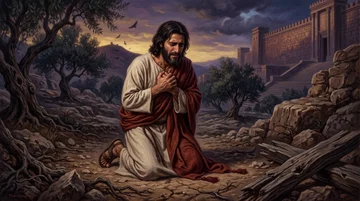
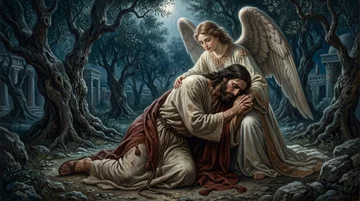
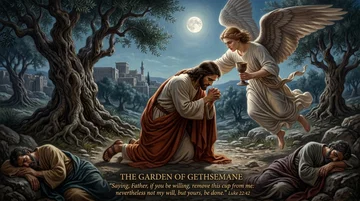
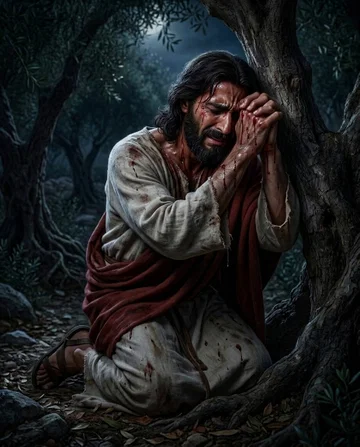
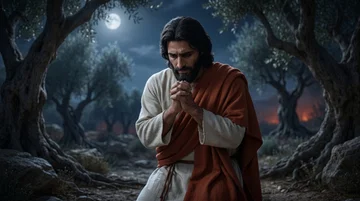
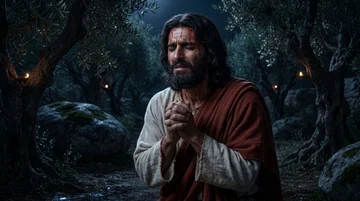
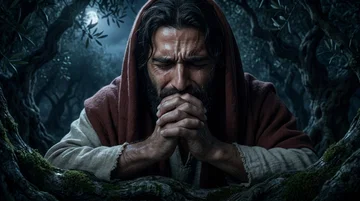
Cross-references 20 of 80
- Matthew 26:39
And he went a little further, and fell on his face, and prayed, saying, O my Father, if it be possible, let this cup pass from me: nevertheless not as I will, but as thou wilt.
Jesus prays about the cup and submits to the Father’s will.
- Mark 14:36
And he said, Abba, Father, all things are possible unto thee; take away this cup from me: nevertheless not what I will, but what thou wilt.
Jesus asks for the cup to pass, yet submits to the Father’s will.
- Hebrews 5:7
Who in the days of his flesh, when he had offered up prayers and supplications with strong crying and tears unto him that was able to save him from death, and was heard in that he feared;
Both describe Christ’s agonizing prayer and reverent submission amid suffering.
- Matthew 26:41
Watch and pray, that ye enter not into temptation: the spirit indeed is willing, but the flesh is weak.
Jesus urges the disciples to watch and pray against temptation, knowing the flesh is weak.
- Isaiah 53:5
But he was wounded for our transgressions, he was bruised for our iniquities: the chastisement of our peace was upon him; and with his stripes we are healed.
His surrender fulfills being wounded for us
- Psalms 40:8
I delight to do thy will, O my God: yea, thy law is within my heart.
Both express Christ’s resolve to do the Father’s will.
- Hebrews 4:15
For we have not an high priest which can not be touched with the feeling of our infirmities; but was in all points tempted like as we are, yet without sin.
Christ was tempted as humans are, yet without sin, and sympathizes with human weakness.
- John 6:38
For I came down from heaven, not to do mine own will, but the will of him that sent me.
Christ’s submission in prayer reflects his purpose to do the Father’s will.
- Matthew 27:46
And about the ninth hour Jesus cried with a loud voice, saying, Eli, Eli, lama sabachthani? that is to say, My God, my God, why hast thou forsaken me?
Jesus’ anguish in the garden continues in his cry of abandonment on the cross.
- Matthew 26:42
He went away again the second time, and prayed, saying, O my Father, if this cup may not pass away from me, except I drink it, thy will be done.
Jesus prays again, accepting the cup and submitting to the Father’s will.
- Matthew 6:10
Thy kingdom come. Thy will be done in earth, as it is in heaven.
Both prayers ask that God’s will be done.
- Philippians 2:8
And being found in fashion as a man, he humbled himself, and became obedient unto death, even the death of the cross.
Christ submits to the Father’s will and becomes obedient unto death on the cross.
- Matthew 26:40
And he cometh unto the disciples, and findeth them asleep, and saith unto Peter, What, could ye not watch with me one hour?
The disciples sleep while Jesus prays and suffers in Gethsemane.
- Matthew 26:38
Then saith he unto them, My soul is exceeding sorrowful, even unto death: tarry ye here, and watch with me.
Both describe Jesus’ sorrow unto death in Gethsemane before the cup prayer.
- Hebrews 10:7
Then said I, Lo, I come ( in the volume of the book it is written of me,) to do thy will, O God.
Christ comes in obedience to do God’s will.
- John 4:34
Jesus saith unto them, My meat is to do the will of him that sent me, and to finish his work.
Both express Jesus’ submission to the Father’s will.
- Hebrews 12:2
Looking unto Jesus the author and finisher of our faith; who for the joy that was set before him endured the cross, despising the shame, and is set down at the right hand of the throne of God.
Jesus endured the cross, looking to the joy set before him.
- Luke 23:34
Then said Jesus, Father, forgive them; for they know not what they do. And they parted his raiment, and cast lots.
Jesus prays for forgiveness for his enemies while suffering on the cross.
- Isaiah 53:6
All we like sheep have gone astray; we have turned every one to his own way; and the LORD hath laid on him the iniquity of us all.
The iniquity of all was laid on him.
- 1 John 5:14
And this is the confidence that we have in him, that, if we ask any thing according to his will, he heareth us:
God hears requests made according to his will.
Commentary part 1 of 2
Each commentary is drawn from primary sources: the writings of Ellen G. White and Adventist pioneers and periodicals. Each commentary is separate. Its own words are not a quotation; follow the references to read the source passages.
Ellen G. White
104 sources
In Gethsemane He prayed three times asking that the cup pass if the Father was willing, yet yielding His own will wholly to the Father's will.Ms 41, 1909, par. 5–7ST Nov 21, 1892Ms 42, 1897, par. 1–3Ms 1, 1880, par. 11–15Ms 42, 1897, par. 4–6 The cup was bearing the guilt, penalty and wrath due to the sins of the whole world as humanity's innocent substitute, above all enduring separation from the Father's love and favor.ST Nov 21, 1892Lt 27, 1892, par. 17–18ST Dec 2, 18976MR 336.3–338.1ST May 30, 1878 The destiny of a lost world hung in the balance in that prayer, for had He refused to drink men would have been left without hope, while by consenting He made everlasting salvation possible.Ms 41, 1909, par. 5–7Ms 69a, 1896, par. 35–36Ms 184, 1901, par. 6–8Ms 17, 1893, par. 17Ms 156, 1904, par. 10–12 That surrender was the ruling principle of His whole life, freely choosing suffering He could have refused, learning obedience by suffering and finding inward peace in pleasing God.Ms 49, 1898, par. 37–40Lt 303, 1903, par. 14–18Ms 184, 1901, par. 6–8Lt 48, 1893, par. 44–46 His example teaches that prayer and life should be earnest yet submissive, asking for what is desired while trusting God's wisdom about the outcome, crucifying self and following duty even when contrary to human wishes.MH 230.1–2GW 218.1ST Nov 21, 1892Lt 27, 1892, par. 17–18CH 409.1
Garden Setting and Suffering
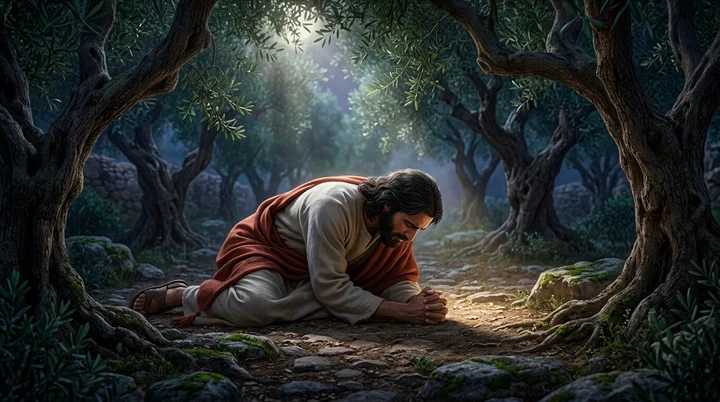
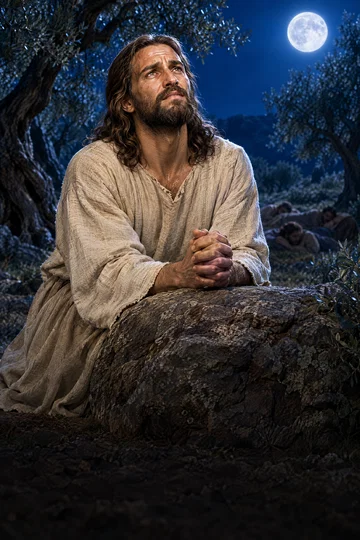
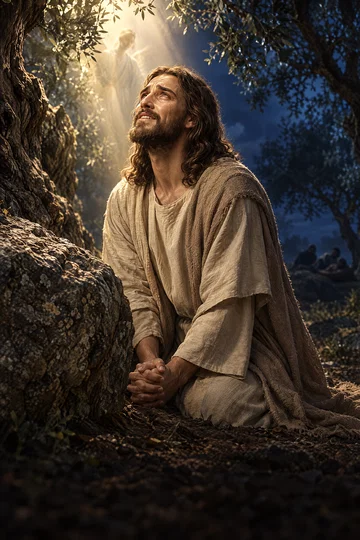
The prayer was offered in Gethsemane at the foot of the Mount of Olives on Passover night.DA 685.13SP 94.1–3ST Oct 31, 1895 It was Jesus' usual place of retirement for bracing His spirit for trial and duty, where He had often spent the whole night in fervent prayer.3SP 94.1–3 That night was under a broad full moon in a cloudless sky while the city of pilgrim tents was hushed in silence.3SP 94.1–3
As He neared the garden He became strangely silent and utterly sad, with sadness increasing until His form swayed as if about to fall.3SP 94.1–3 On entering He left eight companions behind to sit while He went farther on to pray, taking only Peter, James and John deeper into the garden.3SP 94.1–3BS 45.1–3 He went about a stone's cast apart from them to pray alone, kneeling down and at times lying prostrate on the cold ground, with the night dew falling on Him unnoticed.Ms 41, 1909, par. 5–7Ms 94, 1902, par. 12–13Lt 54, 1874, par. 15–16DA 687.3 The disciples made no remark at His going apart, since after a short season of watching and prayer they were accustomed to sleep undisturbed at a little distance until He woke them in the morning to go forth and labor anew.3SP 94.1–3
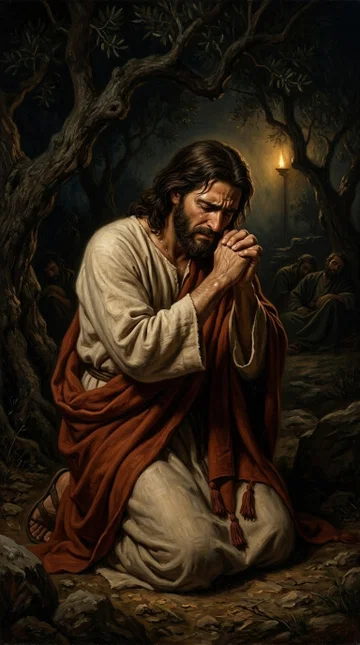
He prayed the prayer three times, with pale and quivering lips, asking for the cup to pass and then yielding His own will to the Father's will.Ms 41, 1909, par. 5–7ST Nov 21, 1892Ms 1, 1880, par. 11–15 His agony intensified as He prayed, expressing both the anguish of His human nature longing for help and companionship and His willing obedience.Ms 42, 1897, par. 4–6 Sweat like great drops of blood was forced from His brow and pores and fell to the ground.Ms 41, 1909, par. 5–7ST Nov 21, 1892Ms 42, 1897, par. 4–6Ms 119, 1909, par. 38–393SP 184.1–185.2
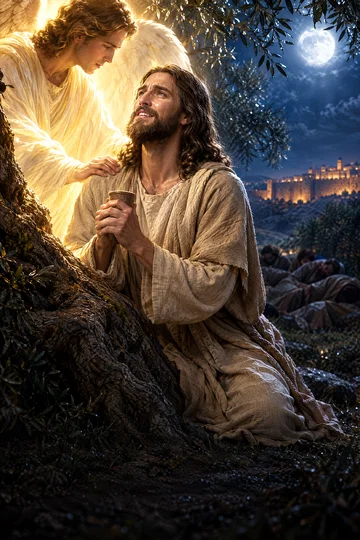
An angel from heaven, Gabriel, one mighty angel commissioned from heaven's throne, was sent to minister to Him.Ms 41, 1909, par. 5–7ST Dec 9, 1897SG1 46.2 He was sent not to remove the cup but to strengthen the divine Sufferer to accept the cup and drink its bitter woe to its very dregs.Ms 41, 1909, par. 5–7Ms 1, 1880, par. 11–15ST Dec 9, 1897 While the angel supported His fainting form and lifted His head, He pointed Him to heaven and set before Him victory over Satan and millions of victors, bracing Him to tread the bloodstained path to Calvary and to pass through death to resurrection as conqueror.ST Dec 9, 1897
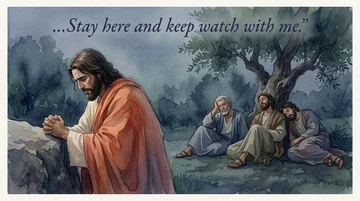
The disciples slept for sorrow and failed to watch and pray with Him, leaving Him to face the struggle alone.Ms 41, 1909, par. 5–7ST Nov 25, 1889 In sleeping they missed His voice and the angels' presence and the evidence that could have strengthened them for the terrible events ahead and for instruction and communion.MH 509.2–4 He returned to find them sleeping and bade them rise and pray lest they enter into temptation, knowing their faith was to be tried and their hopes disappointed and they would need strength from close watching and fervent prayer.Ms 41, 1909, par. 5–7SG1 46.2 Peter had been asleep while Jesus prayed, and later remembered this scene with deep sorrow unto repentance and conversion.Lt 54, 1874, par. 15–16 Jesus taught them that He came to suffer and die, not to establish an earthly kingdom, but to establish His kingdom in hearts and rise again.Ms 41, 1909, par. 5–7
Around the prayer He was overcome by profound sorrow and physical strain under a terrible burden.DA 685.3 His soul was bowed down by a horror of darkness He had never before experienced, feeling His Father's presence withdrawn with terrible amazement and shuddering dread.3SP 184.1–185.2 His bitterness of sorrow exceeded the last great struggle with death, and separated from the Father by a broad gulf of sin He feared He would be shut out forever from His Father's love and felt near death under the weight of fallen humanity's guilt and God's wrath against transgression.DA 685.23SP 184.1–185.2ST Aug 8, 1878ST May 30, 1878
The prayer came amid intense suffering just before betrayal, mistreatment, trial and execution, which He foreknew in detail.Ms 17, 1893, par. 17EW 136.14RED 102.2–103.1 He knew which followers were unbelieving and weak in faith, and knew His betrayal and condemnation in the judgment hall, His humiliation, the mocking and reviling by the multitude that had hailed Him as king, and the cry for crucifixion.4RED 102.2–103.1 It formed a testing crisis beforehand while He was still present to comfort and strengthen the faithful few, so they would not be overwhelmed with surprise at insult and scorn toward their Master, would not sink beneath fear and disappointment, would not hang faith on inconstant favor and opinions of others, and would not be carried away when professed followers turned from Him in His trouble.4RED 102.2–103.1 The disciples repeatedly recounted this agony, forbearance, humility and pity as a main theme of preaching about His life, with quivering lips and tearful eyes, together with His teachings, miracles, resurrection and ascension and His work in heaven as Mediator.3SP 346.2ST Jun 12, 1879
Meaning of the Cup
The cup is the penalty, curse and wrath due to transgression laid upon an innocent substitute and surety under the just law, the sins, guilt and condemnation of the whole corrupt world bowed upon One who knew no sin that He might become the Sin-Bearer and propitiation.ST Dec 2, 18976MR 336.3–338.1ST May 30, 1878DA 690.2–3 He could have refused it and left transgressors to perish under their own penalty, but He chose to drink it and open another trial for a race that had chosen to sin.ST Dec 2, 1897DA 690.2–3 His repeated prayer measures the extremity of that agony, ending in consent to obey even unto death on the cross, an obedience set against Adam's disobedience.6MR 336.3–338.1
Above all the cup means separation from a Father who hates sin, enduring His frown and anger with felt unity broken and life crushed out.ST Sep 23, 1886Ms 118, 1909, par. 30–33ST May 30, 1878 A broad, black, deep gulf of sin divides, and what is feared most is being cut off for a time from the Father's love.ST Nov 21, 1892Lt 27, 1892, par. 17–18Ms 118, 1909, par. 30–33Ms 81, 1909, par. 23–24Ms 123, 1909, par. 35–36 Three times humanity shrinks from the sacrifice while the blood-like sweat falls, yet the will yields to drink in order to reconcile sinners who could not save themselves.ST Nov 21, 1892ST Sep 23, 1886Ms 81, 1909, par. 23–24 To drink is to take the sin of the world upon Himself, suffer so that humanity may grasp divinity, and make everlasting life possible.ST Sep 23, 1886Ms 81, 1909, par. 23–24Ms 123, 1909, par. 35–36
The cup is also the humiliation, agony, betrayal, rejection, cruelty and ignominious death appointed for guilty humanity under sin's curse, to be borne for sinners to its full weight.Ms 49, 1898, par. 37–40Ms 69a, 1896, par. 35–36Ms 27, 1890, par. 22–24 It could not pass without frustrating the plan of redemption, and seeing the lost world He affirms He came for this purpose.Ms 49, 1898, par. 37–40 It is divinely apportioned suffering ordained before the world's foundation and secured by covenant, which the types and symbols of sacrifice pointing to His death must fulfill.ST Mar 19, 1912Ms 113, 1897, par. 9 He descends from the highest to the lowest human place to face the conflict and death due to continuing transgressors, yet this leads not to defeat but to glorious eternal victory.ST Mar 19, 1912Ms 113, 1897, par. 9
In His hand the cup trembles and His human nature staggers, shrinks and falters under its load, while even His divine nature shrinks from the ordeal.Ms 69a, 1896, par. 35–36Ms 130, 1909, par. 39–40Ms 156, 1904, par. 10–12Ms 66, 1901, par. 15Ms 81, 1909, par. 23–24 Without divine support His nature would have failed, so a strong angel comes from heaven to strengthen Him to drink.Ms 69a, 1896, par. 35–36Ms 130, 1909, par. 39–40Ms 81, 1909, par. 23–24 The Father suffers with His Son in that trembling moment when the full weight and sinfulness of the world's sin is keenly felt.Ms 66, 1901, par. 15 The agony does not come from dread of coming physical suffering, for He must meet it as a man without calling His divinity to His aid, bearing human sin and the Creator's displeasure while fearing His human nature could fail in the coming conflict with the prince of the power of darkness.ST May 30, 1878
Submission and Obedience
The prayer holds together a genuine human longing that the cup might pass if the Father is willing and it is possible, and a complete yielding of personal will to the Father's will.Ms 42, 1897, par. 1–3Ms 42, 1897, par. 4–6DA 685 It was offered in deep and superhuman agony, expressing both the anguish of a human nature longing for help and companionship and a willing obedience.Ms 42, 1897, par. 1–3Ms 42, 1897, par. 4–6 He prayed in this way three times, with the agony intensifying as He prayed until sweat fell like great drops of blood.Ms 42, 1897, par. 4–6ST May 30, 1878 The request to be spared was not granted, and it was well for humanity that it was not, for granting it would have left men locked in hopeless despair.ST May 30, 1878
That surrender was not an isolated moment in Gethsemane but the ruling principle of His whole life.Lt 303, 1903, par. 14–18 From leaving heaven it was uppermost in mind and heart to set aside His human will and conform to the will of His heavenly Father.Lt 303, 1903, par. 14–18 That submission was the infallible principle directing all His words and works and molding His character, as the head of humanity living a perfect consistent life in conformity with the Father's will to exemplify what humanity must do and be to overcome and sit with the Father upon His throne.Lt 303, 1903, par. 14–18 It marked Him by self-denial, not living for His own comfort or pleasure but to glorify God and serve others as a pattern of obedience and righteousness.
He faced the cup of suffering and guilt to be borne for sinners with full knowledge of its weight, including the humiliation, betrayal, rejection and cruelty ahead, and He freely accepted it.Ms 49, 1898, par. 37–40Ms 184, 1901, par. 6–8 He could have refused it and left transgressors to perish, for He saw that breakers of the Father's law could not save themselves and that the race would perish without Him, yet He chose to descend into suffering to rescue them.Ms 184, 1901, par. 6–8ST Aug 14, 1879DA 690.2–3 The cup could not pass without frustrating the plan of redemption ordained for guilty humanity under sin's curse, and seeing the lost world He affirmed He had come into the world for this purpose and became the propitiation so perishing people might receive everlasting life.Ms 49, 1898, par. 37–40DA 690.2–3 He bore it under the most fearful strain ever permitted upon a human being because He bore the sins of the whole world, having taken a human body with a will capable of asserting itself that could have refused humiliation, yet surrendering His will to the will of God to suffer humiliation and death.Ms 134, 1905, par. 3 He alone could measure the full burden of the bitter cup and the guilt of sinners, and He willingly accepted the sacrifice needed to redeem the world, for had the cup passed the plan of redemption would have failed.21MR 36.2–5
That prayer with strong crying and tears reveals what He suffered in the days of His flesh and how He, though a Son, learned obedience by the things He suffered, kneeling apart from His disciples and asking for removal of the cup of suffering and death while yielding His own will.Ms 94, 1902, par. 12–13 After the conflict of repeated prayer in extremity of agony He consented to bear the burden of the world's sins and the curse of transgression and obeyed even unto death on the cross.6MR 336.3–338.1 His obedience stands in contrast to Adam's disobedience and shows what the Son of God's obedience means for humanity.6MR 336.3–338.1 In laying off royal robe and kingly crown and clothing divinity with humanity to live a sinless life in our behalf and make atonement for transgressions on the cross, the sinless Son was treated as a sinner so sinful human beings might be treated as innocent.Ms 134, 1905, par. 3
In Gethsemane His human nature faltered and sank under the burden, yet He was strengthened and sustained by the desire to please God and submit to His will.Lt 48, 1893, par. 44–46 Although His humanity three times shrank from the sacrifice and the separation from God caused by human sin, He chose to accept it knowing sinners could not save themselves, and He found serenity in submission to the Father's will.ST Sep 23, 1886 Even amid suffering and trial He remained calm and self-controlled with serene inward peace, heard in words from pale and quivering lips, an example of patient trust and complete surrender to God.3MR 427.1–428.1Lt 51a, 1874, par. 4–6 That surrender in the heart awakens love for God and an earnest desire to live for Him.Lt 48, 1893, par. 44–46
With pale and quivering lips He asked three times for the cup to pass and then yielded, and after that surrender an angel from heaven strengthened Him to tread the bloodstained path to Calvary and drink the cup of suffering to its very dregs.Ms 1, 1880, par. 11–15 The mysterious cup trembled in His hand under the keenly felt weight and sinfulness of the world's sin, yet God suffered with His Son.Ms 1, 1880, par. 11–15Ms 66, 1901, par. 15 When the decision to save man at any cost was finally determined, the angel was sent from the throne not to remove the cup but to minister and support Him in drinking it, lifting His head, pointing to heaven and setting before Him victory over Satan and millions of victors, after which heavenly serenity rested on His pale and blood-stained face.ST May 30, 1878 His drinking reveals a love far greater and more enduring than human kinship, yielding honor, glory, royal throne and court to become poor so that through His poverty men might be made rich, even giving His own precious life to secure them and ensure eternal salvation.Ms 1, 1880, par. 11–15 That suffering moves men from transgression and stands as continual assurance and guarantee of His faithfulness, and as evidence of the Father's boundless love in giving up His Son to reproach, agony and death, a sacrifice by the infinite God that man cannot comprehend.Ms 1, 1880, par. 11–15ST May 30, 1878
Salvation Decided in Prayer
In that garden prayer the destiny of a lost world hung in the balance and trembled in His hand, for had He refused to drink the cup the result would have been eternal ruin to the human race, leaving men locked in hopeless despair and without hope and frustrating the plan of redemption.Ms 41, 1909, par. 5–7Ms 17, 1893, par. 17Ms 156, 1904, par. 10–12ST Aug 14, 1879ST May 30, 1878 He prayed three times for the cup to pass if willing, yet yielded His own will to the Father's, and the prayer to be spared was not granted, and it was well for men that it was not.Ms 41, 1909, par. 5–7Ms 17, 1893, par. 17ST May 30, 1878 An angel from heaven was sent not to remove the cup but to minister to and support Him in drinking it, lifting His head, pointing to heaven and setting before Him victory and millions of victors, strengthening Him to accept its bitter woe and drink to its dregs in agony with sweat as great drops of blood falling to the ground.Ms 41, 1909, par. 5–7Ms 156, 1904, par. 10–12ST May 30, 1878 What He passed through reveals what the Son of God endured that sinners might not perish but have everlasting life.Ms 41, 1909, par. 5–7ST Aug 14, 1879
By consenting to drink He made everlasting salvation possible, becoming the propitiation for a race that had chosen to sin and giving humanity another trial and opening the way to return to loyalty to God.Ms 69a, 1896, par. 35–36Ms 184, 1901, par. 6–8ST Dec 2, 1897ST Aug 14, 1879DA 690.2–3 He saw that those who broke the Father's law could not save themselves or free themselves from sin's power and would perish if He refused, so though His human nature staggered at the anguish of bearing the world's sins and its consequences, and would have failed without divine support, He chose to descend into suffering to rescue them.Ms 69a, 1896, par. 35–36Ms 184, 1901, par. 6–8ST Dec 2, 1897ST Aug 14, 1879 He suffered as humanity's innocent representative though He had no sin of His own, bearing shame and the horror of sin resting upon Him and separating Him from the Father, so that humanity could grasp divinity and through divine power become overcomers by the blood of the Lamb and the word of testimony.Ms 184, 1901, par. 6–8ST Dec 2, 1897Ms 123, 1909, par. 35–36 His choice to drink at any cost to Himself makes everlasting life possible for those who accept redemption.ST Aug 14, 1879DA 690.2–3
The sinless Son was treated as a sinner so that sinful human beings might be treated as innocent, laying aside royal honor to clothe divinity with humanity, live a sinless life in man's behalf and make atonement for transgressions on the cross.Ms 140, 1909, par. 14–17ST Aug 9, 1905Ms 134, 1905, par. 3Ms 140, 1909, par. 10–13 By enduring suffering and abuse and consenting to drink in absolute submission to the divine will, He made it possible for people to become branches in the true vine, to study His life and character, follow Him and partake of the divine nature.Ms 140, 1909, par. 14–17Ms 134, 1905, par. 3Ms 140, 1909, par. 10–13 Though He had taken a human body with a will capable of asserting itself and could have refused humiliation, He came to suffer humiliation and death and surrendered His will to God.ST Aug 9, 1905Ms 134, 1905, par. 3
His willing endurance connects His drinking the cup fully to the defeat of Satan, the vindication of God's character in banishing the fallen angel exalted next to Christ, the assurance of the Father's love, the saving of many, the saints' future kingdom and coming forth from Joseph's tomb on the resurrection morning as triumphant conqueror.ST Aug 9, 19053SP 184.1–185.2Ms 81, 1909, par. 23–24Ms 139, 1909, par. 24–25Lt 100, 1910, par. 10–11 In that crisis an angel strengthened Him and assured Him of the Father's love and power, that His death would defeat Satan and that many would be saved through His suffering, setting before Him victory over Satan and millions who would be victors with Him in His glorified kingdom, after which heavenly serenity rested on His pale and blood-stained face.ST Aug 9, 1905ST May 30, 1878Lt 100, 1910, par. 10–11 All heaven and the worlds that had not fallen watched these closing scenes of the conflict between Christ and Satan with intense interest and painful sympathy, waiting the result.3SP 184.1–185.2ST May 30, 1878 His suffering as a sinner under separation from the Father with bloody sweat was followed by resurrection and victory.Ms 81, 1909, par. 23–24Ms 139, 1909, par. 24–25
Though equal with the Father and all-sufficient, holding power to rebuke disease, still the storm and call the dead to life, He bowed in anguish with strong crying and many tears not praying for Himself but for the sinners He came to save.ST Sep 5, 1900 As the representative of the race He prayed to the Father as a suppliant for strength and grace, and those prayers reach down to the present because He identified Himself with humanity, tempted in all points like men and able to sympathize with the tempted.ST Sep 5, 1900 Satan pressed Him to turn aside from offering Himself and to expire under the suffering of the cross, warning that His human nature could fail in the conflict with the prince of darkness, in which case the human race would be irrecoverably lost, Satan would be victor and the earth would be his kingdom.Lt 106, 1896, par. 19–22ST May 30, 18789MR 266.3 The burden seemed ready to crush Him as He clung to the ground under the weight of the world's sins and the Creator's displeasure, which He must meet as a man without calling His divinity to His aid and not from dread of coming physical suffering.Ms 83, 1910, par. 29–32Ms 117, 1909, par. 42–44ST May 30, 1878 Strengthened by an angel, He firmly rejected the temptation, took the cup and endured the ordeal, conquering by divine strength and teaching tempted people to overcome trusting that their tender, faithful Father is with them in every trial.Ms 83, 1910, par. 29–32Lt 106, 1896, par. 19–22Ms 117, 1909, par. 42–449MR 266.3
Pattern for Prayer
Jesus' prayer teaches that prayer is to be earnest yet submissive, asking plainly for what is desired while entrusting the outcome to divine wisdom and will rather than commanding a result or trying to bend God to human wishes.MH 230.1–2GW 218.1CH 409.12T 149.1 He submitted His desire to avoid suffering to the Father who knows the end from the beginning and understands whether what is sought would be good for those involved and for the world, and if such submission was fitting for Him it is even more fitting for finite, erring people.MH 230.1–2GW 218.1CH 409.1 Petitions are intercession, not commands.CH 409.12T 149.1
In praying for the sick this means keeping on asking with hope and doing all that can be done, asking that they live if it is for their good and for God's glory and agrees with His will.CH 405.2–3Ms 26a, 1892, par. 9–10Lt 45, 1905, par. 1–2CH 409.12T 149.1 God knows whether they could endure the trials ahead, for the end of all things is at hand, and finite people who cannot know this may therefore make the same surrender Jesus made and seek healing conditionally rather than demand it.CH 405.2–3Ms 26a, 1892, par. 9–10Lt 45, 1905, par. 1–2 Such conditional surrender does not show lack of faith and does not make prayer faithless or weaken faith.CH 405.2–3Lt 87, 1897, par. 3–4Ms 26a, 1892, par. 9–10CH 409.12T 149.1 It acknowledges dependence on God, makes trust firm and reliable, and frees prayer from feverish anxiety and anxious insistence.Lt 87, 1897, par. 3–4CH 409.12T 149.1
Those who are not restored to health are not thereby unworthy of eternal life.CH 405.2–3Ms 26a, 1892, par. 9–10 Some will die in the Lord before the time of trouble and rest from their labors, with hope of rising in the morning of the resurrection to present and eternal good, so discouragement is out of place when He who can heal and knows what is coming upon the world permits His child to die.CH 405.2–3Ms 26a, 1892, par. 9–10Lt 45, 1905, par. 1–2
The same words meet every trial, disappointment, suffering, uncertainty and bereavement: submit wishes and will to God, trusting He knows what is best and will do no harm, and let Him direct life and do His appointed work rather than insist on personal plans and inclinations.ST Mar 16, 1904Lt 120, 1900, par. 7–11Lt 54, 1894, par. 16Lt 6, 1894, par. 7–8 Childlike submission to His guidance is the path of safety, while choosing one's own way brings trouble and sorrow that submission might have prevented.Lt 120, 1900, par. 7–11Lt 6, 1894, par. 7–8 Even in continued suffering a person may leave the request for relief with God, accept continued pain if that is His pleasure and is best, and ask for grace to keep working faithfully through it.Ms 43, 1890, par. 4–7 In bitter trial and bereavement this surrender brings comfort, peace, hope and courage, faith lays hold of divine power, and the believer blesses God even when a request is denied and finds calm waiting and rest.ST Mar 16, 1904Ms 43, 1890, par. 4–7Lt 65a, 1894, par. 5
The verse also means taking time to pray and then living in harmony with prayer, believing the answer is certain because God knows every necessity, yet resting in His will rather than one's own because the answer may not come in the way expected.Ms 56, 1903, par. 1–2Lt 127, 1898, par. 9–10 Saying not our will but Thine expresses perfect trust, not doubt, so God's people are to pray, believe and wait patiently without judging by appearances.Ms 56, 1903, par. 1–2Lt 127, 1898, par. 9–10 In sickness this trusts that healing may come if it serves the sufferer's good and God's glory, while accepting God's choice, and it joins the lesson of meekness and lowliness that brings rest to the soul.Lt 127, 1898, par. 9–10
His night of solitary prayer on Olivet before the agony of the judgment hall and the cross and the resurrection glory shows that vigor of soul and body for duty, temptation and toil is derived from communion.ST Oct 31, 1900MH 509.1ST Sep 5, 1900ST Aug 31, 1915ST Jul 27, 1915 In the day He taught and healed souls and bodies, doing good and declaring He came not to do His own will but the will of Him who sent Him, and in the night He prayed earnestly for strength to complete His work and to brace Himself as Son of man, blending activity and devotion in a perfect humanity in which even Pilate found no fault.ST Oct 31, 1900 Though sinless and divine, equal with the Father and holding power to rebuke disease, still the storm and call the dead to life, He experienced human weakness and agony, bowed with soul wrung and prayed with strong crying and many tears while angels listened, turning to the Father in distress and showing prayer to be a source of grace and strength in need.2T 508.1–509.1ST Oct 31, 1900ST Sep 5, 1900 He was not praying for Himself but as humanity's representative and suppliant for strength and grace for the sinners He came to save, tempted in all points and able to sympathize with the tempted, so those prayers reach to the present.ST Sep 5, 1900 By that communion He was invigorated and refreshed and braced for duty and toil, came forth with tongue touched anew with living fire to minister, encourage and bless, and left a perfect example that His true friends will often commune in implicit faith that prayers offered in His name will be answered, and that prayer sanctifies ministry.ST Oct 31, 1900ST Sep 5, 1900ST Aug 31, 1915
Pattern for Christian Life
True conversion means giving up one's own way and choosing God's will, surrendering one's own plans to obey God.ST Nov 21, 1892Lt 27, 1892, par. 17–18Ms 24, 1888, par. 35–3712MR 191.1–192.1 When self is crucified and the stubborn will is subdued, the heart no longer insists on its own but submits to God, and selfishness and worldly pride are replaced with meekness and lowliness.ST Nov 21, 1892Lt 27, 1892, par. 17–18Ms 24, 1888, par. 35–3712MR 191.1–192.1 This is learned from Gethsemane, where bearing the sins of the whole world and facing separation from the Father's love brought agony so great that blood fell from the brow, yet the prayer that the cup of suffering might pass was offered three times with decisive submission each time.ST Nov 21, 1892Lt 27, 1892, par. 17–18 Those who give themselves to God without reserve make that submission their own, obeying in small things as well as great and giving themselves wholly to hear and obey while putting away everything that offends.Lt 93, 1897, par. 8–10Lt 1a, 1894, par. 8–10Ms 13, 1894, par. 6–9 It means having no will of one's own but wanting only to do God's will, inquiring most earnestly to know it and then following the path of duty without murmuring even when contrary to wishes and inclination, trusting that duty will be made plain and light given so His way is seen clearly, as Israel followed the pillar of fire and moved only when it moved.Lt 93, 1897, par. 8–10Ms 13, 1894, par. 6–9Lt 4, 1876, par. 8–10Lt 33a, 1880, par. 7 Even in suffering and uncertainty this complete surrender calls to trust, remain courageous, and depend on love and grace.Lt 93, 1897, par. 8–10Lt 1a, 1894, par. 8–10Ms 13, 1894, par. 6–9
The same surrender gives the right response when facing a new course or enterprise, a hard assignment, loss of speech, or where to labor.Ms 27, 1890, par. 22–24Lt 146, 1897, par. 8–9Lt 22, 1899, par. 2–36MR 382.2–3Lt 8, 1879, par. 4 Personal preferences and plans are set aside because one's own judgment cannot safely be relied on, since how a choice or association will affect oneself or others cannot be seen, while God knows the outcome and what will bring the greatest spiritual benefit and greatest spiritual good.Ms 27, 1890, par. 22–24Lt 22, 1899, par. 2–36MR 382.2–3 Instead of insisting on one's own will or being ruled by self-will, purposes and plans yield to God, asking for His will to be done, leaning heavily on Him as a willing instrument to work through, letting Him direct and doing His appointed work and going even to a hard place in the fear of God when the light points that way.Ms 27, 1890, par. 22–24Lt 22, 1899, par. 2–36MR 382.2–3Lt 8, 1879, par. 4 So it is prayed in tarrying to finish writing rather than leaving to attend camp meetings, in accepting distant fields and giving up possessions, and in uncertainty about whether to join the work in Australia, entrusting the decision to the Lord whether or not that opportunity is His will.Lt 146, 1897, par. 8–9Lt 8, 1879, par. 4Lt 4, 1876, par. 8–10 So also the course and outcome of Luther's work were to depend on God's counsel, not human prudence or competing human wishes, since if the work was of God no one could stop it, and if it was not no one could advance it.Lt 22, 1899, par. 2–3GC 130.3–131.16MR 382.2–3
Spiritual conflict comes from lack of submission to God's will, from wanting one's own way, which is rebellion against God's way.21MR 252.2–3Lt 391, 1907, par. 17Lt 1, 1858, par. 2–5 Christ's followers will also face seasons of anguish and earnest prayer, often feeling agony of soul, pouring out earnest prayer and groaning in spirit after God, yet these dark seasons need not drive them from God.21MR 252.2–3Lt 391, 1907, par. 17Lt 1, 1858, par. 2–5 Like Jesus, who in lonely agony prayed alone to His Father and yielded His will to God, wrestling in prayer to submit while His will never yielded for a moment to the enemy though tempted more strongly than any disciple, they are to wrestle with the Father in prayer for strength and for power to make Him known in words and actions, surrendering their will and waiting for His will and counsel.21MR 252.2–3Lt 391, 1907, par. 17Lt 1, 1858, par. 2–5 Surrender joined with belonging to the Lord takes away fear for those striving to do God's righteous will, because each person is fully known even when mortal people are deceived.RH Feb 14, 1856 In the final crisis, when darkness thickens and death is appointed by unbelievers around them, God's people will through day and night without ceasing cry earnestly like Him for a way of escape and deliverance, yet only if it can glorify God's name, with a deep sense of unworthiness and entire submission, every one pleading and wrestling like Jacob.SG1 186.3–187.121MR 252.2–3Lt 1, 1858, par. 2–5 The answer is that God's will is not yet fulfilled and angels are held back from rescuing them, because like Christ they must first drink of the cup and be baptized with the baptism of suffering before salvation comes.SG1 186.3–187.1
James and John, the sons of Zebedee, had been asked if they were able to drink of the cup to be drunk and be baptized with the baptism to be received.7RED 68.1 Peter, James, and John were with Him in the night of agony in the garden as His three closest disciples and chief witnesses, the same three who beheld Him glorified in the transfiguration.7RED 68.1 James understood those words about the cup more fully than ever before when he was thrust into prison and summoned to execution, showing the link between His cup and His closest witnesses' suffering.7RED 68.1 His anguished prayer and acceptance of the cup led Him to endure suffering through to Calvary, where His self-sacrifice revealed His love and provided for humanity's eternal salvation.Ms 83, 1910, par. 29–32Ms 117, 1909, par. 42–44Ms 119, 1909, par. 38–3912MR 276.4–278.1 Facing the cup of suffering that meant death to save sinful people and bearing the world's sins under the most fearful strain ever permitted, He asked whether it could pass yet surrendered His will, enduring intense suffering including bloody sweat falling to the ground and going on to the cross, when the burden seemed ready to crush Him but heavenly strength, with an angel sent to strengthen Him to drink rather than leave humanity to perish, enabled Him not to fail but to take the cup and endure the ordeal.Ms 83, 1910, par. 29–32Ms 117, 1909, par. 42–44Ms 119, 1909, par. 38–3912MR 276.4–278.1 That endurance through Gethsemane to Calvary calls sufferers to absolute submission after His example.Ms 83, 1910, par. 29–32Ms 119, 1909, par. 38–3912MR 276.4–278.1
Sources