Translations
American King James Version, King James Version, KJV Cambridge Paragraph Bible, Webster Bible
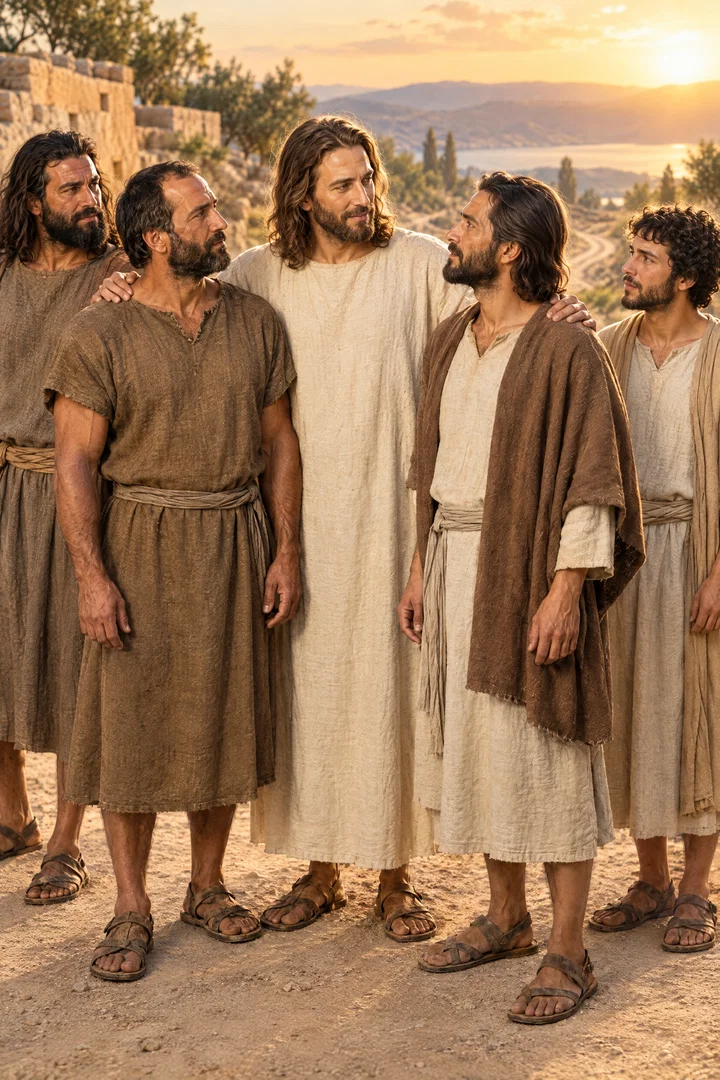
Simon the Canaanite, and Judas Iscariot, who also betrayed him.
Simon the Cananaean, and Judas Iscariot, who also betrayed him.
Simon the Cananæan, and Judas Iscariot, who also betrayed him.
Simon the Cananite, and Judas Iscariot, who did also deliver him up.
Simon the Cananaean, and Judas the Iscariote, who also delivered him up.
Simon, the zealot, and Judas Iscariot, who also delivered him up.
Berean Standard Bible, Majority Standard Bible
Simon the Zealot, and Judas Iscariot, who betrayed Jesus.
Simon the Zealot; and Judas Iscariot, who also betrayed him.
Simon the Zealot, and Judas Iscariot, who was false to him.
Simon the Cananite, and Iudas Iscariot, who also betraied him.
Douay-Rheims (Challoner revision)
Simon the Cananean, and Judas Iscariot, who also betrayed him.
Pictures

Cross-references
- Luke 6:13-16
And when it was day, he called unto him his disciples: and of them he chose twelve, whom also he named apostles;
Lists Judas among the twelve apostles and identifies him as the traitor.
- Mark 3:18-19
And Andrew, and Philip, and Bartholomew, and Matthew, and Thomas, and James the son of Alphaeus, and Thaddaeus, and Simon the Canaanite,
Mark lists Simon and Judas among the twelve and identifies Judas as Jesus’ betrayer.
- Matthew 26:47-49
And while he yet spake, lo, Judas, one of the twelve, came, and with him a great multitude with swords and staves, from the chief priests and elders of the people.
Judas identifies Jesus to his captors with a kiss.
- Matthew 26:14-16
Then one of the twelve, called Judas Iscariot, went unto the chief priests,
Judas agrees to betray Jesus for silver.
- John 12:4-6
Then saith one of his disciples, Judas Iscariot, Simon’s son, which should betray him,
Judas objects to Mary’s anointing under cover of concern for the poor, though he was greedy and stole from the moneybag.
- John 13:2
And supper being ended, the devil having now put into the heart of Judas Iscariot, Simon’s son, to betray him;
Satan puts betrayal of Jesus into Judas’s heart.
- John 6:70
Jesus answered them, Have not I chosen you twelve, and one of you is a devil?
Jesus identifies Judas as a devil among the chosen twelve.
- Acts 1:13
And when they were come in, they went up into an upper room, where abode both Peter, and James, and John, and Andrew, Philip, and Thomas, Bartholomew, and Matthew, James the son of Alphaeus, and Simon Zelotes, and Judas the brother of James.
Names Simon and Judas in the list of apostles.
- Luke 9:1-2
Then he called his twelve disciples together, and gave them power and authority over all devils, and to cure diseases.
Jesus gives the twelve authority and sends them to minister.
- Matthew 27:3-5
Then Judas, which had betrayed him, when he saw that he was condemned, repented himself, and brought again the thirty pieces of silver to the chief priests and elders,
Judas returned the money and hanged himself.
- Luke 22:47-48
And while he yet spake, behold a multitude, and he that was called Judas, one of the twelve, went before them, and drew near unto Jesus to kiss him.
Judas betrays Jesus by approaching him with a kiss.
- Matthew 26:20-25
Now when the even was come, he sat down with the twelve.
At the Last Supper, Jesus identifies Judas as his betrayer.
- Luke 6:13
And when it was day, he called unto him his disciples: and of them he chose twelve, whom also he named apostles;
Jesus chose twelve disciples and named them apostles.
- Mark 3:14-15
And he ordained twelve, that they should be with him, and that he might send them forth to preach,
Jesus appointed the twelve to be with him, preach, and cast out demons.
- Mark 6:7-11
And he called unto him the twelve, and began to send them forth by two and two; and gave them power over unclean spirits;
Named as a parallel account of the chapter’s events.
- Acts 1:26
And they gave forth their lots; and the lot fell upon Matthias; and he was numbered with the eleven apostles.
Matthias was chosen to join the apostles.
Commentary
Each commentary is drawn from primary sources: the writings of Ellen G. White and Adventist pioneers and periodicals. Each commentary is separate. Its own words are not a quotation; follow the references to read the source passages.
Ellen G. White
13 sources
The verse completes the list of the twelve whom Jesus called and sent to preach the kingdom, heal the sick and cast out devils, naming Simon and Judas who later handed Him over.10MR 17.2–3CH 603.1STB 443.3–444.1
Jesus deliberately united Judas with the others though he was imperfect in principle, to give him training and opportunity to improve in character.21MR 369.1–2ST Mar 10, 1898Lt 73, 1896, par. 4–6
Judas shared fully in that trust, laboring with the disciples, exercising power to heal and cast out devils, and carrying the shared funds, yet he never fully surrendered to be daily converted, but cherished covetousness and desire for control until he sold his Lord for a trifling sum and betrayed Him with a kiss.DA 716.4RH Sep 9, 190921MR 369.1–2ST May 20, 1897
Being numbered among the disciples did not make him a Christian, any more than having a name on church books makes a member a Christian, and his end is the pattern for those who have knowledge of the truth without being sanctified by it.21MR 369.1–2ST Mar 10, 1898
Jesus’ long patience with him teaches believers not to be disheartened by false brethren who will remain until the close of time, and his history warns all not to treasure defects and refuse correction but to receive Christ’s words and be changed and overcome.ST May 20, 1897COL 72.3Lt 73, 1896, par. 4–6
The Commission of the Twelve
Matthew 10:4 stands within Christ's commissioning of the disciples, which provides work for every soul.Lt 154, 1910, par. 1–2 That work is sacred and is to be carried out in the Spirit of Christ.Lt 154, 1910, par. 1–2 Those engaged in it are to do their part while trusting Jesus to heal, for He Himself is the Healer.Lt 154, 1910, par. 1–2 The whole surrounding chapter is filled with instruction concerning the work and the dangers confronting God's people in this time.Ms 27, 1894, par. 13–18 It warns that followers of Christ will meet opposition and betrayal.Ms 27, 1894, par. 13–18
In verse 4 Simon the Canaanite and Judas Iscariot are named among those Jesus called and commissioned for ministry, including Judas who afterward betrayed Him.10MR 17.2–3 Their commission united preaching the word with healing the sick and casting out devils in Jesus' name as connected parts of one work.CH 603.1 Verse 4 thus places Judas among the twelve sent to preach the kingdom of God as laborers gathering people for eternal life.STB 443.3–444.1
Judas Chosen Yet Unconverted
Jesus deliberately chose Judas Iscariot and united him with the other disciples as one of the twelve, even though he was not perfect and was not right in principle, for he cherished selfishness.21MR 369.1–2ST Mar 10, 1898Lt 73, 1896, par. 4–6 Being chosen did not mean he was perfect, and Christ did not reject him for his faults, but gave him place among the twelve to give him opportunity to improve in character through the education and training given to all followers.21MR 369.1–2ST Mar 10, 1898Lt 73, 1896, par. 4–6 The grace of Christ received into the heart would have converted him from selfishness and worked wonderful changes in him, as it did in John and Peter.Lt 73, 1896, par. 4–6
Judas was given a place with the twelve and trusted to do evangelistic work, accompanying the other disciples on their tours.DA 716.4RH Sep 9, 1909Lt 189, 1909, par. 2–3 He witnessed Christ's ministry and healing and labored with the apostles in the unselfish service Christ instructed them to do.Lt 189, 1909, par. 2–3 He was endowed with power to heal the sick, to cure diseases, and to cast out devils.DA 716.421MR 369.1–2ST Mar 10, 1898 He was entrusted with handling the believers' shared funds for expenses.ST May 20, 1897Lt 189, 1909, par. 2–3
He did not fully surrender himself to Christ, and he failed to be converted daily and to become a sanctified and polished instrument prepared for the Master's use.DA 716.421MR 369.1–2ST Mar 10, 1898 His old hereditary and natural tendencies remained and gave Satan opportunity to lead him to dishonor the Master and to imperil his own soul.21MR 369.1–2ST Mar 10, 1898 He cherished selfishness, which is an attribute of the devil, and covetousness remained in his heart and grew as he indulged it.ST May 20, 1897Lt 73, 1896, par. 4–6 His unchecked spirit of superiority and desire to exercise authority and control over the other disciples gave the enemy access to his heart and mind.RH Sep 9, 1909 Although Jesus' teaching exposed the evils of greed and fraud, Judas took offense instead of turning from his sin.ST May 20, 1897
His apparent concern for the poor concealed his desire to control the money for himself.Lt 189, 1909, par. 2–3 At Mary's anointing of Jesus he objected to the use of costly ointment to honor Him, treating it as waste and using concern about waste as an excuse for his covetousness.ST May 20, 1897Lt 189, 1909, par. 2–3 Jesus defended her act as an anticipation of His burial, saying that the poor would always be present but He Himself would not remain with them.Lt 189, 1909, par. 2–3 Opposition to light arose in his heart, and because he did not receive Christ's words and correct his course of action, he treasured his defects as if they were precious treasure until they poisoned the whole man in principle, in spirit, in life, and in character.Lt 73, 1896, par. 4–6 So identified, he is the one who betrayed Jesus, betraying Him with a kiss and selling his Lord for a trifling sum of money.10MR 17.2–3RH Sep 9, 1909ST May 20, 1897COL 72.3Lt 73, 1896, par. 4–6
Lessons for Believers Today
Being counted among the twelve did not make Judas a Christian, just as having a name on the church books never makes a church member a Christian, for men and women become sons and daughters of God by doing the Word, and God requires the whole-sided, undivided interests of those He has chosen.21MR 369.1–2 He was deliberately chosen even though he was not perfect, and with that choice came power to heal the sick and cure diseases, yet he failed to be converted daily and to become a sanctified and polished instrument for the Master's use.21MR 369.1–2 Because he remained subject to temptation, Satan was able to use his old hereditary and natural tendencies to dishonor the Master and imperil his own soul.21MR 369.1–2
Jesus' long patience with perverse human nature in bearing with Judas, who was numbered among the apostles though he later betrayed Him, teaches Christians not to become disheartened by false brethren in the church, who will remain until the close of time.COL 72.3 His end is the pattern for all who have a knowledge of the truth without being sanctified by it, for they work out wrong and corrupt characters and do more harm because of the knowledge they have.21MR 369.1–2ST Mar 10, 1898 Such unsanctified knowledge leads to departure from the faith, confederating with apostates, and betrayal of sacred trusts.21MR 369.1–2ST Mar 10, 1898 His being chosen did not mean he was perfect or rejected for his faults, yet his inherited and natural tendencies, left unconverted, gave Satan opportunity to lead him to dishonor Christ and endanger his own soul.ST Mar 10, 1898
His example warns that those who undermine confidence in God's guidance can follow the same path and, unless converted, become enemies of God's work, for his unchecked spirit of superiority and desire to exercise authority over his fellow disciples on their evangelistic tours gave the enemy access to his heart and mind until he betrayed Jesus with a kiss.RH Sep 9, 1909 He had witnessed Christ's ministry and healing and had labored with the apostles in the unselfish service Christ commanded, and he was entrusted with handling the money for expenses, yet his apparent concern for the poor concealed his desire to control the money for himself.Lt 189, 1909, par. 2–3 When Mary anointed Jesus with costly ointment he objected on the ground of waste, but Jesus defended her act as an anticipation of His burial, saying the poor would always be present but He Himself would not be.Lt 189, 1909, par. 2–3 Judas-like opposition from covetous motives, by persons who may belong to Christ's company, still occurs in churches and other organizations.Lt 189, 1909, par. 2–3
His history is a warning not to refuse light and correction and treasure defects as if precious, but to receive Christ's words, correct the course of action, and be refined, changed and overcome.ST May 20, 1897Lt 73, 1896, par. 4–6 He was deliberately united with the other disciples and given place among the twelve even though he was not right in principle, for he cherished selfishness, which is an attribute of the devil, in order to give him opportunity to improve in character building through the education and training given to all Christ's followers.Lt 73, 1896, par. 4–6 The grace of Christ received into the heart would have converted him from selfishness and worked wonderful changes in him, as it did in John and Peter, but he did not receive Christ's words and improve and did not correct his course, so the painstaking efforts and many lessons of the divine Teacher were lost upon him.Lt 73, 1896, par. 4–6 Covetousness remained in his heart though he was entrusted with the believers' shared funds, and it grew as he indulged it, and although Jesus' teaching exposed the evils of greed and fraud he took offense instead of turning from his sin, using concern about waste to excuse his objection to Mary's use of the ointment to honor Jesus.ST May 20, 1897Lt 73, 1896, par. 4–6 Opposition to the light arose in his heart until he treasured his defects as if they were a precious treasure, and they poisoned the whole man in principle, in spirit, in life, in character, until he sold his Lord for a trifling sum of money.Lt 73, 1896, par. 4–6
Sources
Pioneers and periodicals
35 sources
The verse completes the ordered list of the twelve apostles, naming Simon the Canaanite and Judas Iscariot as the one who betrayed Jesus.ST Dec 3, 1894ST May 3, 1899 Canaanite does not mean a native of Canaan but one of the Jewish nationalist party opposed to foreign rule, also called Zelotes, while Iscariot means a man from Kerioth in Judah, making Judas the only one of the twelve who was not a Galilean.ST Feb 3, 1898ST Feb 3, 1898RH Sep 18, 1900ST Sep 27, 1910 The twelve had been learners before they were ordained as sent ones, then sent two by two on their first mission by themselves to preach that the kingdom of heaven was at hand with power through the Spirit to cast out devils, heal sickness, and raise the dead.ST Dec 3, 1894RH Feb 10, 1916ST May 3, 1899RH Feb 10, 1916 Christ chose them from common humble occupations and with sharply different dispositions and gifts, so that their usefulness depended not on intellect but on consecration and unity in him.ST Dec 23, 1897ST Feb 3, 1898RH Jul 9, 1901RH Jan 11, 1912RH Dec 8, 1868 Judas was called in love and given trust as treasurer with power to heal, yet cherished covetousness and stole until Satan gained access to his heart, so that his betrayal for thirty pieces of silver with a kiss stands as an enduring stigma and warning that nearness to Christ without daily conversion ends in failure.RH Sep 9, 1909ST May 20, 1897ST Jun 3, 1897RH Dec 7, 1916
Names and Wording
The closing entry in the ordered roll of the twelve pairs Simon the Canaanite with Judas Iscariot, marking Judas as the one who betrayed Jesus, and this listing belongs to their first independent mission after nearly two years of training when they went out two by two to preach and work miracles.ST Dec 3, 1894ST May 3, 1899
The title attached to Simon does not mean he came from Canaan but that he belonged to a Jewish nationalist party opposed to foreign rule, and he is likewise known as Simon Zelotes.ST Feb 3, 1898ST Feb 3, 1898RH Sep 18, 1900
Iscariot designates a man from Kerioth, a town in Judah in Judea, which made Judas the only member of the twelve who was not a Galilean.ST Feb 3, 1898ST Feb 3, 1898ST Sep 27, 1910
Calling Judas the betrayer at the time of the list, long before the betrayal recorded in Matthew 26, shows that sacred writers join widely separated events by anticipation or prolepsis because one suggests the other, without misleading the reader.RH Aug 27, 1872
The word also functions as a forward-looking parenthetical transition that directs attention away from the moment of listing to another occasion not then transpiring, namely the future betrayal.RH Sep 10, 1872
In this forward reference it resembles John 11:2, and it differs from Genesis 2:3, where the blessing and sanctification of the seventh day look only to the rest just completed in the immediately preceding connection and contain no anticipation of a future fact.RH Sep 10, 1872
Twelve Chosen and Sent
The twelve had been learners before their ordination as apostles, meaning those sent forth, and this sending was their first mission by themselves after nearly two years of training, going two by two to preach and work miracles.ST Dec 3, 1894ST May 3, 1899 Jesus selected, trained, ordained, and sent them to preach that the kingdom of heaven was at hand, giving them power through the Spirit of God to cast out unclean spirits, heal sickness, raise the dead, and cast out devils.RH Feb 10, 1916RH Feb 10, 1916 They later lost that power through selfishness and discord, and regained it after they were united and baptized with the Holy Spirit at Pentecost.RH Feb 10, 1916
An apostle means a pioneer missionary, one chosen by God and sent on a mission, and the office was not limited to these twelve, for others were also called apostles.ST Nov 30, 1904ST Jun 17, 1897 The twelve were sent to represent the Gospel church as the twelve patriarchs represented the tribes of Israel, which shows a Christian church already chosen and ordained before Pentecost and not first organized on the first day of the week.ST Dec 11, 1901ST May 3, 1899 Peter fulfilled this itinerant calling, himself sent by other apostles and brethren and traveling on missionary journeyings at least as far as Babylon.ST Nov 30, 1904 He did not settle in one place in royal luxury, and when imprisoned in Jerusalem he was miraculously released and told to continue preaching in the temple, and when imprisoned again in the same city to be put to death he was set free by an angel and went away on another missionary tour.ST Nov 30, 1904
Christ chose the twelve from among the common people of humble occupations, including fishermen and publicans.ST Dec 23, 1897RH Jul 9, 1901RH Dec 8, 1868 They were not great men, and their usefulness depended not on intellect but on consecration.RH Jul 9, 1901RH Dec 8, 1868 Twelve men were all there were to begin the mightiest revolution of any age, and Christ counted twelve a sufficient number of trained leaders to storm the battlements of the enemy and evangelize the civilized world.RH Sep 25, 1913RH Dec 8, 1868 The lesson is not to wait for numbers, for a few banded together are enough to take steps and organize, and the right training of such an army of leaders can secure tremendous results in this last generation.RH Sep 25, 1913RH Dec 8, 1868
The group was wisely chosen with sharply different dispositions, faults, and temperaments, not all bold like Peter, and paired so each companion complemented and balanced the other.ST Feb 3, 1898RH Jan 11, 1912ST Jan 1, 1885RH Oct 4, 1906 Their varied gifts were to work together as they learned unity in Christ, though Jesus knew their weaknesses, errors, dangers, and responsibilities and prayed for them.RH Jan 11, 1912ST Jan 1, 1885 Their calling did not mean they were perfect, but that they were to be trained by learning from him and could be transformed by his grace.RH Jan 11, 1912 Their appointment as ordained and sent men supports the claim that those who baptize should be sent and ordained to do God's work, and their sending to preach the gospel of the kingdom authorizes preaching publicly without a local priest's consent.RH Oct 7, 1873ST Mar 28, 1906 Christ's work was carried forward through their ministry, without which much of his life's work would have been lost.ST May 31, 1905 The chapter teaches that Christ's followers should not expect worldly popularity, since their Master was despised and cast out and he did not predict popularity for his faithful followers.ST Nov 5, 1885
Judas Who Betrayed
Matthew 10:4 closes the roll of the twelve by naming the apostle who afterward betrayed Jesus for pieces of silver, for thirty pieces of silver, with a kiss at Gethsemane.RH Sep 18, 1900 He was called to discipleship even though Jesus knew his false character, called out of love and to save him, given responsibility and the best instruction and example so that he might overcome his sins, and in that effort to help him Scripture was also fulfilled.ST Jun 3, 1897 He went with the other disciples on evangelistic tours, shared their power to heal the sick, and held a place of trust and honor among the chosen twelve as treasurer carrying the bag with the believers' shared funds.RH Sep 9, 1909ST May 20, 1897ST Mar 10, 1898RH Dec 7, 1916
He had once been an innocent child over whom a mother's hope hung for an honored and beloved manhood, endowed with many natural abilities for usefulness and service, of commanding appearance and bright promise.RH Dec 7, 1916 He came within the reach and influence of the Master and sat for three years under the instruction of the greatest Teacher the world has known.RH Dec 7, 1916 Yet covetousness remained in his heart and grew as he indulged it, for he cherished money, stole from what was given to the poor, and was driven by greed for money with lust for gold smoldering in his heart.ST May 20, 1897ST Jun 3, 1897ST Sep 27, 1910 His unchecked spirit of superiority and desire to exercise authority over the other disciples, together with inherited and natural tendencies, gave the enemy and Satan access to his heart and mind to lead him to dishonor Christ and endanger his own soul.RH Sep 9, 1909ST Mar 10, 1898
Although Jesus' teaching exposed the evils of greed and fraud, Judas took offense instead of turning from sin, and he objected to Mary's use of costly ointment to honor Jesus, using concern about waste as an excuse for his covetousness.ST May 20, 1897 He failed to be converted daily and prepared for the Master's use, for belonging to Jesus' immediate household did not determine his character, and being chosen did not mean he was perfect or that Christ rejected him for his faults.ST Mar 10, 1898ST Jul 1, 1889 Knowing the truth without being sanctified by it leads to corrupt character, departure from the faith, and betrayal of sacred trust.ST Mar 10, 1898
Clinging to sin made him a traitor and made his life a failure although he had opportunity to serve faithfully, and his description as the one who betrayed Jesus is an enduring stigma that will never be effaced while time lasts, making his name a hissing and a byword because of dark treachery and deliberate, wilful hypocrisy, and illustrating the terrible consequence of clinging to sin.RH Dec 7, 1916RH Dec 7, 1916 His failure did not remove his responsibility, as his return of the money and suicide showed, and afterward he admitted that he had betrayed innocent blood, a testimony supporting the truth of Jesus' innocence and blameless character.ST Jun 3, 1897 His example warns that those who undermine confidence in God's guidance can follow the same path and, unless converted, become enemies of God's work.RH Sep 9, 1909
His evil deed stands among the worst in human history, and his later betrayal stands in contrast to his calling to accompany Jesus during His ministry and forms part of the humiliation Jesus endured, though one account draws no separate lesson from his betrayal beyond identifying him among the twelve.ST Jul 1, 1889ST May 31, 1905RH Dec 2, 1873 Though Judas failed by betraying Jesus, the eleven who remained continued to be called the twelve, and another was chosen to take his place. His presence among the twelve at the organization of the church shows that the visible church does not necessarily represent the true subjects of God's kingdom, and illustrates that false or unfaithful people may be found among true believers, for even a group of twelve may include one betrayer and, with Peter's rashness, one impulsive person, which by comparison presents Adventists as generally sincere and faithful while warning their leaders to guard the movement and its believers.RH May 12, 1863ST Jul 7, 1914
Sources