Psalms 103:15
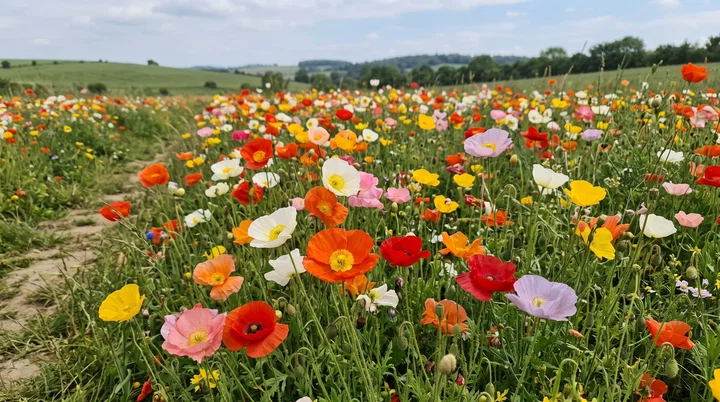
As for man, his days are as grass: as a flower of the field, so he flourisheth.
Translations
As for man, his days are as grass: as a flower of the field, so he flourishes.
King James Version, Webster Bible
As for man, his days are as grass: as a flower of the field, so he flourisheth.
As for man, his days are as grass:
As a flower of the field, so he flourisheth.As for man, his days are as grass; as a flower of the field, so he flourisheth.
As for man, his days are as grass;
As a flower of the field, so he flourisheth.Mortal man! as grass [are] his days, As a flower of the field so he flourisheth;
As for man, his days are as grass; as a flower of the field, so he flourisheth:
As for man, like grass, are his days, Like the blossom of the field, so, doth he blossom;
Berean Standard Bible, Majority Standard Bible
As for man, his days are like grass—
he blooms like a flower of the field;As for man, his days are like grass.
As a flower of the field, so he flourishes.As for man, his days are as grass: his beautiful growth is like the flower of the field.
The dayes of man are as grasse: as a flowre of the fielde, so florisheth he.
Douay-Rheims (Challoner revision)
Man’s days are as grass, as the flower of the field so shall he flourish.
Pictures
Cross-references
- Isaiah 40:6-8
The voice said, Cry. And he said, What shall I cry? All flesh is grass, and all the goodliness thereof is as the flower of the field:
Both compare human life to grass and flowers that fade.
- 1 Peter 1:24
For all flesh is as grass, and all the glory of man as the flower of grass. The grass withereth, and the flower thereof falleth away:
Both compare human life to grass and its fading flower.
- James 4:14
Whereas ye know not what shall be on the morrow. For what is your life? It is even a vapour, that appeareth for a little time, and then vanisheth away.
Both describe human life as brief and quickly passing away.
- Job 14:1-2
Man that is born of a woman is of few days, and full of trouble.
Both compare human life to a flower that is soon cut down.
- Job 7:6
My days are swifter than a weaver’s shuttle, and are spent without hope.
Both compare human life to something fleeting.
- Psalms 90:5-6
Thou carriest them away as with a flood; they are as a sleep: in the morning they are like grass which groweth up.
Both describe human life as grass that quickly flourishes and fades.
- Psalms 89:48
What man is he that liveth, and shall not see death? shall he deliver his soul from the hand of the grave? Selah.
Both describe human life as brief and subject to death.
- Job 25:6
How much less man, that is a worm? and the son of man, which is a worm?
Both texts portray human nature as frail and mortal.
- Job 14:2
He cometh forth like a flower, and is cut down: he fleeth also as a shadow, and continueth not.
Both compare human life to a flower that fades and passes away.
- Psalms 39:5
Behold, thou hast made my days as an handbreadth; and mine age is as nothing before thee: verily every man at his best state is altogether vanity. Selah.
listed together as pictures of short life
- Isaiah 64:6
But we are all as an unclean thing, and all our righteousnesses are as filthy rags; and we all do fade as a leaf; and our iniquities, like the wind, have taken us away.
listed together as pictures of short life
- Matthew 6:30
Wherefore, if God so clothe the grass of the field, which to day is, and to morrow is cast into the oven, shall he not much more clothe you, O ye of little faith?
God clothes short-lived field grass and cares even more for people.
- 1 Chronicles 29:15
For we are strangers before thee, and sojourners, as were all our fathers: our days on the earth are as a shadow, and there is none abiding.
listed together as pictures of short life
- Job 14:10
But man dieth, and wasteth away: yea, man giveth up the ghost, and where is he?
Both describe human life as passing away, offering comfort amid grief.
- Luke 12:20
But God said unto him, Thou fool, this night thy soul shall be required of thee: then whose shall those things be, which thou hast provided?
The rich fool’s sudden death illustrates the emptiness of earthly possessions.
- Psalms 146:4
His breath goeth forth, he returneth to his earth; in that very day his thoughts perish.
The poem says that a dead person’s thoughts perish.
- Job 14:12-14
So man lieth down, and riseth not: till the heavens be no more, they shall not awake, nor be raised out of their sleep.
Both describe human life’s mortality and lying down in death.
- 1 Corinthians 15:53
For this corruptible must put on incorruption, and this mortal must put on immortality.
Fading mortal life is exchanged for immortality.
- Hebrews 9:27
And as it is appointed unto men once to die, but after this the judgment:
Both affirm that human beings are subject to death.
Commentary
Each commentary is drawn from primary sources: the writings of Ellen G. White and Adventist pioneers and periodicals. Each commentary is separate. Its own words are not a quotation; follow the references to read the source passages.
Ellen G. White
3 sources
Human life is brief and fragile, flourishing for a time like grass and like a flower of the field and then soon passing away.8T 272.2–4Ms 1, 1897, par. 5STMW9 65.1–2 That fading brevity includes the power and standing of worldly, ambitious statesmen, which likewise withers like grass and a flower of the field.STMW9 65.1–2 Against this passing human life stands the Lord's enduring compassion and loving-kindness toward human frailty, which lasts forever for those who fear Him.8T 272.2–4Ms 1, 1897, par. 5 In its wider setting of Psalm 103:13-17, this contrast bears on the influence a father and mother may have over their children.Ms 1, 1897, par. 5 Yet this fading brevity does not lessen the need for capable business people in God's work, who are to use and develop their abilities while weaving truth into their business dealings.STMW9 65.1–2
Sources
Pioneers and periodicals
32 sources
As for man, his days are brief and fragile like grass and like a flower of the field that flourishes for a time and then fades, withers and passes away.ST Jun 3, 1886RH Jul 14, 1903 Its flourishing ends in vanishing, for its beauty fails, the wind passes over and it is gone, and its place knows it no more.ST Apr 8, 1903RH Aug 20, 1857 In this context the frailty is why the Lord pities those who fear him as a father pities his children, because he knows their frame and remembers that they are dust, while his mercy lasts from everlasting to everlasting upon those who fear him and keep his covenant.ST Jun 3, 1886RH Feb 5, 1861ST Dec 6, 1883 People are mortal and not naturally immortal, having no power in themselves to sustain life or claim eternal existence apart from God, whose gift of life comes through the Son.RH Jul 14, 1903RH Oct 14, 1909 Because mortals so quickly pass, pride of spirit is vain and earthly greatness, riches, fame and popularity cannot provide lasting grounds for glory, yet this same truth consoles mourners with hope that the Lifegiver will awaken the sleeping dead clothed in immortal bloom.RH Feb 15, 1870ST Mar 13, 1884ST Jun 28, 1899ST Feb 22, 1899
Brief Fragile Imagery
Human days are brief and fragile like grass and like a flower of the field that flourishes for a time and then fades, withers, perishes and passes away.ST Jun 3, 1886RH Jul 14, 1903RH Mar 3, 1903 This frailty holds true even for the youngest and the apparently healthy, for an infant son or daughter and for an eighteen-month-old child sick since birth who dies of consumption, and for mortal life closed after only a few weeks of sickness at age forty-one.RH Mar 3, 1903ST Sep 9, 1880 The flourishing ends in vanishing, for beauty and vitality soon fade, the wind passes over and it is gone, its place knows it no more, and it leaves no trace.ST Apr 8, 1903RH Aug 20, 1857ST Dec 6, 1883 Few and evil are such days, and years are as a tale that is told, and a life full of vanity is like chaff which the wind drives away.
The swiftness is vivid, for a person may be fresh and vigorous today and soon withered, green one day and cut down the next, flourishing in spring then fading, newly sprung then withered, here today and gone tomorrow.ST Apr 8, 1903RH Aug 20, 1914ST Apr 23, 1885 He lives only by breath, with thread spun, drawn out and cut, and his brittle state is always subject to death, ending in the dust.ST Apr 23, 1885ST Jun 2, 1881 His passing is like morning that hastens, sun that sets, shade and shadow that flies, dew that ascends, bubble that bursts, and gourd that consumes, like the damask rose that withers, the blossom that blasts, and the dainty flower that fades.ST Jun 2, 1881
The flower stands with many like images of shortness to prove life must be short indeed, with shadow, weaver's shuttle, leaf, handbreadth, vapor, sleep and flood, calling everyone to think upon its shortness looking back at past years and onward to coming time.ST May 1, 1884 It stands likewise with rose, blossom, morning, sun, shadow and gourd, and with fleeting meteor, fast-flying cloud, flash of lightning, break of the wave, bird on the wing, wink of an eye and draught of a breath.ST Apr 23, 1885RH May 9, 1865ST Jun 2, 1881 Life speeds for all like a bird on the wing, only the wink of an eye and the draught of a breath from the blossom of health to the paleness of death, from the gilded saloon to the bier and the shroud.ST Mar 13, 1884RH May 9, 1865 It is spoken in a soft, plaintive, flowing tone suited to gentle and mournful expression, like a morning flower of the field withering in an hour when blasting winds sweep over the plain.ST May 21, 1885
One multitude goes and another comes to repeat the same tale that has often been told, with successive generations the same as their fathers.ST Mar 13, 1884RH May 9, 1865 They see the same sights, drink the same stream, view the same sun, run the same course, think the same thoughts, shrink from the same death and cling to the same life.ST Mar 13, 1884RH May 9, 1865 They meet the same hope and despondency, pleasure and pain, smiles and tears, song and dirge following each other like surge upon surge, passing from the blossom of health to the paleness of death, from the gilded saloon to the bier and the shroud.ST Mar 13, 1884RH May 9, 1865 Like a flower or weed that withers away to let others succeed, young and old, low and high, infant and mother and husband, king and priest and sage and brave man, peasant and herdsman and beggar all fade, moulder to dust, lie together, and are hidden and lost in the depths of the grave in dwellings of rest.ST Mar 13, 1884RH May 9, 1865
Pity and Enduring Mercy
The frailty of grass and field flower is the reason the Lord pities those who fear him as a father pities his children, for he knows their frame and remembers that they are dust.ST Jun 3, 1886RH Feb 5, 1861ST Dec 6, 1883RH Jun 19, 1860 Passing human life that flourishes for a time and then vanishes is set against the Lord's mercy lasting from everlasting to everlasting and his righteousness extending to children.ST Jun 3, 1886ST Dec 6, 1883RH Mar 20, 1879RH Jun 19, 1860 That enduring mercy and righteousness belong to those who fear him and keep his covenant and remember his commandments and do them.ST Jun 3, 1886ST Dec 6, 1883RH Mar 20, 1879RH Jun 19, 1860 Human mortality so contrasted with lasting mercy and righteousness makes the brevity plain: fresh and vigorous today, soon withered and disappeared, leaving no trace.ST Apr 8, 1903
The image declares humanity's mortal, dying condition and dependence on God for future life.RH Jul 14, 1903 People have no power in themselves to sustain life or to claim eternal existence apart from God's salvation, and life is received through the Son.RH Jul 14, 1903 The verse stands among the passages that describe God's character and goodness as merciful and compassionate.ST Mar 11, 1903ST Jun 29, 1904 Flowers that teach shortness of life also show that his care reaches small things as well as great, so the same unlimited love and care he gives to flowers extends to every human being, with none too insignificant to be loved and cared for.ST Jun 29, 1904
Because God fully understands human weakness, he does not lay burdens as earthly parents may lay tasks too heavy on their children.RH Feb 5, 1861 He lays no burden in the daily and hourly work of overcoming that cannot be overcome by the help of Christ, who was tempted in all points and knows how to deliver the godly out of temptation.RH Feb 5, 1861 This gives courage to fearful and doubting youth that in trusting him they have nothing to fear.RH Feb 5, 1861 If fully submitted with the whole heart and trusting in him, they will receive grace to overcome and strength to stand amid the evils of perilous times.RH Feb 5, 1861
Mortal Not Naturally Immortal
Human life is brief and fragile, flourishing for a time like a flower of the field yet having no power in itself to sustain life, for people are mortal and not naturally immortal and cannot claim eternal existence apart from God's salvation, with life received through the Son.RH Jul 14, 1903 Man is not an uncreated Spirit like God but a created being formed of dust.ST May 22, 1884ST May 22, 1884 His days are short and frail like grass and like a flower of the field, which proves he does not possess the nature and attributes of his Creator, in direct contrast to God.ST May 22, 1884ST May 22, 1884
The verse affirms human mortality contrary to the claim that man never dies, for human beings are only men, dust and ashes, with short frail lives that soon pass and with no immortality apart from Christ.RH Oct 14, 1909 It rebukes the pride and self-exaltation behind the doctrine of natural immortality, which comes from Satan's claims that men will not die and will be as gods. Unwillingness to accept this mortality comes from self-conceit that feels degraded to the level of brutes when told men are mortal without Christ and therefore refuses to hear, leaving the gospel of a crucified Redeemer as the only hope of immortality.
The grass-like comparison describes humanity's true condition, not a degradation of it. People are weak and easily brought low by hardship, green one day and cut down or withered the next, perishing like grass and lying in the dust with life ending in death.ST Apr 23, 1885ST Nov 18, 1913 Human life cannot serve as a lasting support or dependable refuge, while the enduring, life-giving Rock is the sure dependence. Its short transience is like the rose, blossom, morning, sun, shadow, and gourd, flourishing briefly like a field flower and then fading.ST Apr 23, 1885ST Nov 18, 1913
Comfort in Bereavement
The verse consoles mourners by setting human life before them as brief and fragile, like grass and like a flower of the field that flourishes for a time and then passes away.RH Jan 21, 1873 That same frailty comforts a grieving father and mother with brother and sisters after the death of an infant son, so that they sorrow with hope rather than with hopeless grief. It likewise comforts parents mourning the death of their infant daughter, showing life to be brief and fragile like grass and a field flower flourishing for a time.RH Jul 15, 1909
It was spoken as words of comfort at a child's funeral, where the brief flourishing like grass and a field flower was held forth to the bereaved.RH Mar 3, 1903RH May 5, 1903 In the same way it brings comfort at the deaths of two young children, joined to the hope that the Lifegiver will bring them back from the land of the enemy.ST Oct 25, 1877 Its frailty holds true even of an eighteen-month-old child sick since birth who dies of consumption, so the verse belongs at funerals and in affliction.ST Sep 9, 1880 There it acknowledges how fragile life is while sustaining grieving believing parents with the blessed hope of meeting their little one again where there will be no more death.ST Sep 9, 1880
Applied at a burial when mortal life closed after only a few weeks of sickness, even from apparent health at age forty-one, it means the dead are laid away to sleep in Jesus in the grave, mourned but not without hope.RH Feb 15, 1870 That grass-like fading is set against awaiting the coming Lifegiver whose voice will soon open the graves and bring forth the silent sleepers clothed in immortal bloom.RH Feb 15, 1870 The memories of loved ones who have died make the same transience clear, showing that human life and its earthly joys quickly fade like grass and a flower.ST Oct 8, 1894
Humility and Daily Life
Because mortal life passes so quickly, there is no reason for the human spirit to be proud, and pride of spirit is empty.ST Mar 13, 1884RH May 9, 1865 One multitude goes and another comes only to repeat the same oft-told tale, seeing the same sights, drinking the same stream, viewing the same sun, running the same course, thinking the same thoughts, shrinking from the same death and clinging to the same life, meeting the same hope and despondency, pleasure and pain, smiles and tears, with song and dirge following each other like surge upon surge.ST Mar 13, 1884RH May 9, 1865 Life speeds for all like a bird on the wing, only the wink of an eye and the draught of a breath from the blossom of health to the paleness of death, from the gilded saloon to the bier and the shroud, like a fleeting meteor, a fast-flying cloud, a flash of lightning, and the break of a wave.ST Mar 13, 1884RH May 9, 1865 Young and old, low and high, infant and mother and husband, king and priest and sage and brave man, peasant and herdsman and beggar all fade as grass underfoot and as a flower that withers to let others succeed, moulder to dust, lie together, and are hidden and lost in the depths of the grave in dwellings of rest.ST Mar 13, 1884RH May 9, 1865
Human life and earthly greatness are brief, so that even one who reaches the heights of human glory ends in death with only a crumbling tomb and erased inscription remaining.ST Jun 28, 1899ST Feb 22, 1899 A person flourishes for a short time like grass and a flower of the field and then withers and is gone, and for that reason earthly knowledge, fame, riches, strength, and friendships cannot provide lasting grounds for glory because human life and its accomplishments pass away.ST Jun 28, 1899ST Feb 22, 1899 Applied to fashionable popularity, those in the high swim are only light, impure nothings and gaudy bubbles of emptiness, like worthless chaff and like ocean foam and scum floating on the surface, to be pitied rather than envied. Few and evil are human days and human years are as a tale that is told, and if life is full of vanity it is like chaff which the wind drives away, flourishing briefly before the wind passes over it so that it is gone and its place knows it no more.
The flower, standing together with the shadow, the weaver's shuttle, the leaf, the handbreadth, the vapor, sleep, and the flood, proves that life must be short indeed.ST May 1, 1884 That proof calls everyone to think upon the shortness of life, looking back at past years and onward to coming time.ST May 1, 1884
Sources