Isaiah 5:7
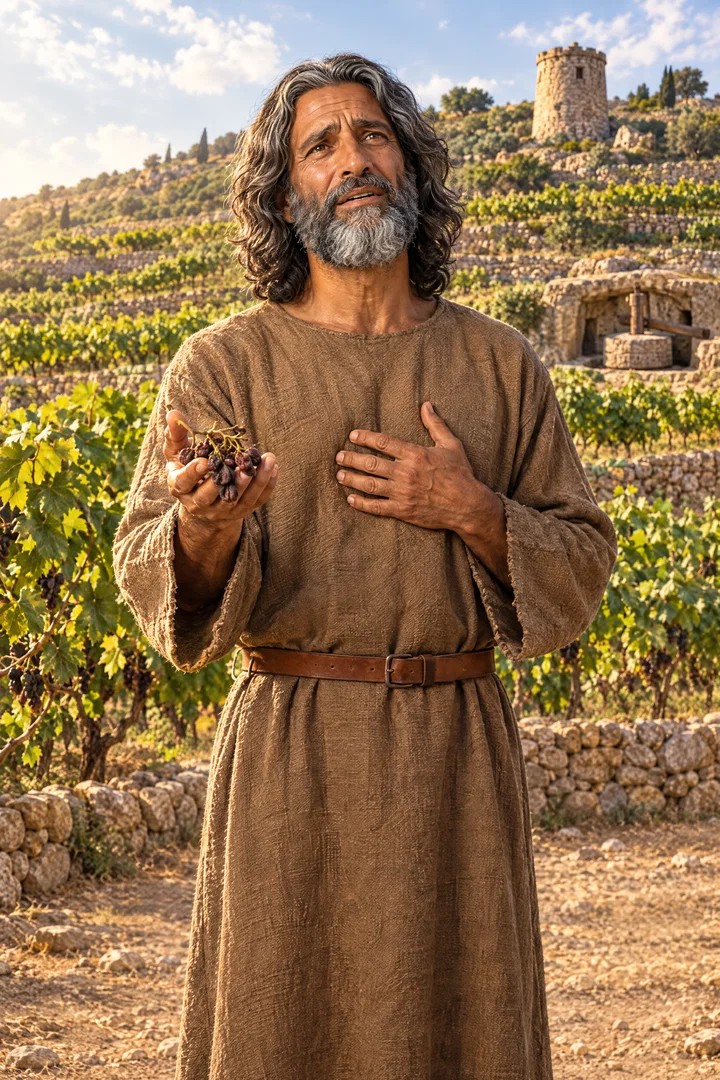
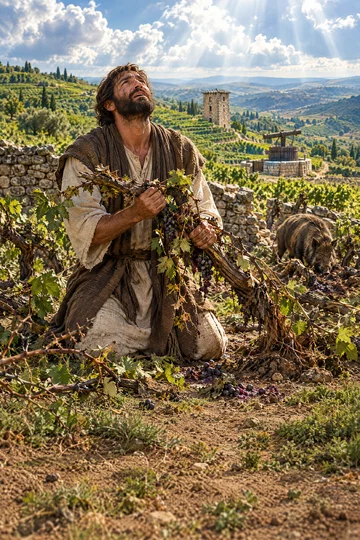
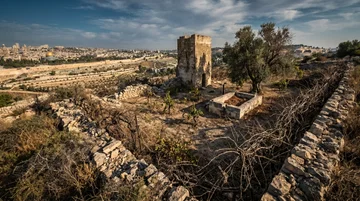
For the vineyard of the LORD of hosts is the house of Israel, and the men of Judah his pleasant plant: and he looked for judgment, but behold oppression; for righteousness, but behold a cry.
Translations
American King James Version, King James Version, Webster Bible, Revised Version
For the vineyard of the LORD of hosts is the house of Israel, and the men of Judah his pleasant plant: and he looked for judgment, but behold oppression; for righteousness, but behold a cry.
For the vineyard of the Lord of hosts is the house of Israel,
And the men of Judah his pleasant plant:
And he looked for judgment, but behold oppression;
For righteousness, but behold a cry.For the vineyard of Jehovah of hosts is the house of Israel, and the men of Judah his pleasant plant: and he looked for justice, but, behold, oppression; for righteousness, but, behold, a cry.
Because the vineyard of Jehovah of Hosts [Is] the house of Israel, And the man of Judah His pleasant plant, And He waiteth for judgment, and lo, oppression, For righteousness, and lo, a cry.
For the vineyard of Jehovah of hosts is the house of Israel, and the men of Judah the plant of his delight: and he looked for justice, and behold, blood-shedding; for righteousness, and behold, a cry.
Surely the vineyard of Yahweh of hosts, is the house of Israel, And, the men of Judah, are the plantation in which he dearly delighted,—And he waited, For equity but lo! murderous iniquity, For the rule of right but lo the cry of the wronged.
Berean Standard Bible, Majority Standard Bible
For the vineyard of the LORD of Hosts
is the house of Israel,
and the men of Judah
are the plant of His delight.
He looked for justice,
but saw bloodshed;
for righteousness,
but heard a cry of distress.For the vineyard of the LORD of Armies is the house of Israel,
and the men of Judah his pleasant plant.
He looked for justice, but behold, oppression,
for righteousness, but behold, a cry of distress.For the vine-garden of the Lord of armies is the people of Israel, and the men of Judah are the plant of his delight: and he was looking for upright judging, and there was blood; for righteousness, and there was a cry for help.
Surely the vineyard of the Lord of hostes is the house of Israel, and the men of Iudah are his pleasant plant, and hee looked for iudgement, but beholde oppression: for righteousnesse, but beholde a crying.
Douay-Rheims (Challoner revision)
For the vineyard of the Lord of hosts is the house of Israel: and the man of Juda, his pleasant plant: and I looked that he should do judgment, and behold iniquity: and do justice, and behold a cry.
Pictures
Cross-references 20 of 35
- Matthew 21:33-41
Hear another parable: There was a certain householder, which planted a vineyard, and hedged it round about, and digged a winepress in it, and built a tower, and let it out to husbandmen, and went into a far country:
Jesus’ vineyard parable echoes Isaiah’s vineyard and condemns its unfaithful stewards.
- Psalms 80:8-9
Thou hast brought a vine out of Egypt: thou hast cast out the heathen, and planted it.
Both picture Israel as God's vine, brought from Egypt and planted in the land.
- Isaiah 5:1-2
Now will I sing to my wellbeloved a song of my beloved touching his vineyard. My wellbeloved hath a vineyard in a very fruitful hill:
Introduces the vineyard image that Isaiah 5:7 identifies with Israel.
- Jeremiah 2:21
Yet I had planted thee a noble vine, wholly a right seed: how then art thou turned into the degenerate plant of a strange vine unto me?
Israel, planted as a noble vine, became corrupt and failed to bear good fruit.
- John 15:1-2
I am the true vine, and my Father is the husbandman.
Israel’s failed vineyard contrasts with Christ, the true Vine, whose branches are pruned to bear fruit.
- Hosea 10:1
Israel is an empty vine, he bringeth forth fruit unto himself: according to the multitude of his fruit he hath increased the altars; according to the goodness of his land they have made goodly images.
Israel is a fruitful vine, but its fruit serves itself.
- Mark 12:1-9
And he began to speak unto them by parables. A certain man planted a vineyard, and set an hedge about it, and digged a place for the winefat, and built a tower, and let it out to husbandmen, and went into a far country.
Jesus applies the vineyard image to Israel’s leaders, who reject God’s messengers and withhold his due.
- Luke 20:9-16
Then began he to speak to the people this parable; A certain man planted a vineyard, and let it forth to husbandmen, and went into a far country for a long time.
The vineyard parable draws on Isaiah’s vineyard image and condemns its unfruitful stewards.
- Isaiah 27:2-3
In that day sing ye unto her, A vineyard of red wine.
The Lord keeps and tends his vineyard, guarding it night and day.
- Isaiah 61:3
To appoint unto them that mourn in Zion, to give unto them beauty for ashes, the oil of joy for mourning, the garment of praise for the spirit of heaviness; that they might be called trees of righteousness, the planting of the LORD, that he might be glorified.
God’s people are described as the LORD’s planting, trees of righteousness.
- Romans 11:17-24
And if some of the branches be broken off, and thou, being a wild olive tree, wert graffed in among them, and with them partakest of the root and fatness of the olive tree;
Israel’s branches are broken off for unbelief, while wild branches are grafted into the olive tree.
- Isaiah 5:24
Therefore as the fire devoureth the stubble, and the flame consumeth the chaff, so their root shall be as rottenness, and their blossom shall go up as dust: because they have cast away the law of the LORD of hosts, and despised the word of the Holy One of Israel.
Rejecting God’s law brings destruction.
- Psalms 80:14-16
Return, we beseech thee, O God of hosts: look down from heaven, and behold, and visit this vine;
Both portray Israel as God’s vineyard, afflicted and facing destruction.
- John 15:5
I am the vine, ye are the branches: He that abideth in me, and I in him, the same bringeth forth much fruit: for without me ye can do nothing.
Christ is the vine, and his people are branches called to bear fruit.
- Matthew 21:37
But last of all he sent unto them his son, saying, They will reverence my son.
The vineyard owner sends his son after Israel rejects his messengers.
- Matthew 21:43
Therefore say I unto you, The kingdom of God shall be taken from you, and given to a nation bringing forth the fruits thereof.
The kingdom is taken from an unfruitful Israel and given to another nation.
- Luke 13:6-9
He spake also this parable; A certain man had a fig tree planted in his vineyard; and he came and sought fruit thereon, and found none.
The barren fig tree illustrates the demand for fruit and the patience before judgment.
- Micah 6:8
He hath shewed thee, O man, what is good; and what doth the LORD require of thee, but to do justly, and to love mercy, and to walk humbly with thy God?
Names the just and merciful conduct God desired from his people.
- Isaiah 5:1
Now will I sing to my wellbeloved a song of my beloved touching his vineyard. My wellbeloved hath a vineyard in a very fruitful hill:
Introduces the beloved’s vineyard, which Isaiah identifies with Israel.
- Matthew 21:38
But when the husbandmen saw the son, they said among themselves, This is the heir; come, let us kill him, and let us seize on his inheritance.
The vineyard story turns to the husbandmen’s hostility toward the heir.
Commentary
Each commentary is drawn from primary sources: the writings of Ellen G. White and Adventist pioneers and periodicals. Each commentary is separate. Its own words are not a quotation; follow the references to read the source passages.
Ellen G. White
60 sources
The vineyard of the Lord is the house of Israel and the men of Judah are His pleasant plant, His cherished vine, and it stands for His professed people and church in every age, precious and dear to His heart.AA 15.2–3COL 290.3–291.2COL 214.2–3Ms 138, 1899, par. 13–166MR 318.1–2 He took that vine out of Egypt and planted it in Canaan, nourishing and guarding it by His law and giving it every means to thrive, with the right as its owner to expect fruit in its season.Lt 127, 1899, par. 2–3Ms 23, 1900, par. 2–3ST Oct 31, 19004SP 19.2–20.1Ms 151, 1899, par. 12 He looked for justice and righteousness, but found oppression and the cry of the suffering instead of the fruits of love, peace, goodness and faith.AA 15.2–3Ms 149, 1904, par. 8–9COL 290.3–291.2Ms 141, 1899, par. 10–118T 114.3–9 Because the husbandmen mistreated His messengers and at last rejected the Son, the nation forfeited its privileges and brought ruin upon itself in the loss of its city and temple and the giving of the vineyard to others who would render fruit.PK 710.3–711.3PK 15.2ST Oct 31, 19004SP 19.2–20.1ST Feb 17, 1898 That warning belongs to His church in every generation, that great blessing brings the obligation to bear righteous fruit, yet above the desolation shines the hope of covenant mercy to be fulfilled to a faithful remnant.COL 296.2PK 17.3DA 102.3–4PK 22.1ST Jan 7, 1913
Vineyard and Plant Identified
The vineyard of the Lord of hosts is the house of Israel, the whole house of Israel, and the men of Judah are His pleasant plant, His cherished and carefully planted vine.AA 15.2–3COL 290.3–291.2COL 214.2–38T 114.3–9PK 13.2–4 He looked for justice and righteousness from them, but found oppression and cries of distress from sufferers instead, showing they had not fulfilled their calling as His people and representatives.AA 15.2–3COL 290.3–291.28T 114.3–9PK 13.2–4ST Jan 6, 1909 Israel had been planted as a goodly vine by the wells of life, called and trained to represent God in the world, with the purpose and possibility of becoming trees of righteousness that glorify Him.COL 214.2–3PK 13.2–4ST Jan 6, 1909 Through that chosen nation He intended to bring blessing to all mankind.PK 13.2–4 The generation to whom Christ came stood like a fig tree within that vineyard, belonging to the circle of His special care and blessing yet failing to show the character He sought.COL 214.2–3ST Jan 6, 1909
The vineyard represents the Jewish church, whom He carefully planted, protected, and supplied so they would bear good fruit and reflect His goodness in life and character.Ms 138, 1899, par. 13–16COL 296.2 By extension it means His professed people and church in every age, very dear to His heart and precious in His sight.6MR 318.1–2Ms 123, 1899, par. 10–1116MR 331.1COL 296.2 Instead Israel became a degenerate vine producing wild grapes.Ms 138, 1899, par. 13–16 Christ looks for fruit from His vineyards, and that fruit is obedience to God's commandments, which makes souls precious in His sight.6MR 318.1–2Ms 123, 1899, par. 10–1116MR 331.1 His saints assembling to worship Him from year to year are to sing about His vineyard with heart and understanding also.6MR 318.1–2Ms 123, 1899, par. 10–1116MR 331.1 Its lesson applies not only to ancient Israel but to the church in every generation, for great privileges and blessings bring corresponding responsibility to bear good fruit, and its ground must be cultivated rather than left neglected while workers and resources are concentrated in one place to hinder the extension of the work.COL 296.2Lt 4, 1895, par. 2
The verse denotes the past and future history of the Jews as unfaithful husbandmen who beat one servant, killed another, stoned another, and at last killed the heir to seize the inheritance.ST Feb 17, 1898 Condemned by their own answer, the just punishment for failing to render fruit in its season was taking away their national privileges, giving the vineyard to other husbandmen who would render fruit, and bringing destruction of their temple and city and dispersion of the nation.ST Feb 17, 1898
Israel's character as God's prosperous vine was displayed at the entrance to the temple in Jerusalem by a vine of gold and silver with green leaves and massive clusters of grapes.2SP 389.1–390.14RED 121.1–122.1 It was made at enormous expense by the most skillful artists, twining gracefully about the white and glistening pillars and clinging with shining tendrils to their golden ornaments.2SP 389.1–390.1 Catching the splendor of the setting sun, it shone as a wonderful thing of beauty with a glory borrowed from heaven.2SP 389.1–390.1
Care and Purpose Given
God took Israel as a vine out of Egypt and planted it in Canaan by the wells of life, where He nourished, protected and cared for it.ST Oct 31, 19004SP 19.2–20.1ST Feb 27, 1896 He guarded it by His law, provided for its religious life, and gave it every means to thrive.Ms 23, 1900, par. 2–3ST Oct 31, 1900Ms 91, 1899, par. 17 The marriage law and the Sabbath law by which it was guarded were clearly established in Eden, so that the people could know His requirements without misunderstanding.Ms 91, 1899, par. 17
As owner of the vineyard He had the right to expect its stewards to return its fruit at the appointed time.Lt 127, 1899, par. 2–3 He entrusts His covenant people with the care of that vineyard, and faithful servants are to carry out His will and judgment in it.Ms 151, 1899, par. 12
Israel was called, trained, chosen and richly blessed to honor God by steadfast commitment to noble principles and by bearing fruit that revealed the principles of His kingdom.PK 13.2–4COL 284.2–285.1Ms 23, 1900, par. 2–3 That fruit was to represent His character and heaven itself in a fallen world, to preserve practical godliness from idolatry, and to become trees of righteousness that glorify God.COL 214.2–3COL 284.2–285.1Ms 23, 1900, par. 2–3 Through the chosen nation He intended to bring blessing, light and salvation to all mankind, to restore His moral image in humanity, and to extend His kingdom.PK 13.2–4PK 710.3–711.3Ms 23, 1900, par. 2–3 The glory of that purpose, declared centuries before Christ, was what Israel through obedience might have fulfilled.PK 710.3–711.3
The generation to whom Christ came was like a fig tree planted within that vineyard, belonging to the circle of His special care and blessing.COL 214.2–3ST Jan 6, 1909 It had received that care with the purpose and possibility of bearing good fruit and glorifying Him.COL 214.2–3ST Jan 6, 1909
God intended His people to spread through the land and take possession of the territory He had set before them in Canaan.Ms 135, 1899, par. 13–14 Their failure to occupy the vineyard as He directed marked a departure from Him, and had they done so their history would have been different.Ms 135, 1899, par. 13–14
Fruit Sought and Found
He looked for judgment, which is justice, and for righteousness, but found oppression and a cry of distress from those suffering it instead.AA 15.2–3COL 290.3–291.28T 114.3–9ST Jan 6, 1909Lt 14a, 1893, par. 2–5 The vineyard is the house of Israel and the men of Judah are His cherished and carefully planted vine, given special care and blessing that they might bear good fruit and glorify Him.AA 15.2–3COL 290.3–291.28T 114.3–9ST Jan 6, 1909PK 16.1 Their failure to bear the fruit He sought showed they had not fulfilled their calling as His people and representatives.COL 290.3–291.2ST Jan 6, 1909 The same vineyard image describes the generation to whom Jesus came, which belonged to the circle of His special care yet failed to show the character He sought.ST Jan 6, 1909
The cry is the cry of those who are His heritage because they are not treated as He would have stewards treat them.Ms 149, 1904, par. 8–9 He looks upon every such scene of injustice, as in joining house to house and field to field until many great and fair houses are left desolate without inhabitant.Ms 149, 1904, par. 8–9 Instead of good fruit Israel became a degenerate vine producing wild grapes, though carefully planted, protected and supplied to bear good fruit.Ms 141, 1899, par. 10–11Ms 138, 1899, par. 13–16 The contrast between the fruit sought and what was found expresses failure to reflect His goodness in the life and character desired.Ms 138, 1899, par. 13–16
The wild grapes mean the absence of the fruits of the Spirit — love, joy, peace, patience, gentleness, goodness, and faith — in the lives of professed followers, warning them not to disappoint the owner.Ms 141, 1899, par. 10–11 They mean forgetting God and going into rebellion, abusing privileges from age to age, turning religion into hollow formalism, and cherishing Pharisaical pride, self-exaltation and cruel attributes.ST Feb 27, 1896 They mean making the vineyard fruitless through ingratitude, resisted grace, and refusal of the opportunities and privileges provided.ST Feb 27, 1896
As stewards the people greedily claimed the vineyard's fruits for themselves, and the leaders sought their own honor and its benefits.PK 16.1COL 292.1–3 They failed in their duty to teach and obey His word, withheld the religious guidance, holy example, love, humility, and self-sacrificing service they owed others, exploited those entrusted to their care, and misled the people.PK 16.1COL 305.2–306.1COL 292.1–3COL 304.3–305.1 Teachers who encourage disobedience withhold from Him the fruits He claims and are unfaithful servants, and the misleading and withholding contributed to the nation's sin, ruin and accountability.COL 305.2–306.1COL 304.3–305.1 Their greed and wrongdoing brought oppression and cries of distress, misrepresented His character, damaged the surrounding nations' understanding of Him and His kingdom, and gave Gentiles reason to misunderstand Him and His laws.PK 16.1COL 292.1–3 He holds His people accountable to live out the moral claims of their faith, and their professed devotion cannot excuse wrongdoing.Lt 14a, 1893, par. 2–5
Rejection Judgment and Hope
Declared centuries before Christ, the verse sets forth the glory of God's purpose which Israel through obedience might have fulfilled.PK 710.3–711.3 Near the close of His earthly ministry Christ referred to this vineyard in His parable of the householder who planted a vineyard and let it out to husbandmen.PK 710.3–711.3 In that parable He called the Jewish teachers to see the rich blessings bestowed upon Israel and God's claim to their obedience.PK 710.3–711.3
The vineyard's lesson is a breach of trust: God sent messengers to receive the fruit, but the people mistreated them and ultimately rejected His Son.ST Oct 31, 1900 Their true character was that of unfaithful husbandmen who beat one servant, killed another, stoned another, and at last killed the heir to seize the inheritance.ST Feb 17, 1898 God had cared for Israel and Judah and expected good fruit, but He looked for justice and righteousness and found oppression and a cry of distress.ST Oct 31, 1900
God did not withdraw His love but sent prophets to warn them and instituted the sacrificial system to keep Christ before them as the one great Sacrifice and efficient Offering.ST Feb 27, 1896 Yet for a thousand years they would not accept mercy but persecuted and killed the messengers, multiplied transgression upon transgression, and abused privileges from age to age in national apostasy of resisted grace and hollow formalism, cherishing Pharisaical pride, self-exaltation and cruel attributes.ST Feb 27, 1896Lt 20, 1892, par. 31–32 For three years Christ ministered among them with healing, comfort, forgiveness, and mercy, yet they despised His appeals, shut their eyes to Him, rejected their only helper and the one who could save them, and were ready to put the Son of God Himself to death.4SP 19.2–20.1ST Feb 27, 1896Lt 45, 1891, par. 3–4 Over this long record of ingratitude Jesus wept as Jerusalem faced judgment.Lt 20, 1892, par. 31–32
By failure to fulfill its purpose the whole nation was forfeiting His blessing and bringing ruin upon itself.PK 710.3–711.3PK 15.2 Condemned by their own answer, the just punishment for failing to render fruit in its season was taking away their national privileges and giving the vineyard to other husbandmen who would render fruit.ST Oct 31, 1900ST Feb 17, 1898 Despite great light, blessings, and prosperity, their unfaithful care led to withdrawing of favor and to calamity and defeat.ST Oct 31, 1900Ms 73, 1901, par. 5–6 That judgment came as destruction of their temple and city, dispersion of the nation, and the casting off of Jerusalem because the people rejected the light and mercy offered them.ST Feb 17, 1898Ms 41, 1886, par. 12–14
Jerusalem's doom also symbolizes the world, which will likewise receive its doom.Lt 45, 1891, par. 3–4 The vineyard parable warns all that God cannot bless and sustain those who reject His ways and commandments.ST Oct 31, 1900 Though the church is beloved and cared for, He does not condone its sins, but may allow calamity and defeat when its members glorify themselves and practice false principles.ST Oct 31, 1900 He forgives those who repent while withdrawing favor from those who persist in sin, exalt themselves, mix the sacred with the common, and misrepresent Him while claiming His temple and setting a misleading example.ST Oct 31, 1900
Israel's degradation as a desolate waste is not the end.DA 102.3–4 Above it shines the promised glory of the Messiah's reign.DA 102.3–4 God's wrath is spanned by the hope of His covenant mercy.DA 102.3–4
The goodly vine that the men of Israel despised and cast over the vineyard wall, bruising and trampling it in hope of destroying it forever, was then removed by the divine Husbandman and concealed from their sight.PK 17.3 It was planted again on the other side of the wall where its stock is no longer visible and beyond human power to reach or harm, while its branches still hang over the wall so grafts may be joined to it.PK 17.3 Israel's call, successes and failures, restoration to favor, rejection of the Master, and the carrying out of the plan of the ages by a goodly remnant to whom all covenant promises will be fulfilled reveal God's eternal purpose, His love for the lost race, and His plan for salvation.PK 22.1 That charge now belongs to God's church on earth as faithful husbandmen occupying His vineyard.PK 22.1
The vine that once bore good grapes can afterward yield wild grapes, meaning souls with a faithful past can depart from the faith and send forth bitter instead of sweet.7MR 196.4 This change brings weariness and sorrow of heart.7MR 196.4 As the end nears when truth alone will triumph, the truth as it is in Jesus must be planted in the heart by the Holy Spirit and daily tended there by grace.7MR 196.4
Warning to Church Today
The vineyard is God's people, and from those He has favored He looks for justice and righteousness as fruit, a lesson that belongs not to ancient Israel alone but to the church in every generation, where great privilege and blessing carry a corresponding responsibility to bear good fruit.COL 296.2 The same vineyard once identified as Israel and Judah, carefully tended yet yielding oppression and a cry of distress instead of the justice and righteousness expected, now stands for the Lord's church, which His care and blessing place under obligation to bear righteous fruit.ST Jan 7, 1913 When that church seeks worldly praise and support it falls into spiritual decline and brings forth degenerate fruit.ST Jan 7, 1913
Christ looks for fruit from His vineyards, and that fruit is obedience to God's commandments and the good fruit of faithful service.6MR 318.1–2Ms 123, 1899, par. 10–1116MR 331.1Ms 34, 1900, par. 71–72 Such obedience makes souls precious in His sight.6MR 318.1–216MR 331.1 The church is very dear to His heart, precious to Him as He seeks this fruit in worship.6MR 318.1–2Ms 123, 1899, par. 10–1116MR 331.1 His saints assembling to worship Him from year to year are to sing about His vineyard with the heart and with the understanding also.6MR 318.1–216MR 331.1
God enriched His vineyard and looked for the good fruit of faithful service, but failure to meet His expectation is like a promised gift that never arrives.Ms 34, 1900, par. 71–72 He expects His people to produce fruit unto righteousness and not to become a strange vine failing His purpose.Ms 134, 1899, par. 5–6Ms 83, 1901, par. 2–4 Their lives are to show a real difference from the world and to represent Christ rightly.Ms 83, 1901, par. 2–4 This calling rests on spiritual advantages given to display His glory, extend His kingdom, restore His moral image in humanity through obedient and righteous lives, and to be used faithfully rather than left unemployed.Ms 134, 1899, par. 5–6
Work in Neglected Fields
The Lord is not partial in His vineyard, for His vineyard is the world itself, the field where His work is to be carried out in all its different parts with integrity and strict economy, and its ground must be cultivated rather than left unworked.14MR 31.1–2Lt 4, 1895, par. 2STB 291.1–2Lt 183, 1899, par. 1–2 The work required is the elevating of the standard of truth and the raising of memorials of truth that make a proper impression on the world, with means so used that workers in neglected parts can move forward without hindrance.14MR 31.1–2Lt 183, 1899, par. 1–2 The vineyard waits to be worked, and its unworked places call for workers and for the means needed to carry out missionary work.STB 291.1–2
No portion of the vineyard is to be robbed so that money is absorbed in one location or one large center, and the pattern followed in America is not to be copied in every large center while other fields are hindered.14MR 31.1–2 Leaving parts neglected while concentrating workers and resources in one place hinders the extension of the work, diverts resources from more destitute fields, and leaves other fields barren.14MR 31.1–2Lt 4, 1895, par. 2Lt 127, 1899, par. 8–9 Diverting resources to one area can keep established forces, the plants of the vineyard, from being planted in other parts of the field.Lt 185, 1900, par. 4
God gave the nation advantages so that His name would be honored throughout the world, and those advantages were to be used to support more destitute fields.Lt 127, 1899, par. 8–9 Selfishness and covetousness diverted resources to a few places, leaving other fields barren and preventing the good He intended, and this was unfaithful stewardship for which He would remove the trust from those who proved untrustworthy.Lt 127, 1899, par. 8–9 He does not judge as man judges with finite judgment; He looks at the character of the fruit borne and then judges the tree.14MR 31.1–2
The Southern field is a neglected and most destitute portion of the Lord's vineyard, though the duty to care for it has been clearly set out for years.SPBC 164.4Ms 167, 1902, par. 14–16 Its people lacked ministers, teachers, and medical missionaries, and parts of it were left without due support when resources intended for them were diverted.CH 525.1CNA 125.1 Its poverty and suffering, and the failure of Christians to relieve them or provide their share of ministry, show a neglected responsibility to cultivate God's vineyard.CH 525.1 Leaving thousands of suffering people there to perish in their sins leaves undone what God would have accomplished and stands as a reproach to those who know the truth.Ms 167, 1902, par. 14–16
The colored race in America is a part of the Lord's vineyard committed to His people, toward whom God looked for judgment and righteousness.Ms 38, 1903, par. 31 He asks why those living in this part of His vineyard are left in their awful condition to become the sport of Satan's temptations, and He will require an excuse for neglect.Ms 38, 1903, par. 31 He calls for united action to help them by proclaiming and living the truth, with no blind zeal and nothing done in defiance of law.Ms 38, 1903, par. 31 God commends those who strive to establish interests in new, poor fields, and such fields are to receive special help.Ms 167, 1902, par. 14–16 His people are to redeem their neglect by thorough conversion and repentance and by decided effort to carry the work forward there despite difficulty and poverty, instead of hindering, discouraging, criticizing and judging those entrusted with it.Ms 167, 1902, par. 14–16
Cultivating the vineyard means supporting the work of bringing souls into the truth, including the commandment-keeping people in a new world whose work needs practical help and means.Lt 73, 1899, par. 23 The vineyard's unworked places call for workers and for means for missionary work, and God is the one to whom workers in His field should bring their needs.CNA 140.2STB 291.1–2 Refusing to labor in that vineyard for selfish interests means neglecting the service owed to the Lord who gave His life for them.GW92 335.2–3 Drawing funds away from a sanitarium can obstruct medical missionary work throughout that field, for the Lord's vineyard is the field where His work is to be carried out.Lt 214, 1900, par. 11
Sources
Pioneers and periodicals
55 sources
The vineyard of the Lord of hosts is the house of Israel, and the men of Judah are his pleasant plant, his cherished planting tended with special care.STST Apr 18, 1878ST Feb 5, 1902 He chose a fruitful hill for them, fenced it, cleared its stones, planted it with choicest vines, built a tower and winepress in its midst, set his temple among them and made them custodians of his law, leaving nothing undone that could be done for their good.RH Nov 5, 1872ST Dec 23, 1889ST Apr 8, 1903 He looked for grapes of upright character and conduct, for justice and righteousness and the fruit of the Spirit, which he had full right to expect after such care.STST Apr 18, 1878ST Feb 5, 1902 Instead of justice he found oppression and instead of righteousness a cry of distress, wild sour grapes of apostasy, formalism, pride, ingratitude and wrong toward the poor.ST Apr 18, 1878ST Feb 5, 1902RH Nov 5, 1872 Because it failed to bear the fruit sought, he pronounced its judgment to take away its hedge, break down its wall and lay it waste, giving its privileges to others who would render fruit, a warning that still stands against backsliding churches and each person who bears sour grapes instead of good fruit.ST Oct 31, 1900ST Apr 18, 1878RH Nov 5, 1872ST Jan 18, 1916ST Apr 26, 1905
Vineyard Identity and Context
The vineyard of the Lord of hosts is the house of Israel, and the men of Judah are his pleasant plant, his cherished and carefully tended planting.STST Apr 18, 1878ST Feb 5, 1902RH Nov 5, 1872ST Apr 8, 1889 The grapes looked for are the character and conduct God had a right to expect after providing for and protecting them, namely righteous judgment and upright character, but instead he found oppression and cries of distress.STST Apr 18, 1878ST Feb 5, 1902RH Nov 5, 1872ST Apr 8, 1889 That failure to bear expected fruit was apostasy and perversion of his Word, bringing forth only little wild sour grapes that offered neither nourishment nor attraction, and it led to the vineyard's abandonment and desolation.ST Apr 18, 1878ST Feb 5, 1902RH Nov 5, 1872ST Jan 18, 1916ST Feb 5, 1902 The vineyard is the whole house of Israel with special emphasis on Judah as the pleasant plant, especially Judah as entrusted with the vineyard.ST Feb 5, 1902ST Feb 5, 1902ST Feb 5, 1902 Jerusalem was where God planted his Word and gave priests and people extraordinary opportunity to live by it and produce good fruit for themselves and others, yet through apostasy and distortion they produced a spirit opposed to his character.ST Feb 5, 1902ST Feb 5, 1902
Judah is the one tribe preserved after the others went into perpetual captivity, its kingdom and scepter kept up by special providence until the Messiah should appear.ST Jun 3, 1897 The pleasant plant is the last plant of the vineyard, tended and pruned with great care in hope it would bear fruit, and the people of Jerusalem its capital represent the last of the people called out of Egypt and by divine power placed in the land of promise.ST Jun 3, 1897 Isaiah prophesied beginning under Uzziah and continuing through Jotham, Ahaz and Hezekiah, between 760 and 700 B.C., in a book full of gospel truth.ST May 28, 1912ST Sep 22, 1909 The verse falls in the prophecies of chapters 2-12, in the first part of Isaiah consisting of prophecies and histories from his active ministry collected together while retaining their character as distinct prophecies, and in chapters 1-5 concerning the backsliding of God's people in that day, whose backslidden condition is a type of last-day apostasies.ST May 28, 1912RH Jul 6, 1916ST Sep 22, 1909
The verse belongs to Isaiah's warnings to Judah about the sure consequences of following Israel's course, with woes following unfruitfulness for those who depart from God.ST Apr 8, 1889ST Nov 20, 1901 It applies especially to Israel's history through the Babylonian captivity, spoken more than one hundred years before that captivity to show the causes of coming misfortunes.ST Apr 8, 1889ST Nov 7, 1895 Among the blessings listed for the vineyard, he established his temple among them, made them custodians of his law, meant light to flow through them to the world, and set divine barriers around them, yet they failed and judgments came upon them.ST Nov 7, 1895 The Hebrew word for judgment is mish-pat, the same word used in Zephaniah 2:3, commonly applied to God's law and usually in the plural.RH Oct 24, 1885 Judgment means what is right and just, rectitude, justice, and what is lawful or conformable to law.RH Oct 24, 1885
People are like the vine, which cannot stand alone without trellis or tree and can do nothing of itself but must be upheld by the right hand of his righteousness.ST Apr 8, 1903 God fences his vineyard, gathers out stones, plants it with the choicest vine, builds a tower, makes a winepress, waters it every moment and keeps it night and day, so nothing more can be done for it, yet when he looks for good grapes and righteousness he finds only wild grapes and oppression.ST Apr 8, 1903 The vine and vineyard figuratively represent government, with dwelling under one's own vine and fig tree meaning living under one's own republican government that tolerates, guarantees and protects civil and religious liberty and the right to worship according to conscience, as in the constitutional government of the United States.RH Feb 21, 1856 The vineyard is also the promised land once occupied by Judah, prepared for Christ the true vine and to be devoted to his use, where his believing people as branches will be transplanted with him into that holy land to flourish forever.RH May 30, 1854
Divine Care and Expectation
God chose a very fruitful hill for his vineyard and left nothing undone in its fitting up, fencing it with hedge and wall, gathering out the stones and brush, planting it with the choicest vines, building a tower in its midst, making a winepress in it, cultivating it year after year, watering it every moment and keeping it night and day.RH Nov 5, 1872ST Apr 8, 1903ST Oct 11, 1899RH Apr 9, 1901 Among those provisions he established his temple among his people, made them custodians of his law, meant light to flow through them to the world, and set divine barriers around them so they would have no occasion to mingle with wild growth without.ST Apr 8, 1903RH Apr 9, 1901ST Nov 7, 1895 When the Husbandman examined his work he could find no neglect or fault in himself and could only ask what more could have been done for the vineyard than had been done.RH Nov 5, 1872ST Dec 23, 1889ST Apr 8, 1903 Israel as the Lord's vineyard and Judah as his carefully tended planting therefore calls for fruit in answer to such full provision.ST Dec 23, 1889ST Nov 7, 1895
What he looked for when he looked for grapes was judgment and righteousness, that is righteous judgment, upright character and conduct, and good fruit which he had a right to expect after providing for and protecting them.STST Apr 18, 1878ST Feb 5, 1902RH Nov 5, 1872ST Apr 8, 1889 That expected fruit is the fruit of the Spirit — love, joy, peace, patience, gentleness, goodness, faith, meekness and self-control — shown in faith and love and patience and in faithful use of spiritual advantages.STRH Nov 5, 1872ST Dec 28, 1888RH Nov 6, 1900 Where he expected fair judgment he found oppression, and where he expected righteousness he found a cry of distress.ST Apr 18, 1878ST Feb 5, 1902ST Dec 28, 1888RH Nov 6, 1900
God planted and cared for his people for a purpose, giving Israel special care and blessing so that it might bear good fruit and glorify him.ST Jan 6, 1909ST Feb 5, 1902ST Apr 8, 1889 The planting shows his purpose for them, their failure to fulfill it, and the judgment pronounced upon them.ST Jun 25, 1902ST Feb 5, 1902ST Apr 8, 1889 The generation to whom Christ came still belonged to that circle of special care and blessing, and his earnest desire was for the vineyard to produce good fruit and return it to him in its season.ST Jan 6, 1909ST Feb 5, 1902
Wild Fruit and Judgment
Where God looked for fair judgment and righteousness he found oppression and outcry instead, wild sour grapes that offered neither nourishment nor attraction.ST Apr 18, 1878ST Feb 5, 1902RH Nov 5, 1872ST May 30, 1911ST Dec 23, 1889 The vineyard is the house of Israel and the men of Judah his pleasant plant, and the fruit he had a right to expect after his full provision was justice and righteousness in character and conduct.ST Apr 18, 1878ST Feb 5, 1902RH Nov 5, 1872ST Dec 23, 1889ST He had provided fully and asked what fruit his people should render, yet the contrast stands between the justice and righteousness sought and the oppression and cry of distress that appeared.ST May 30, 1911ST Dec 23, 1889ST That failure to bear expected fruit led to the vineyard's abandonment and desolation.ST Apr 18, 1878RH Nov 5, 1872RH Jan 8, 1857
The wild fruit was apostasy and perversion of God's Word, a spirit opposed to God's character and to the good fruit entrusted stewards should bear.ST Feb 5, 1902ST Feb 5, 1902ST Feb 5, 1902 It meant rebellion dishonoring God among the nations, forgetting God, abusing privileges from age to age, ingratitude, resisted grace and refusal of opportunities and privileges.ST Feb 27, 1896ST Apr 8, 1889ST Feb 5, 1902 Religion became hollow formalism, cherishing Pharisaical pride, self-exaltation and cruel attributes, making the vineyard fruitless.ST Feb 27, 1896 Jerusalem was where God planted his Word and gave priests and people extraordinary opportunity to live by it and produce good fruit for themselves and others, but through apostasy and distortion of the Word they produced wild grapes, and the uncultivated vine brings forth wild grapes when seeds of sin are planted instead.ST Feb 27, 1896ST Feb 5, 1902
Because the vineyard failed to bear expected fruit and fulfil its purpose, God pronounced judgment upon it.ST Apr 18, 1878RH Nov 5, 1872ST Feb 5, 1902 He would take away the hedge, break down the wall, lay it waste unpruned and undigged, let briers and thorns come up, command the clouds to rain no rain upon it, burn and cut it down.ST Apr 18, 1878RH Nov 5, 1872ST Apr 26, 1905 The removal of its protection explains its desolation, and the judgments came after blessings in which he established his temple among them, made them custodians of his law, meant light to flow through them to the world, and set divine barriers around them.RH Jan 8, 1857ST Nov 7, 1895 This was spoken more than one hundred years before the Babylonian captivity to show the causes of the misfortunes that came upon his people, and abandonment to desolation came through that captivity.ST Apr 18, 1878ST Nov 7, 1895
The oppression is the wealthy oppressing the poor with strife following, a divine prediction relevant to that affliction of the poor and the cry of the afflicted.ST It includes close bargains and cheating the poor, worldly conformity in dress, display, love of wealth, strong drink, feasting and music, while not regarding the Lord nor considering the operation of his hands.RH Aug 8, 1865 It includes profaning the Sabbath, idolatry, rejecting God's law, despising the Holy One of Israel, and disregarding the prophets, which brought indignation and judgment.RH Aug 8, 1865RH Jul 7, 1859 Since the world does not profess to be guided by God's law, this guilt marks backsliding professed people whose members are indistinguishable from the world and fail to bear the fruits of meekness, gentleness and love.RH Aug 8, 1865
Christ and Israel's History
The song of the vineyard gives the Old Testament meaning behind Jesus' parable of the vineyard and householder in Luke 20:9-16, and the background for His teaching as the true vine.ST Sep 24, 1894ST Oct 11, 1899ST Mar 18, 1897 The owner who planted the vineyard, set a hedge about it, dug a winepress in it, built a tower in it, and let it out to husbandmen is the Lord, and the vineyard entrusted to their care is His people.ST Sep 24, 1894ST Oct 11, 1899 The comparison draws on vineyard facts common in Palestine and familiar to the Jews.ST Mar 18, 1897 The servants sent to receive fruit and then beaten, shamed, wounded and cast out are His messengers sent to Israel, and the killing of the beloved son to seize the inheritance repeats the rebellion already foretold in the vineyard song.ST Sep 24, 1894
The vineyard is the house of Israel and the men of Judah as His cherished planting, planted and cared for by God so it might bear good fruit and glorify Him.ST Jan 6, 1909 The generation to whom Christ came still belonged to that circle of special care and blessing, yet like ancient Israel it failed to show the justice and righteousness God sought, giving oppression instead of justice and a cry instead of righteousness.ST Jan 6, 1909ST Dec 28, 1888 Because Israel had failed to produce that fruit, John the Baptist came preaching repentance and forgiveness of sins.ST Dec 28, 1888
God did not withdraw His love but sent messengers continually and carefully to call priests and people from transgression and to receive fruit in its season, and He instituted the sacrificial system to keep Christ before them as the one great Sacrifice and efficient Offering.ST Feb 27, 1896ST Feb 5, 1902 They mocked the messengers, despised His words, misused His prophets, and beat one servant, killed another, and stoned another, being shamed, wounded and cast out.ST Feb 17, 1898ST Sep 24, 1894ST Feb 5, 1902 They multiplied transgression upon transgression for a thousand years, abusing privileges from age to age and bringing upon that generation the blood of all the prophets from Abel to Zachariah.ST Feb 27, 1896ST Feb 5, 1902 At last they rejected the Son of God Himself, the beloved Son and heir sent last to receive the fruit, and were ready to put Him to death and plotted to kill Him to seize the inheritance.ST Feb 27, 1896ST Feb 17, 1898ST Sep 24, 1894ST Feb 5, 1902 Their true religious character is thus that of unfaithful husbandmen, turning religion into hollow formalism and cherishing Pharisaical pride, self-exaltation and cruel attributes through ingratitude, resisted grace, and refusal of opportunities and privileges.ST Feb 27, 1896ST Feb 17, 1898
For failing to render fruit in its season the husbandmen judged themselves worthy to be miserably destroyed, and the judgment pronounced was just because transgression had gone on till there was no remedy.ST Feb 17, 1898ST Feb 5, 1902 Israel as the choice vine and pleasant plant failed to bear good fruit, and its branches were broken to make room for others.ST Jan 18, 1916 Their national privileges were taken away and the vineyard given to other husbandmen who would render fruit, with destruction of their temple and city and dispersion of the nation.ST Oct 31, 1900ST Feb 17, 1898 The Jews by rejecting Christ were to become a wilderness and waste place, while the Gentiles, before an uncultivated wilderness, by receiving the gospel were to become a fruitful field.RH Dec 8, 1874
The vineyard belongs among the passages of God's recovery of the remnant and the raising again of His standard against sin.RH Oct 7, 1851 The Father is portrayed as the husbandman, and the vine's fruit-bearing branches show the vital connection between Christ and the church.ST Jul 7, 1909 The vineyard is the promised land once occupied by Judah, prepared for Christ the true vine and to be devoted to His use, and Christ's believing people as branches of the vine will be transplanted with Him into that holy land to flourish forever.RH May 30, 1854
Church and Personal Application
The backsliding spoken of in chapters 1 to 5 belongs to the days of Isaiah's work under Uzziah, Jotham, Ahaz and Hezekiah, between 760 and 700 B.C., in a book full of gospel truth, and that backslidden condition is a type of last-day apostasies.ST Sep 22, 1909 The vineyard is God's chosen people, and their breach of trust is exposed in that instead of justice and righteousness they produced oppression and a cry of distress.ST Oct 31, 1900 That condition stands as a warning to all that God cannot bless and sustain those who reject his ways and commandments.ST Oct 31, 1900 Though the church is beloved and cared for by God, he does not condone the sins of his people.ST Oct 31, 1900 He may allow calamity and defeat when they glorify themselves and put false principles into practice, he forgives those who repent, but he withdraws favor from those who persist in sin, exalt themselves, and mix the sacred with the common, and his judgments fall on those who misrepresent him by claiming the temple while setting a misleading example.ST Oct 31, 1900
The Lord's care for his vineyard, the house of Israel, and the men of Judah his pleasant plant, was met with only wild grapes, for he looked for judgment but found oppression, and for righteousness but found a cry.RH Aug 8, 1865 This means backsliding professed people who conform to the world in dress, display, love of wealth, close bargains, cheating the poor, strong drink, feasting and music, while they regard not the Lord nor consider the operation of his hands.RH Aug 8, 1865 The guilty class are those that have cast away the law of the Lord and despised the Holy One of Israel, and since the world does not profess to be guided by God's law, the verse applies to churches whose members are indistinguishable from the world and fail to bear the fruits of meekness, gentleness and love.RH Aug 8, 1865 The vineyard image also applies to the Lord's church, for God's care and blessings place it under obligation to bear righteous fruit, yet seeking worldly praise and support leads to spiritual decline and degenerate fruit.ST Jan 7, 1913 The vineyard becomes green again when preaching is plain and understandable, feeding the people with the story of the cross rather than refined, obscure language.RH Aug 8, 1865
The church is likewise a branch of God's moral vineyard, and pruning and purging this branch through church discipline and reform prepares it to receive new converts and care for them faithfully.RH Jun 2, 1904 God's law is the protective hedge for his people, looked for to yield justice and righteousness from Israel as his vineyard and Judah as his pleasant planting, and that hedge has been broken down when oppression and a cry were found instead.ST Aug 9, 1905 The vineyard of the Lord also contains weeds of error that God never planted, perversions of truth sown by the enemy of souls to destroy the fruit of the Spirit. They grow without special cultivation, so mere neglect to cultivate the ground around the seeds of truth lets temptation and false doctrine master the situation and take possession of the field. Keeping the vineyard fruitful requires continual sowing of good seed morning and evening, with continual watering and cultivating and watchfulness against the enemy.
The whole parable illustrates what God has done that men might be saved, for the husbandman chose a very fruitful hill, fenced it, cleared stones and brush, planted it with the choicest vines, built a tower and winepress, and cultivated it year after year until fruit was expected, but it brought forth only little wild sour grapes instead of rich sweet grapes.RH Nov 5, 1872 God looked for grapes, meaning judgment and righteousness, but found oppression and a cry, and the husbandman examines his work and asks what more could have been done, finds no neglect or fault in himself, then determines to take away the hedge, break down the wall, lay it waste, leave it unpruned and undigged, let briers and thorns come up, and command the clouds to rain no rain upon it.RH Nov 5, 1872 Applied individually, each person must ask whether he is bearing good fruit or sour grapes, whether he is a Christian child of God with sins pardoned and a good hope of heaven or still in the broad road to perdition, and if lost, who is to blame when God has done everything possible for his salvation.RH Nov 5, 1872 God as vine-dresser looks for good grapes and is disappointed to find wild grapes, for the vine that should bring forth grapes brings forth wild grapes when it is not cultivated and when seeds of sin are planted instead, so each person must face when he is planting those seeds of sin and failing to cultivate the vine.ST Nov 29, 1899
God as the Beloved had a vineyard in a fruitful hill, a good place, where he planted the choicest vine, gathered out the stones, and made a wall around it so it had no opportunity to mingle with the wild grapes in the woods, making every provision to gather good fruit for his labor and to rest and enjoy the fruit at fruit time, but it brought forth only sour wild grapes.RH Apr 9, 1901 This means faithful mothers and fathers can do everything for their children and still receive disobedience, ingratitude, and sorrow in return, raising the aching question whose fault it is.RH Apr 9, 1901 God himself knows that burden, pities sorrowing parents, sees their sorrows, and gives comfort in his promise that nothing is too hard for him as they plead for their children and their neighbors' children.RH Apr 9, 1901
The Lord's vineyard is a field for urgent labor, to be filled to its farthest reaches, with the saving message proclaimed throughout the world before the time for harvest ends.RH Mar 19, 1914 God's people are to be cultivated and enlarged, and caring for one's own spiritual life prepares a person to work with God for others, for the church must not limit its concern and labor to its own members.ST Feb 3, 1909 Those who receive God's instruction and grace are to share them and teach others how to care for the vineyard, and God looks for faith, love, patience, and the faithful use of spiritual advantages as evidence of skilled labor for him, preparing his workers to enter Eden, from which Adam and Eve were expelled through sin.ST Feb 3, 1909 The vineyard image is the Lord's work as a field where each person should labor and exert influence, for even small efforts for the truth can have lasting results, calling for renewed commitment and diligence.RH Jan 3, 1856RH Jun 8, 1869 The vineyard is the house of Israel and Judah as his pleasant planting, now applied to the spreading work of the message rooted in many lands and growing outward in every direction, and the vineyard of the Lord is the gospel work where a laborer brings the gospel to people by many honest ways of supplying need, including any honest occupation that supplies what people need.RH Aug 27, 1908ST Jul 29, 1897
Sources