John 13:7
Jesus answered and said unto him, What I do thou knowest not now; but thou shalt know hereafter.
Translations
Jesus answered and said to him, What I do you know not now; but you shall know hereafter.
King James Version, KJV Cambridge Paragraph Bible
Jesus answered and said unto him, What I do thou knowest not now; but thou shalt know hereafter.
Jesus answered and said to him, What I do thou knowest not now; but thou shalt know hereafter.
Revised Version, American Standard Version
Jesus answered and said unto him, What I do thou knowest not now; but thou shalt understand hereafter.
Jesus answered and said to him, 'That which I do thou hast not known now, but thou shalt know after these things;'
Jesus answered and said to him, What I do thou dost not know now, but thou shalt know hereafter.
Jesus answered, and said unto him—What, I, am doing, thou, knowest not, as yet; howbeit, thou shalt got to know, hereafter.
Berean Standard Bible, Majority Standard Bible
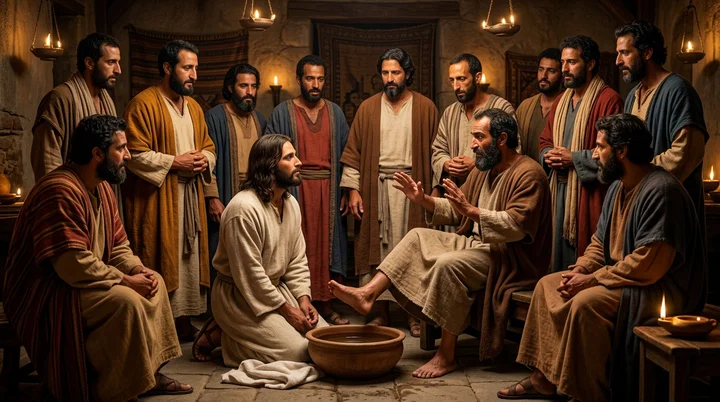
Jesus replied, “ You do not realize now what I am doing, but later you will understand.”
Jesus answered him, “ You don’t know what I am doing now, but you will understand later.”
And Jesus, answering, said to him, What I do is not clear to you now, but it will be clear to you in time to come.
Iesus answered and sayd vnto him, What I doe, thou knowest not nowe: but thou shalt knowe it hereafter.
Douay-Rheims (Challoner revision)
Jesus answered, and said to him: What I do thou knowest not now; but thou shalt know hereafter.
Pictures
Cross-references
- John 13:14-15
If I then, your Lord and Master, have washed your feet; ye also ought to wash one another’s feet.
Christ explains his foot-washing as an example for his followers to follow.
- 1 Corinthians 13:12
For now we see through a glass, darkly; but then face to face: now I know in part; but then shall I know even as also I am known.
Both contrast present partial understanding with clearer knowledge hereafter.
- Philippians 2:7-8
But made himself of no reputation, and took upon him the form of a servant, and was made in the likeness of men:
Christ’s humble service is represented by the footwashing.
- John 13:12
So after he had washed their feet, and had taken his garments, and was set down again, he said unto them, Know ye what I have done to you?
Jesus sits down again at the meal after washing the disciples’ feet.
- John 13:23-25
Now there was leaning on Jesus’ bosom one of his disciples, whom Jesus loved.
The disciples ask Jesus who will betray him.
- Matthew 20:28
Even as the Son of man came not to be ministered unto, but to minister, and to give his life a ransom for many.
Christ serves rather than being served, as shown by his act in John 13.
- John 13:1
Now before the feast of the passover, when Jesus knew that his hour was come that he should depart out of this world unto the Father, having loved his own which were in the world, he loved them unto the end.
Jesus’ love for his own frames his instruction to the disciples that night.
- John 13:14
If I then, your Lord and Master, have washed your feet; ye also ought to wash one another’s feet.
Jesus commands the disciples to wash one another’s feet.
- Luke 22:27
For whether is greater, he that sitteth at meat, or he that serveth? is not he that sitteth at meat? but I am among you as he that serveth.
Jesus presents himself among the disciples as one who serves.
- John 13:11
For he knew who should betray him; therefore said he, Ye are not all clean.
Christ washed Judas despite knowing he would betray him.
- 1 Timothy 5:10
Well reported of for good works; if she have brought up children, if she have lodged strangers, if she have washed the saints’ feet, if she have relieved the afflicted, if she have diligently followed every good work.
Washing the saints’ feet is a work of loving service.
Commentary
Each commentary is drawn from primary sources: the writings of Ellen G. White and Adventist pioneers and periodicals. Each commentary is separate. Its own words are not a quotation; follow the references to read the source passages.
Ellen G. White
60 sources
Jesus answered Peter's protest against having his feet washed by telling him he did not grasp what was being done for him then but would understand it afterward.Ms 102, 1904, par. 4–7Ms 106, 1903, par. 18–23Ms 54, 1897, par. 15 The washing pointed beyond water on the feet to cleansing of mind and heart from pride, jealousy and alienation, which must be accepted in humility in order to have a part with Him.Ms 102, 1904, par. 4–7Ms 106, 1903, par. 18–23Ms 54, 1897, par. 15DA 645.2–646.2 He made it a lasting ordinance among believers, to be kept before communion, that lays aside self-exaltation and strife and joins hearts in humble service and oneness with Him.Ms 19, 1897, par. 3–5DA 650.2–3Ms 35, 1897, par. 11–12Ms 8, 1897, par. 10Ms 75, 1898, par. 30–32 He washed even Judas, knowing he would betray Him, giving him a final appeal of love and showing that no one is to be barred from the service because his heart is judged unworthy.DA 720.2Ms 35, 1897, par. 11–1220MR 149.2–4Ms 106, 1903, par. 54–55 Beyond that hour, what God is doing in affliction, loss and mysterious providence is often not understood now but will be made plain hereafter, calling for obedient trust in His love and wisdom.Lt 1, 1883, par. 18–19ST Sep 7, 1915Lt 33, 1895, par. 2–4Lt 50, 1892, par. 22MH 487.2
Words and Immediate Setting
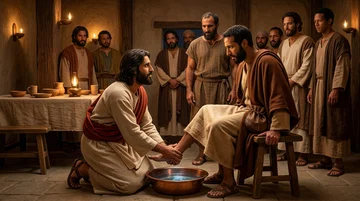
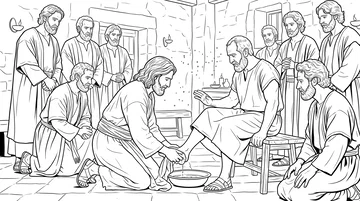
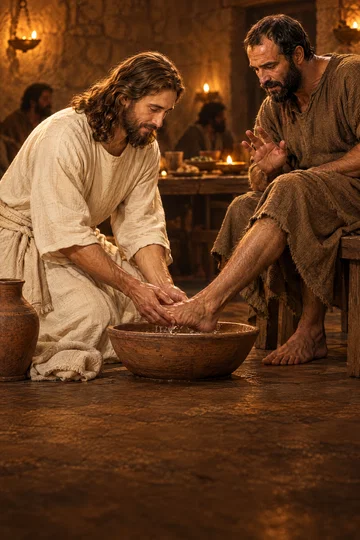
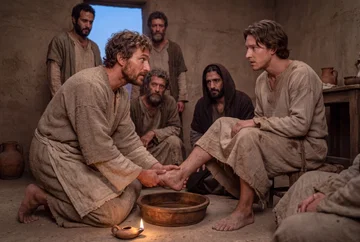
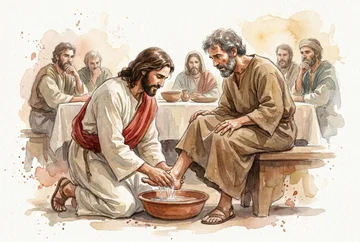
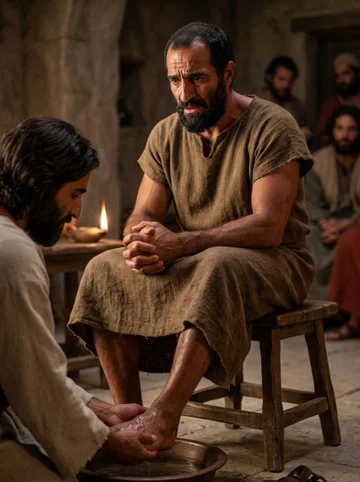
Jesus answered Peter's protest against having his feet washed by telling him that he did not grasp what was being done at the moment but would grasp it afterward.Ms 102, 1904, par. 4–7Ms 106, 1903, par. 18–23Ms 54, 1897, par. 15Ms 19, 1897, par. 3–5Ms 35, 1897, par. 9–10 The lesson belonged to the close of His earthly ministry, when in serving the disciples He was teaching humility.GW92 245.3–246.2 That service taught humility and the need to recognize what had been done for them through the gift of the Son.Ms 102, 1904, par. 4–7 It pointed beyond bodily washing to spiritual cleansing of mind and heart, by which grace cleanses those who belong to Him from the effects of temptation, including alienation, jealousy, and pride, and brings humility and love.Ms 106, 1903, par. 18–23Ms 54, 1897, par. 15 It was a sacred act meant to bring the disciples, through remembrance of what had been done for them, into a state of feeling where no exalting of one above another would find place, and to bring brother to an understanding of his brother's feelings.Ms 19, 1897, par. 3–5 It is an ordinance at which God is sacredly near, to be approached with remembrance of His words and example, where believers wash one another's feet as He washed theirs.Ms 35, 1897, par. 9–10
The words were spoken in the upper chamber on the last evening before His death.Ms 113a, 1897, par. 15 That was the last Passover supper, in the last hours before He offered Himself as a sacrifice for the world.6MR 24.2–3 They were spoken to prepare the disciples for what they could not yet understand, His coming suffering and their separation from Him, and were meant to comfort and strengthen them through that trial, with understanding to come later.Lt 336, 1906, par. 5–9
The disciples came to that supper disputing who should be greatest, with hearts filled with selfishness and tempers heated by strife, stirred by Satan to contention, which brought Him sorrow and left them in no right frame to receive blessing.6MR 24.2–3 His humble service stood in contrast to their argument over who was greatest. Without a word He laid aside His outer garment and girded Himself with a towel as a servant and washed their feet.6MR 24.2–3 What He did they did not understand then but would understand afterward, for His action opened their eyes, left them too astonished and ashamed to speak, filled them with bitter shame and humiliation, showed them themselves in altogether a new light, and gave them an experience they would remember as long as life lasted.6MR 24.2–3
The saying stands in John 13-17, where God's will for His people is plainly outlined.Ms 139, 1902, par. 1Lt 131, 1900, par. 1–3 God means just what He says in it, and it is the privilege of those who minister in word and doctrine, who need conversion because they do not understand the philosophy of genuine missionary work, to believe every verse in these chapters and to live them out before fellow ministers.Ms 139, 1902, par. 1 The instruction of the chapter about God's will for His people is able to address dissension and lead to unity with one another and with Christ.Lt 131, 1900, par. 1–3 The teaching that the disciples might not understand His work at the time but would understand it afterward belongs within His instruction about His people and connects with His work of giving believers life and making them one with Him in this life and throughout eternity.RH Jun 18, 1901Lt 336, 1906, par. 5–9
Spiritual Meaning of Washing
Peter did not yet understand the meaning of Jesus washing the disciples' feet, but would understand it afterward, for the act pointed beyond bodily washing and bodily service to Christ's spiritual cleansing of mind and heart from sin.Ms 106, 1903, par. 18–23Ms 54, 1897, par. 15 His grace cleanses those who belong to Him from the effects of temptation, including alienation, jealousy, and pride, and brings humility and love.Ms 106, 1903, par. 18–23 Peter's resistance came from not realizing that Christ had come to serve and to cleanse, and the footwashing represented the higher cleansing of the heart from sin.DA 645.2–646.2 Accepting Christ's work of purification rather than resisting it out of pride is necessary to have a part with Him and to recognize what Christ had done through the gift of His Son.Ms 102, 1904, par. 4–7DA 645.2–646.2
The washing of the disciples' feet was a sacred act done to bring the disciples through remembrance of what Christ had done for them into a state of feeling where no exaltation of one above another would find place.Ms 19, 1897, par. 3–5 It was given to bring brother to an understanding of his brother's feelings.Ms 19, 1897, par. 3–5Ms 35, 1897, par. 11–12 Jesus knew the disciples needed the footwashing to expose the pride in their hearts, even though they did not yet understand why He was doing it, and by humbling Himself to wash their feet He showed them the lesson they needed.Ms 50, 1890, par. 12–13 It means laying aside esteeming self above brother, working and serving for self, seeking the highest place, and evil surmisings and bitterness of spirit over trifles, and coming down from self-exaltation to humility of spirit that washes a brother's feet.Ms 35, 1897, par. 11–12
The washing of the disciples' feet is an ordinance at which God is sacredly near, to be come to with remembrance of Christ's words and example, where believers wash one another's feet as He washed theirs.Ms 19, 1897, par. 3–5Ms 35, 1897, par. 9–10 Jesus' act of washing their feet was a humiliating service and an example they were to follow.4T 225.3–4 Following that humiliating example keeps them from feeling superior even to the humblest believer.4T 225.3–4
Ordinance Practice and Order
Christ made footwashing a consecrated religious ordinance and not merely an act of hospitality for travelers.DA 650.2–3Ms 8, 1897, par. 10 It keeps His lessons of humility and service before the disciples, tests and proves loyalty, and teaches humility and oneness with Him by joining hearts together.DA 650.2–3Ms 8, 1897, par. 10Ms 75, 1898, par. 30–32 It is to precede partaking of the emblems of His death, because pride, discord and strife for supremacy prevent fellowship with Christ and the memorial of His humiliation must come first.DA 650.2–3Ms 8, 1897, par. 10
As He ate the Passover with His disciples He put an end to the sacrifices offered for four thousand years.Ms 43, 1897, par. 24 In place of the national festival observed by the Jewish people He instituted a memorial service of footwashing and the sacramental supper, to be observed by His followers through all time and in every country by ever repeating His act.Ms 43, 1897, par. 24 Type met antitype in Christ Himself, the authority and foundation of all Jewish ordinances pointing to Him as the great and only efficacious offering for the sins of the world.Ms 19, 1897, par. 18–19 Those rites and ceremonies therefore no longer possessed any virtue or force, so that to continue them would be an insult, while this simple ordinance disentangles believers from them and discharges them from their cares and burdens.Ms 19, 1897, par. 18–19
The ordinance was given as His last established ordinance in connection with the last supper because the disciples needed it, and it speaks less to intellectual capacity than to heart and to moral and spiritual nature.Ms 19, 1897, par. 18–19 Christ Himself is always specially present in it to awaken understanding of the lessons symbolized, to revive memory, to convict of sin, to receive penitential offerings, to teach that brother is not to exalt himself above brother, and to show the dangers of disunion and strife for the health and holy activity of the soul.Ms 19, 1897, par. 18–19 Eating His body and drinking His blood means not merely sharing the sacramental service but daily partaking of the bread of life that alone satisfies soul-hunger by receiving His Word and doing His will.Ms 19, 1897, par. 18–19
Footwashing and communion belong in private among believers, separate from unbelievers and the wicked, and must never be attended to among unbelievers because doing them before unbelievers only causes reproach to come on the cause.Ms 14, 1850, par. 4–612MR 247.1–2 The order is first to wash feet and then to give broken bread to represent His broken body and juice of the vine to represent His spilled blood.Ms 14, 1850, par. 4–612MR 247.1–2 Shepherds must be careful and move understandingly in following His example in these things.Ms 14, 1850, par. 4–612MR 247.1–2 Even in private observance a Judas may from time to time appear to be with believers and eat and drink to his own damnation, but God will make him manifest quickly and he will be purged out from among Israel.Ms 14, 1850, par. 4–612MR 247.1–2
The ordinance is to be kept with propriety and order and done judiciously to avoid confusion.EW 95.2–96.15MR 192.1–3 There is no example for brethren to wash sisters' feet, but there is example for sisters to wash the feet of brethren, while propriety requires sisters washing the feet of sisters and brothers washing the feet of brothers, with men having no business washing women's feet and men and women washing each other's feet not being the right thing.EW 95.2–96.15MR 192.1–3 The washing of feet and partaking of the Lord's supper should be practiced more frequently, kept together in a united evening service where old and new believers, including youth and those seeking the Lord for the first time, take part.EW 95.2–96.1Lt 79, 1874, par. 7Lt 73, 1888, par. 8 It is to be preceded by humble confession and accompanied by large, solemn, impressive observance that brings gladness and a good spiritual work, with humbling before God, weeping and rejoicing, a profitable season long to be remembered, joined with revival and settling into the work.7MR 218.1Lt 79, 1874, par. 7Lt 73, 1888, par. 8 It should be introduced into new places with carefulness and wisdom at a proper time and in a proper manner, especially where people are not informed about His example and teachings on this point and have prejudice against it, with leaders setting the example to the men and to the women and then all heartily engaging in it, and all should move understandingly and not make the washing of feet a tedious ceremony.EW 95.2–96.17MR 218.1
Patience Toward Judas and Erring
Jesus washed the feet of Judas though He knew from the beginning that Judas had pledged to betray Him, and that tender service was His final appeal of love and conviction to Judas's heart, giving him another opportunity to repent and be cleansed from sin.DA 720.220MR 149.2–4Ms 106, 1903, par. 54–55Ms 120, 1897, par. 9Ms 64, 1897, par. 9 Judas felt his heart thrilled with an impulse to confess, yet he resisted known light and hardened himself, with pride keeping him from repentance.Ms 106, 1903, par. 54–55Ms 19, 1897, par. 56–57 The servant's work angered him instead of drawing him to love, and convinced him that Christ would not be made an earthly king, so he became more determined to betray Him.COS 110.7–9 Even when his purpose was made known he felt no fear but quickly left in anger to carry out his plan, his decision then settled and Satan taking control of his heart and mind, while his going lightened Christ's face and lifted the shadow from the disciples.Ms 120, 1897, par. 9COS 110.7–9
At the time the other disciples did not understand what Jesus was doing and did not know Judas's secret purpose, while Jesus alone read his hidden heart yet did not expose him but washed his feet first with goodness, humility and love as He had treated them all along.Ms 19, 1897, par. 56–57 They still regarded Judas as a man of great capability and broad knowledge whose gifts could have been valuable if sanctified.Ms 19, 1897, par. 56–57 They themselves, ignorant at the time, were afterward ashamed, mortified, conscience-stricken, subdued and broken, and drawn to Jesus in earnest faith that works by love and purifies the soul.Ms 19, 1897, par. 56–57 Because inward faith cannot be reliably judged by others, and human beings cannot read the secrets of the soul or tell who is worthy and distinguish the sincere from the insincere, those who claim to be Christians should not be barred from the ordinances.Ms 35, 1897, par. 11–1220MR 149.2–4Ms 47, 1897, par. 18–20 The service is not to be deferred or refused because someone present is counted unworthy, for Christ washed Judas's feet and kept him at the table knowing he would leave to betray Him.Ms 35, 1897, par. 11–12
Christ's patient mercy in the footwashing toward erring disciples, including Judas, offering the sinner opportunity to repent and be cleansed, is a pattern not to carelessly separate from those in error and leave them vulnerable and exposed to temptation.MH 493.3–4DA 655.4Ms 106, 1903, par. 54–55 His long patience with perverse human nature, shown in numbering Judas among the apostles and bearing patiently even with him though He knew he would betray Him, teaches followers to bear patiently with false brethren rather than hastily reject them.MH 493.3–4ST Feb 9, 1915 A disciple's faults do not by themselves reveal the whole person or the work God's grace can do, since Peter, though often reproved and appearing worse than Judas, went on to a life of service and sacrifice.MH 493.3–4
Trust in Unseen Providence
What Christ and God are doing may lie beyond present understanding yet will be known afterward, for God sees the end from the beginning.Lt 1, 1883, par. 18–19MH 487.2Lt 15a, 1890, par. 35–37 Affliction and suffering can cleanse from earthliness and perfect Christian character for receiving Christ's robe of righteousness.Lt 1, 1883, par. 18–19 Trials test and develop Christian character as people work with Jesus to overcome self.MH 487.2
In the future life, when present darkness and obscurity have passed, the wisdom of providences that seemed cruel and mysterious will be seen.CET 28.4LSEGW 36.2–37.2ST Apr 18, 18781T 29.2–30.3LS 157.3–159.2 Then the mysteries of divine love will be met face to face in their wisdom and beauty.CET 28.4LSEGW 36.2–37.2ST Apr 18, 1878 What is painful, confusing, and unexplained in God's actions and providence now will become clear hereafter.LSEGW 36.2–37.2ST Apr 18, 18781T 29.2–30.3
The work of instruction begun here continues to all eternity.5T 301.2 Even a lifetime of prayer and research leaves much unexplored and unexplained now.5T 301.2 Jesus longs to open before His people the glory attending His second advent and to carry them forward to the landscapes of bliss with wonders to be revealed.5T 301.2 There the Lamb leading the redeemed to the fountain of living waters will impart rich stores of knowledge and unravel mysteries in the works and providence of God never before understood.5T 301.2
In sorrow, disappointment, hardship, and circumstances that seem dark and unexplainable, the call is to trust God's love and Christ's love, to depend on Him, and to walk by faith under an unerring Guide.ST Sep 7, 1915Lt 33, 1895, par. 2–4Lt 9a, 1891, par. 1MH 486.8–487.1MH 487.3 Troubles are to be laid at His feet, His strength and wisdom leaned upon, and His voice heard with contentment even when the reason is not yet clear.Lt 50, 1892, par. 22Lt 9a, 1891, par. 1 Heaven takes account of cares and sorrows, and God knows the deepest sorrows even when events are hard to explain.ST Sep 7, 1915MH 487.3 God may allow trusted people to fail and harmful plans to proceed, while turning trials to good for those who remain faithful and loyal.ST Sep 7, 1915GW 476.6–477.1 The histories of Joseph and Daniel show how God turns others' harmful schemes to good for faithful servants, teaching not to depend on human strength.ST Sep 7, 1915GW 476.6–477.1
God's people will not always see the reason for His requirements nor always understand His dealings with them.ST Oct 28, 1880 It is not their part to question and doubt His purposes but, as lifelong recipients of His favor, to yield ready and willing obedience.ST Oct 28, 1880 All His commands are founded in infinite love and wisdom, and though His purpose may not be fully understood here, it shall be known hereafter.ST Oct 28, 1880
Unity Obedience and Application
The instruction to which this word belongs was given to cure dissension, and when lived out in humility rather than in efforts to humble others it joins hearts in oneness and brings unity with one another and with Christ.21MR 346.1–3Lt 131, 1900, par. 1–3Ms 75, 1898, par. 30–32 It stands within the plain outlining of God's will for His people, whose lesson of washing feet taught humility and bound the disciples together in oneness with Him.21MR 346.1–3Lt 131, 1900, par. 1–3Ms 75, 1898, par. 30–32 God means just what He says in it.Ms 139, 1902, par. 1 Those who minister in word and doctrine need to be converted, because they do not understand the philosophy of genuine missionary work done by those acquainted with present truth.Ms 139, 1902, par. 1 It is their privilege to believe every verse in these chapters and to live them out before fellow ministers.Ms 139, 1902, par. 1
The meaning and outcome of present actions may not be clear at the time but will become known afterward, as in parents' care for children where the harvest of sown thoughts, habits, and influences appears later.ST Sep 23, 1886 Understanding may also come in due time, as with the time for beginning the Sabbath.1T 116.1 Before that light came there was no sin in following the practice then known, but to reject light once it came would bring condemnation.1T 116.1
The same applies to personal providences not yet understood, as in trusting the Lord's direction to take Fannie into the home while confident the reason would become clear later.Lt 25, 1897, par. 3–4 What was not understood then would be understood hereafter, because the Lord understood the reason even when it was hidden.Lt 25, 1897, par. 3–4
Sources
Pioneers and periodicals
96 sources
Jesus spoke the words to Peter when He rose during the Passover supper to wash the disciples' feet, and Peter did not then grasp the purpose and inner meaning of the act but would understand it afterward.RH Apr 2, 1908RH Jun 23, 1910RH Jul 24, 1856ST Feb 11, 1897ST Nov 15, 1883 The outward menial washing pointed beyond itself to His whole humble life unto death and to a higher cleansing of the heart from pride, self-will and sin, which those already cleansed still need to restore communion with Him.RH Apr 2, 1908RH Jun 23, 1910ST Oct 24, 1900ST Jun 14, 1905RH Jun 23, 1910 By example and command He instituted a literal ordinance for His followers to wash one another's feet as a preparatory service of self-examination, confession, forgiveness and union before sharing the bread and the cup.RH Jun 23, 1910RH Jul 24, 1856ST Jul 30, 1885CO 43.4–5ST Oct 20, 1898 The act makes humble mutual service honorable and binding, rejecting striving for supremacy and establishing equal fellowship and brotherly love.RH Jun 23, 1910RH Jul 24, 1856ST Sep 9, 1886ST May 13, 1889RH Jul 7, 1863 What He does may be beyond present understanding in dark providences, trials and loss, and is to be trusted and obeyed now in the assurance that it will be made plain hereafter when mysteries are solved.ST Sep 7, 1915RH May 7, 1872RH Apr 21, 1868ST Apr 3, 1893RH Nov 28, 1865
Setting and Wording
Jesus answered Simon Peter in this way when, having risen from supper before the feast of the Passover to wash the disciples' feet, he came to Peter and Peter questioned whether he would wash his feet.ST Feb 11, 1897ST Feb 11, 1897 The washing belongs to the Passover supper kept on the day and at the time appointed for the Passover, taking place during or near the beginning of the meal and not after it had ended.ST Nov 15, 1883ST Apr 2, 1912ST Nov 15, 1883 That instruction was given in the upper chamber before he and the disciples left for Gethsemane.ST Mar 18, 1897
Peter and the others saw the outward act of the washing but did not then grasp its purpose, meaning and inner significance.RH Apr 2, 1908RH Jul 24, 1856ST Jul 30, 1885RH Jun 16, 1868ST Sep 9, 1886 Peter understood the outward deed yet missed what it signified, and Jesus told him and them that they would understand it afterward.ST Jul 30, 1885RH Jun 16, 1868ST Feb 11, 1897ST Feb 11, 1897ST Nov 15, 1883 That later understanding would come through further reflection, spiritual enlightenment, explanation by Jesus after he finished, and later practice of what he commanded.RH Jun 23, 1910RH Jul 24, 1856ST Jul 30, 1885ST Sep 9, 1886
The immediate setting was strife over who should be accounted greatest and should have the highest place and honored places at the table.RH Jun 23, 1910RH Feb 24, 1859ST May 18, 1904ST Oct 24, 1900 Alienation and dissension divided them, with jealousy, pride and worldly ambition, and their hearts needed cleansing of pride so pure love could take its place.RH Jun 23, 1910ST May 13, 1875 They were not clean of heart and not fit to receive the bread and wine as emblems of true communion, and the washing answered that struggle and enforced a great moral lesson of humility and equality timed to the circumstances that called for it.RH Jun 23, 1910RH Feb 24, 1859ST May 18, 1904ST Oct 24, 1900
The washing came before Jesus announced that one of them would betray him and before the blessing and sharing of the bread and the cup.CO 45.1–2ST Feb 4, 1903RH Dec 23, 1858 While seated at table Judas was present for the washing, which is why some were pronounced clean but not all.RH Dec 23, 1858 Only afterward, after Jesus had sat down again with the disciples reclining and John leaning on his breast for the question of who would betray him, did Jesus dip the sop and give it to Judas to point out the traitor, whereupon Judas went immediately out, and then came the hymn and departure, proving the washing came before the eating of the supper.RH Dec 23, 1858 Those who held the washing followed the Passover meal and the dispute over greatness but still came before the Lord's Supper, with the disciples having taken a full bath beforehand and Judas remaining through these events.ST Jul 12, 1905 The few quiet hours between that supper, virtually the last Passover ever celebrated when type was to meet antitype in the slaying of the Lamb of God, and Gethsemane were spent for the benefit of the disciples amid Christ's troubled spirit over coming suffering, which they sympathized with without knowing its cause.ST Aug 12, 1886
Their surprise, confusion and Peter's refusal show the act was not a familiar hospitality custom or an obvious lesson about ordinary duties and daily service, but had a significance Jesus would explain.RH Jun 16, 1868ST Feb 7, 1884ST Feb 20, 1901ST Oct 5, 1882 If it had been custom they would have understood it at once, for they knew ordinary hospitality and ordinary washing for cleanliness.RH Jun 16, 1868ST Feb 20, 1901ST Oct 5, 1882 Hosts did not wash their guests' feet; guests washed their own feet with water provided, and the foot-washing was not called forth by any inhospitable spirit or need for hospitality.RH Feb 24, 1859ST Mar 9, 1888 It was not an ordinary washing for cleanliness, since they were already at supper and had bathed, but the institution of an ordinance with spiritual significance teaching the Christian duty of fellowship in serving one another, including washing one another's feet.ST Mar 9, 1888ST Feb 20, 1901ST Oct 5, 1882
Meaning of the Washing
What could be seen was Jesus washing feet, but what was being done reached far beyond that single lowly deed.RH Apr 2, 1908ST Oct 24, 1900 It pointed to His whole humble life, of which that act was only one striking example.ST Oct 24, 1900ST Jun 14, 1905 That humility was already manifest when He volunteered to take human nature to suffer death and by grace taste death for every man, as when He took basin and towel.ST Oct 24, 1900 It was seen in coming on a mission of self-denial to be born in a stable, cradled in a manger, of poorer parents living in a despised Galilean city, without form or comeliness or earthly pomp, despised and rejected, a Man of sorrows acquainted with grief, wounded for transgressions, bruised for iniquities, oppressed and afflicted yet silent as a lamb brought to the slaughter while the Lord laid on Him the iniquity of all.ST Oct 24, 1900 From that stooping from the exalted position of Ruler of the universe to take the form of a servant in the likeness of men, He became obedient unto death, even the death of the cross, bearing the sins of the whole world and suffering its penalty.ST Oct 24, 1900ST May 21, 1896 Though by right of position Lord of all whom all creatures should serve and obey, He served, emptied Himself of rights and power, did not long for a high estate, and this serving mind is Christianity to work in followers in all ages, overcoming the world, with a kingdom and a table therein prepared for those who continue with Him so that the end justifies the temporary hardness of the way.ST May 21, 1896ST Apr 20, 1915 The rite thus reminded of His humiliation in taking human nature and of His humble work of salvation, and pointed to the cup He accepted to redeem the lost world, while the bread and wine that followed were emblems of His broken body and shed blood as a divinely appointed memorial of His incarnation and its redeeming purpose.ST May 21, 1896ST Apr 20, 1915 It also points to Christ's purpose of cleansing people from sin, which He came to accomplish before returning to the Father.RH Apr 2, 1908RH Apr 2, 1908
The outward menial act was emblematic of a higher spiritual washing and cleansing of the heart from sin, pride, self-will and self-importance.RH Apr 2, 1908RH Jun 23, 1910 What was done in washing removes uncleanness and strife and establishes a continuing ordinance that always takes away such feelings and conditions.RH Jun 23, 1910 For those already cleansed in baptism upon accepting Him, it is a renewed cleansing, because sins committed since then defile and make unclean but do not entirely separate God's children or cast them off forever.RH Jun 23, 1910 This renewed cleansing from heart and life restores communion with Him and prepares to take the emblems that typify perfect unity with His holy sinless life, giving time and opportunity before the communion service to become fit for that holy service, melting hearts and uniting lives and interests when rightly used as a great blessing.RH Jun 23, 1910RH Apr 2, 1908 When this was seen, pride was surrendered and the heart yielded to be cleansed.RH Jun 23, 1910
The ordinance is a memorial of the humility, condescension and self-abnegation of Christ the Lord and Master, just as the bread and wine memorialize His death and baptism His burial and resurrection.ST Feb 7, 1884RH Jun 16, 1868 Although He was Master and Lord, He served, showing that true greatness and authority are expressed in service and that loving service and humility are the measure of true greatness.RH Aug 19, 1902ST Apr 11, 1906 Though Lord and Master, He took the servant's place to teach love and service to one another.ST Apr 11, 1906 His voluntary self-abasement made humble service honorable even when worldly standards called it degrading.ST Feb 7, 1884 The ordinance was practiced in the early Christian church, but its meaning was later forgotten or burdened with superstition and outward forms, and it must be restored to its proper place among the church's ordinances.ST Feb 7, 1884RH Jun 16, 1868
Being washed by Him was necessary to have a part with Him, and taking part was necessary to learn the lowly spirit of service and remain with the Lord.ST Mar 30, 1904RH Apr 22, 1862 True knowledge of the act would come through spiritual enlightenment.ST Mar 30, 1904 The act was done from love when about to depart out of this world, with solemn stress that without washing a person has no part with Christ, and with the injunction that as Lord and Master washed feet they ought to wash one another's feet, requiring literal observance as an institution and precept, not treating it as only figurative.RH Jan 20, 1853 Surprise and refusal show the act was not simply a familiar gesture of hospitality, and its words point to a meaning beyond personal comfort or physical cleanliness.RH Apr 22, 1862 That yielding of heart is what enabled the disciples to be pronounced clean, while the one who would not yield his heart to be cleansed remained unclean, so the distinction between those who were clean and the one who was not concerned betrayal, not bodily dirt.RH Jun 23, 1910RH Apr 22, 1862
The chapter shows Jesus meeting coming betrayal and suffering with calm dignity, humble service, and tender love, teaching followers to bear hardship without self-pity or resentment.ST Aug 28, 1879 Jesus treated the act as an expression of humility and service, while pride made a servant's task seem degrading so that humiliation was felt where humility was intended.RH May 30, 1912 The humble act of service was misread as proof that He would not become a king and that following Him would bring no earthly honor or gain.RH Jan 4, 1906 Yet His dealings, with one numbered among the apostles, show long patience with perverse human nature and teach bearing patiently with false brethren rather than hastily rejecting them.ST Feb 9, 1915
Ordinance for the Church
Christ's example and words establish a literal, divinely commanded ordinance to wash one another's feet, men with men and women with women, to be actually practiced and obeyed without caviling.RH Jun 23, 1910RH Jul 24, 1856ST Jul 30, 1885RH May 8, 1913 Being humble enough to do it does not satisfy the command, nor does doing something else in its place, for obedient followers do just what was said they ought to do without excusing themselves over ought rather than must.RH Jun 23, 1910ST Sep 9, 1886ST Jul 8, 1880 The teaching is plain in words and true in fact though given only once, and one true record makes foot-washing a duty just as fully as fifty repetitions would.ST Jul 15, 1886 The disciples saw the outward act but did not then understand its purpose and inner significance, which they would understand afterward through later reflection and later practice.RH Jun 23, 1910RH Jul 24, 1856ST Jul 30, 1885ST Sep 9, 1886ST Apr 19, 1905 That instruction was given just after they disputed which should have the highest place, when alienation and dissension left them not clean of heart and not fit to receive the bread and wine in true communion.RH Jun 23, 1910
Foot-washing was instituted at the same time and in connection with the supper, together with the Lord's Supper instead of the Passover whose time had served.STST Mar 3, 1909RH Feb 24, 1859 John 13 alone among the Gospels records the instituting of this ceremony of foot-washing, commonly called the ordinance of humility, while Matthew 26, Mark 14 and Luke 22 with John 13 record the institution of the Lord's Supper.ST It was commanded as expressly as eating the bread and drinking the wine, so it is an inseparable part of that ordinance and is included whenever the breaking of bread is named.RH Feb 24, 1859 It stands as a full new institution like baptism and the Supper, kept with the Lord's Supper after baptism, with men and women observing it apart.RH May 8, 1913 Its observance brings unity and reconciliation, shown in embracing brother with brother with tears, and gives great spiritual advancement that marks a new beginning to count time from.RH May 8, 1913
It is a divinely appointed preparatory service before the sacrament that removes uncleanness, strife and alienation and restores unity, encouraging members to settle difficulties before sharing the Lord's table.RH Jun 23, 1910CO 43.4–5ST Oct 20, 1898RH Jul 7, 1863 It gives time for self-examination, confession, forgiveness and reconciliation, melts hearts and unites lives, with mutual confessions, increased forbearance, forgiveness of errors and true love flowing from the love that led Christ to die for his disciples.ST Mar 25, 1880RH Jun 23, 1910 In this way it always takes away such feelings and conditions and prepares those already cleansed to share in love the emblems of his broken body and shed blood in commemoration of his sufferings and death.ST Mar 25, 1880RH Jun 23, 1910 Its significance became clear through later celebration of the ordinance he instituted, and his act of serving them also sets an example for his disciples' ministry in administering the bread and wine in remembrance of his death until he comes again.ST Apr 19, 1905RH Jun 26, 1856
The service was practiced in the early Christian church and at Geneva, but its meaning was later forgotten, burdened with superstition and outward forms, and obscured.ST Jul 15, 1886ST Feb 7, 1884RH Jun 16, 1868 It was perverted into grand ceremony, as in washing twelve old men with food served by a ruler and silk purses each holding thirty pieces of silver hung around the neck, turning truth into an empty form bought with betrayal money, while neglecting the act altogether is still worse.ST Apr 10, 1907 It is now generally neglected by his professed people and must be restored to its proper place among the church's ordinances, with basins, towels and water prepared.ST Feb 7, 1884RH Feb 2, 1860RH Jun 16, 1868 Its plain proof with a thus saith the Lord in John 13:4-17 is stronger than exists for Sunday-keeping or infant baptism, and men disregard even the plainest testimony in setting that institution aside.ST Jul 15, 1886RH May 16, 1854 It is refused because it is humiliating and unpalatable, not because the proof is weak.ST Jul 15, 1886
Knowing these things and doing them brings blessing, happiness, joy, unity, the Spirit's presence and spiritual advancement, reviving the spirit and strengthening faith and hope.ST Jul 8, 1880ST Oct 20, 1898RH Aug 4, 1868RH Jan 9, 1872ST Aug 20, 1902 Jesus established the ordinance for his followers to repeat, so they would remember his humble service and receive its blessing through doing likewise, not merely knowing about it.ST Oct 31, 1878 Practicing this literally brings Christians to a more common level with more union, communion, manifest love to each other, and humility.ST Jul 8, 1880 Even first-time witnesses are to join heartily, while refusing what is plainly understood mocks the Word.RH Jun 23, 1910ST Oct 31, 1878
Christ performed the washing and instituted the ordinances in the evening, but evening is not an essential time unless required by the duty itself or specified in the command. The solemn ordinances instituted on the night of his betrayal are to be kept together by the church in quarterly meeting after receiving new members by profession and baptism, and their observance brings the blessing presence of the Comforter and leads believers to consecrate all to the Lord and get ready for his soon coming.RH Oct 25, 1870 One position left each person to decide and act according to personal conviction whether the act was essential to church fellowship or only hospitality, with some churches holding occasions for members who felt it was their duty.RH Mar 1, 1860
Humility and Mutual Service
The verse teaches humility and self-denial by the Lord taking the servant's place to wash feet, an act whose meaning was not yet understood but would be understood later.RH Jul 24, 1856ST Sep 9, 1886ST May 13, 1889RH Jan 8, 1867RH May 3, 1864 His voluntary self-abasement went beyond ordinary hospitality and beyond a common custom, carrying a deep significance that called followers to reject pride, self-exaltation and striving for greatness or supremacy.ST Sep 9, 1886ST May 13, 1889RH Jan 8, 1867RH May 3, 1864RH Feb 10, 1916 His command is a real example to be followed in humble, reciprocal service and love for one another, not merely a figure for serving others and not satisfied by inward feeling alone.RH Jun 23, 1910RH Jul 24, 1856ST Sep 9, 1886 Though Master and Lord whom all creatures should serve and obey, he served, emptied himself of rights and power, did not seek a high estate, and took the form of a servant.RH Aug 19, 1902ST May 21, 1896ST Apr 11, 1906 In his kingdom humility is the only ground and measure of honor, loving service is true greatness, and true authority is expressed in service, for the King of kings serves those who belong to him.RH Aug 19, 1902RH Oct 8, 1861ST Apr 11, 1906ST Nov 15, 1883 This serving mind is Christianity, the mind he wished the disciples then and his followers in all ages to let work in them, a course that overcomes the world and for those who continue with him prepares a kingdom and a table therein, so that the end justifies the temporary hardness of the way.ST May 21, 1896ST Mar 11, 1897
What he did removes uncleanness, alienation, dissension and strife arising from dispute over the highest place, when hearts were not clean and not fit to receive the bread and wine in true communion.RH Jun 23, 1910RH Jul 7, 1863 Obedience to his example establishes continuing holy, equal fellowship without class distinctions or barriers, bringing harmony, union, forbearance, brotherhood and loving service, and helps restore unity so that difficulties are settled before sharing the Lord's table.RH Jun 23, 1910RH Jul 7, 1863ST Feb 20, 1901RH May 16, 1871ST Feb 20, 1901 His example rejects supremacy and the enslavement or despising of others, upholds the dignity of labor and the brotherhood of all, and shows that greatness means serving others.RH Oct 8, 1861 He washed the disciples while they were still faulty and did not understand his purpose, and afterward they became teachable and loving, all but Judas being led to repentance.RH Nov 20, 1913RH Jul 23, 1901 His patient treatment of their weaknesses shows that people should not be rejected or separated from because of errors, since they may later repent, and calls church members to compassion for those afflicted or fallen into temptation and to bear patiently with false brethren rather than hastily reject them.ST Feb 9, 1915RH Jul 23, 1901RH Mar 24, 1910
Pride made the servant's task seem degrading, so Judas experienced as humiliation what Jesus gave as an expression of humility and service.RH May 30, 1912 At the Lord's Supper open sin excludes the guilty, but others must not judge or forbid those they consider unworthy, nor stay away themselves because such people are present.RH Jul 23, 1901 They saw that evening not as a church rite but as ordinary work for a servant, and the act tested their humility.RH May 30, 1912 The true spirit of the ordinance therefore includes serving others in lowly daily tasks, and no one should refuse to serve brothers and equals even in lowly or humble offices.RH May 30, 1912
Trust Beyond Present Understanding
What is done by God and Christ may lie beyond present understanding yet will be understood hereafter, so what is unknown now will be made clear afterward.ST Sep 7, 1915RH Jun 18, 1901RH Apr 21, 1868ST Apr 3, 1893RH Nov 28, 1865 The purpose of Christ's working may not be grasped at the time it is done, but its meaning becomes plain later through trust without demanding an immediate explanation.ST Sep 7, 1915RH Jun 18, 1901ST Apr 18, 1878RH Apr 21, 1868 Matters hidden in this life, including painful or mysterious providences, will in the future be seen in the wisdom and beauty of divine love once present obscurity has passed.ST Apr 18, 1878ST Apr 3, 1893RH Nov 28, 1865 This assurance belongs within Christ's instruction about his people, connected with his work of giving believers life and making them one with him in this life and throughout eternity.RH Jun 18, 1901
It applies to dark providences, trials, afflictions, storms, disappointments, unanswered prayer, weary ways and valleys, and being led where the reason cannot yet be seen.ST Sep 7, 1915ST Apr 3, 1893ST Nov 6, 1893RH May 4, 1905ST Jan 3, 1884 It covers loss of loved ones and death, trusted people failing, and harmful plans being allowed to proceed, while trials are turned to good for those who remain faithful, as in the histories of Joseph and Daniel.ST Sep 7, 1915RH Nov 28, 1865ST Nov 6, 1893 Suffering in pain and grief can draw to Christ, make his love sweet, and serve to chasten, humble, refine and shape through grace, so that afterward there is praise even for sorrows.ST Sep 7, 1915ST Nov 6, 1893RH May 4, 1905 The verse comforts mourners over a loss that cannot be understood now, accompanying hope of the resurrection and that the grave is not the end.RH Mar 21, 1912RH Mar 4, 1909RH May 4, 1905ST Jan 3, 1884
In the meantime the part of men is to trust wise and loving care, submit humbly, hold faith in the dark, wait patiently, and obey promptly without waiting to know why.ST Apr 18, 1878RH May 7, 1872RH Apr 21, 1868ST Apr 3, 1893 It is not theirs to question or doubt his purposes, since all his commands are founded in infinite love and wisdom.ST Apr 18, 1878ST Oct 28, 1880RH Apr 21, 1868 Obedience may involve humbling actions whose meaning is not understood at the time, as the disciples would understand afterward, and such obedience to the ordinances of the Lord's house brings blessing.RH May 7, 1872 Even when consequences are not yet known, humble service in love rests on confidence that God's ways are good.ST Sep 7, 1915ST Apr 3, 1893
Full understanding will come on a glad day of light when mysteries are solved and darkness and unanswered questions give way.ST Nov 6, 1893RH May 4, 1905ST Jan 3, 1884 After sin is ended, in the heavenly home and new earth, the redeemed study and grow while reasons for the good person's affliction and sorrow and for the wicked person's prosperity are unveiled, assuring them that God has judged rightly.ST Apr 18, 1878RH Nov 28, 1865RH May 4, 1905 Then perplexing trials are seen in their eternal setting, and affliction appears as chastening, refining and threshing to save from ruin, as seen in Joseph, Daniel, Jacob, and those with robes washed white coming out of great tribulation.ST Sep 7, 1915ST Nov 6, 1893RH May 4, 1905 Faith looks beyond present darkness to that comfort and hope.RH Mar 4, 1909RH May 4, 1905ST Jan 3, 1884
The same promise covers God's requirements, whose reason may not always be seen, calling not for questioning and doubting but for ready and willing obedience as lifelong recipients of his favor.ST Oct 28, 1880RH Mar 14, 1854ST Mar 11, 1889 It covers rejoicing in the light of the sanctuary doctrine and the commandments of God and the faith of Jesus with the third angel's warnings against receiving the mark, while still finding some things not understood and waiting patiently with a teachable spirit.RH Mar 14, 1854 It covers Bible mysteries that leave the full meaning unseen and tempt to complaint, with assurance that understanding will come hereafter.ST Mar 11, 1889 It covers the claim that the fate of the wicked is a painful revelation not understood in the present unenlightened state.RH Jul 19, 1864 It covers parents' care for children, where the eventual harvest of sown thoughts, habits and influences will become known later.ST Sep 23, 1886
Sources