Hebrews 9:13
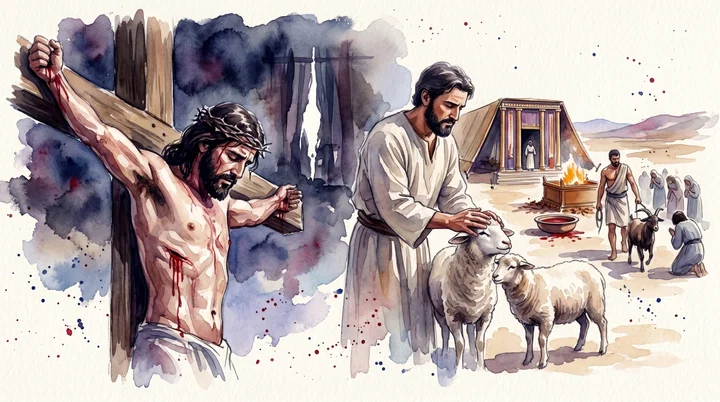
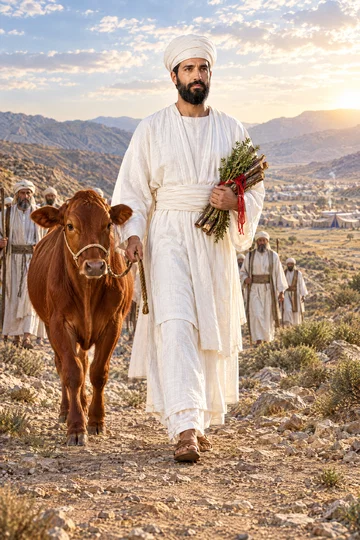
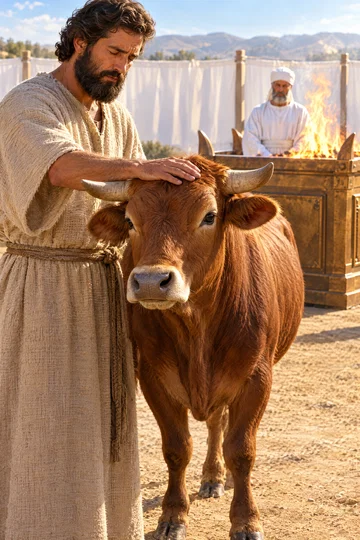
For if the blood of bulls and of goats, and the ashes of an heifer sprinkling the unclean, sanctifieth to the purifying of the flesh:
Translations
For if the blood of bulls and of goats, and the ashes of an heifer sprinkling the unclean, sanctifies to the purifying of the flesh:
For if the blood of bulls and of goats, and the ashes of an heifer sprinkling the unclean, sanctifieth to the purifying of the flesh:
For if the blood of bulls and of goats, and the ashes of a heifer sprinkling the unclean, sanctifieth to the purifying of the flesh:
For if the blood of bulls and of goats, and the ashes of a heifer sprinkling the unclean, sanctify to the purifying of the flesh:
Revised Version, American Standard Version
For if the blood of goats and bulls, and the ashes of a heifer sprinkling them that have been defiled, sanctify unto the cleanness of the flesh:
for if the blood of bulls, and goats, and ashes of an heifer, sprinkling those defiled, doth sanctify to the purifying of the flesh,
For if the blood of goats and bulls, and a heifer's ashes sprinkling the defiled, sanctifies for the purity of the flesh,
For if the blood of goats and bulls, and the ashes of a heifer sprinkling the profaned, halloweth unto the purity of the flesh,
For if the blood of goats and bulls and the ashes of a heifer sprinkled on those who are ceremonially unclean sanctify them so that their bodies are clean,
For if the blood of bulls and goats and the ashes of a heifer sprinkled on those who are ceremonially unclean sanctify them so that their bodies are clean,
For if the blood of goats and bulls, and the ashes of a heifer sprinkling those who have been defiled, sanctify to the cleanness of the flesh,
For if the blood of goats and oxen, and the dust from the burning of a young cow, being put on the unclean, make the flesh clean:
For if the blood of bulles and of goates, and the ashes of an heifer, sprinkling them that are vncleane, sanctifieth as touching the purifying of the flesh,
Douay-Rheims (Challoner revision)
For if the blood of goats and of oxen, and the ashes of an heifer being sprinkled, sanctify such as are defiled, to the cleansing of the flesh:
Pictures
Cross-references 20 of 95
- Hebrews 10:4
For it is not possible that the blood of bulls and of goats should take away sins.
Animal blood cannot take away sins.
- Hebrews 9:24
For Christ is not entered into the holy places made with hands, which are the figures of the true; but into heaven itself, now to appear in the presence of God for us:
Christ ministers in heaven’s true sanctuary on our behalf.
- Leviticus 16:15-16
Then shall he kill the goat of the sin offering, that is for the people, and bring his blood within the vail, and do with that blood as he did with the blood of the bullock, and sprinkle it upon the mercy seat, and before the mercy seat:
Animal blood rites cleanse the sanctuary, providing a type of Christ’s work.
- Hebrews 10:14
For by one offering he hath perfected for ever them that are sanctified.
Christ’s one offering perfects those being sanctified, unlike repeated animal sacrifices.
- Hebrews 8:1-5
Now of the things which we have spoken this is the sum: We have such an high priest, who is set on the right hand of the throne of the Majesty in the heavens;
Earthly priestly service was a pattern of Christ’s ministry in the heavenly sanctuary.
- Hebrews 9:26
For then must he often have suffered since the foundation of the world: but now once in the end of the world hath he appeared to put away sin by the sacrifice of himself.
Christ puts away sin through his once-for-all self-sacrifice, unlike repeated animal offerings.
- Hebrews 9:23
It was therefore necessary that the patterns of things in the heavens should be purified with these; but the heavenly things themselves with better sacrifices than these.
Earthly purification rites pattern the cleansing of heavenly things by a better sacrifice.
- Hebrews 10:1
For the law having a shadow of good things to come, and not the very image of the things, can never with those sacrifices which they offered year by year continually make the comers thereunto perfect.
Repeated sacrifices were shadows that could not make worshipers perfect.
- Hebrews 9:22
And almost all things are by the law purged with blood; and without shedding of blood is no remission.
Remission of sins requires the shedding of blood.
- Hebrews 10:22
Let us draw near with a true heart in full assurance of faith, having our hearts sprinkled from an evil conscience, and our bodies washed with pure water.
The heart is sprinkled clean from an evil conscience.
- Hebrews 7:27
Who needeth not daily, as those high priests, to offer up sacrifice, first for his own sins, and then for the people’s: for this he did once, when he offered up himself.
Christ offered himself once, unlike priests who repeatedly offered sacrifices.
- Colossians 2:17
Which are a shadow of things to come; but the body is of Christ.
Ceremonial rites were shadows of what was to come, with Christ as their substance.
- Hebrews 10:10
By the which will we are sanctified through the offering of the body of Jesus Christ once for all.
Christ’s offering sanctifies once for all, unlike the limited ritual cleansing.
- John 1:29
The next day John seeth Jesus coming unto him, and saith, Behold the Lamb of God, which taketh away the sin of the world.
Jesus is the Lamb who takes away the world’s sin.
- Numbers 19:9
And a man that is clean shall gather up the ashes of the heifer, and lay them up without the camp in a clean place, and it shall be kept for the congregation of the children of Israel for a water of separation: it is a purification for sin.
The heifer’s ashes were used to purify the unclean.
- Hebrews 12:24
And to Jesus the mediator of the new covenant, and to the blood of sprinkling, that speaketh better things than that of Abel.
Both texts describe blood being sprinkled, contrasting animal blood with Christ’s blood.
- Hebrews 10:12
But this man, after he had offered one sacrifice for sins for ever, sat down on the right hand of God;
Christ’s one offering contrasts with repeated animal sacrifices.
- Hebrews 9:19
For when Moses had spoken every precept to all the people according to the law, he took the blood of calves and of goats, with water, and scarlet wool, and hyssop, and sprinkled both the book, and all the people,
Moses sprinkled the people and the book with animal blood to dedicate the covenant.
- Leviticus 16:30
For on that day shall the priest make an atonement for you, to cleanse you, that ye may be clean from all your sins before the LORD.
Describes the annual cleansing and atonement pictured under the law.
- 1 Peter 2:24
Who his own self bare our sins in his own body on the tree, that we, being dead to sins, should live unto righteousness: by whose stripes ye were healed.
Christ bears sins so people may live to righteousness.
Commentary
Each commentary is drawn from primary sources: the writings of Ellen G. White and Adventist pioneers and periodicals. Each commentary is separate. Its own words are not a quotation; follow the references to read the source passages.
Ellen G. White
31 sources
The blood of bulls and goats and the ashes of a heifer sprinkled on the unclean gave an outward, bodily, ceremonial cleansing to those who were ceremonially defiled.12MR 392.1–3Ms 44, 1897, par. 15–20Ms 101, 1897, par. 17–20 That cleansing was limited to the flesh and could not cleanse the conscience, take away sin, or save, for an animal's life is worth less than the sinner's and could stand only as a figure of the perfect offering to come.2SP 10.3–11.1RH Dec 17, 1872LC1 4.1 Those rites were types and shadows pointing forward to Christ, with the slain victim's blood symbolizing the blood of the Son of God, because atonement comes only through His shed blood and His blood alone cleanses from sin.ST Jul 15, 18802SP 10.3–11.1ST Apr 8, 1875 If those outward means purified the flesh, how much more does the blood of Christ purge the conscience from dead works to serve the living God, giving an inward cleansing far beyond the outward cleansing of the flesh.Ms 3, 1903, par. 812MR 392.1–3Ms 14, 1900, par. 27–29Ms 101, 1897, par. 17–20Ms 111, 1897, par. 46–49 Through the eternal Spirit He offered Himself without spot and without sin as the whole and complete antitypical sacrifice, and as High Priest by His own blood He entered once into the holy place to obtain eternal redemption and now pleads its efficacy to pardon and restore sinners.Ms 3, 1903, par. 8Ms 14, 1900, par. 27–29Ms 101, 1897, par. 17–20Lt 62, 1907, par. 5–6STE 227.1
Ancient Rites and Shadows
The blood of bulls and of goats, with the ashes of a heifer sprinkling the unclean, sanctified to the purifying of the flesh.12MR 392.1–3Ms 44, 1897, par. 15–20Ms 101, 1897, par. 17–20Ms 143, 1902, par. 7–10RH Mar 17, 1903 That sanctifying was outward, bodily and ceremonial, making the ceremonially unclean person ceremonially clean in the flesh.12MR 392.1–3Ms 44, 1897, par. 15–20Ms 101, 1897, par. 17–20Lt 57, 1895, par. 54–57RH Mar 17, 1903 It purified the flesh but reached no farther, pointing by contrast to a greater cleansing to come through Christ.12MR 392.1–3Ms 143, 1902, par. 7–10Lt 57, 1895, par. 54–57RH Mar 17, 1903
That outward cleansing could not cleanse the conscience, take away sin, or save.2SP 10.3–11.1RH Dec 17, 1872LC1 4.1Ms 68, 1898, par. 17 The life of an animal is worth less than the life of the sinning person, so it could not be a ransom for sin or satisfy the demands of a broken perfect law.2SP 10.3–11.1RH Dec 17, 1872LC1 4.1 It could be accepted only as a figure representing the perfect offering to come, a symbol of the great and complete sacrifice to be made for the sins of the whole world.2SP 10.3–11.1RH Dec 17, 1872LC1 4.1Ms 68, 1898, par. 17
The rites were types and shadows leading to Christ, founded upon Him and having meaning only through Him.2SP 10.3–11.1ST Apr 8, 1875RH Dec 17, 1872SLP 103.2–104.1Lt 164, 1902, par. 28 The blood of the slain sacrificial victim symbolized the blood of the Son of God.ST Jul 15, 18802SP 10.3–11.1RH Dec 17, 1872 Blood was sacred because atonement for sin could come only through the shedding of the blood of the Son of God, and the cleansing of the sanctuary from the sins of the people with blood typified that the blood of Christ alone can cleanse from sin.ST Jul 15, 1880
The red heifer without blemish symbolized Christ, who endured Satan's temptations without sin and offered Himself as a spotless sacrifice for humanity.Ms 44, 1897, par. 15–20 The priest's change from gorgeous robes to plain linen points to Christ, who humbled Himself, took the form of a servant, and offered Himself as both priest and victim.Ms 44, 1897, par. 15–2018MR 362.1–3 In the earthly type the high priest clothed in white caught in his hand the gushing blood of the slain sacrifice and cast it seven times toward the tabernacle or temple as an expression of perfection.4MR 243.3 This means Christ as the great antitype, Himself both high priest and victim, clothed with His own spotless robes of righteousness, His visage marred more than any man in giving His life for the world, casts the crimson virtue of His offering toward the Holy Place to sprinkle many nations and reconcile man to God through the blood of the cross.4MR 243.3
When Christ gave His life on the cross, type met antitype in fulfillment, and the animal offerings lost their value because His one great offering fulfilled what they had foreshadowed.ST Apr 8, 1875SLP 103.2–104.1Lt 164, 1902, par. 28 The need for those sacrifices was soon to cease, leaving the temple as the tomb of a departed dispensation.ST Apr 8, 1875Lt 164, 1902, par. 28 The gospel is the development and consummation and glory of the Hebrew faith, for Christ in His crucifixion, priesthood and ministry in the sanctuary is the great object that cast its shadow backward into the Jewish age, and as Messiah He is the antitype of all the sacrificial offerings.SLP 103.2–104.1 The ceremonies taught that sin separates people from God and that access to God requires a mediator, with Christ's voluntary sacrifice and mediatorial work providing the way for guilty sinners to approach God.RH Dec 17, 1872 Israel's sacrificial service was a link between God and the people that kept faith alive in the coming Redeemer, taught the plan of salvation and the people's duty, and was to be so accepted that God would continue His presence with Israel.RH Dec 17, 1872ST Oct 7, 1913
Animal blood and heifer ashes could purify the flesh but could not take away the guilt of rejecting God's present mercies and warnings.3SP 10.1–2 Abundant offerings could not replace true sorrow for sin and obedience to God, for a broken and contrite heart was worth more than offerings made without repentance.3SP 10.1–2 The rivers of blood that flowed at the harvest thanksgiving when sacrifices were offered in large numbers taught that even the productions of the earth and the bounties provided for man's sustenance are owed to the offering of Christ upon the cross of Calvary, and that all received from God is the gift of redeeming love.
Christ's Greater Cleansing
Paul argues from the lesser to the greater: if the blood of bulls and goats and the ashes of a heifer sprinkling the unclean could sanctify to the purifying of the flesh, how much more shall the blood of Christ purge the conscience from dead works to serve the living God.Ms 3, 1903, par. 8Ms 14, 1900, par. 27–29Ms 111, 1897, par. 46–494T 123.1–2 The old cleansing is set forth only to prove the far greater cleansing in Christ, for what purified the flesh in ancient Israel is surpassed by what purges the conscience now.Ms 111, 1897, par. 46–49RH Mar 17, 1903ST Jun 28, 18994T 123.1–2
Christ made a whole and complete offering, laying down His life that His enemies might become friends of God, becoming poor that through His poverty the poor might be made rich.Ms 3, 1903, par. 8Ms 14, 1900, par. 27–29 Through the eternal Spirit He offered Himself without spot and without sin to God, bearing sins in His own body on the tree that those dead to sins should live unto righteousness.Ms 3, 1903, par. 8Ms 14, 1900, par. 27–29Ms 101, 1897, par. 17–20Ms 143, 1902, par. 7–10 He is the only hope and only refuge, the spotless Son of God who in His own body offered the antitypical sacrifice.Ms 3, 1903, par. 812MR 415.2–416.1Ms 111, 1897, par. 46–49
His blood does what the old rites could not, for the prescribed sacrifices could only ceremonially purify the flesh in an outward, bodily sense under the ceremonial law.12MR 392.1–3Ms 101, 1897, par. 17–20RH Mar 17, 1903ST Jun 28, 1899ST Nov 25, 1897 In contrast His spotless self-offering cleanses the inner conscience from lifeless works so that people can serve the living God, an inward cleansing far surpassing outward cleansing of the flesh.12MR 392.1–3Ms 101, 1897, par. 17–20Ms 143, 1902, par. 7–10Lt 62, 1907, par. 5–6RH Mar 17, 1903 This is the far greater work to which the lesser pointed, the purging of the conscience from dead works in place of mere sanctifying to the purifying of the flesh.Ms 14, 1900, par. 27–29Ms 143, 1902, par. 7–10ST Jun 28, 1899
By means of His death He is the Mediator of the new testament for the redemption of the transgressions under the first testament, that by means of death for their redemption those who are called might receive the promise of eternal inheritance.Ms 3, 1903, par. 8Ms 14, 1900, par. 27–29Ms 143, 1902, par. 7–10ST Jun 28, 1899ST Nov 25, 1897 His death both purges the conscience and opens that inheritance, making Him mediator of the new covenant through whom the called receive what was promised.Ms 143, 1902, par. 7–10ST Jun 28, 1899ST Nov 25, 1897 Entirely innocent, He was punished for human disobedience as substitute and surety, paying the penalty and bearing the curse, with entire justice done and Christ as its object receiving the penalty in the place of the sinner.12MR 415.2–416.1Ms 111, 1897, par. 46–49STE 227.1Lt 60, 1895, par. 6–7 By His own merits He covered everything the justice of God demanded, satisfying justice and vindicating the honor of the law in order to uplift fallen man degraded by sin, so that the sinner who receives and holds Him as personal Saviour goes free and though guilty is looked upon as innocent and is spared from perishing.12MR 415.2–416.1Ms 111, 1897, par. 46–49STE 227.1 His sacrifice reveals God's character as holy, good, compassionate and loving, with the cross as the mightiest pledge of justice and love and with forgiveness and reconciliation made known to fallen and unfallen worlds through the love of God.12MR 415.2–416.1Ms 111, 1897, par. 46–49STE 227.1
Having come as High Priest of good things to come by a greater and more perfect tabernacle not made with hands, He entered once into the holy place by His own blood to obtain eternal redemption.Lt 62, 1907, par. 5–6 He is now in the sanctuary as interceding High Priest, making an atoning sacrifice and pleading the efficacy of His blood to pardon sinners and restore them to allegiance to God through the merits of a crucified and risen Saviour, the only hope of salvation.Lt 62, 1907, par. 5–6STE 227.1Lt 60, 1895, par. 6–7
Receiving Its Power Daily
The old law that an unclean man who refused to purify himself must be cut off from the congregation has special meaning for the present time.4T 123.1–2 If the blood of bulls and goats and the ashes of a heifer sprinkling the unclean purified the flesh in ancient Israel, the blood of Christ does far more in purging the conscience from dead works to serve the living God.4T 123.1–2 For those living in the perils of the last days and exposed to the temptations of Satan, it is essential to have the blood of Christ applied to the heart daily.4T 123.1–2
That inward cleansing, far surpassing the outward cleansing of the flesh, brings converting power.Lt 62, 1907, par. 5–6Ms 9, 1906, par. 13–14 It frees from faultfinding, gives oneness of mind under the softening influence of the Holy Spirit, and makes men submissive so that God can use them effectively in His work.Lt 62, 1907, par. 5–6 Those who become children of God are consecrated to the ministry of service not with the lesser blood that only purifies the flesh but with the blood of Christ as the better sacrifice.Lt 62, 1907, par. 5–6Ms 9, 1906, par. 13–14 As the purchase of His blood they reveal genuine holiness, bear satisfactory fruit in works of righteousness, daily receive the merits of His grace to practice His virtues, and give the world evidence that they are unselfish rather than selfish.Ms 9, 1906, par. 13–14
His blood provides justification and, through the cleansing power of the Holy Spirit, cleanses the inner conscience from lifeless works so that people can serve the living God, bringing sanctification.SPBC 154.2–314MR 133.2–135.1 This glorious offer has been kept open for years and must not be despised, for to reject His delegated messengers is to reject Him.SPBC 154.2–3 To neglect, despise and reject this justification and sanctification leaves no more sacrifice for sins but only fearful expectation of judgment and fiery indignation.SPBC 154.2–314MR 133.2–135.1 Yet forgiveness is with God for those who humble themselves, cease stubborn resistance, confess the iniquities that separated them from God, and ask for pardon and blotting out of sins, and they can be converted and transformed.SPBC 154.2–3
Through His sacrifice those now on probation are prisoners of hope, with forgiveness and reconciliation open through the love of God to the repentant and contrite in heart who believe in Christ as the atoning sacrifice.STE 227.1 Christ is now in the sanctuary as interceding High Priest, making an atoning sacrifice and pleading the efficacy of His blood, through which sins are pardoned and sinners go free and return to allegiance to God.STE 227.1 Because Israel's sacrificial service was a link between God and the people that taught the plan of salvation and the people's duty and kept faith alive, the offerings were to be accepted so that God would continue His presence with them.ST Oct 7, 1913 Those serving in connection with the sanctuary therefore had to maintain holiness of heart, purity of life, reverence for God, and strict obedience.ST Oct 7, 1913
Sources
Pioneers and periodicals
91 sources
The blood of bulls and goats and the ashes of the heifer sprinkled on the unclean gave a real cleansing, but only an outward ceremonial cleansing of the flesh and body for those defiled.RH Jul 18, 1854RH Jan 29, 1857ST May 29, 1901 That cleansing could not take away sin, remove guilt before future judgment, or perfect the worshiper in conscience, but was imposed as a carnal ordinance until the reformation.RH Jul 18, 1854ST May 29, 1901ST Jul 30, 1912 How much greater is Christ's work, who through the eternal Spirit offered Himself without spot, so that His blood purges the conscience from dead works and sin to serve the living God.ST May 17, 1883 The animal offerings were types, shadows and parables pointing forward to Him as the substance, and when type met antitype at the cross they lost value and ceased to be binding.RH May 16, 1912ST Jun 24, 1880RH Jan 20, 1853 As High Priest He entered the true tabernacle in heaven by His own blood, following the two-apartment order to minister first in the holy place and then in the most holy in the closing work of blotting out confessed sin.RH Jan 29, 1857RH Sep 3, 1861ST Sep 18, 1884RH Feb 18, 1858ST Dec 20, 1883
Words and Ritual Details
The blood of bulls and of goats, and the ashes of an heifer sprinkling the unclean, sanctified to the purifying of the flesh, meaning a real but outward ceremonial cleansing of defiled persons in body and flesh.RH Jul 18, 1854RH Jan 29, 1857ST May 29, 1901ST May 17, 1883 That fleshly purification could cleanse ceremonially in outward physical standing, but could not remove sin, free from the law's curse, cleanse the conscience, or secure pardon and blotting out except as type pointing forward to Christ's work.RH Jul 18, 1854RH Jan 29, 1857ST May 17, 1883 This lesser cleansing is set against the much greater work of Christ's blood, which through His spotless offering made through the eternal Spirit purges the conscience from dead works and sin so that people may serve the living God, bringing rest, peace, and fitness for spiritual service.RH Jan 29, 1857ST May 29, 1901ST May 17, 1883 The same lesser work is applied to Christ offering His blood in the heavenly Most Holy Place for the sins of God's people across all ages.RH Jan 29, 1857
The word for sprinkling is the Greek rhantizo, meaning to sprinkle, translated sprinkle in every New Testament occurrence of the term.ST Jan 10, 1906 It is one of seven New Testament uses of sprinkle.ST Jan 10, 1906 Purified here strictly means cleansed or purified, not dedicated as in Hebrews 9:18.ST Oct 25, 1883 It belongs to the priest's yearly work of cleansing described in Leviticus 16, not to the one-time dedicating of the covenant in Exodus 24:3-8 which was not done in the sanctuary.ST Oct 25, 1883 The earthly sanctuary was made unclean by the uncleanness of Israel borne in by the priest their representative, and was cleansed and hallowed from that uncleanness when the high priest alone went into the second apartment once every year with the blood of a goat slain as a sin offering and sprinkled it upon and before the mercy-seat and upon the altar and its horns.ST Oct 25, 1883
Sanctify here refers to ceremonial, not moral, cleansing that removed a ritual uncleanness barring contact and barring others from touching the defiled person.ST Jun 24, 1880 This sense explains sanctified, clean, and holy as ceremonial standing in 1 Corinthians 7:14, not moral holiness.ST Jun 24, 1880 The cedar and hyssop used in sprinkling represented cleansing from moral defilement, and repeating the sprinkling represented thoroughness of the cleansing.RH May 16, 1912 The ashes point to suffering and death, even Christ's suffering and death, while the water represents the Word used by the Holy Spirit to bring that sacrifice to mind and to give life to those dead in trespasses and sins.RH May 16, 1912ST Jun 12, 1901 So understood, the outward cleansing pictures deliverance from sin and death.RH May 16, 1912ST Jun 12, 1901
The heifer's ashes came from the rite described in Numbers 19, performed outside the sanctuary's second apartment.RH Nov 11, 1909 Their mention supports the view that Christ's ministry fulfills the services of the heavenly sanctuary as a whole.RH Nov 11, 1909 The regulations of blood and ashes belonged to the ceremonial life required of Israel after entering the land promised to Abraham four hundred thirty years before, set forth in the twenty-seven chapters of Leviticus, as symbols waiting to be fulfilled in the advent, sufferings, and death of Christ.ST Aug 1, 1911 The red-heifer ordinance continued in use although not mentioned again in the historical books after the Pentateuch, so silence in later histories does not prove it ceased.RH Aug 3, 1869 Those who held the civil view taught that the animal rites cleansed the flesh from civil or political offenses under the Mosaic law, without cleansing the conscience or atoning for guilt reaching to future judgment, which required Christ's sacrifice.RH Feb 18, 1873 The reference to sprinkling concerns the application of Christ's blood in ritual purification by heifer's ashes mixed with water sprinkled on the unclean, and has no connection to the mode of Christian baptism.ST Apr 15, 1880
Earthly Sanctuary Pattern
The first-covenant sanctuary where the blood of bulls and goats and the ashes of the heifer were offered had two apartments divided by the veil.RH Sep 21, 1905RH Jan 24, 1856ST Mar 25, 1897 The first apartment held the golden candlestick with seven branches, the table for the showbread, and the altar of incense, where the priests performed their daily ministrations and offered blood for themselves and for the errors of the people.RH Sep 21, 1905RH Jan 24, 1856ST Mar 25, 1897 The second apartment within and beyond the veil held the ark of the covenant overlaid with gold, containing the two tables of stone engraved with the ten commandments as the standard of righteousness, together with the mercy seat and the sacred vessels.RH Sep 21, 1905RH Jan 24, 1856ST Mar 25, 1897 Into that second apartment the high priest alone went only once a year, carrying blood to sprinkle before the mercy seat to make atonement for the sins of the people.RH Sep 21, 1905RH Jan 24, 1856ST Mar 25, 1897 The daily ministry in the first apartment and the yearly entrance into the second show the order Christ followed, ministering first in the holy place at His ascension and then moving into the most holy in 1844 for the antitypical day-of-atonement work of cleansing the heavenly sanctuary.RH Jan 24, 1856ST Mar 25, 1897
The blood and ashes that sanctified to the purifying of the flesh belonged to the worldly sanctuary and ordinances of divine service under the first covenant.ST Oct 22, 1874ST Aug 15, 1878ST May 27, 1880RH Mar 10, 1874RH Sep 24, 1914 That sanctuary service was continued in the successive temple buildings of Solomon and Zerubbabel and Herod, which kept the pattern of the true sanctuary and served as a figure of it.ST Oct 22, 1874ST Aug 15, 1878RH Jan 20, 1853 The speaking of a first covenant necessarily implies a second or new covenant, and the joining of a sanctuary and divine service to the first implies that the second also has a sanctuary with divine service.ST Aug 15, 1878ST May 27, 1880 The earthly tabernacle with its services was made only as the pattern of the sanctuary in heaven, and while the first tabernacle stood the way into the holy places of the heavenly temple was not opened.ST Oct 22, 1874ST Aug 15, 1878RH Mar 10, 1874RH Sep 24, 1914 With the introduction of the new covenant came the real sanctuary of God, the tabernacle which the Lord pitched and not man, where Christ by His own blood entered as great High Priest, and the order of His ministration in its two apartments can be traced in the New Testament.ST Oct 22, 1874ST Aug 15, 1878RH Mar 10, 1874
The earthly tabernacle was the figure, shadow, pattern, and copy of the heavenly sanctuary, and its services illustrated Christ's mediatorial work in heaven.LDT 179.2ST Jan 13, 1914ST Dec 12, 1916ST Nov 20, 1879 The animal sacrifices and the sprinkling of the unclean with a heifer's ashes gave ceremonial cleansing under the old covenant as shadows pointing to the greater reality in Christ, the true High Priest and substance of the good things to come.ST Jan 13, 1914ST Dec 12, 1916RH Apr 28, 1853 That earthly cleansing provides the pattern for the cleansing of the heavenly sanctuary, where the heavenly things required a better sacrifice, Christ's own sacrifice, to put away sin.LDT 179.2ST Dec 12, 1916RH Apr 28, 1853 The services of the earthly tabernacle, its exact pattern, ended when Jesus the true Sacrifice died on the cross, and afterward, while the gospel continues and people receive forgiveness, the services are carried on in heaven where Jesus ministers in the true sanctuary.LDT 179.2ST Nov 20, 1879
Limited Outward Purification
The blood of bulls and of goats, and the ashes of an heifer sprinkling the unclean, did sanctify to the purifying of the flesh in a real ceremonial sense, cleansing defiled persons in outward, physical standing and allowing admission to the earthly temple.ST May 17, 1883RH Jan 30, 1866RH Jul 15, 1902 That outward cleansing is set in contrast with a much greater work, for if animal rites could do this for the flesh, how much more does the blood of Christ purge the conscience from dead works and sin so that people can serve the living God.ST May 17, 1883RH Jan 30, 1866ST Jun 19, 1907 Christ accomplishes this through His own spotless offering, made through the eternal Spirit in which He offered Himself without spot, and His blood is the basis on which He now intercedes for those who come to God.RH Jul 15, 1902ST Jun 19, 1907 His offering is the way sin is pardoned and its condemnation removed, bringing rest and peace and making the worshiper perfect as touching the conscience, fit for spiritual service.RH Jul 15, 1902 The tabernacle with its furniture and services was a parable for the time present, proclaiming the provision God made to cleanse the conscience through the Messiah and His blood, which does what animal blood could not do, for the animal rites were the shadow and Christ is the true sacrifice who takes away sin.RH Jan 30, 1866RH Jul 15, 1902
Animal blood and heifer ashes could not take away sin, remove the curse or the carnal mind, perfect the worshiper in conscience, or meet the law's demand upon the transgressor.RH Jul 18, 1854ST May 29, 1901ST Jul 30, 1912RH Jun 21, 1864RH Oct 2, 1856 Their purpose was not to provide final forgiveness but to serve within the temporary earthly sanctuary as types pointing forward to Christ's work, through whom alone forgiveness and cleansing from sin come.RH Jul 18, 1854ST Jul 30, 1912ST Jun 26, 1901RH Oct 2, 1856 They were carnal ordinances imposed until a time of reformation, accepted temporarily in anticipation of the effectual sacrifice they prefigured.RH Jul 18, 1854RH Jul 15, 1902 The Aaronic priesthood and its offerings were a type of Christ's priesthood, and Christ offers His own pure life as a substitute for those who confess and forsake their sins, sanctifying the people through His own blood.ST Jul 30, 1912ST Jun 26, 1901 This limited purification contrasts with Christ's blood, which purges the conscience so people can serve God.ST May 29, 1901RH Jun 21, 1864
As the ancient altar was so holy that it made holy whatever touched the sacrifice upon it, Christ's blood is the altar on which the fully surrendered life lies.RH Oct 23, 1860 By His death and the shedding of His blood for remission of sins He opened the way for God to accept the sacrifice of a fully surrendered life, and His blood as the antitypical altar sanctifies by its own power the gift placed upon it.RH Oct 23, 1860 The believer who yields entire obedience to God is therefore accepted through Jesus alone, made holy, given a pure heart, purged in conscience, and cleansed from all unrighteousness to serve the living God.RH Oct 23, 1860 While perfect submission to God's known will is kept, the believer remains on the altar that keeps him holy, and when sin or neglected duty takes something from the altar, renewed submission and forgiveness restore purity through the virtue of the same altar.RH Oct 23, 1860
The prescribed rites for cleansing literal uncleanness were temporary, outward symbols that taught God's horror of spiritual contamination and pointed to enduring spiritual truths. Blood was sacred because atonement for sin could come only through the shedding of the blood of the Son of God, of whom the slain sacrificial victim was the symbol, and God required clear and definite ideas to be preserved between the sacred and the common.ST Jul 15, 1880 The use of blood to cleanse the sanctuary from the sins of the people typified that the blood of Christ alone can cleanse from sin.ST Jul 15, 1880 Christ's sin-offering provides the way to the heavenly sanctuary and cleansing from sin, which the rites that purified the flesh pictured as deliverance.ST May 1, 1901
Shadow of Christ's Sacrifice
The blood of bulls and goats and the sprinkling of the heifer's ashes could ceremonially purify the flesh, yet these rites were types, shadows and parables pointing forward to Christ the substance and His offering of Himself without spot to God.RH May 16, 1912ST Jun 24, 1880RH Jan 20, 1853RH Jan 20, 1853 They belonged to the Mosaic dispensation and the Aaronic priesthood, finding their antitype in Christ's great offering at Calvary and His true heavenly ministry, and when type met antitype at the cross they gave way and ended with the crucifixion when the new dispensation began.ST Jun 24, 1880RH Jan 20, 1853RH Jan 20, 1853ST Sep 20, 1899 After Christ's first advent they were no longer acceptable to God nor binding, having lost value, and to renew them would deny His once-for-all offering.RH Jan 20, 1853RH Jan 20, 1853ST Sep 20, 1899 The earthly sanctuary service in type had no merit or saving power in itself to remove sin and save the sinner, but was designed to lead the mind and direct faith to Christ the Lamb of God who takes away the sin of the world, who died for sins and is now Advocate in the greater and more perfect tabernacle not made with hands, cleansing from sin and securing eternal redemption for believers.ST Nov 26, 1894
The inability of the Levitical rites to perfect anyone did not mean sins were never forgiven under the Levitical service, for they had real value as the expression of faith in the true sacrifice to come.ST Oct 13, 1909ST Sep 13, 1877 Repentant sinners then were saved, as now, by faith in Christ the coming Lamb, receiving forgiveness and remission in fact through His shed blood, so that those who offered in faith share in His saving work just as those who come to Him by faith now do.ST Oct 13, 1909LDT 33.4ST Sep 13, 1877 The daily and yearly things done by the priests, including the blood of bulls and goats and the ashes of the heifer, had no power in themselves and could not forgive sin and had no remedial virtue in themselves, but derived all meaning from the thing typified.ST Feb 25, 1897RH Sep 17, 1901 They were the means given to ancient Israel to teach the way to God and to give knowledge of salvation and eternal life through Jesus Christ, keeping faith alive, with Christ as sacrifice and mediator as the center and the body that cast the shadow back into the Jewish age, just as clearly as the Lord's supper and baptism now point back to His sufferings, death and resurrection.ST Feb 25, 1897RH Sep 17, 1901RH Mar 18, 1875 Moses and believing Jews had the faith and hope of the gospel, and when they offered the bleeding sacrifices understandingly and in faith they saw Christ through the blood of the offerings and embraced Him by faith, with hope of future life resting not in the law but in Christ, though the ancient Hebrews later lost sight of this and attributed saving power to the types themselves.RH Sep 17, 1901RH Mar 18, 1875
Blood is the required means of atonement and remission, and the slain victim symbolized the Son of God.ST Jun 3, 1886RH Oct 27, 1863ST Jan 21, 1903 The goat offered for sin typifies Christ's blood, through which the priest performs the work of ministration and the sanctuary is cleansed before remaining sins are placed on the scapegoat, pointing to the true Sin-offering.RH May 9, 1871 Jesus Christ purged sin, put away sin, obtained eternal redemption and reconciles sinners by His own blood through the sacrifice of Himself, shedding not another's blood but His own.RH Oct 27, 1863RH Apr 14, 1874 The efficacy lies in the dignity of the offering, for the blood shed was that of the exalted pre-existent Son of God, the Word made flesh, the child born and mighty God and Immanuel God with us, who as High Priest and King of Peace laid down His life and died on the cross to save His people from their sins and make them nigh to God.RH Oct 27, 1863RH Apr 14, 1874 His precious blood alone atones for sin, so the guilty conscience needs no sacrifice beside it, bringing salvation, forgiveness, subduing of hell and peace with heaven, having atoned once and now pleading before the throne and presenting His blood before the Father in behalf of sinners for remission.ST Jun 3, 1886ST Feb 13, 1912 The bleeding victim on the altar in the solemn temple service testified of a Redeemer to come and kept the star of hope shining until the advent of the promised Messiah, typifying grand truths to be revealed through successive generations, and increased light now gives clearer understanding of the plan of redemption as the working out of the divine will in salvation, not reason to despise those beginnings.ST Jun 3, 1886
The appointed rites of the Hebrew priesthood continued to be observed even after their significance was no longer understood, retaining outward form and order though only a framework of religion pointing to a greater reality.RH Jan 12, 1911
Heavenly Cleansing and Judgment
Christ as great High Priest entered the true tabernacle in heaven by His own blood to make the real atonement for sin, and His work is followed by His return to bring salvation.ST Sep 18, 1884ST Dec 20, 1883RH Jan 1851 He entered not the earthly sanctuary made with hands but the greater and more perfect tabernacle which the Lord pitched, to do in heaven what Moses and Aaron did in its earthly pattern.RH Feb 18, 1858RH Oct 11, 1915 Entering heaven by His own blood does not mean His present life and bodily condition is flesh and blood, but means as High Priest He presents to the Father the offering of the blood He shed as a sacrifice on the cross, just as Aaron entered the most holy place not by the blood in his own veins but by the blood of the sin offering slain outside the sanctuary.RH Aug 25, 1874 The earthly sanctuary and its service with the blood of bulls and of goats were merely types or shadows of the real sanctuary and its service in heaven, so the mind is carried away from the typical ministry to the antitypical ministry of Jesus Christ, away from the earthly sanctuary to the heavenly, away from the blood of bulls and of goats to the blood of the Son of God shed upon the cross.RH Oct 11, 1915 He followed the two-apartment order, ministering first in the holy place before the antitypical Day of Atonement in the most holy, fulfilling the anointing of the Most Holy at the end of the seventy weeks.RH Feb 18, 1858
The blood of bulls and of goats and the ashes of an heifer sprinkling the unclean in the first-covenant sanctuary sanctified only to the purifying of the flesh and could not make him that did the service perfect as pertaining to the conscience.RH Jan 9, 1855 Those gifts and sacrifices with meats and drinks and divers washings were carnal ordinances, a figure for the time then present, imposed until the time of reformation.RH Jan 9, 1855 The blood bearing the transgressor's guilt was sprinkled within the earthly tabernacle pitched by man, making the sanctuary the receptacle of sin through the year, and the cleansing of the sanctuary was dependent on and the result of that ministration by means of blood.RH Jan 9, 1855 That earthly ministration gave place at Christ's coming to the greater and more perfect tabernacle, where Christ as High Priest entered not with the blood of goats and calves but by His own blood to appear in the presence of God for us, and the heavenly sanctuary is to be cleansed at last with better sacrifices.RH Jan 9, 1855ST May 20, 1875ST Apr 23, 1912 This earthly cleansing belonged to a sanctuary service patterned after the heavenly one, and Christ's blood is the better sacrifice that cleanses the heavenly things and enables Him to appear in heaven for humanity.ST Apr 23, 1912RH Apr 5, 1864 The cleansing of the sanctuary is a priestly work performed by blood, not by fire, removing imputed guilt and hallowing from uncleanness.RH Dec 5, 1854
The cleansing of that heavenly sanctuary is Christ's concluding work for sinners, corresponding to the high priest's Day of Atonement work for the sanctuary and Israel's sins, and it brings the sanctuary ministry to an end and finishes the plan of salvation.ST May 20, 1875RH Feb 26, 1867 The lesser cleansing with animal blood and heifer ashes points to the greater work of Christ's blood, which purges the conscience and secures pardon and the blotting out of the sins of the just, applied by Christ offering His blood in the heavenly Most Holy Place for the sins of God's people across all ages.RH Jan 29, 1857 Just as the earthly high priest made atonement in the sanctuary, Christ makes the real atonement in the heavenly sanctuary, and the atonement is identified with the judgment carried out in that heavenly sanctuary.RH May 18, 1869 At the close of His priesthood sin is put away, atonement is completed, and His ministry closes in a judgment work that acquits God's people, qualifies them for the first resurrection, lays sins on Azazel, and finishes before He comes as King.RH Jul 28, 1868ST Oct 31, 1911 Christ enters the heavenly holy places to offer the merits of His own blood to cleanse from sin, He enters once, so salvation through His blood is not available after He comes again, but is available only while He intercedes and His people must watch and be ready for Him to come forth.RH Sep 3, 1861RH Jul 28, 1868
The earthly tabernacle was a figure and pattern of the true, built according to what was shown in the mount, so whatever object the earthly sanctuary truly typified is the sanctuary of the better covenant whose cleansing comes at the termination of the 2300 days.ST May 27, 1880 Speaking of a first covenant necessarily implies a second or new covenant, and joining a sanctuary and divine service to the first implies the second also has a sanctuary with divine service.ST May 27, 1880RH Feb 18, 1858 The first covenant with its worldly sanctuary and its services was allotted only 490 years of the 2300 years to the cleansing of the sanctuary, belonging to the Jewish church, and at the end of that period the old covenant passed away, the services of the worldly sanctuary forever ceased, Jewish pre-eminence ended, and the new covenant was introduced, yet 1810 years still remained before the sanctuary was to be cleansed, proving the sanctuary then to be cleansed is that of the second covenant.RH Feb 18, 1858 The sanctuary to be cleansed is in heaven, where Jesus ministers as High Priest, and that cleansing marks the Day of Atonement now underway, connected with the Day of Atonement and the judgment.RH Sep 2, 1851ST Apr 20, 1904 This includes the anointing of the heavenly most holy at the end of the seventy weeks and Christ's entry into the most holy in 1844.RH Feb 18, 1858RH Feb 18, 1858
Covenant Law and Atonement
The verse belongs to the account of the first covenant's sanctuary services and ceremonies, to the Levitical ordinances imposed until the time of reformation.RH Oct 8, 1857RH Mar 8, 1906 It stands in the discussion of the first covenant's dedication with blood, when Moses sprinkled the book of the covenant and the people with the blood of calves and goats, and that blood ratified the covenant concerning God's words while the Ten Commandments were not yet written or in the people's possession, so the covenant ratified is distinct from the commandments themselves.RH Jun 26, 1900 The animal blood and ashes of a heifer could ceremonially purify the unclean to the purifying of the flesh, but those rites could not take away sin.RH Aug 22, 1854RH Mar 8, 1906 They pointed forward to Christ's greater sacrifice, by which forgiveness is offered to those who have broken God's law, providing pardon rather than permission to violate the law.RH Aug 22, 1854
That sanctuary system with its ceremonial laws and sacrifices made atonement possible in type and taught how sinners who had broken the law could approach it, picturing both the restoration of the pardoned and the destruction of the impenitent.ST Aug 10, 1882 Its sacrifices were a shadowy atonement and not the real atonement, pointing forward to Christ's death as the true sacrifice that can avail before God and remove the penitent sinner's guilt without abolishing the perfect law that was broken.RH Aug 22, 1854ST Aug 10, 1882 The ministration described is the ministration of the first covenant, not the Ten Commandments themselves, belonging to the Levitical priesthood with its ordinances of divine service, the typical service or ministration of condemnation.RH Oct 8, 1857RH Mar 8, 1906 It is the handwriting of ordinances, a shadow whose glory is swallowed up in the substance of Christ's more excellent ministry under the second covenant, and it is this typical ministration that was abolished and done away in Christ, while the law itself remains as the foundation of divine government, with its ark and tables still in the heavenly tabernacle where Christ ministers.RH Mar 8, 1906
Under the old dispensation sin, which is transgression of the law, made atonement necessary, so those who had sinned had to bring unblemished offerings to the high priest and confess sins upon the heads of the victims, and through that blood sins were transferred to the sanctuary where atonement was made, a routine repeated every year to the purifying of the flesh.RH Jan 8, 1861RH Dec 31, 1861RH Apr 24, 1913 The Levitical sacrifices and sprinkling of blood thus provided only a shadow of atonement, while the law in the ark was the perfect law that required atonement and was not removed by it, since atonement was designed to remove the transgressor's guilt.RH Jan 8, 1861RH Dec 31, 1861 Those services belonged to the system made necessary by sin and kept before the people both the reason for the fall and the way to life through the promised Redeemer, as types pointing to Christ whose blood alone could save.RH Jan 8, 1861RH Apr 24, 1913 At the death of the Saviour the veil of the temple was rent, showing God had withdrawn His presence from the earthly house, and the blood then shed by Jesus as great High Priest, who gave His life a ransom and tasted death for every man, was to be ministered in the heavenly sanctuary, so those under the present dispensation who have sinned must now look there for pardon on condition of repentance toward God and faith in the Lord Jesus Christ, making a way whereby all may be saved.RH Jan 8, 1861
The ritual cleansing of the flesh was not itself the completed atonement, for atonement is the priest's work in the sanctuary performed with the blood of the offering, and Christ's death for all is distinct from that priestly work.RH Jan 8, 1861RH Aug 23, 1864 Atonement for violations of God's holy law required far more than bulls and goats could give, and a merely human sacrifice could not atone for sin.RH Aug 23, 1864ST Jul 1, 1880 The glory and efficacy of the atonement consists in the dignity of the offering, that the Son of God, the Lord of glory, died for men, and the whole Christ, divine as well as human, suffered on Calvary, so that His real atonement answers the law's demand and the penitent sinner may be pardoned.RH Dec 31, 1861ST Jul 1, 1880
Faith Worship and Life
The sanctuary is the great central object in the plan of salvation next to the Lord Himself and His work, the place where the redemption of the world is carried forward.RH Nov 8, 1915 In this light the Mosaic and Christian dispensations are united and their relation shown, the purpose and work of Jesus Christ is explained, and the whole Mosaic economy is illuminated so that its offerings and sacrifices and its rites and ceremonies are given life and consistency and beauty.RH Nov 8, 1915 All parts of revelation are thus united into one harmonious whole, with the great truths of revelation finding their focal point in the sanctuary and radiating from it in every direction.RH Nov 8, 1915 The services given to Israel when the people of God had increased to a nation were a system of types adapted to their condition as a nation, given to keep in memory till the great antitypical sacrifice should be slain the blood that could atone for sins.RH Jun 26, 1855 The sanctuary rites expressed faith, hope, and reconciliation through sacrificial blood, with access to God's presence through the altar and its victim, pointing to cleansing from sin, healing of conscience, and peace with God, as the blood of the Passover lamb taught that safety came through the lamb's blood.
The offering of beasts did not cleanse away sin but was a symbol of the great and complete sacrifice to be made for the sins of the whole world. The rivers of blood that flowed at the harvest thanksgiving when sacrifices were offered in large numbers were meant to teach that even the productions of the earth and the bounties provided for man's sustenance are owed to the offering of Christ upon the cross, and that all received from God is the gift of redeeming love. The blood of animal sacrifices and the ashes of a heifer could ceremonially sanctify the unclean and purify the flesh, and this lesser cleansing points to the greater power of Christ's blood, which purges the conscience and sanctifies from sin.RH Jul 28, 1859 Cleansing by Jesus' blood makes sinful people clean and fit to worship God, for the blood shed by Jesus sanctifies and washes them without stain.ST Jul 29, 1913 The ritual sprinkling of sacrificial blood reflects this consecration, for the offering stands for the offerer whose voluntary act represents giving or consecrating his life to God, while the priest's sprinkling of the blood represents Christ the High Priest directing how and where consecrated lives are to be spent.ST Sep 12, 1900
The purged conscience redirects the whole person from love of sin to supreme love of God, giving forgiveness and strength to obey the commandments.ST Jul 29, 1913 This is the answer of a good conscience in baptism, where the old man dies and the believer is united to Christ.ST Jul 29, 1913
Sources