Translations
American King James Version, King James Version, KJV Cambridge Paragraph Bible, Webster Bible
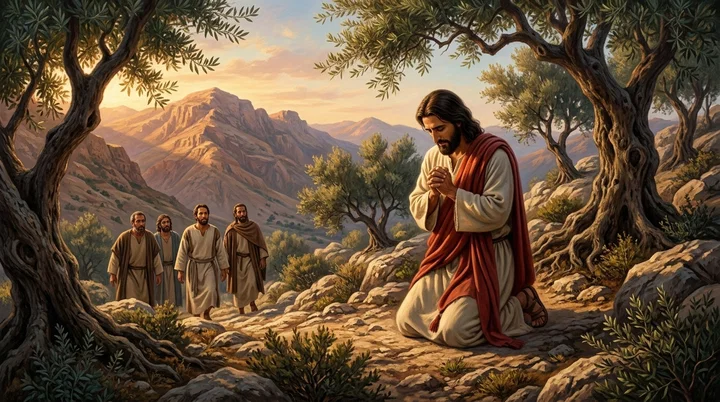
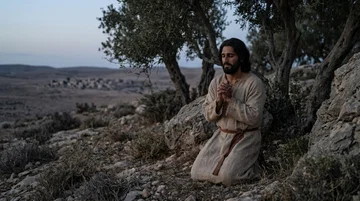
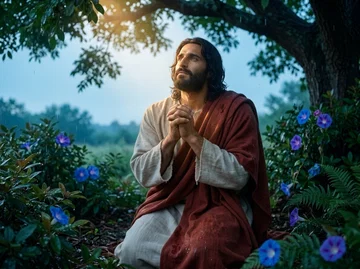
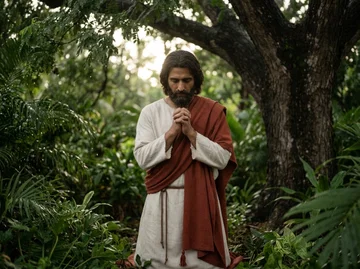
And he withdrew himself into the wilderness, and prayed.
Revised Version, American Standard Version
But he withdrew himself in the deserts, and prayed.
and he was withdrawing himself in the desert places and was praying.
And he withdrew himself, and was about in the desert [places] and praying.
howbeit, he, was retiring in the deserts, and engaging in prayer.
Berean Standard Bible, Majority Standard Bible
Yet He frequently withdrew to the wilderness to pray.
But he withdrew himself into the desert and prayed.
But he went away by himself to a waste place for prayer.
But he kept himselfe apart in the wildernes, and prayed.
Douay-Rheims (Challoner revision)
And he retired into the desert, and prayed.
Pictures
Cross-references
- Mark 1:35
And in the morning, rising up a great while before day, he went out, and departed into a solitary place, and there prayed.
Jesus withdraws to a solitary place to pray.
- Luke 6:12
And it came to pass in those days, that he went out into a mountain to pray, and continued all night in prayer to God.
Jesus withdraws to a mountain and prays through the night.
- Matthew 14:23
And when he had sent the multitudes away, he went up into a mountain apart to pray: and when the evening was come, he was there alone.
Also describes Jesus withdrawing to pray.
- Luke 9:28-29
And it came to pass about an eight days after these sayings, he took Peter and John and James, and went up into a mountain to pray.
Jesus prays on the mountain before his transfiguration.
- Matthew 6:6
But thou, when thou prayest, enter into thy closet, and when thou hast shut thy door, pray to thy Father which is in secret; and thy Father which seeth in secret shall reward thee openly.
Jesus’ secluded prayer exemplifies his instruction to pray in private.
- Luke 4:42
And when it was day, he departed and went into a desert place: and the people sought him, and came unto him, and stayed him, that he should not depart from them.
Jesus withdraws to a solitary place after ministering publicly.
- Luke 3:21
Now when all the people were baptized, it came to pass, that Jesus also being baptized, and praying, the heaven was opened,
Jesus prays at his baptism.
- Luke 9:18
And it came to pass, as he was alone praying, his disciples were with him: and he asked them, saying, Whom say the people that I am?
Jesus is again alone in prayer.
- Matthew 26:37-39
And he took with him Peter and the two sons of Zebedee, and began to be sorrowful and very heavy.
Jesus’ work ends with earnest prayer in the garden.
- Mark 6:46
And when he had sent them away, he departed into a mountain to pray.
Describes Jesus going away to pray.
- Hebrews 5:7
Who in the days of his flesh, when he had offered up prayers and supplications with strong crying and tears unto him that was able to save him from death, and was heard in that he feared;
Both describe Jesus praying earnestly to God.
- 1 Kings 19:4-12
But he himself went a day’s journey into the wilderness, and came and sat down under a juniper tree: and he requested for himself that he might die; and said, It is enough; now, O LORD, take away my life; for I am not better than my fathers.
both show withdrawing to wilderness to hear God
- Luke 11:1
And it came to pass, that, as he was praying in a certain place, when he ceased, one of his disciples said unto him, Lord, teach us to pray, as John also taught his disciples.
Shows Jesus praying and his disciples asking him to teach them.
- Mark 1:37
And when they had found him, they said unto him, All men seek for thee.
The disciples find Jesus while people are seeking him.
- Daniel 6:10
Now when Daniel knew that the writing was signed, he went into his house; and his windows being open in his chamber toward Jerusalem, he kneeled upon his knees three times a day, and prayed, and gave thanks before his God, as he did aforetime.
Daniel knelt alone three times daily
- Mark 6:31
And he said unto them, Come ye yourselves apart into a desert place, and rest a while: for there were many coming and going, and they had no leisure so much as to eat.
Jesus withdraws with his disciples from the crowds for rest.
- Isaiah 38:2
Then Hezekiah turned his face toward the wall, and prayed unto the LORD,
both show hidden prayer with face turned away from men
- Luke 18:1
And he spake a parable unto them to this end, that men ought always to pray, and not to faint;
Jesus teaches His disciples to pray continually and not lose heart.
Commentary
Each commentary is drawn from primary sources: the writings of Ellen G. White and Adventist pioneers and periodicals. Each commentary is separate. Its own words are not a quotation; follow the references to read the source passages.
Ellen G. White
20 sources
After the report of the leper's healing drew dense crowds seeking miracles, Jesus withdrew from the cities and multitudes to lonely, secluded places in the wilderness to pray.DA 362.3–363.1Ms 38, 1889, par. 32SP 225.1DA 264.3–265.4COS 41.4 He did this regularly whenever He had opportunity, often through the night and morning by morning when the daytime press left Him no time, then returned to His active work.RH May 30, 18714RED 35.1–2COS 41.47T 250.4–251.3Ms 33, 1912, par. 42–44 Sharing human need, weakness, and dependence on God, He found this communion essential to strengthen His human nature against daily temptation, opposition, and Satan's power, and to seek energy, wisdom, and power for duty and trial.DA 362.3–363.1Ms 38, 1889, par. 3RP 5.2–3 His experience is the example for His followers, for if prayer was necessary even for the Son of God, finite, sinful people with no strength in themselves have still greater need and cannot live without earnest prayer.DA 362.3–363.1MYP 383.3Ms 38, 1889, par. 1 God's workers especially must take time alone with God to ask and receive spiritual strength, grace, and renewal, which opens the mind to the Holy Spirit and revives the heart with fresh life that makes their efforts successful.Lt 30, 1911, par. 11–137T 250.4–251.3Ms 33, 1912, par. 42–44
Setting and Withdrawal
After the report of the leper's healing spread, dense crowds gathered to see miracles, and the press of people forced Jesus to pause His work for a time.2SP 225.1DA 264.3–265.4 Their excitement made withdrawal necessary, so that He hid Himself lest the leaders use the assemblies to stir Roman fears of insurrection.2SP 225.1 He withdrew from the crowds and the cities to lonely, quiet, secluded places in the wilderness.DA 362.3–363.1Ms 38, 1889, par. 3CH 162.1 Those retreats were mountains and desert places, fields and the quiet settings of nature.COS 41.4CH 162.1CH 162.2MYP 383.3 He withdrew there to pray, regularly and whenever He had opportunity.RH May 30, 18717T 250.4–251.3Ms 33, 1912, par. 42–44Ms 38, 1889, par. 1Ms 101, 1902, par. 4 He set aside time for communion even in the quiet hours after the day's work and cares were over.RH May 30, 1871
Because the daytime press left Him no time, He often claimed the night for prayer while the world slept.4RED 35.1–2 He went into the mountains as into a sanctuary and often spent entire nights in prayer and meditation.4RED 35.1–2 He also sought those solitary places at daybreak and early in the morning, morning by morning.COS 41.4ST Oct 19, 1904CH 162.1ST Jan 29, 1902 After these peaceful hours He returned to His active work and duties.4RED 35.1–2COS 41.4
Purpose of His Prayer
Sharing human needs and weakness and depending on God, He found communion essential to strengthen His human nature against daily temptation, opposition, conflict, and the power of Satan to overcome Him.DA 362.3–363.1Ms 38, 1889, par. 3RP 5.2–3 His continued connection with divine power kept Satan from overcoming Him, and prayer strengthened Him for His work and conflicts.DA 362.3–363.1Ms 38, 1889, par. 3RP 5.2–3 In those hours He sought strength for duty and trial — energy, perseverance, steadfastness, wisdom, and power.DA 362.3–363.1Ms 38, 1889, par. 3RP 5.2–3ST Oct 19, 1904 These hours of prayer were a source of wisdom and power in His earthly life.DA 362.3–363.1ST Oct 19, 1904
After days spent ministering to the pressing crowds and exposing deceptive teaching, He was left utterly wearied so that His mother and brothers and even His disciples feared His life would be sacrificed.ST Jan 29, 1902 The hours of prayer that closed the toilsome day restored Him, and He returned with peace marked on His face.DA 362.3–363.1ST Jan 29, 1902 In prayer He found comfort and joy.DA 362.3–363.1ST Jan 29, 1902 While apart He interceded with the Father for mankind, often spending entire nights in prayer and meditation while the world slept.DA 362.3–363.14RED 35.1–2 He joined prayer with meditation and Scripture study, seeking quiet places to pray, meditate, and study the Bible.4RED 35.1–2COS 41.4CH 162.1
This continual communion sustained Him to give life to the world and to come forth morning by morning to bring heaven's light to men.DA 362.3–363.1ST Jan 29, 1902 His disciples could hear His earnest appeals to God and see where His strength came from.RP 5.2–3Ms 38, 1889, par. 1 Through prayer He showed His disciples the source of His energy, perseverance, and steadfastness.RP 5.2–3Ms 38, 1889, par. 1
Pattern for Believers
His withdrawal to pray is the pattern for all who follow Him, and stands against any teaching that His life is not to be imitated.DA 362.3–363.1Ms 5, 1866, par. 1–3 Though He shared human need and weakness and lived in dependence on God, He still sought strength in solitary prayer, which shows that prayer was necessary even for the Son of God in carrying out His work.DA 362.3–363.1Ms 38, 1889, par. 1 Finite human beings, prone to error and drawn away from God, and sinful people with no strength in themselves, have still greater need to pray and cannot live without earnest prayer.DA 362.3–363.1MYP 383.3Ms 38, 1889, par. 1
The record of His works for spiritual and physical needs holds lessons for all who serve others.Lt 30, 1911, par. 11–13 As He made time to be alone with God whenever He had opportunity, so those who work for God must take time to be alone with Him to ask and receive spiritual strength for their work.7T 250.4–251.3Ms 33, 1912, par. 42–44Ms 101, 1902, par. 4 That asking brings the grace and efficiency, help and renewal that God alone can give.Ms 33, 1912, par. 42–44Ms 101, 1902, par. 4
Such prayer opens the mind to receive the impressions of the Holy Spirit and revives the heart with a fresh supply of life, and this is what makes efforts for others successful.Ms 33, 1912, par. 42–44 It means setting aside quiet times for communion at dawn and twilight and turning the heart to God throughout the day.ST Oct 19, 1904 It belongs even in the quiet hours after the day's work and cares are over, with frequent prayer and watching in prayer to seek strength to resist the devil.RH May 30, 1871Lt 316, 1908, par. 16
He found joy in solitude with God and in nature, seeking quiet places to pray, meditate, and study, often at daybreak, then returning to His duties as a model of patient work.COS 41.4 His withdrawal from crowded cities to the fields while training His disciples followed this same pattern and gave a fitting setting for teaching simplicity, faith, and self-denial.COS 41.4CH 162.2
Sources
Pioneers and periodicals
40 sources
After the cleansing of the leper drew great multitudes to hear and be healed, he withdrew from them into solitary and quiet places to pray.ST Apr 5, 1899ST Feb 26, 1894ST Apr 5, 1899 Withdrawing in this way was his recurring and regular habit, by night and morning and after the day's work was over.RH May 30, 1871ST Nov 11, 1889RH Jul 24, 1913 His labors in teaching and healing exhausted him, and solitary communion with his Father replenished his grace and strength and carried his ministry forward.RH Mar 27, 1913RH Nov 14, 1912RH Nov 1, 1906RH Nov 14, 1912 His withdrawing sets the example of secret and solitary prayer apart from others, which strengthens and prepares for teaching and usefulness.RH Apr 16, 1857RH Jul 2, 1914RH Nov 17, 1863ST Jul 21, 1881 His followers need this daily communion to renew strength for trial and conflict even more than he did, bringing their needs and griefs to God rather than bearing them alone.RH Nov 1, 1906RH Feb 17, 1863RH Nov 28, 1912ST Apr 9, 1902ST Mar 10, 1890
Ministry Setting and Occasion
The verse comes right after the cleansing of the leper, when the report of the miracle spread and great multitudes came together to hear and to be healed of their infirmities, and because of that press he withdrew from them into the deserts to pray.ST Apr 5, 1899ST Feb 26, 1894ST Apr 5, 1899ST Feb 26, 1894ST Mar 10, 1890 He went to be free from the multitudes, leaving the crowds and other people for deserts and secluded places in the wilderness where he could be alone for prayer.ST Apr 5, 1899ST Feb 26, 1894ST Apr 5, 1899ST Feb 26, 1894 The leper was a man full of leprosy who came in faith, and at a touch he was cleansed at once, an act showing both power and love and sympathy.ST He was then told to follow the law by presenting himself to the priest as Leviticus 14 instructed, so that the healing would testify to the priests that the law was not dishonored and would witness to his power and mission.ST This belongs to ministry among the sick outside the towns, where he taught those who came to him and healed them, refusing none.ST Jul 28, 1914ST Jun 30, 1914 Many who received physical healing were also convicted of sin and healed spiritually.ST Jun 30, 1914
Those were hard days spent teaching the people, healing the sick, and exposing deceptive teaching, and the unceasing labor left him so utterly wearied that his family and even his disciples feared his life would be sacrificed.ST Jan 29, 1902 Burdened by human ingratitude, he left the crowds at night for a solitary place under the star-lit heavens to commune with his Father in prayer and weeping while those he had healed slept in their homes.ST Oct 27, 1914 Those healed enjoyed rest and physical benefit after weary nights, yet they forgot the Healer, gave scarcely a thought to their sin-diseased souls and poverty of soul, and selfishly rejected his instruction.ST Oct 27, 1914 They were like the nine lepers who accepted healing from loathsome disease without thanking their Benefactor, yet he had not forgotten them but wept and prayed for the ungrateful, hardened, and sinful people.ST Oct 27, 1914 The hours of prayer that closed the toilsome day restored him, and he returned with peace marked on his face, coming forth morning by morning from hours spent with God to bring the light of heaven to men.ST Jan 29, 1902
He was about thirty years old, a grown man who knew the cares of adult life and who yearned for a quiet place when he could find not a minute free.ST Apr 9, 1902 Like Elisha, who shut himself alone with the child and prayed to God, he went apart alone to the Father in prayer.ST Apr 9, 1902ST Oct 5, 1904 Prayer at the Father's seat was his throne of strength.ST Apr 9, 1902
Wilderness Withdrawal and Habit
After the report spread and great multitudes came together to hear and to be healed of infirmities, he withdrew from them to pray.ST Apr 5, 1899ST Feb 26, 1894ST Apr 5, 1899ST Feb 26, 1894 He withdrew himself from the crowds, the multitudes, and other people in order to be free from the throng.ST Feb 26, 1894RH Apr 16, 1857RH Feb 17, 1863 The place he sought was the deserts, the wilderness, and secluded, solitary, lonely, and quiet places apart from others.ST Apr 5, 1899ST Feb 26, 1894RH Apr 16, 1857ST Apr 5, 1899ST Feb 26, 1894
Withdrawing in this way to pray was not occasional but a recurring, regular, and often-repeated habit of his life.RH May 30, 1871ST Nov 11, 1889RH Jul 24, 1913RH Nov 17, 1863RH Sep 18, 1856 Again and again he sought secluded places such as mountainsides, gardens, mountains, solitudes, and wilderness areas in order to pray alone.RH Jul 10, 1860RH Sep 18, 1856 He retired into mountains and solitudes apart from men, even by night beholding the face of his heavenly Father.RH Jul 10, 1860 This constant retirement made prayer a recurring part of his life and a source of help amid trials, with time set aside for communion even in the quiet hours after the day's work and cares were over.RH May 30, 1871ST Nov 11, 1889
His retirements therefore belonged to the night, to the quiet hours after the day's work, and to morning by morning coming forth from hours spent with God.RH May 30, 1871ST Jan 29, 1902RH Sep 23, 1909 He is seen in quiet morning prayer apart from the waking town, withdrawing into the wilderness to pray. He withdrew a little way aside often while others were asleep, living always in an attitude of prayer and loving communion with his Father.RH Sep 23, 1909 Before beginning a day filled with work and helping others, he spent time alone with his Father to renew strength, and the hours of prayer that closed the toilsome day restored him so that he returned with peace marked on his face to bring the light of heaven to men.ST Jan 29, 1902RH Nov 28, 1912
Strength from Communion
His work of teaching and healing the crowds who came to hear and be healed exhausted Him, and communion with the Father in prayer replenished His supply of grace and strength, for even He needed uninterrupted prayer to continue His ministry.RH Nov 14, 1912 Even while the crowds pressed around Him to be healed He made prayer a priority.RH Mar 27, 1913RH Nov 1, 1906RH Nov 14, 1912 Amid incessant toil and the demands of His work He sought communion with the Father and divine strength for His duties, and carried His ministry forward by solitary prayer.RH Mar 27, 1913RH Nov 1, 1906RH Nov 14, 1912 That example brings needs, trials, perplexities, and griefs to God rather than trying to bear life's burdens alone.RH Nov 1, 1906
Time alone with God gave Him strength for His ministry and to withstand the enemy and the opposition of religious leaders.RH Jul 24, 1913 Those hours of prayer were a source of wisdom and power.ST Oct 19, 1904 Before beginning a day filled with work and helping others He spent time alone with the Father to renew His strength for guidance, grace, and the day's trials and cares, teaching daily communion at dawn and twilight and turning the heart to God throughout the day.ST Oct 19, 1904RH Nov 28, 1912 Communion gave Him spiritual refreshment and strength for conflict with Satan and the powers of darkness, for strenuous labor and mighty works, and for bearing the burden of the world's sin.RH Nov 19, 1908RH Nov 18, 1915RH Sep 23, 1909 By withdrawing to pray He gained power to overcome Satan and death, and persistent prayer was the means of His victory.RH Nov 19, 1908RH Sep 23, 1909
His praying was not for Himself alone but for His disciples and for all who would believe through their word.RH Sep 23, 1909 Prayer is the means by which His disciples receive power to carry His work forward successfully.RH Nov 18, 1915RH Sep 23, 1909 He sometimes withdrew to a solitary place for rest and prayer when weary, and prayer was His refreshment after work.RH Aug 31, 1911ST Dec 24, 1894RH May 18, 1911 Such retreat for solitude and spiritual refreshment sustains an active, evangelizing life.RH Aug 31, 1911ST Jan 21, 1897 Prayer and action belong together, without neglecting duties or leaving sufferers without help, and bodily fatigue is not itself sin or proof of insufficient faith.ST Dec 24, 1894RH May 18, 1911
Pattern of Secret Prayer
Jesus withdrawing from other people into a solitary place to pray sets the grand example of secret, private, and solitary prayer offered apart from others.RH Apr 16, 1857RH Jul 2, 1914RH Jul 10, 1860RH Aug 25, 1904RH Sep 18, 1856 His oft-repeated habit was to seek secluded places such as mountainsides, gardens, mountains, solitudes, and wilderness areas to pray alone, retiring into mountains and solitudes apart from men even by night beholding the face of His heavenly Father.RH Jul 10, 1860RH Sep 18, 1856 That example enforces the obligation to practice secret prayer by entering the closet when praying.RH Sep 18, 1856 His withdrawing proves that secret prayer duly managed is the mark of a sincere heart and has the promise of a gracious return, opening the privy chamber of heaven when God and the soul are alone.RH Jul 10, 1860 Private personal devotion and communion with the Source of all wisdom and power is necessary, and if one like Jesus realized that need so deeply, His weaker followers need it much more; secret prayer should be practiced daily and set aside as time for private communion, freeing the soul from surrounding influences and excitement, enabling calm and earnest faith, bringing divine strength for the conflict with Satan, while prayer may also continue silently during daily work.RH Aug 25, 1904ST Mar 10, 1890
His withdrawing to pray alone was distinct from His praying together with His disciples, who as Jewish converts were His family, so His life gives both solitary prayer and prayer with one's household.ST Feb 25, 1875 Private prayer does not stand alone but stands beside family prayer, with the daily voice of prayer heard in the family circle after the pattern of Abraham, David, Job, Cornelius, and Aquila and Priscilla training those entrusted to them.ST Feb 25, 1875 The verse teaches that ministry and teaching should be joined with private prayer, calling teachers both to go out to teach and to retire for prayer.ST Jul 21, 1881 Jesus often withdrew to lonely places to commune with God, meditate, and pray, and these times of retirement strengthened and prepared Him to teach the crowds, showing that meditation and prayer support usefulness, heavenly-mindedness, and holiness.RH Nov 17, 1863
Growing in grace requires being much alone in prayer apart from society, since even Christian society does not make the soul grow most vigorously, and solitude and prayer give the soul space to grow.ST Feb 9, 1882ST Oct 7, 1880 One single quiet hour of prayer may bring more progress than days spent in company with others, even Christian company.ST Feb 9, 1882ST Oct 7, 1880 Withdrawing into the wilderness places the soul in the desert where the dew falls freshest and the air is purest.ST Feb 9, 1882 Anyone who intends to attain inward and spiritual things must retire from the multitude with Him, and keeping apart and staying at home protects the inward life, since it is easier not to speak to all than to avoid speaking too much, and easier to stay guarded at home than when abroad.RH Dec 11, 1855
Following His Practice
His example calls followers to leave the throng and seek quiet communion with God in a lonely place, even in the midst of incessant toil.RH Nov 1, 1906RH Feb 17, 1863 That communion is for divine strength for duty, bringing needs, trials, perplexities, and griefs to God rather than trying to bear life's burdens alone.RH Nov 1, 1906RH Feb 17, 1863 Daily communion is needed to renew strength, and before beginning a day filled with work and helping others time is to be spent alone with the Father for guidance, grace, and strength to meet the day's trials and cares.ST Oct 19, 1904RH Nov 28, 1912 Quiet times are to be set aside for communion at dawn and twilight, with the heart turned to Him throughout the day.ST Oct 19, 1904RH Nov 28, 1912
Secret prayer is to be practiced daily, setting aside time for private communion apart from others.RH Aug 25, 1904RH Sep 23, 1909 It frees the soul from surrounding influences and excitement, enables calm and earnest faith, and brings divine strength for the conflict with Satan.RH Aug 25, 1904RH Sep 23, 1909 He lived always in an attitude of prayer, loving communion with the Father and withdrawing a little way aside, often while others were asleep, to gain strength from above for new trials.RH Aug 25, 1904RH Sep 23, 1909 By that withdrawing He gained power to overcome Satan and death so that believers through Him can be conquerors in the great conflict, and His praying was not for Himself alone but for His disciples and for all who would believe through their word.RH Sep 23, 1909 Private personal devotion and communion with the Source of all wisdom and power is necessary, and if One like Jesus realized that need so deeply, His weaker followers need it much more.ST Apr 9, 1902ST Mar 10, 1890 When He was about thirty years old, a grown man who knew the cares resting on adult life and who yearned for a quiet place when He could find not a minute free, He went apart alone to the Father in prayer, for prayer at the Father's seat was His throne of strength, and those of the same age, knowing its cares, should seek strength there like His.ST Apr 9, 1902ST Mar 10, 1890
Sources